Matox News

Truth Over Trends, always!

Tragedy in Perth: Two Kids Among Four Dead in Suspected Murder-Suicide

Recent reports from Australia have cast a stark spotlight on a devastating family tragedy in the affluent suburb of Mosman Park, Perth. The suspected murder-suicide that claimed four lives, including two children with significant health challenges, has sent shockwaves through the local community and sparked important conversations about mental health, societal support systems, and the psychological toll of modern life. This heartbreaking event, while localized in scope, reverberates beyond Australia’s borders, symbolizing the quiet crises that often go unnoticed within the fabric of developed nations.

However, the significance of such tragedies extends far beyond individual families. As global analysts like Samuel Huntington and institutions such as the United Nations observe, societal disintegration is increasingly linked to mental health neglect, economic disparity, and the erosion of traditional family structures — issues exacerbated by the rapid pace of globalization. The Australian case underscores how even in the most affluent communities, vulnerable populations—especially children—are not immune to psychological distress. These social fissures pose a dire challenge to the stability of nations as they grapple with a surge in mental health crises, which can sometimes culminate in violence or self-destructive acts.

On the broader international stage, powerful nations weigh their responses to evolving circumstances that threaten their societal cohesion. The shift in global geopolitics—whether it’s the ongoing U.S.-China rivalry, the destabilization in Eastern Europe, or the new economic alliances in Asia-Pacific—is increasingly influenced by their internal social resilience. Decisions taken in response to domestic crises, including mental health policies and social safety nets, directly impact a nation’s capacity to project power and stability. As recognized by think tanks and international organizations, the strength of a nation’s social fabric often determines its geopolitical influence. The mere fact that in Australia a single tragic event can draw national headlines emphasizes how internal vulnerabilities ripple outward, affecting the country’s diplomatic posture and global standing.

This tragic episode also underscores a critical turning point: how nations must prioritize mental health and societal support as integral components of national security. As the World Health Organization warns, neglecting these issues can lead to long-term societal destabilization, which in turn fuels regional unrest and international instability. Historians like Niall Ferguson argue that the future of global sovereignty hinges not solely on military strength or economic prowess, but on the resilience of societal bonds. Just as Western nations grapple with internal divisions, their ability to maintain influence on the world stage hinges on how they address these internal crises.

In a world where history continuously unfolds, the personal tragedy at Mosman Park serves as a stark symbol of broader fragilities. It is a reminder that beneath the veneer of prosperity lies a fragile veneer vulnerable to fracture—where societal supports can break, and chaos can emerge. As leaders and citizens alike contemplate the lessons embedded in this tragic event, they are faced with an urgent question: will they recognize the vital need to reinforce their social foundations before history’s next upheaval? The weight of the future hangs heavy, and the pages of history remain blank, awaiting the choices that will determine the fate of nations and societies for generations to come.

Authorities crackdown as two hostages reportedly freed in suspected plotter hunt

West Africa stands at a critical crossroads as a wave of military coups threatens the fragile stability across the region. The attempted coup in Benin, once considered one of Africa’s bastions of relative democracy, underscores a disturbing trend of political unrest that has ignited alarm among international observers and regional powers alike. The swift intervention by Nigeria, leveraging its formidable military might, highlights not only regional solidarity but also the deeper geopolitical undercurrents shaping the continent’s future. Analyzing these developments reveals how decisions made in the heat of conflict can reshape alliances, threaten democratic progress, and draw in global actors with divergent ambitions.

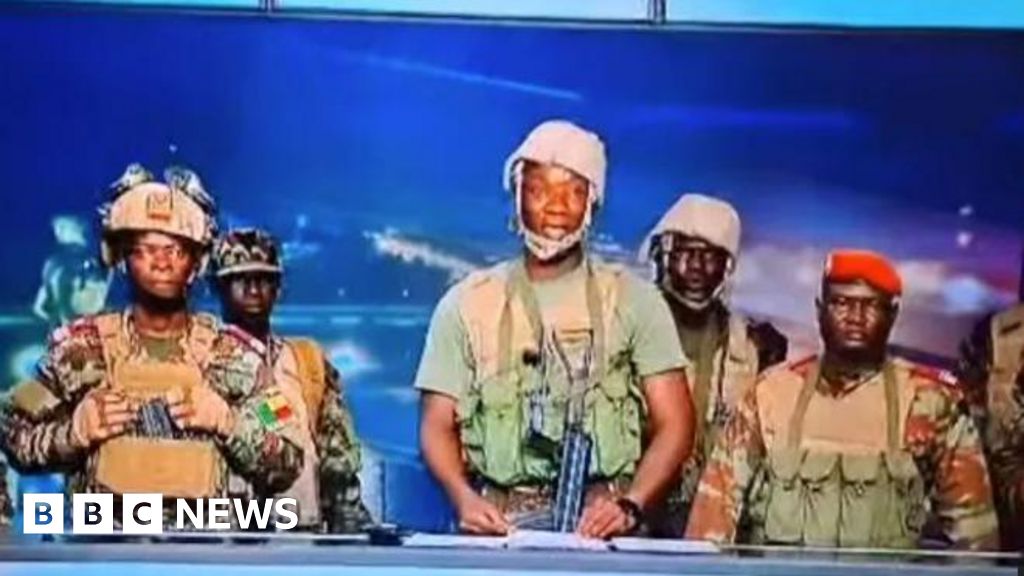
In the early hours of Sunday, soldiers appeared on national television—an unprecedented breach in Benin’s political stability—to declare they had seized control of the government. This audacious act followed mounting frustrations within the military—stemmed from threats to national security and economic decline—highlighted by critics and military insiders. The rebels, led by Lt Col Pascal Tigri, voiced grievances over President Patrice Talon‘s perceived mismanagement, especially regarding the security crises on the northern borders and socio-economic policies.

  • The security situation has deteriorated in recent years, with jihadist factions linked to IS and al-Qaeda gaining grounds in neighboring Niger and Burkina Faso, which has unnerved Benin’s military establishment.
  • The rebels condemned cuts in healthcare, including the suspension of vital kidney dialysis services, and increased taxation, which they argue fuel social discontent and political instability.

Meanwhile, regional responses underscored the geopolitical tensions beneath these overt conflicts.

Regional actor Nigeria, acting swiftly under the auspices of mutual security, dispatched fighter jets to dislodge the mutineers, effectively thwarting the coup’s consolidation. Nigeria’s decisive action signals the importance of maintaining stability in this critical corridor, both for economic reasons and for regional security. As Ecowas and the African Union publicly condemned the attempted takeover, the incident amplified fears that West Africa’s resurgence of military coups—following recent upheavals in Mali, Burkina Faso, Guinea, and Niger—could spiral into a broader regional crisis. Historians and analysts warn that such instability risks unraveling progress in democracy and economic development, drawing in external powers eager to influence the continent’s future trajectories.

Of particular concern is the geopolitical impact of Russia’s increased involvement. Several pro-Russian social media accounts lauded the Benin coup attempt, reflecting a broader contest for influence in an increasingly divided Africa. While Western nations, led by the United States and European Union, advocate for democratic consolidation, Russia and its allies have sought to exploit the chaos, fostering alliances with countries opting to leave regional bodies like Ecowas and form their own blocs—most notably, the Alliance of Sahel States. This geopolitical chess game threatens to transform Africa into a battleground for global influence, with consequences that extend far beyond its borders. International organizations continue to warn that regional destabilization could accelerate migration, foster terrorism, and foster economic decline in an already impoverished continent.

As tumult continues to ripple through West Africa, the deeper narrative emerges: a battle between democratic resilience and authoritarian resurgence, influenced by external powers with vested interests. With critical elections due in Benin next year and the region’s political landscape more volatile than ever, the weight of history presses down, shaping the future of an entire continent. The unfolding story of Benin’s attempted coup and the regional response is a stark reminder that in this era of shifting alliances, the choices made in moments of crisis will resonate for generations—carving a legacy that may either solidify stability or plunge West Africa into chaos.

Democrats push Pentagon to release footage of suspected drug boat strike — returning to tough on crime stance from Trump era

Controversy Erupts Over US Navy Strike in the Caribbean

In a development that could have far-reaching geopolitical impact, the United States is facing mounting scrutiny over a deadly naval attack in the Caribbean, where eleven individuals lost their lives. The controversy revolves around the Pentagon’s refusal to publicly release video footage of the incident, stirring international and domestic objections. Democratic leaders and security analysts argue that transparency is vital to assess the legality and moral standards of such military actions, especially given the disturbing reports of a second strike that targeted alleged survivors clinging to wreckage.

This incident has highlighted a broader debate about the limits of military authority and accountability. The attack, which took place on September 2, involved an operation against what US officials described as a drug-smuggling vessel. However, critics, including Democratic Senator Adam Schiff, emphasize that the absence of visual evidence fuels accusations of reckless conduct and potential war crimes. As some members of Congress demand transparency — with Senator Schiff calling for the release of the video — others, like Pentagon officials, cite concerns about safeguarding classified information, revealing a tension between national security and public oversight.

International and Strategic Ramifications

The refusal to share the footage comes at a critical juncture for global perceptions of US military engagement. The incident underscores the risk of escalation in the region, where such actions may erode the US’s image as a defender of moral standards. Analysts warn that this controversy could embolden rival powers like China and Russia, who have been keen to exploit perceived American overreach to justify their own aggressive postures elsewhere. How the Biden administration chooses to handle this controversy will influence the future of American military diplomacy and credibility, especially in unstable regions marked by lawlessness and turmoil.

International organizations, including human rights watchdogs, have expressed concern over the potential violation of international law. Historians note that such incidents, if unresolved or perceived as unjust, tend to serve as catalysts for broader regional conflicts. Furthermore, military experts remind that decisions made in the fog of conflict often bear consequences long after the firing stops, transforming battlefield actions into symbols of moral and strategic dilemmas. As the debate intensifies, the world watches closely — realizing that every clandestine attack, every withheld video, becomes another chapter in a narrative of power, justice, and the fragile morality of warfare.

Reader’s Reflection: The Weight of Unfolding History

As the dust settles and more information surfaces — or is concealed — the core question remains: what echoes will this bequeath in the annals of history? Will the US’s refusal to provide clarity strengthen its resolve and moral authority, or will it diminish its standing and invite doubt? The unfolding story is a stark reminder of the potent consequences when military force is wielded in the shadows, shaping not only the immediate battlefield but also the very fabric of international justice and sovereignty. The world stands at a precipice, evaluating whether the current path embodies strength or peril, and history’s verdict still hangs in the balance, waiting to be written.

Family of missing Colombian youth demand answers after U.S. strike targets suspected drug vessel

In the vibrant coastal regions of Colombia and Venezuela, a quiet lifestyle revolves around the sea — a life rooted in tradition, community, and the pursuit of peace amidst turbulence. Yet, recent US military strikes targeting alleged drug-trafficking vessels have cast a shadow over these once tranquil waters. These covert operations, justified by American officials as efforts to combat narco-terrorism and drug-related violence, have sparked fierce debates about legality and human rights, raising questions about the true cost of national security measures. The stories of local fishermen, like Juan Assis Tejeda and others, reveal a sobering reality: they fear that innocent lives, livelihoods, and even civilians might be caught in the crossfire of international politics.

The US claims that these strikes are necessary defenses against criminal networks that threaten regional stability and American lives, citing an increase in cocaine seizures and the rising toll of fentanyl in the US as evidence. However, critics, including international law experts and local communities, argue that these actions resemble extrajudicial killings—a stark departure from the rule of law that emphasizes arrest, trial, and sentencing. Juan, an experienced fisherman who often surveys the waters near Venezuela, shares a poignant perspective: “We just go after tuna, but sometimes drones hover over us — we’re afraid. It’s not right to be pursued and targeted like terrorists without proof, just for earning a living.” Such testimony underscores that in these moments, what the global stage doles out as “security” can sometimes feel like an assault on everyday lives, on well-being, and on the pursuit of simple peace.

The reactions from regional leaders also underscore the underlying geopolitical tensions. Colombia’s President Gustavo Petro has challenged the US’s narrative, condemning the strikes that reportedly killed civilians, including local fishermen and farmers. Petro’s stance aligns with a broader suspicion: that behind the veneer of anti-drug efforts lies an attempt to exert political pressure on Venezuela’s government and its controversial leader, Nicolás Maduro. Many locals believe that these military moves serve as a tool to destabilize the region further, possibly paving the way for more direct American influence, which could threaten the sovereignty of these nations and their communities. Such multi-layered tensions bring to light a crucial fact—lifelines of culture and livelihood are often caught in the crossfire of superpower ambitions.

Amid these turbulent waters, the local community’s resilience remains a quiet but powerful force. Stories from fishermen like Mr. Tejeda show their unwavering desire to live peacefully, unaffected by the global game of power. These men and women are not targets—they are just ordinary people caught in extraordinary circumstances. Their stories serve as a reminder that, at the heart of every geopolitical conflict, there are human lives seeking stability and dignity. As these small villages watch and wait, they embody the spirit of relentless hope: a hope that one day, diplomacy and respect for sovereignty will prevail, and the love of the sea will return to being a source of life, not conflict.

Reflecting on these narratives leaves us with a profound understanding: lifestyle is more than leisure or routine; it’s a journey to embrace resilience in uncertainty. These coastlines, woven with stories of struggle and hope, remind us that true security arises not from the barrel of a gun, but from respect—respect for life, for community, and for sovereignty. As we watch these waters, may we find the wisdom to navigate our own lives with clarity and purpose, standing for fairness amid the chaos, and cherishing the peaceful pursuits that truly define our well-being.

El-Fasher hospital worker warns of chilling terror ahead of suspected massacre exit

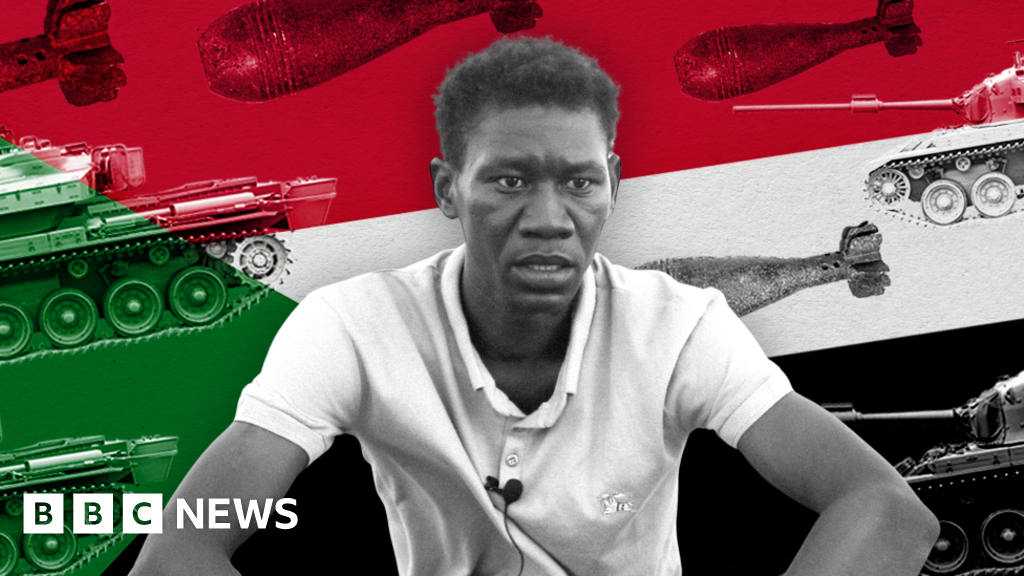
The ongoing Sudanese civil conflict has reached a catastrophic turning point with reports of mass atrocities in the city of el-Fasher. Since April 2023, a brutal power struggle between the Sudanese army and the Rapid Support Forces (RSF) has torn a nation apart, plunging countless lives into chaos, suffering, and despair. The recent escalation, especially in the western region, exposes a heartbreaking decline of humanity amid an already fragile geopolitical landscape. An eyewitness account from Abdu-Rabbu Ahmed, a doctor who survived the massacre at the Saudi Hospital, describes scenes of terror — bodies burned and buried in makeshift graves, hospitals devastated, and families shattered by violence. As analysts from international organizations highlight, this conflict is more than a domestic power struggle; it threatens regional stability and underscores the dangerous consequences when geopolitical interests collide with human rights.

Growing evidence indicates that the fighting has resulted in widespread atrocities, with satellite imagery suggesting the possibility of mass graves in el-Fasher’s hospitals and surrounding areas. Humanitarian agencies, such as the World Health Organization, condemn these acts as atrocities, while the RSF dismisses such allegations as propaganda, claiming all hospitals are abandoned. However, firsthand reports tell a starkly different story: witnesses describe bodies being dumped and set ablaze, medical staff kidnapped, and innocent civilians killed indiscriminately. These narratives, corroborated by satellite data and investigative footage, paint a grim picture of a city under siege. Historians and military analysts warn that such patterns of violence could establish a dangerous precedent for future conflicts in Africa and beyond, potentially destabilizing fragile states and encouraging similar tactics in regional insurgencies.

The geopolitical impact of this crisis extends far beyond Sudan’s borders. As neighboring nations grapple with the influx of refugees and displaced persons, global powers are divided in their responses, with some calling for intervention and others urging caution. The United Nations and regional bodies face mounting pressure to broker ceasefires, but institutional paralysis often hampers decisive action. Meanwhile, broader geopolitical interests — including strategic alliances, resource control, and influence over the Horn of Africa — complicate efforts to stabilize the country. Critics argue that foreign governments, by engaging in selective diplomacy, inadvertently embolden factions such as the RSF, worsening the humanitarian catastrophe. The loss of hope among Sudanese civilians, like Abdu-Rabbu Ahmed, serves as a stark warning of how international indifference can accelerate societal collapse. As the world’s gaze remains fixed on the unfolding chaos, many ask: how much longer can this cycle of violence continue before it tears the region apart?

The appalling images and testimonies emerge amid warnings from historians and political analysts that Sudan’s disintegration could ignite regional conflicts, drawing in rival states and creating a breeding ground for terrorism. The escalation demonstrates how international decisions—whether through embargos, peacekeeping missions, or diplomatic intervention—directly affect societal stability and the safety of millions. The conflict’s recent atrocities serve as a brutal reminder that the weight of history continues to unfurl, with each passing day shaping the future of a nation and the broader geopolitical universe. As Sudan’s cities burn and families flee, the silent question lingers: will the international community step up, or will Sudan be consigned to the pages of history as another victim of failed diplomacy and moral neglect?

Hegseth touts successful US strike on suspected drug smuggling boat

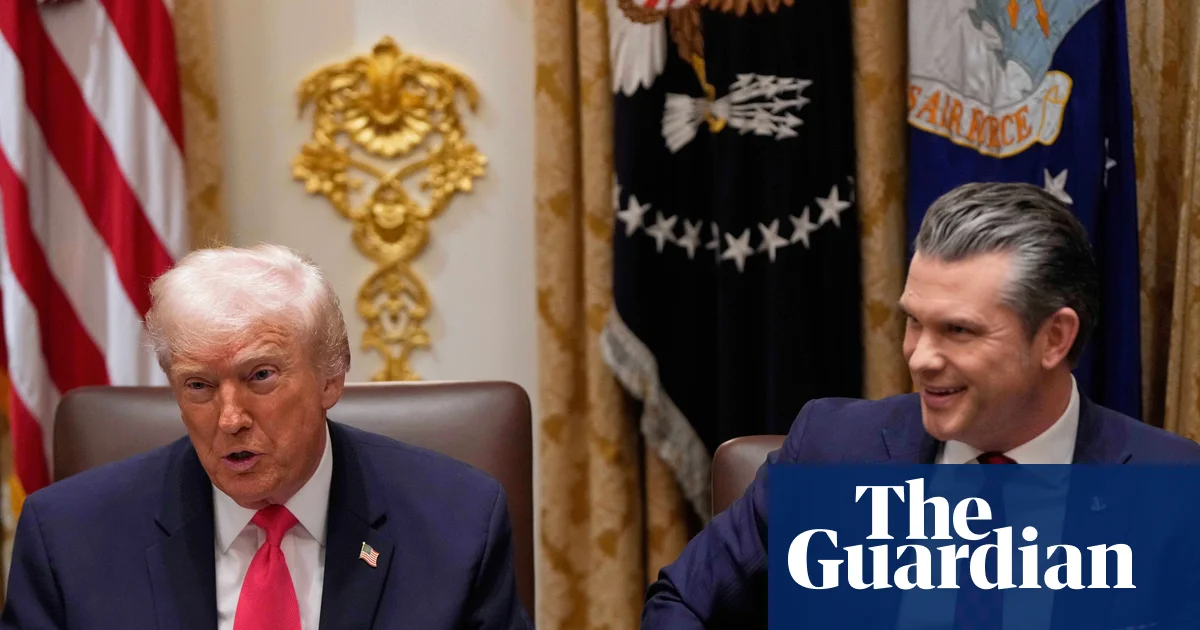
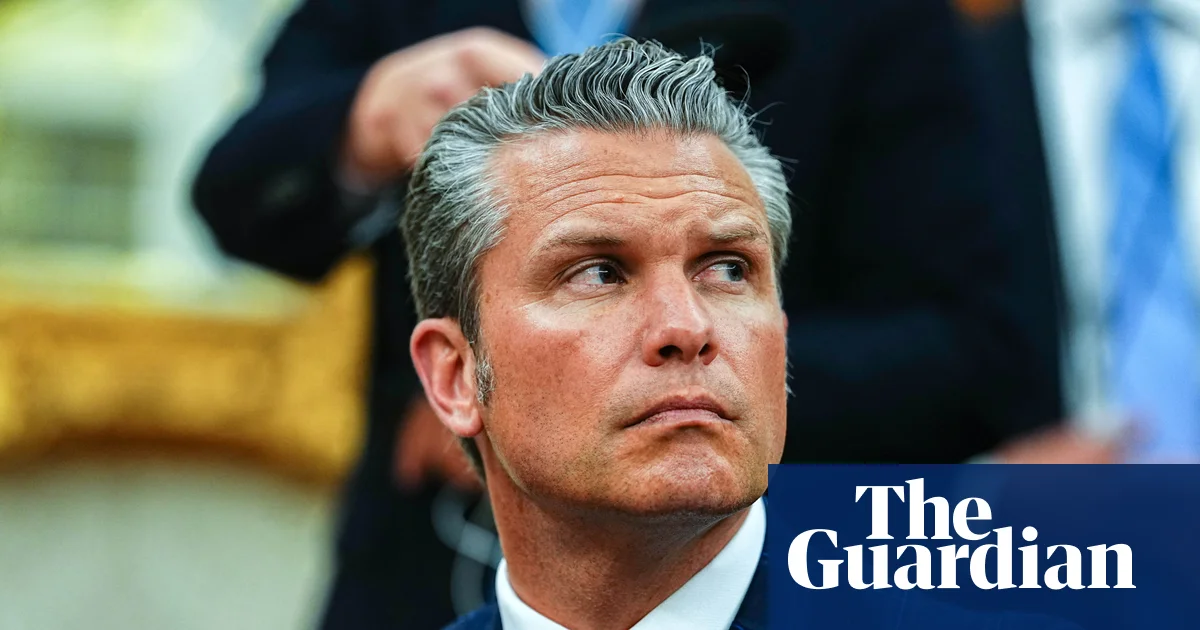
The United States continues its assertive military push in the South American and Caribbean regions, signaling a shift towards more aggressive tactics in its ongoing war against drug trafficking and perceived threats. Defense secretary Pete Hegseth announced a recent deadly strike against a vessel suspected of ferrying illegal narcotics. This strike, which claimed two lives, marks at least the 16th in a series of actions authorized by the Trump administration, raising crucial questions about the legal justifications and the broad implications of such unilateral interventions. The administration claims it is engaged in an armed conflict with drug cartels and foreign terrorist organizations, but critics and lawmakers alike demand more transparency and adhere to international norms.

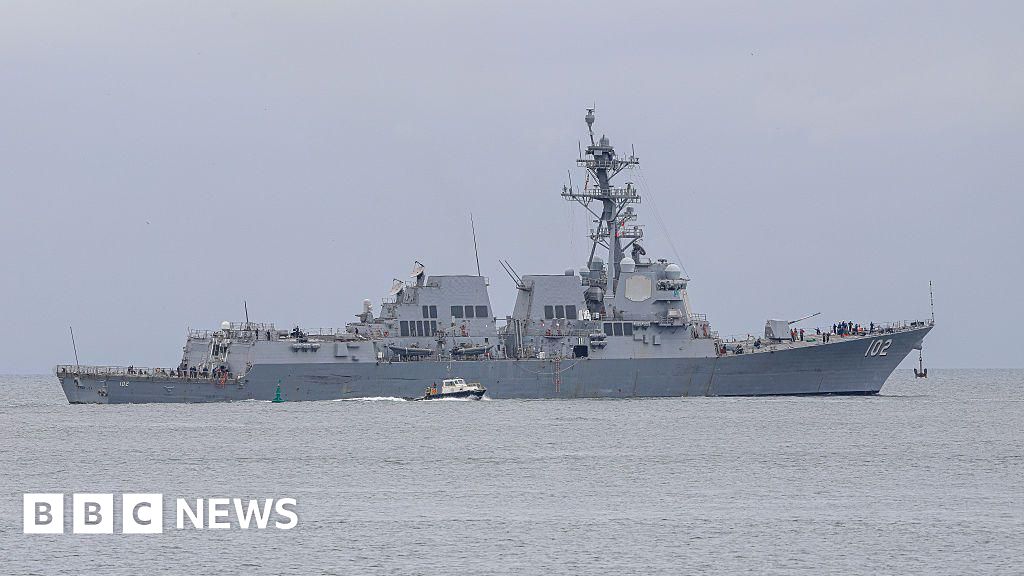
This escalation coincides with the deployment of the USS Gerald R. Ford aircraft carrier to the Caribbean, a move that signifies the extent of America’s military buildup in the region. Having left the Mediterranean through the Straits of Gibraltar, it joins a formidable fleet—including destroyers like the USS Bainbridge and USS Winston Churchill—forming a show of force that many analysts see as an effort to assert dominance over critical maritime routes. Experts from think tanks warn that such actions could destabilize regional diplomacy, creating a climate of uncertainty that threatens both regional stability and international law. This buildup is not merely about combatting drugs but is viewed as a broader message of U.S. geopolitical resolve amid rising tensions with rival powers.

International response to these American maneuvers remains divided. While some narrative voices inside the U.S. emphasize a need for ‘tougher’ stance against illicit trafficking, others, including diplomatic organizations and historical analysts, interpret these moves as part of a strategic effort to project power and influence in an increasingly contested global arena. The deployment of large naval assets to Latin America underscores a broader trend identified by geopolitical scholars: the U.S. aims to capitalize on regional vulnerabilities, positioning itself as both protector and hegemon. Meanwhile, whether these actions will bring peace or further conflict remains a matter debated in global corridors, where the tension between security and sovereignty plays out.

As the smoke of recent bombings clears and the ships traverse international waters, the weight of history presses heavily upon the unfolding narrative. The decisions made today echo through decades, shaping the future alliances and conflicts that will define the global order. With each vessel, each strike, the silent story of ambition, power, and the relentless pursuit of America’s strategic interests continues—leaving the world on the precipice of a new chapter where the lines of engagement are redrawn and the true cost of such power is written in the shadows of history yet to be fully revealed.

US strikes wipe out 14 suspected drug traffickers at sea

The recent series of military strikes conducted by the United States in the Pacific and Caribbean regions mark a defining moment in contemporary geopolitics. Under the authority of President Donald Trump, US forces have targeted four vessels suspected of drug trafficking—resulting in the deaths of 14 individuals and the injury of at least one survivor rescued by Mexican search-and-rescue teams. These actions, which the Pentagon claims are part of an ongoing campaign against narcotrafficking, underscore a more assertive US military posture. Such operations ignite debates over international legality—with critics, including experts and regional governments, condemning these strikes as disproportionate and potentially unlawful under established international law.

By escalating to attacks at sea in the eastern Pacific, the US emphasizes its intention to dismantle transnational drug networks operating along critical trafficking corridors. Defense Secretary Pete Hegseth has highlighted the intelligence-based nature of these operations, asserting that the vessels were transitioning along known narcotic routes with “narco-terrorists” onboard. Yet, this aggressive stance raises significant implications for regional stability and sovereignty. Countries such as Colombia and Venezuela have publicly voiced strong opposition, accusing the US of bypassing diplomatic protocols and provoking diplomatic crises. The Colombian government, for instance, describes the attacks as “disproportionate,” highlighting the legal and moral dilemmas spurred by unilateral military actions in international waters.

The geopolitical impact extends beyond the immediate regions; critics interpret the US military expansion as part of a broader strategy to exert influence and control over Latin America’s resources. The Venezuelan government, under President Nicolas Maduro—whose legitimacy is widely disputed following the 2024 elections—has accused Washington of “fabricating an eternal war” aimed at regime change. Maduro’s regime warns that the US aims to seize Venezuela’s vast reserves of gold, oil, and copper, tasks which are increasingly viewed by analysts as attempts to secure economic dominance over the region’s natural wealth. Meanwhile, international organizations like the United Nations have called for restraint and respect for sovereignty, emphasizing the need for a rule-based international system amidst rising US assertiveness.

The unfolding of these events signals a dangerous escalation that could reshape the international landscape. The US’s reliance on military force to combat drug trafficking and its alleged expansion into land-based targets, should approval be granted, risks a broader conflict. Many see this as a warning—an alarm bell for a world on the brink of renewed Great Power rivalries, where diplomacy and legal frameworks are overshadowed by military might. As history unfolds, whether these actions will lead to a more secure international order or sow the seeds of further instability remains to be seen. What is certain is that these decisions will leave undeniable marks upon the fabric of global diplomacy, writing a new chapter in the ongoing story of power, sovereignty, and conflict—one where the weight of history presses heavily on every decision, every strike, and every response across the vast theater of international relations.

Video surfaces of suspected thieves fleeing—Could justice be on the horizon?

High-Profile Louvre Heist Sparks Global Outcry and Strategic Overhaul

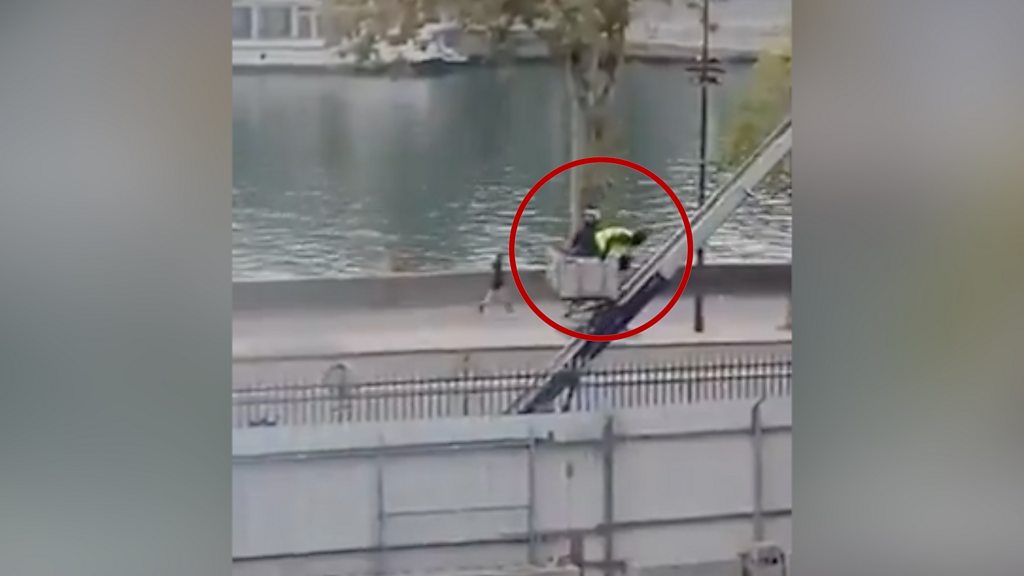
In a startling incident that has sent shockwaves through the international community, Paris-based authorities are grappling with the aftermath of a brazen theft at the Louvre, one of the world’s most iconic cultural institutions. Video footage publicly emerging shows two suspects making their daring escape on a mechanical ladder in broad daylight, shortly after they infiltrated the museum and stole an estimated €88 million worth of France’s crown jewels. This event underscores not only a glaring security failure but also signals an urgent need for global institutions to reassess their protective measures amidst rising threats to cultural heritage.

Security Failures and Strategic Shortcomings in Cultural Preservation

According to Laurence des Cars, the director of the Louvre, the incident exposed critical vulnerabilities, notably the insufficiency of surveillance infrastructure. She admitted that the museum had only one CCTV camera monitoring the gallery where the jewels were displayed—a lapse that facilitated the thieves’ quick and unchallenged operation. The fact that the thieves managed their escape within less than eight minutes after the breach illustrates just how vulnerable such institutions remain in an era marked by increasing organized crime. Parisian prosecutors have confirmed that police have collected up to 150 DNA samples and fingerprints, yet the perpetrators remain at large, highlighting the difficulty in preventing sophisticated break-ins.

The stolen items included historically priceless artifacts—a necklace and earrings gifted by Napoleon Bonaparte to his second wife, Marie-Louise. Significantly, amidst the chaos, a 19th-century diamond-studded crown belonging to Empress Eugenie was dropped during the ransacking and, despite being recovered, was heavily damaged—likely crushed as thieves pried it from its case. This act not only represents a cultural loss but also exemplifies a reckless disregard for history and heritage. Such events compel international organizations to reevaluate their security protocols, especially when targeted assets are intertwined with national identity.

Global Implications and the Threat to Cultural Institutions

The Louvre theft underscores a broader trend affecting cultural institutions worldwide—an increase in well-coordinated, high-stakes burglaries driven by the lucrative black market for priceless artifacts. Analysts warn that such incidents threaten international heritage and create destabilizing narratives that can fuel political instability. Experts from organizations like INTERPOL have voiced concerns about the rise of organized crime syndicates specializing in art theft, which exploit gaps in security to pillage cultural icons. On a geopolitical level, this not only erodes shared history but also impairs soft power, as nations must scramble to protect their cultural legacy from becoming commodities for illegal trades.

In response, France announced plans to double CCTV coverage at the Louvre and surrounding sites, acknowledging that previous security measures were inadequate. Yet, this incident raises a stark question: how many other cultural treasures worldwide are vulnerable due to similar logistical gaps? As historians and security analysts debate the profound turning points in antiquities preservation, this event leaves a haunting question in the air—will global authorities prioritize meaningful security reforms before more artworks vanish into the shadows of illicit markets?

As history continues to unfold amid this dark chapter, the weight of this act reverberates far beyond Paris’ borders. The theft is not merely a loss of gold and jewels—it’s a challenge to the sovereignty and cultural identity of a nation, now etched into the ongoing struggle for safeguarding humanity’s collective memory. The story remains unwritten, and the world watches as the remnants of this audacious heist threaten to threaten the very fabric of civilization’s shared history.

US Troops Take Down Suspected Drug Boat, Killing Two in Pacific Operation

United States forces have initiated a new chapter in its ongoing war against drug cartels, striking a vessel in the Pacific Ocean believed to be engaged in trafficking activities. Confirmed by the Pentagon, this operation marks the eighth US military action against suspected drug vessels since September, yet it bears unique geopolitical significance as the first such strike in the Pacific waters. Defense Secretary Pete Hegseth reported the vessel was known to US intelligence, suspected of carrying narcotics along established trafficking routes in international waters. The operation resulted in two casualties onboard, with perpetrators killed, while no US forces suffered harm.

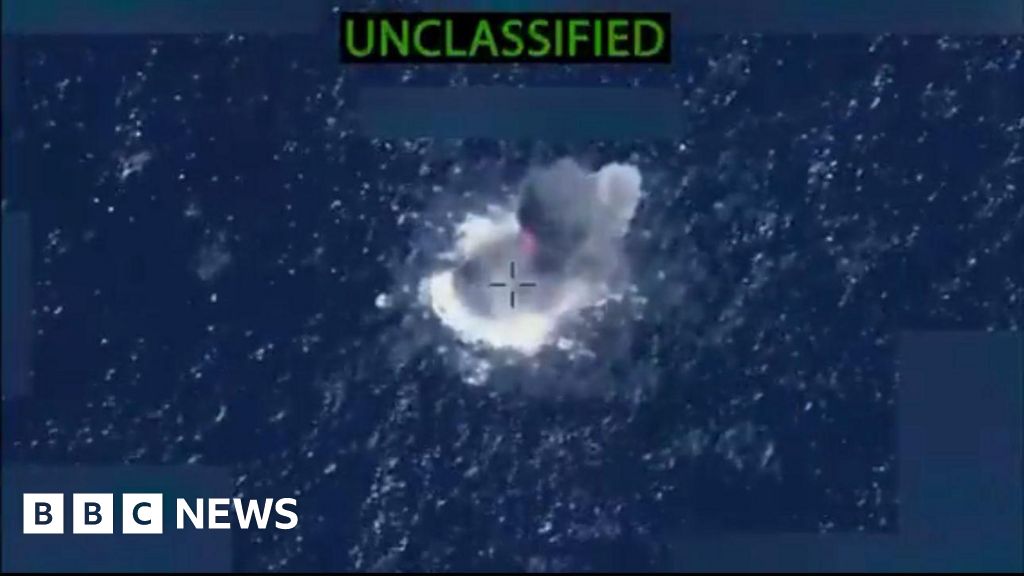
This escalation in counter-narcotics efforts highlights an intensifying US stance against the transnational drug trade, which has long influenced regional stability and security. Video footage of the strike shows a long, blue speedboat being struck by US ordinance, underscoring the military’s resolve. Hegseth issued a stern warning in a statement on X: “Narco-terrorists intending to bring poison to our shores will find no safe harbor anywhere in our hemisphere.” He further emphasized that these criminal organizations, which US officials often classify as terrorist entities, are waging a war not only on American soil but also across our borders, with economic and societal repercussions for entire nations.

Meanwhile, the geopolitical impact extends beyond immediate military actions. A recent leaked memo from the Trump administration revealed that US officials now consider their conflict with drug trafficking organizations to be a non-international armed conflict. The ongoing strikes have reportedly resulted in at least 36 deaths, including members of drug cartels operating in the Caribbean and the Pacific, with some suspects being repatriated and cleared of wrongdoing. Yet, critics and international analysts continue to debate the legality and strategic efficacy of these operations, warning that such unilateral military actions risk escalating tensions and destabilizing fragile regional relationships. Significant concern exists over how these aggressive strikes influence neighboring countries like Colombia and Ecuador, both critical gateways for cocaine trafficking toward US markets.

The emerging tension between the US and Colombia under President Gustavo Petro signals a shifting alliance landscape. Recently, Donald Trump publicly labeled Petro as an “illegal drug leader,” accusing the Colombian government of encouraging drug cultivation, and announced the suspension of US aid to Colombia—one of America’s longstanding Latin American allies. Such diplomatic strains threaten the stability of the region’s geopolitical fabric, particularly as Colombia and Ecuador’s extensive Pacific coastlines serve as crucial transit points for narcotics funneling northward. According to the Drug Enforcement Agency (DEA), most cocaine destined for US streets passes through this Pacific corridor, fueling the demand-driven chaos that these military operations aim to dismantle. Nevertheless, US officials acknowledge limited transparency surrounding the identities of those killed and the precise cartels involved, adding layers of ambiguity to the broader strategic narrative.

As approximately 10,000 American troops, supported by dozens of ships and aircraft, remain deployed across the Caribbean and Pacific in what some analysts describe as a “peninsula of fire,” the U.S. stance underscores a broader geopolitical gamble. This relentless pursuit of what officials term as “justice” for drug trafficking networks risks inflaming regional tensions and provoking nationalist backlash in Latin America. The narrative remains clear: how decisions made in Washington echo through the corridors of power in Bogotá, Quito, and beyond, shaping the future of international security and sovereignty. As history continues to unfold, these militarized strikes stand as stark reminders of a persistent struggle — where the battle against the drug trade becomes a testament to the complexities of sovereignty, the limits of force, and the unyielding weight of geopolitical destiny.

Four Dead in US Navy Strike Against Suspected Drug Run Near Venezuela

US Military Operations in Latin America: A Step Toward {External Enforcement and Conflict Escalation}

The recent U.S. strikes against suspected drug trafficking vessels off the coast of Venezuela mark a significant escalation in regional military engagement, raising questions about the evolving geopolitical landscape in Latin America. According to Defense Secretary Pete Hegseth, these operations are conducted in international waters and target boats allegedly transporting massive quantities of narcotics destined for the United States. The U.S. claims such actions are integral to protecting its citizens from the devastating impact of drug violence—yet they also ignite global legal and diplomatic disputes, which could fundamentally reshape regional stability.

Critics, including international lawyers and regional governments like Venezuela and Colombia, have condemned these strikes as potential breaches of international law. The legitimacy of unilateral military actions in international waters remains fiercely debated among experts such as Harvard international law professor Mollie Roberts, who warns that such operations might undermine existing treaties dedicated to preserving sovereignty and avoiding unlawful escalation. The U.S. government’s recent move to frame drug trafficking as a form of armed attack, especially through a leaked memo announcing a “non-international armed conflict” with drug cartels, signals an alarming shift toward legally dubious grounds for military intervention. This move could grant the U.S. expansive powers beyond traditional law enforcement, possibly setting a precedent for future conflicts worldwide.

Consequences of {Military Overreach} and {Regional Sovereignty}

The geopolitical impact of America’s aggressive tactics in Latin America extends far beyond mere law enforcement. By positioning drug cartels as terrorist organizations, the U.S. has given itself sweeping authority—effectively recategorizing criminal enterprises as threats comparable to conventional warfare, a move that critics argue erodes sovereignty and invites further regional destabilization. The response from Nicolás Maduro and other regional leaders has been one of sharp condemnation, emphasizing their commitment to defend <> from perceived aggression. Such adversarial stances threaten to deepen divisions, potentially leading toward a new Cold War dynamic across the continent.

International bodies like the United Nations have yet to take decisive action amid reports that the U.S. plans further military strikes. Analysts warn that continuous escalation could trigger unforeseen consequences, including the destabilization of fragile democracies and a surge in anti-American sentiment across Latin America. The region, historically buffeted by external powers, now finds itself at a crossroads—struggling with the delicate balance between sovereignty and external influence, with many citizens questioning whether these military operations serve their best interests or merely advance geopolitical ambitions.

Stakes for the Future and the Weight of History

As history unfolds on these treacherous waters, the actions of America and regional nations will likely echo for generations. The categorization of drug trafficking as a warfare threat signals a profound shift in the narrative—one that risks turning a fight against crime into an open-ended conflict that could rewrite international norms. The recent strikes, while framed as self-defense, push the boundaries of legal justification and raise fundamental questions about the limits of military power in pursuit of domestic security. As international organizations and legal experts watch anxiously, the weight of history looms—it may be remembered as the turning point from a century of cooperation to a new era of geopolitical confrontation.

In the end, the ongoing saga in Latin America’s waters serves as a stark reminder of the thin line separating order and chaos. The decisions made today—whether to pursue aggressive unilateral policies or seek multilateral solutions—will undoubtedly shape the destiny of nations and societies. With each strike, the world watches a narrative written in real-time, a stark reminder that history’s pen is never silent—only waiting for the next chapter to be written in the uncertain book of global power.

Social Media Auto Publish Powered By : XYZScripts.com