Matox News

Truth Over Trends, always!

School talks falsely compare student loans to £30 phone plans—misleading our youth about debt risks

In recent years, societal transformation has become a central theme in conversations about youth engagement, economic understanding, and community well-being. Yet, a revealing anecdote from a decade ago underscores a phenomenon that continues to influence how society addresses its pressing issues. Graduates tasked with delivering pivotal social presentations were instructed to avoid using words like “debt” — a subtle but profound indication of the discomfort and deliberate concealment surrounding financial realities. This approach, emblematic of a broader tendency to sideline difficult truths, impacts families, educational systems, and entire communities, fostering an environment where transparency is sacrificed in favor of politeness or political convenience.

The avoidance of honest dialogue about economic struggles contributes to a culture of denial and misinformation. Historians and social critics, such as *James Q. Wilson*, warn that when the societal narrative is sanitized, the foundational understanding of economic responsibility erodes among young generations. This disconnect hampers their ability to engage critically with personal and collective financial decisions, thereby weakening the social fabric. Without confronting discomforting realities directly, families and communities find it increasingly difficult to cultivate resilience or implement effective strategies for economic empowerment. As a result, educational institutions risk producing a generation less prepared to navigate the complex financial landscape, ultimately threatening long-term societal stability.

This trend reflects a larger societal issue, where *cultural shifts* tend to prioritize comfort over authenticity. As social commentator Robert Putnam emphasizes, the erosion of open dialogue damages the social capital essential not only for economic growth but for mutual understanding across communities. Social tensions arise when the honest acknowledgment of problems like debt, unemployment, or social inequality remains unspoken or minimized. Such suppression fosters distrust and disengagement, particularly among youth who seek genuine connection and understanding. Addressing these challenges requires a reevaluation of educational and social frameworks to foster environments where difficult conversations are promoted, not avoided. Solutions involve proactive community programs, transparent communication policies, and a renewed emphasis on financial literacy in schools.

In moving forward, society must reckon with the reality that recognizing and confronting our flaws can serve as a foundation for renewal. It demands a collective effort, where families, educators, and community leaders work in solidarity to cultivate honesty and resilience. The challenge lies in transforming societal habits—breaking free from the shame and discomfort associated with financial struggles or social tension—so that future generations can build bridges of understanding rather than walls of silence. In this delicate balance between truth and compassion, society’s true strength will be tested, and perhaps, redefined.
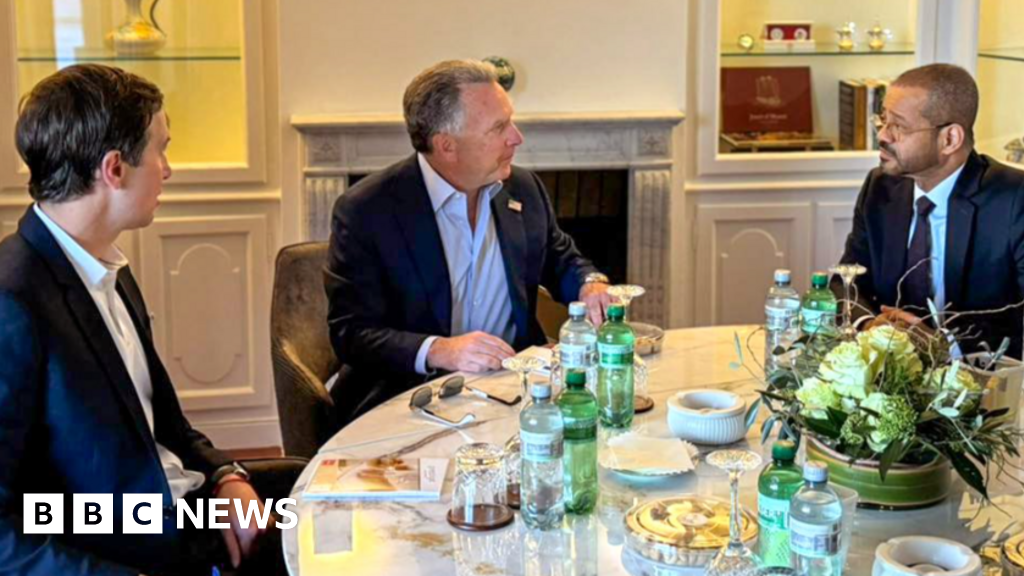
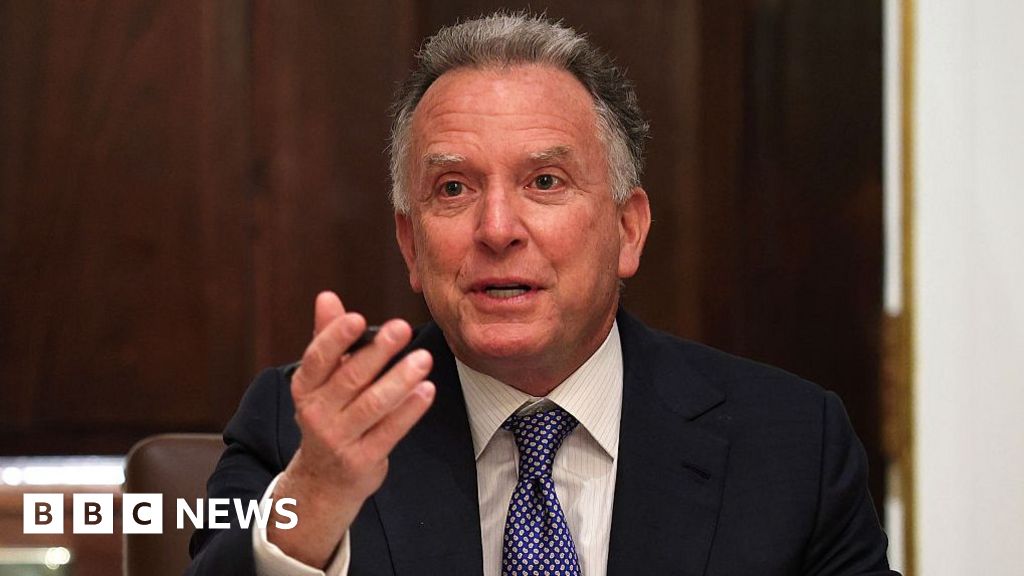
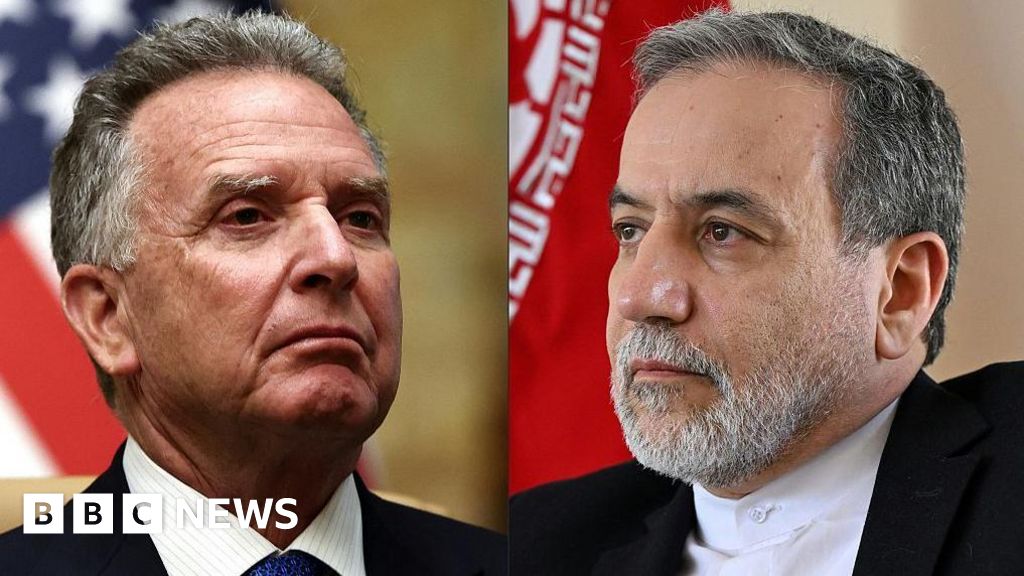
US-Iran Talks Wrap Up After Promising Progress, Says Mediator

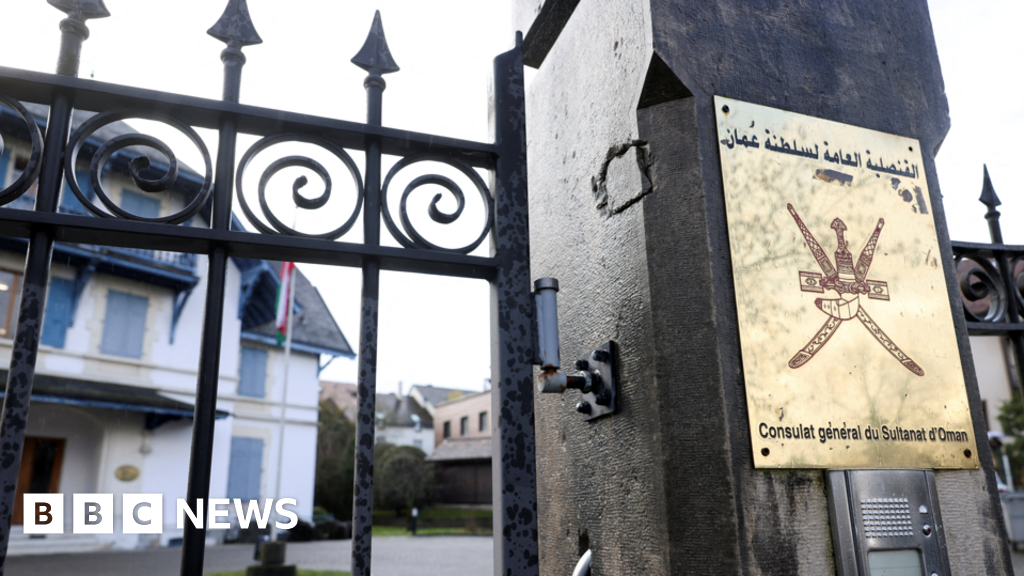
In a world increasingly defined by shifting alliances and territorial ambitions, the recent indirect negotiations in Geneva stand as a pivotal yet uncertain event on the international stage. These talks, seen by many analysts as a final effort to curb a burgeoning nuclear arms race, highlight the delicate balance of power that continues to shape global security. With the stakes higher than ever, diplomats from key nations are engaged in a tense dance of diplomacy, offering a glimpse into the complex chess game that underpins regional stability and international peace.

Despite the urgency, the prospects of reaching a comprehensive nuclear agreement remain ambiguous. The deliberations, characterized by back-channel negotiations and cautious exchanges, underscore the pragmatic limitations of diplomacy when core national interests are at odds. Some experts suggest that the failure to achieve a breakthrough could have far-reaching repercussions, not only for the immediate parties involved but also for the international order. The echoes of past conflicts and Cold War tensions underscore the fragile nature of such agreements, further complicating efforts to establish a lasting framework that prevents proliferation.

Historians and geopolitical analysts warn that these negotiations are emblematic of broader geopolitical shifts—a reflection of rising powers and waning influence in traditional diplomatic architectures. International organizations, such as the United Nations, have called for restraint, emphasizing how the failure to bridge differences might ignite regional instability and spark new arms races. Meanwhile, nations like Russia and China watch closely, weighing their own strategic interests and projecting their influence through diplomatic channels that often sway in unpredictable directions. The current impasse demonstrates how narrow the margin for diplomatic success truly is in an era dominated by assertive nationalistic policies.

As history’s pages turn, many observers believe that the outcome of these Geneva talks could define the trajectory of international security for decades to come. For Western allies, a failure symbolizes a potential retreat into a world where nuclear proliferation is uncontrolled, heightening risks and threatening global stability. Conversely, for opposition blocs, such setbacks may reinforce the perception that diplomacy alone is insufficient against aggressive postures. Ultimately, the decisions made in these hallowed halls will echo through the corridors of history, leaving an indelible mark on the collective consciousness. In the shadow of diplomacy’s fragility, the human story continues unfolding—an enduring reminder that the balance of power remains precariously poised, and the future remains unwritten, waiting for history to determine which path is taken.

US Boosts Optimism as Ukraine Talks Enter Second Day, Celebrating ‘Meaningful Progress’

As the world watches closely, the United States has taken a significant step toward diplomatic engagement with its counterparts in Geneva. The US special envoy, representing America’s strategic interests, emerged from the first day of negotiations with an optimistic tone. However, analysts caution that this optimism masks the underlying complexities and entrenched conflicts that define today’s geopolitical landscape. International observers and diplomatic historians emphasize that, while dialogue is essential, a genuine breakthrough remains elusive, especially given the deep-rooted mistrust shaping the current global order.

The core of these recent talks revolves around critical issues such as security guarantees, economic sanctions, and regional stability—especially in volatile hotspots where conflict and power struggles continue to threaten international peace. Although the US envoy expressed hope for progress, multiple sources within diplomatic circles indicate that preventing a deterioration of relations remains the primary goal at this stage. For nations embroiled in or affected by these negotiations, the stakes could not be higher. The decisions made in this delicate phase could determine whether longstanding conflicts simmer or escalate into wider confrontations, impacting millions of lives across continents.

The geopolitical impact of this diplomatic effort extends far beyond the immediate actors involved. Countries such as Russia, China, andEuropean allies observe these developments with cautious optimism and measured concern. Their strategies, often shaped by historical narratives and national interests, are undeniably influenced by the outcomes of these talks. International organizations, including the United Nations, have called for restraint and constructive engagement, highlighting the need for diplomacy over conflict at this critical juncture. Yet, some experts warn that these negotiations are merely part of a broader chess match, where each move is scrutinized for its potential to shift the balance of global power.

Notably, the turning point in understanding the true scope of these negotiations may come when tangible outcomes emerge—be it treaties, ceasefires, or strategic commitments. Historians warn that history often remembers these moments as either pivotal breakthroughs or missed opportunities, shaping the course of nations for decades to come. Nonetheless, the atmosphere remains tense; the weight of history’s lessons hangs heavily in the air. The world’s eyes are fixed on Geneva, waiting for a sign that diplomacy, once thought fragile, can still wield the power to forge lasting peace. As negotiations continue, the unfolding story reminds us that the path to stability is fraught with challenges, and that the decisions made today will echo through the corridors of history, long after the talks conclude.

US-Iran Nuclear Talks Conclude in Geneva: What's Next?
US-Iran Nuclear Talks Conclude in Geneva: What’s Next?

The international community finds itself at a critical juncture as the United States has opted to deploy B-2 stealth bombers to address rising nuclear tensions with an unnamed adversary. In a recent, stark statement, the US president lamented the absence of a diplomatic resolution, saying, “We could have had a deal instead of sending the B-2s in to knock out their nuclear potential. And we had to send the B-2s,” indicating a perceived failure of negotiations and the daunting reality of military escalation.

This move marks a definitive shift from diplomatic engagement toward military assertion, a decision that international analysts warn could destabilize the fragile geopolitical equilibrium that has held since the last Cold War confrontations. The deployment of the advanced bombers, capable of carrying nuclear payloads and penetrating sophisticated defenses, signifies a grave escalation—a message of deterrence or perhaps, intimidation. Such actions inevitably ripple across nations, affecting alliances, global economies, and the very fabric of international diplomacy. The United Nations, along with various regional security organizations, are closely monitoring the scenario, wary of how this militarized stance could ignite a chain reaction of hostilities.

Historians and geopolitical analysts suggest that this moment could be remembered as a pivotal point—*a devastating turning point*—in the ongoing struggle for dominance between superpowers. The current crisis reflects a broader pattern where America’s strategic interests are increasingly defined by assertive military postures rather than diplomatic solutions. The shrinking space for negotiations portends a future where conflicts are resolved less by consensus and more by the overwhelming display of military power. Critics argue that the decision to escalate could backfire, emboldening adversaries to accelerate their own military programs, thus lowering the threshold for conflict and potentially igniting a regional or even global war.

As world leaders scramble to calibrate their responses, the weight of history looms heavily. China and Russia, watching intently, have issued thinly veiled warnings about the dangerous path of unilateral escalation. Meanwhile, European Union officials have reiterated calls for renewed diplomacy, cautioning that the pursuit of military dominance risks “the annihilation of diplomatic dialogue.” The North Atlantic Treaty Organization (NATO) has convened emergency discussions about the strategic implications of the B-2 deployments, emphasizing that the size and sophistication of America’s military onslaught could shift the balance of power in unpredictable ways.

In the silence that follows such tense moments, history waits—not as a distant memory, but as a living force that continues to shape the destiny of nations. The decisions made today will echo across generations, determining whether the world treads a cautious path of peace or plunges headlong into chaos. As the US presses forward, the world holds its breath, acutely aware that, in the realm of geopolitics, the line between deterrence and disaster is perilously thin. The stakes have never been higher, and the pages of history remain unwritten—yet, the shadow of conflict grows longer, demanding vigilance and resolve from all who cherish peace amid the storm.

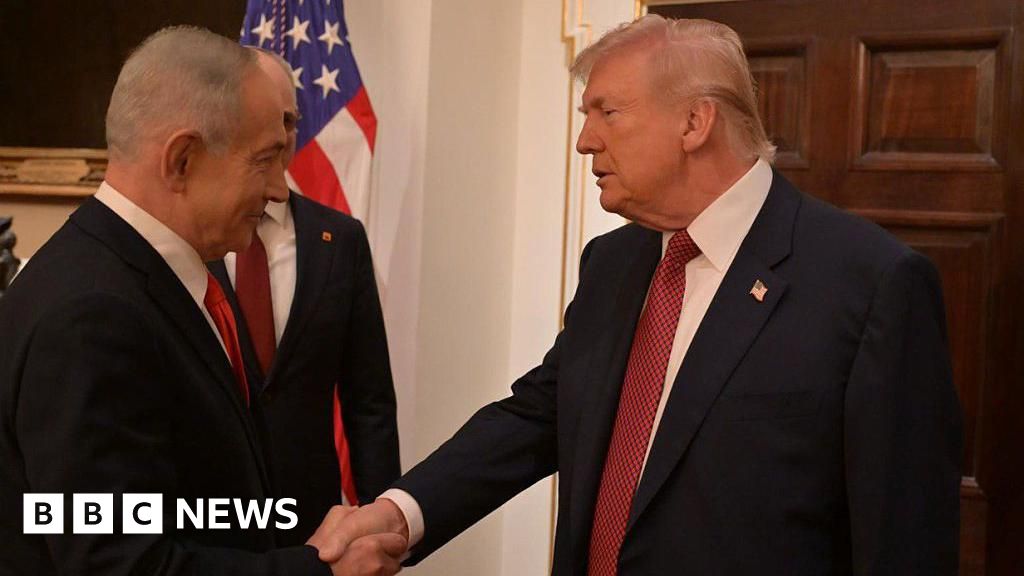
Trump urges Netanyahu: Keep Iran nuclear talks alive

In a rapidly evolving landscape of international diplomacy, Israel has voiced its profound concerns regarding the ongoing negotiations with Iran. Jerusalem fears that the current diplomatic approach, driven by the desire to reach a timely deal, might ultimately fall short of addressing critical issues such as Iran’s missile programs and its extensive network of proxy groups across the Middle East. This hesitation highlights a broader strategic dilemma shared by many nations in the region—whether economic concessions and temporary agreements will truly curtail Iran’s expanding military capabilities and regional influence.

Leading analysts, including Daniel Byman, a scholar at Georgetown University, warn that the negotiations risk producing a deal that is too lenient or incomplete. “Israel is concerned that in the haste to get a deal with Iran, the president might embrace a deal that doesn’t address Iran’s missile programme or support for proxy groups, or that allows it to have some remnant of its nuclear programme,” Byman explained. This underscores a critical turning point in international diplomacy—one where hurried agreements could unwittingly pave the way for continued regional instability rather than securing genuine peace. The implications extend far beyond Iran’s borders, threatening to redefine the delicate balance of power in the Middle East.

Global organizations and foreign governments are closely watching these developments. The United States and European Union have engaged in intense negotiations, balancing diplomatic pressure with strategic priorities. While some argue that diplomacy remains the only viable path to prevent nuclear proliferation, others emphasize the necessity of including robust provisions addressing Iran’s missile technology and support for proxy militias. The United Nations and regional watchdogs warn that failure to impose comprehensive restrictions could embolden Iran’s military ambitions, increase missile proliferation, and escalate conflicts in countries like Iraq, Syria, and Lebanon. As the geopolitical stakes escalate, the world must contend with the prospect that clandestine nuclear development might continue under the cover of any loosened treaty terms.

Historically, international negotiations have often been at a crossroads—each decision shaping the future trajectory of global security. As Israel and its allies remain vigilant, some analysts warn that concessions without enforceable safeguards risk creating a long-term insecurity dilemma. The ongoing debate is not simply about nuclear technology; it encapsulates a wider contest of regional dominance, national sovereignty, and ideological confrontation. As the dust of diplomatic accord settles, history’s ink will record whether these decisions have laid the foundation for peace or whether they have merely delayed the inevitable wake of unrest.

The world continues to watch with bated breath, knowing that the axes of conflict are shifting beneath our feet. The decisions made in the coming weeks will determine whether history advances towards hope or chaos—none can say for certain, but the weight of the moment hangs heavy. It is a fragile, uncertain dawn—one that could either illuminate a path to lasting peace or plunge the region, and perhaps the world, into the shadows of renewed conflict.

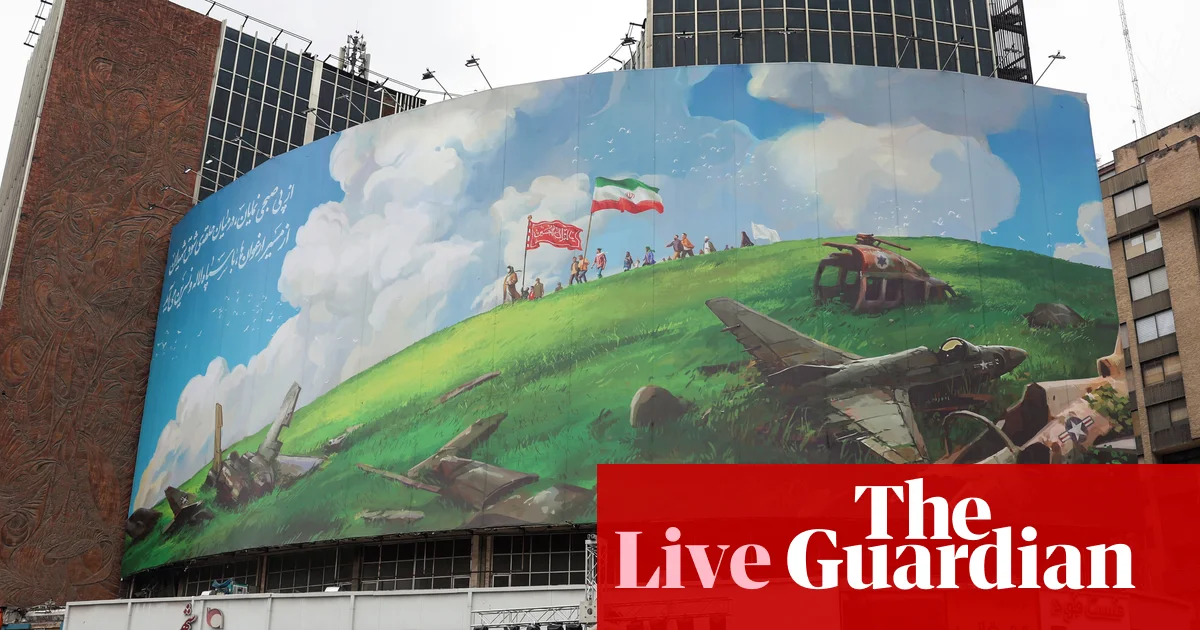
US and Iran Prepare for Nuclear Talks in Oman as Trump Warns of Military Action — Live Updates | Iran

Geopolitical Tensions Escalate as Iran and United States Face Off Ahead of Critical Negotiations in Oman

Amidst a backdrop of simmering regional conflict and shifting alliances, the upcoming U.S.-Iran nuclear negotiations in Oman are poised to be a decisive moment in the ongoing struggle for influence and security in the Middle East. High-stakes diplomacy is unfolding against a tense landscape marked by military posturing and deep mistrust. As Iran enters the talks with a firm stance, US military movements in the region continue to underscore the volatility of this diplomatic push for stability. The international community, including analysts from institutions such as The International Institute for Strategic Studies, is watching with bated breath, recognizing that the outcomes could shape the global picture for years to come.

Recent days have seen a noteworthy escalation of military activity, with the deployment of a formidable US naval task force including an aircraft carrier strike group near Iran. This build-up is widely interpreted as a warning of possible military intervention, a reality that Tehran appears to be well-aware of. The Iranian foreign minister Abbas Araghchi, speaking from Istanbul, reaffirmed Iran’s determination, stating, “We engage in good faith and stand firm on our rights.” He emphasized that durable agreements rely on respect and mutual commitments—principles that Tehran perceives as being frequently violated by inconsistent US policies. The juxtaposition of Iran’s diplomatic rhetoric with its unwavering maximalist position underscores the geopolitical game at play—where each side is testing the other’s resolve in a high-stakes negotiation that could either steer the region toward stability or plunge it into further chaos.

Adding to the uncertainty and volatility, recent incidents in international waters have only intensified tensions. The US military claimed to have shot down an Iranian drone approaching the USS Abraham Lincoln in the Arabian Sea, claiming it was an act of self-defense. Iran disputed this, asserting the drone was conducting surveillance in international waters. Meanwhile, US President Donald Trump has kept the rhetoric incendiary, asserting that the US “armada” in the region is larger than what was deployed to topple Venezuela. Trump’s comments reflect a calculated bluff—or perhaps a test of Iran’s willingness to escalate. As experts like Dr. Laura Jayes warn, such displays of military strength make it clear that the region remains on the brink, with a single misstep potentially igniting wider conflict.

Of particular concern is Iran’s unwavering position on limiting negotiations solely to nuclear issues, dismissing US demands to address its ballistic missile program and regional sponsorship of terrorist organizations. The US, led by Secretary of State Marco Rubio, insists on an all-encompassing approach, intensifying the risk of deadlock. Iran’s Foreign Minister Abbas Araghchi’s announcement that negotiations will proceed underscores an expectation that compromises are unlikely in the short term. As international diplomats deliberate, many analysts warn that the failure of these talks could result in a return to open hostility. Yet, with each side holding maximalist positions, the outcome remains shrouded in uncertainty, poised to define the geopolitical balance in the Middle East and beyond. It is a reminder that history often hinges on pivotal moments like this—a fragile, fleeting window in which peace could either be preserved or shattered, leaving a scar on the pages of history for generations to come.

US-Iran Talks Restart Amid Rising Tensions and Fear of Fresh Clash

The United States has significantly enhanced its military presence throughout the Middle East following Iran’s recent crackdown on nationwide protests. This escalation underscores the enduring volatility in the region, where local unrest often intersects with broader global strategic calculations. The Biden administration, responding to both regional stability concerns and its commitments to its allies, has increased troop deployments and military assets into key locations across countries such as Iraq, Syria, and the Persian Gulf. This move is not merely a display of strength; it signals a recalibration of U.S. foreign policy amid intensifying geopolitical tensions.

Analysts and international observers view the heightened U.S. military activities as indicative of a broader pattern of American strategic realignment. With Iran’s persistent influence in regional conflicts and its ongoing nuclear ambitions, the United States aims to curtail Tehran’s sway and prevent what some describe as the emergence of a new Middle Eastern Cold War. Scholars from institutions like the Council on Foreign Relations warn that these military enhancements could increase the risk of inadvertent conflict, yet they also reflect America’s determination to assert its dominance in what remains one of the most volatile theaters of international politics. The recent protests, which have been violently suppressed by Iranian authorities, represent more than domestic discontent—they underscore how internal unrest can serve as a catalyst for regional shifts and external intervention. The U.S. perceives these upheavals as opportunities to bolster its strategic posture against Iran, which has steadfastly opposed American influence and supported proxies across the region.

The geopolitical impact of these U.S. actions extends well beyond regional borders. NATO allies in Europe, as well as emerging global power centers such as China and Russia, are watching keenly. The increased U.S. military footprint in the Middle East complicates diplomatic efforts, especially as Iran seeks to capitalize on perceived Western distractions to expand its regional influence and nuclear program. International organizations like the United Nations have issued cautious statements, urging restraint yet offering limited leverage amidst the strategic deadlock. We are witnessing a pivotal moment—one where the pathways to peace, stability, or further chaos are being tightly forged by the decisions of today.

Ultimately, the current Military buildup reflects a fundamental truth: history’s turning points are often marked by decisive, sometimes provocative actions with lasting consequences. A broad spectrum of voices—from seasoned historians to military analysts—underline that the Middle East remains a crucible of global power struggles. As the United States solidifies its military footprint and regional actors maneuver for advantage, the world bears witness to a relentless unfolding—a narrative of conflict, diplomacy, and resilience that will undoubtedly shape the course of the 21st century. The weight of history presses heavily on the horizon, reminding us that every intervention, every agreement, carries the potential to alter the destiny of nations—not just for today, but for generations to come.

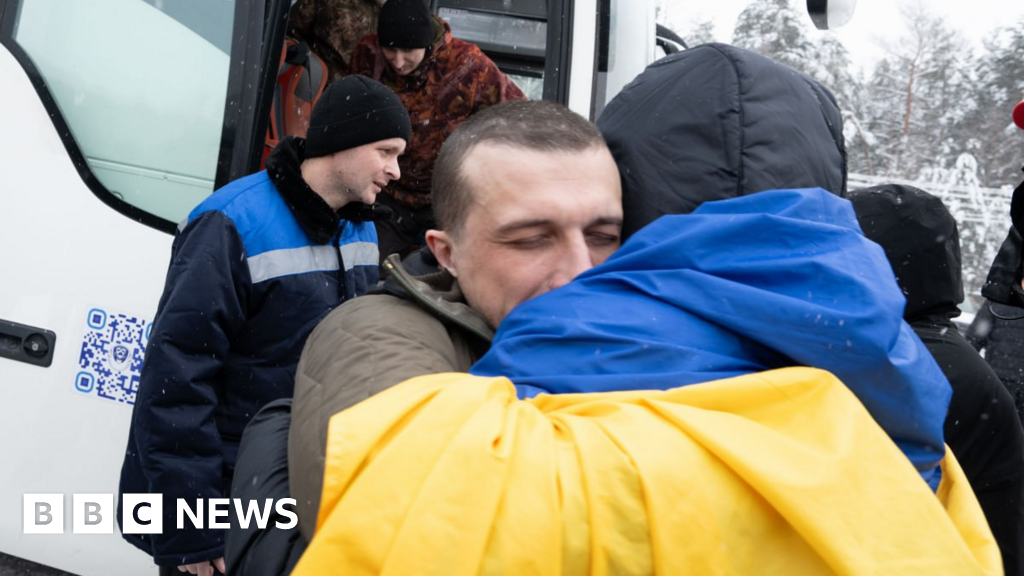
Russia and Ukraine Swap Prisoners as Peace Talks Stall

Diplomatic Efforts in the UAE Signal High Stakes in the Ukraine Conflict

In a pivotal move that underscores the escalating urgency of the ongoing Ukraine conflict, Russian, Ukrainian, and US delegations convened in the capital of the United Arab Emirates to negotiate, aiming to find a path toward peace. While details remain tightly guarded, sources indicate that the core issues revolve around territorial concessions Ukraine faces pressure to relinquish and security guarantees vital for Ukraine’s sovereignty and safety. These talks mark a significant shift in diplomatic efforts, illustrating an international community deeply concerned about the conflict’s destabilizing effect on regional and global stability.

Upholding the narrative of the West’s strategic interests, analysts suggest that the negotiations highlight a complex web of geopolitical calculations. The central question remains: can Ukraine surrender some territory without losing its sovereignty? or will the negotiations merely serve as a temporary respite before further escalation? The United States, alongside European allies, continues to weigh a delicate balance—supporting Ukraine’s fight for independence while simultaneously exploring avenues to contain the conflict. “This is about preventing a broader Eurasian conflict,” observes Dr. Jane Henshaw, a prominent historian in international relations, warning that missed opportunities could further entrench divisions and prolong the war.

Strategic Implications for Global Power Dynamics

The potential outcomes of this diplomatic dialogue have far-reaching consequences, extending well beyond the immediate East European theater. Russia’s strategic objectives appear aimed at securing territorial gains while asserting influence over Ukraine, positioning itself as a formidable regional power. Conversely, Ukraine and its western allies insist on maintaining sovereignty and territorial integrity, emphasizing the importance of security guarantees to deter future Russian aggression. The negotiations also hold significance for other global actors, who observe intently, aware that the decisions made will set precedents for international conflict resolution.

International organizations, including the United Nations and the European Union, are closely monitoring developments. While some analysts warn of the risk of a drawn-out stalemate, others contend that diplomatic engagement signals a possible pivot toward peace or at least a fragile ceasefire. Such shifts could alter the trajectory of this four-year war and reshape the geopolitical landscape for years to come. The implications for NATO and its eastern flank are profound—an unresolved conflict could test the alliance’s unity and redefine the boundaries of security cooperation in the 21st century.

History’s Unfolding and the Weight of the Present

As history records this critical juncture, the world stands on the precipice of a future that remains uncertain. Some scholars warn that the outcome of these negotiations could either forge a new era of peace or cement a period of enduring unrest and division. The weight of decisions made today will echo through generations, shaping international norms and expectations for conflict resolution. The shadow of history looms large, reminding all that diplomacy is often a delicate dance—one misstep can lead to chaos, yet prudent diplomacy offers the hope of a more stable future.

This chapter in global history remains unfinished, with each sideline and handshake carrying the potential to alter the course of nations. As the world watches with bated breath, the stakes could not be higher: the possibility of peace hangs in the balance, while the echoes of war continue to reverberate across borders, continents, and the collective consciousness of humanity. The unfolding story may yet reveal the resilience of diplomacy or the devastating cost of missed opportunities, but the next moves made today could define the future of international order for generations.

Ukraine-Russia Talks Underway in Abu Dhabi After Devastating Kyiv Strikes

Amidst ongoing geopolitical tensions, Ukraine and Russia are once again at the forefront of international concern as they prepare for their second round of peace talks in Abu Dhabi, brokered by the Trump administration. These negotiations come after a series of devastating events, including Russia’s recent large-scale missile and drone attacks on Ukrainian energy infrastructure, which have severely impacted life in Kyiv and beyond. President Volodymyr Zelenskyy condemned Moscow’s attack, describing it as a “massive” and “deliberate” assault involving a record number of 71 ballistic missiles and 450 drones aimed at crippling energy supplies during the brutal winter. Such actions underscore the persistent lack of seriousness about peace that international leaders point out, emphasizing the fragile state of diplomacy and the danger of escalation.

International responses remain sharply divided. While President Donald Trump has dismissed Moscow’s recent strikes as not breaching Russia’s commitment to cease attacks on Ukrainian infrastructure, NATO’s Secretary Mark Rutte dismissively labeled the actions as a “signal of serious intent” against peace. This divergence reveals a geopolitical landscape marred by conflicting narratives and strategic interests. Analysts warn that ongoing hostilities and the apparent rejection of peace signals by key actors threaten to entrench the conflict, risking a protracted war with profound global repercussions. Furthermore, a comprehensive military response plan has been discussed among Ukrainian, European, and American officials, stipulating that repeated breaches of ceasefire agreements by Russia could trigger a coordinated US-Europe military escalation. This development signals a clear posture of deterrence, but it also raises the specter of a wider regional or even global conflict should diplomacy continue to falter.

Compounding the crisis, the impending expiration of the New Start treaty between the United States and Russia on Thursday marks a dark chapter in the ongoing nuclear arms race. As Julian Borger reports, this treaty’s dissolution will remove the last remaining mutual limits on the world’s two largest nuclear arsenals, escalating fears of an irreversible slide towards nuclear confrontation. International organizations and nuclear non-proliferation experts warn that the loss of these constraints could usher in a new era of destabilization, fundamentally altering the global strategic balance. The geopolitical impact of such a move cannot be overstated; it signals a potential to set back decades of efforts towards arms control and arms reduction, and, more ominously, it raises the risk of miscalculation on both sides in an already volatile environment.

This unfolding scene of renewed violence, diplomatic deadlock, and nuclear uncertainty underscores a historic turning point. As historians and international security analysts debate whether we are witnessing the rebirth of Cold War-era tensions or the escalation of a new, more dangerous phase, the weight of history presses heavily on this generation. The decisions made now will determine the future of global stability, sovereignty, and peace. The world watches, perched on the precipice of a potentially transformative era—one where diplomacy hangs by a thread, and the echoes of past conflicts warn us of the delicate balance we are perilously poised to lose. The unfolding narrative remains unwritten, but its consequences are indelibly etched into the fabric of history, waiting to be shaped by the actions and choices of those at the helm.

Denmark Optimistic on US-Greenland Deal After New Talks – Europe Update

As 2026 unfolds, the geopolitical landscape is rapidly transforming, driven by strategic interests that threaten to reshape the international order. Recent developments highlight a distinct shift in power dynamics, with the United States aggressively asserting its influence over Greenland, while Europe grapples with domestic and international challenges. Danish Foreign Minister Lars Løkke Rasmussen has openly expressed cautious optimism after renewed, constructive talks with Washington regarding Greenland, a strategic enclave whose control has long tantalized global powers. This diplomatic dance has come nearly a week after Donald Trump delivered a rambling speech at Davos, repeatedly emphasizing his desire to take control of Greenland—a move seen as part of the broader American push to secure Arctic dominance amidst melting ice and rising interests.

The renewed optimism in Danish-U.S. talks signals a significant shift from the escalation of tensions earlier this month. Marco Rubio, the U.S. State Secretary, confirmed that high-level discussions focused on safeguarding U.S. security interests without infringing on Denmark’s sovereignty. This behind-the-scenes negotiation underscores the geopolitical impact of Arctic control; nations are recognizing that the melting ice opens new corridors for resource extraction and military positioning. Many analysts, including geopolitical experts at the International Institute for Strategic Studies, warn that the Arctic is swiftly becoming the new battleground, compelling nations to navigate a careful balance of power that could spark conflicts or forge alliances depending on the outcome of current negotiations.

Meanwhile, in Brussels, the EU foreign ministers convened with a “very packed agenda” centered on Ukraine, the Middle East, and the evolving EU-US relationship. Kaja Kallas, the bloc’s foreign policy chief, voiced concern over Russia’s ongoing war in Ukraine and the escalating humanitarian crisis. She described Russia’s actions as attempts to “bomb and freeze” Ukrainians, emphasizing the dire winter suffering and the impending threat of a humanitarian catastrophe. The discussion on Ukraine reveals the EU’s increasing frustration with Russia’s refusal to negotiate in good faith, and a call for intensified pressure on the Kremlin to force concessions. European leaders are at a critical crossroads—balancing diplomatic efforts against a clear recognition that Moscow’s military strategy remains uncompromising, with some experts warning that the window for a peaceful resolution is rapidly closing. According to analysts at Harvard’s Belfer Center, the risk of an extended conflict spilling over into NATO territories could escalate into a broader confrontation, pressuring the international community to reconsider its strategies.

Within the Middle East, the focus shifted to Iran, with discussions about designating the Iran Revolutionary Guard on the EU’s terrorist list, aligning them with groups like Al Qaeda and Daesh. Shedding light on the EU’s toughening stance, Kallas emphasized that acts of terrorism warrant designations akin to those used against recognized terrorist organizations, signaling a stepping-up of sanctions and diplomatic pressure. This move comes as Iran’s regional influence continues to grow, complicating the geopolitical landscape and posing a threat to stability from the Persian Gulf to Syria. The Biden administration’s efforts to de-escalate have been undercut by Iran’s persistent refusal to rein in its proxies, prompting international concerns about the risk of a wider regional conflict. Navigating this complex terrain, many analysts see Europe’s hardening stance as a reflection of the broader shifting alliances and the resurgence of great-power rivalries, reminiscent of Cold War tensions but with new, unpredictable stakes.

As history continues to unfold in 2026, the decisive moves of nations in the Arctic, Ukraine, and the Middle East foreshadow a future where the borders of influence are redrawn with every diplomatic meeting, military build-up, and policy shift. The decisions made today—about Greenland, Ukraine, Iran, and the broader global order—will echo through the corridors of history, shaping societies and societies’ security for decades to come. The world stands on a knife edge, watching as the players of this new geopolitical chess match maneuver beneath the weight of a rapidly evolving, unpredictable landscape, leaving us all to wonder—what will be the new borders of power in this restless age?

Social Media Auto Publish Powered By : XYZScripts.com