Matox News

Truth Over Trends, always!

Middle East Tensions: Trump Claims Iran's Still Open to Deal, China Finds Slim Hope for Talks — US-Israel Push Back Against Iran
Middle East Tensions: Trump Claims Iran’s Still Open to Deal, China Finds Slim Hope for Talks — US-Israel Push Back Against Iran

China Sees ‘Glimmer of Hope’ Amid Rising Middle East Tensions

The international landscape is once again at a crossroads, as China’s foreign minister Wang Yi articulated a cautious optimism in recent diplomatic efforts to curb the ongoing Middle East conflict. Despite Tehran’s unwavering stance to continue fighting, Wang described the emergence of “a glimmer of hope” for peace, citing signals from both the United States and Iran of a willingness to re-engage in negotiations.

This diplomatic move comes amidst escalating violence and a series of strategic military operations that highlight a scenario where geopolitical fault lines are intensifying nuclear and regional tensions. Analysts from various international think tanks and United Nations officials have warned that such conflicts threaten to spiral into wider regional chaos, risking destabilization of entire alliances and prompting profound societal repercussions across involved nations.

Regional Actors and the Shadow of Distrust

Historically, Qatar has played the role of a key mediator, but recent developments signal a dramatic shift. Majed al-Ansari explicitly distanced Qatar from alleged US-led negotiations, sarcastically questioning their very existence. This move underscores prevalent distrust among Gulf states towards Washington, driven by previous failed peace initiatives and the complex toll of ongoing conflicts. Experts like Bilal Saab argue that “they’ve been burned by their previous experience,” suggesting that regional players are now skeptical of moves that appear to serve external agendas rather than genuine peace efforts.

Similarly, Turkey has engaged in “intense” diplomatic efforts, seeking to balance relations with both Washington and Tehran. Hakan Fidan’s calls reveal a concerted effort to prevent an unchecked escalation, with warnings from Wang Yi emphasizing that prolonged warfare could only usher in further casualties and regional spillovers. These diplomatic intricacies highlight how global powers manipulate regional dynamics, often at the expense of local stability.

Militarization and the Escalating Cost of War

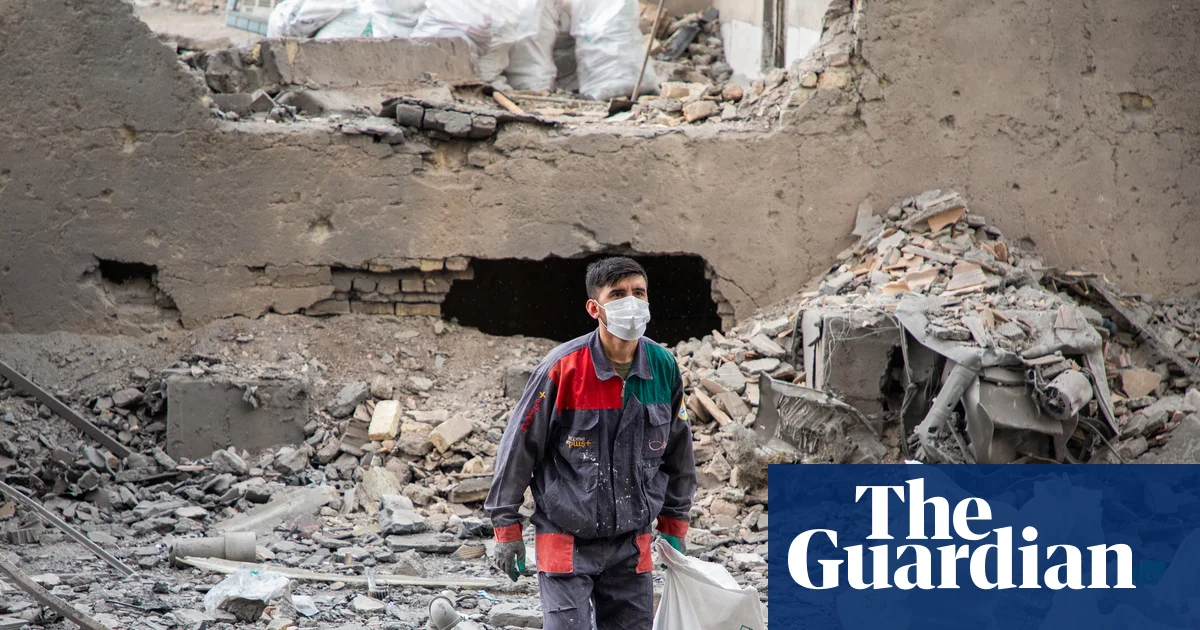
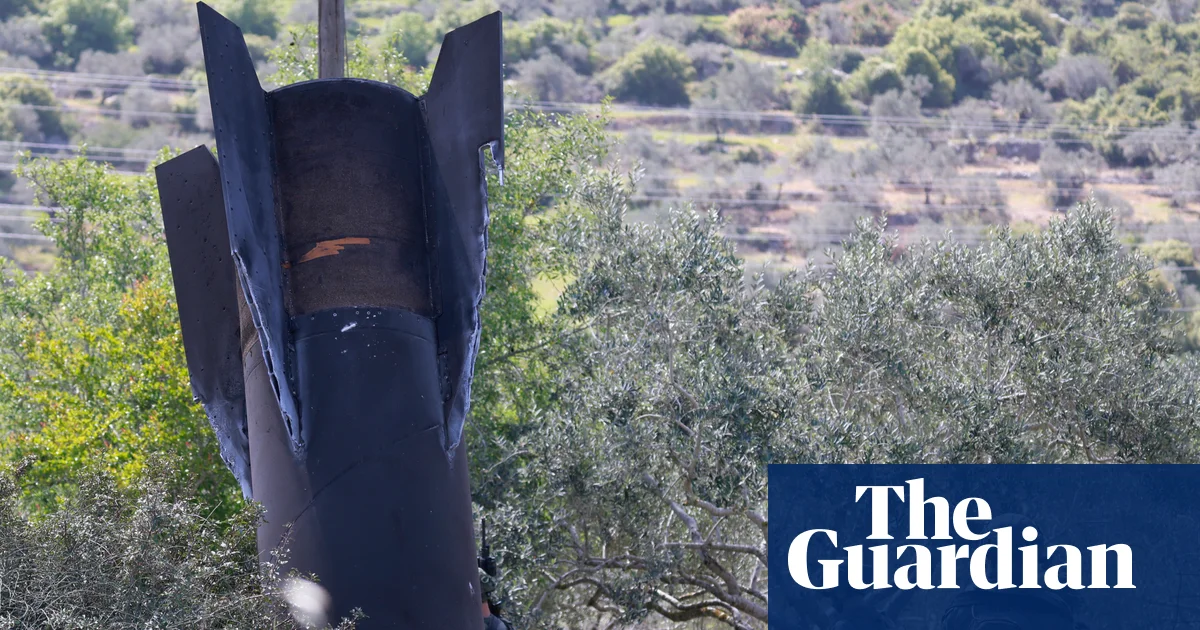
On the battlefield, the situation is equally dire. The Israeli military reports a series of missile intercepts triggered by Iranian launches, raising fears of a widening conflict. Reports detail that Israeli defenses responded to missile attacks from Iran and Hezbollah, with sirens blaring across central Israel, Jerusalem, and even the occupied West Bank. Meanwhile, Hezbollah launched fresh missile strikes into Israel, confronting the narrative of a potential de-escalation and revealing the deep-rooted animosity and strategic hostility that remains entrenched in the region.

Adding to the tinderbox, Iran is reportedly reviewing the US’s 15-point peace plan, initially rejected, yet still under consideration amidst ongoing threats and military confrontations. United States forces have claimed to have targeted over 10,000 Iranian military assets, signaling that the conflict has turned into a show of unparalleled military might. Historians warn that such escalation risks creating a “fertile ground for further violence,” potentially igniting a broader regional war with devastating societal consequences.

International Community and the Shadow of Uncertainty

The global economic repercussions are already evident, with Asian stock markets falling and oil prices rising amidst fears of a wider conflict. Western intelligence reports suggest that Russia is supplying Iran with drones, food, and medical supplies, aiming to bolster its strategic ally amid this turbulent crisis. Meanwhile, the UN’s António Guterres warns against copying the “Gaza model” in Lebanon, calling for a cessation of hostilities and urging Iran to cease aggressive actions. Yet, many see such calls as echoing hope in a divided international community that remains plagued by skepticism over the sincerity of diplomatic calls for peace.

As history’s pages continue to turn, the unwavering resolve of nations in the Middle East and beyond signifies that the weight of their choices will determine whether peace can prevail or whether the cycle of destruction will persist. The world watches with bated breath, aware that these decisions—acute and irreversible—are shaping the course of future generations. Only time will reveal if diplomacy shall triumph or if history will record yet another chapter of unmitigated chaos.

Australia Politics Live: Labor dismisses fuel rationing talks; rejects $40 cap, says it's too soon for price controls
Australia Politics Live: Labor dismisses fuel rationing talks; rejects $40 cap, says it’s too soon for price controls

Unfolding Crises and Strategic Dilemmas: Australia’s Role on the Global Stage

In an era marked by turbulent geopolitical currents, Australia finds itself at a crucial crossroads amidst internal crises and external pressures. Recent developments reveal a nation grappling with economic vulnerability, security threats, and the daunting task of balancing national sovereignty with international commitments. While the Australian government publicly downplays the possibility of fuel rationing or drastic price caps, the underlying tensions expose the fragile state of the country’s supply chains and economic resilience. This unfolding scenario demands a careful evaluation of how decisions made today will echo through the corridors of global influence for generations to come.

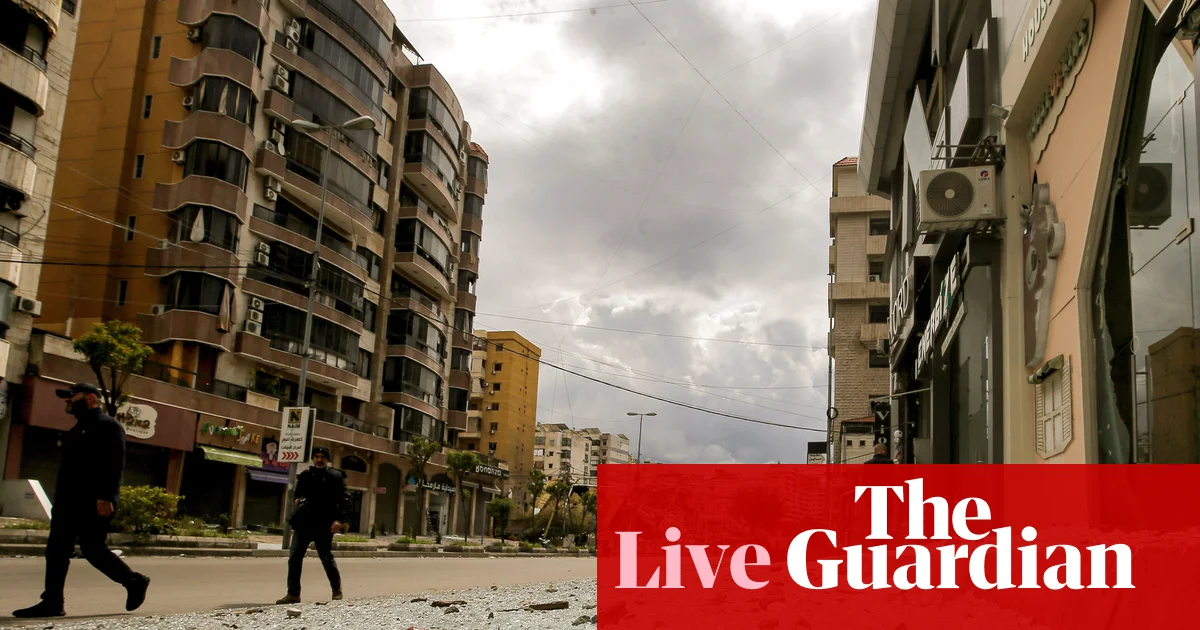
Amid mounting concerns over fuel shortages and rising prices, Canberra has employed measures to bolster supply, including relaxing fuel standards and contemplating increased ethanol integration—a move supported by regional stakeholders like the NRMA. The government’s careful public stance—emphasizing that “it’s too soon to talk about rationing”—belies the mounting pressure from economic analysts who warn that persistent inflation, driven in part by regional conflicts such as the ongoing crisis in the Middle East, could cripple the economy if swift, strategic action is not taken. Critics argue that such measures are only postponing the inevitable, highlighting the urgent need for long-term energy independence.

Security Concerns and Domestic Instability

Security experts and international observers signal that **Australia’s internal stability is being tested by covert threats and ideological radicalization**. The recent thwarting of a terrorist attack at an Invasion Day rally—an incident revealing a homemade explosive device weighted with screws and ball bearings—has rekindled debates about national security strategies. *Tony Burke*, the home affairs minister, expressed a somber tone, noting that “we were incredibly lucky” that no harm was inflicted. Such incidents underscore that the threat matrix has fundamentally shifted, with radicalization increasingly occurring online rather than in traditional training camps.

World analysts like Dr. Lucinda Harris, a geopolitical security specialist, caution that Australia’s vulnerabilities are emblematic of a broader regional instability. As alliances are tested and the Middle East’s turmoil pushes oil prices upward, **the country’s internal security and social fabric face compounded stress**, threatening to erode public confidence. These developments are casting a shadow on Australia’s international reputation—raising profound questions about how sovereignty can be safeguarded in an interconnected, risky world.

Trade, Energy, and Divergent Visions for the Future

The recent agreement to deepen trade relations with the European Union—dubbed a “win-win” by *Trade Minister Don Farrell*—epitomizes Australia’s attempt to diversify its economic partnerships. Yet, critics argue the deal primarily favors European markets, leaving Australian producers and regional industries vulnerable to the volatile energy landscape. Notably, support for the Australian Tomago aluminium smelter—a critical node in regional economic stability—receives a lifeline through a $2bn taxpayer subsidy aimed at maintaining its viability into the future. Such investments are strategic, seeking to protect key industries from the unpredictable winds of international geopolitics.

Internationally, Australia’s stance on energy independence and resource development remains ambiguous. While publicly dismissing ideas like a $40 fuel cap, the government quietly considers broad reforms—ranging from tax concessions to windfall gas levies—that seek to balance fiscal responsibility with regional growth. Historical analysts like Dr. Robert Gibbs warn that “oscillating between resilience and reform shapes a nation’s geopolitical destiny”. As regional powers and traditional allies reconsider their commitments, Australia’s ability to chart a stable course amidst tumult will ultimately determine its future role on the world stage.

Conclusion: The Weaving Tapestry of History

As the wheels of history continue to turn, the choices of today carve the contours of tomorrow’s global landscape. Australia’s internal battles—fuel shortages, security fears, economic reforms—are a mirror for the complex, interconnected chessboard on which global power is contested. With each policy decision, the nation writes a new chapter in its story, a narrative shaped by resilience, caution, and the relentless pursuit of sovereignty amidst the shadows of rising regional and global conflicts. This is not merely a tale of national survival but an epic saga of a country striving to forge its destiny amid the thunderous march of history’s relentless advance.

US to Deploy Airborne Troops to Middle East as Trump Claims Iran Talks Underway

Global Hotspot: Middle East on the Edge of Chaos

The United States is now preparing to deploy airborne combat troops, potentially sending 3,000 soldiers from the elite 82nd Airborne Division to the volatile Middle East. This escalation, announced amidst intensifying strikes across the region, underscores the growing likelihood of a broader conflict. The Trump administration signals readiness to confront Iran directly, with the possibility of blockades or military operations targeting Iran’s key oil exports—particularly the strategic Strait of Hormuz and Kharg Island. Meanwhile, diplomatic efforts seem tentative at best, with the White House mentioning the “possibility” of negotiations, but Iran’s government and its allies dismissing such overtures as insincere. Analysts warn that these developments could usher in an epoch of unprecedented instability, threatening global energy supplies and regional security alike.

Examining the Geopolitical Impact and Regional Dynamics

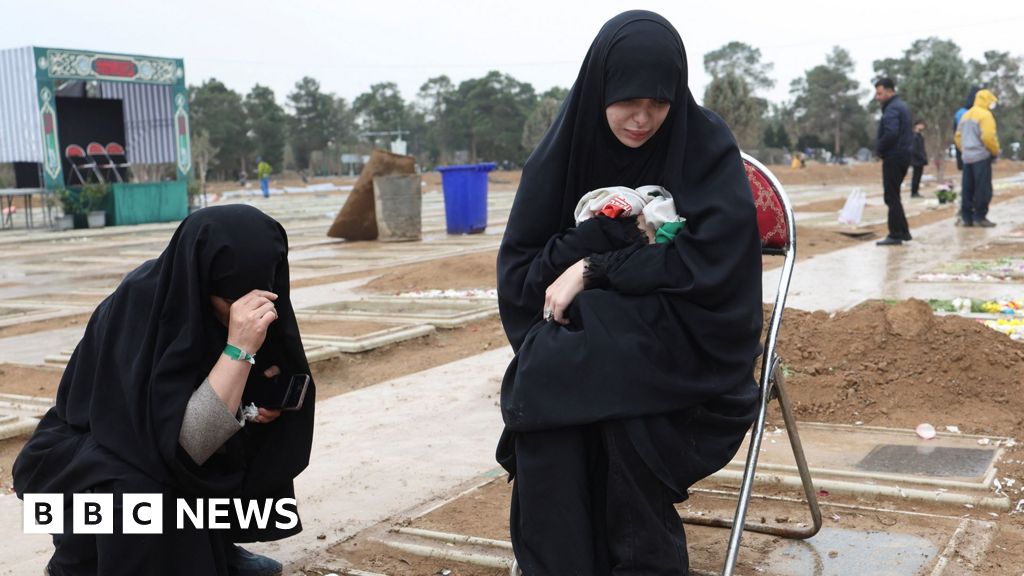
The Iranian regime has been fiercely resistant to US overtures, citing broken previous agreements and deep mistrust rooted in past encounters—most notably the assassination of Iran’s top commanders and the destruction of nuclear facilities. Iran’s UN ambassador attributed over 1,300 civilian deaths to current hostilities, further inflaming tensions. Meanwhile, neighboring powers – Pakistan, Oman, and Egypt – have taken on a crucial role as intermediaries, attempting to de-escalate through back-channel diplomacy amid divisions within Iran’s own political elite. The involvement of Russian, Turkish, and Gulf state factions heightens the complexity, transforming local conflicts into a geopolitical chessboard where each move could ripple worldwide, affecting energy markets, security alignments, and regional stability.

Historical assessments, including those by prominent scholars and international organizations, emphasize the peril of unchecked escalation. The International Crisis Group warns that prolonged regional war could spiral into a broader confrontation, drawing global powers into a dangerous proxy war scenario. The recent strikes on Iran’s infrastructure, coupled with Israeli offensive measures in Lebanon targeting Hezbollah, reveal how perilously close the region is to full-scale conflagration. Each targeted attack risks igniting a wider conflict, with the U.S., Israel, and Iran battling not just for territorial control but for the very future of regional sovereignty and influence.

The Global Economic Toll and the Weight of History

Markets reacted sharply to the rising tensions, with oil prices soaring past $104 per barrel—an increase of more than 40% since the conflict began. Such volatility threatens to trigger economic tremors worldwide, especially for nations heavily dependent on Middle Eastern energy supplies. Experts warn of long-term disruptions even if hostilities cease swiftly: ruptured pipelines, damaged desalination plants, and shattered infrastructure threaten the stability of entire economies. This high-stakes confrontation’s shadow looms large over the international community, as global institutions scramble to contain chaos before it is too late. The warning flags of history flutter faintly in the background, reminding all that once regional conflicts ignite, their flames can quickly engulf the world.

In the midst of this unfolding storm, the echo of history’s most pivotal moments—such as the 1973 oil crisis or the Gulf War—resound with renewed urgency. The fate of the Middle East and its implications for global order remain uncertain, yet unresolved. The decisions made in these critical days will reverberate across generations, shaping the contours of diplomacy and conflict for years to come. As the world watches, one truth remains evident: the unfolding story in the heart of the Arab world is a testament to the peril and promise of human history—an ongoing saga of power, resistance, and the relentless quest for stability amidst chaos.

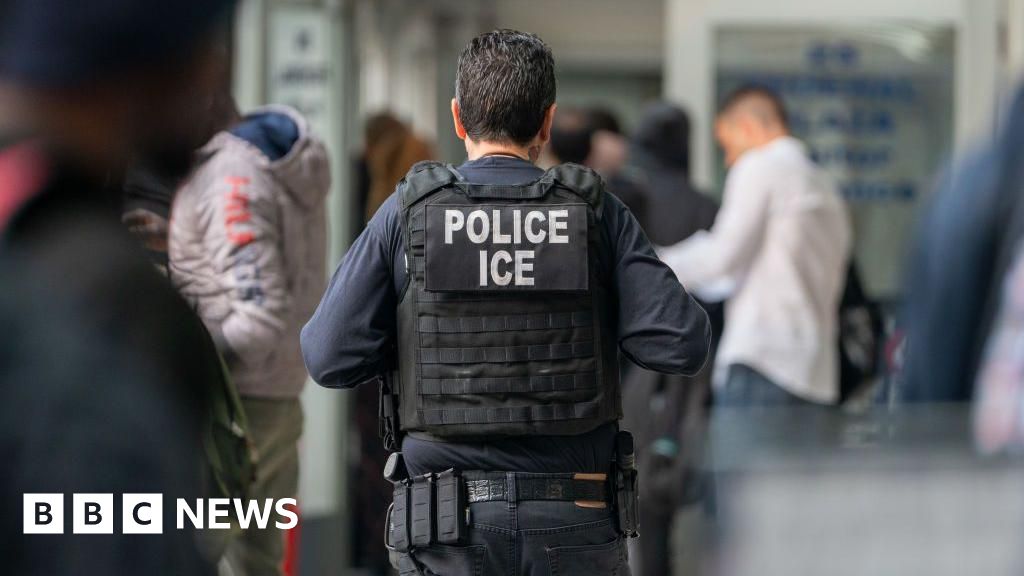
Trump warns: ICE deployment at airports if funding talks stall

Global Stability in the Crosshairs as US Government Shutdown Threatens International Order

Amidst rising geopolitical tensions, the recent partial United States government shutdown has ignited concerns far beyond American borders. The shutdown, triggered by congressional deadlock over budget negotiations, has resulted in essential services, including immigration enforcement and airport security, operating under strained circumstances. The U.S. president’s statement that ICE (Immigration and Customs Enforcement) will “do security” underscores the government’s prioritization of internal security amidst internal chaos, but also raises questions about the long-term stability of U.S. commitments worldwide.

International experts and analysts have emphasized that the shutdown’s impact extends beyond domestic borders, affecting U.S. diplomatic leverage and global security cooperation. The failure to fund critical agencies not only hampers the country’s ability to enforce immigration laws but also signals internal instability to allies and adversaries alike. Many observers point out that the shutdown erodes the confidence that nations around the world often rely on when engaging with the United States on security and economic issues. As noted historian Dr. Robert Langley warns, “such interruptions threaten the foundational trust inherent in the American-led security architecture.”

Furthermore, the decision to keep airport security operational despite the lapse in funding demonstrates the government’s prioritization of critical infrastructure, yet it also highlights the fragility of an institution that once stood as a symbol of stability. The consequences ripple outwards, especially in an era of rising geopolitical rivalries with China and Russia, where America’s global influence hinges on consistent, reliable engagement. The International Monetary Fund and various international watchdogs have voiced concern that prolonged governmental dysfunction could undermine the economic stability of emerging markets, which are increasingly intertwined with U.S. leadership.

Writers and analysts warn of the “turning point” this crisis represents; some suggest this could mark a more profound shift in global power dynamics.

  • The undermining of U.S. credibility
  • The erosion of domestic confidence in government institutions
  • Potential emboldening of regional adversaries

As international societies watch intently, the American government remains caught in a maelstrom of political contention and fiscal paralysis. The decision-making gridlock underlines the urgent need for reform, yet the stakes continue to rise as the world’s most powerful nation struggles to maintain its internal cohesion. The future remains uncertain; with each passing day, the threads of stability tighten, woven into the fabric of history — a chapter yet unfinished, written in the moments when the global balance teeters on the edge of transformation. The weight of history now bears heavily on the shoulders of those who hold power in Washington, as the world watches with bated breath, awaiting the next move in this unfolding narrative of global consequence.

School talks falsely compare student loans to £30 phone plans—misleading our youth about debt risks

In recent years, societal transformation has become a central theme in conversations about youth engagement, economic understanding, and community well-being. Yet, a revealing anecdote from a decade ago underscores a phenomenon that continues to influence how society addresses its pressing issues. Graduates tasked with delivering pivotal social presentations were instructed to avoid using words like “debt” — a subtle but profound indication of the discomfort and deliberate concealment surrounding financial realities. This approach, emblematic of a broader tendency to sideline difficult truths, impacts families, educational systems, and entire communities, fostering an environment where transparency is sacrificed in favor of politeness or political convenience.

The avoidance of honest dialogue about economic struggles contributes to a culture of denial and misinformation. Historians and social critics, such as *James Q. Wilson*, warn that when the societal narrative is sanitized, the foundational understanding of economic responsibility erodes among young generations. This disconnect hampers their ability to engage critically with personal and collective financial decisions, thereby weakening the social fabric. Without confronting discomforting realities directly, families and communities find it increasingly difficult to cultivate resilience or implement effective strategies for economic empowerment. As a result, educational institutions risk producing a generation less prepared to navigate the complex financial landscape, ultimately threatening long-term societal stability.

This trend reflects a larger societal issue, where *cultural shifts* tend to prioritize comfort over authenticity. As social commentator Robert Putnam emphasizes, the erosion of open dialogue damages the social capital essential not only for economic growth but for mutual understanding across communities. Social tensions arise when the honest acknowledgment of problems like debt, unemployment, or social inequality remains unspoken or minimized. Such suppression fosters distrust and disengagement, particularly among youth who seek genuine connection and understanding. Addressing these challenges requires a reevaluation of educational and social frameworks to foster environments where difficult conversations are promoted, not avoided. Solutions involve proactive community programs, transparent communication policies, and a renewed emphasis on financial literacy in schools.

In moving forward, society must reckon with the reality that recognizing and confronting our flaws can serve as a foundation for renewal. It demands a collective effort, where families, educators, and community leaders work in solidarity to cultivate honesty and resilience. The challenge lies in transforming societal habits—breaking free from the shame and discomfort associated with financial struggles or social tension—so that future generations can build bridges of understanding rather than walls of silence. In this delicate balance between truth and compassion, society’s true strength will be tested, and perhaps, redefined.

US-Iran Talks Wrap Up After Promising Progress, Says Mediator

In a world increasingly defined by shifting alliances and territorial ambitions, the recent indirect negotiations in Geneva stand as a pivotal yet uncertain event on the international stage. These talks, seen by many analysts as a final effort to curb a burgeoning nuclear arms race, highlight the delicate balance of power that continues to shape global security. With the stakes higher than ever, diplomats from key nations are engaged in a tense dance of diplomacy, offering a glimpse into the complex chess game that underpins regional stability and international peace.

Despite the urgency, the prospects of reaching a comprehensive nuclear agreement remain ambiguous. The deliberations, characterized by back-channel negotiations and cautious exchanges, underscore the pragmatic limitations of diplomacy when core national interests are at odds. Some experts suggest that the failure to achieve a breakthrough could have far-reaching repercussions, not only for the immediate parties involved but also for the international order. The echoes of past conflicts and Cold War tensions underscore the fragile nature of such agreements, further complicating efforts to establish a lasting framework that prevents proliferation.

Historians and geopolitical analysts warn that these negotiations are emblematic of broader geopolitical shifts—a reflection of rising powers and waning influence in traditional diplomatic architectures. International organizations, such as the United Nations, have called for restraint, emphasizing how the failure to bridge differences might ignite regional instability and spark new arms races. Meanwhile, nations like Russia and China watch closely, weighing their own strategic interests and projecting their influence through diplomatic channels that often sway in unpredictable directions. The current impasse demonstrates how narrow the margin for diplomatic success truly is in an era dominated by assertive nationalistic policies.

As history’s pages turn, many observers believe that the outcome of these Geneva talks could define the trajectory of international security for decades to come. For Western allies, a failure symbolizes a potential retreat into a world where nuclear proliferation is uncontrolled, heightening risks and threatening global stability. Conversely, for opposition blocs, such setbacks may reinforce the perception that diplomacy alone is insufficient against aggressive postures. Ultimately, the decisions made in these hallowed halls will echo through the corridors of history, leaving an indelible mark on the collective consciousness. In the shadow of diplomacy’s fragility, the human story continues unfolding—an enduring reminder that the balance of power remains precariously poised, and the future remains unwritten, waiting for history to determine which path is taken.

US Boosts Optimism as Ukraine Talks Enter Second Day, Celebrating ‘Meaningful Progress’

As the world watches closely, the United States has taken a significant step toward diplomatic engagement with its counterparts in Geneva. The US special envoy, representing America’s strategic interests, emerged from the first day of negotiations with an optimistic tone. However, analysts caution that this optimism masks the underlying complexities and entrenched conflicts that define today’s geopolitical landscape. International observers and diplomatic historians emphasize that, while dialogue is essential, a genuine breakthrough remains elusive, especially given the deep-rooted mistrust shaping the current global order.

The core of these recent talks revolves around critical issues such as security guarantees, economic sanctions, and regional stability—especially in volatile hotspots where conflict and power struggles continue to threaten international peace. Although the US envoy expressed hope for progress, multiple sources within diplomatic circles indicate that preventing a deterioration of relations remains the primary goal at this stage. For nations embroiled in or affected by these negotiations, the stakes could not be higher. The decisions made in this delicate phase could determine whether longstanding conflicts simmer or escalate into wider confrontations, impacting millions of lives across continents.

The geopolitical impact of this diplomatic effort extends far beyond the immediate actors involved. Countries such as Russia, China, andEuropean allies observe these developments with cautious optimism and measured concern. Their strategies, often shaped by historical narratives and national interests, are undeniably influenced by the outcomes of these talks. International organizations, including the United Nations, have called for restraint and constructive engagement, highlighting the need for diplomacy over conflict at this critical juncture. Yet, some experts warn that these negotiations are merely part of a broader chess match, where each move is scrutinized for its potential to shift the balance of global power.

Notably, the turning point in understanding the true scope of these negotiations may come when tangible outcomes emerge—be it treaties, ceasefires, or strategic commitments. Historians warn that history often remembers these moments as either pivotal breakthroughs or missed opportunities, shaping the course of nations for decades to come. Nonetheless, the atmosphere remains tense; the weight of history’s lessons hangs heavily in the air. The world’s eyes are fixed on Geneva, waiting for a sign that diplomacy, once thought fragile, can still wield the power to forge lasting peace. As negotiations continue, the unfolding story reminds us that the path to stability is fraught with challenges, and that the decisions made today will echo through the corridors of history, long after the talks conclude.

US-Iran Nuclear Talks Conclude in Geneva: What's Next?
US-Iran Nuclear Talks Conclude in Geneva: What’s Next?

The international community finds itself at a critical juncture as the United States has opted to deploy B-2 stealth bombers to address rising nuclear tensions with an unnamed adversary. In a recent, stark statement, the US president lamented the absence of a diplomatic resolution, saying, “We could have had a deal instead of sending the B-2s in to knock out their nuclear potential. And we had to send the B-2s,” indicating a perceived failure of negotiations and the daunting reality of military escalation.

This move marks a definitive shift from diplomatic engagement toward military assertion, a decision that international analysts warn could destabilize the fragile geopolitical equilibrium that has held since the last Cold War confrontations. The deployment of the advanced bombers, capable of carrying nuclear payloads and penetrating sophisticated defenses, signifies a grave escalation—a message of deterrence or perhaps, intimidation. Such actions inevitably ripple across nations, affecting alliances, global economies, and the very fabric of international diplomacy. The United Nations, along with various regional security organizations, are closely monitoring the scenario, wary of how this militarized stance could ignite a chain reaction of hostilities.

Historians and geopolitical analysts suggest that this moment could be remembered as a pivotal point—*a devastating turning point*—in the ongoing struggle for dominance between superpowers. The current crisis reflects a broader pattern where America’s strategic interests are increasingly defined by assertive military postures rather than diplomatic solutions. The shrinking space for negotiations portends a future where conflicts are resolved less by consensus and more by the overwhelming display of military power. Critics argue that the decision to escalate could backfire, emboldening adversaries to accelerate their own military programs, thus lowering the threshold for conflict and potentially igniting a regional or even global war.

As world leaders scramble to calibrate their responses, the weight of history looms heavily. China and Russia, watching intently, have issued thinly veiled warnings about the dangerous path of unilateral escalation. Meanwhile, European Union officials have reiterated calls for renewed diplomacy, cautioning that the pursuit of military dominance risks “the annihilation of diplomatic dialogue.” The North Atlantic Treaty Organization (NATO) has convened emergency discussions about the strategic implications of the B-2 deployments, emphasizing that the size and sophistication of America’s military onslaught could shift the balance of power in unpredictable ways.

In the silence that follows such tense moments, history waits—not as a distant memory, but as a living force that continues to shape the destiny of nations. The decisions made today will echo across generations, determining whether the world treads a cautious path of peace or plunges headlong into chaos. As the US presses forward, the world holds its breath, acutely aware that, in the realm of geopolitics, the line between deterrence and disaster is perilously thin. The stakes have never been higher, and the pages of history remain unwritten—yet, the shadow of conflict grows longer, demanding vigilance and resolve from all who cherish peace amid the storm.

Trump urges Netanyahu: Keep Iran nuclear talks alive

In a rapidly evolving landscape of international diplomacy, Israel has voiced its profound concerns regarding the ongoing negotiations with Iran. Jerusalem fears that the current diplomatic approach, driven by the desire to reach a timely deal, might ultimately fall short of addressing critical issues such as Iran’s missile programs and its extensive network of proxy groups across the Middle East. This hesitation highlights a broader strategic dilemma shared by many nations in the region—whether economic concessions and temporary agreements will truly curtail Iran’s expanding military capabilities and regional influence.

Leading analysts, including Daniel Byman, a scholar at Georgetown University, warn that the negotiations risk producing a deal that is too lenient or incomplete. “Israel is concerned that in the haste to get a deal with Iran, the president might embrace a deal that doesn’t address Iran’s missile programme or support for proxy groups, or that allows it to have some remnant of its nuclear programme,” Byman explained. This underscores a critical turning point in international diplomacy—one where hurried agreements could unwittingly pave the way for continued regional instability rather than securing genuine peace. The implications extend far beyond Iran’s borders, threatening to redefine the delicate balance of power in the Middle East.

Global organizations and foreign governments are closely watching these developments. The United States and European Union have engaged in intense negotiations, balancing diplomatic pressure with strategic priorities. While some argue that diplomacy remains the only viable path to prevent nuclear proliferation, others emphasize the necessity of including robust provisions addressing Iran’s missile technology and support for proxy militias. The United Nations and regional watchdogs warn that failure to impose comprehensive restrictions could embolden Iran’s military ambitions, increase missile proliferation, and escalate conflicts in countries like Iraq, Syria, and Lebanon. As the geopolitical stakes escalate, the world must contend with the prospect that clandestine nuclear development might continue under the cover of any loosened treaty terms.

Historically, international negotiations have often been at a crossroads—each decision shaping the future trajectory of global security. As Israel and its allies remain vigilant, some analysts warn that concessions without enforceable safeguards risk creating a long-term insecurity dilemma. The ongoing debate is not simply about nuclear technology; it encapsulates a wider contest of regional dominance, national sovereignty, and ideological confrontation. As the dust of diplomatic accord settles, history’s ink will record whether these decisions have laid the foundation for peace or whether they have merely delayed the inevitable wake of unrest.

The world continues to watch with bated breath, knowing that the axes of conflict are shifting beneath our feet. The decisions made in the coming weeks will determine whether history advances towards hope or chaos—none can say for certain, but the weight of the moment hangs heavy. It is a fragile, uncertain dawn—one that could either illuminate a path to lasting peace or plunge the region, and perhaps the world, into the shadows of renewed conflict.

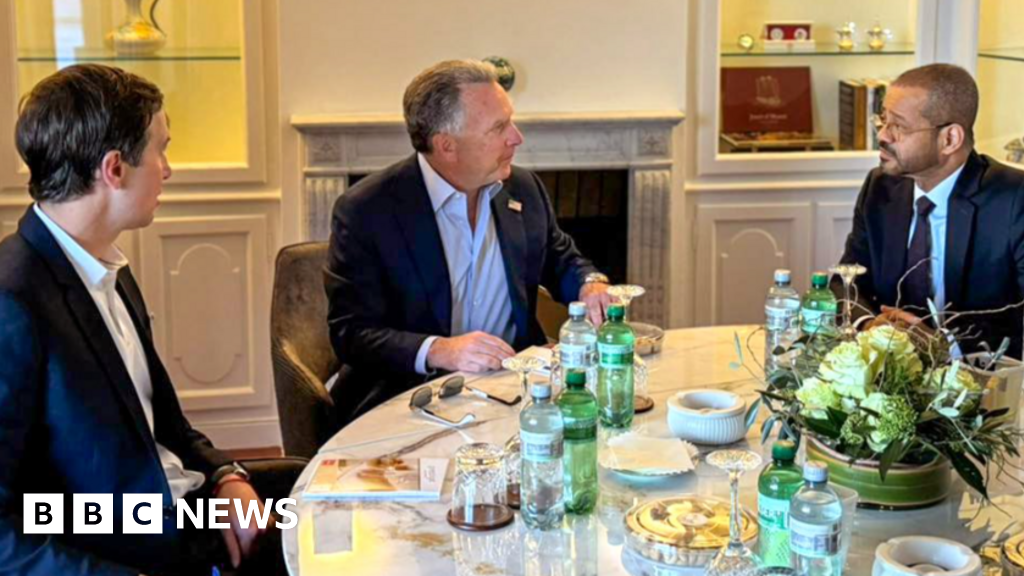
US and Iran Prepare for Nuclear Talks in Oman as Trump Warns of Military Action — Live Updates | Iran

Geopolitical Tensions Escalate as Iran and United States Face Off Ahead of Critical Negotiations in Oman

Amidst a backdrop of simmering regional conflict and shifting alliances, the upcoming U.S.-Iran nuclear negotiations in Oman are poised to be a decisive moment in the ongoing struggle for influence and security in the Middle East. High-stakes diplomacy is unfolding against a tense landscape marked by military posturing and deep mistrust. As Iran enters the talks with a firm stance, US military movements in the region continue to underscore the volatility of this diplomatic push for stability. The international community, including analysts from institutions such as The International Institute for Strategic Studies, is watching with bated breath, recognizing that the outcomes could shape the global picture for years to come.

Recent days have seen a noteworthy escalation of military activity, with the deployment of a formidable US naval task force including an aircraft carrier strike group near Iran. This build-up is widely interpreted as a warning of possible military intervention, a reality that Tehran appears to be well-aware of. The Iranian foreign minister Abbas Araghchi, speaking from Istanbul, reaffirmed Iran’s determination, stating, “We engage in good faith and stand firm on our rights.” He emphasized that durable agreements rely on respect and mutual commitments—principles that Tehran perceives as being frequently violated by inconsistent US policies. The juxtaposition of Iran’s diplomatic rhetoric with its unwavering maximalist position underscores the geopolitical game at play—where each side is testing the other’s resolve in a high-stakes negotiation that could either steer the region toward stability or plunge it into further chaos.

Adding to the uncertainty and volatility, recent incidents in international waters have only intensified tensions. The US military claimed to have shot down an Iranian drone approaching the USS Abraham Lincoln in the Arabian Sea, claiming it was an act of self-defense. Iran disputed this, asserting the drone was conducting surveillance in international waters. Meanwhile, US President Donald Trump has kept the rhetoric incendiary, asserting that the US “armada” in the region is larger than what was deployed to topple Venezuela. Trump’s comments reflect a calculated bluff—or perhaps a test of Iran’s willingness to escalate. As experts like Dr. Laura Jayes warn, such displays of military strength make it clear that the region remains on the brink, with a single misstep potentially igniting wider conflict.

Of particular concern is Iran’s unwavering position on limiting negotiations solely to nuclear issues, dismissing US demands to address its ballistic missile program and regional sponsorship of terrorist organizations. The US, led by Secretary of State Marco Rubio, insists on an all-encompassing approach, intensifying the risk of deadlock. Iran’s Foreign Minister Abbas Araghchi’s announcement that negotiations will proceed underscores an expectation that compromises are unlikely in the short term. As international diplomats deliberate, many analysts warn that the failure of these talks could result in a return to open hostility. Yet, with each side holding maximalist positions, the outcome remains shrouded in uncertainty, poised to define the geopolitical balance in the Middle East and beyond. It is a reminder that history often hinges on pivotal moments like this—a fragile, fleeting window in which peace could either be preserved or shattered, leaving a scar on the pages of history for generations to come.

Social Media Auto Publish Powered By : XYZScripts.com