Matox News

Truth Over Trends, always!

Zelensky: No Concessions — Protect Ukraine’s Land in Ongoing Talks

Ukraine and the International Power Play: A Delicate Balance on the Brink of Change

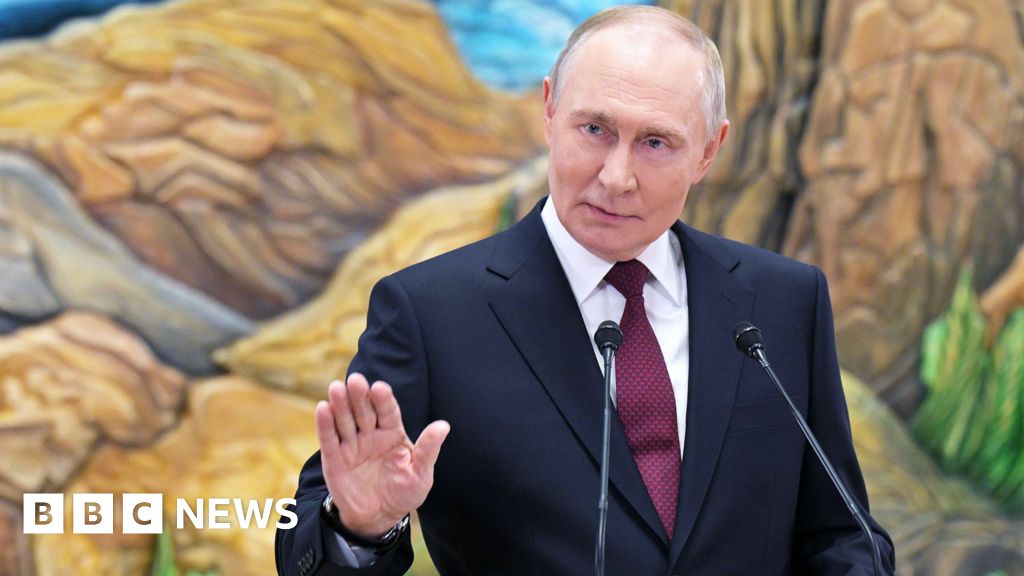
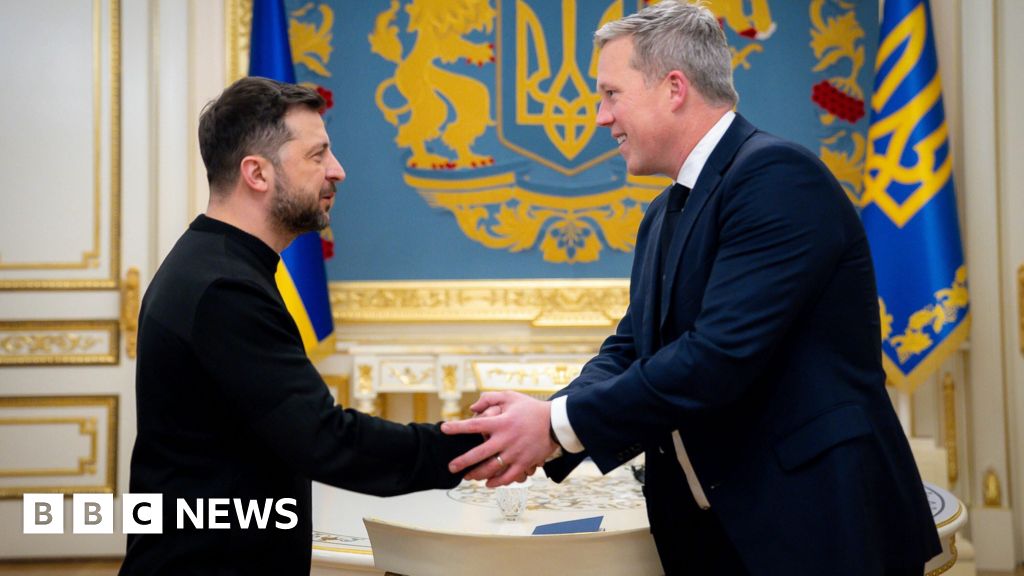
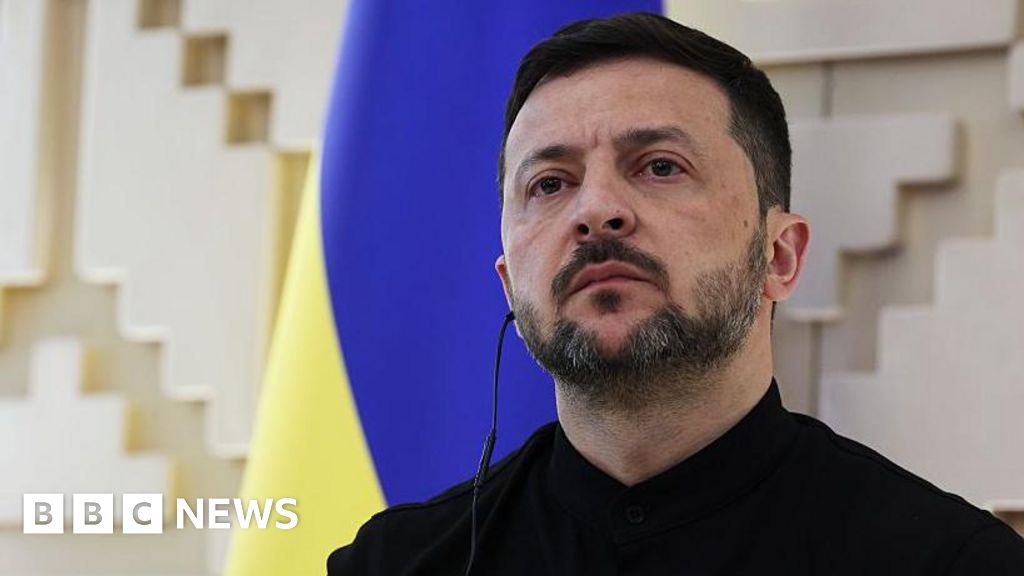
The ongoing crisis in Ukraine remains a defining flashpoint in Europe and the broader world. President Volodymyr Zelensky has publicly acknowledged the “important steps” taken during recent negotiations in Geneva. Yet, beneath this diplomatic veneer lies an unwavering tension, primarily surrounding the “main problem” — Vladimir Putin’s demand for legal recognition of Russian-occupied territories. The geopolitical implications of this sticking point threaten to reshape the very fabric of regional stability, as Kyiv emphasizes the inviolability of its sovereignty amid international pressure to accept Ukraine’s territorial integrity as a non-negotiable principle. Historians warn that conceding on such issues could establish a dangerous precedent, undermining international law and emboldening future aggressors.

Diplomatic Stalemates and the Shadow of Superpower Politics

In a move that underscores the complexity of the diplomatic manoeuvring, the recent talks involved a 28-point peace plan drafted by US and Russian officials. This plan, presented in October, has caused significant concern among Kyiv and its European allies, especially since it seemingly favors Russia’s long-standing territorial claims. Key elements include the withdrawal of Ukrainian forces from contested districts, which would be declared a demilitarized zone and recognized as Russian territory. Such provisions directly clash with Ukraine’s constitution and its desire for NATO membership — a move Kyiv views as essential for its national security and endurance against future invasions.

European leaders, including German Chancellor Friedrich Merz and Polish Prime Minister Donald Tusk, have expressed skepticism about the prospects for peace, emphasizing that the diplomatic process will likely stretch on for a “lengthy, long-lasting” period. Moreover, the absence of Russian participation in the Geneva talks, coupled with kremlin officials’ skepticism about the revised peace proposals, signals a grave message: the core issues remain unresolved. Experts argue that without Moscow’s explicit buy-in, any diplomatic breakthrough risks dissolving into another cycle of broken promises and deferred resolutions.

How International Decisions Shape Lives and Nations

As the diplomatic deadlock persists, the geopolitical impact extends beyond mere borders, touching the very lives of millions. The European Union and NATO are grappling with the political fallout, as debate rages over Ukraine’s future. The contentious inclusion of language that excludes any recognition of Russian-held regions signals a deeper divide—one where victory and defeat seem inherently linked to the principles of sovereignty and independence versus geopolitical expediency. Analysts contend that such negotiations are not merely about land but about which cultural, political, and societal values will define the 21st-century order. The question remains: will diplomatic efforts lead to a peaceful resolution, or will the relentless push for territorial status quo prolong the conflict, casting a shadow over generations?

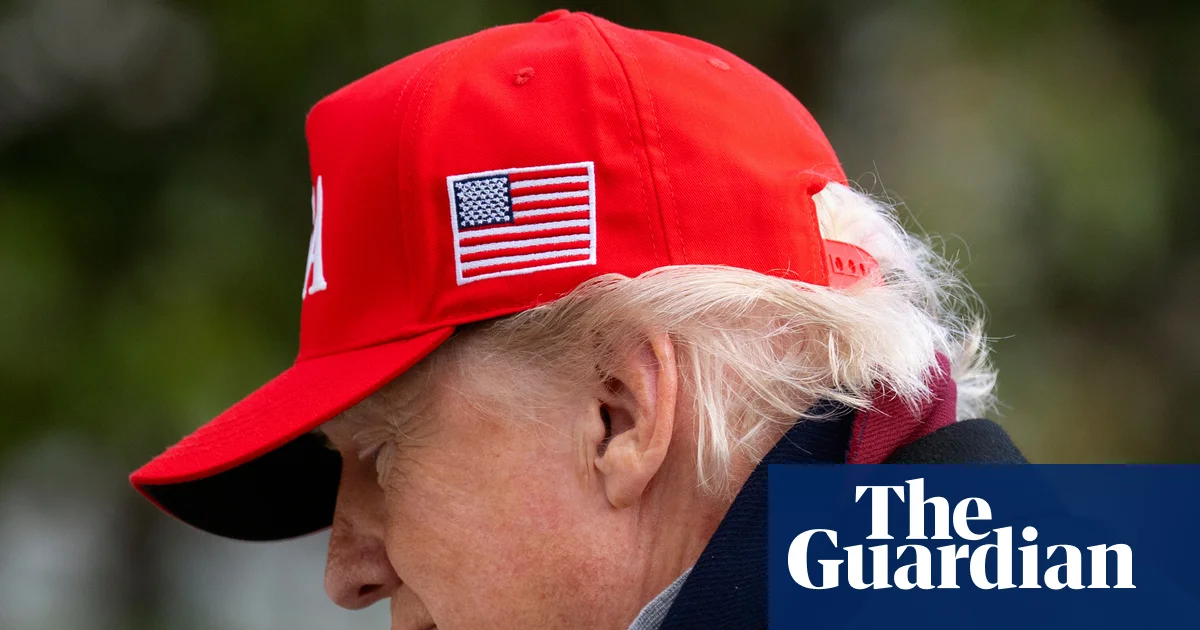
The next chapters in this unfolding saga will feature high-stakes conversations between President Zelensky and Donald Trump, with the potential for a reconfigured peace plan to emerge. Yet, as international observers warn of, this fragile peace hangs in a delicate balance, vulnerable to the shifting tides of diplomacy, power struggles, and the unwavering will of nations to preserve or eradicate sovereignty. The true test of history is whether these fleeting agreements will forge a lasting peace or sow the seeds for further chaos, leaving humanity to grapple with the consequences of decisions made today—for the future as much as for the present.

Rubio praises significant gains in Ukraine peace talks for a stronger future

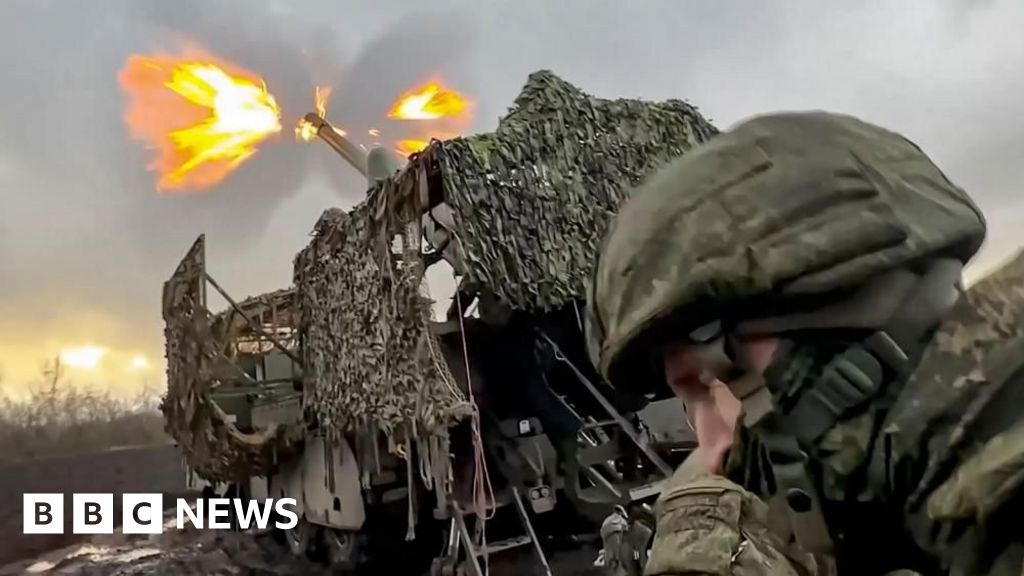
The recent developments in the ongoing Russia-Ukraine conflict indicate a pivotal chapter in international diplomacy, with the United States and its allies pushing forward a proposed peace framework amidst complex negotiations. According to Secretary of State Marco Rubio, significant progress has been made toward finalizing a deal, as the diplomatic focus shifts toward securing an agreement that could redefine the geopolitical landscape in Eastern Europe. These negotiations, held in Geneva, Switzerland, signal a delicate dance between diplomatic concessions and strategic interests, illustrating how core international decisions now hinge on the outcome of a handful of key issues. Washington’s pursuit of a peace plan—drafted to include troop withdrawals, border demarcations, and security guarantees—demonstrates a cautious but determined effort to reassert influence over the region, and perhaps, to contain Russia’s expanding footprint.

At the forefront of these negotiations lies the US draft plan, which aims to freeze Ukraine’s borders and impose limits on its military capacity. The proposal’s highly contentious element is Kyiv’s pledge to abstain from pursuing NATO membership—an announcement that has generated unrest both within Ukraine and among its Western partners. Many analysts interpret this as a strategic capitulation that risks undermining Ukraine’s sovereignty, while Russia views it as a critical buffer to prevent NATO’s eastward expansion. The plan also advocates for Russia’s reintegration into the global economy, including the lifting of sanctions and re-admission to the G7, signaling a fundamental shift in how the West approaches Moscow’s reintegration—an approach that has broad implications for global power balances. According to respected international relations experts, such strategies could either stabilize a fragile region or serve as a prelude to further geopolitical maneuvering, depending on how these agreements are enforced and respected.

Meanwhile, Ukrainian President Volodymyr Zelensky has expressed cautious optimism, emphasizing that signals from the US administration suggest the possibility of reaching an understanding. Yet, the underlying tensions remain palpable—Ukraine faces the dilemma of either accepting what many see as a compromised sovereignty or risking further losses to Russian forces. The leaked proposals, seen as favoring Moscow by some European nations such as the UK, France, and Germany, have stoked fears of a eroded Ukrainian dignity and a turning point in national sovereignty. The significance of these negotiations extends beyond Ukraine’s borders, as the potential for a broader realignment of alliances looms. Leaders and historians warn that the decisions made in Geneva could set a precedent, influencing regional stability and the future of NATO—possibly reimagining Europe’s security architecture for generations to come.

As international players grapple with these complex and sensitive negotiations, the geopolitical impact becomes increasingly evident: the outcome may either contain Russia’s ambitions or embolden it to pursue further advances. The stakes involve not only territorial control but also the very principles of sovereignty, security guarantees, and economic reintegration. The tense atmosphere underscores a critical warning that *the geopolitical chessboard remains perilously fragile*, and the decisions taken now will echo through history. With time running out—marked by President Trump’s ultimatum of Thursday for Kyiv to accept the proposals—the world watches with bated breath. The unfolding story of these negotiations is more than a diplomatic whisper; it is a clash of visions which, whether resolved peacefully or driven by conflict, will carve a new chapter in the ongoing saga of global power struggles. The question remains: will this be the dawn of a new era of cooperation or the prelude to a deeper, more enduring confrontation? Only time will reveal those critical answers.

Trump blasts Ukraine’s lack of gratitude for peace efforts amid global talks

Global Power Play in Ukraine: A Tense Flashpoint with Lasting Consequences

In what could be a pivotal moment in international relations, recent developments surrounding the ongoing situation in Ukraine reveal an intricate web of diplomacy, suspicion, and geopolitical tension. As U.S., European, and Russian actors converge in Switzerland and Geneva to discuss peace negotiations, the world watches with bated breath. The core of this crisis lies not only in Ukraine’s sovereignty but in the broader contest for influence—an ideological and strategic struggle that threatens to redefine the post-Cold War security order.

Amidst the dialogue, claims from Donald Trump and other U.S. officials about a proposed “peace plan” have stirred controversy. Trump accused Ukraine of ingratitude for U.S. efforts, while European leaders, including Ursula von der Leyen and Friedrich Merz, sharply criticized parts of the plan that suggest Ukraine cede territory and limit its military capabilities. These demands—crafted, according to reports, by Kirill Dmitriev, a key Kremlin figure—pose a direct challenge to the core principles of Ukraine’s territorial integrity and NATO’s eastward expansion, which is seen by many Western analysts as essential for European stability. The plan’s language, reportedly translated from Russian, hints at Moscow’s enduring desire to roll back NATO’s post-1997 borders, echoing Putin’s pre-invasion rhetoric and ambitions to restore what he perceives as Russia’s rightful sphere of influence.

Deciphering the Geopolitical Impact: Who Shapes the Future?

  • On one side, the United States appears to be caught between supporting Ukraine’s sovereignty and internal political debate, exemplified by recent mixed messages from figures like Marco Rubio. While some senators suggest the plan is a Russian-inspired leak, others insist U.S. involvement, with “input” from Russia, was significant—highlighting the complex, often contradictory nature of Washington’s diplomacy in this crisis.
  • Meanwhile, European leaders emphasize that any peace arrangement must respect Ukraine’s borders and security. German Chancellor Friedrich Merz has expressed skepticism about an imminent agreement, cautioning against accepting demands that would undermine Ukraine’s sovereignty or set a dangerous precedent for other nations.
  • Russia’s ambition remains clear: force NATO’s military footprint back to its 1997 boundaries and undo the strategic security architecture established in the post-Cold War era. Putin’s call for NATO to withdraw from Baltic states and central Europe signals an attempt to reassert Moscow’s dominance—a move that threatens European stability and global security.

The international community, especially European nations, fears that acquiescing to Moscow’s demands would trigger a dangerous precedent, potentially encouraging territorial revisions by authoritarian regimes elsewhere. A senior European diplomat warned that accepting such a plan would undermine decades of diplomatic progress and embolden other revisionist states, creating a fragile, unpredictable global order. Historians like John Mearsheimer have long warned that concessions to revisionist powers can encourage future aggression, and current signals appear to confirm these fears.

How the Decision Shifts Societies and the Arc of History

The stakes extend far beyond military borders. If Ukraine is forced into concessions, it risks losing not only territory but also its sovereignty—something that would resonate deeply across Europe and the West. President Volodymyr Zelenskyy faces a tragic dilemma: to compromise on core national interests or to risk losing vital Western support. The result would be a divided Europe, where the principles of self-determination and security are compromised in favor of expedient peace—potentially repeating the dangerous appeasements of the interwar period.

Furthermore, the emerging international consensus underscores a stark reality: the future security architecture of the continent hinges on decisions made today. As analysts caution that Russia aims to turn back the clock decades, the global balance of power remains unsettled. The unfolding negotiations are more than simple diplomacy—they are the battlefield of ideas and influence, where the outcome will shape the geopolitical landscape for generations.

As history continues its relentless march, the world stands at a fragile crossroads—a place where the choices made now will echo through the annals of history. Will nations defend their sovereignty and uphold the principles that underpin stability, or will they succumb to pressures that could unravel the delicate fabric of peace? In this unfolding drama, the weight of future generations rests on the resolve of leaders to stand firm, knowing that the course of history has yet to be written, and the story of Ukraine’s resilience remains a poignant testament to the ongoing struggle for sovereignty and global stability.

UN Climate Talks Fail to Deliver New Fossil Fuel Commitments

Global Climate Diplomacy Faces Standoff at COP30 in Belém

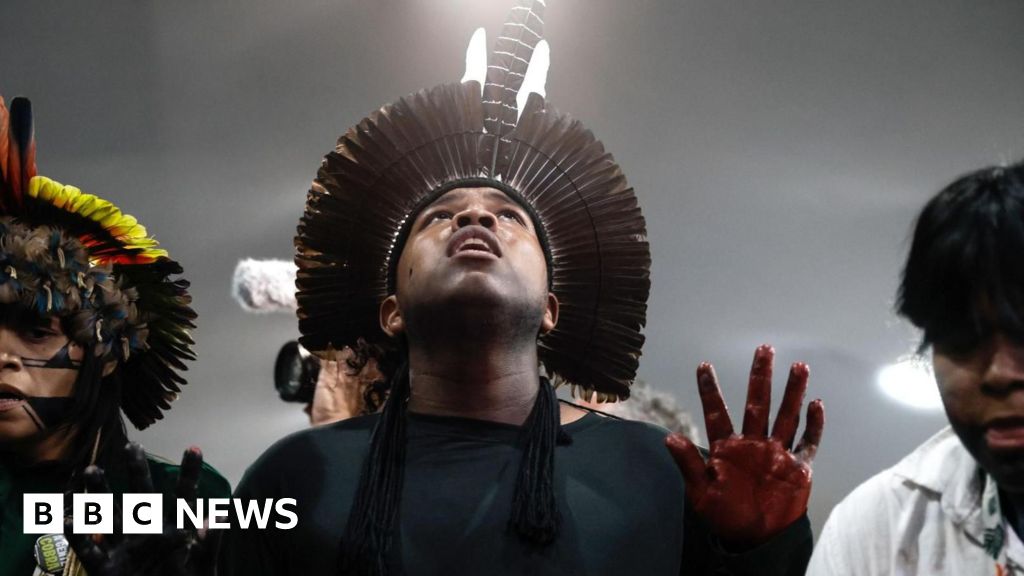
As the United Nations Climate Summit COP30 wrapped up in Belém, Brazil, a palpable sense of frustration and disillusionment echoed across the international community. Despite weeks of tense negotiations, the final deal—dubbed the Mutirão—failed to include a direct reference to the core issue gripping sky-high global temperatures: the reliance on fossil fuels. This outcome underscores a deepening divide between developed nations and oil-producing countries, revealing the entrenched interests that threaten serious climate action.

The summit, taking place amid a backdrop of chaotic protests, devastating weather, and even a fire in the venue, was marked by a struggle of ideals and power. Over 80 countries, including the UK and sweeping European Union, had sought commitments to accelerate reductions in oil, coal, and gas use. However, the fierce resistance from OPEC nations like Saudi Arabia and major fossil fuel exporters meant that those calls were ultimately sidestepped. A clear shift in diplomatic tone became evident: the large oil-producing nations insist on their “sovereign right” to exploit fossil fuel reserves, branding such pursuits as essential for their economic growth. This stance has sparked intense scrutiny from historians and analysts, many warning that these fixed positions threaten the very fabric of future international climate policies.

Notably, the absence of a delegation from the United States—after President Trump’s declaration to withdraw from the Paris Agreement—symbolized a troubling trend of American retreat. While many nations, like India, praised the outcome as “meaningful,” the global effort to limit warming to 1.5°C remains elusive. The UN itself expressed concern that current trajectories jeopardize this target, highlighting that global efforts are “failing.” Meanwhile, representatives of poorer nations, especially small island states, emphasized that the final agreement’s promises to bolster climate finance—like the newly established Tropical Forests Forever Facility—are crucial for their survival. The geopolitical impact of this exchange is clear: the world’s poorest are demanding recognition and assistance, yet the divisions over fossil fuel exploitation threaten to deepen inequalities.

The Belém summit was plagued not only by diplomatic stalemates but also by logistical chaos—outdated infrastructure, weather disruptions, and even security breaches temporarily overshadowed the proceedings. As the summit drew to a close, a common thread emerged: nations are increasingly driven by self-interest rather than collective action. While countries like India advocate for “meaningful” progress, and a coalition of small island states push for urgent deforestation action, the larger geopolitical chess game continues. The global community stands at a crossroads—an inflection point where the choice to forge a sustainable, equitable future or succumb to the entrenched interests of fossil fuel dominance will define a new chapter of history. The weight of these decisions echoes loudly, leaving us all to wonder: will this be the moment that global climate action finally takes root, or are we merely witnessing a prolongation of the same deadly game, with the planet paying the highest price?

Putin’s Ally or Peace Broker? The Truth About Ukraine Talks

Global Powers on the Edge: The Strategic Ascendancy of Kirill Dmitriev and Russia’s Return to Diplomatic Influence

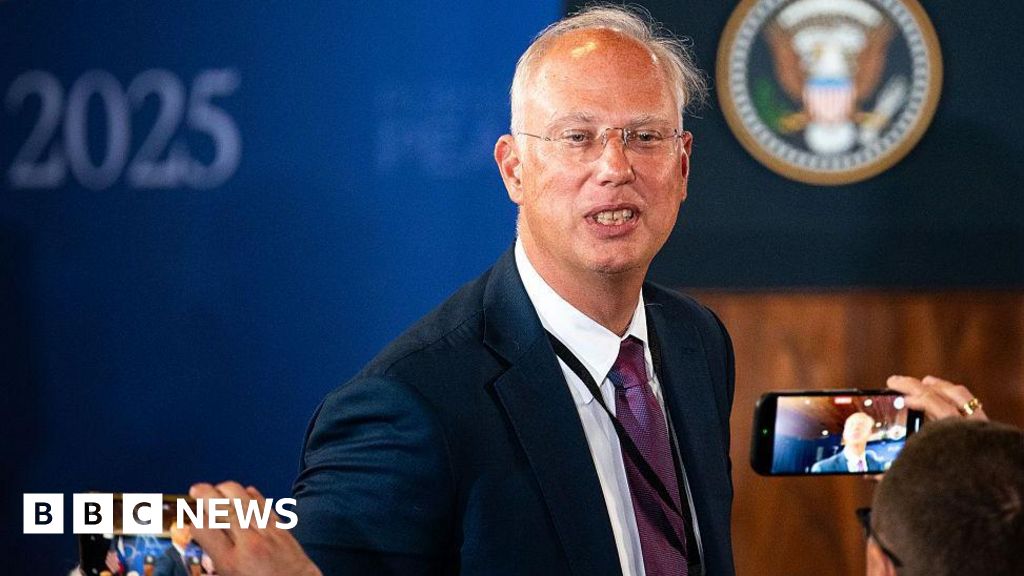
As Russia reasserts itself on the international stage, a key figure shaping its modern diplomacy has emerged in Kirill Dmitriev. With a background rooted in science, finance, and a deep understanding of international conflicts, Dmitriev’s role as head of the Russian Direct Investment Fund (RDIF) has propelled him into the spotlight. His engagement with U.S. officials during the recent negotiations over Ukraine signals a shifting landscape where selective diplomacy takes precedence over traditional adversarial posturing. Points of contact such as Miami and Saudi Arabia have demonstrated that Russia’s pragmatic approach to diplomacy, led by Dmitriev, might be reshaping geopolitical dynamics in ways previously dismissed as improbable.

Recent disclosures suggest that Dmitriev, with his unique blend of economic savvy and diplomatic agility, has played a crucial role in softening Russia’s years of diplomatic isolation. His rapport with Steve Witkoff, a U.S. envoy, exemplifies how personal relationships are increasingly pivotal in resolving issues that once seemed intractable. Analysts from organizations like the Brookings Institution and Geopolitical Watch note that Dmitriev’s deep cultural and political knowledge—specifically his Ukrainian origins and experiences in the United States—equip him with an unparalleled perspective on the multifaceted conflict in Ukraine. His advocacy for a “dignified peace,” paired with Russia’s strategic use of economic and diplomatic tools, underpins Russia’s broader objective: regain influence without provoking a full-scale confrontation, setting a dangerous precedent for the future of international diplomacy.

However, Dmitriev’s approach is not without controversy. The Biden administration and the U.S. Treasury have publicly characterized him as a “known Putin ally,” imposing sanctions that seek to diminish his influence. Critics argue that Russia’s focus on economic diplomacy—embodied by figures like Dmitriev—serves as a mask for preserving the regime’s core interests amidst Western sanctions and military confrontations. Yet, Dmitriev remains unwavering in his pursuit of a negotiated “peace process,” advocating a course that many in the West see as pragmatic, if not risky. His stance reflects a broader shift in Russia’s geopolitical posture—favoring subtle diplomacy and strategic economic partnerships over open military escalation—an approach that history’s most astute observers suggest could define the future of East-West relations.

Witnessing the unfolding chapters of this new diplomacy, historians and analysts warn that the next phase of global history hinges on whether figures like Dmitriev can successfully navigate a web of geopolitical conflicts, economic interests, and ideological divides. As the shadows of the past—such as the Cold War’s echoes—linger uneasily, the weight of history presses down. Will Russia’s calculated engagement herald a new era of coexistence, or merely a fleeting window of diplomacy before the storm of conflict reignites? The answers remain elusive, yet one truth persists: the silent march of history continues, at the convergence of old rivalries and new opportunities, with Dmitriev’s diplomacy shaping the contours of a fragile, uncertain future.

Maduro Signals Openness to Direct Talks Amid Rising US Pressure

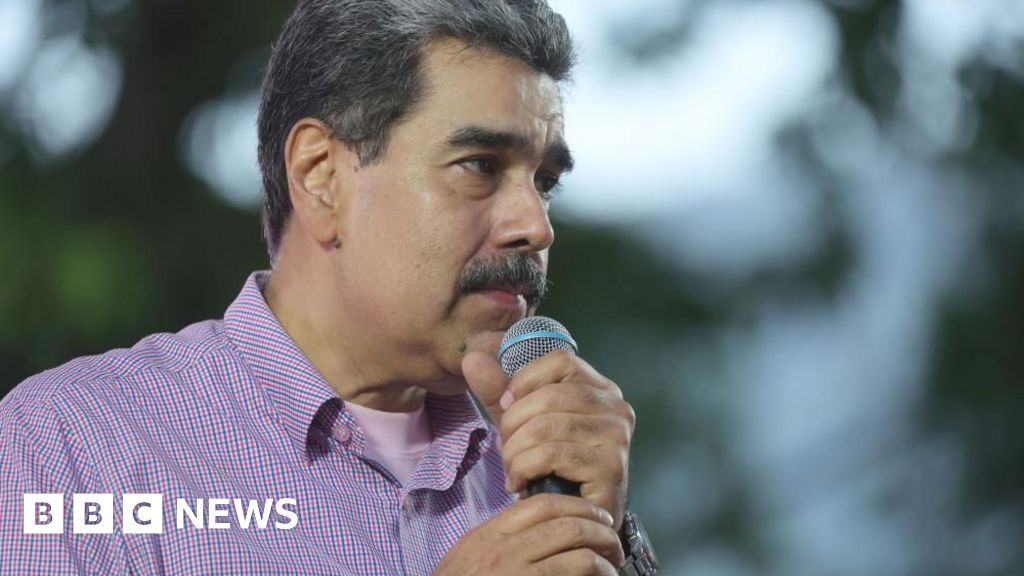
In an unmistakable sign of the escalating crisis in Venezuela, the country’s leader, Nicolás Maduro, has publicly expressed willingness to engage in direct talks with representatives of the Trump administration. This development comes amid intensifying international pressure, while Washington’s rhetoric and military maneuvers suggest a broader strategic aim beyond mere diplomacy. Just hours before Maduro’s announcement, President Donald Trump had not ruled out deploying ground forces to the South American nation, igniting fears of an outright conflict. The United States, through its actions and statements, appears to be pushing toward a decisive intervention—yet the question remains: is this for regime change or strategic control over Venezuela’s vast oil reserves?

The US government’s aggressive policies have shown few signs of backing down. Since Trump’s second term began, Washington has doubled its bounty on Maduro, offering up to $50 million for information leading to his capture, and launched a counternarcotics operation targeting vessels crossing Caribbean waters. These strikes, conducted under the guise of removing “narcoterrorists,” have resulted in over 80 fatalities, igniting a debate about their legality and effectiveness. Critics, including legal experts and international analysts, argue that no concrete evidence has been provided linking these vessels to drug trafficking. The strikes, primarily in the Caribbean and Pacific, underscore a broader strategy: to sow chaos within Venezuela’s borders and weaken Maduro’s hold on power. Meanwhile, the presence of the US Navy’s largest aircraft carrier, the USS Gerald Ford, signals that Washington’s military posture may be more than a bluff; some interpret it as a veiled threat to remove Maduro forcibly.

Simultaneously, diplomatic signals fluctuate. Trump’s contradictory statements—initially denying the possibility of war, then leaving open the option of military action—are read as a warning to Maduro: enter negotiations or face harsher measures. The State Department’s decision to delay labeling the alleged Venezuelan drug cartel, Cartel de los Soles, as a Foreign Terrorist Organization until late November, appears to be a calculated move. Experts suggest that this delay is a strategic ultimatum: engage in dialogue or face intensified sanctions and military pressure. The designation, if enacted, would criminalize any American support for the cartel, bolstering the US’s legal basis for further action. As President Trump wavers, some analysts see this as part of a broader tactic—an attempt to reinforce the narrative that Maduro’s regime is a significant threat to regional stability and US security.

Within Venezuela, Maduro’s approach openly contrasts with US escalation. The leader, who has once even sung in English during public addresses, is calling for dialogue and peace. Addressing the American people directly, he underscores his readiness for face-to-face talks—yet, past negotiations mediated by the Vatican and Norway have collapsed. Meanwhile, opposition figure and Nobel laureate María Corina Machado is actively urging the military to defect, framing Maduro’s regime as a “criminal structure” responsible for “crimes against humanity.” Her “freedom manifesto” highlights the stakes—an impending epoch where “our natural rights will prevail,” but only if Venezuelans unite against what she describes as a dictatorial tyranny. The ongoing internal struggle echoes the larger geopolitical tension: a nation on the brink, caught between authoritarian repression and external intervention—whose fate remains suspended between history’s relentless march and the unpredictable tides of geopolitics.

The weight of this unfolding crisis leaves the international community pondering the future of Venezuela, as the echoes of history ring louder than ever. Will diplomacy prevail, or will this simmering conflict ignite into another chapter of regional upheaval? With each tug of geopolitics, entire societies are caught in the crossfire, and the world watches as the pages of history turn—unfolding a saga of power, resistance, and the quest for sovereignty that may yet reshape the very fabric of South America. The question lingers: how much longer can this fragile balance be maintained, before the next chapter of conflict is written in blood and fire?

Syria joins coalition to fight ISIS after Trump talks

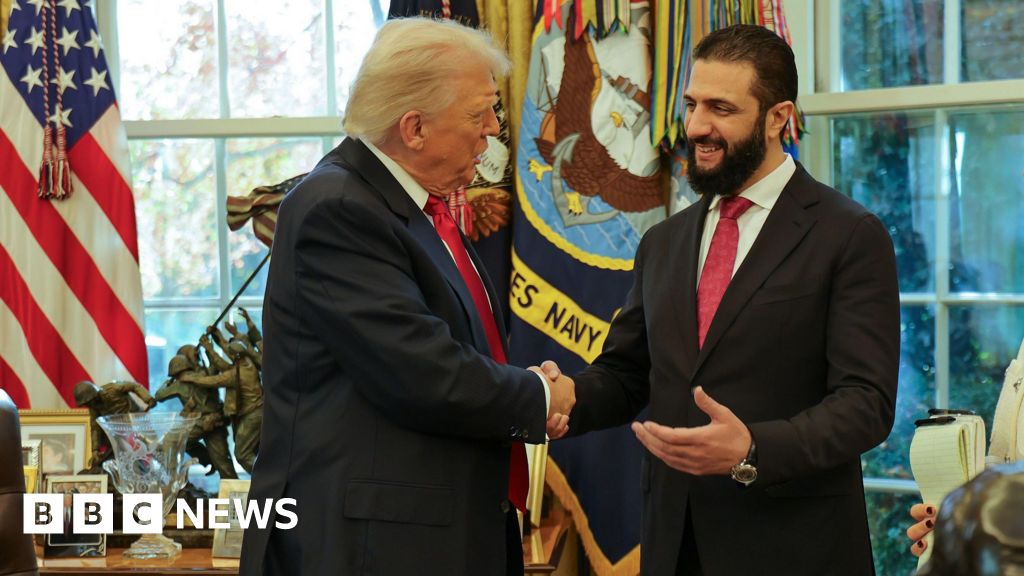
The United States has dramatically shifted its foreign policy stance toward Syria, signaling a potential turning point in the volatile Middle East. For years, Syrian relations with Western powers have been marked by sanctions, diplomatic isolation, and conflict. Yet, recent developments indicate a strategic pivot, as Syria prepares to join an international coalition against the Islamic State, marking it as the 90th member committed to eradicating remaining terrorist elements and addressing regional instability. This move not only signifies a notable diplomatic breakthrough but also underscores the complex dynamics of how international decisions can redefine national destinies. The breakthrough occurred amid a historic visit to the White House by Syrian President Ahmed al-Sharaa, an event unprecedented in diplomatic history, as the US government officially recognizes a figure once branded a terrorist as a government partner.

This unprecedented rapprochement is underpinned by a series of bold decisions, including the lifting of economic restrictions and a suspension of the Caesar Act, which had severely sanctioned the Syrian government since 2019. Announced by the US Treasury Department, these measures aim to foster economic development and rebuild Syria’s institutions—an effort supported by international organizations and analysts who emphasize the importance of stabilization in the region. Experts warn, however, that this apparent thaw could complicate long-standing regional conflicts and fuel geopolitical tensions, particularly with countries skeptical of Damascus’s intentions. In addition, the US intends to renew diplomatic ties, allowing Syria to reopen its embassy in Washington—a remarkable diplomatic gesture that suggests a reevaluation of America’s Middle East strategy.

On the international stage, Russia and China — longstanding allies of Syria—are watching closely, as the US moves towards a more pragmatic engagement. This shift signals a departure from earlier policies driven by regime change aspirations, and a realignment driven by pragmatic geopolitical concerns. As noted by scholars such as Dr. Steven Heydemann of the Middle East Institute, the United States is deliberately recalibrating its role—balancing counterterrorism efforts with a desire to influence the post-war reconstruction process. Meanwhile, how this policy shift impacts global power balances and local societies remains uncertain, but it undoubtedly redefines Syria’s place in the international order. The decision to involve Damascus in a coalition against global terrorist threats reflects a broader lesson on how wars reshape alliances, and how the past can be reinterpreted for geopolitical gain.

As history continues to unfold, the question remains: will Syria’s new diplomatic path truly pave the way for stability and peace, or will it deepen regional divisions? The world watches as the leaders of today, guided by the burdens of history and the weight of their decisions, attempt to forge a new chapter—one written in the uncertain ink of diplomacy, conflict, and fleeting hope. In this complex narrative, the true impact of these decisions will only be revealed with time, leaving future generations to ponder whether these moves will bring lasting peace or ignite new conflicts in an already fractured region.

ITV shares surge ahead of talks to sell TV arm to Sky

In a significant move that underscores the shifting landscape of international media ownership, the United States telecom giant Comcast is eyeing a strategic acquisition of ITV’s media and entertainment assets in the United Kingdom. This proposed deal, which aims to expand Comcast’s global footprint, highlights the burgeoning influence of American corporations in shaping European media narratives and markets. While the deal explicitly excludes ITV Studios—the prolific program-making division responsible for hit shows like Love Island and I’m a Celebrity—it nonetheless raises profound questions about market dominance and regulatory oversight in an era dominated by digital and traditional media convergence.

Analysts warn that the proposed acquisition could consolidate a dangerously high market share within the UK advertising and broadcasting sectors, prompting renewed concerns over market monopolization. Specifically, the underway combination of ITV’s ad sales operations with those of Sky—another key player under the Comcast umbrella—could potentially command over 70% of the UK ad market. Such dominance would give Comcast unprecedented influence over both conventional and digital advertising spheres, effectively allowing the conglomerate to manipulate the flow of information and cultural output across Britain. International regulatory agencies, including the Competition and Markets Authority (CMA), are now under pressure to re-evaluate how they define and measure market power, especially as digital advertising continues to reshape the industry’s landscape.

This unfolding corporate narrative echoes historical patterns observed during the late 20th century, when dominant media conglomerates began amassing power across borders, often resulting in increased censorship, reduced media diversity, and a further consolidation of narrative control. Global institutions like the International Telecommunication Union (ITU) and EU regulators are now watching closely, wary that unchecked corporate acquisitions could threaten national sovereignty and democratic accountability. For critics, this move signals a broader retreat of independent media and a shift towards a corporate-mediated information environment—one that favors market supremacy over societal diversity. Moreover, the economic strain faced by ITV—announcing a £35m budget cut amidst a sluggish macroeconomic climate—further exemplifies the fragility of localized media outlets navigating a landscape increasingly overshadowed by foreign corporate interests.

Going forward, the future of media independence and societal influence will be firmly intertwined with geopolitical decisions, strategic corporate moves, and regulatory responses. If history teaches anything, it is that such consolidation may mark the beginning of an era where corporate interests eclipse national priorities. The unfolding drama over ITV’s assets may appear as a business deal on paper, but in reality, it symbolizes a battle over control of cultural narratives and societal values—an ideological contest with profound implications for the global balance of power. As this story continues to develop, the world watches with bated breath, conscious that today’s corporate mergers may shape the fabric of tomorrow’s societies, leaving behind a legacy that will be debated by historians and policymakers for generations to come. The pages of history are again turning, and the story of influence and control is far from over.

Peer Opposes UK Smoking Ban, Talks Strategy with Relative at Tobacco Giant

Amid mounting debates over public health measures, Britain appears embroiled in a high-stakes chapter of its ongoing battle over tobacco regulation. The recent legislative initiatives, notably the proposed generational smoking ban—making it illegal to sell tobacco to anyone born after 2008—have ignited fierce opposition from powerful industry voices and political interests. While the UK government champions this pioneering policy as a bold step towards a smoke-free future, influential lobbyists and some members of the House of Lords are actively working to dilute or derail it. The involvement of private industry, including ties with British American Tobacco (BAT), highlights how economic interests continue to shape health policy, raising questions about the authenticity of claims to public welfare.

Key figures in the debate, such as Lord Strathcarron, have publicly discussed potential amendments to the legislation, including proposals that would merely raise the legal age to purchase tobacco from 18 to 21—an approach critics argue is a superficial modification that ultimately favors industry continuity. Disturbingly, claims that cigars are “harmless” are backed by industry lobbying, despite extensive academic research indicating the mortality risks of cigar smoking can be comparable to, or even surpass, those of cigarettes. Meanwhile, lobby groups such as Action on World Health, co-founded by controversial figures like Nigel Farage, have surreptitiously targeted policy positions by coordinating with industry insiders and influencing public discourse, often under the guise of promoting “freedom” and “market forces.”

International organizations like WHO have warned that watering down public health measures such as the UK’s generational ban could have ripple effects far beyond the Atlantic. The move to protect young generations from tobacco exposure is seen by analysts as a crucial step in countering a global epidemic—yet, the entrenched influence of Big Tobacco and its political allies threaten to undermine these efforts. Critics highlight that the industry’s resistance is driven less by health concerns and more by efforts to preserve lucrative markets, especially as emerging alternatives such as vaping and nicotine pouches continue to grow in popularity. Such conflicts underscore a broader battle for the soul of public health policy, pitting societal well-being against powerful economic interests that prefer to keep markets open at the expense of lives.

As the legislation’s fate hangs in the balance, the international community watches with bated breath. The outcome of this political skirmish will likely serve as a precedent—either affirming a decisive shift towards proactive health reforms or capitulating to the status quo of corporate influence. The stakes are clear: the decisions made within Westminster’s chambers will not only shape Britain’s health landscape but will also send a resounding message to nations worldwide. Will they follow a path toward radical prevention, or succumb to the influence of industry-backed lobbying aimed at preserving profits over people? The page of history turns swiftly, and the story of this legislation is far from over—its conclusion could mark a turning point in the ongoing global struggle for control over health policies amidst the relentless tide of corporate power.

Reagan Ad Sparks Trade Crisis: What Blamed for U.S.-Canada Talks Breakdown?

In a dramatic turn of events that underscores the fragile fabric of international economic stability, President Donald Trump has decisively halted all trade negotiations with Canada following the release of a controversial advertisement. The ad, prominently featuring excerpts from a 1987 address to the nation by Ronald Reagan, aims to highlight the perceived dangers of tariffs and protectionist policies. However, critics argue that this move reflects a broader struggle over the future direction of global trade policies—one that could reshape the geopolitical landscape for years to come.

The ad, sponsored by the Canadian province of Ontario, presents transcribed snippets of Reagan’s historic speech, emphasizing his warnings about the long-term consequences of tariffs: “Over the long run, such trade barriers hurt every American, worker and consumer.” By selectively editing and rearranging these excerpts, the ad seeks to underscore Reagan’s commitment to free trade as an economic virtue—yet the controversy surrounding it has ignited fierce political debate across North America. The Ronald Reagan Foundation quickly responded, condemning the ad as a misrepresentation of Reagan’s original message, which was fundamentally rooted in the principles of free trade and economic openness. Meanwhile, Ontario announced it would cease running the ad, citing the need to resume vital trade discussions with the United States—an indication of how high-stakes the rhetoric has become in this trade war.

Esteemed analysts from the International Monetary Fund (IMF) and various economic historians have long pointed to the historic repercussions of tariffs, echoing Reagan’s warnings from decades ago. As the 1987 address makes clear, high tariffs inevitably lead to retaliation by foreign nations, triggering escalating trade wars with devastating consequences. “Markets shrink and collapse, industries shut down, and millions of jobs are lost,” Reagan warned—a stark prognosis that resonates strongly today amidst rising tensions. Many experts see President Trump’s recent actions as part of a broader trend where geopolitical instability threatens global economic cooperation, risking a repeat of the past’s economic tumult.

The geopolitical impact of this dispute extends beyond mere trade. It signals a fundamental shift in how nations approach economic sovereignty and international alliances, especially as the United States reevaluates its trade policy stance. Countries across Europe, East Asia, and beyond are watching closely, aware that the future of free trade hinges on these decisive moments. According to international relations analysts, such moves threaten to unravel decades of progress made toward economic integration and global stability. As President Biden’s administration navigates these turbulent waters, the outcome could either reinforce the post-Cold War order or push the world back toward protectionism and economic isolationism.

With history threatening to repeat itself, the unfolding narrative leaves nations and societies standing at a crossroad where every decision echoes with the weight of history. As the world watches, the question remains: will this clash of trade visions forge a new era of cooperation or plunge the globe into a protracted economic conflict? The answer may well determine the fate of prosperity in the 21st century, reminding us that in the struggle for global influence, history’s pages are still being written, with each chapter etched into the fabric of international relations—an ongoing story that demands vigilance, resolve, and perhaps a renewed commitment to free and fair trade as the cornerstones of a prosperous future.

Social Media Auto Publish Powered By : XYZScripts.com