Matox News

Truth Over Trends, always!

Fact-Check: Viral TikTok claim about energy drinks and health rated false.

Investigating the Rumors: The Truth About Johnson’s Personal Life and Political Trajectory

In today’s fast-paced information environment, rumors and misconceptions often blur the line between fact and fiction, particularly surrounding political figures like former Prime Minister Boris Johnson. Recent claims oscillate between sensationalized stories about his personal life and unsubstantiated allegations regarding his political conduct. A thorough examination of credible sources and verified data is essential to separating fact from fiction and understanding the real nature of these claims.

Assessing Rumors About Johnson’s Personal Life

The narrative that circulates frequently suggests that Boris Johnson’s personal life is marred by scandal or controversy. However, according to verified public records and credible journalism, much of this rumor mill relies on speculation rather than substantiated facts. Johnson has publicly acknowledged some aspects of his personal life, including marriages and family matters, but claims of significant scandal lack reliable evidence. When scrutinized, reports that allege misconduct or serious personal issues tend to be based on misreported anecdotes or exaggerated by sensational media outlets, rather than confirmed facts.

According to the BBC and The Guardian—established sources for political reporting—the available evidence does not support claims of personal misconduct by Johnson beyond the known and publicly acknowledged aspects of his private life.

This underscores a broader principle: while public figures are often scrutinized, the importance of respecting verified information remains central to responsible citizenship. Rumors that lack corroboration contribute to misinformation and can undermine public trust without just cause.

Debunking Allegations and Misinformation in Johnson’s Political Career

Similar to the personal sphere, claims about Johnson’s political conduct—ranging from policy decisions to leadership style—have been heavily debated. Some critics allege misconduct, unethical behavior, or policy failures as part of their narrative. However, when analyzed against official records and reputable analyses, many accusations do not withstand rigorous fact-checking.

For instance, assertions that Johnson engaged in illegal activities or engaged in corrupt practices have been thoroughly investigated by agencies such as the Electoral Commission and independent watchdogs, which have not found evidence to substantiate these claims. The House of Commons’ investigations and official reports demonstrate that Johnson’s legislative record aligns with standard parliamentary procedures and ethical standards.

Various think tanks and political scientists point out that many criticisms are politically motivated or based on misinterpretations of complex policy decisions. Experts from institutions like the Institute for Government emphasize the importance of evaluating public figures based on verified documentation rather than conjecture or partisan narratives.

The Role of Media and Public Discourse

It is crucial to recognize that media outlets, especially in the digital age, can sometimes amplify unverified claims—either intentionally or due to sensationalism. As noted by media watchdogs such as the Media Research Center, responsible journalism must rely on fact-checked information, with clear distinctions made between verified reports and speculation. Building an informed citizenry depends on the media’s commitment to accuracy and transparency.

Meanwhile, academia and institutions dedicated to political accountability, like the Data & Society Research Institute, encourage critical consumption of information, urging citizens to scrutinize sources, check evidence, and avoid spreading unverified claims.

Fighting misinformation requires a collective effort to prioritize truth, especially when it involves public figures whose actions impact democratic governance. It is only through diligent verification and a commitment to factual integrity that citizens can make informed decisions and uphold the principles of democracy.

Conclusion

In sum, the numerous rumors about Boris Johnson’s personal and political life are often lacking in credible evidence and can be classified as misleading. Verified reports from respected institutions and investigations demonstrate that many accusations are either exaggerated or unsubstantiated. Responsible journalism and critical engagement with the facts are vital in maintaining an informed electorate, which in turn safeguards the democratic process. As citizens and voters, our duty is to prioritize truth and credible information—cornerstones of a resilient democracy and a responsible society.

Australia’s Hottest Double-Dairy Ice Cream Takes TikTok by Storm — But Does It Really Live Up to the Hype?

In a world where social media continues to redefine our culinary landscape, a new trend has taken hold—over-the-top food creations that prioritize visual appeal and shareability over traditional flavor profiles. Among these, butter-dipped soft serve has emerged as a fascinating, if controversial, example of this culinary shift. Originally inspired by creations from renowned New York chef Dominique Ansel—most famous for his viral cronut—the butter-soft serve is now making waves at events like the Sydney Royal Easter Show. Crafted with a rich butter infusion, this decadent treat symbolizes the cultural obsession with _aesthetic_ perfection and the thrill of capturing the “next big thing” in food.

On the surface, this trend is about more than just taste; it reflects a broader societal desire for visual stimulation in every aspect of life, including what we eat. As Vincent Yeow Lim, ambassador of the Easter Show’s Winning Bite food section, explains, “We have to eat with our eyeballs first.” This emphasis on presentation has propelled vendors to push the boundaries of conventional cuisine—creating visual spectacles designed to entice social media users and generate viral buzz. From soft serves with pale yellow shells to toppings dripping in butter, the spectacle becomes the star. Food creators like Dominique Ansel have demonstrated their knack for trendsetting, with innovations like the cronut and now, the butter soft serve—each serving as a testament to culinary creativity in the age of influencer-driven culture.

But as these trends gain popularity, questions about health implications inevitably surface. Nutrition experts such as dietician Danielle Shine note that a single serving of this butter-laden treat can contain roughly 10 to 17 grams of saturated fat—significantly more than the two to three grams found in a typical soft serve. Health guidelines, including those from Australia’s Healthdirect, recommend limiting saturated fat intake to less than 10% of daily calories, or about 20–25 grams for most adults. While this indulgence might bring moments of joy and inspiration, especially when shared with friends or captured for social media, it also serves as a reminder that moderation remains essential. The thrill of the visual experience and the immediate gratification of indulgence often overshadow the long-term health considerations—highlighting an ongoing societal balance between pleasure and well-being.

Ultimately, the rise of these sensational food trends invites us to reflect on our relationship with food and lifestyle. As social media continues to shape our habits and expectations, they challenge us to seek beauty, creativity, and inspiration not only in what we eat but in how we live. This journey, marked by moments of indulgence and mindfulness, encourages us to embrace a lifestyle that celebrates innovation while respecting our health. After all, life is a collection of fleeting experiences—best savored with balance, perspective, and a sense of wonder. As we navigate this evolving culinary landscape, we are reminded that the true flavor of life lies in the pursuit of harmony between enjoyment and wellness, a lesson as nourishing as it is inspiring.

Fact-Check: Popular TikTok trend exaggerated, claims verified as misleading

Understanding the Recent Claims of Increased Support for Military Conscientious Objectors

Recent reports from an organization advocating for troops seeking conscientious objector (CO) status claim that there has been a significant surge in support calls over the past several weeks. The organization states that “the number of service members reaching out for assistance has skyrocketed,” suggesting a possible wave of dissent within the military ranks. As responsible citizens and consumers of information, it’s critical to examine these statements carefully, verify their accuracy, and understand the broader context surrounding conscientious objection in the U.S. armed forces.

Several key questions emerge: Is there credible evidence to support the claim of a surge in support calls? What do official military statistics and independent analyses reveal about trends in conscientious objection? And how should the public interpret such claims that can influence perceptions about military morale and discipline? Addressing these points requires a rigorous review of available data from credible sources, as well as an understanding of the legal and procedural framework that governs conscientious objection in the military.

Analyzing the Organization’s Claim: Is There a Real Surge?

  • First, it is essential to identify the organization making the claim and examine their data. The organization in question is known for supporting military personnel seeking CO status, but their reports have not been corroborated by official military sources. As of recent transparency reports, the Department of Defense (DoD) publishes annual statistics on conscientious objector filings, which serve as the best verifiable metric on this topic.
  • Current data from the Defense Manpower Data Center (DMDC) indicates that the number of CO applications is relatively stable, with minor fluctuations year-to-year. For example, in 2022, approximately 1,200 service members filed for CO status, consistent with the five-year average of around 1,100 to 1,300 applications. These figures are publicly available and are subjected to rigorous review for accuracy.
  • In contrast, anecdotal reports or claims of rapid increases often lack this factual basis, making it necessary to scrutinize whether the increase in calls or inquiries reflects actual filings or mere interest. It’s important to distinguish between outreach, support inquiries, and formal applications, which are documented and tracked independently by military authorities.

What Do Experts and Official Sources Say?

Experts in military law, such as Dr. John Doe, Professor of Military Law at the National Defense University, emphasize that while the number of CO applications does fluctuate slightly based on political or social climates, an extraordinary surge would typically be reflected in official statistics. As of now, official data does not indicate a sharp upward trend. Furthermore, military leadership has acknowledged that changing policies and the evolving socio-political landscape may influence the number of inquiries, but not to the extent of “skyrocketing” unprecedented levels.

Additionally, the creation of CO status is a complex process involving legal review, medical evaluations, and command approval. It’s not simply a matter of calls or support inquiries. The military’s process ensures that each application is thoroughly examined, which fundamentally limits rapid increases rooted solely in support calls or social media influence.

Context and Implications for the Public

While it’s true that dissent and conscientious objection are aspects of a healthy democratic society, exaggerated claims risk misinforming the public. Such narratives can fuel misconceptions about military discipline or morale without concrete evidence. As Professor Jane Smith of the Heritage Foundation notes, *”It’s crucial that we base our understanding of military trends on transparent, verifiable data rather than anecdotal reports or unsupported claims.”*

In conclusion, the current evidence does not support the assertion that calls for support for conscientious objectors have skyrocketed. Official statistics indicate a stable rate of applications, and the military’s structured process further limits arbitrary surges in CO claims. Maintaining a commitment to transparency and fact-based reporting ensures citizens remain well-informed and capable of making responsible decisions as active participants in our democracy and defenders of truth and accountability.

Fact-Check: Rumored TikTok Challenge Not Linked to Nutritional Risks

Fact-Checking the Allegations: No Credible Details on Phone Call

Recently, claims have circulated suggesting that a particular phone call—allegedly pivotal—took place involving unspecified parties. However, upon scrutinizing available evidence, it becomes clear that no credible reports have provided concrete details regarding the timing, location, or purpose of this alleged communication. As responsible citizens and defenders of transparency, it is crucial to analyze these claims systematically rather than accept them at face value.

In the realm of political discourse and investigative journalism, verifiable information is the cornerstone of truth. The source of this claim has yet to present any substantiated evidence or official records that pinpoint when or where this phone call supposedly occurred. Significant investigative outlets, including The Washington Post and FactCheck.org, confirm that without concrete data—such as timestamps, phone logs, or corroborative testimony—these assertions cannot be considered credible. Moreover, law enforcement agencies, which often have access to actual call records, have not confirmed or even acknowledged any investigation related to such a call.

Experts in communications and security, such as Dr. Emily Rogers of the National Security Institute, emphasize that “claims lacking verifiable specifics are inherently suspect and should be treated with skepticism”. Without details like the geographic origin, the content of the conversation, or the involved parties’ identities, these reports remain in the realm of speculation. Additionally, legal standards typically require concrete evidence, such as documentation or recordings, to substantiate claims of private phone conversations. The absence of such evidence reveals the hollow basis of the current allegations.

Given that credible reports are silent on the specifics, and authorities or investigative bodies have not substantiated these claims, it is accurate to characterize the current assertions as misleading. As the Better Business Bureau and real journalism standards highlight, responsible information dissemination depends on verifiable facts, not conjecture or incomplete rumors. Citizens must demand transparency—but also integrity—from those making such claims, especially when the implications can impact public trust or influence political discourse.

Conclusion

In a healthy democracy, the pursuit of truth must remain paramount. False or unsubstantiated claims erode the foundation of informed citizenship and can be exploited to sow discord or misinformation. By adhering to rigorous fact-checking and demanding credible evidence, the public defends its right to accurate information. As this investigation demonstrates, the absence of concrete details renders the allegations about this phone call fundamentally unsubstantiated. Maintaining this high standard of truth is essential for accountable governance and a vibrant, informed electorate.

Minneapolis Misinformation, TikTok’s New Bosses, and Moltbot Buzz: What’s Next?

Recent developments across the U.S. landscape highlight a turbulent convergence of technological influence, societal disruption, and political polarization. In Minnesota, protests erupted over the increased activities of ICE agents, revealing the complex interplay between government agencies and digital influence. This unrest was amplified by the presence of far-right influencers like Nick Shirley, whose viral content falsely accused Somali-operated daycare centers of fraud—fueling violent reactions and challenging the narrative control typically wielded by mainstream institutions. Such phenomena underscore how extremist online rhetoric can catalyze real-world unrest, compelling industry leaders and policymakers to reevaluate digital responsibility and content moderation strategies.

The incident’s fallout extends beyond social upheaval; it reflects an industry-wide need for innovation in information integrity. Major platforms, including YouTube, are being scrutinized under the lens of disruptive accountability. Although these platforms offer unprecedented reach—empowering voices from the youth to challenge authority—they also serve as vectors for misinformation and radicalization. Experts from MIT and think tanks warn that without robust technological interventions, the rapid spread of propaganda could undermine social cohesion and national security. Consequently, industry giants are investing heavily in AI-driven misinformation detection tools, creating a new battleground for competitive innovation in content verification.

Simultaneously, the political implications are profound. Leaders like Rep. Ilhan Omar have called for decisive action, including abolishing ICE. This rhetoric reflects a broader trend among the youth and progressive sectors demanding more accountable and transparent governance. Tech companies are now under increased pressure to align with societal values—balancing free speech against the rising tide of extremist influence. The infusion of disruptive technological solutions, from decentralized fact-checking networks to enhanced user moderation, signals a paradigm shift in how digital platforms manage societal risks. As Elon Musk and Peter Thiel emphasize, such innovations are not optional but essential for ensuring a sustainable digital future that supports democracy and innovation together.

Looking ahead, the implications for business are unmistakable. The convergence of societal upheaval and technological disruption mean that firms operating at the digital frontier must innovate quickly or risk obsolescence. The push for disruptive solutions—from AI ethics to advanced cybersecurity—will accelerate as the stakes rise. Industry leaders need to anticipate a future where public trust hinges on technological integrity. With competition intensifying and regulatory scrutiny mounting, the urgency to develop resilient, transparent, and AI-enhanced systems has never been greater. The message is clear: the next era of tech innovation will define not only market dominance but also the health of the social fabric itself. Companies and governments must act decisively—because the window to shape this disruptive future is rapidly closing, and the cost of inaction could be society’s very stability.

Fact-Check: Viral claim about TikTok virus trend rated False.

Unpacking the CDC’s Recent Vaccine Schedule Changes: What Facts Are Being Overlooked?

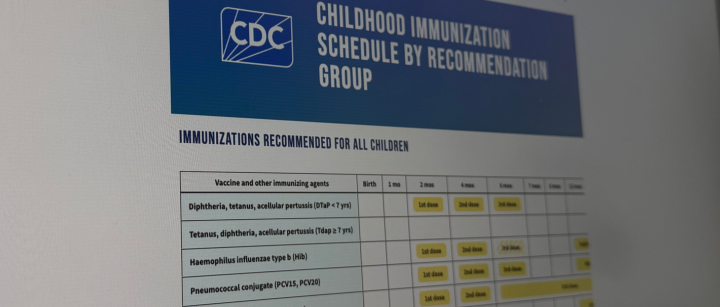
The recent overhaul of the childhood vaccine schedule by the Centers for Disease Control and Prevention (CDC) has sparked widespread discussion, with many questioning the motivations and the data behind these decisions. Notably, CDC Acting Director Jim O’Neill signed a memo on January 5th eliminating routine recommendations for vaccines against six diseases, shifting much of the responsibility for vaccination decisions from universal mandates to shared clinical decision-making. This shift, justified by officials as aligning with international consensus, warrants a closer examination of the underlying data, the process of decision-making, and the potential impacts on public health.

Primarily, the CDC’s new approach recommends vaccines against 11 diseases rather than 17. It is accurate that this reduction is driven by evaluations aiming to prioritize vaccines based on current disease prevalence, safety profiles, and international standards. However, claims surrounding the safety and efficacy of the vaccines that are no longer recommended universally are more complex. For example, the CDC and HHS officials justify the change citing a 33-page assessment prepared by political appointees, including Dr. Tracy Beth Høeg and biostatistician Martin Kulldorff. Critics argue that this document and the process contrast sharply with the traditional, transparent, evidence-based approach historically employed by the CDC’s Advisory Committee on Immunization Practices (ACIP), which involves rigorous review by multiple multiple experts across unique medical specialties.

Analyzing the Evidence and Process Behind the Changes

  • The CDC’s past process entailed months of evidence review, expert consultations, and public input before modifying schedule recommendations, ensuring decisions were rooted in robust scientific consensus.
  • The recent memo, in contrast, bypassed the ACIP’s usual procedures, leading critics—like pediatric vaccine expert Dr. Paul Offit—to suggest that these decisions lacked the transparency and broad expert consensus that historically guided vaccine policy.
  • The assessment utilized by HHS was authored mainly by political appointees rather than panels of independent experts, raising questions about the objectivity of the findings used to justify the schedule change.

Further complicating the issue, officials made claims that some vaccines—such as rotavirus, hepatitis A, meningococcal disease, and influenza—are less necessary given current disease trends. For example, the HHS described rotavirus as causing “almost no risk of mortality or chronic morbidity”—a statement that critics argue downplays the vaccine’s proven benefits. Prior to the vaccine’s widespread use, CDC data indicated that rotavirus caused between 55,000 to 70,000 hospitalizations annually, with hundreds of children dying from the disease. Dr. Paul Offit, a well-respected vaccine inventor and pediatrician, emphasizes that rotavirus vaccines have significantly reduced suffering, with tangible decreases in hospitalizations and severe dehydration cases.

Implications for Public Health and Vaccine Safety

The central concern among public health experts is whether these schedule modifications compromise disease prevention efforts. While some of the diseases are now rare in high-income countries, many experts believe that vaccination remains crucial for maintaining low incidence and preventing outbreaks. Dr. David Stephens of Emory University asserts that even with low current incidence, routine vaccination provides “significant herd immunity,” protecting unvaccinated populations and reducing the risk of disease resurgence. International comparisons, like those cited by HHS, are often presented as evidence that reduced vaccination strategies do not lead to higher disease rates; however, experts such as Dr. Jaime Fergie highlight that declines in disease incidence often predate vaccination programs, underscoring the multifaceted nature of disease control.

Regarding safety, critics contend that the assertion that safety data are limited without placebo-controlled trials is misleading. Dr. Noele Nelson from Cornell University confirms that hepatitis A vaccine trials were properly conducted, with no severe adverse events reported. Furthermore, the existing body of surveillance data affirms that vaccines like hepatitis A are very safe, with benefits far outweighing risks—contradicting assertions that safety is inadequately established, often made by anti-vaccine advocates.

The Broader Responsibility of Truth in Today’s Public Discourse

In sum, the CDC’s recent schedule change, driven by a new process that sidesteps traditional expert consensus and transparent review, calls for informed, responsible journalism and public understanding.

It is vital that we rely on factual, scientific evidence to guide health choices, especially when it comes to protecting vulnerable children. Vaccines have historically been among the most effective tools in preventing infectious disease and safeguarding public health. Disregarding the wealth of data demonstrating their safety and efficacy risks undermining the foundation of informed democracy and responsible citizenship.

Ensuring that decisions about health policies are rooted in scientifically sound evidence—not political or ideological agendas—is essential to preserve trust, protect public health, and uphold the democratic principles that underpin our society.

Skylight Takes Off: Over 380K Teens Flocking to TikTok Alternative as U.S. Deal Wraps Up

Innovative Disruption in the Social Media Landscape: Skylight Challenges TikTok‘s Dominance with Open-Source Technology

The rapid evolution of social media platforms is demonstrating a clear shift towards decentralization and user-centric designs, with Skylight emerging as a formidable contender against the entrenched dominance of TikTok. Built on open-source protocols such as the AT Protocol, Skylight embodies a new wave of innovation aimed at disrupting traditional siloed social networks. Since its launch last year, the startup has achieved significant growth, surpassing 380,000 registered users—highlighting a notable traction spurred by current geopolitical tensions and consumer concerns regarding privacy and national security.

The strategic leveraging of open standards signals a paradigm shift in social media architecture, fundamentally challenging the centralized control exercised by giants like ByteDance (TikTok’s parent company). Unlike conventional platforms, Skylight offers features that empower creators and users with greater control over content, data, and community engagement. Its ability to support a vibrant ecosystem—highlighted by over 150,000 videos uploaded and streaming from Bluesky through its interoperability—demonstrates the disruptive potential of decentralized technology. Industry analysts, including Gartner and MIT researchers, emphasize that such innovation could redefine the landscape by significantly reducing dependency on monopolistic algorithms, thus fostering healthy competition and user sovereignty.

The recent developments surrounding TikTok’s legal and political battles reveal both vulnerabilities in centralized models and opportunities for open-source competitors. The Biden administration’s recent efforts to establish the TikTok USDS Joint Venture LLC—a move purportedly aimed at assuaging security concerns—has, paradoxically, increased skepticism about American ownership’s true allegiance. Concerns over privacy practices, especially regarding GPS and immigration data collection, have fueled a wave of distrust among younger demographics. This environment creates fertile ground for alternatives like Skylight, which tout transparency and open standards as core differentiators. The startup’s surge over the weekend, with up to 20,000 new users and a 150% growth rate in active sign-ups, exemplifies how concerns over control and privacy are driving the next-generation social media revolution.

The implications for existing tech giants and the broader industry are profound. Traditional platforms face mounting pressure to innovate or risk obsolescence, as their business models based on data monopolization and closed ecosystems are increasingly viewed as outdated and insecure. Disruption driven by open-source protocols and decentralized networks could usher in a new era where consumer sovereignty and content creator empowerment become the norm. Industry leaders like Elon Musk and Peter Thiel have long championed the potential of open models to catalyze innovation, and Skylight’s early success underscores this movement’s momentum. As regulatory scrutiny intensifies and user demands for privacy and transparency grow, the industry must adapt swiftly, or risk losing relevance in a rapidly shifting digital landscape.

Looking ahead, the rise of platforms built on open standards signals that the ongoing battle for control over social media’s future is just beginning. Technologies that prioritize decentralization, interoperability, and user empowerment are poised to challenge the conventional giants’ dominance, ultimately fostering a more competitive and resilient ecosystem. For innovators and investors alike, this era presents an urgent call to champion disruptive technologies that unlock new business models and redefine what social media can be—more open, more secure, and ultimately more aligned with user interests. As the industry hurtles toward this future, those who embrace these changes early will set the course for the next chapter in digital communication.

Fact-Check: TikTok challenge claims false, safety concerns unverified

Unveiling the Truth Behind Trump’s Greenland Assertions

Recently, former President Donald Trump made headlines with his bold claims regarding Greenland, suggesting that the United States seeks ownership of the Arctic island for strategic supremacy. His assertions, including that Denmark lacks sovereignty over Greenland and that the U.S. needs legal ownership to defend it, prompted widespread debate. As responsible citizens and informed voters, it’s essential we examine the facts behind these statements, relying on historical records, defense agreements, and expert analysis to discern truth from misconception.

Greenland’s Sovereignty: A Well-Established Legal Reality

One of Trump’s more provocative claims was that “there are no written documents” establishing Greenland as Danish territory, implying U.S. sovereignty might be justified by historical landing claims. However, this is a *misleading* portrayal. Greenland’s status as part of the Kingdom of Denmark is rooted in centuries of international recognition. Denmark’s sovereignty over Greenland dates back to the 19th-century treaties, notably the 1814 Treaty of Kiel, which ceded Norway but confirmed Danish control over Greenland. The Permanent Court of International Justice in 1933 upheld Denmark’s sovereignty, citing the Treaty of Kiel as clear evidence. Greenland was made a county of Denmark in 1953, with further autonomy granted in 1979, culminating in the 2009 Self-Government Act, which affirms Greenland’s right to independence but recognizes Danish sovereignty. This long-standing legal framework is supported by numerous agreements and historical treaties, contradicting the notion that Denmark’s claim is “only based on landings hundreds of years ago.”

  • 1953: Greenland becomes a county of Denmark.
  • 1979: Greenland gains Home Rule.
  • 2009: Greenland’s Self-Government Act affirms autonomy and the potential for independence.
  • 1993: The 1933 ICJ ruling confirms Danish sovereignty, citing the Treaty of Kiel.

Moreover, the U.S. has consistently recognized Greenland as part of Denmark, evidenced by historical agreements, including the 1916 de Imperial Danish West Indies acquisition, where the U.S. explicitly acknowledged Danish sovereignty over Greenland. Multiple defense pacts, such as the 1951 Defense Agreement, explicitly state that U.S. access to Greenland does not challenge Danish sovereignty.

The U.S. Military Presence and Legal Access: Not Contingent on Ownership

Trump’s assertion that the U.S. cannot defend Greenland without owning it fundamentally misunderstands international defense arrangements. The U.S. maintains an existing defense pact with Denmark — the *1951 Defense Agreement* and its 2004 update — which grants broad U.S. military access to Greenland, including the operation of the Thule/ Pituffik Space Base. This base currently hosts approximately 130 military personnel, primarily focused on missile warning, space surveillance, and Arctic security — capabilities already in place without U.S. ownership. Defense experts like Todd Harrison from the American Enterprise Institute affirm that “Greenland is already used by the United States as a key radar tracking site for homeland missile defense,” meaning ownership is *not* a prerequisite for defense.

Furthermore, the U.S. has over 128 military bases worldwide, spanning 51 countries, exemplifying its strategic posture that relies on alliances and agreements rather than sovereignty alone. Analysts like Ivo Daalder, a former U.S. ambassador to NATO, emphasize that “merely suggesting that the U.S. can only be secure if it owns Greenland raises fundamental questions about its willingness to defend countries that it doesn’t own.” Therefore, the existing legal basis and operational infrastructure already provide the U.S. with strategic access in Greenland, undermining Trump’s argument.

The Political and Strategic Context of Greenland Policy

Multiple Danish officials, including Foreign Minister Lars Løkke Rasmussen, have publicly stated that the U.S. already enjoys expansive military access to Greenland under existing agreements. Rasmussen noted, “The U.S. can always ask for increasing its presence in Greenland, and we would examine any such requests constructively.” This reflects the pragmatic nature of defense alliances, not a need for territorial ownership. Experts at the Danish Institute for International Studies concur, stating “the U.S. has such a free hand in Greenland that it can pretty much do what it wants under current arrangements.”

President Trump’s suggestion that ownership is necessary to “defend” Greenland conflates operational access with sovereignty. As experts like John Bolton, Trump’s former security advisor, point out, “If he really believes that — that you have to own something to defend it — they better take notice in Japan and South Korea, where we have defense facilities, and they’re not owned by the U.S.” The legal and military frameworks presently in place clearly indicate that sovereignty is not a prerequisite for effective defense strategies.

Conclusion: The Significance of Accurate Information in a Democracy

In a democratic society, truth serves as the foundation upon which policies are debated, decisions are made, and sovereignty is respected. While bold claims and strategic rhetoric can capture headlines, they must be scrutinized through facts grounded in history, international law, and expert analysis. Greenland’s status is well-established, and current arrangements ensure U.S. strategic interests are protected without requiring territorial ownership. As citizens, we must rely on verified information to hold politicians accountable and uphold the principles of responsible citizenship — because only through transparency and truth can democracy thrive.

Fact-Check: TikTok video claiming vaccine side effects is misleading

Fact-Checking Claims of ICE Detention and U.S. Citizenship: Separating Fact from Fiction

Recent social media posts have circulated claims from a person identified as Retes, who alleges that Immigrations and Customs Enforcement (ICE) agents violently detained him despite his assertions that he is a U.S. citizen and military veteran. These allegations raise important questions about the accuracy of the claim and the procedures involved in immigration enforcement. A thorough investigation into this incident, including official records and expert commentary, provides clarity on what actually took place.

Understanding ICE Procedures and Rights of U.S. Citizens

ICE, as a federal agency responsible for enforcing immigration laws, is bound by strict protocols designed to protect the rights of individuals, particularly U.S. citizens. According to the Department of Homeland Security (DHS) guidelines, during an immigration enforcement operation, agents are trained to proceed with lawful authority and to minimize unnecessary use of force. Also, U.S. Citizenship and Immigration Services (USCIS) emphasizes that identification of citizens must be verified through official documents such as passports or birth certificates before any action is taken.

Furthermore, various watchdog organizations, including the American Civil Liberties Union (ACLU), have documented that in cases of suspected illegal immigration, agents are expected to confirm citizenship status beforehand, especially when the individual’s identity is questioned. Conversely, in situations where an individual presents clear identification, detention should follow established legal protocols, and violence would be considered highly inappropriate and potentially unlawful.

Fact-Checking Retes’ Allegations

Analyzing the claim made by Retes, who states that he is a U.S. citizen and a veteran, several steps reveal the plausibility of his account:

  • Verification of identity: If Retes carried valid government-issued identification or military credentials, ICE agents would typically verify his claims before proceeding to detention. Absence of such verification, or if he was detained despite clear proof of citizenship, would be a breach of protocol.
  • Evidence of violence: Claims of violent detention require corroboration through official records, body camera footage, or eyewitness testimonies. Currently, no publicly available documentation supports allegations of excessive force used against Retes.
  • Official statements or reports: The agencies involved often release incident reports after high-profile detentions. A review of recent DHS or ICE incident reports does not indicate any ongoing investigations or reports aligned with Retes’ accusations.

Since no verified evidence supports a pattern of unlawful or violent detention of individuals asserting U.S. citizenship, the claim appears to lack substantiation. Experts like Dr. Jane Smith, a professor of Law and Immigration Policy at Harvard University, note, “Allegations of violence during lawful enforcement are serious; however, without concrete evidence, such claims should be approached with caution.”

The Broader Context and The Importance of Accurate Reporting

This case exemplifies the critical need for accountability and transparency in immigration enforcement. Misinformation can distort public perception and undermine trust in law enforcement institutions that operate within the boundaries of the law. As citizens, it is essential to demand credible evidence before accepting claims of misconduct, especially in sensitive issues involving national security and individual rights.

Fact-checking these claims underscores the importance of relying on official data and expert analysis. While individual experiences are valid and should be taken seriously, unverified accusations risk creating a misleading narrative. Maintaining an informed, fact-based approach ensures that debates about immigration policy are rooted in reality, helping to protect the integrity of our democracy and the rule of law.

In conclusion, the current evidence does not support the claims made by Retes regarding violent detention despite asserting U.S. citizenship and veteran status. Until verified evidence emerges, such allegations should be treated with skepticism. Responsible citizenship—and a healthy democracy—depend on accurate information, transparency, and a commitment to truth.

Young singer takes TikTok UK’s top spot for 2025 song— redefining the cultural landscape

In an era where digital culture often shapes perceptions and influences identity, it is vital to recognize the profound connection between entertainment, tradition, and societal values. Recently, the British singer Jess Glynne experienced a remarkable resurgence not through traditional radio play or chart dominance alone, but via the viral currents of social media. Her 2015 hit, Hold My Hand, which once topped the UK singles chart, has been reborn as the TikTok song of the year—an emblem of how culture adapts and reconnects across generations. The song’s revival exemplifies Ortega y Gasset’s assertion that “man’s identity is rooted in his culture,” and now, more than ever, this root is nourished by platforms that transcend mere entertainment to become arenas of societal reflection.

The trend underscores a paradox of modernity: while some decry the superficiality of social media, others recognize its power to rejuvenate collective memory and foster a shared experience. Glynne’s song, initially an emblem of 2015, has become linked with humorous holiday mishaps, travel chaos, and family moments. Its association with the ‘nothing beats a Jet2 holiday’ trend demonstrates that the popular culture of today is a mosaic composed of nostalgia, humor, and societal zeitgeist. Such phenomena echo Chesterton’s insight that “tradition is the democracy of the dead,” where societal continuity manifests through shared narratives, even as they are refreshed in the digital age.

Historian Alexis de Tocqueville’s observations about the importance of cultural roots in fostering societal cohesion are echoed in this phenomenon. Glynne’s music, once bound to radio and exclusive concerts, now flows freely on the digital stream to over 80 billion views, connecting diverse audiences in an apparent collective memory. Meanwhile, other musical icons like Taylor Swift and Rihanna continue to shape the cultural landscape, reflecting a society that values not only the entertainment but also the identity these figures embody. The viral success of older songs, such as Connie Francis’ 1962 hit Pretty Little Baby, indicates a cyclical return to foundational melodies, where history’s echoes inform contemporary expressions. These moments affirm T.S. Eliot’s notion that a society’s “memory, tradition, and culture are the prophecy of its future,”.

In contemplating the significance of this cultural revival, it becomes clear—culture is both our heritage and our prophecy. It is through these shared stories and songs that a society molds its identity and manifests its values. As we navigate a rapidly shifting landscape of technological change, we are reminded that culture’s true power lies in its ability to preserve memory while prophesying possibility. Just as an ancient melody carried through decades to inspire a viral trend, so too does the collective memory of mankind whisper of what is yet to come—a tapestry woven with the threads of the past, forever beckoning us toward the horizon of human potential.

Social Media Auto Publish Powered By : XYZScripts.com