Matox News

Truth Over Trends, always!

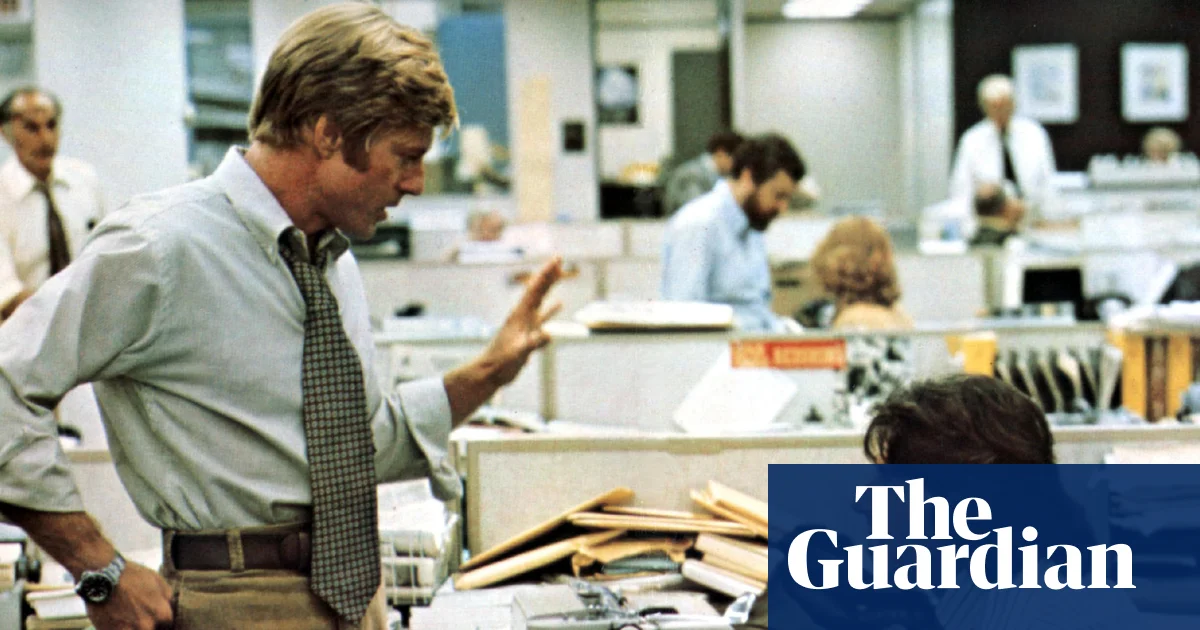
Celebrating 50 Years of All the President’s Men: A Timeless Classic in American Cinema and the Watergate Saga

In an age where the rapid currents of digital innovation threaten to erode the bedrock of traditional values, culture remains our enduring foundation—an anchor linking the past to the future, a mirror reflecting our collective identity. The 50th anniversary of the film All the President’s Men serves as a poignant reminder of how storytelling, rooted in truth and perseverance, can preserve the moral fabric of society. This cinematic masterpiece, exemplifying the rigorous pursuit of justice through the lens of journalism, underscores the vital role of culture not merely as entertainment, but as a testament to a society’s moral and intellectual resilience. It echoes Ortega y Gasset’s assertion that we are what we continually create and revere—our cultural memory shaping us like a mirror held up through the ages.

Yet, the interplay between culture and societal values is not static. When we observe the relentless efforts of Woodward, Bernstein, and the journalists of Watergate, we see not just the fight against corruption, but a reaffirmation of the foundational principles of accountability and transparency. As Tocqueville noted, democracy thrives on the vigilant participation of its citizens—an ideal vividly illustrated by the reporters’ dogged dedication, even amidst apathy and political turbulence. These stories become more than cinematic relics; they become symbols that rally society around the understanding that our cultural identity is forged in the crucible of truth, tradition, and moral resolve.

  • Milestones in cinematography capturing the spirit of investigative integrity.
  • Portrayals of historical figures demonstrating the power of moral clarity.
  • The ongoing debate over the role of media as guardians of civic virtue.

As we confront new challenges—be it political upheavals, social fragmentation, or technological disruptions—the melodious memory embedded in these stories offers a compass for the youth. Chesterton’s notion that “Tradition means giving votes to the most obscure of all classes, our ancestors” suggests that in deeply respecting our cultural roots, we find the prophetic voice of the future. If culture is both memory and prophecy, then the stories we cherish and uphold serve as the blueprint for human dignity—reminding us that our shared cultural inheritance is the blueprint of our destiny. The enduring narrative of truth, courage, and perseverance calls us to be vigilant guardians of the moral edifice, for it is in this sacred act that we find both the reflection of who we are and the promise of what humanity can become—a monument not only to memory but a prophecy inscribed in the stones of our collective soul.
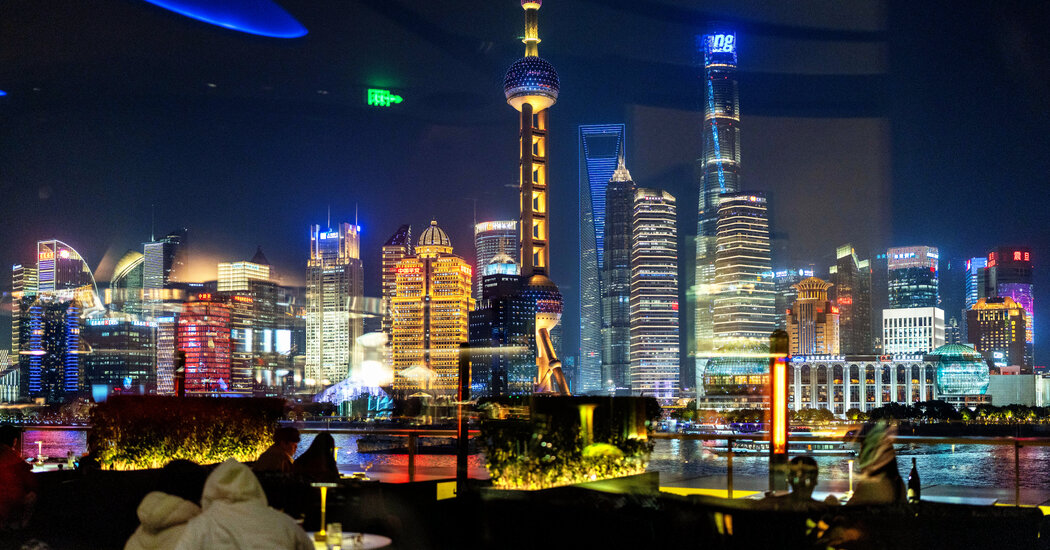

36 Hours in Shanghai: Explore the City’s Vibrant Spirit and Timeless Charm

In the bustling veins of Shanghai, where history and modernity intertwine like the delicate layers of a perfectly crafted xiao long bao, we witness a vivid tableau of cultural resilience. The city’s culinary mosaic, from the intricate artistry of dumpling artisans on West Jianguo Road to the vintage allure of Zhaojiabang Road’s Shanghainese cuisine, embodies a broader cultural narrative—one that champions tradition as the backbone of identity. As Ortega y Gasset once opined, “The spirit of a people is its memory,” and nowhere is this more apparent than here, where every dish and every storefront whispers stories of a collective past, yet pulses with the life of an ever-evolving society.

Yet, Shanghai’s approach to culture is no mere preservation; it is a proclamation of innovation rooted in tradition. The city’s fashion scene, exemplified by Label Del and Labelhood House, invites a reimagining of cultural motifs, translating the elegance of Tang Dynasty aesthetics into contemporary textile art. As Tocqueville observed in his analysis of democratic societies, the vitality of a people is measured by their capacity for creative synthesis—combining the old with the new, the artistic with the functional. Shanghai’s fashion and design districts are testament to this, serving as landmarks of a cultural renaissance that recognizes the importance of identity tied to a living tradition.

Moreover, the city’s embrace of holistic wellness through Traditional Chinese Medicine—such as the Tuina massage at Kang You Si Ji—embodies a nuanced understanding: that culture is as much about spiritual and physical harmony as it is about historical continuity. Chesterton’s thoughts on the “spiritual health” of a society resonate here, emphasizing that culture sustains a people’s sense of purpose and unity. This ancient practice, with roots over two millennia, underscores a universal human pursuit—to align body and soul, to find harmony in the rhythms of history and nature. It remains a vital counterpoint to the relentless pace of modern life, anchoring the city’s soul in age-old wisdom.

As evening falls, the cultural dialogue deepens. The Mi Shang Prada Rong Zhai offers an opulent interfacing of art and history, conjuring the cinematic sheen of Wong Kar-wai’s “In the Mood for Love”. Within its mirrored, gilded spaces, tea becomes a ritual—an act of deliberate remembrance, a glimpse into the poetry of everyday life. Here, society recognizes that culture is both memory and prophecy: a collective consciousness beckoning us toward unseen horizons, rooted in the elegance of the past but infused with the daring of innovation.

In seamlessly blending the traditional with the avant-garde—be it through the nostalgic ambiance of jazz-clad nightclubs or the avant-garde art exhibitions—Shanghai exemplifies an enduring truth: that culture is the living fabric of a society, weaving the stories of yesterday with the aspirations of tomorrow. As Eliot wrote, “our future depends on how well we remember,” and in Shanghai, this memory is a luminous beacon guiding society through the labyrinth of change. In the end, culture remains humanity’s most poetic legacy—a symphony of memory and prophecy echoing through the corridors of time, beckoning each of us to partake in its boundless, eternal dance.

From New Zealand to Orkney: The bold move to preserve a timeless classic

Global Movements and Shifting Power Dynamics: The Significance of Hans Compter’s Worldwide Journey

In recent days, the world has been closely watching a seemingly symbolic journey undertaken by Dutchman Hans Compter, who traveled across numerous countries to deliver the Austin to Cathleen Hourie in the remote region of Orkney. While on the surface this may appear as an individual story of tradition or personal endeavor, international analysts and geopolitical strategists recognize this event as emblematic of the ceaseless currents of change shaping the global landscape. As nations grapple with economic upheavals, shifting alliances, and rising geopolitical tensions, such journeys symbolize more than mere logistics—they embody a broader narrative of resilience and the underlying power plays that define the 21st century.

This journey’s significance extends well beyond the personal; it underscores the resilient spirit of connectivity amidst a world increasingly fractured by trade disputes, territorial conflicts, and ideological rifts. The delivery of the Austin, often representative of technological or diplomatic importance, highlights the persistent importance of international cooperation—even among nations that constantly jockey for regional dominance. Such acts serve as subtle yet powerful reminders that, despite the tumult, the global community remains interconnected, with each voyage echoing the implicit recognition that collective stability depends on collaborative diplomacy.

From a geopolitical impact perspective, the event resonates strongly within the broader framework of international relations. As global powers recalibrate their positions—China asserting more influence, Russia reasserting regional dominance, and the West attempting to solidify alliances—such symbolic acts are viewed critically by observers such as the International Institute for Strategic Studies. The journey through multiple nations indicates underlying currents of cooperation amid discord, but also serves as a reminder of the fragile peace that underpins global stability. Analysts emphasize that these diplomatic gestures—be they cultural exchanges or logistical feats—have far-reaching consequences, often shaping the perceptions and future diplomacy of the involved nations.

Historically, events like this are seen as opportunities for nations to demonstrate resilience or leverage soft power — the ability to influence through culture, diplomacy, and indirect means. Experts note that reaching remote locations like Orkney symbolizes the persistent importance of strategic physical and ideological presence. The narrative of Hans Compter’s journey echoes a recurring theme within international history: despite decades of conflict and ideological divergence, humanity’s shared pursuit of connection often surfaces in symbolic acts. These moments influence societal perceptions, sway international opinion, and reveal underlying shifts in power dynamics that will ultimately shape the emerging order.

Yet the weight of this seemingly simple delivery is grounded in the enduring truth that history remains a continuous, unfolding story. As nations observe, analyze, and react to such actions, the outcome could influence future alliances, economic cooperation, and even the stability of regions long considered volatile. With each diplomatic voyage, the fabric of the international system becomes more intricate, and the stakes for nations and societies grow exponentially. As the world stands at this crossroads, the legacy of Hans Compter’s journey becomes a poignant reminder: in the grand theatre of geopolitics, every move counts, and history waits silently—its eventual chapters yet to be written.

Celebrity Spotlight: The Iconic Figures Shaping the JFK Jr. Legend—A Youthful Take on a Timeless Love Story

In the midst of a new era dominated by rapid social change and redefined notions of legacy, television continues to serve as a mirror and mold of society’s evolving values. The recently premiered FX series Love Story: John F. Kennedy Jr. & Carolyn Bessette stands out not just as a dramatized recounting of iconic 90s figures but as a definitive cultural artifact that underscores a fascinating shift in societal narratives. This series deftly intertwines celebrity, fashion, and societal expectations, bringing a nostalgic yet critical lens to the glamour and intricacies of the early ’90s—an era often romanticized for its rebellious spirit but also scrutinized for its social hierarchies.

Remarkably, the series has captured the imagination of a youth demographic increasingly obsessed with nostalgia and the trauma of social media fame. Influencers and analysts have pointed out that it’s not just a biopic; it’s a reflection of a societal obsession with legacy and celebrity culture. Through characters like Calvin Klein and Kate Moss, the series spotlights how fashion and fame interacted to create the archetype of modern celebrity: a blend of style, scandal, and societal influence. Walking the tightrope between admiration and critique, the show’s depiction of figures like Mark Wahlberg and Madonna reveals how societal shifts have affected the public’s perception of morality and success. These stories reveal how societal values are *perpetually in flux*, with youth in particular questioning what it means to truly be authentic amidst a backdrop of hyper-glamorous illusions.

The cultural impact of this series extends beyond mere entertainment; it rekindles debates about how social identities and societal perceptions are constructed through Hollywood, fashion, and politics. Scholars like Dr. Lisa Miller suggest that these portrayals serve as a lens into the *shifting social norms*—especially how gender roles and power dynamics are portrayed and challenged through the personal stories of these high-profile figures. The narrative’s focus on Carolyn Bessette’s rise amidst Hollywood’s superficial allure hints at a deeper desire among today’s youth for authenticity in a social climate often dominated by curated images and fleeting viral moments. Meanwhile, the recurring references to iconic celebrities like Michael Bergin and Kate Moss present a layered illustration of how the fashion industry’s influence on personal identity has escalated in the digital age, intensifying the societal obsession with appearance and influence.

Interestingly, the series also sets the stage for one of the most compelling questions of today’s social media-driven world: *Are we witnessing the end of traditional celebrity?* As younger audiences increasingly seek genuine connections over curated personas, the enduring legacy of these 90s icons prompts us to ask—*what does fame really mean in an age where anyone with a smartphone can be a star?* With influencers emerging as the new cultural icons and platforms amplifying authentic voices, the next big question is whether society is headed toward a renaissance of genuine, unfiltered fame or if we are merely reshaping our obsession with superficial glamour into a new digital spectacle. As the lines between reality and social media blur, the true challenge will be understanding if the future of fame will be rooted in raw authenticity or further entrenched in curated illusions.

Social Media Auto Publish Powered By : XYZScripts.com