Matox News

Truth Over Trends, always!

Back in Black: Top Trendy Picks for Halloween Styleēm

As Halloween approaches, a phenomena is sweeping through the youth fashion scene: the embrace of an all-black dress code characterized by sumptuous velvets, vampy accessories, and a deliberately moody aesthetic. This trend isn’t just about costumes—it’s a cultural movement that reflects a broader shift towards embracing the darker side of style and identity. Fashion influencers and trend forecasters alike are noting how young adults are straying from the traditional flamboyance of bright colors or playful patterns, instead making a statement with gothic-inspired ensembles that exude sophistication and rebellion simultaneously.

At the heart of this trend is a desire for authentic self-expression. Social media platforms such as Instagram and TikTok are flooded with videos and photos showcasing (often curated) looks that combine luxurious velvets, daringly vampy accessories, and a minimalist but impactful palette of black. Notable influencers like Hailey Bieber and Alyssa Bailey have publicly embraced this aesthetic, thereby fueling its mainstream appeal. Experts in youth sociology argue that this shift signifies a move away from superficial trends and toward a more layered, even provocative, form of self-representation that resonates with a generation eager to challenge societal norms.

From a cultural impact perspective, this dark fashion trend reflects more than surface style; it signals a broader social relevance. The rise of goth chic among young people mirrors a desire to explore complex emotions and identity facets that society often sidelines. Fashion analyst Lisa Morgan suggests that this movement is akin to a “modern rite of passage,” where the act of dressing in sumptuous Velvets and vampy accessories becomes a form of self-empowerment. Moreover, the aesthetic’s occult connotations and mystique resonate with a generation that’s increasingly interested in individuality and personal narratives, often expressed through DeFi, gaming, and other digital realms where dark, rebellious themes are both celebrated and commodified.

Looking ahead, the question remains: is this just a seasonal Halloween surge or a lasting cultural shift? As the trend gains momentum, some sociologists suggest it could redefine mainstream fashion norms, pushing society toward a more accepting attitude towards alternative identities. Meanwhile, brands are taking note—luxury houses like Alexander McQueen and Rick Owens are increasingly integrating gothic elements into their collections, signaling that this isn’t a passing fad but a potentially permanent fixture in youth-driven style. The future of fashion may very well involve a deeper engagement with themes of darkness and power, raising an intriguing question: will society at large begin to see the allure of the “dark aesthetic” as not just a trend, but a reflection of a broader cultural awakening? It’s a provocative thought that challenges us to ask whether the next frontier of style will be defined by what we hide in plain sight, and what that reveals about the shifting landscape of youth identity and societal norms.
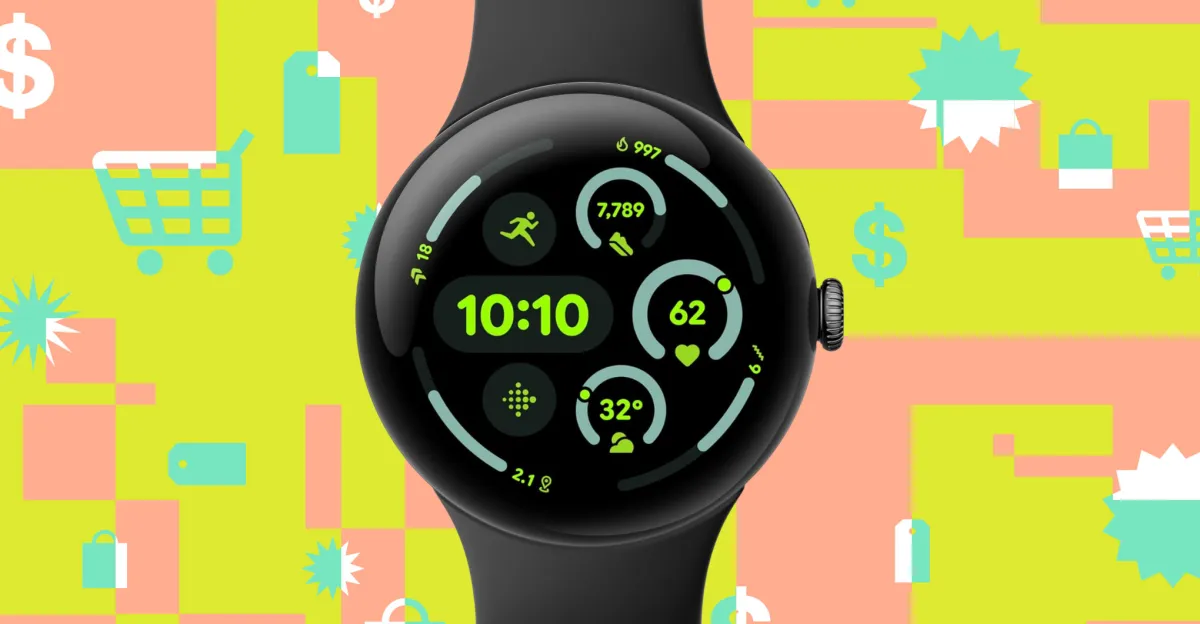
This week’s top steals: Google Pixel Watch 3 and Anker’s dual-headed USB-C cable—gear up smart!

Emerging Trends Signal Disruption in Consumer Tech Industry

In an era marked by rapid technological innovation and market disruption, companies are leveraging new hardware and software advancements to secure their footholds in a fiercely competitive landscape. Google’s Pixel Watch 3 exemplifies this shift, showcasing not only the integration of Wear OS 6 with revolutionary AI features but also emphasizing the importance of health-centric wearables in the evolving ecosystem of Android devices. As Victoria Song highlights in her recent review, the watch’s extended battery life, seamless integration with Pixel devices, and multi-functional capabilities—including remote Google TV control and offline navigation—highlight how Google is positioning itself to challenge established players like Samsung and Apple.

Beyond smartwatches, accessory innovators such as Anker and Microsoft are driving disruption in the accessory and gaming markets. Anker’s new 2-in-1 USB-C cable restructures charging logistics, allowing consumers to charge multiple devices simultaneously with peak power throughput when paired with a 140W adapter, such as Apple’s latest offering. This move not only signifies a technological leap but also signals a shift towards more efficient, space-saving… device management—crucial in a market where productivity and convenience are paramount. Meanwhile, Microsoft’s Xbox Wireless Controller, now retailing at record lows, underscores how timeless hardware design—founded on user comfort and durability—continues to influence the gaming industry.

Implications for Business and Industry Leaders

These innovations are emblematic of a broader industry trend that favors disruption over tradition. Tech giants and startups alike recognize that differentiation now hinges on integrated ecosystems. For instance, Google’s push into AI-powered health tracking and software-driven updates reflect an understanding that continuous innovation is essential for maintaining competitive advantage. Analysts from Gartner suggest the wearables and accessories markets could see compound annual growth exceeding 20% over the next five years, driven by consumer desire for smarter, more interconnected devices.

Such market shifts compel established companies to reevaluate their strategies, while new entrants capitalize on niche innovations. The business implications are profound, including heightened patent activity, strategic acquisitions, and a focus on AI-driven feature development. As industry leaders like Elon Musk and Peter Thiel emphasize, disruption in technology not only challenges the status quo but also creates enormous opportunities for those who can harness these innovations swiftly and effectively. Competition will intensify, and companies must prioritize agility and strategic foresight to avoid being rendered obsolete.

Looking Forward: Seizing the Future of Tech Innovation

As we look ahead, one thing remains clear: The technological landscape is undergoing a fundamental transformation, driven by rapid advances in AI, wearable tech, and smart accessories. Industry insiders warn that failing to innovate could leave legacy companies trailing behind more agile disruptors. The convergence of hardware and software, exemplified by products like the Pixel Watch 3 and Anker’s new charging solutions, signals an era where disruptive innovations will redefine consumer expectations and redefine market winners.

For young entrepreneurs and established players alike, the challenge is to anticipate, adapt, and accelerate amidst this dynamic upheaval. In a world where technology is no longer an enabler but a core differentiator, the race for innovation is more urgent than ever, and those who capitalize on emerging trends now will shape the digital economy of tomorrow.

Top Family Board Games of 2025: Catan, Ticket to Ride, Codenames & More

Emerging Trends in Digital Gaming Signal Disturbance in Traditional Markets

In a landscape marked by relentless innovation, the digital gaming explosion exemplifies pioneering disruption capable of transforming entire industries. This wave is driven by advancements in augmented reality, artificial intelligence, and new interactive platforms that have begun to redefine how businesses conceptualize entertainment, engagement, and revenue models. A prime example is the emergence of warehouse-like, multiplayer, and cooperative game formats that lean heavily on digital interconnectivity, challenging traditional paradigms of family entertainment and social interaction.

Leading firms like Exploding Kittens and Wired are capitalizing on these innovations by shifting from conventional board games to digital-integrated experiences. Notably, these companies leverage AI-assisted game design, real-time analytics, and crowdsourced content to craft immersive, fast-paced, and highly social experiences that appeal to the tech-savvy youth demographic. Furthermore, the industry is witnessing a notable pivot towards virtualized, multiplayer setups that transcend geographical limitations, heralding a new era where physical game assets evolve into digitally enriched entertainment ecosystems. This shift is also reinforced by data from Gartner, which predicts that by 2025, the majority of family and social gaming will be rooted in interactive, digitally networked platforms, foreshadowing a steep decline in traditional physical game sales and a rise in hyper-disrupted content delivery channels.

One of the most disruptive elements lies in the business model innovation facilitated by these technologies. Subscription-based access, microtransactions for in-game assets, and on-demand gaming experiences are fundamentally altering the revenue stream, much like the monetization strategies seen in AI-powered cloud services and streaming giants. Companies such as Ultra PRO and others are now offering digital packages that integrate seamlessly with social media, further accelerating the shift towards a gig economy of gaming content, where user-generated content feeds into monetization pipelines. This transition into a **digital economy** is a wake-up call for legacy board game manufacturers and retail giants, many of whom are ill-prepared for the scale of disruption.

With industry heavyweights like MIT and analysts such as Peter Thiel warning about the stagnation of non-digital entertainment sectors, it becomes clear that the race for technological dominance is intensifying across gaming, social interaction, and consumer engagement. Those who fail to adapt risk being left behind in an era where innovation in AI and augmented reality revolutionizes consumer expectations overnight. As the landscape evolves with new formats—from visually stimulating tile-building games to fast-paced guessing competitions—the urgency for incumbent businesses to innovate is more critical than ever. Leaders in tech and entertainment must collaborate, harness data-driven insights, and accelerate the deployment of next-generation gaming infrastructures—failing which their market share is destined to erode significantly. Recognizing this seismic shift, stakeholders need to deploy aggressive R&D strategies and prioritize open platforms that foster community-driven content and cross-platform integration.

Future Outlook

Looking forward, the persistent acceleration of digital disruption demands proactive adaptation from market players. The advent of AI-integrated game design, virtual reality, and advanced analytics promises to unlock unprecedented levels of engagement and profitability. Companies that view this as an opportunity—rather than a threat—will dominate the new digital gaming frontier. The window to capitalize on these innovations is closing rapidly; industry leaders must act decisively to secure a competitive edge, or risk becoming obsolete in the blink of an eye. The future belongs to those who can orchestrate disruptive technologies at scale, merging innovation with business agility. The question is no longer if but when and how the next wave of digital entertainment will redefine the marketplace—those who recognize the urgency now will shape its future trajectory.

Thursday’s Top Picks: Dachshunds, Dave Ball, Drag Icons & Data Debacles – Your Ultimate Lifestyle Roundup

In today’s fast-paced world, the pursuit of a balanced lifestyle has become more than just a trend; it’s a movement rooted in the desire for personal well-being and a meaningful experience. As young individuals forge their paths, there’s an undeniable shift towards prioritizing health, leisure, and inspiration. From new wellness rituals to embracing the simpler joys, the emphasis now resonates with a clear message: life is a journey worth investing in.

Across the cultural landscape, experts like Dr. Mark Hyman, renowned for advocating holistic health, emphasize the importance of mind-body harmony. His approach underscores that wellness is not merely the absence of illness but a state of vitality cultivated through intentional choices. Inspired by wellness pioneers, many young people are redefining their routines—incorporating brisk outdoor walks, mindful meditation, or adopting a nutrient-rich clean eating regimen. These shifts are more than surface-level changes; they are about reconnecting with oneself and forging a resilient physical and mental foundation. The power of small, consistent habits proves transformative, echoing the wisdom that the journey to wellness begins with a single step.

In tandem with health, leisure and culture play pivotal roles in shaping lifestyle aspirations. For instance, a cultural renaissance champions authentic experiences—be it exploring historic cities like London or Paris, or indulging in immersive art and music festivals that foster community and soul-nourishing moments. This revival of experiential living promotes not just leisure but also mental rejuvenation. As the famous author, Brené Brown, advocates, vulnerability and authenticity are essential for genuine connection—be it with oneself or others. Embracing this awakening encourages young people to seek out adventures, celebrate their heritage, and find inspiration in everyday moments, reminding everyone that life’s richness is woven through these vibrant experiences.

Ultimately, the lifestyle journey is about more than fleeting trends; it’s about cultivating a mindset that values wellness, self-discovery, and personal impact. Every choice—whether it’s a mindful meal, a cultural excursion, or simply taking time to reflect—contributes to a resilient identity that celebrates vitality and purpose. As the successful entrepreneur and motivational speaker, Tony Robbins, emphasizes, “The future belongs to those who believe in the beauty of their dreams.” So, let this be a call to embrace everyday adventures, to live with intention, and to craft a life that aligns with your deepest values. Because, in the end, lifestyle isn’t just about the present—it’s about creating a legacy of health, happiness, and meaningful growth that inspires future generations.

Top 50 Must-Watch Shows on HBO Max This November — Stay Ahead of the Curve

HBO Max’s Evolution Reflects Broader Disruption in Streaming & Original Content Innovation

In an era marked by rapid technological shifts and fierce industry disruption, HBO Max exemplifies the strategic resilience and pioneering spirit necessary to remain relevant. Once lauded as a premier streaming service, HBO Max is now navigating a transformative phase driven by content diversification, technological innovation, and the relentless pursuit of business disruption. Despite facing challenges to its former prestige—highlighted by waning subscriber growth and intense competition from newcomers like Netflix and Disney+—the platform continues to push boundaries by investing in groundbreaking series and embracing new content formats that could reshape how audiences consume stories.

The platform’s foray into original programming underscores a broader industry trend: the shift from traditional broadcasting models to a business landscape where innovation and disruption serve as core survival strategies. Critics point to HBO Max’s decisive move in developing genre-defining series such as The White Lotus, Industry, and Dune: Prophecy, which encapsulate its commitment to a disruptive business model—one that leverages premium content to secure a dedicated niche amidst a crowded market. These offerings not only reinforce HBO Max’s brand as a haven for premium storytelling but also exemplify how streaming services are innovating through content that challenges industry norms and expectations, a move echoed by forward-thinking institutions like MIT’s Media Lab and analysts from Gartner who emphasize the importance of agility in media business models.

Disruption Through Innovation: Moving Beyond Conventional Narratives

The platform’s recent slate reveals a strategic pivot toward technologically innovative storytelling—from integrated AR/VR experiences to sophisticated narrative structures tailor-made for a younger, tech-savvy audience. Series like Tokyo Vice, which merges investigative journalism with high-stakes crime drama, leverage cutting-edge visual effects and multi-platform storytelling to amplify viewer engagement. Simultaneously, HBO Max’s dark and surreal offerings, such as Rain Dogs and True Detective: Night Country, exemplify the industry’s move towards more immersive and complex genres, disrupting traditional TV formats and setting new storytelling standards.

  • Expansion into global markets: HBO Max’s first Spanish series, When No One Sees Us, indicates a strategic diversification aimed at capturing and disrupting regional markets.
  • Innovative sub-genre exploration: Shows like The Franchise, which satirizes superhero universes, exemplify an industry trend towards meta-commentary and genre-blending that appeals to younger audiences eager for fresh narratives.
  • Enhanced viewer engagement: Utilizing AI and data analytics, HBO Max is reportedly exploring personalized content delivery, targeting market segments with tailored storytelling—an urgent response to how audiences demand more interactive experiences.

Business Implication: Realigning Strategies for Future Dominance

The ongoing transformation at HBO Max underscores the imperative for disruption-oriented business strategies. As industry experts from Gartner warn, traditional media models are increasingly untenable in the face of digital-native competitors and changing consumer expectations. HBO Max’s investment in intellectual property that merges high-concept narratives with technological advancements signals a recognition that future success hinges on agile adaptation and innovative content differentiation. This approach resonates with futurists like Peter Thiel, who argue that privileged monopoly positions in emerging spaces—such as immersive streaming and interactive content—are critical for sustained growth.

Looking ahead, the challenge for HBO Max—and similar platforms—is to harness these innovations not merely as gimmicks but as transformative business levers. The platform must continuously iterate on content delivery mechanisms, embrace global diversification, and invest in emerging tech to outpace rivals. Its ongoing series, including the upcoming First Day on Earth and a renewed True Detective, are only signs of a larger wave: the dawn of a new epoch where disruption and innovation are the currency for dominance in the streaming economy. To succeed, HBO Max and industry leaders must act swiftly before their competitors—digital giants and tech disruptors—seize the future, leaving traditional models—and perhaps even HBO Max itself—rendered obsolete.

Top GoPro Picks for 2025: Affordable, Compact, Ready for Anything

Emerging Disruption in Action Camera Market Signals Industry Paradigm Shift

In the relentless pursuit of capturing the adrenaline-fueled adventures and aerial stunts of tomorrow, GoPro continues its evolution, but new developments suggest an impending disruption that could reshape the entire industry. The latest iteration, the Hero 12 Black, exemplifies how innovation in action cameras is driving performance beyond conventional limits. While the company’s previous flagship, the Hero 11, remains available, it is increasingly overshadowed by the newer model, which promises superior stabilization, higher video quality, and advanced features, aligning with the strategic forecast by industry authorities like Gartner that emphasize continuous innovation as vital for maintaining relevance amidst rapid technological advances.

Moreover, the market is witnessing a shift driven not just by product innovation but also by the ecosystem of accessories that redefines how these devices integrate into active lifestyles. Accessories such as the Media Mod and specialized mounts exemplify the disruption in user experience, enabling professional-grade audio and rugged mounting options. This highlights an emerging trend where businesses are now competing in the value-added accessory space, amplifying hardware capabilities and unlocking new revenue streams. As Peter Thiel pointed out, this strategic augmentation represents a business moat—making it less attractive for competitors to replicate a system rather than just a device. Companies that effectively integrate such accessories with their core products will likely dominate the market, fostering a shift away from pure hardware towards a comprehensive ecosystem.

Furthermore, the industry is witnessing a pivot toward rugged, water-resistant, and versatile designs, with models like the Hero 10 Black and Hero 10 hanging on despite their age. However, market watchers indicate that older models such as Hero 10 are beginning to show their age, with video quality and stabilization lagging behind newer models like Hero 13, which offers unparalleled performance at comparable prices. The trajectory suggests that the industry’s near future hinges on the convergence of high-performance hardware with innovative software solutions, including AI-powered stabilization and editing tools like DaVinci Resolve Studio—software that is revolutionizing post-production and editing workflows at a scale previously unimaginable.

The competitive landscape is also being reshaped by a vibrant ecosystem of accessories that are fueling the disruption. For instance, accessories like the Handlebar Mount and the Floating Case exemplify how expanding accessory lines enhances device versatility, capturing a broader market segment while reinforcing brand loyalty. As competitors recognize this ecosystem as their battleground, software and hardware integration will determine which companies thrive and which fade into irrelevance.

Looking ahead, the industry’s trajectory is unmistakably aligned with intensive innovation, ecosystem disruption, and strategic diversification. As Elon Musk and industry analysts emphasize, the future belongs to those who seamlessly integrate hardware, software, and accessories into unified solutions—not as standalone products but as parts of a comprehensive user experience. The race is on, and now is the time for proactive engagement to avoid being left behind in the dust of technological advancements. The showdown between entrenched giants and disruptive newcomers promises a future where only the most innovative will carve out sustainable leadership in the action camera universe.

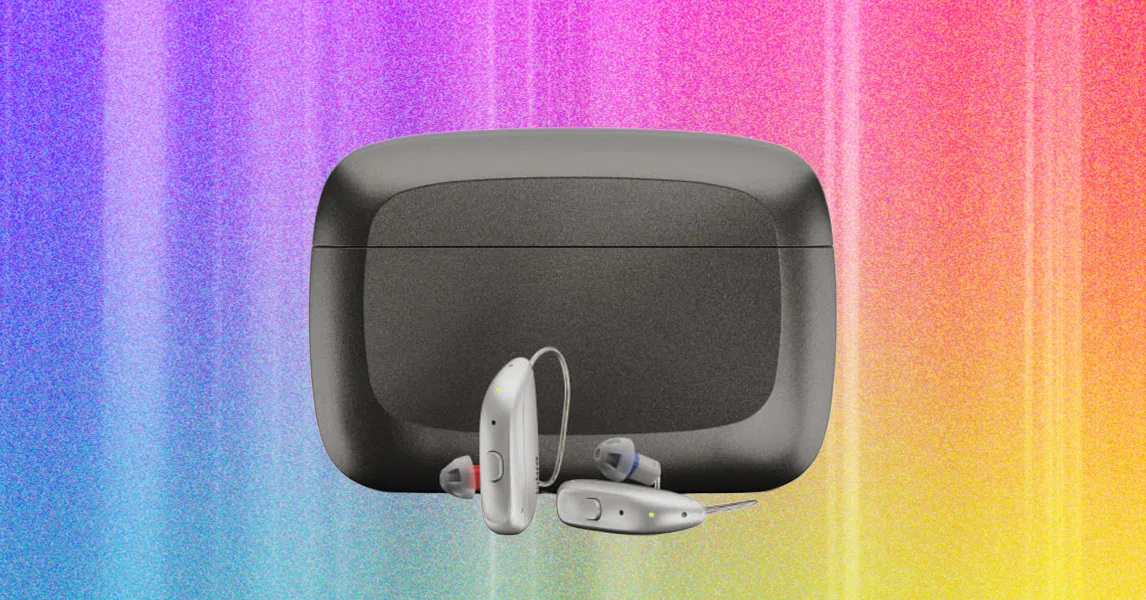
Top OTC Hearing Aids of 2025: Tested, Trusted, Ready for Action

The rapid evolution of hearing aid technology is disrupting the traditionally conservative healthcare industry, signaling a new era driven by innovation and greater accessibility. The 2022 FDA approval of over-the-counter (OTC) hearing aids marked a pivotal change, democratizing access to auditory assistance and challenging entrenched prescription-based models. Industry analysts, including Gartner and MIT researchers, emphasize that this shift could potentially multiply the market size by breaking down longstanding barriers such as cost and availability, ultimately fostering competition and innovation in the wearable tech space.

Unlike prescription hearing aids, which require extensive audiological testing and personalized fitting, OTC devices are designed for broad use, leveraging app-based self-fitting technologies. This democratization of hearing aid access is not without skepticism — critics from the medical community warn against a one-size-fits-all approach, considering that serious cases of hearing impairment still demand tailored, clinically-driven solutions. Nevertheless, companies like Jabra and Apple, with their recent launches of products like Jabra Enhance Select 300 and AirPods Pro 3, exemplify how industry giants are rapidly integrating disruptive features such as Bluetooth streaming, AI-driven sound calibration, and sleek form factors, creating a cornered market for youthful consumers eager for seamless, multifunctional wearables.

  • Innovation Milestones: Integration of smart features, self-fitting apps, improved sound quality, and discreet designs
  • Business Implications: Expanding consumer base, reduction in entry barriers, and acceleration of R&D investments
  • Market Risks: Consumer safety concerns, regulatory challenges, and the need for industry standards

Experts like Elon Musk and Peter Thiel have long spoken about disruption as a catalyst for growth, and this trend applies vividly here. The entry of tech giants into the hearing aids market indicates a broader movement: wearable health tech is becoming as ubiquitous and essential as smartphones. As Gartner forecasts, the market for smart, connected hearing devices could grow exponentially, driven by innovations in AI, machine learning, and digital health ecosystems. This convergence of technology and healthcare could redefine how industry leaders view competitive advantage, emphasizing agility and user-centric design over traditional clinical fidelity.

However, this rapid innovation also comes with risks and calls for urgent regulatory adaptation. The industry must balance disruption with consumer safety, ensuring new products meet rigorous standards without stifling the nimbleness that startups and giants alike have demonstrated. As the market evolves, companies that can quickly innovate, provide value-driven solutions, and address unmet needs will dominate the landscape. The next two years promise a battleground of technological breakthroughs and strategic moves, emphasizing the necessity for enterprises to act swiftly. For youth-oriented audiences and startups, this trajectory presents unprecedented opportunities to leverage emerging AI, connectivity, and user experience advancements — setting the stage for the next wave of asistive technology that could profoundly impact millions worldwide.

Weather balloon disruption shuts down Lithuania’s top airports—major security alert!

The recent series of provocative incidents in the Baltic States underscores a shifting landscape of geopolitical instability that threatens the delicate balance of power in Eastern Europe. Lithuania, a staunch member of both European Union and NATO, responded decisively by closing its two largest airports and border crossings following the discovery of numerous helium weather balloons drifting into its airspace. These balloons, believed to be used for smuggling, notably carry Belarusian cigarettes, which are far more expensive within EU borders. The Lithuanian government blames Belarusian President Alexander Lukashenko, an ally of Russian President Vladimir Putin, asserting that his regime tolerates and perhaps facilitates this covert smuggling operation—a move that directly undermines EU security principles and regional stability.

This escalation is not isolated. Reports indicate that, throughout the year, Lithuania has seen an unprecedented number of incursions, with hundreds of helium balloons detected and dozens crossing into its territory. The same pattern of aerial intrusions is evident in neighboring Poland, which experienced over 100 similar incidents, further signaling an orchestrated effort to destabilize the Baltic region. Analysts point out that these seemingly minor incursions are part of a broader strategy by Russia and its proxies to test NATO’s resolve and to sow chaos within EU borders, exploiting vulnerabilities in eastern European countries. Security experts warn that such tactics could prelude more aggressive actions, echoing fears of a renewed hybrid warfare aimed at dividing the alliance and reasserting Moscow’s influence.

The recent encounter involving Russian military aircraft further amplifies these concerns. On Thursday, Lithuanian military sources confirmed the entry of a Sukhoi SU-30 fighter and an IL-78 tanker into Lithuanian airspace—an area protected by NATO’s Enhanced Air Policing Mission. Though the aircraft departed after brief incursions, NATO scrambled fighter jets as a show of force, signaling that the alliance remains vigilant amid the continued threats. These deliberate aerial provocations coincide with diplomatic protests from Vilnius, which summoned the Russian chargé d’affaires and issued a stern warning, underscoring the fragile diplomatic environment. Russia’s denial of the incursions, despite credible military reports, reveals its attempt to obfuscate the narrative and maintain plausible deniability—yet the message remains clear: the Baltic States are caught in the crossfire of a renewed geopolitical struggle.

This unsettling chain of events illuminates the broader geopolitical impact of Russia’s tactics. Under the veneer of trivial balloon crossings, a strategic message is sent: the security of eastern NATO members is fragile, and the Kremlin is willing to test the collective resolve of the West. International organizations and security analysts alike warn that such provocations could serve as precursors to more serious escalations—potentially softening defenses or creating opportunities for unilateral actions that threaten regional sovereignty. Historians like John Mearsheimer argue that Moscow’s deliberate destabilization efforts are designed to weaken NATO from within, reviving Cold War-era fears of renewed conflict in Europe. The unity of the alliance and the resilience of its eastern flank are under direct threat; the question remains whether Western nations can suppress the temptation to retreat or whether they will confront this threat head-on, risking broader confrontation in their effort to uphold stability.

As the curtains lift on this chapter of unfolding history, the precarious balance between sovereignty and aggression continues to sway. The Baltic region has again become a testing ground for geopolitical rivalry, where every balloon, incursion, and diplomatic protest leaves an indelible mark on the fabric of international security. The question looms: how much longer can democratic nations defend their borders against this invisible war? The answer, still shrouded in uncertainty, echoes across the corridors of power—while history, with relentless perseverance, watches and waits, ready to judge the decisions that will shape the future of the free world.

UK’s top arms maker BAE halts ‘lifeline’ aircraft delivering aid to the world

BAE Systems’ Withdrawal from Humanitarian Support: A Catalyst in Global Power Dynamics

In a move that underscores the shifting priorities within Britain’s top defense contractor, BAE Systems has quietly ended its support for a fleet of aircraft crucial for delivering life-saving humanitarian aid across some of the world’s most fragile regions. The decision, announced amidst record profits exceeding £3 billion, appears driven by BAE’s strategic pivot to bolster its hand in the ongoing global arms race spurred by increased defense spending among NATO allies. This change not only exemplifies the seeping influence of geopolitical tensions into humanitarian operations but also signals a disturbing trend where military interests undermine aid efforts in crises-ridden nations.

Key destinations such as South Sudan, Somalia, and the Democratic Republic of Congo are already suffering from escalating humanitarian disasters, with millions facing famine and acute malnutrition. Recent reports from international agencies highlight that nearly 7.7 million people across South Sudan and over 27.7 million in the DRC are caught in a maelstrom of conflict, climate crisis, and rising food prices. Hundreds of thousands of vulnerable lives depend on aid delivered via aircraft with short airstrips in remote regions—an operation that BAE’s aircraft model was uniquely suited to support. Yet, the firm’s abrupt withdrawal of support has grounded these vital missions, breaking a vital lifeline for countless civilians and raising questions about the true priorities of Western military-industrial complexes.

  • The cancellation of humanitarian contracts, including a 10-year operation in the DRC and aid deliveries in Somalia, underscores a calculated shift towards defending commercial interests, with BAE Prime among the beneficiaries.
  • The voluntary surrender of the aircraft’s type certificate by BAE, which renders the aircraft effectively obsolete for commercial use, signifies a strategic move to cease support while limiting legal liabilities.
  • Legal contention has emerged, with EnComm Aviation, the last known operator of these aircraft, claiming that they were misled about the duration of BAE’s support commitments and now face catastrophic losses—highlighting a troubling dissonance between corporate promises and actions.

Analysts and historians warn that these developments mark a dangerous departure from the longstanding tradition of leveraging military technology not only for power projection but also for humanitarian purposes. According to reports from prominent think tanks, the strategic reorientation of defense firms like BAE towards increased arms sales amid burgeoning global instability risks amplifying conflicts rather than mitigating suffering. Organizations such as the World Food Programme have warned that aid disruptions could exacerbate crises, fueling unrest and displacement, with far-reaching geopolitical consequences for regional stability and international diplomacy.

As Britain and its allies continue to allocate billions toward military expansion, the true price may be paid by the most vulnerable populations on Earth. The historic moment we find ourselves in is a stark reminder of how the collision of economic interests and geopolitical strategy can reshape the landscape of global aid. With each aircraft grounded, each contract canceled, the weight of history hangs heavily—an unfolding chapter that urges vigilance. Humanity stands at a crossroads in a world where the decisions made in smoke-filled boardrooms may determine whether millions will survive or succumb to the shadows of neglect and conflict enduring into the unknown future.

Thursday’s Top Stories: Jailhouse Reads, Museum Mayhem, and a Surprise Bear Encounter | Life & Style

In a world driven by rapid change, lifestyle shifts are increasingly defining how the modern youth navigates their well-being, leisure, and self-expression. From the rise of wellness culture to the creative outlets offered by the digital age, the contemporary journey is about finding a personal rhythm amidst the chaos. Today’s young generation seeks authenticity, balance, and a sense of purpose—an evolution that reflects a collective desire to live intentionally and embrace new ways to enhance personal impact on their health and happiness.

One of the most compelling trends in recent years is the focus on mindfulness and holistic living. Wellness experts like Dr. Deepak Chopra and Jay Shetty emphasize the importance of integrating mental serenity with physical vitality, encouraging young people to prioritize *self-care* beyond superficial trends. This shift includes not only seeking out nature retreats and physical exercise but also fostering community and purpose through activities such as urban gardening or creative art. As cultural critic Claudia Hammond highlights, fostering *well-being* is no longer ancillary but central to the lifestyle of tomorrow’s leaders—those who engage in purposeful pursuits promoting resilience and mental clarity.

Beyond wellness, leisure has taken a new form. The digital arena has opened gateways to self-expression, whether through immersive art, indie music, or online activism. e.g., the resurgence of vinyl records or independent music festivals demonstrates a yearning to reconnect with tangible, authentic experiences. Travel, too, is evolving; local and eco-friendly adventures have become the browser’s choice for those seeking meaningful leisure, guided by a desire to reduce ecological footprints while exploring their immediate environment. Practical tips for embracing this lifestyle include

  • Prioritize nature-based activities such as hiking or outdoor yoga
  • Support local artisans and markets to foster community
  • Explore sustainable travel options like bike tours or eco-resorts

. These movement choices shape more than leisure—they define identity and contribute to a personal narrative rooted in responsibility and discovery.

The journey to a well-rounded existence is also about inspiring oneself and others. Contemporary culture resonates with the stories of individuals embracing transformation and resilience—think of authors like Yuval Noah Harari or Malala Yousafzai, whose narratives of perseverance motivate young minds to challenge the status quo. The importance of cultivating a positive mindset and a proactive approach to life cannot be overstated. It’s about recognizing that every small step—be it a morning meditation or a commitment to local sustainability efforts—contributes to a legacy of wellbeing and leadership. The journey is ongoing, but the destination is a life lived with intention, passion, and purpose.

In the end, lifestyle is not merely about change but about embracing a narrative of continuous growth. It is an evolution fueled by curiosity and driven by the belief that each individual has the power to shape a better future—starting with oneself. As the young embark on this quest, they are reminded that life’s twists and turns are part of the story, and the way forward lies in living authentically. Inspired by the voices of those who challenge and uplift us, the choice remains ours: to undertake this journey with enthusiasm and conviction, transforming everyday moments into milestones of personal impact.

Social Media Auto Publish Powered By : XYZScripts.com