Matox News

Truth Over Trends, always!

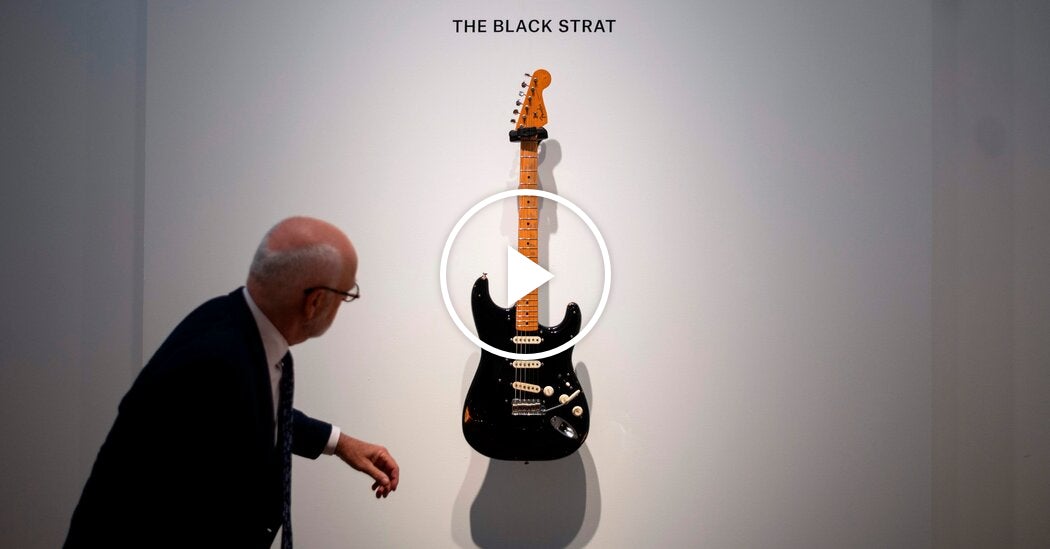
Pink Floyd’s Legendary Guitar Tops $14.55 Million, Setting New Record in Music Heritage

In a testament to the enduring power of artistry and cultural legacy, the recent auction of Pink Floyd guitarist David Gilmour’s iconic black Fender Stratocaster has captured the world’s imagination and shattered records. Selling for an unprecedented $14.55 million, this instrument—famously played on six of the band’s transformative albums, including the legendary “The Dark Side of the Moon”—embodies more than mere craftsmanship; it is a symbol of a generation’s struggles, hopes, and the transcendent capacity of music to mirror human experience. As Tocqueville might observe, such artifacts serve as mirrors to society’s evolving identity—each strum reverberating through history, echoing shared memory and collective longing.

This guitar’s auction underscores the cultural significance of music as a vessel for individual and societal memory, a theme that resonates deeply within the broader narrative of Western civilization. Like the Classical composers who defined their eras, or the Renaissance masters whose brushstrokes reshaped art, icons such as Gilmour’s Stratocaster become sacred relics woven into the fabric of modern identity. Ortega y Gasset might frame this phenomenon as the “vital pulse of society’s creative spirit,” where the collective remembrance of art’s finest moments propels future generations. Here, the guitar is not merely an object but a prophecy—a symbol of timeless rebellion against the mundane, a reminder that authentic cultural expression endures.

Moreover, this symbolic transaction illuminates the cultural dynamics of authenticity, value, and tradition. There lies an intrinsic link between the artist’s soul and the instrument—the very essence of tradition passed down through strings and sound. Chesterton’s notion of culture as the civilized reconciliation of man’s raw instincts is exemplified through this auction: a piece of history that challenges us to understand that true value resides not in fleeting possessions but in the enduring narratives they embody. In a world increasingly driven by materialism, the sale of Gilmour’s guitar serves as a reminder that some artifacts are repositories of the confluence of art, history, and identity, anchoring us to our roots even as we step into an uncertain future.

Finally, as T.S. Eliot suggested, “What we call the present is the frozen form of the future.” In this spirit, the auction is less an end than a gateway—a passing of the torch from the past’s echoes to the silent whispers of tomorrow. Culture, in its most profound sense, is both memory and prophecy: a collective dream woven into the very fabric of human existence. It guides us, shapes us, and reminds us that amid flux and uncertainty, the enduring symbols of our shared history sustain our pursuit of meaning. Perhaps, through the stratified past of a guitar, we glimpse what humanity’s future could be—a song yet unplayed, a story yet unseen, waiting in the echoes of tradition to illuminate the path forward.
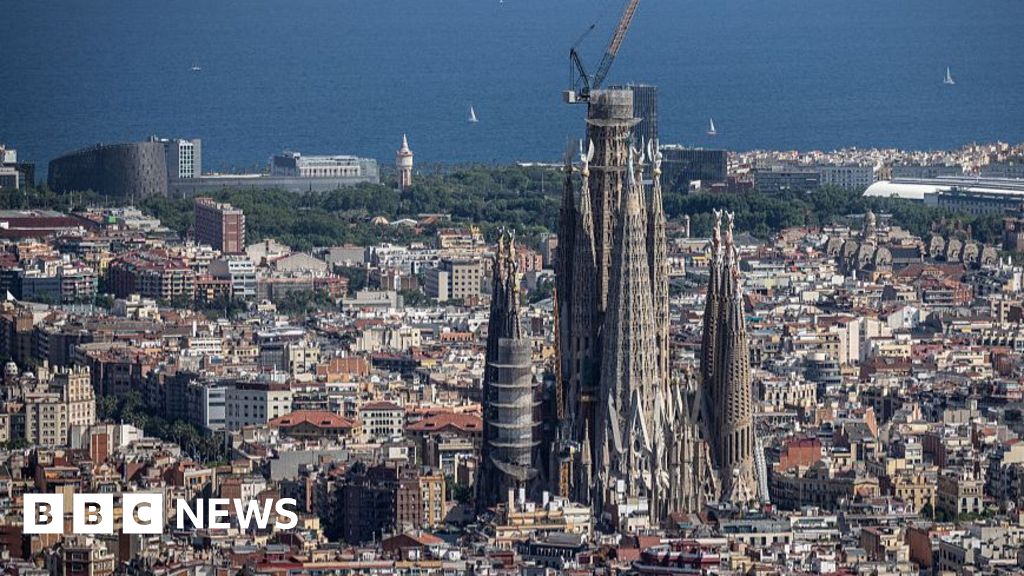
Sagrada Familia in Barcelona Tops Global Charts as World’s Tallest Church

In a stunning showcase of architectural perseverance and cultural pride, the Sagrada Família in Barcelona has officially become the tallest church in the world. Rising to an unprecedented height of 162.91 metres after the placement of the first component of its central cross, this historic basilica has surpassed the Ulm Minster in Germany, which held the record since 1890. Designed by renowned architect Antoni Gaudí, the iconic structure has been under construction for over a century, symbolizing Spain’s resilience and relentless pursuit of grandeur amid geopolitical upheavals and internal challenges.

What makes this achievement especially noteworthy is the long, tumultuous history of the basilica’s creation. Gaudí, whose visionary designs transformed the initial plans into an ambitious masterpiece, tragically died in 1926 with only one of the planned 18 towers completed. Since then, the project has faced myriad obstacles, including the destructive Spanish Civil War, during which anarchists set fire to the crypt, destroying crucial plans and models. Despite these setbacks, the construction persisted, funded primarily through donations from visitors and enthusiasts from around the world, which exemplifies its symbolic importance far beyond mere architecture. International historians and analysts view the Sagrada Família as a testament to human dedication, with many considering it a cultural microcosm of Spain’s resilient national identity.

The recent milestone is viewed by many as a geopolitical emblem of Spain’s cultural revival and national sovereignty, especially amidst ongoing debates over regional independence and identity. The tower’s completion, projected for 2026 to mark the centenary of Gaudí’s death, is accompanied by a series of commemorative events that underscore the importance of preserving Spain’s rich architectural heritage. Yet, the construction’s slow progress, punctuated by the COVID-19 pandemic, highlights the fragility of such long-term national projects in times of crisis. Economic analysts warn that the temporary halt in tourism and funding reflects broader vulnerabilities facing Spain’s economy and cultural institutions, which are often caught in the crossfire of global geopolitical shifts.

As work continues on finishing the building’s decorative sculptures and the stairway leading to its entrance, leaders, historians, and international observers watch with cautious optimism. The Sagrada Família stands not only as an architectural marvel but as an enduring symbol of human aspiration in a world where political boundaries and societal values are constantly shifting. As the tower reaches skyward, so too does the recognition that history’s greatest changes are often born from patience, resilience, and unwavering faith—qualities embodied in this masterpiece, destined to watch over the city of Barcelona for generations to come, as the weight of history itself remains in perpetual motion, forever shaping the destiny of nations and societies worldwide.

Social Media Auto Publish Powered By : XYZScripts.com



