Matox News

Truth Over Trends, always!

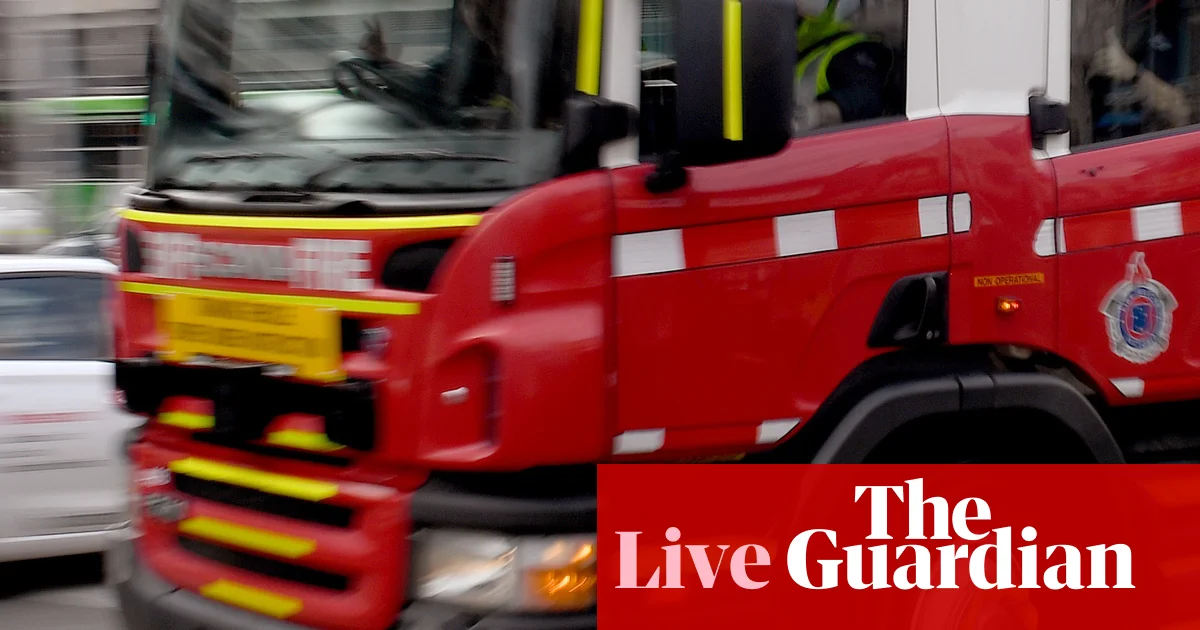
Australia News Live: Big Fire at Geelong Oil Refinery; Canavan Backs Tough Immigration Stance

The world is witnessing a series of pivotal moments that threaten to reshape the geopolitical landscape in profound ways. Australia, often considered a distant continent, is currently embroiled in a domestic crisis that threatens its economic stability and raises questions about its future energy security. In Geelong, an “unprecedented” fire at the Viva Energy oil refinery has sent shockwaves through the nation. The blaze, which began late last night, has been described by local officials as decades-in-the-making in terms of its scale and impact. The refinery is responsible for roughly 50% of Victoria’s fuel supply and approximately 10% of the country’s national output, underscoring its strategic significance. As fire crews battle to control the inferno, international actors and analysts watch cautiously, aware that the implications extend far beyond Down Under.

  • The refinery’s destruction or prolonged shutdown could exacerbate Australia’s ongoing fuel crisis, which has already strained households and industries nationwide. The reliance on two remaining refineries, with the other operated by Ampol in Brisbane, highlights how geopolitically sensitive this critical infrastructure truly is. Many international analysts warn that such fragility can serve as a catalyst for broader energy insecurity, potentially inflaming geopolitical tensions with major energy-producing nations. These vulnerabilities are compounded by the fact that both Australian refineries require government support to stay operational, indicative of a broader global trend where energy security and government intervention intersect in geopolitics.
  • The incident coincides with tense political debates within Australia, as Matt Canavan, leader of the National Party, publicly defended the government’s controversial immigration policy. His stance, which proponents tout as “reasonable and fair,” has ignited a fierce contest of narratives over national identity and sovereignty. Canavan’s rhetoric, referencing the naturalisation process of his grandparents and invoking the literary phrase “Having good fences make for good neighbours,” underscores a broader worldview increasingly aligned with nationalist, sovereignty-centric principles. Critics, however, interpret this as an extreme form of discrimination cloaked in patriotic language, highlighting a sinking support for immigration among Australians—a trend that some analysts argue could embolden hardline policies that threaten social cohesion.

International observers, including historians and geopolitical think tanks, warn that such nationalistic rhetoric, when paired with vulnerabilities like energy supply shocks, can escalate into broader regional instability. As the United Nations and World Bank scrutinize Australia’s internal debates and energy roadmaps, the global community remains wary of a potential domino effect. The concern is not merely about Australian sovereignty but how ever-accelerating shifts in domestic policy and energy infrastructure risks ripple effects in the Indo-Pacific and beyond, especially amid rising tensions with China and regional alliances. The fusion of energy crises with aggressive nationalist discourse could, analysts warn, fuel a dangerous cycle of escalation and realignment in international security frameworks.

As history continues to unfold, the nation’s response in the coming weeks will serve as a litmus test for its political stability and strategic resilience. Will the fires at Geelong become a symbol of vulnerability or a rallying point for innovative reform? Will the rhetoric of figures like Canavan morph into a broader movement that tests the limits of accepted policies? The answers to these questions may well determine whether Australia remains a bastion of stability or a flashpoint for new geopolitical conflicts. As the flames lick the skies and political volleys echo across the continent, the weight of tomorrow’s history presses down—an unwritten chapter begging to be shaped by the choices made today.

New Hope: Drug Repurposing Offers Longer Survival in Tough Ovarian Cancer Fight

Advances in Ovarian Cancer Treatment: Signaling Hope or a Reflection of Systemic Gaps?

The recent breakthroughs in the treatment of platinum-resistant ovarian cancer highlight a complex intersection of medical innovation, societal challenges, and the resilience of families and communities grappling with devastating diagnoses. A clinical trial published in The Lancet showcased that use of an existing drug, relacorilant—initially intended for Cushing’s syndrome—could extend life expectancy for patients with this aggressive cancer by an estimated four months. These are not just numbers; they are families clinging to hope, often living in the shadows of a healthcare system that struggles to keep pace with such devastating diseases.

Meanwhile, another promising development involves the immunotherapy drug pembrolizumab, which, when combined with standard care, offers a survival advantage—adding another 3.3 months on average for patients. Such innovations represent the fighting spirit of medical research, but also cast a harsh spotlight on the inequalities facing our healthcare system. Although these drugs have gained approval in the United States, they remain in Phase 3 trials and await approval in the UK. For many families, this delay translates into a race against time, highlighting societal issues that extend beyond the clinics—such as access to advanced treatment options and the socioeconomic disparities that influence who benefits from new therapies.

The societal toll of ovarian cancer and the moral imperative for change

  • Ovarian cancer is the sixth most common cancer among women in the UK, with roughly 7,600 new cases annually, resulting in approximately 3,900 deaths each year.
  • Despite our advancements in medicine, the disease’s impact on families and communities remains profound, often leaving loved ones devastated both emotionally and financially.
  • Current treatment disparities highlight the urgent need for equitable healthcare policies that ensure early detection, broader access to new therapies, and comprehensive support systems for patients and their families.

According to social commentators and historians, such as Dr. Peter Conrad, the societal burden of cancer extends beyond individual suffering; it manifests in strained family structures, impaired educational progress for affected youth, and weakened community cohesion. These social tensions are exacerbated by cultural shifts that sometimes stigmatize illness, leaving many feeling isolated and underserved. The moral challenge rests on society’s ability to prioritize health equity, recognizing that the true measure of a nation’s progress lies in how it cares for its most vulnerable.

Hope amidst challenges: a society on the cusp of transformation

The potential of drugs like relacorilant and pembrolizumab signals a new chapter—one where hope is no longer a distant dream but inching closer to reality. Yet, these advancements beckon a broader reflection: how do social issues shape the future of healthcare and community resilience? The ongoing fight against ovarian cancer serves as a mirror, revealing the gaps that still exist and inspiring a collective moral resolve. As families face the harsh realities of diagnosis and prognosis, society must rally to bridge the gaps—through policy, education, and community support—so that no one is left alone in this relentless battle. In this era of scientific promise, perhaps the greatest victory will be reaffirming our shared commitment to ensuring that every person, regardless of background, has the chance not just to survive—but to thrive.

Spanish Woman Wins Right to Euthanasia After Tough Legal Fight with Father

The recent decision by the European Court of Human Rights (ECHR) in favor of Noelia Castillo marks a significant judicial milestone, yet it also signals broader shifts within the landscape of international human rights law. Such a ruling not only underscores the authority of European legal institutions but also resonates across the global geopolitical arena, where questions of sovereignty, individual rights, and state authority continue to collide with increasing intensity.

While the specific details of the case remain under the hood of European judicial proceedings, the decision’s impact transcends national borders. Analysts from institutions like the International Crisis Group and prominent historians have noted that this ruling typifies a broader trend: the push by international courts to impose standards that challenge traditional notions of sovereignty and national autonomy. It also raises critical questions about the manner in which European institutions are asserting their influence in areas traditionally governed by sovereign states, particularly in sensitive issues such as privacy, free expression, and individual autonomy.

From a geopolitical perspective, the ruling exemplifies the subtle but profound growth of the European Union’s judicial reach. While some nations view this as a necessary step toward human rights protections, others see it as a challenge to their sovereignty. For instance, the United States and certain Asian powers have expressed cautious reservations, emphasizing the importance of preserving national legal independence over supranational mandates. Meanwhile, Russia and China continue to criticize what they perceive as the erosion of sovereignty under the guise of international conformity, further cementing the deeply divided landscape of global governance.

European institutions are increasingly intertwined in shaping societal norms, and this trend has real-world consequences for societies across continents. Crucial decisions such as this could potentially influence policy shifts, affecting everything from privacy laws to national security protocols. As international organizations and legal experts debate the implications, this ruling punctuates a turning point—where justice and sovereignty are in a perpetual balancing act, often with societal and political stability hanging in the balance.

Historians argue that this moment echoes the profound debates that have shaped the post-World War II international order. According to leading scholars, such as Dr. Elizabeth Carter from the Center for Global Law & Policy, the move by the European Court of Human Rights symbolizes a new chapter—one in which legal rulings may increasingly influence, if not direct, national policies. The decisions made today will reverberate for decades, shaping a future where the lines between national sovereignty and international legal norms are blurred. As the wheels of history turn, nations are left to grapple with their role in an evolving world order—where the stakes are nothing less than the fundamental rights of individuals and the sovereignty of entire nations.

Ultimately, the ripple effects of this ruling resonate beyond the courts, weaving into the fabric of international relations. Governments, societies, and individuals all stand at a crossroads—whether to accept a new paradigm of legal influence or to resist what they perceive as encroachments on sovereignty. The era of silent diplomacy and international legal reshuffling continues to unfold, leaving the global community to ponder: who will shape the future—the citizen or the state?

UK borrowing jumps unexpectedly to £14.3bn in February, signaling tough times ahead

The United Kingdom faces an increasingly precarious economic landscape as new official figures reveal a higher-than-expected monthly deficit of £14.3 billion. The Office for National Statistics (ONS) attributed this widening gap to the timing of government debt repayments, underscoring the fragility of fiscal measures in a turbulent geopolitical climate. While the government has successfully reduced the current budget deficit for the first eleven months of the fiscal year by 21.1%, reaching £62.1 billion, the outlook remains uncertain. Analysts warn that rising energy prices, inflation, and interest rates—driven by ongoing conflicts in the Middle East—could soon jeopardize the £23 billion buffer the Chancellor, Rachel Reeves, claims to have left against fiscal rules. The economic decisions made today could shape Britain’s capacity to withstand the storm of international turbulence, with experts emphasizing how vulnerable the nation’s fiscal stability truly is in the current global context.

The UK’s approach has been to balance increased borrowing for investment projects with significant tax hikes, aiming to shrink the deficit while fostering economic growth in an uncertain environment. Prime Minister Reeves contends that her government’s strategy has bolstered the nation’s resilience, citing recent tax revenue increases and targeted energy bill cuts from April. However, critics from economic think tanks and international bodies warn that these measures might be insufficient as external shocks intensify. The Bank of England remains cautious, holding interest rates at 3.75%, with hints that they could rise if inflationary pressures escalate—particularly in light of rising oil prices above $100 a barrel and the effective closure of the Strait of Hormuz.

International analysts and economic historians note that the UK’s fiscal maneuvering is occurring against a backdrop of rising geopolitical risks. As entities like the IMF and OECD warn of heightened global instability, Britain’s monetary policy decisions are scrutinized for their potential to either mitigate or exacerbate vulnerabilities. The ongoing conflict in the Middle East has global reverberations—disrupting energy supplies, pushing inflation upwards, and making interest rate adjustments more complex. The “turning point” in international stability could dramatically reshape economic forecasts, with the UK caught between safeguarding fiscal credibility and responding to the unpredictable tides of global conflict.

In the grand narrative of history’s unfolding, Britain’s fiscal response today may be remembered as either a calculated resilience or a perilous gamble. As the world watches shadows lengthen across geopolitics and economies brace for the storm, the decisions made in Westminster will echo through generations. When future historians look back, they may see these years as a crucible—testing whether a nation grounded in free enterprise and strategic foresight could withstand the relentless march of global chaos or succumb to the weight of its own vulnerabilities. In the end, the question remains: whose fate will be written in the ashes of this turbulent era? The answer, like history itself, remains *unwritten*.

West Coast braces for intense spring heatwave—early warning sign for a tough season

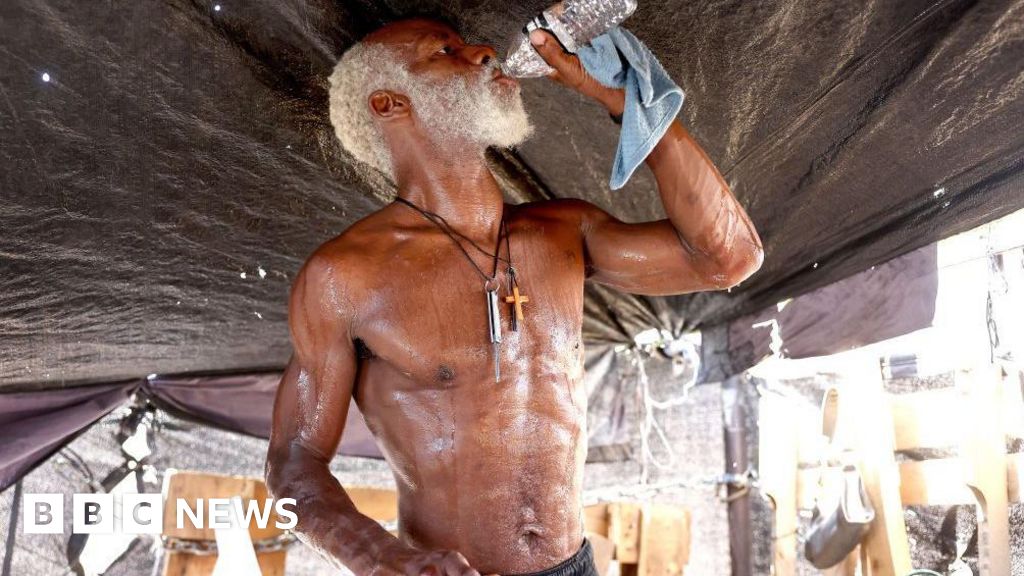
In a stark manifestation of climate volatility, the United States is currently experiencing a relentless barrage of extreme weather phenomena that span from coast to coast. These conditions, characterized by scorching heat waves in the Southwest and record-breaking cold snap in the Northeast, underscore the escalating challenges confronting nations around the world. According to recent reports from the National Weather Service and climate analysts, such anomalies are not isolated incidents but signals of a broader, more destabilizing pattern driven by ongoing climate change. The societal and geopolitical implications of this phenomenon are profound, offering both a warning and an urgent call for international cooperative responses.

***U**nprecedented heat waves have swept through regions like California and Arizona, pushing temperatures well above historical averages. Simultaneously, other parts of the country, including the Midwest and Atlantic Coast, have been battered by frigid temperatures and severe winter storms. This juxtaposition of extremes is placing immense stress on infrastructure, agriculture, and public health—a trend affirmed by experts at the World Meteorological Organization. Beyond immediate impacts, these weather fluctuations threaten to exacerbate existing socio-economic disparities, impacting vulnerable communities most severely, and complicating national security considerations. The scale and frequency of such events have led many, including historian Dr. Samuel Carter, to warn that humanity stands at a critical juncture where climate resilience must become a central pillar of policy.

On the geopolitical realm, the disruption caused by extreme weather is rippling through international relations. Countries heavily dependent on stable climatic conditions for food security and resource extraction find themselves at increased risk of conflict. For instance, vulnerable regions in Africa and South Asia are already experiencing food shortages and displacement, consequences that are magnified by the erratic weather patterns originating from shifting atmospheric currents. Meanwhile, the U.S. itself faces internal pressure to prioritize climate adaptation strategies. The ongoing domestic chaos underscores how environmental disturbances are intertwined with broader issues like economic stability, migration, and even geopolitical power dynamics. The European Union and China, two major players in the international arena, have voiced commitments to climate actions, yet critics argue these pledges fall short of the scale needed to counteract the escalating crisis.

This series of weather extremes serves as a clear warning: the decisions taken today will shape the course of history. As international institutions like the United Nations call for urgent climate action, strategic alliances are being tested and formed around the reality that climate instability undermines global security. Some analysts, such as Dr. Helen Martinez of the International Crisis Group, emphasize that climate-induced upheaval could foster regional conflicts, undermine national sovereignty, and accelerate migration flows, thereby destabilizing societies worldwide. In this context, history’s most pivotal moments are often marked by responses—whether bold or complacent—that determine the future of civilizations. As the nation grapples with its own climate crises, the message is unmistakable: the time for debate has long passed, and decisive action is urgently needed, lest we allow these natural upheavals to rewrite our collective destiny.

In this unfolding saga, the United States stands at a crossroads where the past’s comfort must give way to the hard realities of the present. Every weather anomaly is a chapter in a story still being written—one shaped by decisions made not just within national borders, but across an interconnected globe. As history watches, the challenge remains: will the enduring spirit of resilience triumph over the storms of change, or will humanity become mere witnesses to an era defined by chaos? The hourglass continues to run, and the weight of history presses ever heavier as the world braces for what is yet to come.

Reeves promises tough action on energy bosses gouging Brits with high prices – UK Politics

In a remarkable display of political resolve amidst an escalating Middle East conflict, UK Prime Minister Keir Starmer has announced that RAF Typhoon jets are extending their operations to Bahrain, marking a significant shift in the UK’s military posture in the region. Starmer stated that these jets are now patrolling for Iranian drones heading toward Bahraini airspace, amid heightened tensions following Iran’s retaliatory attacks on energy and transport infrastructure across Bahrain, Oman, and Iraq. This development signals a notable intensification of UK defense commitments in the Gulf, aligning with broader Western efforts to contain Iran’s military influence and safeguard strategic allies such as Bahrain.

This military escalation comes at a time when global oil markets are in upheaval, with oil prices again soaring beyond $100 per barrel. The conflict’s spillover effects threaten to plunge the UK’s fragile economy into recession, as warned by analysts like Tomasz Wieladek of T. Rowe Price, who emphasized that “the war in the Middle East and subsequent oil price rise will raise inflation and reduce consumer spending.” Official UK figures reveal that the economy has already been vulnerable, with flatlining GDP in January—highlighting the nation’s weak start to the year amid uncertainty surrounding the government’s fiscal policies and the energy crisis. Such geopolitical turbulence underscores how international conflicts can swiftly ripple through domestic economies, highlighting the critical nature of national security and energy independence in these times.

Amid diplomatic and economic turbulence, the UK government under Rachel Reeves is taking a firm stance against what it calls profiteering by energy firms exploiting the crisis. Reeves instructed the Competition and Markets Authority (CMA) to scrutinize fuel price hikes, explicitly warning companies that “she will not tolerate any company exploiting the current crisis to make excess profits at customers’ expense.” Simultaneously, Energy Secretary Ed Miliband has vowed to fight “price gouging,” emphasizing that the government is prioritizing the “cost of living” crisis, particularly impacting households relying on heating oil—whose prices have nearly trebled since the Iran war began. These actions aim to shield consumers from the fallout of geopolitical conflicts, but they also reflect a broader struggle over energy policy—particularly whether the UK should pursue more independence from volatile fossil fuels or continue aligning with international markets fraught with instability.

Adding to the geopolitical complexity, Prime Minister Starmer has announced the UK will *not* follow the US in temporarily waiving sanctions on Russian oil—an unequivocal stance that keeps Britain locked into a harder line against Moscow’s economic influence. Energy Minister Michael Shanks made it clear that the UK cannot afford to give Putin’s regime a free rein, warning that “what we absolutely can’t have is [Vladimir] Putin seeing this as a chance to invest in the war machine.” This divergence from the US approach signals a deliberate effort by Britain to assert its own strategic autonomy, even as global markets respond unpredictably. As Russia claims that lifting sanctions is “inevitable,” the balance of power and economic influence in the energy sector remains sharply contested, foreshadowing a period when nations must choose between cooperation and confrontation, the path to peace and the risk of open conflict unresolved.

With the UK facing economic stagnation, soaring energy prices, and an active military footprint in the Gulf, the international community watches with bated breath as the decisions made today could shape the trajectory of global stability for decades. As the fog of war thickens, the weight of history presses ever heavier—marking a pivotal chapter where every alliance, intention, and strategic move could determine whether nations find themselves—at last—standing on the edge of a new era or stepping into the abyss of prolonged chaos. The story remains unwritten, but the consequences of these choices will echo through generations yet unborn.

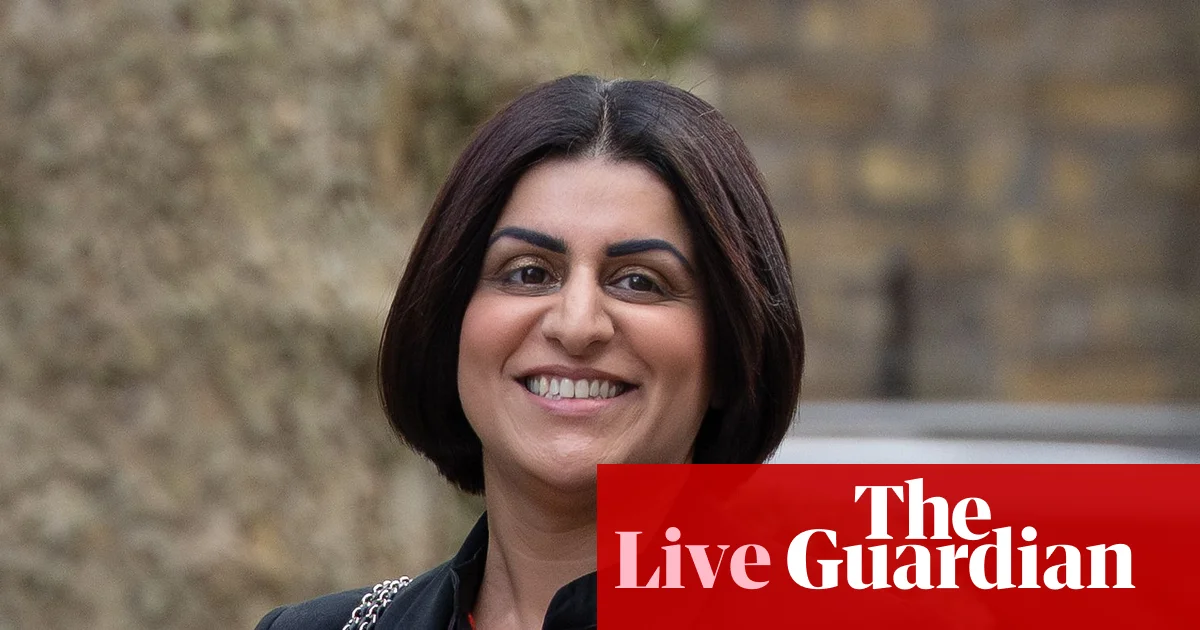
Shabana Mahmood pledges tough but fair asylum plan, opening door for some claimants to work—UK politics in motion

As 2026 unfolds on the international stage, a series of decisive decisions by major powers underscore a turning point in global geopolitics. Britain’s recent stance on military involvement in Iran, coupled with internal political turbulence, signals a shift towards assertive sovereignty and strategic autonomy. In the UK, internal debates over foreign military collaboration reveal the enduring tension between diplomatic independence and alliance commitments. Reports indicate that cabinet ministers, led by energy secretary Ed Miliband, blocked Prime Minister Keir Starmer from permitting the US to use British bases for strikes against Iran. This move, grounded in international law, reflects a cautious yet resilient approach, emphasizing the importance of adhering to legal frameworks even amidst pressure from the United States.

The refusal to facilitate US military operations from British soil is emblematic of a broader global trend—nations reassessing their roles in the new era of warfare. Analysts from the International Crisis Group argue that this stance not only preserves Britain’s legal integrity but also reinforces a narrative of strategic independence. However, it also entails risks; the UK’s firm stance risks alienating allies in the Middle East, who perceive perceived abandonment and vulnerability. Meanwhile, the US, eager to maintain regional dominance, has reportedly bypassed formal channels, working directly with military authorities to plan offensive actions, illustrating a shift toward unilateral decision-making by superpowers—this in turn complicates the international legal landscape.

In the Middle Eastern theater, tensions escalate as UK officials, along with their US counterparts, grapple with provocative drone attacks in Cyprus and the Levant. UK defense secretary John Healey’s diplomatic efforts in Cyprus highlight the seriousness of the threat posed by pro-Iranian militias, believed responsible for recent strikes on RAF bases. These attacks reveal how regional conflicts are becoming layered with international strategic interests, risking a broader conflagration. Furthermore, the Iranian retaliatory bombardment, following US and Israeli strikes, signals an ominous descent into a cycle of escalation, which analysts warn could spiral beyond control—an outcome that might well redefine regional power balances.

Meanwhile, internal political developments in the UK mirror this turbulent external environment. Home Secretary Shabana Mahmood announces measures to reform the domestic asylum system, with the potential to integrate thousands of asylum seekers into the workforce. Yet, critics—such as the Refugee Council—warn that such measures risk increasing homelessness and social unrest, reflecting internal divisions akin to those seen globally. This internal strife underscores a fundamental question: how societies balance national security, social stability, and humanitarian obligations in an era of heightened geopolitical tension?

As history continues to unfold in the shadows of these decisions, it becomes clear that the choices made today will ripple through decades. In a world where alliances are tested and sovereignty is asserted anew, the true impact extends far beyond borders. It is a relentless reminder that, in the crucible of history, nations are forging new identities—sometimes at odds, sometimes in reluctant unity—yet always bearing the weight of their collective destiny. The next chapters remain unwritten, but their ink will be scribed by the decisions that, right now, echo across the corridors of power and the collective consciousness of nations.

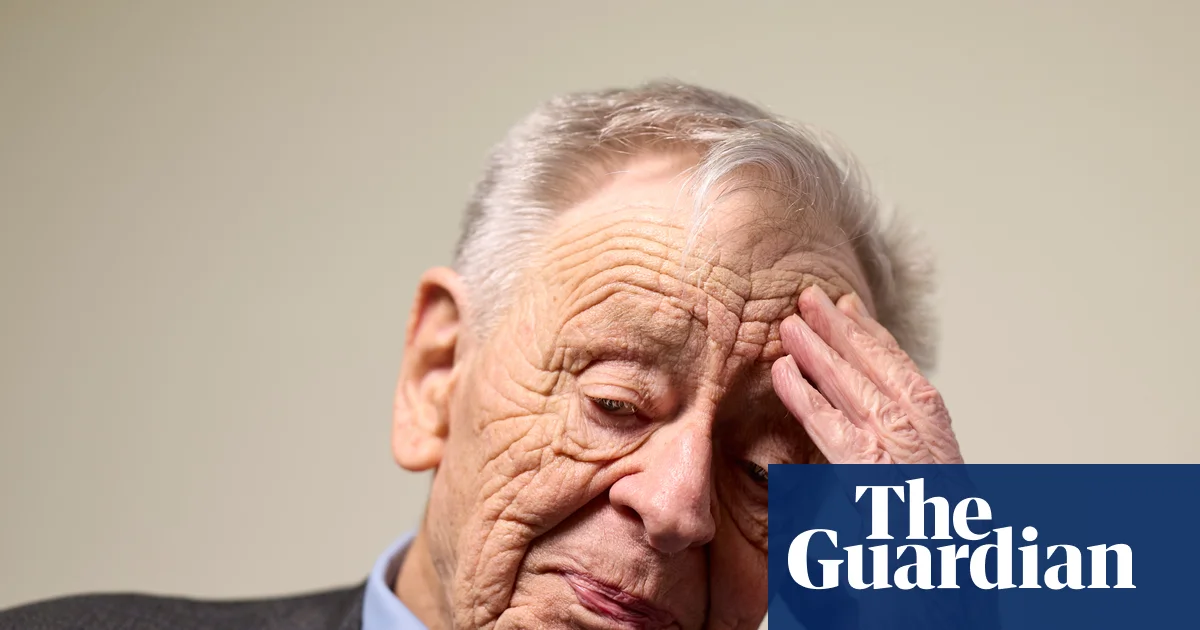
Alf Dubs criticizes Shabana Mahmood’s tough stance on immigration as disappointing

In Britain, recent political developments highlight a decisive shift in immigration policy, with profound geopolitical implications. The decision by the home secretary to intensify hardline reforms, amidst the Labour Party’s defeat in the Gorton and Denton by-election, underscores a broader global trend towards stricter border controls. The electoral loss to the Green Party, led by Zack Polanski, signals a significant realignment of voter sentiment—particularly among younger voters increasingly concerned about immigration and national sovereignty.

This political upheaval is not isolated within the UK. Internationally, similar nationalistic currents are sweeping across Western democracies. Analysts from the International Institute for Strategic Studies warn that these shifts could recalibrate global alliances and undermine longstanding commitments to humanitarian principles. The UK government’s proposed asylum reforms—mandating a 20-year wait for illegal entrants seeking indefinite leave to remain—mirror policies adopted elsewhere, such as the Danish model, which has faced fierce criticism for its perceived insensitivity to refugees’ plight. How these policies influence society’s perception of sovereignty and moral responsibility will define their lasting impact on international relations.

  • Labour’s internal split deepens, as senior figures like Shabana Mahmood insist on pushing a hardline agenda, despite backlash from backbenchers and union leaders.
  • The Green Party’s proposals advocating for more humane treatment—allowing asylum seekers to work and ensuring safe routes—highlight a contrasting vision grounded in humanitarian values.
  • Historical voices like Lord Alf Dubs, a child refugee himself, openly criticize policies that threaten vulnerable populations, warning they may have irreversible “damaging” consequences for families and children fleeing conflict zones.

The core geopolitical impact of these internal debates extends far beyond Britain. As countries worldwide grapple with similar questions—balancing sovereignty with international humanitarian commitments—the whole fabric of global migration governance is at a crossroads. The United Nations and European Union face mounting pressure to uphold human rights, even as nationalist parties gain traction on domestic fronts. The threat of increased deportations and prolonged wait times for refuge risks fracturing alliances and fostering resentment, both domestically and abroad. Young Europeans and emerging powers watch intently as Britain’s policies may influence or deter similar reforms elsewhere.

This turbulent period in British politics exemplifies the high-stakes decision-making that could shape the future of international migration for decades to come. As historians scrutinize this era, many warn that policymakers are risking a return to restrictive, insular attitudes that could undermine global cooperation and security. The world remains on the brink of a crucial turning point—where the values of compassion and sovereignty must find a delicate balance. The weight of history still lingers in the air, as nations weigh their choices amid the unfolding drama of migration and justice. Will they choose to uphold their moral obligations, or succumb to waves of populism that threaten to reshape the contours of international society forever?

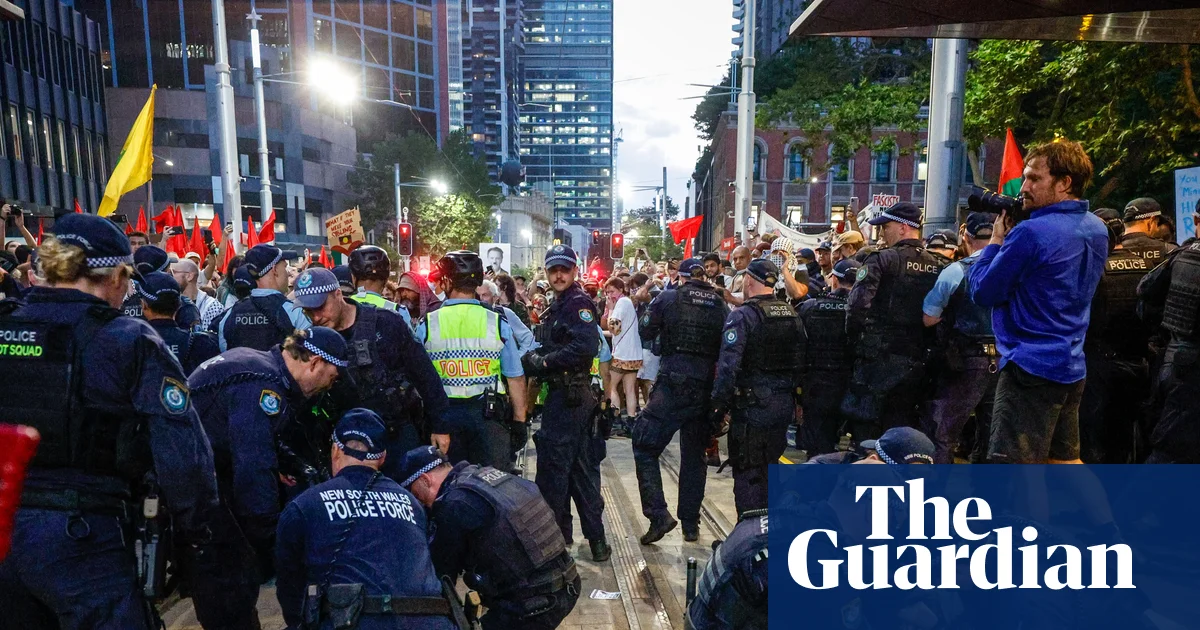
Chris Minns backs police in tough spot amid viral video of officers’ clash with protesters

In recent days, Australia has become a focal point of international controversy surrounding civil liberties, security measures, and the geopolitical ripples emanating from conflicts in the Middle East. The protests in Sydney against the visit of Israel’s president, Isaac Herzog have sparked fierce debates about police conduct, the limits of public assembly, and the influence of domestic political decisions on international diplomacy. The police’s aggressive response, including pepper spray and physical assaults on protesters, has drawn condemnation from local figures and raised questions about the blurring line between maintaining order and infringing on rights.

At the core of the unrest are broader security measures enacted in response to the Bondi terror attack, which left 15 victims. NSW Premier Chris Minns justified the police’s actions, asserting they were operating under a “difficult situation” created by restrictions on protests — themselves a reaction to the threat of terrorism. This highlights how **counter-terrorism strategies** can justify heightened police powers, often at the expense of civil liberties. Such measures reflect a growing trend where governments, citing security concerns, impose restrictions that can escalate tensions and infringe upon the rights of dissenting citizens. As analysts warn, this approach risks eroding democratic norms and setting dangerous precedents for the use of force in peaceful protests.

International observers, including human rights groups and political analysts, recognize the geopolitical impact of these events. The confrontation in Australia echoes similar patterns seen elsewhere — where domestic security concerns are leveraged to justify aggressive law enforcement, often with the tacit approval or complicity of political leaders. Green MPs in NSW and independent voices have accused Minns of deliberately creating a “pressure cooker” environment, exacerbating tensions rather than diffusing them. This domestically charged climate not only affects how societies respond to dissent, but also influences international perceptions of Australia’s stance on human rights and civil liberties. As international organizations like Amnesty International increasingly scrutinize such police actions, the risk remains that domestic crackdowns could serve as a blueprint, emboldening similar tactics in other nations facing internal dissent or protests rooted in geopolitical conflicts.

Furthermore, the handling of pro-Palestine protests during Herzog’s visit signals a troubling intersection between local policies and broader geopolitical conflicts. The police’s forceful tactics, documented in multiple videos, have intensified international concerns about the escalation of police-state dynamics in nations ostensibly committed to democratic principles. Historians warn that such episodes, if repeated across different regions, can accelerate a global shift towards authoritarianism disguised as security. Meanwhile, global institutions and allied nations are watching closely, questioning whether Australia’s approach signifies a rare reaction or a dangerous trend that could ripple across other democracies. This unfolding clash exemplifies the ongoing tension between security and liberty — a debate that will define the global order for decades to come, as the narratives of resistance and repression become increasingly intertwined.

As history continues to unfold, the events in Sydney underscore the fragile balance between safeguarding a nation’s security and preserving its democratic fabric. The actions of law enforcement on the streets have reverberations far beyond their immediate borders, touching on fundamental questions of human rights, sovereignty, and the very essence of free societies. The world waits, holding its breath, as these stories—etched into the annals of history—serve as a stark reminder that the fight for liberty is ongoing, and the outcome remains uncertain. How nations choose to respond today will determine whether we move closer to an era of authoritarian control or a renewed commitment to the enduring values of freedom amidst the turbulent currents of history.

RBA hikes interest rates to 3.85%, tough hit for Aussie mortgage holders

Global Economic Tensions Rise as Reserve Bank of Australia Implements Unexpected Rate Hike

The Reserve Bank of Australia (RBA) has executed a significant monetary policy shift by raising interest rates for the first time in over two years—an move that signals potential turbulence not only within Australia’s economy but across the broader international landscape. The decision, which saw the cash rate target increase from 3.6% to 3.85%, comes amid mounting concerns about persistent inflationary pressures that threaten to destabilize what some analysts previously believed to be a resilient recovery.

This rate hike, announced at the conclusion of a two-day policy meeting, halts the RBA’s previously rapid cycle of rate cuts—three reductions in 2023 alone—marking the end of what was arguably the shortest rate-cutting cycle in the institution’s history. Economists and international observers now analyze it as a *warning* sign: central banks worldwide, faced with surging global inflation, are adjusting their tactics in a manner that could ripple through markets and geopolitical alignments. The immediate impact on Australia’s mortgage sector—an increase of roughly $90 per month for a typical $600,000 loan—might seem marginal, but it portends more profound shifts in consumer confidence and fiscal stability, with potential repercussions for allied economies.

Impact Beyond Borders: A Broader Signal to Global Markets

  • The RBA move arrives amid an international environment of inflationary uncertainty, prompting analysts like those from the International Monetary Fund (IMF) to speculate on whether this signals a broader shift toward tighter monetary policy. Countries such as United States, Europe, and Japan are closely monitoring the Australian precedent, which could influence their own strategies to curb inflation without stifling growth.
  • Historian and economic analyst Dr. Fiona A. Campbell warns that such aggressive rate adjustments risk *derailing* fragile economic recoveries, especially in emerging markets dependent on Australia’s resource exports and financial stability. Her concern echoes the deeper geopolitical reality: decisions taken in Canberra ripple globally, affecting trade, investment, and diplomatic relations.
  • Furthermore, these policy shifts come at a time of evolving international trade tensions and critical debates over sustainable growth, with some nations questioning whether rapid monetary tightening risks inflation suppression at the expense of growth and societal stability.

The Geopolitical Impact and How Nations Will React

The significance of this rate hike extends beyond Australia. It signals a possible *turning point*, where central banks must balance inflation control with geopolitical stability. The shift could tighten global financial conditions, increase borrowing costs elsewhere, and fuel uncertainty in markets like Shanghai, London, and New York. Countries with burgeoning debts or fragile economies may find themselves caught in a rising tide of economic stress, potentially exacerbating geopolitical tensions.

Many international analysts warn that the new monetary posture reflects a broader acknowledgment that global inflationary pressures—fueled by geopolitical conflicts, supply chain disruptions, and volatile energy markets—demand a recalibration of economic policies. As World Bank, OECD, and independent economists debate the trajectory, the risk of over-tightening remains a serious concern, potentially leading to stagflation or social unrest in vulnerable nations.

Conclusion: The Weight of History as the World Watches

With this policy move, the RBA inadvertently embodies a challenging truth of our era: the decisions of a single nation’s central bank ripple through the fabric of global stability, shaping societies and influencing the course of history. As the world grapples with inflation, debt, and geopolitical unrest, the question remains: whose interests will ultimately prevail in this complex dance of economic power?

With the spotlight fixed on Australia and the international community, history continues to unfold—its next chapters written in boardrooms, markets, and the lives of ordinary citizens. The stakes are high, the outcome uncertain, and the world can only watch as the very fabric of global finance is rewoven one rate hike at a time.

Social Media Auto Publish Powered By : XYZScripts.com