Matox News

Truth Over Trends, always!

Palantir Drops Bold Statement Opposing Progressive Cultures and Embracing Traditional Values

Palantir’s Latest Strategic Discourse Signals Disruption at the Intersection of Innovation and Power

In a move that underscores the shifting landscape of global technology, Palantir, the analytics and surveillance titan, has unveiled a revealing 22-point summary of CEO Alexander Karp’s recent book, “The Technological Republic.” This publication marks a pivotal moment in how private sector firms are articulating their influence over national security and geopolitical stability. With its emphasis on technological dominance and strategic foresight, Palantir is positioning itself at the forefront of what could be termed the “new era of deterrence,” heavily leveraging artificial intelligence (AI) to redefine our understanding of security and power.

Built on the assertion that the atomic age is ending and a new AI-driven era of deterrence is emerging, Palantir’s narrative intensifies the discussion surrounding innovation’s role in military and security domains. The company argues that adversaries are progressing unimpeded, regardless of moral debates, emphasizing that the development of AI weapons and sophisticated surveillance tools will proceed regardless of Western moral hesitations. According to industry analysts at Gartner, such rhetoric reveals a deliberate move towards disruption of traditional geopolitical norms—prompting a reevaluation of military preparedness, technological diplomacy, and the very fabric of international power structures.

Implications for Industry and Geopolitics

Palantir’s explicit positioning as a defender of the “West” and critic of “postwar neutering” demonstrates a strategic recalibration — aiming to protect Western priorities amid a rapidly evolving technological battlefield. Its focus on AI’s military potential—highlighted in the statement that “the question is not whether AI weapons will be built,” but rather who will build them and for what purpose— signals a clear intent to influence both policy and technological innovation. This stance is likely to accelerate investments in autonomous systems, AI-driven intelligence, and data-centric warfare, disrupting established industries and creating new opportunities for defense contractors and tech disruptors alike.

Furthermore, Palantir’s critique of “shallow” cultural pluralism and its emphasis on recognizing the accomplishments and threats posed by different cultures highlight a strategic narrative aimed at shaping a new ideological framework. This narrative aligns with emerging trends in “tech-power nationalism,” where innovation is intertwined with national sovereignty and strategic autonomy. Such a shift could lead to more aggressive policies around AI development, cybersecurity, and digital sovereignty, challenging both traditional alliances and fostering new blocks of technological influence.

Future Outlook: Innovation as the New Cold War

With companies like Palantir advancing their vision of a “Technological Republic,” the landscape of international security is inching towards a new paradigm—one where innovation and disruption are the currency of power. The upcoming TechCrunch event in San Francisco from October 13-15, 2026, is poised to spotlight these evolving dynamics, as thought leaders and industry pioneers debate the ethical and operational implications of AI-driven defense systems. Experts such as Elon Musk and Peter Thiel have long warned of the stakes involved; now, the industry is walking the line between revolutionary promise and potential peril.

In an era where technological superiority could determine geopolitical outcomes, the imperative for policymakers, entrepreneurs, and military strategists alike is clear: speed up innovation, secure strategic advantages, and prepare for a future where AI and data-centric technologies redefine the battleground of influence. Failing to act swiftly could cede dominance to adversaries who are unafraid of crossing moral boundaries in pursuit of strategic asymmetry. As Palantir’s bold ideological push underscores, this is a high-stakes game with profound implications for global stability, economic power, and national sovereignty.
Why Rocking Traditional Style Is the Ultimate Bold Statement in Today’s Culture | Fashion

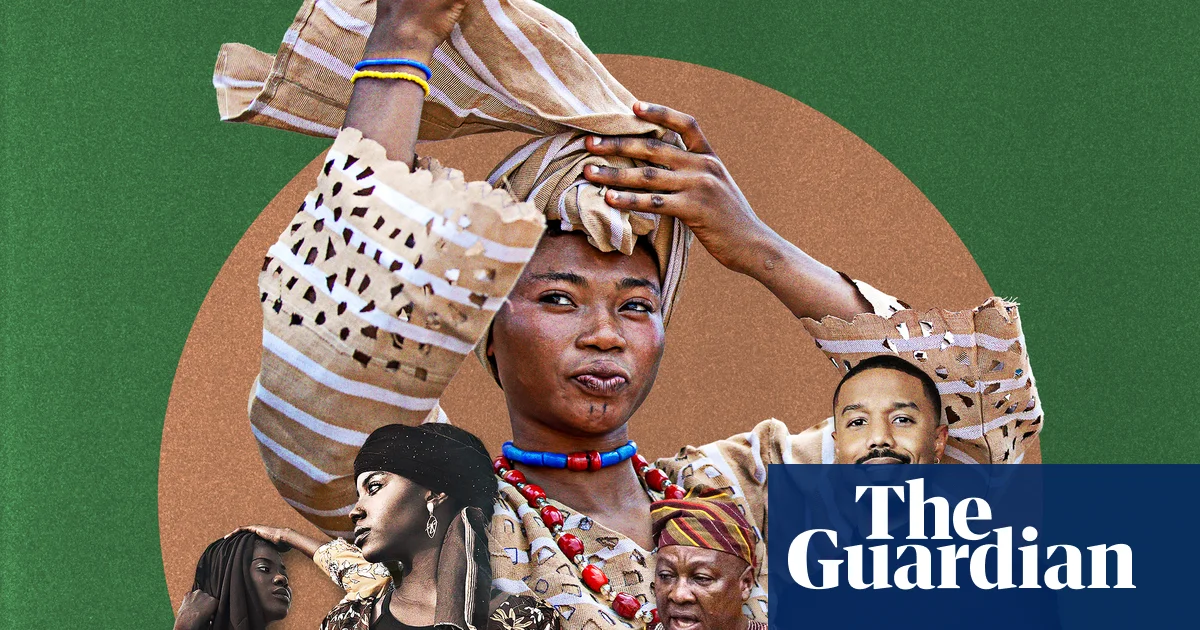
In a world increasingly shaped by fast-paced global trends and digital influences, a fascinating cultural revival is quietly underway across Africa and among diaspora communities. This movement centers around the re-emergence and celebration of traditional attire, which, despite facing some criticism and misunderstood perceptions, is gaining momentum as an expression of identity and social relevance. Recently, such discussions gained media attention after Ghanaian President John Dramani Mahama was seen donning the fugu, a vibrant patterned smock, during a state visit, sparking both mockery and a broader conversation on the significance of cultural clothing in modern society.

This incident led the Ghanaian government to declare every Wednesday as “Fugu Day”, turning what was initially light-hearted mockery into a national movement. This phenomenon reveals a deeper societal undercurrent — that *wearing traditional dress* is not just about fashion but about anchoring oneself in heritage, asserting cultural pride, and challenging the misconception that tradition equals primitiveness. From Nigeria, Sudan, Morocco, to Senegal, traditional garments like the galabeya, kaftan, and dashiki are transforming fashion norms by blurring the lines between heritage and contemporary style, especially among youth and influencers who are redefining what it means to be culturally authentic in today’s world.

Among younger generations, particularly those living in the diaspora, traditional dress is experiencing a **complex shift**. While some embrace their cultural garments openly, others see them as symbols of old-world association or even stereotypes, which has fueled a form of dress-code ambivalence. As sociologists note, there exists a social divide: older generations view traditional attire as an essential part of their identity, whereas *the younger diaspora* often perceives these garments as *out of place* or even a marker of alienation from Western norms. Yet, paradoxically, dynamic influencers and designers are turning this narrative on its head, promoting traditional clothing with contemporary cuts, sustainable fabrics, and bold prints, positioning it squarely as a *trend that’s both authentic and fashion-forward*.

Notable figures like Michael B. Jordan sporting dashikis on red carpets exemplify how traditional aesthetics can be seamlessly integrated into the Western fashion scene, challenging the long-held notions of what ‘acceptable’ dress entails. Meanwhile, *cultural commentators and fashion analysts* argue that the rise of traditional wear is a form of *cultural resistance*—a statement of independence against the dominance of synthetic, muted palettes that often dominate Western fashion. As these garments regain prominence, questions swirl around the **social relevance** of dress codes that once divorced cultural symbols from everyday life. Now, traditional attire is being *mainstreamed* into youth culture, social media campaigns, and even political statements, fueled by influencers, musicians, and creatives who advocate for *authenticity over assimilation*.

However, amidst this wave of cultural resurgence, the **next big question** looms: Will this embrace of traditional dress lead to a more profound societal shift toward *cultural pride and diversity*, or is it just another trend that will fade into the digital ether? Or perhaps, as some sociologists suggest, it is pointing to a future where *multiple identities are not mutually exclusive* but coexist as part of a broader, more inclusive cultural narrative. As we witness this lively dance between tradition and modernity, one thing remains clear — the future of fashion and identity lies in whether we choose to *celebrate our roots* or risk losing sight of what makes us distinctly cultural beings.

Are Traditional School Uniforms Fading? Why Some Schools Are Embracing 'Active' Dress Codes for a Modern Generation
Are Traditional School Uniforms Fading? Why Some Schools Are Embracing ‘Active’ Dress Codes for a Modern Generation

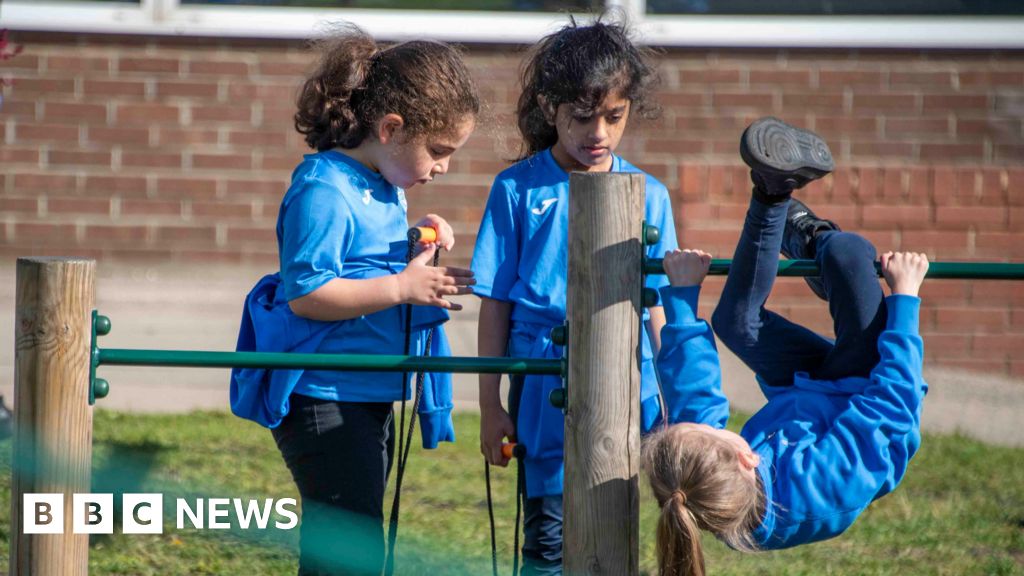
In recent years, a notable trend has emerged within the sphere of urban education policy: the push toward relaxed school uniforms. Advocates argue that this shift caters to the practical needs of children, fostering a more comfortable, inclusive environment where students can focus on learning rather than conforming to traditional dress codes. Such proponents maintain that allowing students to choose less restrictive attire diminishes the burdens placed on families—particularly those from economically disadvantaged communities—and encourages a healthier, more dynamic atmosphere conducive to physical activity and creative expression. However, beneath these promising perceptions lies a complex web of social tensions and cultural shifts that reveal much about the evolving landscape of our shared societal values.

As sociologists like Dr. Jane Harper of the Social Dynamics Institute observe, educational attire has historically served as an important marker of social cohesion and discipline. Traditional uniforms aimed to diminish inequalities rooted in socioeconomic disparities, fostering a sense of collective identity among students. Moving towards more relaxed standards raises questions about whether such policies inadvertently undermine efforts to promote equality and discipline, or whether they reflect a necessary adaptation to the realities faced by modern youth. Critics warn that loosening dress codes might subtly erode the boundaries that help ground responsibility and decorum—values that have historically anchored communities and shaped moral development among young people.

This debate is further compounded by the fact that families are at the crux of this social transformation. For many parents, particularly from working-class communities, relaxed uniforms can ease morning routines and reduce financial strain—no longer requiring costly gown purchases or strict adherence to dress standards. Yet, others fear that such shifts could embolden a broader cultural move away from respect for tradition and authority, challenging communal norms that foster social stability. As social commentator Marcus Holloway notes, these policies are not simply about clothing; they are emblematic of a larger struggle over cultural identity and the societal values that shape our youth, our families, and the future of our collective life.

  • Many schools and districts are experimenting with relaxed uniform policies aimed at increasing student comfort and participation in physical activities.
  • Concerns persist that these changes could weaken social cohesion or diminish the educational environment’s moral authority.
  • Cultural tension exists between maintaining order and embracing individual expression—a fine line that influences family life and community morale.
  • Solutions proposed include community dialogue, clear guidelines balancing freedom with responsibility, and fostering a shared understanding of societal values among students.

Ultimately, the debate over school uniforms encapsulates larger questions about who we are as a society and what we value most in nurturing future generations. As sociologists remind us, these choices reflect and influence the moral fabric of our communities. As families and educators navigate this terrain, they are tasked with balancing personal freedom and societal responsibility, striving for an environment that supports both individual growth and social stability. The path forward remains uncertain, but it is within this ongoing conversation—rooted in respect, shared purpose, and the hope for a unified society—that the true challenge and opportunity lie: to build a future where societal bonds are reaffirmed, and each generation inherits a shared commitment to moral excellence and community resilience. Only then can society hope to confront its social issues not as insurmountable barriers, but as catalysts for meaningful transformation.

Late-night pub openings undermine traditional values and societal spirit

Recent government initiatives, such as extending licensing hours for pubs and alcohol sales, reveal a troubling societal shift that impacts families, education, and community cohesion. The move appears aimed at stimulating economic growth by encouraging late-night drinking, yet many analysts question whether this strategy addresses the core issues faced by our communities. At the heart of this debate lies a critical tension: how do we balance economic needs with the protection of public health and social stability? Sociologists like Frank Furedi warn that policies promoting unrestricted alcohol access may inadvertently deepen social divisions, foster unhealthy lifestyles, and erode the moral fabric that holds families together. The increase in alcohol-related harm, including the record-breaking 10,473 alcohol-specific deaths recorded in 2023 — and the society-wide cost of approximately £27.4 billion annually — serve as stark reminders of what excessive drinking engenders across generations.

The continuing trend of longer pub hours seems at odds with the NHS’s ongoing efforts to mitigate alcohol misuse, which deeply affects mental health and community stability. Alcohol misuse is associated with depression, anxiety, and violence, threatening the well-being of our youth and vulnerable populations. The social fabric frays further as families face the consequences of addiction, with children often bearing the emotional scars of parental neglect or chaos stemming from alcohol abuse. Social commentators, including Alan Walker, emphasize that these policies may serve the interests of commercial industries rather than the well-being of society, suggesting that the true solutions lie elsewhere. The challenge is ensuring that economic incentives do not overshadow moral obligations to protect vulnerable members of society and uphold the integrity of our communities.

In contemplating these policy choices, it becomes clear that the societal cost extends beyond health and economics to the core of our shared cultural values. The push for longer pub hours, coupled with efforts to introduce ID cards and restrict free speech, all signal a broader societal shift that increasingly questions the balance between individual freedoms and social responsibility. As historian Paul Johnson notes, societal health depends on strong, cohesive communities rooted in shared values and moral responsibility. When families are impacted by addiction, and communities struggle under the weight of social tensions, the promise of a resilient society seems distant. Yet, amidst these challenges, there remains hope. By fostering greater community engagement, strengthening national moral foundations, and resisting the influence of those who profit from societal harm, society can begin to repair the fractures. The future may hinge on our collective ability to prioritize *moral integrity* over short-term economic gains—an endeavor that begins with acknowledging the profound human impact of social policy decisions.

Empowering Voices: Sarah McLachlan Reflects on Her Journey Against Traditional Roles in Music and Beyond

Sarah McLachlan, a name once synonymous with the vibrant, empowering movements of the 1990s music scene, finds herself contemplating her artistic identity after an 11-year hiatus from releasing original songs. In her own words, she pondered, “What do I have to say at this point in my life?” Such introspection reveals a broader cultural conversation regarding the implications of identity, privilege, and societal expectation on artistry. McLachlan’s emergence during an era marked by the rise of female singer-songwriters, including luminaries like Alanis Morissette and the Indigo Girls, made her more than just an artist; she was a cultural icon who challenged conventional narratives and reshaped our understanding of gender roles in music and beyond.

McLachlan’s legacy can be traced back to her founding of Lilith Fair, a revolutionary music festival convened to celebrate female musicians and dismantle the prevailing gender biases of the industry. In a time when radio stations claimed it was “too much” to have more than one female artist on the airwaves, McLachlan bravely organized a series of all-female concerts that blossomed into a nationwide phenomenon. This bold move not only defied societal expectations but also drew attention to the, at times, insidious sexism inherent in the music industry. As cultural critic Tocqueville once noted in reference to democratic values, it is often the undercurrents of social mores that shape a culture’s identity. McLachlan and her contemporaries exemplified the resilience of women standing against such currents.

In her recent works, McLachlan continues to grapple with the complexities of her position in society. Addressing contemporary issues through songs like “One in a Long Line,” she projects her concerns regarding the erosion of women’s rights onto a canvas that resonates with upcoming generations. Her emphasis on community and unity stands as a counterpoint to divisive political narratives. McLachlan aptly states, “It’s about the generations coming forward and what we’re creating for them and what the world’s going to look like.” This articulation of legacy and responsibility aligns with the notions laid down by Ortega y Gasset, who emphasized the importance of the individual’s role within the broader societal context. McLachlan serves as both a witness and a participant, a voice urging younger generations to assert their own narratives in a world rife with complexities.

Ultimately, the recent resurgence of McLachlan’s work not only highlights her evolution as an artist but underscores the vital connection between culture, identity, and societal values. A new documentary, Lilith Fair: Building a Mystery, re-examines the festival’s powerful legacy, portraying the joy and solidarity it fostered amidst a backdrop of cultural turbulence. The documentary serves as both a reminder of what has been accomplished and a clarion call for future generations to continue the fight for equality and representation. As McLachlan herself muses, “Is it just fear? Is it control?” Thereby, she reflects the philosophical quest for understanding the roots of cultural dynamics that perhaps stymie progress. In a world where art often mirrors society, McLachlan exemplifies the enduring power of culture to shape identity and forge collective memory—a lingering echo of the past that resonates with hopes for a more promising future.

The rich tapestry of McLachlan’s life and work illustrates that culture is more than mere entertainment; it is a vessel of memory and an architect of tomorrow’s identity. In her lyrics and public stances, we witness the echo of G.K. Chesterton’s assertion that “tradition means giving votes to our ancestors.” For McLachlan, the reverberations of the past fuel her ambition to craft a future defined not by constraints but by compassion and creativity. As we engage with her music, we are reminded that culture not only preserves our identities but also foretells the ever-evolving narrative of humanity—a narrative that is at once a reflection of who we have been and a prophecy of who we may yet become.

Blackpink Turns Heads at Coachella in Traditional Hanboks

Blackpink’s Historic Coachella Performance and the Rising Role of Korean Culture in Global Politics

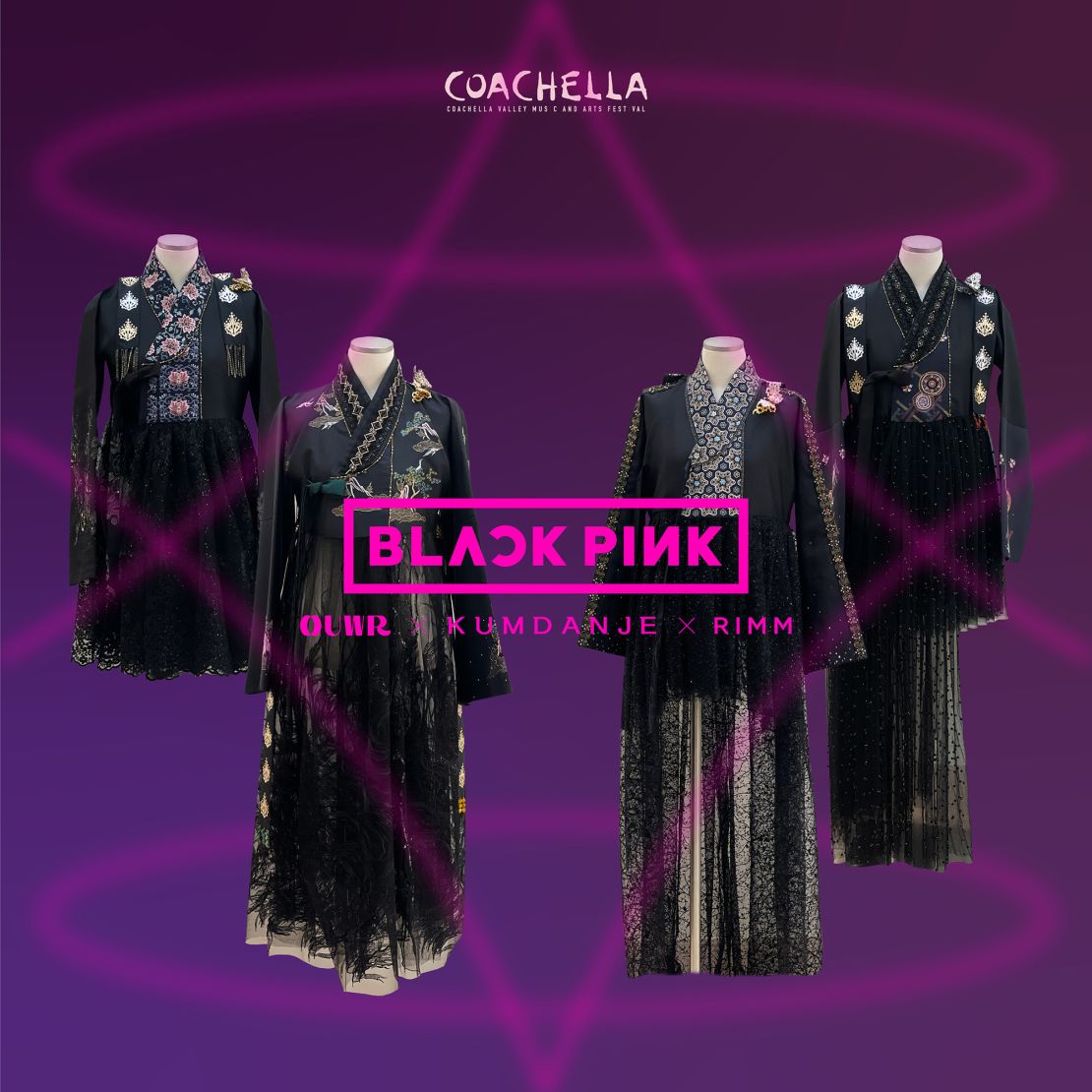
In a moment that transcended entertainment and echoed across the geopolitical landscape, Blackpink, the iconic K-Pop girl group, made history at Coachella 2023 by becoming the first Asian act to headline the festival. Their performance, attended by over 125,000 fans, was not merely a display of musical talent but a deliberate assertion of cultural pride. The group honored their Korean heritage by debuting on stage in stunning hanboks, traditional Korean garments richly embroidered with symbolic motifs. This act was a potent statement, intertwining fashion, culture, and geopolitics, highlighting how nations leverage cultural diplomacy to elevate their influence on the international stage.

The significance of this moment extends far beyond the festival grounds. By incorporating hanboks into their performance, Blackpink subtly challenged Western-centric narratives that have historically marginalized Asian cultures in global pop and political spheres. According to cultural analysts, such displays of cultural pride serve as a form of soft power—an assertion of identity in a world often dominated by Western hegemony. The group’s ability to seamlessly fuse traditional Korean elements with modern pop iconography exemplifies the rising influence of South Korea as a cultural powerhouse, capable of shaping international perceptions and expanding its soft power reach.

The Cultural and Political Roots of Korea’s Expanding Global Influence

In recent years, South Korea has steadily ascended as a major player in both global culture and geopolitics. From the global dominance of K-Pop to Korean cinema’s critical success, the country’s cultural exports have become vital tools for shaping international narratives. Historians and geopolitical commentators argue that this cultural ascent correlates with South Korea’s strategic state policies aimed at fostering national pride and leveraging cultural diplomacy as a counterbalance against North Korea’s persistent threat. The use of traditional garments like hanboks during such high-profile events signals an intentional effort to promote Korea’s rich heritage, making cultural identity a cornerstone of their nation-branding strategy.

Furthermore, the appearance of hanboks with intricate embroidery or modern adaptations at major fashion events—such as Seoul Fashion Week or Milan Fashion Week—demonstrates a deliberate attempt by Korean designers to present their culture globally. International organizations and industry analysts alike recognize this as a calculated move that consolidates Korean soft power, bolster ties with diaspora communities, and perpetuate a narrative of cultural resilience. This is especially critical considering the regional tensions in East Asia, where soft power becomes an essential tool for diplomacy and influence without direct confrontation.

Fashion as an International Language of Power and Identity

The spectacle at Coachella was not only cultural but also deeply political. Internationally renowned fashion brands like Dolce & Gabbana and local artisans contributed to the group’s look, transforming their stage into a visual manifesto of Korean cultural resurgence. As historians note, fashion has long served as an expression of power and identity—witness Madonna’s Jean Paul Gaultier cone bras or Geri Halliwell’s Union Jack mini dresses—each moment capturing a turning point in cultural history. The use of hanboks, embroidered with symbols of royalty like peonies, underscored a refusal to let traditional culture be confined to the past, instead presenting it as a living, breathing force shaping Korea’s future aspirations.

As the world watches this evolution, the message is clear: nations are increasingly aware that soft power through culture can reconfigure global narratives, shape alliances, and influence societal perceptions. The cultural diplomacy embodied by Blackpink’s groundbreaking performance, therefore, marks not just a moment of teenage fanfare but a pivotal junction in the ongoing contest for influence—where tradition meets modernity on the grand stage of geopolitics.

If history is any guide, the echoes of this event will resonate through generations, a testament that when nations harness their cultural symbols at moments of global visibility, they carve their names into the fabric of history. As we stand on the brink of further shifts, one thing remains undeniable: the stages of the world are the new battlegrounds for influence, where tradition and innovation collide amid the relentless tide of change.

Social Media Auto Publish Powered By : XYZScripts.com