Matox News

Truth Over Trends, always!

Australia Updates: Free Public Transit Extended in Victoria, Man Charged with Murder in NSW

Global Impact Unfolds as Regional Policies and International Tensions Shape the Future

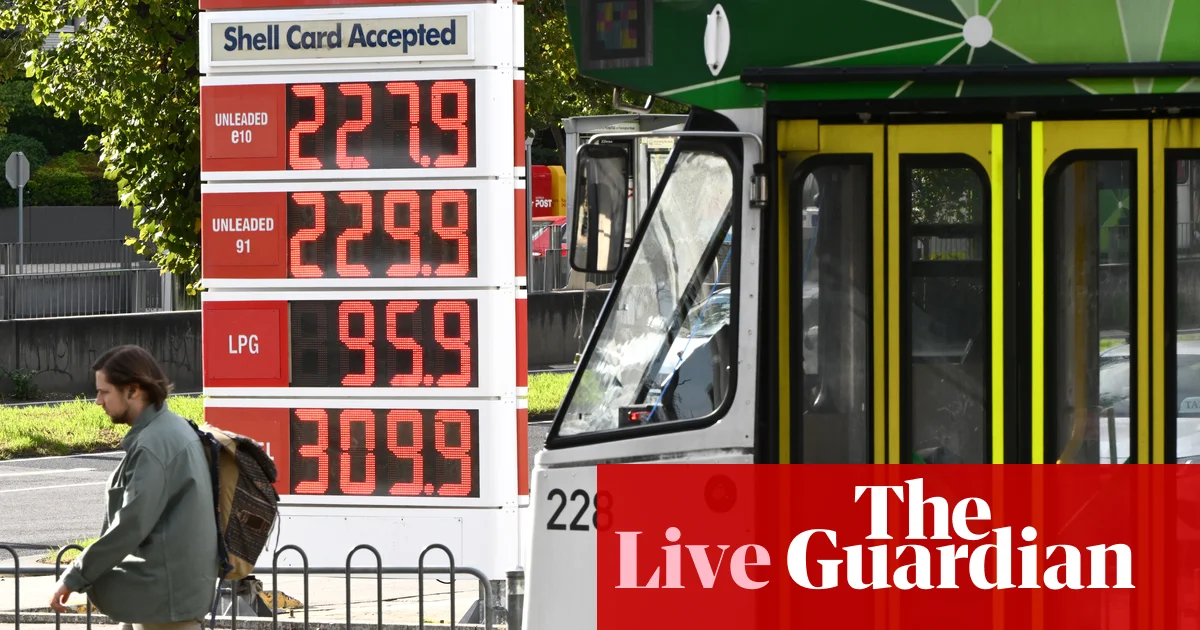
In a move reflective of the broader geopolitical currents shaping the 21st century, Victoria, Australia, has announced an extension of its ambitious public transport relief program. This measure, which initially aimed to combat rising fuel costs and provide a cost-of-living shield for residents, now extends until the end of May with subsidized fares set to continue through the year. The decision echoes a global trend among youth-oriented governments seeking populist support ahead of key elections, but it also underscores a deeper crisis of economic resilience in the face of shifting energy markets. With $400 million allocated in the upcoming budget, Victoria’s policymakers attempt to navigate the wider fiscal storm impacting many similar jurisdictions worldwide.

Yet, as these domestic moves play out, international tensions continue to simmer under the surface, with a particularly stark example emerging from the Strait of Hormuz. The former Australian Nationals leader David Littleproud has openly called for Australia to intervene in this strategic waterway. Given that roughly 20% of global oil shipments pass through this narrow corridor, the closure of the Strait threatens to trigger catastrophic spikes in global energy prices and, by extension, economic fallout on a scale reminiscent of the 1970s oil crises. Littleproud’s plea for Australia to “interject” aims to restore the “safe navigation” of tankers, warning that a failure to act could induce a worldwide recession, with analysts like those at the International Energy Agency warning of potential chaos if tensions escalate further.

This international dispute fuels the broader narrative of a fractured liberal order, where regional conflicts threaten to ignite larger alliances and rivalries. The specter of a destabilized Middle East, combined with global energy dependency, is prompting thoughtful voices—such as respected historians and foreign policy analysts—to warn that the decisions made today will determine the trajectory of global stability for decades. Furthermore, the political actors in Australia, increasingly aware of their geopolitical importance, are urged to balance regional security interests with the national imperative to avoid entangling military conflicts. The danger of such conflicts spilling into broader proxy wars or economic sanctions underscores the fragility of international peace efforts.

Domestic Turmoil and International Dilemmas Intersect

While political leaders debate intervention in foreign disputes, domestic issues—the tragic loss of life at Melbourne’s Supanova convention and the ongoing investigation into a woman’s murder in New South Wales—highlight the societal challenges faced by nations in turmoil. The incident outside Melbourne Showgrounds, where a pedestrian was tragically killed, and the arrest of a 25-year-old man on murder charges, serve as a grim reminder that social stability remains an elusive goal amidst economic and geopolitical upheaval. These local tragedies resonate globally, prompting international observers to question the societal fabric and the effectiveness of law enforcement strategies.

Conclusion: The Unfolding Tapestry of Today’s World

As the Victoria government extends its economic relief measures and Australia contemplates international intervention, the shards of a fractured global order become painfully evident. Each decision—domestic or foreign—intertwines in the complex, unpredictable fabric of history—a fabric that will define the lives of future generations. The tension in the Strait of Hormuz and the local tragedies on Australian soil serve as stark symbols of a world at a crossroads — where youthful governments seek to reassure their citizens, and powerful nations grapple with the consequences of their actions. In this moment, history whispers again: the choices of today will echo eternally into the uncertain dawn of tomorrow.

Uber and WeRide launch Abu Dhabi’s first truly driverless robotaxis—ready to revolutionize city transit

In a landmark development for autonomous mobility, Chinese autonomous vehicle firm WeRide and Uber have officially transitioned their Abu Dhabi robotaxi service from testing to driverless operations, marking a significant milestone in global AV deployment. After a year of rigorous testing and regulatory approvals—highlighted by WeRide’s recent federal permit from the UAE—the service now operates entirely without human safety operators, opening a new era of disruption for urban transportation. This move not only demonstrates the technological maturity of Chinese AV startups but signals a strategic push by Uber to cement its position in emerging autonomous markets outside North America and China.

The service, launched on Yas Island—home of high-profile events like the Abu Dhabi Grand Prix—represents an extension of Uber’s broader vision to scale driverless transportation across multiple regions. Similar to Uber’s partnership with Waymo in Austin, the Abu Dhabi operation leverages local regulatory advances and robust integration with Uber’s core app infrastructure, allowing users to opt into fully autonomous rides with a simple toggle. This reflects a fundamental shift—marking not just a technological breakthrough but an industry-wide disruption poised to commoditize premium mobility. Uber’s strategy exemplifies a new chapter where autonomous fleets could eventually supplant traditional ride-hailing, creating a more efficient, cost-effective model for urban mobility.

Market analysts like Gartner and MIT’s Transportation Lab highlight that Uber’s recent and anticipated autonomous deployments foreshadow a transformative effect on the transportation industry—particularly in how urban congestion, safety, and operational costs are managed. Uber’s extensive partnerships with over 20 AV companies—including May Mobility, Volkswagen, and leading Chinese firms such as Pony.ai and Baidu—underline its ambition to diversify its portfolio of self-driving applications. The company’s move into major markets like Abu Dhabi and future plans for cities such as Dubai underscore a competitive environment where disruption is accelerating: traditional taxi and ride-hailing revenues are under imminent threat, giving way to a new autonomous paradigm.

The business implications of these advancements extend beyond mobility. Uber’s strategic alliance with AV tech firms has laid a foundation for revenue streams in micro-mobility, logistics, and even freight—areas where autonomy promises exponential cost reductions and operational agility. With Uber CEO Dara Khosrowshahi openly forecasting deployments in at least ten cities by 2026, the competitive landscape is set to intensify. Disruption in urban transit markets is expected to accelerate as these innovations crack the code on safety, scalability, and regulatory hurdles—factors that have traditionally slowed adoption. This aggressive rollout trajectory not only promises economic rewards for early entrants but positions Uber as a pivotal player shaping the future of how societies mobilize.

Looking ahead, the next 12 to 24 months will be critical in determining whether these autonomous innovations can achieve the widespread adoption necessary to redefine urban landscapes. Emerging markets like the Middle East—with their rapid development goals and openness to cutting-edge solutions—are emerging as fertile testing grounds for AV commercialization, signaling a global shift toward disruptive mobility. As industry giants and startups race to perfect driverless technology, the urgency for regulators, investors, and consumers to adapt to this evolving landscape intensifies. The question remains: will the tipping point arrive sooner than expected, ushering in a new era of disruption, or will technical and regulatory challenges delay mass adoption? Given the current pace, it is clear that the future of transportation is not just approaching—it is already here.

Social Media Auto Publish Powered By : XYZScripts.com



