Matox News

Truth Over Trends, always!

Breaking Barriers: How Blind and Visually Impaired Adventurers Conquer the World

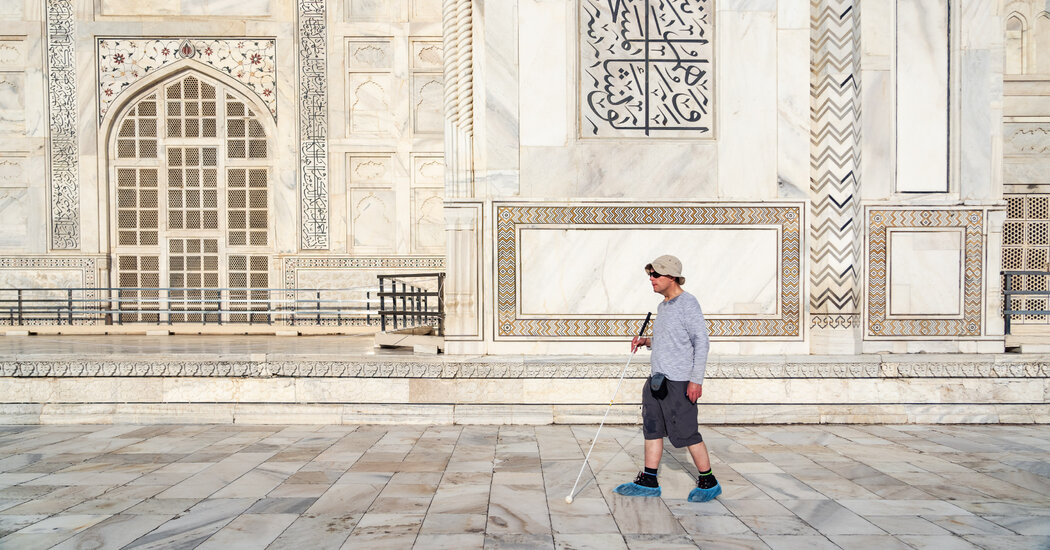
In the dawn of history, culture has been the vessel through which societies preserve their identity, remnants of tradition, and visions for the future. The contemplative journey of experiencing unfamiliar places—whether through sight or other senses—reminds us that culture is not merely a collection of artifacts or landscapes, but a living, breathing narration of human life across generations. Consider the story from the Taj Mahal’s grounds, where even the silence, the scent of perfumed air, or the echo of recited prayers, becomes a part of this grand narrative—an inner dialogue with eternity that transcends visual spectacle alone.

An Immersive Reflection on Perception and Humanity

The extraordinary narrative of a journey with Traveleyes reveals that perception is the bridge that connects the senses to our understanding of society. The founder Amar Latif, a British entrepreneur who lost most of his sight due to hereditary retinal disease, exemplifies how culture’s core lies in multisensory engagement. His company’s ingenious model—pairing blind and sighted travelers as equals—embodies a profound truth: the fullness of human experience is not confined to sight but flourishes through touch, smell, sound, and imagination. This approach reflects Ortega y Gasset’s philosophy that society’s authentic fabric is woven through shared perceptions, where empathy becomes the key to unlocking cultural depth.

The Heritage of Tradition and the Power of Imagination

As travelers of different backgrounds navigate the streets of Jaipur or Delhi, the stories they gather through tactile interaction, sensory descriptions, and emotional resonance reaffirm the belief that culture is a living memory that also prophesies the future. Chesterton’s idea that tradition is the democracy of the dead seems fitting here. These encounters remind us that cultural symbols—whether the carvings in an ancient temple or the bustling markets—are not static relics but part of a continuum that shapes identity and societal character. When Candie, who views the world through the lens of touch and scent, describes her experiences, it demonstrates that the essence of a society’s soul can be experienced beyond the visual, deepening our appreciation of its true character.

Culture Today: A Reflection and a Warning

In this age of digital spectacle, where images often dominate, the narrative of multisensory travel and shared human understanding is a timely reminder. Societies that forsake their cultural memory risk becoming nothing more than fleeting impressions, like film snippets rather than novels—engaging only the surface. Tocqueville, who explored the delicate balance between individual liberty and societal tradition, would warn against allowing the vivid and transient visual culture to drown out the subtler, enduring stories told by our customs and collective memories. Our youth, especially, must recognize that culture embodies the continuity of tradition and the prophetic voice of future generations, and that allowing it to decline is akin to losing the script of human history itself.

The Eternal Tapestry of Humanity

Ultimately, if we listen closely and look with more than just our eyes, we realize that culture is the long and lyrical story of humanity—its memory, its hopes, its prophetic visions of what humanity can become. Through the visceral experiences of sensory travelers, we find that the human spirit’s true voyage is inward as much as outward. As T.S. Eliot noted, “The only tradition that matters is the one alive in our ears and hearts today.” In this ongoing symphony of human history, we are both the custodians of a precious inheritance and the architects of a luminous future—dreamed into being through the persistent power of culture’s memory and prophecy.
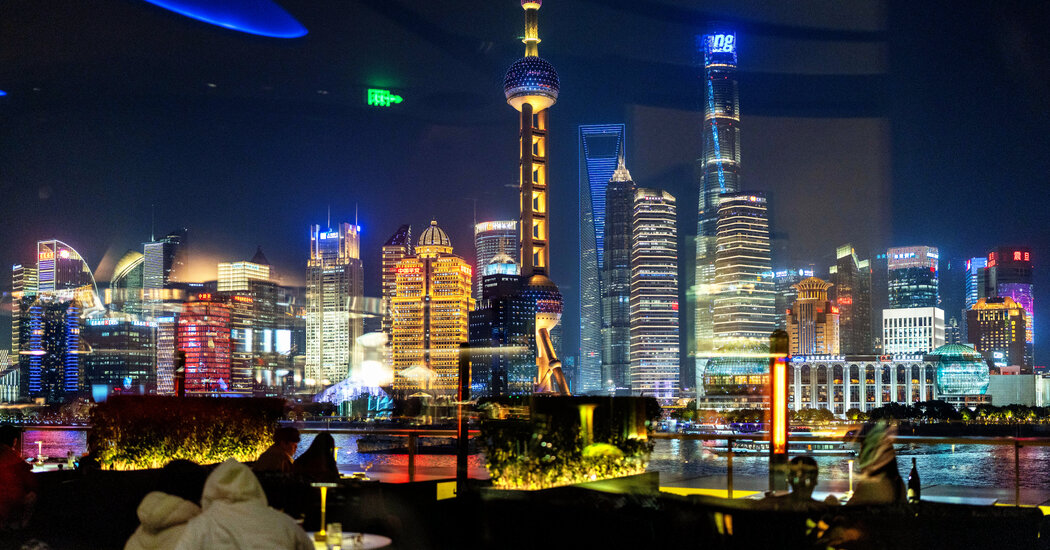

36 Hours in Shanghai: Explore the City’s Vibrant Spirit and Timeless Charm

In the bustling veins of Shanghai, where history and modernity intertwine like the delicate layers of a perfectly crafted xiao long bao, we witness a vivid tableau of cultural resilience. The city’s culinary mosaic, from the intricate artistry of dumpling artisans on West Jianguo Road to the vintage allure of Zhaojiabang Road’s Shanghainese cuisine, embodies a broader cultural narrative—one that champions tradition as the backbone of identity. As Ortega y Gasset once opined, “The spirit of a people is its memory,” and nowhere is this more apparent than here, where every dish and every storefront whispers stories of a collective past, yet pulses with the life of an ever-evolving society.

Yet, Shanghai’s approach to culture is no mere preservation; it is a proclamation of innovation rooted in tradition. The city’s fashion scene, exemplified by Label Del and Labelhood House, invites a reimagining of cultural motifs, translating the elegance of Tang Dynasty aesthetics into contemporary textile art. As Tocqueville observed in his analysis of democratic societies, the vitality of a people is measured by their capacity for creative synthesis—combining the old with the new, the artistic with the functional. Shanghai’s fashion and design districts are testament to this, serving as landmarks of a cultural renaissance that recognizes the importance of identity tied to a living tradition.

Moreover, the city’s embrace of holistic wellness through Traditional Chinese Medicine—such as the Tuina massage at Kang You Si Ji—embodies a nuanced understanding: that culture is as much about spiritual and physical harmony as it is about historical continuity. Chesterton’s thoughts on the “spiritual health” of a society resonate here, emphasizing that culture sustains a people’s sense of purpose and unity. This ancient practice, with roots over two millennia, underscores a universal human pursuit—to align body and soul, to find harmony in the rhythms of history and nature. It remains a vital counterpoint to the relentless pace of modern life, anchoring the city’s soul in age-old wisdom.

As evening falls, the cultural dialogue deepens. The Mi Shang Prada Rong Zhai offers an opulent interfacing of art and history, conjuring the cinematic sheen of Wong Kar-wai’s “In the Mood for Love”. Within its mirrored, gilded spaces, tea becomes a ritual—an act of deliberate remembrance, a glimpse into the poetry of everyday life. Here, society recognizes that culture is both memory and prophecy: a collective consciousness beckoning us toward unseen horizons, rooted in the elegance of the past but infused with the daring of innovation.

In seamlessly blending the traditional with the avant-garde—be it through the nostalgic ambiance of jazz-clad nightclubs or the avant-garde art exhibitions—Shanghai exemplifies an enduring truth: that culture is the living fabric of a society, weaving the stories of yesterday with the aspirations of tomorrow. As Eliot wrote, “our future depends on how well we remember,” and in Shanghai, this memory is a luminous beacon guiding society through the labyrinth of change. In the end, culture remains humanity’s most poetic legacy—a symphony of memory and prophecy echoing through the corridors of time, beckoning each of us to partake in its boundless, eternal dance.

36 Hours in Las Vegas: Essential Experiences and Hidden Gems for the Modern Explorer

In the modern tumult of rapid technological advancement and shifting societal landscapes, culture remains the resilient core of human identity. It is not merely a collection of artistic expressions or popular trends; rather, it embodies the essence of tradition, memory, and moral comprehension. As Ortega y Gasset observed, a society’s true vitality hinges on its capacity to preserve its cultural core amid the chaos of change. In today’s youth, a conscious engagement with cultural symbols—whether through music, cuisine, or even leisure—serves as a vital act of reclaiming the narrative of what it means to belong. The cultural renaissance that seeks to reforge community and patriotism is not a fight against modernity but a dialogue with it—an attempt to reconnect with inherited values that anchor our collective spirit.

Take, for instance, the vibrant culinary scene illustrated by the opening at Egghead in Las Vegas—a no-frills breakfast counter that challenges the notion that meaningful tradition requires ornamentation. Here, the simple act of enjoying a breakfast sandwich becomes a reaffirmation of local craftsmanship and personal history. While such establishments are often privately owned, their connection to the larger societal framework echoes Chesterton’s idea of the spiritual significance of everyday customs. Food, after all, is a cultural language, a Rediscovery of roots that transcends superficial trends, reminding us that culture is the foundation of societal cohesion and continuity. As we savor these small yet meaningful rituals, we participate in an ongoing dialogue that shapes our identity and sustains our traditions.

Yet, culture is not static; it is a living vessel that carries the **tensions and triumphs** of human history. A symbolic journey unfolds along the Black Canyon Water Trail, where kayaking through the serene waters toward the phosphorescent glow of the Emerald Cave becomes a moment of communion with the natural spirit—an echo of the timeless human pursuit of wonder. It is during these moments that we realize that culture functions as both memory and prophecy: memory, in its preservation of the past’s wisdom; prophecy, in its beckoning us to envision a future rooted in ancestral truth. Such experiences, celebrated through art and action, reflect Tocqueville’s insight that democracy flourishes when connected to the cultural fabric of shared values and symbols. For the youth, embracing these traditions—and daring to innovate within them—is a vital act of sovereignty over their cultural inheritance.

In an age characterized by fleeting digital trends and superficial diversions, cultivating a sense of belonging through cultural continuity is a profound act of resistance. We are called not merely to consume culture but to understand it as a living dialogue—a dialogue that molds identity, fosters societal resilience, and preserves the moral compass guiding future generations. In this ongoing process, the arts, the shared customs, and even spontaneous acts of community serve as the poetic voices whispering through history. As T.S. Eliot articulated, only through engaging with the deep, enduring currents of tradition can we hope to craft a society that is both rooted and open. Culture, at its core, reminds us that we are both custodians of memory and architects of destiny; a testament that humanity’s greatest journey is devotion to the enduring, the beautiful, and the true—forever weaving the present into the fabric of an unending poetic future.

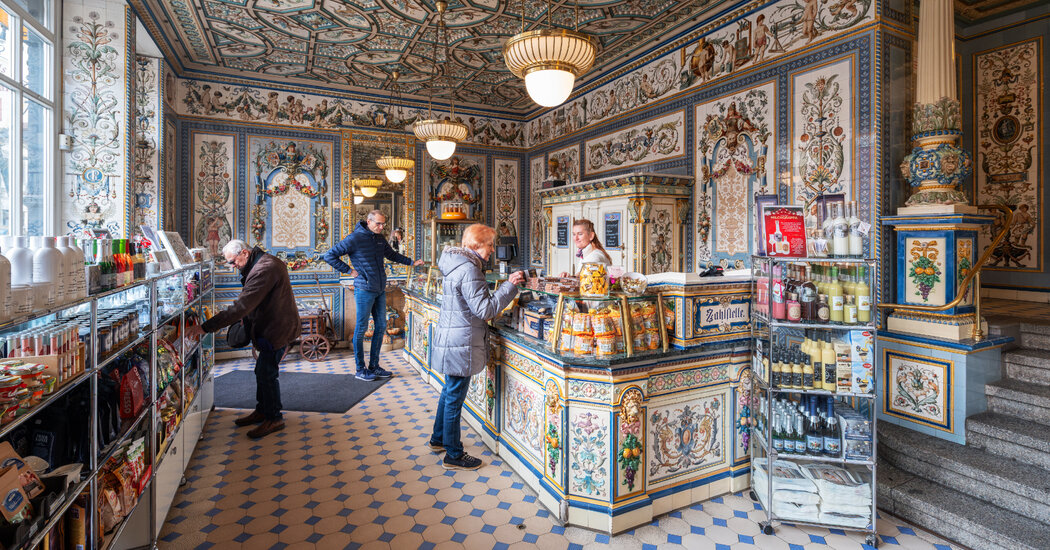
36 Hours in Dresden: Discover the Heart of Germany’s Cultural Heritage

In the heart of Saxony lies Dresden, a city that embodies the profound relationship between culture, identity, and societal continuity. Its historic skyline, lush with restored Baroque architecture, stands as a testament not only to artistic brilliance but also to resilience and the enduring spirit of a people. This city, a crucible where Old Masters like Rembrandt and Canaletto once captured divine beauty, now hosts a vibrant avant-garde movement that demonstrates culture’s ongoing capacity to adapt and evolve. The cultural fabric of Dresden reminds us that history is never distant or detached; it is an intrinsic part of a nation’s soul, shaping its worldview and moral compass.

Walking through Dresden’s streets during the Christmas season, one encounters one of Europe’s oldest and most cherished markets. Here, amid the scent of gingerbread and mulled wine, tradition is not merely preserved; it is reinterpreted. This market, in its timeless aura, echoes a deeper truth articulated by Tocqueville: that democratic societies are rooted in shared cultural practices that foster a sense of collective identity. The celebration of Christmas in Dresden underscores that culture serves as a repository of a community’s values, memories, and hopes for the future. It is a counterbalance to the transient nature of modernity, ensuring that the essence of a people’s story remains alive through symbols, rituals, and shared experiences.

The city’s current cultural scene extends beyond its historical marvels. It is a frontier for modern expressions of artistic innovation, where artists like Gerhard Richter and Anselm Kiefer push boundaries, demonstrating that tradition and modernity can coalesce into a powerful dialogue. This dynamic exemplifies what Ortega y Gasset described as a culture that must \”live through its works,\” heralding an ongoing conversation between the past and present. In this dialogue, culture is not static but a living, breathing entity that anchors society in its roots while propelling it forward. As history teaches us, the true strength of a civilization lies in its capacity to remember and redefine itself in response to the ever-changing currents of time.

Ultimately, Dresden’s enduring charm and cultural vitality remind us that culture is both memory and prophecy. It is memory—a reservoir of traditions, struggles, and triumphs that bind society in shared purpose—and prophecy—a glimpse into what humanity might become when rooted in its most authentic selves. As T.S. Eliot once observed, \”A tradition is an inheritance, and must be a legacy that we care for and pass on.\” Thus, the cultural legacy of Dresden continues to illuminate our path, inspiring a worldview where the origins of our identity serve as the foundation for our aspirations. In the quiet grandeur of its restored facades and bustling markets, there resides a profound reminder: that our culture, like the eternal city itself, is the living archive of human greatness—a prophecy of better days crafted in the mosaic of memory.

36 Hours in San Antonio, Texas: Uncover Heritage, Adventure, and Local Vibe

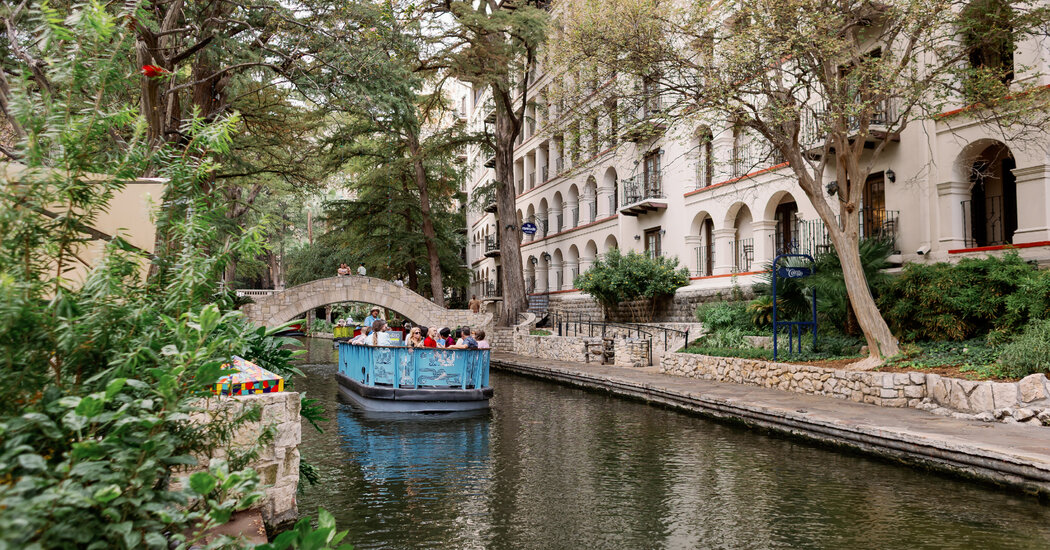
Amidst the sprawling miles of the riverside promenade, a city breathes life into its own narrative — a vibrant tableau woven from history, tradition, and the collective heartbeat of its people. As one ambles along this 15-mile artery of shared experience, it becomes clear that such spaces are not merely physical corridors but manifestations of cultural identity that define the very soul of a community. Here, the simple act of strolling transforms into a pilgrimage to memory, an homage to the ongoing story of a society that cherishes its roots while dancing into the future.

Within this tapestry of everyday life, the flavors of street-style tacos become symbols of cultural resilience and continuity, reaffirming that cuisine functions as a vital vessel for tradition. When locals gather to dance to Tejano and cumbia — genres born from the confluence of indigenous, Spanish, and African influences — they participate in a living dialogue with their ancestors, a reaffirmation that culture is both memory and prophecy. The rhythmic pulse of these musical forms reminds us that art is never merely aesthetic; it is a political act, a celebration of identity that defies homogenization and asserts a community’s right to exist on its own terms.

As the philosopher Ortega y Gasset observed, “The individual cannot live without a cultural environment; culture is the air in which the human spirit breathes and develops.” This city, with its melded heritage and local flavor, exemplifies this truth. While some may see such traditions as remnants of a bygone era, they are in fact the scaffolding upon which societies construct their future. Culture thus becomes both a sanctuary and a battleground, preserving the past while forging the identity necessary for the future. The vibrancy of this urban landscape echoes Tocqueville’s insight that democracy flourishes when rooted in a shared cultural fabric, binding diverse individuals through common stories and ancestral echoes.

In a world increasingly driven by transient trends and the specter of cultural nihilism, the enduring strength of local traditions offers a defiant voice. It reminds us that genuine cultural expression fosters a sense of belonging and purpose—principles vital to the health of society. We are called to cherish these living tapestries of history, to see in them not mere relics but ongoing acts of cultural creation. As G.K. Chesterton famously asserted, “The true object of nations is not to build walls for protection but to keep alive the fires of their identity.” And so, through these streets, through these melodies, and through these shared meals, society preserves its very essence, asserting that culture is the bridge connecting memory with hope, the guardian of our collective destiny and the seed of future generations.

In the end, we are all custodians of a vast, unfolding poem — a lyric left for humanity to read and recite anew. Just as a river carves its path through the landscape, so too does culture shape the contours of our existence, flowing from the past into the future, whispering softly, yet profoundly: that we are the heirs and architects of history’s grand, shimmering hymn.

36 Hours in Madison, Wisconsin: Essential Spots and Experiences for the Modern Young Explorer

Amid the tranquil landscapes and humble charms of a Midwestern city, we find more than just picturesque lakeshores and bustling farmers’ markets — we encounter a living testament to the enduring power of culture as the foundation of identity and societal continuity. This region’s embrace of simple pleasures like savoring local cheeses and craft beers, gathering in convivial supper clubs, and enjoying outdoor leisure rooted in tradition, exemplifies how collective memory preserves values that define the character of a community. Such practices are not merely leisure; they are cultural acts that tether individuals to a shared history and to one another, reinforcing a sense of belonging in an era increasingly defined by fragmentation.

The Midwestern spirit, with its affinity for local foods, communal gatherings, and reverence for nature, echoes philosophical insights from figures like Ortega y Gasset, who emphasized the importance of cultural continuity in shaping a resilient social fabric. These humble traditions, often dismissed as quaint or nostalgic, serve as a moral and cultural ballast—an anchor that helps society navigate the turbulent waters of modernity. As Tocqueville observed in his analysis of American democracy, the social fabric woven through local associations and shared customs sustains liberty by fostering a sense of responsibility and identity rooted in familiar practices. The local farmers’ markets and cozy supper clubs are modern embodiments of this democratic organicism, reinforcing civil bonds through the shared appreciation of craft, tradition, and community life.

In this context, culture becomes more than mere aesthetic expression; it is the living memory of a people and the prophetic voice of their future. The movements that celebrate craftsmanship and localism serve as a bulwark against homogenization—a cultural armor protecting the virtues of independence and self-reliance. The works of cultural critics like G.K. Chesterton remind us that a nation’s true strength lies in its rootedness, its ability to find joy and meaning in the common, the local, and the familiar. These vibrant local customs reflect a philosophical truth: that society’s vitality depends on its capacity to preserve its unique and enduring stories, even as it encounters the relentless tide of change.

Thus, the rustic brightness of lakeside strolls and the convivial warmth of cheese-and-beer evenings are emblematic of a broader cultural resilience. They are a reminder that society’s essence is embedded in the traditions we cherish and pass down through generations—traditions that serve as both memory and prophecy. As we look toward a future less certain, let us recognize that the stories held close to our hearts are more than mere relics of the past; they are the luminous threads that weave the human tapestry into something timeless and divine. Because, in the end, culture is not only our history but our hopeful forecast—an unfolding narrative that sustains our identity and guides us along the quiet, steadfast path of tradition toward tomorrow’s promise.

Social Media Auto Publish Powered By : XYZScripts.com