Matox News

Truth Over Trends, always!

Alessandro Michele’s Roman Revival: How Beauty Evolves in Valentino’s Trendsetting Tribute

Fashion has always been a reflection of cultural identity, social values, and artistic expression, and Valentino Garavani embodied this ethos with his unwavering dedication to creating exquisite, beautiful clothing for the women who could afford them. The Italian designer, whose persona was as sun-kissed and glamorous as his creations, left an indelible mark on fashion history before his passing in January. His legacy is wrapped in the Mediterranean elegance of Rome, where he lived, worked, and ultimately became a symbol of timeless allure. Recently, the brand chose to honor this legacy by restoring its focus to Rome for its latest catwalk, signalling a conscious shift back to its roots amid a landscape of fast-paced, ever-evolving trends.

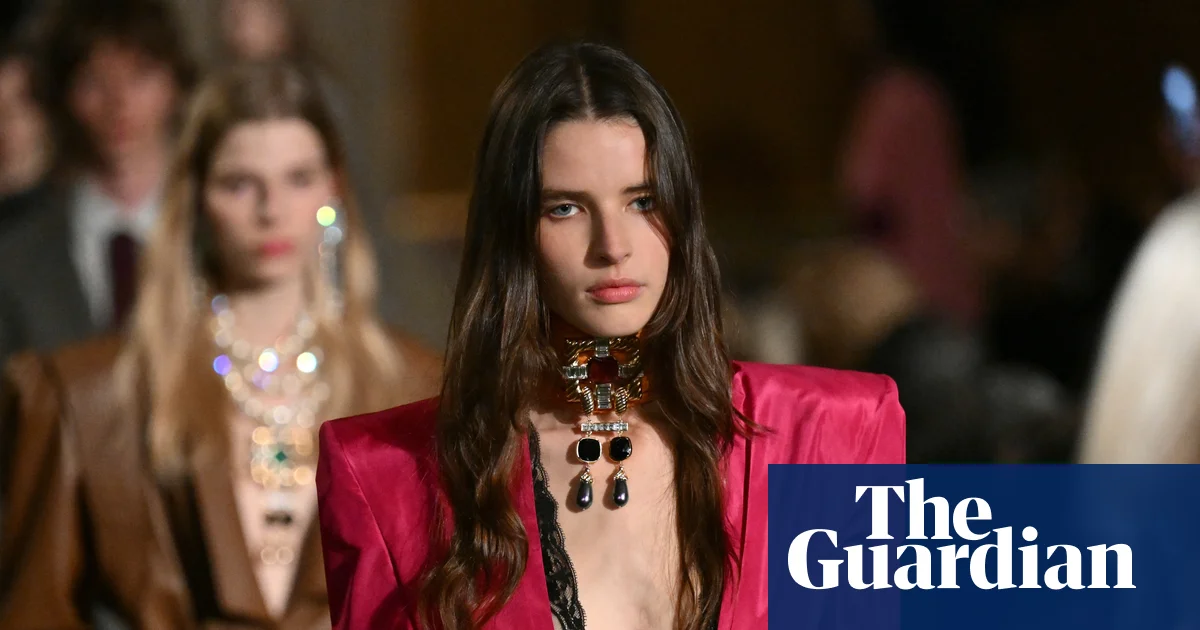
Gaining a deeper understanding of Valentino’s cultural impact requires examining the new creative direction under designer Alessandro Michele. Since taking over in 2024, Michele has used his platform at Valentino to push the boundaries of traditional beauty, infusing collections with a complex mix of political and social statements. Unlike Valentino Garavani’s straightforward pursuit of “making his girls look sensational,” Michele’s approach is more layered, blending aesthetics with commentary. For example, his recent collection, set in a stunning 17th-century palace in Rome, featured lace-dipped hems, draped tunics, and jewel-toned hues reminiscent of a vibrant, empowered 1980s era—an homage to a time when women were in control of their presence and identity. This shift to embracing a more \u201cunorthodox\u201d definition of beauty signals a broader cultural conversation, pushing fashion beyond superficial glamour to a space where social relevance is the new standard.

This transformation is further exemplified by Michele’s strategic use of symbolism in his designs and shows. His previous work at Gucci, which transformed the brand into a treasure trove of retro eccentricity, demonstrates a keen ability to redefine luxury by tapping into nostalgia and cultural moments. Now, by echoing the boldness of the 1980s and making personal connections—like dedicating the collection to his mother—Michele is redefining what it means to wear power and positivity through fashion. The collection’s historic Roman setting, intertwined with Valentino’s Hollywood connections—famous moments with Elizabeth Taylor and Sophia Loren—serves as a reminder that fashion’s social relevance has always involved storytelling rooted in societal icons and narratives. This intersection of history and contemporary messaging is demonstrating that high fashion isn’t just about external beauty but serves as a mirror for ongoing social shifts and cultural dialogues.

As the luxury industry faces rapid change, driven by new generations of consumers and shifting values, the most intriguing question is whether this era signals a broader trend of brands reasserting cultural significance. With Kering’s interest in acquiring Valentino and Michele’s potential to turn Valentino into a similarly influential cultural force as he did with Gucci, the evolving landscape poses a challenge to traditional notions of beauty and exclusivity. The question is: will fashion maintain its role as a social beacon, or will it withstand the growing pressures of consumer activism and digital transparency? The next chapter may very well hinge on whether designers and brands will prioritize social relevance and cultural storytelling over solely aesthetic pursuits—an evolution that could redefine the very purpose of luxury fashion in the digital age. As Michele himself reflects on the current moment—”working in fashion when there is a war outside”—the future of style might demand not only beauty but resilience, purpose, and a question: what role will fashion play in shaping society’s next values?
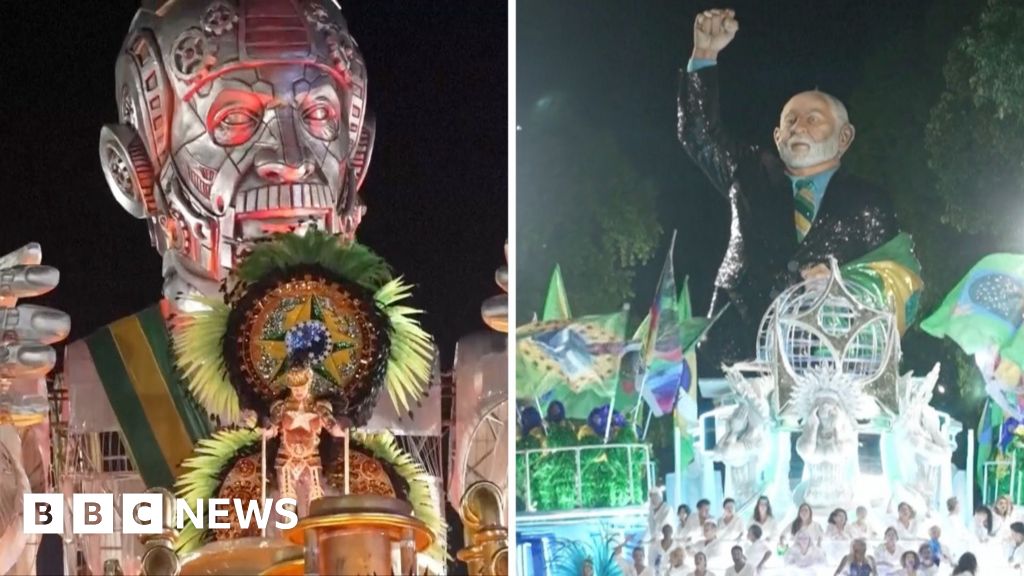
Massive robot tribute to Lula fails to impress at Carnival showdown

In an extraordinary display of cultural expression intertwined with raw politics, Brazil’s vibrant Rio de Janeiro Carnival once again served as a stage where history and modern conflicts collide. The opening parade, known for its colorful spectacle and cultural showcases, featured a tribute to President Luiz Inácio Lula da Silva that has stirred intense debate both domestically and internationally. The samba school Acadêmicos de Niterói presented a visual narrative tracing Lula’s rise from impoverished childhood in the Brazilian northeast to his influential decades as a metalworker, union leader, and ultimately, leader of the nation. Yet, despite its cultural significance, this tribute was notably awarded last place in the competition, signaling underlying tensions within Brazil’s political climate as the October presidential election looms large.

Observers highlight that the timing of the tribute has drawn criticism from opposition factions who argue it could be an early electioneering tactic. Critics contend that publicly honoring Lula during such a politically charged season blurs the lines between cultural expression and campaign manipulation, potentially violating campaign rules designed to ensure electoral fairness. As Brazil’s opposition groups gear up for a highly contested ballot, the controversy underscores the fragile state of democracy in a nation deeply divided along ideological and economic lines. Some international analysts warn of the broader geopolitical impact—Brazil’s internal politics are increasingly seen as a bellwether for regional stability in Latin America, with Lula’s presidency being scrutinized for its potential to shift alliances and regional diplomatic strategies.

Meanwhile, another samba school, Unidos do Viradouro, claimed victory in the carnival’s competition with a tribute to their legendary drum director, further exemplifying how cultural events in Brazil now serve as proxies for larger societal debates. The symbolism embedded within these performances is not lost on international political observers, who note that carnival — far from just entertainment — has become a mirror reflecting the nation’s internal struggles. Scholars from prominent think tanks and the United Nations have analyzed how such displays influence public perceptions of leadership, governance, and national identity.

As the world watches Brazil’s vibrant streets and the unfolding political saga beneath its dazzling costumes, the stakes extend beyond entertainment. The decision to honor Lula publicly amid mounting allegations of electoral interference signifies a potential turning point in Brazil’s democratic journey, one that could resonate across the continent. As history continues to unfold in samba beats and political rhetoric, the outcome of Brazil’s October elections may yet redefine the country’s trajectory—its path a narrative written by both the voices inside its borders and those observing from afar. In the shadows of Rio’s carnival festivities, the weight of history quietly awaits its next act, reminding the world that at the heart of this spectacle lies a nation at a crossroads—one where every decision reverberates with the potential to alter the course of history itself.

Once Upon a Time in Harlem: A Bold Tribute to the Renaissance Era | Sundance 2026

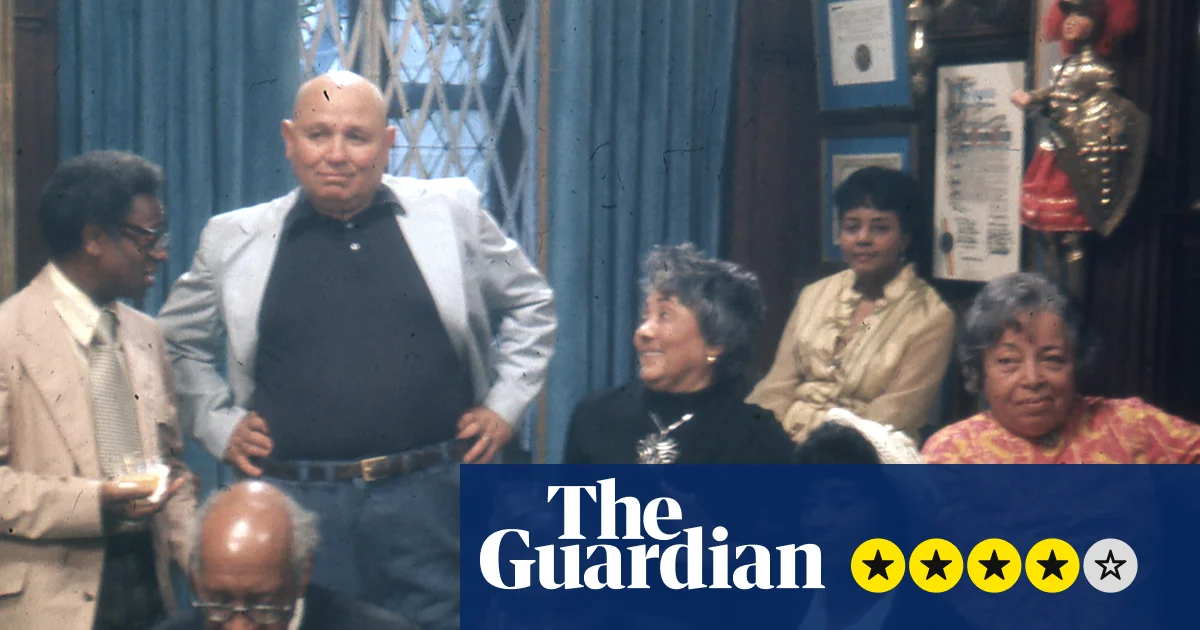
In August 1972, a remarkable gathering took place that serves as a testament to the enduring power of culture as both memory and prophecy. William Greaves, an innovative filmmaker, convened an unprecedented dinner at Duke Ellington’s Harlem townhouse—an intimate symposium of the giants of the Harlem Renaissance. This cultural movement of the 1920s, often heralded as a luminous bloom of African American artistry and intellectual thought, was captured in a rare, sprawling footage that would later be refined into the profound documentary Once Upon a Time in Harlem. This film exemplifies how the arts forge a bridge between past and present, anchoring identity rooted in history while predicting future cultural horizons. It is a vivid reminder that, as Ortega y Gasset observed, “We are the sum of our history, and history is the story we tell ourselves about who we are.”

The significance of such a gathering extends beyond mere nostalgia; it emphasizes that culture is the vessel of societal memory and a catalyst for ongoing identity. The Harlem Renaissance was not simply a fleeting artistic surge but the articulation of a collective aspiration—an awakening that challenged the narrative of marginalization and paved the way for future generations. As Tocqueville might argue, American society—especially in its multicultural complexity—requires an active consciousness of its roots to sustain its civic fabric. The film’s footage, much like Chesterton’s view of tradition as “the democracy of the dead,” demonstrates that valuing the past enables a society to navigate modern turbulence with resilience and authenticity. The voices of artists like Langston Hughes, Zora Neale Hurston, and musicians such as Duke Ellington articulate a cultural DNA that refuses to decay, insisting instead on its relevance across generations.

Within the ongoing dialogue about cultural continuity, the Harlem Renaissance embodies the quintessential struggle for cultural sovereignty. Each voice at that July evening—be they poet, historian, musician, or actor—pushed back against erasure, claiming space for the Black experience in the narrative of American progress. This struggle echoes the philosophical vision of scholars like T.S. Eliot, who urged us to see tradition as an active force, shaping current identity through a reciprocal engagement with history. The Renaissance’s awakening was, in essence, an assertion that heritage and innovation are not opposites but intertwined threads of the same tapestry. As history and culture interlace, they inspire the present to envision a future where the dignity and creativity of every people are recognized as vital to the collective well-being of society.

In this reflection, we come to understand that the African American cultural awakening of the early 20th century did not fade into obscurity; rather, it pulses through time, echoing in contemporary artistic expressions and societal debates. The film Once Upon a Time in Harlem preserves that pulse, affirming that the true culture of a people is both their history and their hope—an ever-moving combination of memory and prophecy. As Chesterton so eloquently stated, “A patriot is he who loves his country not for what it is, but for what it is becoming.” This spirit of cultural reclamation and aspiration is the true legacy of Harlem—a timeless reminder that the story of mankind is written not solely in the annals of history, but in the living, breathing arts that make us remember and inspire us to envision what humanity might yet become.

From Fistful of Dollars to Rambo: Celebrating Renato Casaro’s Legendary Movie Posters — A Visual Tribute

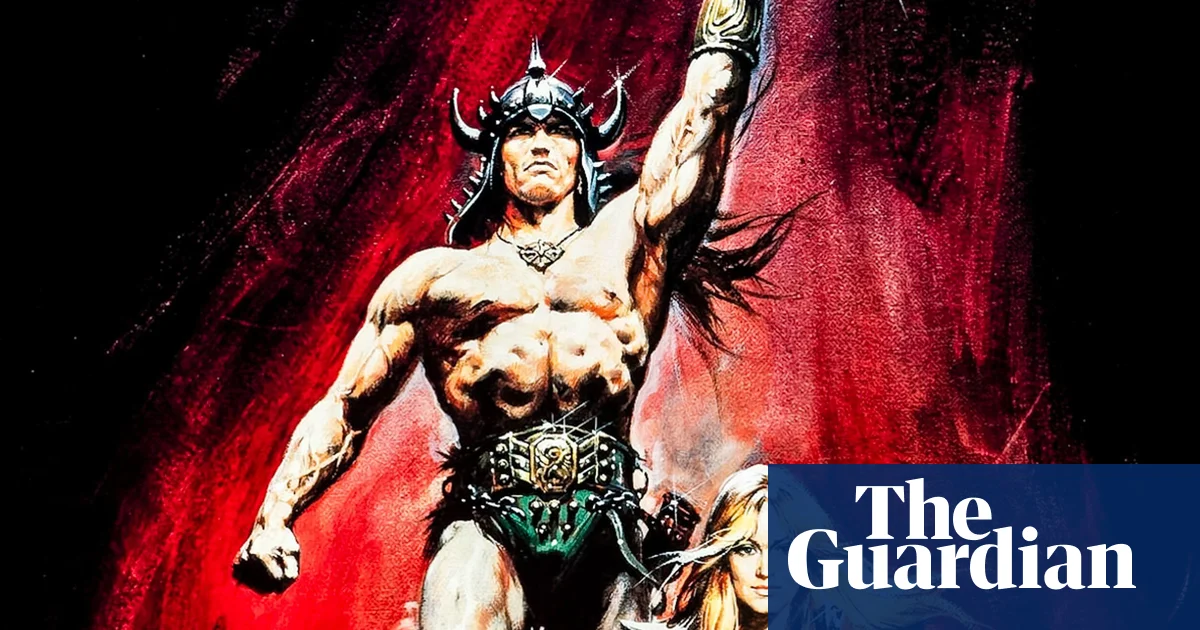
In the contemporary landscape of visual culture, few names resonate with the weight of Renato Casaro. His passing at age 89 marks the end of an era where artistry in film promotion was handcrafted, imbued with a soul that digital transformations have often threatened to erase. Casaro’s work represented more than mere promotional material; it was a testament to the enduring power of image-making rooted in tradition, craftsmanship, and the cultural dialogue between cinema and society. By elevating the heroic stature of icons such as Arnold Schwarzenegger and Sylvester Stallone, Casaro lent a mythic aura to modern heroes—echoes of classical heroism reimagined for the heroic age of postwar America and the cultural manifestations of strength, valor, and resilience.

This tradition of handcrafted poster art, a symbol of cultural memory and societal aspiration, encapsulates what Ortega y Gasset might have viewed as the way in which art manifests the collective spirit. As studios transitioned to digital tools in 1998, the tactile and visceral qualities of Casaro’s work began to fade, yet his influence remains a vital marker of cultural heritage. It is not merely about aesthetics but about the role of art in shaping identity and societal values. When Casaro returned to craft posters for Quentin Tarantino’s Once Upon a Time in Hollywood, it signaled a conscious return to that romantic, heroic mythmaking—a refusal to surrender entirely to digital repetition and superficiality.

Throughout history, critics like Chesterton have championed the idea that culture is a battleground for meaning; it is where tradition confronts innovation, where memory solidifies into societal identity. The cultural critic Christopher Lasch argued that in an age of relentless progress, it is the memory of the past that anchors societal coherence. Casaro’s posters, vibrant with heroism, did precisely that—they connected audiences to a shared mythos, imbuing cinematic images with a symbolic purity that transcends the fleeting nature of trends. As Tocqueville warned, the preservation of cultural identity is vital in a democratic society—where uniformity often threatens the uniqueness of tradition. Casaro’s work exemplified the human desire for heroism rooted in tradition, a rallying cry for a society that seeks meaning through its cultural icons.

In the end, the significance of figures like Casaro extends beyond their craft; they serve as custodians of a collective memory and prophecy. Their creations, like the finest poetry or philosophy, remind us that culture is both a reflection of what we are and a vision of what we might become. The tapestry of human history, woven with images and stories, calls us to consider that our deepest identity lies not just in the present but in the echoes of the past and the possibilities of the future—a future illuminated by the enduring light of cultural memory, shining brightly like a hero’s silhouette against a great, timeless horizon.

Giorgio Armani’s Last Walk: A Iconic Catwalk Tribute Crafted by the Master Himself at Milan Fashion Week

In an extraordinary tribute to a fashion icon, Giorgio Armani orchestrated what would be his final grand moment in Milan’s storied fashion scene. Known for redefining elegance with his softly assertive tailoring and Mediterranean-inspired color palette, Armani spent his last months meticulously planning a celebration of five decades of his iconic brand. This event, set in the romantic Pinacoteca di Brera, became more than just a runway show — it solidified Armani’s cultural relevance, blending high art with haute couture in a manner that resonated deeply with his loyal followers and fashion critics alike. Despite his passing earlier this month, the show went on, merging mourning with celebration, and forging a narrative that underscores his lasting influence on global style.

The event’s design reflected Armani’s signature blend of tradition and innovation. Invitations bore a black tie dress code alongside a T-shirt featuring a youthful portrait of Armani, a testament to the designer’s acknowledgment of his enduring legacy among younger generations. The guest list was a Who’s Who of Hollywood and fashion icons: Cate Blanchett, Lauren Hutton, and Richard Gere, whose early career was punctuated by Armani’s modern iconography in American Gigolo. It was a moment that merged social relevance and cultural impact: a celebration of style as power and a reminder that fashion continues to be a language of social identity, especially for the youth seeking to make bold statements through timeless elegance.

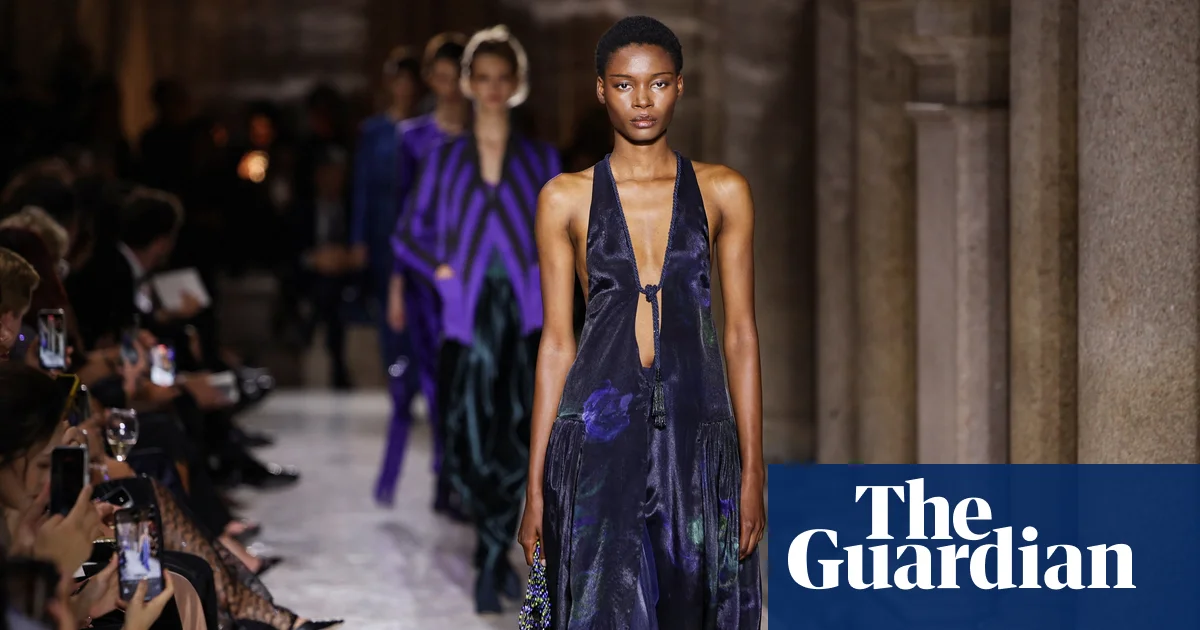
Armani’s latest collection, inspired by his personal experiences and favorite locations such as the historic Brera district and the island of Pantelleria, captured the mood of an era yearning for authenticity. The designs featured softly assertive tailoring again, with bold but refined double-breasted jackets, featherlight dresses in Mediterranean blues, and island-inspired looks designed to catch the breeze — an ode to freedom and individual expression. As fashion analysts highlight, Armani’s work exemplifies the “cultural significance of clothing as an extension of personal identity,” a trend championed by influencers turning to style as a form of subtle defiance against fast fashion’s fleeting trends. It’s this narrative of lasting impact that cements his place as “one of fashion’s heads of state,” as described by Anna Wintour, and it raises a fascinating question about the future trajectory of his empire.

Looking ahead, Armani’s heirs face a critical juncture. His explicit instructions to sell the brand to strategic buyers like LVMH, L’Oréal, or EssilorLuxottica signal a shift in how fashion powerhouses are viewing legacy brands. As the industry contemplates the next evolution—balancing heritage with innovation—the looming question becomes: Will Armani’s descendants preserve his understated, high-culture ethos, or will commercial pressures push the brand in a more mainstream, youthful direction? This dilemma encapsulates a broader societal shift — a generation increasingly eager to engage with authentic, culturally rich storytelling through fashion, yet also craving the accessibility and immediacy of contemporary trends. The future of Armani’s legacy isn’t merely about business; it’s about whether true style can remain a form of cultural commentary or if it will become just another fleeting commodity whether artfully curated or mass-produced. That’s the next big question for fashion, youth, and society: how will the enduring influence of a legend shape the aesthetic and social language of tomorrow’s cultural landscape?

Social Media Auto Publish Powered By : XYZScripts.com