
Unprecedented Movements in African Borders Highlight Global Power Shifts
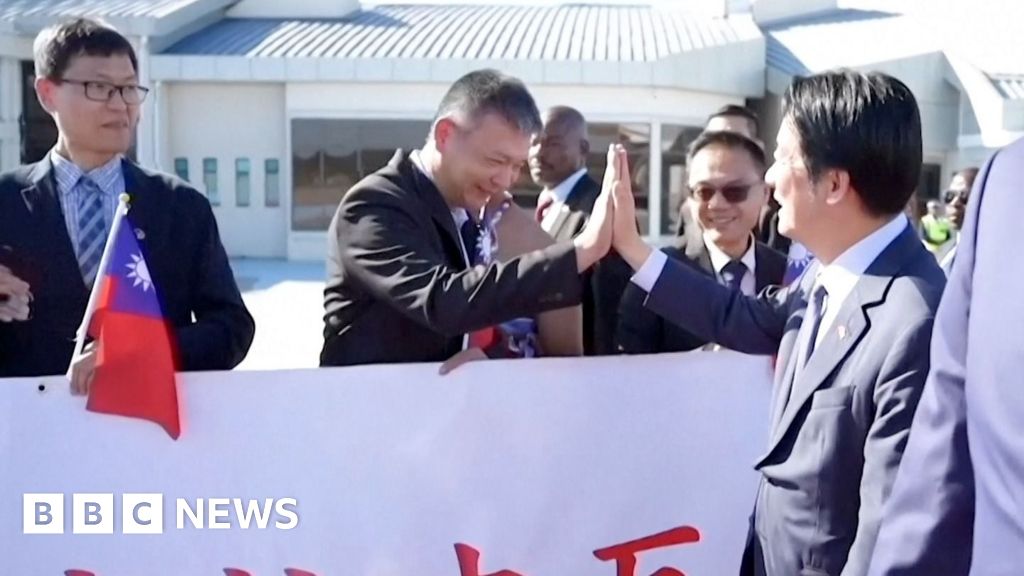
Recent reports have highlighted a bewildering episode involving an unidentified individual who managed to reach Eswatini, raising alarms across international security and diplomatic circles. China swiftly dismissed the incident as a “stowaway-style escape farce,” underscoring the bizarre nature of this event. Yet, beneath the surface, this occurrence illuminates the fragile balance of sovereignty, border security, and international influence in an era marked by geopolitical turbulence. How this individual navigated security protocols and the implications surrounding the incident pose significant questions about state sovereignty and global stability.
Historian and geopolitical analyst Dr. Matthew Garland points out that anomalies such as this are increasingly symptomatic of broader strains on global borders, driven by evolving alliances and covert operations. “These incidents are not isolated; rather, they are symptomatic of a shifting geopolitical landscape where nations—especially in Africa—act as battlegrounds for influence between China, the United States, and other major powers,” Garland explains. The specific circumstances behind this case remain unclear, but it underscores how international actors are intensifying efforts to project influence in regions historically considered peripheral but strategically vital.
The United Nations and various Western nations have expressed concerns about the growing presence of foreign power in Africa, often citing issues of sovereignty and regional stability. This incident also arrives within a broader context where multiple nations are grappling with the erosion of traditional borders amid covert operations, cyber espionage, and unconventional mobility of persons involved in statecraft or subordinate agendas. As the global community watches, how countries like Eswatini manage internal security and diplomatic identity will influence future international relations. In particular, analysts warn that unchecked border breaches could lead to more destabilization, undermining regional efforts toward peace and development.
The unfolding situation emphasizes a crucial point: the decisions taken in response to such events will shape the geopolitical landscape for decades to come. As historians debate the implications of such incidents, one thing remains clear: the fabric of international order is under relentless strain, and the stories unfolding in the shadows could very well define the future of global stability. The true significance of this event stays shrouded in mystery, yet its impact resonates as a stark reminder that history’s pen remains in motion—writing new chapters of power, conflict, and resilience.