Matox News

Truth Over Trends, always!

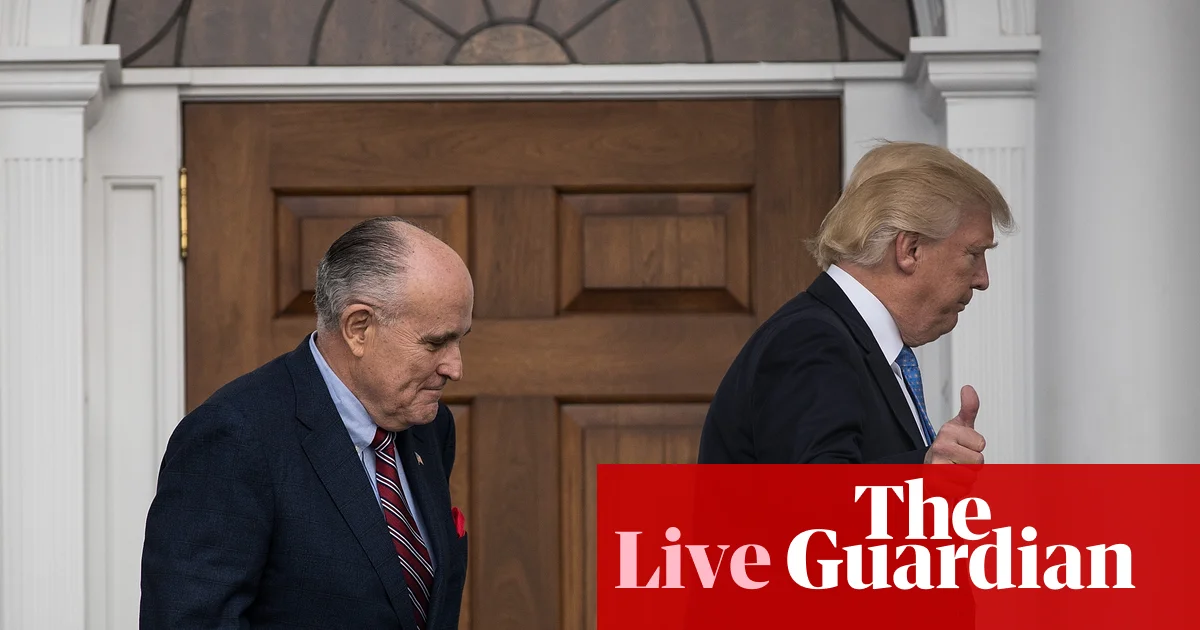
Trump clears Giuliani and allies charged with election interference — latest updates

In recent days, the international stage has witnessed a series of seismic events that underscore the shifting landscape of global power and domestic stability, particularly within the United States. The dramatic pardoning by Donald Trump of his allies linked to efforts to overturn the 2020 election has sent ripples across both U.S. politics and the broader geopolitical arena. The pardons, including high-profile figures such as Rudy Giuliani and Mark Meadows, are viewed by many analysts as a calculated move to reassert influence and weaken institutional accountability, challenging the notions of rule of law and sovereignty. While none of those pardoned faced federal charges, critics argue this controversial decision could usher in a precedent where future administrations find immunity from prosecution, thereby eroding the integrity of the American legal system and emboldening authoritarian tendencies.

Simultaneously, the domestic crisis has been compounded by ongoing government shutdowns— the longest in U.S. history—affecting hundreds of thousands of workers, with flights canceled en masse and essential services disrupted. According to top officials, the shutdown continues due to political gridlock between the Democratic and Republican senators, despite efforts to pass a stopgap measure that would fund the government only until January. This short-term funding, essentially a Band-Aid solution, underscores the deep divisions that threaten the fabric of American governance, with the specter of a prolonged stalemate looming large. Historians warn that such political discord contributes to a climate where societal trust diminishes and chaos undermines the national stability vital to global order.

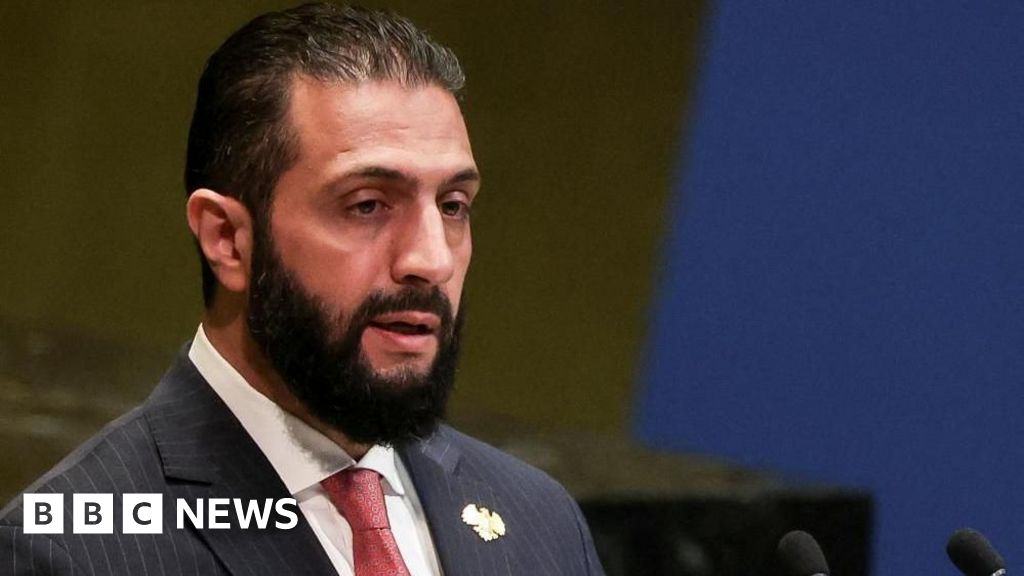
On the international front, President Trump made headlines with a historic visit to the White House by Syrian President Ahmed al-Sharaa, marking the first such diplomatic engagement since Syria’s independence in 1946. This summit, cloaked in secrecy, signals a potential realignment of American foreign policy amid a broader reshuffling of alliances in the Middle East and beyond. While specifics of discussions remain under wraps, the unspoken message is clear: the U.S. aims to recalibrate its stance on Syria, employing a strategy that includes sanctions and high-stakes diplomatic negotiations. Such diplomatic shifts are likely to recalibrate regional power balances, influencing allies and adversaries alike, especially in an era when assertive national interests are reshaping traditional diplomacy.

Brazilian and Latin American geopolitics are also in flux, with U.S. military operations expanding their reach — striking alleged drug trafficking vessels and known narco-terrorist groups in international waters, according to Pentagon statements. Such actions demonstrate an increasingly assertive U.S. military posture aimed at combating illicit networks that threaten stability beyond American borders, directly impacting regional sovereignty and security frameworks. The use of extrajudicial measures, including lethal strikes, raises concerns among international legal experts about sovereignty and the potential for escalation that could destabilize entire transit routes linking South America and the broader Western Hemisphere. These actions highlight the United States’ willingness to operate unilaterally in the name of national security, often outside traditional legal boundaries—a move with profound geopolitical implications that ripple through international institutions and diplomatic norms.

The entire sequence of events unfolding in Washington and around the globe reveals a pivotal epoch in history—a period where decisions by a single nation threaten to reshape the international order, challenge the rule of law, and redefine the future of liberty and governance. As history continues to be written in the crucible of reckless diplomacy and domestic chaos, the world watches with bated breath, recognizing that these are not mere isolated incidents but the echoes of a larger clash for influence, sovereignty, and the soul of democracy itself.
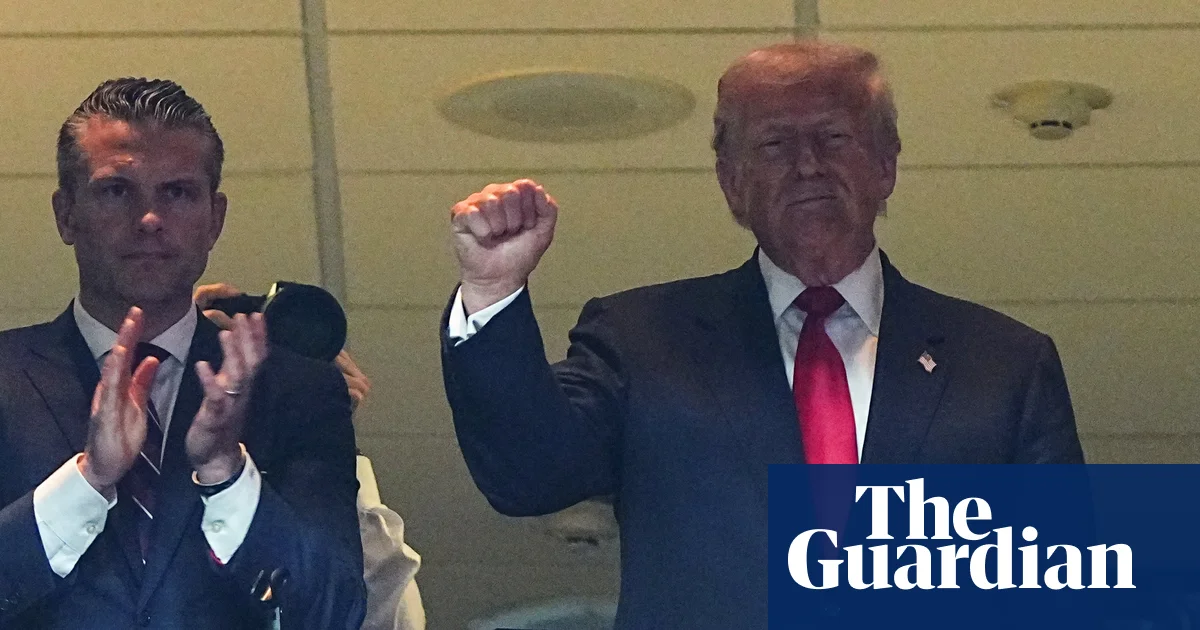
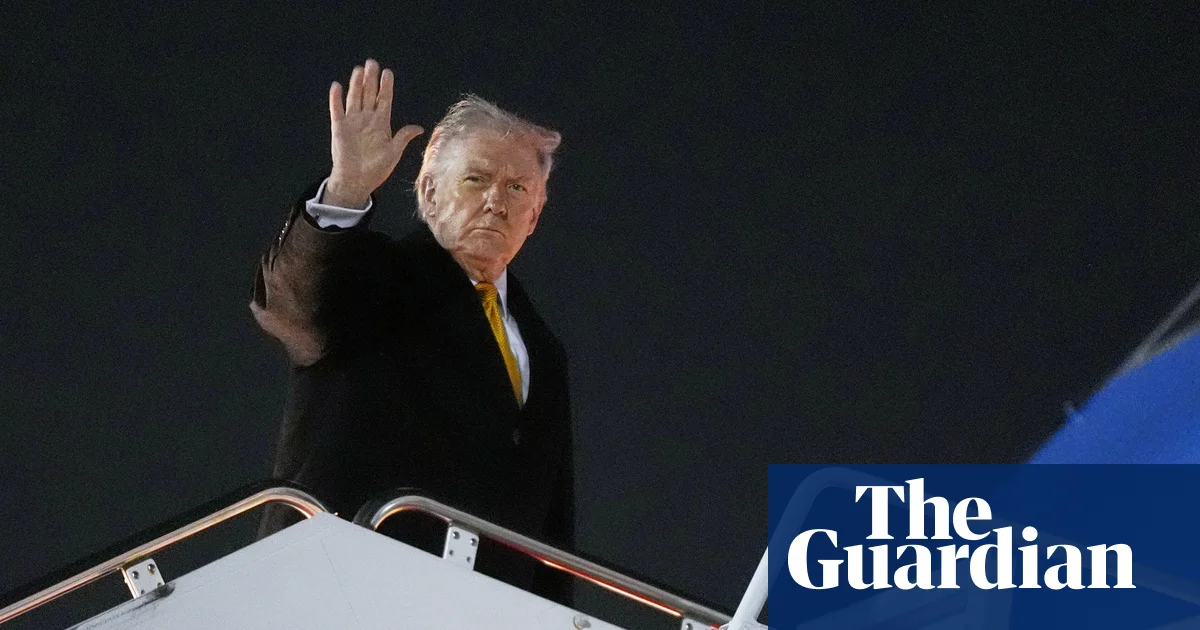
Trump booed at Commanders game before taking over Fox broadcast booth to call plays

In an unprecedented move that symbolically bridges the worlds of sports, politics, and international influence, Donald Trump made history as the first sitting U.S. president in nearly fifty years to attend a regular-season NFL game. His presence at the Washington Commanders’ match against the Detroit Lions not only ignited heated reactions among fans but also served as a vivid display of the ongoing cultural and geopolitical fractures within America. While crowds in Washington, D.C., expressed their mixed sentiments—ranging from cheers to boos—the spectacle underscored how deeply divided the nation remains, and how influential figures from the global arena continue to leverage sports as a stage for political statement and influence.

This public spectacle is more than just a partisan protest; it reflects a broader geopolitical narrative where domestic political conflicts are playing out under the watchful gaze of the international community. Historically, such the attendance of a sitting U.S. president at an NFL game signals the importance of national identity and internal cohesion. Yet, the reactions from the crowd—boos, chants, and jeers—highlight a nation polarized along ideological lines. Experts remind us that the U.S.’s internal fractures are, in many ways, echoed globally, as international powers observe and interpret America’s political turbulence on every stage, from the battlefield to the sports arena.

The event also has implications for geopolitical positioning. Trump’s desire to have the Commanders’ new stadium named after him, as revealed by reports of White House intermediaries, demonstrates how branding and influence extend beyond politics into the realm of international soft power. This project, valued at nearly $4 billion, symbolizes a broader trend: the merging of economic ambitions with national identity—an ambition echoed in the development of international alliances and contentious treaties. As noted by several international analysts, such moves can be seen as the embodiment of a nationalist resurgence aiming to solidify American influence domestically while projecting strength internationally.

Furthermore, this event occurs amidst a global chessboard, where neighboring and distant powers watch as internal tensions simmer. Historians caution that when national symbols become politicized—such as debates over stadium naming and the involvement of political figures in civilian life—it can have far-reaching effects on a nation’s international image and diplomatic relations. The spectacle of a U.S. president mingling with military personnel during the game, and the NFL’s participation in patriotic initiatives, serve to reinforce a narrative of resilience amid division. Yet, critics argue that this superficial unity masks underlying societal conflicts that could, if left unaddressed, lead to fragile stability.

As the weight of history presses down, the unfolding story of Trump’s NFL appearance is more than a fleeting media event. It is a mirror held up to a world grappling with its own divisions and aspirations. While leaders and analysts debate the implications, the image of a polarizing figure standing amidst cheers and jeers at a sports stadium echoes a deeper truth: the forces shaping the future are playing out in arenas of both national pride and international influence. It is a reminder that history is a constant battlefield, where every gesture and decision—no matter how seemingly trivial—can ripple across borders, shaping the course of nations for generations to come.

Trump considers $2,000 payout from tariffs to rally youth support

The United States continues to grapple with its turbulent economic policy trajectory under President Donald Trump, who recently rekindled debates over domestic fiscal relief through controversial means. On Sunday, Trump suggested the possibility of distributing $2,000 stimulus checks funded by tariffs collected from global trade partners. His statement, posted on Truth Social, explicitly demanded public support by promising that the taxpayer-funded “dividend” would exclude high-income earners. This move appears to be a strategic effort to rally populist backing amid ongoing economic uncertainties, emphasizing a populist narrative of economic redistribution linked to trade policy.

However, the geopolitical and economic implications of such a plan extend far beyond mere campaign rhetoric. The U.S. Treasury Department and top financial officials have signaled a different reality: the primary use of tariff revenues is to address the mounting national debt, which now exceeds $38 trillion. According to Treasury Secretary Scott Bessent, the tariff proceeds—approximately $195 billion collected in the first three quarters—are being directed primarily toward reducing the federal debt rather than delivering direct economic benefits to American citizens. Such decisions highlight a fundamental shift in how trade policy impacts national sovereignty and economic stability, as policymakers balance the populist appeal of economic relief with the bitter realities of fiscal responsibility and international debt obligations.

Since April, widespread tariffs imposed by the Trump administration have significantly increased costs for American consumers, with data from Yale Budget Lab indicating an effective tariff rate nearing 18%, the highest since 1934. This escalation has been passed along the supply chain, pressuring families and small businesses alike—an unintended consequence of a policy that aims to protect American industry but often results in higher living costs. Analysts and international trade experts warn that such measures risk fueling long-term trade tensions and economic fragmentation, disrupting global supply chains and provoking retaliatory actions from trading partners, from the EU to China. Meanwhile, the Supreme Court has taken up cases challenging the legality of these broad tariffs, underscoring the international legal and diplomatic complexities at play.

  • In October, Trump proposed checks from tariff revenues ranging between $1,000 and $2,000, revisiting a recurring theme that tariffs can serve as a tool for direct economic redistribution.
  • The idea of a $5,000 dividend — floated earlier with Elon Musk — was ultimately dismissed as the national deficit expanded and federal spending cuts proved insufficient.
  • Historian and international economist Anne-Marie Slaughter warns that such short-term populist measures risk undermining the broader goals of economic sovereignty and global stability, emphasizing the need for sustainable fiscal policies rooted in international cooperation and fairness.

The unfolding showdown over global tariffs signals a pivotal juncture: the reshaping of America’s economic relationships and the recalibration of its role on the world stage. As international institutions scrutinize and challenge the legality of Trump’s tariff policies, it becomes clear that the decisions made today will reverberate well into the future, affecting everything from international trade balance to societal well-being. The confrontation over tariffs is more than politics; it is a defining chapter in the ongoing contest for economic sovereignty—a battleground where decisions made by an increasingly polarized nation could determine the course of global power dynamics for generations to come. The weight of history presses heavily upon the current administration, as the world watches whether the United States will steer toward renewed dominance through tariffs or risk fragmenting its economic foundation amid mounting debts and international pushback.

Syria’s Sharaa Lands in US for Trump Talk as Sanctions Drop

In an unexpected political development, Syrian President Ahmed Sharaa arrived in Washington for an official visit, marking a significant shift in regional diplomacy. Just days prior, the U.S. government revoked his designation as a Specially Designated Global Terrorist, a move that signals Washington’s tentative readiness to reconsider its stance toward Syria’s emerging leadership. This diplomatic overture comes amid ongoing efforts to stabilize Syria after over a decade of brutal civil war and the uncertain future of the Assad regime, which has long been isolated by Western sanctions and international sanctions regimes.

Sharaa’s visit is noteworthy not only because of his past associations with militant groups but due to the broader geopolitical impact it could have on the Middle East and international efforts to contain terrorism. Days before his arrival, Syrian security forces announced the detention of 71 suspected Islamic State fighters, seizing weapons and explosives in a serial crackdown involving Syrian allies. The timing underscores the complexity of Syria’s security landscape, where at once, authorities are pursuing extremist remnants while attempting to re-engage with the international community. Analysts underscore that these joint efforts to diminish ISIS’s hold reflect a broader strategy to restore stability and rebuild Syria’s fractured state, a feat that will have repercussions far beyond its borders.

Since assuming office, Sharaa has aimed to reassert Syria’s presence on the global stage. His recent speech at the UN General Assembly, where he advocated for the removal of sanctions, echoes this intent, emphasizing a reclaiming of Syria’s rightful place among nations. The United Nations Security Council‘s endorsement of a US resolution to lift sanctions further signals a potential diplomatic thaw, although persistent internal violence and factional rivalries cast a long shadow on the prospects of peace. Historically, diplomatic analysts point to such decisions as pivotal—potential turning points—whose outcomes could either usher in a fragile new era of cooperation or deepen ongoing conflicts.

Nevertheless, the path toward national reconciliation remains fraught with challenges. Despite being removed from US sanctions lists—once associated with extremist groups like Hayat Tahrir al-Sham (HTS)—Sharaa’s past record as a militant and his earlier ties to al-Qaeda have generated skepticism among international observers. The US continues to weigh its enforcement policies carefully, balancing concerns over stability against fears that premature easing could empower factions that may undermine the peace process. As historians warn, decisions made now may determine whether Syria emerges as a unified, stable state or descends further into chaos, testing the resilience of regional and global security frameworks.

The story of Syria is far from over. With each diplomatic handshake and each crackdown, history’s ink begins to write anew. The stakes are monumental—not just for Syria, but for the world—to watch as a nation scarred by war teeters on the brink of either resurgence or collapse, with the echoes of history urging the international community to choose wisely amidst the tumult of uncertainty.

Trump urges Supreme Court to step in as judges reject snap funding halt—US shutdown looms in 2025

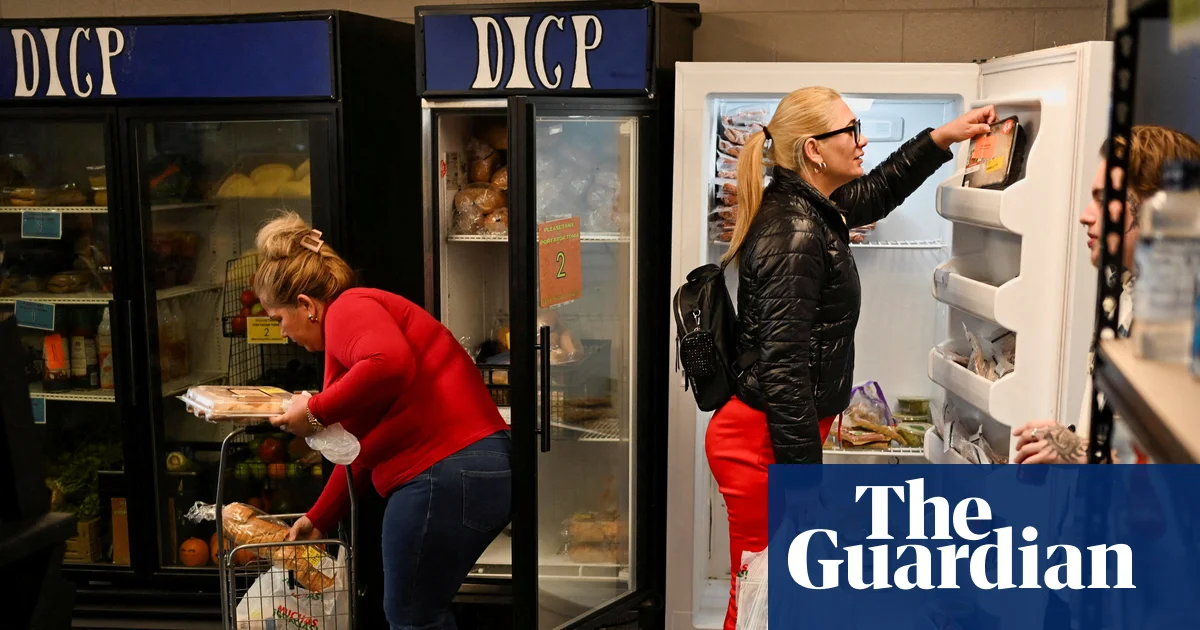
The United States continues to grapple with the fallout from its ongoing federal government shutdown, revealing stark divisions not only within its political landscape but also with profound geopolitical implications. Central to this turmoil is the battle over distributing the November benefits for the Supplemental Nutrition Assistance Program (SNAP), commonly known as food stamps—a critical lifeline for millions of lower-income Americans. The Trump administration’s efforts to halt full payment amid congressional deadlock highlight a distinct shift in federal social policy, raising alarms among international observers and analysts about the erosion of social safety nets in a nation often seen as a global economic leader.

This controversy escalated last week when a federal district court ordered the government to continue full SNAP benefits despite the shutdown’s budget chaos. The administration responded with fervor—first attempting to block the order by appealing to the Supreme Court, claiming that fulfilling the court’s mandate could cause irreparable harm. The argument centered around the idea that once funds are disbursed, they cannot be recouped, and continued payments could set a dangerous precedent for future budgets, especially if the shutdown persists into December. This legal refusal to comply with court rulings exposes a fragile balance between judicial authority and executive discretion, with serious consequences for social stability and international reputation.

International organizations and geopolitical analysts have closely watched this domestic dispute, aware that such internal conflicts have the potential to ripple across borders, especially given the global economic interconnectedness these days. Historians warn that such standoffs threaten to undermine the perception of US stability, potentially weakening its position in international financial markets. The fact that this political and legal tussle revolves around providing basic needs—an essential element for societal stability—underscores the crucial role of national governance in shaping human lives and global relations. As the Trump administration presses for a stay on court orders, claiming it cannot “tap” funds for ongoing payments, critics argue this signals a dangerous turn towards austerity and social neglect.

The unfolding saga leaves the world with a stark reminder: the choices made within the halls of power are not isolated—they set precedents with far-reaching implications. The decision to prioritize political posturing over the well-being of vulnerable populations shapes the narrative of an America divided and weakened at its core. As history continues to write itself into the pages of the 21st century, the crisis surrounding SNAP benefits is emblematic of a nation at a crossroads, where internal conflicts threaten to define its global role and societal fabric for generations to come. Whether this chapter will culminate in a resolution that upholds the rule of law and social cohesion or deepen the fissures remains an open question—yet, one thing is clear: the weight of history presses relentlessly forward, shaping a future still shrouded in uncertainty.

Trump alleges foreign-owned meatpackers fueling U.S. beef price hikes | Donald Trump

The recent flurry of political rhetoric surrounding the U.S. meat industry underscores a broader geopolitical tension that extends far beyond domestic economic concerns. Donald Trump has accused foreign-owned meat packers of artificially driving up beef prices in the United States, prompting a demand for a Department of Justice investigation into what he claims is illicit collusion and price fixing. This sharp stance, announced days after electoral setbacks for the Republican Party, reveals how intertwined economic security and political narratives have become in the current global climate. While Trump has not provided concrete evidence, his claims resonate with longstanding fears of foreign influence and monopolistic practices in vital sectors, exacerbating doubts over the integrity of global supply chains.

What makes this controversy particularly significant is its potential geopolitical impact. The beef industry, a critical component of both the American economy and its food security, is now entangled with international trade dynamics. Trump’s earlier proposal to surge Argentinian beef imports to curb high prices exemplifies a broader strategy of leveraging trade policy to address domestic economic challenges. Such tactics could risk international partnerships, especially with nations like Argentina and Brazil, which are major global exporters of beef but may face increased tariffs or trade restrictions. These punitive measures could send shockwaves through international markets, prompting retaliatory tariffs and escalating tensions within transnational trade agreements, thereby undermining the stability of the *U.S.-Latin America* regional relations.

The ongoing debate over food security and trade policy also holds profound implications for geopolitical alliances. Critics, including international trade analysts and historians, warn that actions perceived as protectionist could weaken free trade principles and foster a cycle of economic nationalism. In the context of a world increasingly polarized by ideological conflicts and supply chain vulnerabilities, the U.S. is walking a fine line between protecting domestic industries and exposing itself to diplomatic fallout. Furthermore, global institutions like the World Trade Organization could be pushed into contentious disputes that threaten to erode the rules-based international order. As nations scramble to fortify their economic resilience, the decisions made in Washington could either catalyze a new era of cooperation or ignite a contest over resources and markets—a contest that history warns favor the more strategic and united actors.

Ultimately, as world leaders navigate these turbulent waters, the legacy of this moment will be shaped by whether they prioritize unilateral measures over multilateral diplomacy. The unfolding story of the U.S. beef industry dispute mirrors larger struggles for sovereignty, economic independence, and cultural identity in an interconnected world. Historians and geopolitical analysts observe that decisions made today—whether to escalate tariffs, impose sanctions, or foster cooperation—will, in time, define the geopolitical landscape for generations. As the smoke of political posturing begins to clear, the silent weight of history presses relentlessly onward, reminding us that every economic move carries the potential to reshape the fabric of international relations, forging new alliances or deepening old wounds. The world watches with bated breath, aware that in this arena of high stakes, not only cattle but entire nations are pawns on a chessboard of global power struggles.

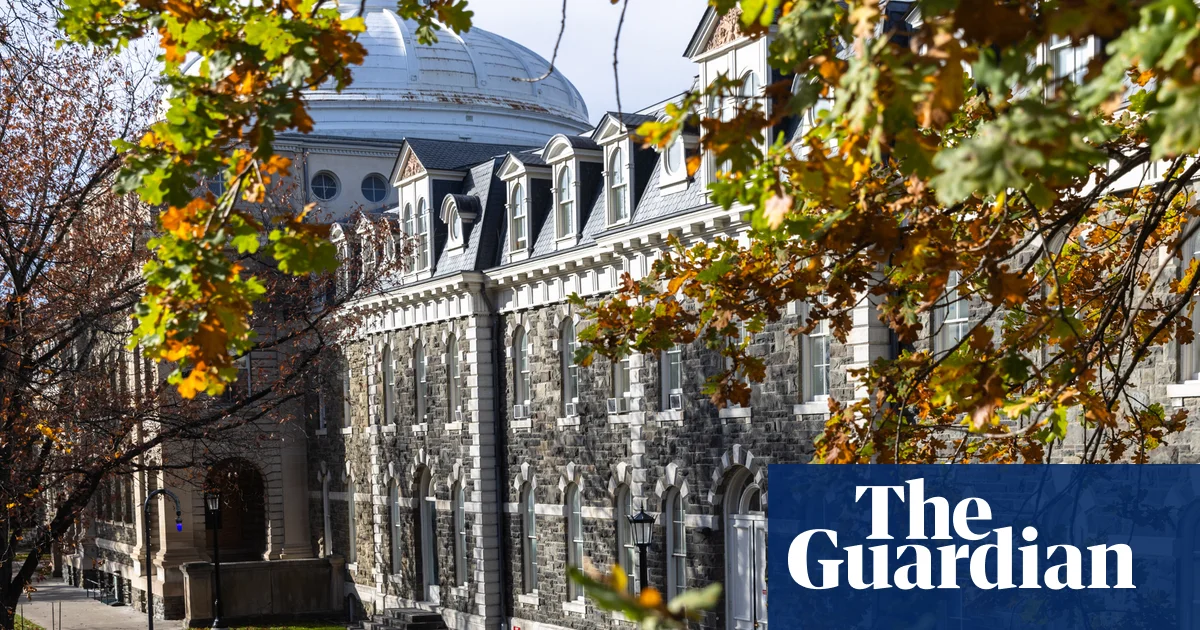
Cornell reaches deal with Trump admin to bring back $250M in university funds

The United States continues to exert unprecedented influence over its higher education institutions, deploying a mixture of intimidation and strategic leverage that extends beyond academic boundaries. Recent developments reveal the Trump administration reaching settlement agreements with prominent private universities such as Cornell, Columbia, Brown, and the University of Pennsylvania. These settlements are emblematic of a broader pattern: a government increasingly willing to scrutinize and manipulate educational autonomy under the guise of combating antisemitism and enforcing ideological conformity. The shift signals a fundamental recalibration of the international perception of American academic freedom, alarming allies and adversaries alike.

At the heart of this confrontation lies a controversial “compact” offered to universities—an agreement promising favorable access to federal funds in exchange for compliance with the administration’s ideological standards. Critics argue that this represents an erosion of institutional independence and a drift toward censorship under political pressure. Leading voices, including international analysts and historians, warn that such government overreach could have lasting geopolitical impact—not merely domestically but globally. Universities serve as epicenters of free thought and innovation, and their compromised autonomy risks diminishing the United States’ traditional standing as a bastion of academic freedom, thereby emboldening authoritarian regimes that have long sought to undermine Western values.

Furthermore, the administration’s use of anti-discrimination legislation as a means of extending political control raises urgent questions about the limits of state interference. When the focus shifts from protecting minority rights to silencing dissent, the very foundation of democratic discourse begins to shake. As international organizations such as the United Nations and human rights watchdogs scrutinize these actions, the global narrative increasingly depicts the US as adopting tactics reminiscent of regimes that misuse legislation to justify repression. Historians specializing in authoritarian studies warn that the ongoing pressure on higher education institutions could foster a new era of ideological conformity and intellectual stagnation, undermining the very qualities that have historically allowed American universities to innovate and lead the world.

Ultimately, the unfolding scenario underscores a pivotal moment in modern geopolitics. As international observers watch closely, the decisions made within these halls of power could redefine the future landscape of global education and influence. With each university that capitulates — or resists — the trajectory of American influence is written in real time. The weight of history presses down even as factions clash over the soul of higher learning. As new alliances form and old paradigms fracture, the world waits, studded with the shadows of what has been lost and the uncertain promise of what remains to be forged — a destiny still being written, one decision at a time.

Trump slams Nigeria’s Christian crackdown: Is religious freedom under attack?

Embracing a Lifestyle of Purpose and Resilience

In today’s fast-paced world, where the relentless pursuit of success often overshadows personal wellness, many young individuals are beginning to recognize the importance of __centering their lives around purpose, health, and resilience_. From the bustling streets of Lagos to the serene countryside, a rising shift in lifestyle ideals emphasizes _well-being as the foundation of true fulfillment_. Wellness experts like Dr. Jordan Peterson and motivational authors such as Brené Brown advocate for a life anchored in authenticity, self-care, and community. This cultural movement challenges the traditional metrics of success and highlights that _true vitality comes from nurturing the mind and body_ in harmony.

The _modern wellness paradigm_ is transforming how youth approach daily routines. Embracing practices like mindful meditation, active outdoor recreation, and nutritional awareness, many are striving to _find balance amid chaos_. For instance, African tech entrepreneurs and creatives are now integrating _lifestyle hacks that prioritize mental resilience_—whether it’s through local markets’ organic foods or outdoor ventures that foster _mental clarity_. The key message from wellness influencers like Jay Shetty and Oprah Winfrey centers on _investing in self-awareness and community_ as a route to personal impact. Living a life rooted in purpose translates to making choices that promote _long-term health, happiness_, and _shared prosperity_, which ultimately fuels a passion for _self-improvement and social contribution_.

Travel and leisure experiences are also evolving, becoming more intentional. Many youth-oriented explorers seek destinations that offer _authentic cultural immersion_ rather than superficial escapism. Travel hacks such as _connecting with local communities, engaging in eco-friendly activities, and practicing sustainable tourism_ serve as ways to _enhance personal growth_. Examples include hiking through Abuja’s national parks, volunteering in rural Nigeria, or participating in wellness retreats that combine _traditional healing rituals with modern mindfulness practices_. These experiences are not just leisure—they are _opportunities for self-discovery and connection to something greater_. As cultural theorist Chimamanda Ngozi Adichie reminds us, _embracing diverse narratives_ broadens our understanding of _what it means to live a fulfilled life_.

  • Prioritize daily movement—be it walking, dancing, or yoga—to boost physical and mental health
  • Choose destinations that foster _authentic cultural exchange_ and _self-growth_
  • Integrate _mindfulness practices_ into your routine for _lasting resilience_
  • Support local economies and _sustainable initiatives_ during travel

In a world filled with turbulence and shifting narratives, the _journey towards personal well-being_ becomes an act of defiance and hope. Young people today are redefining what _success_ and _happiness_ mean, turning away from material excess and towards _meaning, community_, and _self-awareness_. It’s an era that encourages individuals to _forge their own paths_, embracing _wellness as a lifestyle_ rather than a fleeting trend. And in doing so, they find the strength not only to improve their own lives but to inspire others along the way. Life, after all, is a continuous journey of growth—an ongoing act of embracing the resilience that resides within us all.

Trump Reendorses Jared Isaacman as Nasa Head, Highlighting Youth Leadership

In a move that underscores the shifting sands of international influence, President Donald Trump has officially announced the renomination of Jared Isaacman to lead NASA, marking a dramatic reversal after withdrawing his initial nomination just five months prior. The billionaire entrepreneur, with deep ties to SpaceX founder Elon Musk, embodies a new breed of leadership poised at the intersection of private enterprise and government space exploration. His appointment, which now awaits Senate confirmation amidst a backdrop of political uncertainty and a still-shuttered federal government, signals a potential pivot toward more adventurous, privately-backed space initiatives—an approach that could redefine national priorities and the geopolitical landscape of space endeavors.

Isaacman’s burgeoning reputation as a risk-taking innovator in the space sector is as much about his personal trajectory as it is about the shifting strategies of global powers vying for dominance beyond Earth’s atmosphere. The 42-year-old, worth an estimated $1.9 billion, made headlines as the first non-professional astronaut to walk in space last year in a mission bankrolled by his own resources. His previous association with Musk, coupled with his passion for exploration, represents a broader geopolitical shift where public-private partnerships threaten to challenge the traditional dominance of state-sponsored agencies. Historians like Dr. Karen Matthews, author of “Space Race Redux,” argue that this transition to entrepreneurial leadership could alter the balance of power in space exploration, prompting some nations to reconsider their own ambitions in the final frontier.

This renewed focus on commercial and private sector involvement influences more than just technological advancements; it also bears significant geopolitical implications. With the United States increasingly integrating private actors into its space policy, rivals such as China and Russia are prompted to accelerate their own missions, potentially fueling a new Cold War on the cosmic scale. Meanwhile, U.S. allies watch keenly as the Biden administration continues to emphasize international cooperation, even as it navigates the complex politics surrounding Isaacman’s controversial ties and the broader industry’s future. Analysts from the International Space Policy Institute warn that such shifts could lead to a fragmented, competitive space realm—one where national security interests and commercial ambitions collide, shaping the future of humanity’s outer-space presence.

As NASA prepares to embrace a leadership that blends private initiative with federal oversight, the event underscores a critical juncture—an era where international diplomacy, technological innovation, and economic interests converge with the weight of history. The story of Isaacman’s rise from a high-school dropout to a potential space agency leader captures the spirit of a new generation eager to push bold frontiers. But the access to such high-stakes ventures also portends a future fraught with uncertainty, where international treaties and longstanding alliances may be challenged or reshaped. The unfolding drama reminds the world that the true frontier is not just the vastness of space, but the battle for global influence and sovereignty—an eternal struggle that continues to write itself into the cosmic chronicle, shaping the destiny of nations amidst the silent, relentless expanse of space.

De Niro Challenges JLaw: Are Celebrities Obligated to Oppose Trump? | Culture

In an era where culture seems increasingly detached from the values that hold tradition and identity together, the spectacle of celebrity influence on politics has visibly waned. Historically, the powerful interplay between art, ideas, and society has offered a mirror and a prophecy—shaping collective memory while hinting at future pathways. Yet, as philosophers like Ortega y Gasset noted, when society loses its cultural compass, it drifts into superficiality and fragmentation. Today, the wave of celebrity activism, once heralded as a new form of societal engagement, appears to have receded, revealing that true cultural authority does not reside in Hollywood plaques or red carpets, but in the enduring principles that define a people’s soul.

  • The shift away from celebrity endorsements in political discourse signals a disillusionment with superficial sways capable of molding collective destiny.
  • High-profile figures like Jennifer Lawrence and Sydney Sweeney now prefer silence or nuanced expression over blatant opinion—a calculated retreat perhaps, but also a recognition of the limits of star power.
  • Veterans like Harrison Ford and Robert De Niro have stepped forward, embodying a rare voice of conviction rooted in an understanding that culture is more than fleeting opinion—it’s the moral fabric of society itself.

As the venerable Chesterton once argued, culture is the divine dialogue that binds past and future; it is both memory and prophecy. Today’s celebrity silence—an attempt to avoid fueling divisions—can be seen as an acknowledgment that the era of movie-star-swung elections is finally dissolving into a new epoch. This void, however, is not a sign of decline but rather a call to a deeper engagement with the roots of our cultural identity. The true power lies not in the endorsement of movements or politicians but in the cultivation of a society that understands its own past, preserves its traditions, and recognizes that art is the vessel of enduring values. Societies that neglect this vital connection risk losing their moral compass, swayed instead by superficial spectacle and ephemeral influence, the kind that politicians like Trump’s celebrity-like antics masterfully exploit.

In this shifting landscape, the voices of artists who speak from a place of genuine conviction serve as the custodians of culture’s deeper purpose. Echoing the sentiments of T.S. Eliot, who urged us to consider the shaping power of tradition, we are reminded that culture is a living organism—both rooted in memory and inherently prophetic. The role of the artist is thus to channel this divine dialogue, forging a path where truth and beauty serve as anchors in the storm of modernity. As we watch figures like Ford and De Niro take a stand against the chaos of politics, our task is to reclaim that sacred space—where the spirit of culture nurtures the soul of society, and history whispers the prophecy of human destiny.

In the end, culture is neither static nor mere decoration; it is the Subtle Rhythms of humanity’s eternal song—both the memory that sustains us and the prophecy that beckons us forward. To honor this divine narrative is to recognize that, beyond the spectacle and fleeting fame, it is the enduring insight of our shared history that offers true guidance—a silent, powerful testament to the human condition, echoing across generations like an almost-forgotten melody waiting to be rediscovered. And in that rediscovery, perhaps, lies our greatest hope: that what we cherish as our cultural memory will one day illuminate the pathway to a nobler future.

Social Media Auto Publish Powered By : XYZScripts.com