Matox News

Truth Over Trends, always!

Trump Announces US to Resume Nuclear Tests After 30 Years

U.S. Reverses Nuclear Testing Moratorium Amid Rising Global Tensions

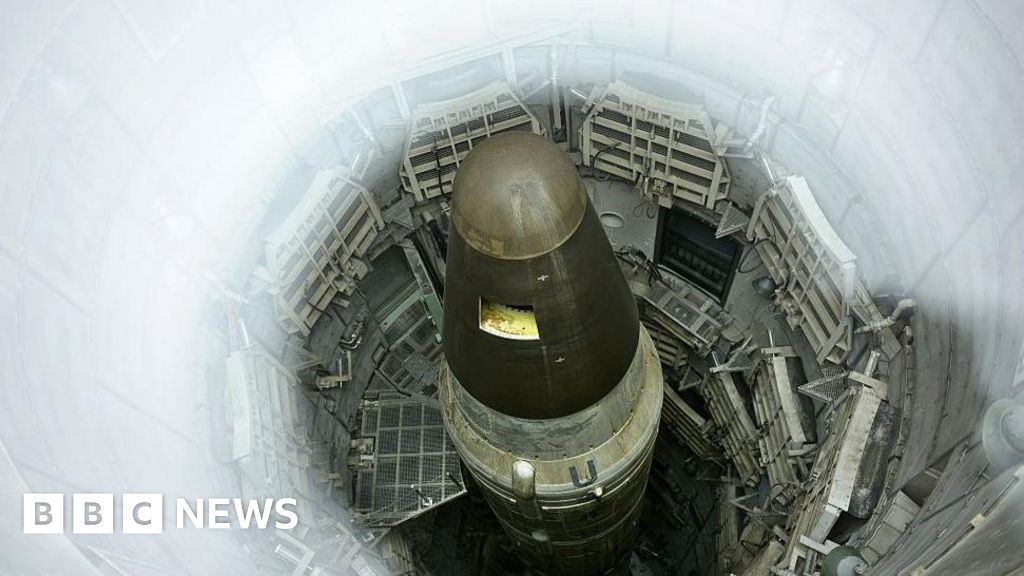
In a move that has sent shockwaves through the international community, President Donald Trump has announced the resumption of nuclear weapons testing, marking a stark departure from decades of U.S. policy aimed at nuclear non-proliferation. Just ahead of crucial diplomatic interactions with Chinese President Xi Jinping, Trump publicly declared that the United States would initiate testing “on an equal basis” with countries like Russia and China. This shift reflects mounting concerns over the rapidly evolving geostrategic landscape, where nuclear capabilities are increasingly seen as essential leverage and deterrence in a world marred by conflicts and technological advancements.

The decision to restart U.S. nuclear testing has notable geopolitical impact. Historically, the U.S. and Russia have maintained a delicate balance of nuclear arsenals, with recent estimates revealing Russia’s stockpile at approximately 5,580 warheads—more than the U.S.’s slightly lower count of about 5,225, according to the Federation of American Scientists (FAS). Meanwhile, China has dramatically increased its arsenal, reaching around 600 warheads and projected to exceed 1,000 by 2030, as per analysts from the Center for Strategic and International Studies (CSIS). By announcing a return to nuclear testing, the U.S. appears to be signaling a readiness to escalate the arms race, a move that critics warn could undermine the existing nuclear treaties and fuel further instability.

It’s worth noting that, since the last U.S. nuclear test in 1992, the international community has largely adhered to a moratorium on testing, reinforced by treaties such as the Comprehensive Nuclear-Test-Ban Treaty (CTBT). The recent Russian testing of advanced missile systems and the development of nuclear-capable underwater drones, like the Poseidon, showcase a new era of nuclear brinksmanship where technological innovation compounds strategic threats. The decision by the Trump administration, coupled with Russia’s own tests of new weaponry, may ignite a chain reaction of destabilizing responses among nuclear-armed nations. International agencies, including the United Nations and global disarmament advocates, have warned that a resumption of testing could jeopardize the nuclear non-proliferation regime, risking a future where nuclear conflict becomes more likely rather than less.

Leading historians and international analysts emphasize the gravity of this shift. For example, Dr. Hal Brands, a notable security expert, cautions that restoring a testing program could mark *”the end of the post-Cold War era of strategic stability”* and escalate the risk of nuclear proliferation among emerging powers. Meanwhile, opposition figures in Congress and advocacy groups have voiced fears over the revival of nuclear tests, arguing that this could “trigger a dangerous arms race” and undermine decades of diplomatic progress. The strategic calculus now moves perilously close to a precipice, with the future of global stability hanging in the balance. As the world watches, it remains uncertain whether diplomacy can contain this dangerous flashpoint, or if history will be rewritten in fire and radiation—an ominous testament to the fragile balance of peace and chaos that has defined the nuclear age.
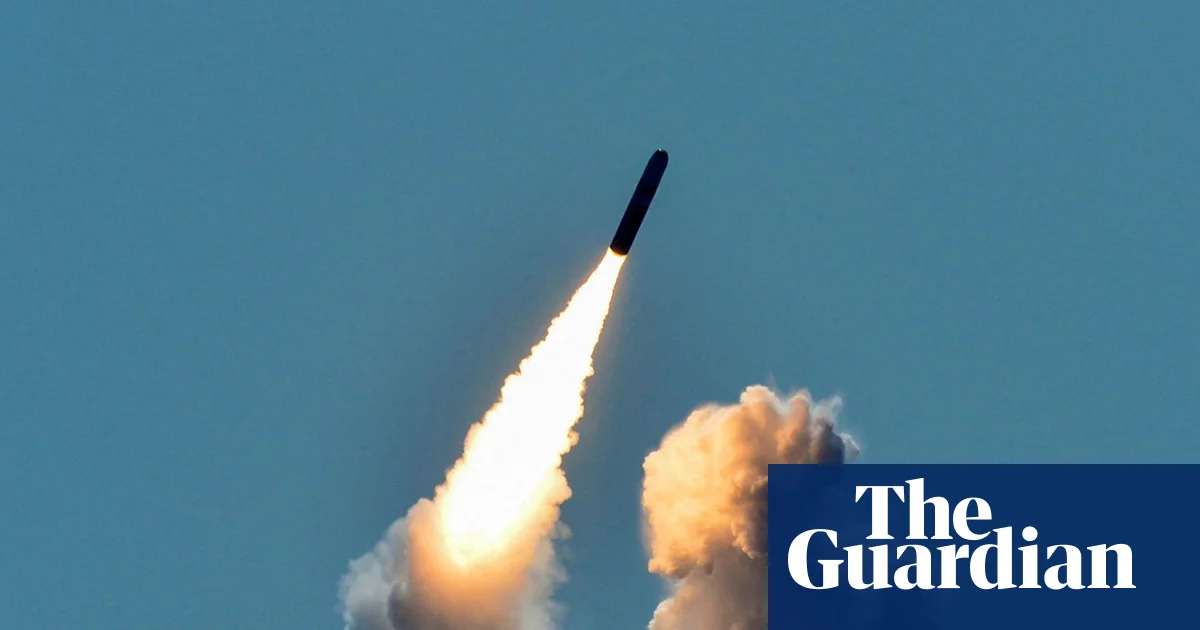
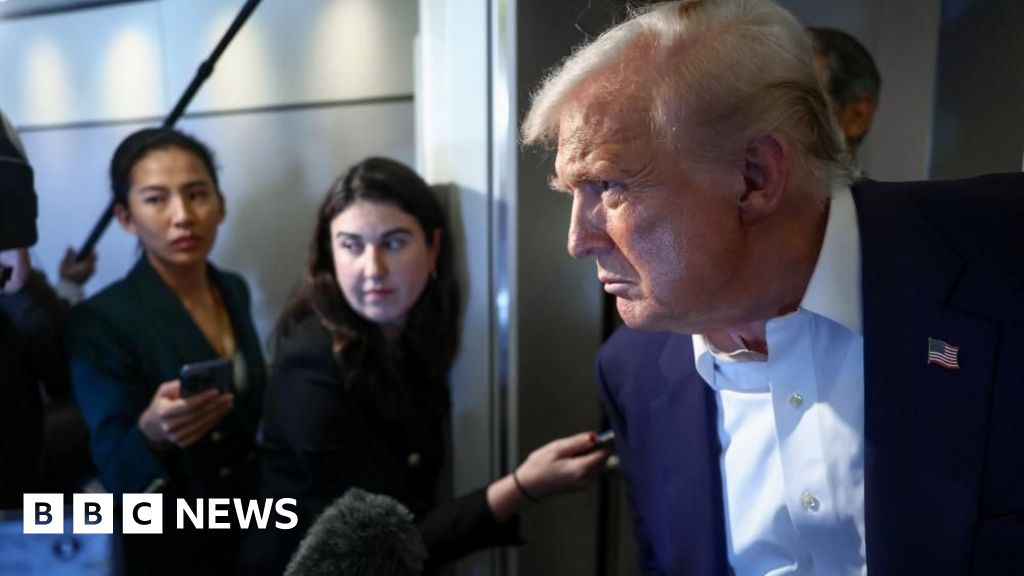
Trump orders Pentagon to ramp up nuclear tests to rival Russia and China | Donald Trump

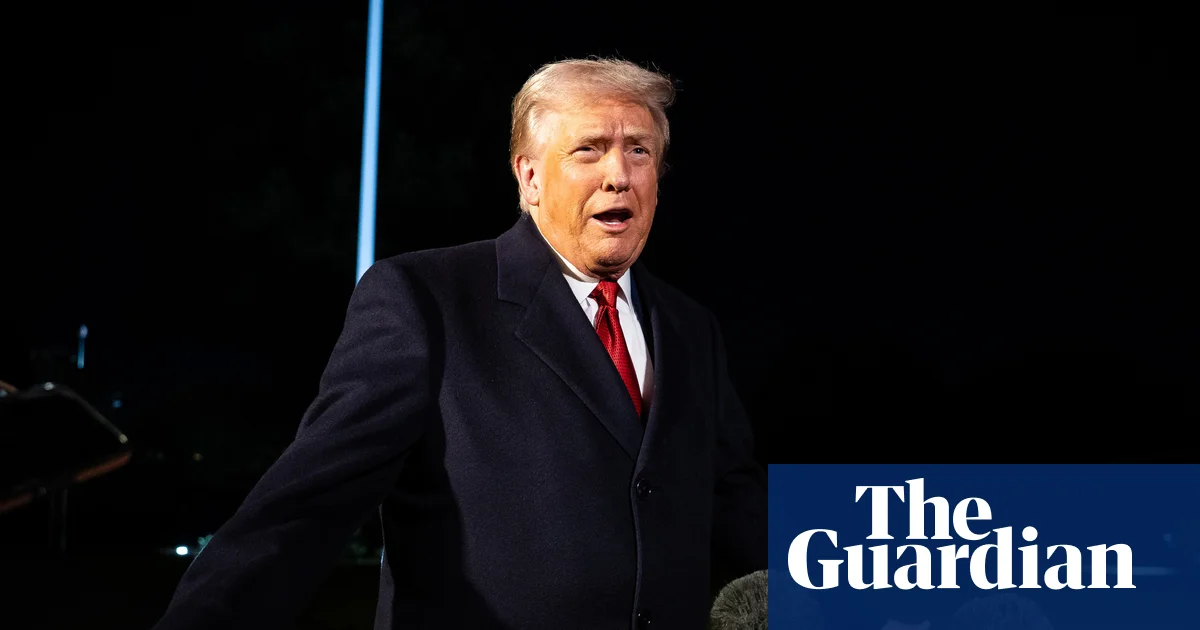
In a **dramatic escalation** of international tensions, Donald Trump has ordered the Pentagon to begin testing U.S. nuclear weapons in direct response to recent advances by Russia and China. This move, announced via social media, marks a **noteworthy shift** from years of US efforts to de-escalate nuclear tensions and cements a stark new reality—one where the world’s leading powers are engaging in a **dangerous game of nuclear one-upmanship**. Trump’s directive coincides with a backdrop where Moscow and Beijing have demonstrated their willingness to modernize and expand their nuclear arsenals, with Russia’s successful test of the Burevestnik cruise missile and Poseidon super torpedo exemplifying a clear intent to project power and undermine existing global stability.

Russia’s recent nuclear tests, including the Burevestnik nuclear-powered cruise missile and the Poseidon super torpedo, signal an **assertive posture** by the Kremlin amidst *breakdowns in diplomatic dialogue* with the West, particularly over the ongoing conflict in Ukraine. These developments are viewed by many analysts as a **deliberate display of strength**, intended to *deter Western interference* and reinforce Russia’s position as a formidable nuclear power. In response, Vladimir Putin has emphasized the need to ensure Russia’s national security, framing these tests as a necessary countermeasure in a new era of uncertainty. Meanwhile, the United States—despite a self-imposed moratorium since 1992—appears poised to re-engage in **nuclear testing**, threatening to ignite a new arms race. The move has sparked alarm among international organizations like the United Nations, which emphasize the catastrophic consequences of an escalated nuclear conflict and warn that such actions risk undoing decades of arms control efforts.

The **geopolitical impact** of Trump’s decision is profound and multifaceted. Not only does it **destabilize regional security architecture**, but it also threatens to undermine *existing treaties* such as the New START Treaty. The historic significance is clear: the revival of nuclear testing signals a departure from *diplomacy and mutual restraint*, opening a dangerous corridor leading toward a potential **nuclear crisis**. As traditional alliances and treaties waver, nations like India and Pakistan watch with concern, aware that a new arms race could destabilize a fragile global order. Leading international scholars, including arms control experts and historians, warn that such decisions “could unleash an era of instability and violence” that the world has sought to avoid since the Cold War’s conclusion.

Amidst this chaos, the **weight of history** looms heavy. The last full nuclear test conducted by the US was over three decades ago, and the silence that followed was seen as a *hope* for eventual disarmament. However, recent incidents suggest that the **axis of nuclear powers** is once again in motion, bringing the world closer to the “shadow of annihilation”. With *each test, each threat, and each escalation*, humanity edges toward an uncertain future. As nations grapple with the choice between peace and war, the question remains: will diplomatic efforts prevail, or will history once again be rewritten on the backdrop of nuclear shadows—a narrative where the clash of titans threatens to define the destiny of civilization itself?

Trump Flirts with Third Term, Keeps Fans and Critics Guessing

US Political Landscape Heats Up: Trump’s Ambitions and International Repercussions

The United States is once again at a pivotal crossroads as President Donald Trump publicly hints at the possibility of seeking a third term. This revelation, made during his diplomatic tour of Asia, reverses previous claims that he would not pursue further presidential bids. While the 22nd Amendment of the US Constitution definitively bans presidents from serving more than two terms, Trump’s comments signal that the political landscape remains unpredictable. His remarks suggest a potential rise of unconventional strategies, such as leveraging support from influential allies or possibly maneuvering through legal technicalities—an approach that has alarmed many international institutions and democratic watchdogs.

This development is shaded with complex geopolitical implications. Trump’s intent to run again in 2028, reinforced by allies like Steve Bannon, underscores a continued challenge to traditional constitutional constraints and the stability of American democracy. Analysts warn that such ambitions could deepen existing domestic divisions and influence worldwide perceptions of US adherence to democratic norms. The possibility of a third Trump presidency also raises serious concerns about potential shifts in US foreign policy, particularly in volatile regions like East Asia and Eastern Europe, where American commitments are foundational for regional stability.

Meanwhile, the Democratic Party faces a turbulent future of its own, with figures like Gavin Newsom and Kamala Harris signaling intentions to seek the presidency. Their bids could further polarize American politics and affect international alliances and diplomatic strategies. Global strategists emphasize that how the US manages its internal political contestations will have profound effects on world order, especially as China and Russia continue to cement their influence. International organizations and analysts caution that such internal US conflicts could weaken the credibility of its leadership on issues like climate change, cybersecurity, and regional security.

The unfolding scenario leaves the world teetering on the brink of a new chapter where power dynamics may shift significantly. Historians warn that history will judge these years as a defining moment—how America navigates the treacherous waters of its internal strife and external leadership will shape global history itself. As nations watch and react, the weight of future generations may hinge on decisions made within the halls of power, decisions that could either uphold the promise of democracy or usher in a new era of uncertainty and upheaval. The future remains unwritten, and how today’s choices resonate through the corridors of history will determine whether the world sees stability or chaos in the years to come.

Trump Hits Canadian Goods with Tariffs After Reagan Campaign Backlash

Trade Tensions Escalate as US and Canada Clash Over Tariffs and Political Rhetoric

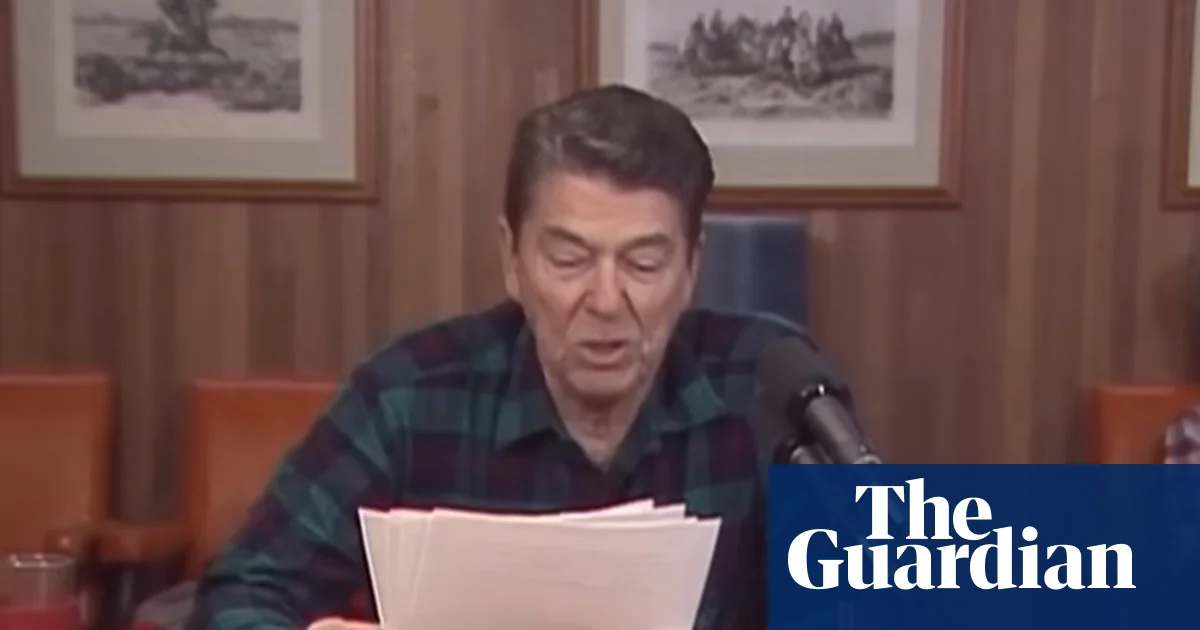
The ongoing trade dispute between the United States and Canada has taken a dramatic turn, with recent actions highlighting the fragile state of North American economic relations. Following US President Donald Trump’s announcement of increased tariffs—reportedly a 10% hike on goods imported from Canada—the geopolitical landscape is shifting dangerously close to a trade war. Trump’s decision came in response to a political advertisement sponsored by Ontario that featured excerpts from Reagan-era US presidential speeches, criticizing tariffs as harmful to American workers. The ad, which quoted Reagan’s famous warning that tariffs “hurt every American,” was seen as a direct challenge to current US economic policies, prompting the Trump administration to retaliate with increased levies.

This move underscores a broader deterioration in United States-Canada relations, with tariffs already hitting sector-specific industries—particularly metals and automobiles—severely impacting Canadian exporters, who rely heavily on the US market. Canada’s auto sector, based largely in Ontario, accounts for a significant share of national exports, and analysts warn that further escalation could weaken the North American supply chain, risking long-term economic stability. The Canadian Chamber of Commerce publicly expressed hope for diplomacy, emphasizing that tariffs serve as a “tax on North American competitiveness,” yet the damage inflicted by these tariffs is already palpable across borders. With the impending Supreme Court case questioning the constitutionality of Trump’s tariffs, the region faces an uncertain future, torn between protectionist policies and the need for open trade.

Amidst this tense backdrop, political narratives are being wielded as much as economic policies. Ontario Premier Doug Ford initially launched a provocative anti-tariff advertisement during the World Series, featuring Reagan’s words and highlighting the adverse impact of tariffs on American workers. After diplomatic pressure, Ford agreed to pause the ad campaign, though it still ran over the weekend during the high-profile baseball championship. Meanwhile, Trump accused Canada of attempting to manipulate the upcoming US Supreme Court case that could dismantle his tariff regime altogether. These accusations reveal the strategic use of diplomatic confrontations to influence legal and political outcomes, illustrating the dangerous confluence of trade policy and national politics. Historians and analysts note that this pattern of escalating rhetoric echoes past trade disputes, which often intensify before reaching a resolution or erupting into full-fledged conflicts.

The international community watches with concern as these developments threaten the stability of North American economic and diplomatic relations. The stakes extend far beyond tariffs; they touch on sovereignty, national identity, and the broader strategic positioning of the United States and its closest neighbor. The global institutions tasked with maintaining a rules-based order lack the power to curb rising unilateralism. With the US seemingly determined to invoke economic measures as a form of political leverage and Canada asserting its sovereignty through symbolic gestures like the World Series ad and diplomatic protests, the future of North American integration hangs in the balance. As the story unfolds, history’s weight remains heavy—each decision, each controversy, contributes to a larger narrative of power, resilience, and the relentless pursuit of national interests amidst a shifting geopolitical landscape. The outcome of this tempest, whether a return to dialogue or a descent into economic conflict, will indelibly shape the legacy of the current era and the security of generations to come.

Trump supporter Timothy Mellon funds $130M to secure troop pay amid shutdown

In a startling display of private influence over public policy, timing and financial dominance converge as news broke of an anonymous donation that temporarily eased the burdens of U.S. troops during the prolonged federal shutdown. According to The New York Times, the donor, identified only as Timothy Mellon, committed a staggering $130 million to the U.S. government — a move unprecedented in its clandestine nature and its implications for americas’ political landscape. Mellon’s history as a major Republican benefactor and heir to an industrialist legacy underscores a broader trend: wealthy private actors increasingly shape governmental functions, blurring the lines between citizen participation and covert influence.

This infusion of private capital raises critical questions about how international and domestic policy decisions are influenced by billionaires. The donation, accepted under the Pentagon’s “general gift acceptance authority,” was reportedly aimed solely at subsidizing service members’ salaries and benefits. Yet, the controversy lurks in the potential violations of the Antideficiency Act, which explicitly prohibits federal agencies from spending beyond their congressional appropriations or accepting voluntary services outside emergencies involving human safety. Such measures drift dangerously towards undermining the checks and balances fundamental to American democracy, where the power of the purse traditionally rests with elected representatives, not anonymous magnates.

Historically, figures like Mellon symbolize a nexus of wealth, political influence, and ideological confrontations. As research by analysts and historian suggest, Mellon’s substantial campaign contributions — totaling over $165 million in recent election cycles — exemplify how interwoven private fortunes are with the fabric of candidate support and policy advocacy. His recent backing of intense border projects in Texas, and support for antitrust ideological movements, reveal a strategic effort to shape regional and national narratives aligned with a broader conservative resurgence.

The geopolitical impact of such private influence extends beyond American borders. As international organizations warn of increasing transnational power struggles, the US’s internal reliance on billionaire benefactors risks destabilizing the foundational principles of democracy in favor of a shadowy corporatocracy. The actions of Mellon and similar donors set a precedent where financial might can quietly mold policy outcomes, often at odds with citizen interests. Their role invites scrutiny from global governance bodies, which are already observing the fragility of the American political order amidst growing societal divisions.

As history continues to unfold in the corridors of power, the weight of these clandestine financial maneuvers threatens to redefine the very notion of sovereignty. With each secret donation, each act of influence, the dividing lines between the public and private sphere blur further, raising urgent questions about accountability and transparency. As nations look on, they recognize the inescapable reality that the future of free societies hangs by a thread, woven with the invisible threads of wealth and power, leaving the world to ponder — whose interests truly shape the course of history?

Ontario Premier Pulls Back on Anti-Tariff Ads After Trump Backlash

In recent weeks, the political landscape between Canada and the United States has been anything but predictable. Ontario’s Premier Doug Ford took a bold stance by launching an anti-tariff campaign aimed at highlighting the detrimental effects of US levies on Canadian industries. This move, rooted in a desire to *spark a broader conversation about fair trade policies*, unfortunately, ignited a diplomatic firestorm when President Donald Trump reacted sharply, ultimately leading to the termination of trade talks. Ford’s decision to pause the advert—scheduled to run during the Major League Baseball World Series—was a strategic attempt to open space for future negotiations, reflecting a complex balancing act between assertive nationalism and pragmatic diplomacy.

At the heart of the turmoil lies a broader narrative of shifted trade policies and economic vulnerabilities. Canada’s economy, heavily dependent on US markets—selling about 75% of its exports—finds itself at the mercy of fluctuating tariffs and unpredictable political rhetoric. With US levies reaching 35% on Canadian goods and specific sector tariffs hitting metals and automobiles particularly hard, Ontario, Canada’s manufacturing hub, bears the brunt of this economic tension. While Prime Minister Mark Carney has advocated for friendly, face-to-face negotiations—emphasizing Canada’s readiness to resume talks when the US is prepared—Ford’s more confrontational approach underscores a broader, vocal frustration among certain Canadian leaders who believe that standing firm might rally support domestically. However, experts like Mahmood Nanji suggest that this theatrics and hyperbole may not serve Canada’s long-term economic interests, highlighting the importance of consistent, strategic engagement over fiery rhetoric.

Amidst these turbulent negotiations, Canada’s leadership faces a crucial crossroads. The broader context reveals that the US has imposed sector-specific tariffs, with Canada’s auto industry and metals sector suffering significant setbacks. These tariffs threaten jobs, economic growth, and the country’s industrial sovereignty. While some argue that resilient, unapologetic defiance embodies a *true patriot’s spirit*—echoing sentiments rooted in classical American conservatism as articulated by figures like Ronald Reagan—others warn that such strategies risk alienating allies and complicating future trade negotiations. As Canada explores new partnerships in Asia during Prime Minister Carney’s upcoming visit to the ASEAN Summit, it is clear that a diversified approach may be essential to gaining *greater independence* and protecting its economic interests long-term.

Ultimately, the unfolding saga reminds us that lifestyle and economy are intertwined. The decisions made in the chambers of political leaders ripple through communities—affecting jobs, family livelihoods, and national strength. Yet, beyond the headlines, there is an undercurrent of resilience—a collective commitment to *embracing a new era of economic sovereignty*. As Canadians reflect on their journey, it becomes evident that building a resilient future demands not just strategic negotiations but also a mindset rooted in confidence, adaptability, and hope. Perhaps, as Reagan once said, tariffs hurt everyone—but it is the indomitable spirit of a people, driven by purpose and perseverance, that will chart the course toward a brighter, more independent tomorrow.

Trump urges China to step up and help end Russia’s war

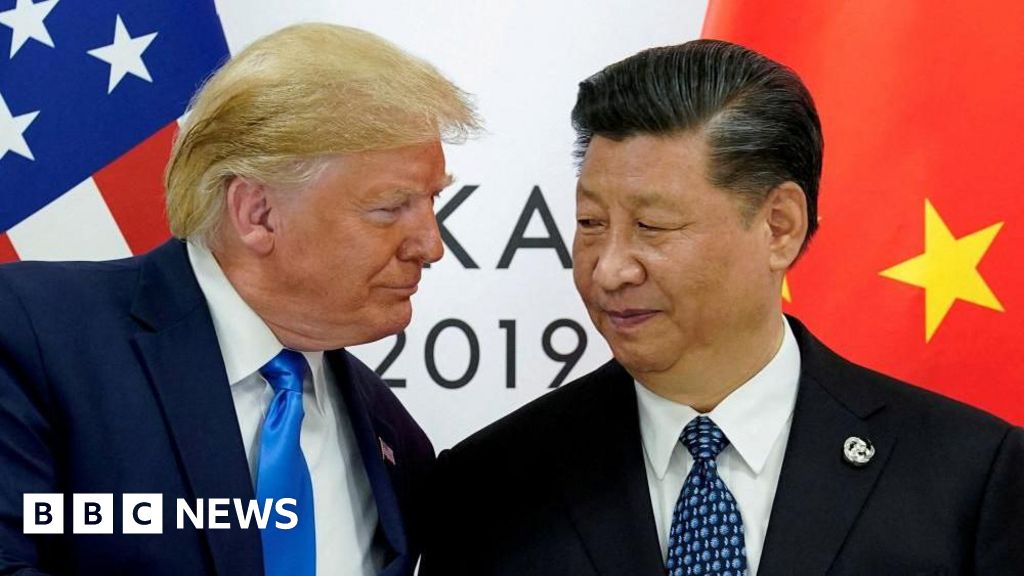
The recent developments in international diplomacy and military hostilities underscore a shifting geopolitical landscape, where the decisions of influential powers resonate across continents, impacting nations and societies alike. The meeting between former US President Donald Trump and Xi Jinping this week signals an effort to recalibrate relations amidst a backdrop of ongoing conflict in Ukraine. Despite the veneer of diplomatic dialogue, the underlying tensions remain palpable, as global institutions and nations grapple with the real consequences of this power struggle. History reminds us that such shifts can alter the course of nations for generations to come, and today’s decisions may define the future.

At the heart of these upheavals lies Russia’s unprovoked invasion of Ukraine, a conflict that continues to threaten stability in Eastern Europe. Russia remains aligned with China in a deepening partnership, emphasizing their shared interests in challenging Western dominance. Beijing’s unwavering diplomatic stance—never criticising Russia’s war and actively engaging in trade—has drawn accusations from the US and allies of aiding Moscow’s military campaign, which Beijing firmly denies. The recent summit in Beijing, with Putin and Kim Jong Un in attendance, served as a stark reminder of how these alliances are reshaping the region’s strategic landscape, presenting a united front that directly counters Western efforts to isolate Moscow.

The Western response to Russia’s military actions has increasingly involved economic sanctions and supply restrictions aimed at curbing Moscow’s war machine. Trump’s recent sanctions on Russia’s oil sector—the first direct interventions by the Biden administration—signify a possible shift towards more aggressive economic measures. Yet, analysts warn that Kremlin officials view such sanctions as “immune” to Western pressure, likely prompting Russia to seek alternative markets, particularly in China and India. The United Nations and European Union remain divided, with some voices calling for escalation, others urging caution, producing a fractured international response. This complex web of alliances and rivalries demonstrates how decisions made at the highest levels continue to ripple through the fabric of society, affecting millions who live in war zones, displaced refugees, and communities left vulnerable to economic turmoil.

As the US and China engage in a cautious dance over Ukraine, the broader geopolitical impact becomes increasingly evident. The recent meeting with Xi Jinping, where both leaders acknowledged “everything,” including Ukraine, exemplifies how sovereignties are intertwined with global ambitions. Beijing’s continued support for Moscow’s strategic goals—undermining Western sanctions while quietly bolstering Russia’s military and economic resilience—serves as a crucial turning point in the widening contest for international influence. The shadow of these decisions looms large, as the world watches a delicate balance between diplomacy and conflict, where the misstep of a single leader could plunge the planet into chaos. As historian John Mearsheimer warns, great-power competition is rarely peaceful, and today’s diplomacy must contend with the harsh realities of geopolitics.

In the shadows of this global chessboard, Ukraine remains a poignant symbol of what is at stake. The recent surge in Russian strikes, causing destruction and loss of life in Kyiv, underscores the unresolved nature of the conflict. Ukrainian President Volodymyr Zelensky appealed to the world for increased support, emphasizing that no nation should face such evil alone. Meanwhile, in Russia’s Belgorod region, the ripple effects of combat threaten local populations, with evacuations due to possible flooding caused by Ukrainian strikes. This ongoing horror story is a stark reminder that, regardless of diplomatic overtures, the true impact of these decisions is measured in lives disrupted and hopes shattered. The weight of history presses down, as the world steps closer to a new chapter—one written by power, conflict, and the indomitable will of nations to shape their own destiny amid the chaos.

Trump Eyes Meeting Kim on Asia Tour to Strengthen America’s Position

Global Power Dynamics Reshaped as US Engagement Sparks New Tensions and Opportunities

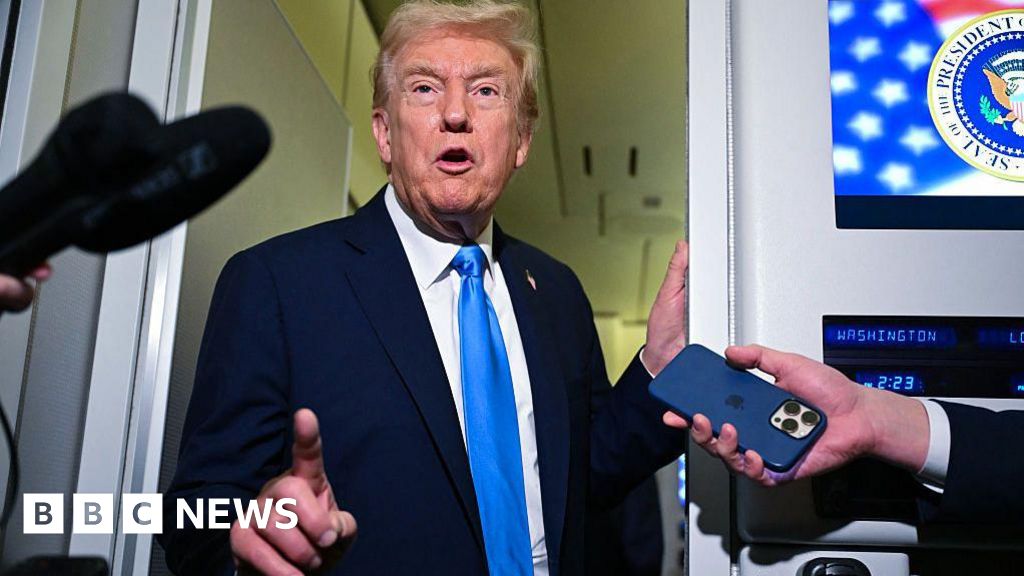
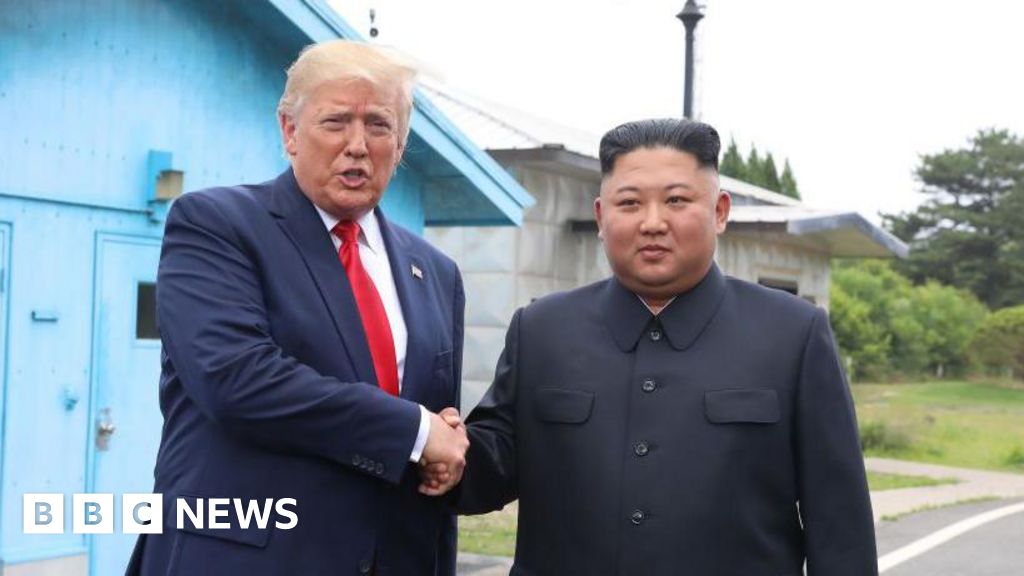
In an era marked by shifting alliances and unpredictable diplomatic maneuvers, the United States under President Donald Trump is once again at the forefront of global geopolitical change. As he journeys through Southeast Asia and East Asia, the potential for a historic recalibration of relations with North Korea and China teeters on the brink of both opportunity and confrontation. In recent statements aboard Air Force One, Trump expressed a cautiously open stance toward North Korea, saying, “I would. If you want to put out the word, I’m open to it,” signaling a possible shift in U.S. policy toward the isolated regime. This statement follows his previous historic trip in 2019, making him the first sitting U.S. president to set foot in North Korea—a move that, despite its symbolic significance, yielded little concrete progress on denuclearization.

Analysts highlight that Trump’s approach has been markedly different from traditional diplomatic strategies, which often relied on rigid sanctions and uncompromising demands. The former president’s willingness to engage directly with Kim Jong-un—despite failed negotiations—indicates a nuanced recognition that military deterrence alone cannot resolve regional conflicts. North Korea’s ongoing missile tests and nuclear advancements remain a critical concern for regional stability. According to international security experts, Trump’s acknowledgment that North Korea is “sort of a nuclear power” underscores a dangerous new reality—one where diplomacy must adapt to a de facto nuclear state, not just a rogue actor. Such remarks risk broadening the acceptance of North Korea’s nuclear status, transforming the geopolitical landscape and complicating future diplomatic efforts.

Meanwhile, China plays a pivotal role in this volatile chess game. Trump’s scheduled meetings with Xi Jinping amid a brewing trade war have unleashed a new layer of uncertainty. Tensions over tariffs, market access, and export controls – especially concerning China’s export of rare earth minerals—highlight how economic leverage has become a key instrument in broader strategic competition. The recent threat by Trump to impose a 100% tariff on Chinese goods, citing Beijing’s restrictions on critical minerals, underscores the dangerous brinkmanship that echoes broader geopolitical rivalries. As the U.S.-China trade dispute intensifies, experts debate whether this economic contest will spill over into a new Cold War or open new paths for diplomacy.

Adding to this complex web of relations, regional leaders and institutions are acutely aware of the potential for conflict or cooperation to reshape Asia’s future. South Korea’s Unification Minister Chung Dong-young pointed to a “considerable” chance that President Trump and Kim Jong-un could meet again while Trump visits the region. Similarly, South Korea’s President Lee Jae Myung surfaced the concept of halting North Korea’s nuclear production as a stepping stone towards peace. Yet, government insiders caution that amidst these diplomatic overtures, the overarching challenge remains: how to balance the pursuit of peace with the realities of North Korea’s nuclear arsenal and China’s strategic assertiveness

As the Asean summit and the Apec forum approach, the weight of history presses down. Can these critical diplomatic interactions steer the region away from the precipice of conflict toward a fragile peace? Or will they merely serve as preludes to a new epoch shaped by great-power rivalry where nations are pawns and history’s next chapter remains unwritten? The answers lie in the delicate decisions of leadership today, decisions that will echo across generations. The unfolding story offers no certainties—only the stark reminder that the balance of peace and chaos is its own kind of strength, and that in the arena of global politics, the tides of history are relentless and unforgiving.

Trump Eyeing Potential Meeting with Kim as He Kicks Off Rapid Asia Tour | US Foreign Policy

In a definitive display of renewed U.S. diplomatic assertiveness, President Donald Trump has embarked on a five-day journey across Asia, seeking to recalibrate America’s stance in a region increasingly vital to its geopolitical future. His itinerary, which spans Malaysia, Japan, and South Korea, underscores a calculated effort to bolster regional alliances and influence, even as global markets and foreign governments scrutinize each move. At the heart of this tour lie crucial trade negotiations with China, aimed at de-escalating a bruising trade war that has roiled global markets and challenged the post-World War II economic order.

  • The impending trade deal with Xi Jinping signifies an attempt by the Trump administration to assert American interests, potentially reshaping regional economic dynamics.
  • Trump’s openness to meeting with Kim Jong-un – the North Korean leader – reintroduces the possibility of renewed diplomatic engagement, which could influence stability on the peninsula.
  • The focus on issues like Taiwan sovereignty and U.S.-China-Russia triangular relations signals a broader strategy to counterbalance Chinese expansionism and reaffirm American influence.

Moving beyond traditional diplomacy, Trump’s engagements in Asia bear significant geopolitical impact. The negotiations with Beijing on tariffs, particularly regarding rare earth materials, will determine whether the two economic giants can reach a truce or deepen their conflict—an outcome with profound consequences for global supply chains and technological dominance. Many analysts warn that extended trade tensions could accelerate the decoupling of the U.S. and Chinese economies, reshaping global commerce. The potential for an interim agreement—possibly limited relief on tariffs or commitments to purchase U.S. exports—remains a tangible yet fragile hope. Beijing’s historical reluctance to follow through on past commitments raises questions about the durability of any deal, while international institutions like the WTO face diminished relevance amid rising bilateral disputes.

Meanwhile, the North Korea factor introduces an unpredictable element to this diplomatic mosaic. Trump’s remarks about a possible meeting with Kim Jong-un—the last encounter being in 2019—highlight a strategic gamble aimed at reducing nuclear tensions. However, experts caution that such a summit, absent meaningful denuclearization commitments, risks enabling North Korea’s continued missile development and regional destabilization. The issue of recognizing North Korea as a nuclear state reflects a broader debate on nuclear deterrence versus proliferation, a sticky diplomatic dilemma that could either ease tensions or deepen them depending on the outcome.

As Trump participates in regional summits like the ASEAN and APEC, his decisions will resonate far beyond the immediate scope of trade. Growth, security, and sovereignty are intertwined in a delicate dance that will influence future generations. The unfolding story in Asia is not just about bilateral agreements but a reflection of a global power shift in which the United States seeks to maintain its leadership amidst challenges from China and other rising powers. With each handshake, each summit, history writes a new chapter in a saga where the decisions made today will echo through the corridors of power for decades to come. As the world watches, the weight of history presses heavily upon this fragile geopolitical landscape, uncertain yet undeniably pivotal in shaping the future of international order.

US-Canada clash over Reagan-era tariff attack as trade talks stall — Trump administration step in

Geopolitical Turmoil: Canada’s Trade Rift with the US Sparks International Reckoning

The recent escalation in trade tensions between Canada and the United States marks a significant turning point in international relations, highlighting the fragile nature of economic diplomacy in an era dominated by unilateral decision-making. The controversy began when the Ontario government ran a political advertisement featuring a historical speech by Ronald Reagan, emphasizing his stance that “trade barriers hurt every American worker”. The move, aimed at engaging US audiences on the impact of tariffs, unexpectedly ignited a diplomatic firestorm after Donald Trump responded with accusations of a “fraudulent” ad and, ultimately, the outright suspension of all trade negotiations with Canada. This sequence of events demonstrates how historical narratives can be weaponized in modern geopolitics, with repercussions that resonate far beyond the initial dispute.

The US-Canada trade relationship, long regarded as a cornerstone of North American stability, now faces an uncertain future. With the US imposition of 35% tariffs on Canadian steel, aluminum, and other key sectors, and Canada’s retaliatory measures, the economic fabric of both nations risks unraveling. Experts like Chris Sands, director of the Center for Canadian Studies at Johns Hopkins, warn that these developments could mark the cessation of meaningful negotiations. “Can we stop trade talks? Yes, but there was no evidence we were going anywhere anyway,” he notes, underscoring the perceived dead-end nature of current policy. The American move, fueled by political calculations amidst upcoming judicial hearings on presidential tariff authority, signifies a shift from Reagan’s ideals of free trade to a protectionist stance that threatens to destabilize the longstanding continental economic framework.

Moreover, this diplomatic breakdown occurs amid critical international deadlines. The scheduled review of the United States-Mexico-Canada Agreement in July 2026, coupled with U.S. Supreme Court hearings on Trump’s emergency tariff powers, underscores a pivotal moment for North American integration. The decision by the Canadian government to pivot towards building new partnerships in Asia reflects a broader strategy: diversifying economic reliance away from the tumultuous US market. As analysts observe, Canada’s stance is emblematic of a larger pattern—asserting sovereignty and safeguarding national interests against unpredictable American policies. Canada’s leadership now walks a tightrope, balancing domestic political pressure, regional unity, and its long-term strategic interests. These shifts will undoubtedly influence the global order, challenging established alliances and redefining how nations navigate shared economic destinies.

As history cast its long shadow over the present, the unfolding saga of North American trade relations raises a stark question: Will the echoes of Reagan’s optimistic free-trade vision be drowned out by the harsh realities of 21st-century protectionism? Or is this the beginning of a deeper reordering of global economic alliances? Only time will reveal whether these recent flashpoints are fleeting moments or the prelude to a fundamental transformation—where history’s lessons are either heeded or dismissed, and the world’s balance of power is reshaped by decisions made in moments of crisis. The weight of the future hangs heavy, as the pages of history continue to turn, writing a new chapter that will be remembered for generations to come.

Social Media Auto Publish Powered By : XYZScripts.com