Matox News

Truth Over Trends, always!

Trump announces promising new chapter for Middle East during Israeli parliament speech

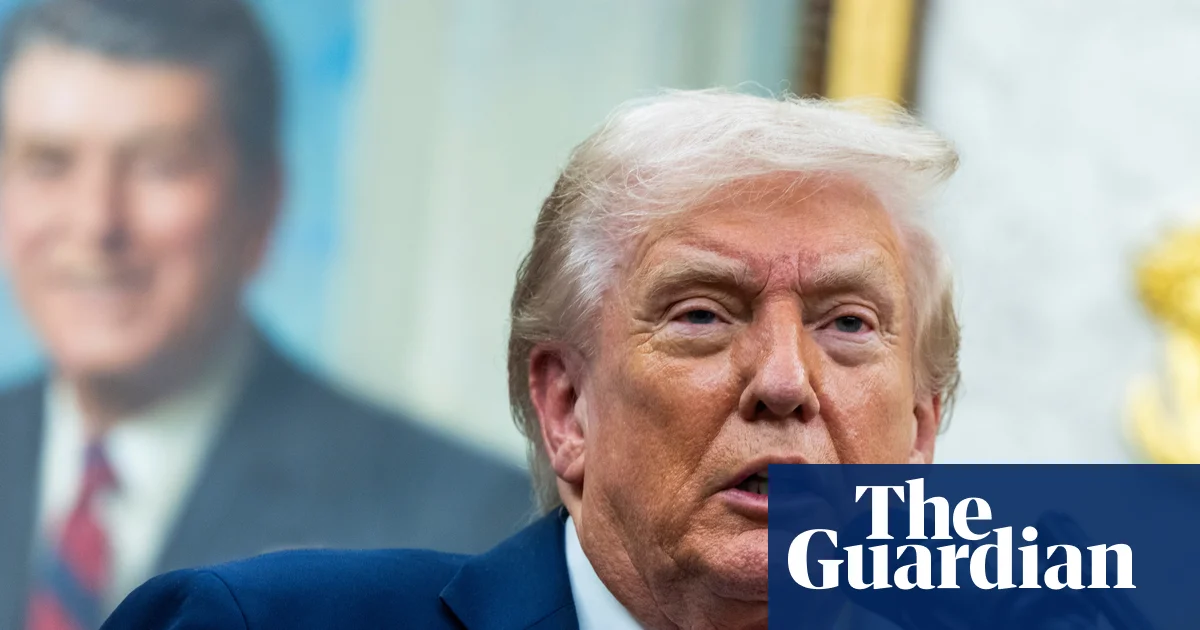
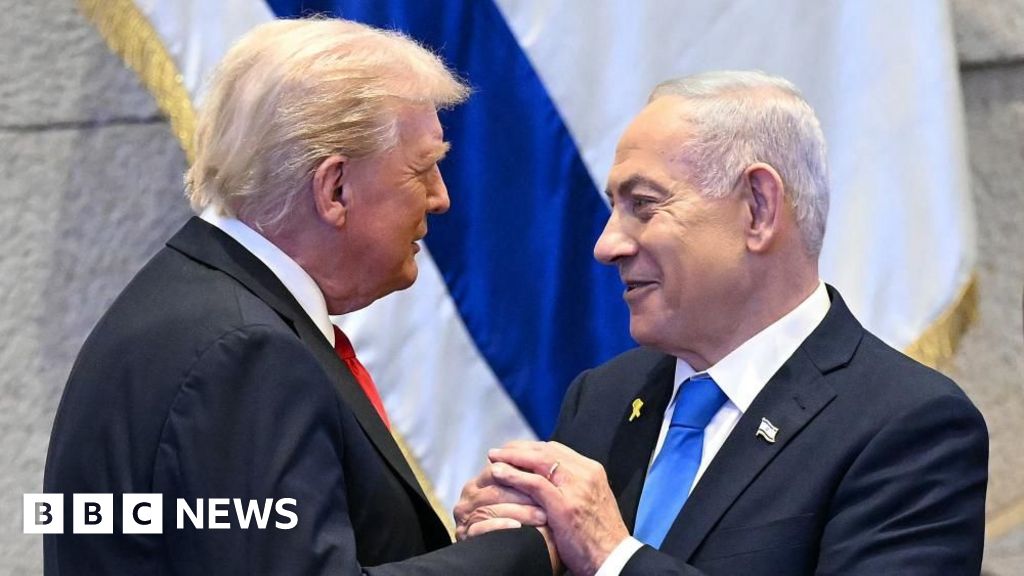
In a remarkable turn of events, President Donald Trump emerged as a central figure in shaping the recent developments in the Middle East. His visit to Israel and subsequent declaration that “the war is over” in Gaza signals an unprecedented diplomatic shift after over two years of brutal conflict. Trump’s role in brokering a ceasefire between Israel and Hamas not only underscores his influence but also sets the stage for a potential reconfiguration of regional alliances. His assertion that this marks the “start of a new Middle East” underscores the geopolitical stakes involved—an era where the influence of the US might return to a more assertive, peace-promoting posture, or so the narrative suggests.

  • Trump’s participation in a peace summit alongside Egyptian President Abdel Fattah al-Sisi and other world leaders emphasizes the scaling of US engagement into a broader regional diplomacy. His presentation at the Knesset, where he was hailed as “the greatest friend Israel ever had,” reflects not only his personal diplomacy but potentially a larger strategic aim: consolidating anti-Iranian alliances and strengthening Israel’s security narrative. Many analysts, including historians tracking US foreign-policy shifts, warn that such moves could recalibrate traditional regional balances, possibly sidelining factions opposed to peace accords or regional stability.

But beneath the jubilant rhetoric lies the complex, often fragile fabric of international diplomacy. Trump’s claims of having secured the release of the last 20 hostages and facilitating the initial stages of peace through a 20-point plan represent highly delicate diplomatic achievements. While some world organizations have celebrated these breakthroughs, critics underscore the *precariousness* of the ceasefire, emphasizing that “the next phases are yet to be negotiated.” This underscores a crucial point: lasting peace depends on sustained commitment and regional cooperation, factors that historically prove difficult to maintain in such a volatile landscape. International security analysts warn that these “initial successes” may not symbolize the end of hostilities but rather a brief pause in a larger, unresolved conflict that could reignite at any moment.

The decision by Israel to release 250 Palestinian prisoners, alongside the withdrawal of over 1,700 detainees, signals a recognition of the importance of confidence-building measures. Yet, it also raises questions about the broader geopolitical impact—how will these gestures influence the long-term prospects for peace, and what are the implications for Palestinian societal stability? Historians like Rashid Khalidi and analysts from institutions such as the United Nations argue that such gestures, while significant, cannot substitute comprehensive solutions rooted in justice and territorial sovereignty. As the world watches the region’s fragile ceasefire, the question remains: how lasting can a peace that emerges amidst geopolitical expediency truly be? The potential for upheaval hangs over the process, with many considering the current developments as merely a chapter—an echo of a still-unfolding saga that will shape history’s judgment.»

As the shadows of this historic moment deepen, one cannot ignore the enduring weight of history still unmade. The corridors of power whisper of a new dawn, yet beneath these bright promises lie the enduring scars of centuries of conflict. The geopolitical calculus pivoting around Jerusalem and the wider Middle East teeters on a knife’s edge. Will this be the start of a genuine era of peace, or merely a respite before the storm resumes? The unfolding narrative remains a reminder that, in the chess game of nations, every move echoes through history, and often, it is the silent, unseen forces that hold the greatest sway over the destiny of peoples.
Trump hints Ukraine could soon get Tomahawks to challenge Russia

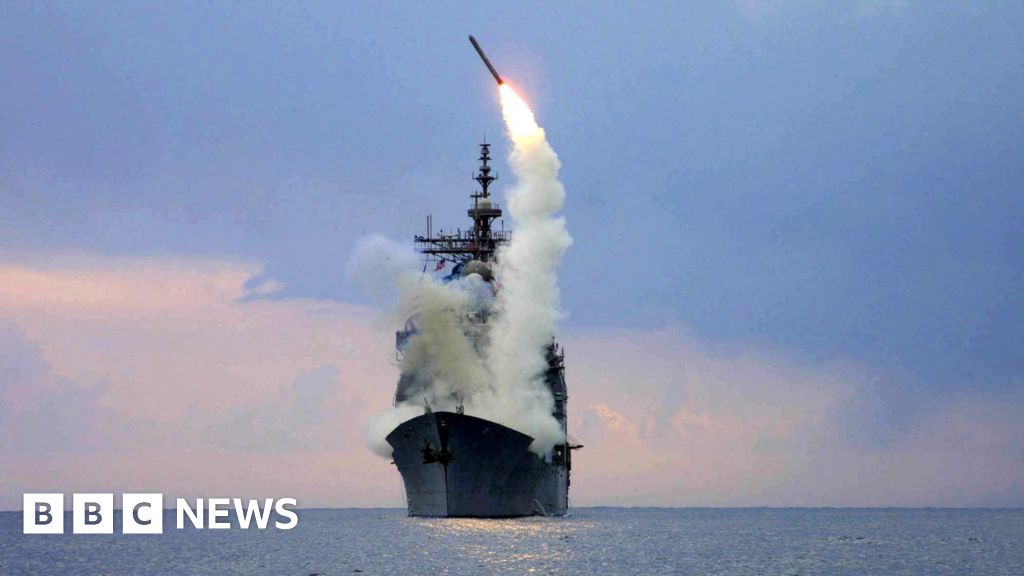
The United States is once again at the heart of escalating geopolitical tensions in Eastern Europe as reports emerge that President Donald Trump is contemplating the deployment of Tomahawk long-range cruise missiles to support Ukraine. This potential move raises alarm bells within Moscow, which has explicitly warned that supplying such advanced weaponry could trigger a major escalation in the ongoing conflict. The prospect of deploying missiles with a range of over 2,500 km, bringing Russian cities within reach, signifies a critical juncture in the Russia-Ukraine war that could radically reshape regional stability.

In recent conversations, including multiple calls between Volodymyr Zelensky and Donald Trump, Kyiv has pressed for enhanced military capabilities, especially long-range systems crucial for striking Russian supply chains and strategic targets deep inside their territory. As these discussions unfold, the rhetoric from Moscow remains unequivocal: any deployment of Tomahawk missiles by the U.S. would constitute a significant escalation and an infringement on Russia’s national security. Kremlin spokesperson Dmitry Peskov publicly dismissed claims that such missile systems could alter the course of the war, warning that “they won’t be able to change the dynamic.”

Analysts argue that U.S. decision-makers are walking a fine line, with some suggesting that any military aid extending Ukraine’s reach into Russian territory risks igniting a broader conflict that could involve other global powers. Countering this, some American and international voices warn that without such decisive support, Ukraine’s struggle against Russian aggression could be prolonged or even fail. The debate is fierce, with critics within Washington cautioned by the State Department’s own warnings about the potential for an anti-American backlash if escalation leads to a wider war. Meanwhile, European allies remain divided, balancing their support for Ukraine with fears of provoking Moscow further.

This development underscores a broader pattern where international institutions and experts emphasize that today’s decisions will carry profound consequences. The history of modern warfare demonstrates that the introduction of long-range missiles often marks a turning point—transforming localized conflicts into wider regional or even global confrontations. As historians warn about the dangers of escalation, the weight of this moment is clear: the choices made by Western powers in the coming days could shape the geopolitical landscape for decades to come, determining whether peace or chaos prevails. With each passing day, the shadows of history stretch further, and the pending decision on Ukraine could very well tip the balance of the global order, leaving the world on the precipice of a new, uncertain chapter.

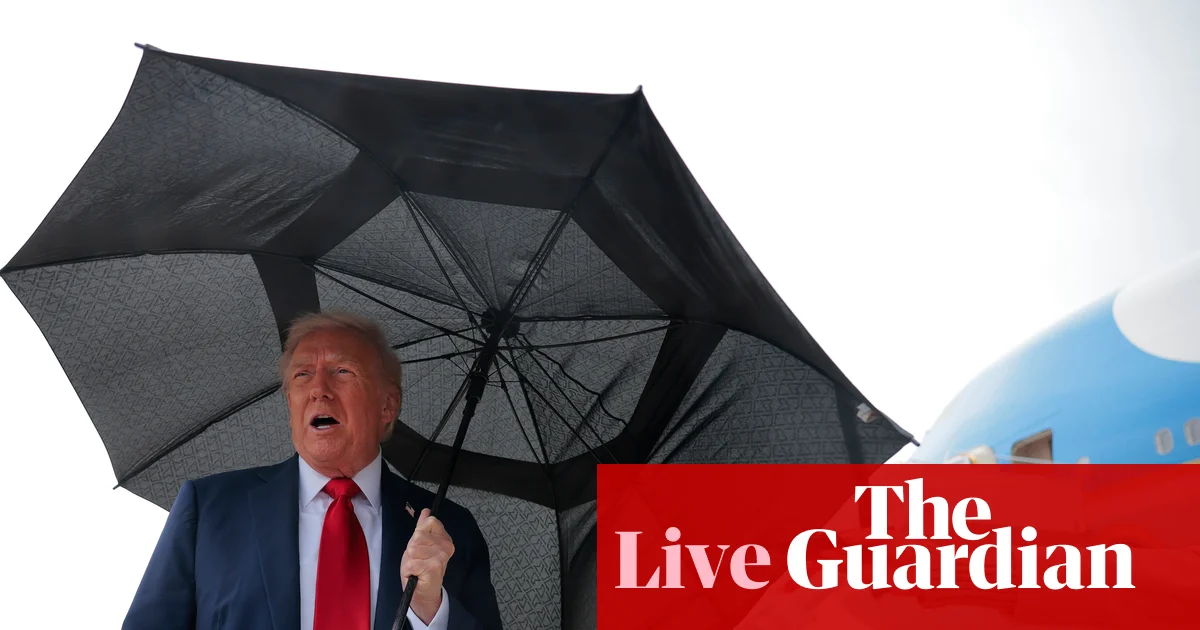
Trump declares 'war is over' in Gaza as he heads to Israel for hostage release
Trump declares ‘war is over’ in Gaza as he heads to Israel for hostage release

Global Power Dynamics Shift as Gaza Ceasefire and International Summit Unfold

The recent ceasefire agreement in Gaza, brokered through a 20-point peace plan spearheaded by former US President Donald Trump, marks a significant juncture in the ongoing Middle East crisis. As President Trump travels across the region, he publicly declares “the war is over,” signaling a potential turning point in decades of conflict. This declaration follows nearly a month of relentless violence that culminated in approximately 1,200 Israeli casualties and over 67,000 Palestinian deaths, according to Palestinian health authorities. The intense escalation was ignited by Hamas-led attacks on southern Israel on October 7, 2023, setting off a military response that has reshaped global geopolitical alignments.

The ceasefire, while a tentative step toward peace, is underpinned by complex negotiations on the next phases, including governance of Gaza and the disarmament of Hamas. Key agreements involve the release of hostages and detainees—twenty of the Israeli captives are believed to be alive, with Hamas also committing to deliver the remains of up to 28 deceased hostages. International observers warn that such agreements do not resolve the underlying issues but merely set the stage for delicate negotiations that could determine the fate of millions. Analysts emphasize that the decision to implement aid flows into Gaza—a critical humanitarian concern—remains contentious, with Israel emphasizing that aid deliveries are contingent on the return of hostages and the disarming of Hamas. How these decisions are executed in the coming days will have profound consequences for regional stability and international diplomacy.

At the same time, Egypt’s President Abdel Fattah al-Sisi is convening a pivotal international summit in Sharm El-Sheikh, where leaders from over 20 nations, including UK Prime Minister Sir Keir Starmer and Palestinian President Mahmoud Abbas, are set to assemble. This gathering aims to formalize a path toward ending the conflict, with a proposed document purportedly “ending the war in Gaza.” Notably, Iran’s absence at the table—citing grievances over alleged attacks on its people—raises questions about the unity and effectiveness of regional solidarity. Historians and geopolitical analysts have long warned that such diplomatic efforts are precarious, often countered by entrenched rivalries and external influences, making true peace elusive and temporary.

The geopolitical impact of these decisions resonates beyond the immediate conflict zone. Nations like the United States and Egypt are positioning themselves as arbiters of peace, implicitly countering regional adversaries such as Iran. Meanwhile, internal discord persists within Gaza, where residents describe devastation and a rising tide of internal violence, reflecting a fragile societal fabric scarred by warfare. Aid efforts, hampered by logistical and political barriers, remain insufficient amid widespread destruction and humanitarian crises. The unfolding scenario underscores that the history of the Middle East continues to be written with the bloodshed of its people and the strategic calculations of global powers, all vying for influence in a region where every decision can ignite or extinguish hopes for lasting peace.

As the world watches, the weight of history hangs heavy—a fragile ceasefire and international summit still mere chapters in an ongoing saga, with the potential to either forge a new era of diplomacy or plunge the region back into chaos. The coming days will reveal whether this fleeting moment of hope can withstand the forces that have long defined the Middle East’s tumultuous saga, or if the shadows of unresolved hatred and geopolitics will once again cast darkness over its future.

Gaza Ceasefire Live: Israeli Hostages to Be Freed Amid Trump’s Bold Call for 'War's End' — Trump Heads to Middle East
Gaza Ceasefire Live: Israeli Hostages to Be Freed Amid Trump’s Bold Call for ‘War’s End’ — Trump Heads to Middle East

The recent developments surrounding the ceasefire agreement in Gaza mark a pivotal moment on the international stage, poised to reshape the geopolitics of the Middle East. With mediating nations set to sign a binding guarantee in Egypt during an unprecedented summit, the world watches as several key players attempt to forge a fragile path toward peace amid ongoing conflict. Notably, the countries involved—namely the US, Egypt, Qatar, and likely Turkey—highlight the collective effort to stabilize a region historically plagued by instability. This diplomatic choreography underscores the significance of international cooperation, especially as all eyes are now fixed on how these decisions will influence societal shifts across affected nations.

At the heart of the diplomatic surge lies the unfolding drama in Israel, where Prime Minister Benjamin Netanyahu has publicly acknowledged the delicate hope for a new beginning. Yet, underlying this outward optimism are warnings from analysts and historians who caution about the entrenched security challenges that persist. As the ceasefire holds, experts warn that the campaign against militant factions remains far from over. Meanwhile, Donald Trump has left the US for the Middle East, claiming “the war is over” as he boards Air Force One to address the Knesset, further emphasizing U.S. involvement—an intervention that has historically influenced the balance of power in the region for decades. Such moves inevitably stir debates about external influence and sovereignty, affecting societal perceptions worldwide about interventionism, national security, and the prospects of lasting peace.

The human toll of this ongoing conflict remains staggering, with the Gaza health ministry reporting at least 67,806 Palestinians killed and over 170,000 injured since October 2023. The civilian casualties, many of whom are women and children, spotlight the devastating human cost that fuels global concern and complicates diplomatic negotiations. Meanwhile, aid agencies are rushing supplies into Gaza, in line with the ceasefire terms, to quell the humanitarian crisis. But the real geopolitical impact extends beyond immediate relief—these humanitarian efforts are often intertwined with political agendas, influencing international perceptions and, potentially, future resolutions. As Palestinians return to Gaza City amidst widespread destruction, the societal fabric of the region faces a long road toward rehabilitation and reconciliation, with each political act echoing through the battered streets and shattered lives.

In this complex tableau of diplomacy and warfare, the forthcoming peace summit in Sharm el-Sheikh becomes more than just a meeting—it is a defining moment that could pivot the entire narrative of the Middle East. Attended by leaders from more than 20 countries, it aims to seal a lasting ceasefire and set the stage for rebuilding. Yet, skepticism persists among analysts who observe that, historically, such summits often fall short of their lofty promises. As the region waits, and societies brace for uncertainties ahead, the unfolding story remains a testament to the perilous dance of diplomacy, the persistent shadows of conflict, and the weight of history that will decide whether this chapter marks a true turning point or a temporary pause on an unresolved crisis. The struggle for peace, after all, is a marathon—not a sprint—and the world must remain vigilant as history continues to unfold its decisive final acts.

Trump Town Faces Shutdown Boot as Budget Crisis Builds

The US Government Shutdown: A Local Impact with Global Geopolitical Ripples

As the United States government enters its third month of shutdown, the geopolitical consequences are rippling far beyond the halls of Washington, impacting local communities and societies with tangible immediacy. In Martinsburg, West Virginia, a town emblematic of the broader American fabric, federal employees, veterans, small business owners, and residents find themselves at the mercy of political deadlock. While the immediate effects include furloughed workers and shuttered services, analysts warn that this crisis highlights the deeper fissures and vulnerabilities within the very structure of American governance.

The shutdown began after a contentious political impasse over federal funding, with Democrats and Republicans entrenched in their stance since October 1st. The result has been the suspension of vital programs that sustain not only the lives of millions but also the stability of local economies. For instance, in Martinsburg—an area with a significant federal workforce—over 3,300 federal employees are directly affected, with additional thousands commuting to the capital daily. The impact on veteran care, as seen through the story of Army veteran Jonathan Giba, exemplifies the human toll: delayed medical treatment, halted career transition programs, and a growing sense of worry among those already scarred by service. Somber voices,” as noted by analysts, suggest this crisis is not merely about politics but about the systemic neglect of everyday Americans’ needs.

Within the broader geopolitical context, this shutdown underscores divisions within the United States—dubbed “Trump country”—where a fierce sense of independence and skepticism toward establishment politics runs deep. The political stalemate reflects more than a budget dispute; it embodies an ideological struggle that risks eroding trust in democratic institutions at a time when international confidence in American stability could waver. Historians fragility warn that repeated shutdowns risk long-term damage to the @America’s global standing, as allies and adversaries watch with keen interest. International organizations, like the United Nations, have expressed concerns over the stability of US policies and their capacity to meet global commitments, emphasizing that the world cannot ignore the internal crises of the most powerful nation on Earth.

Meanwhile, the impact is felt deeply within the American heartland—where small businesses like Tina Hissam’s suffer from the ripple effects of disrupted federal contracts and service closures. With USDA service centers shuttered and furloughed IRS workers further delaying claims and refunds, local economies flounder in uncertainty. According to economists and local leaders, such as Kelly Allen of the West Virginia Center on Budget and Policy, the suffering touches every stratum—from laid-off federal personnel to the most vulnerable members whose survival depends on stable government support. These mounting pressures threaten to further destabilize a politically divided society, fueling an urgent call for resolution amid a landscape of growing economic fragility.

As the crisis drags into the months, the narrative remains one of profound uncertainty—where history offers grim lessons: prolonged shutdowns lead to deeper policy failures, increased societal fractures, and a diminishing capacity for government to serve its people. With each passing day, the weight of history presses down; the American experience is once again at a crossroads, teetering between political brinkmanship and the imperative for leadership, unity, and purpose. The question persists—will this be a moment of reckoning, or a chapter of further decline, as the unstoppable momentum of history continues its relentless course?

European right-wing echoes Trump, demands Antifa labeled as terrorists

In recent months, the United States has set a precedent that resonates far beyond its borders, as nationalists across Europe emulate a hardline stance against what they term as anti-fascist militant groups. Donald Trump’s declaration on Truth Social that he would designate antifa as a major terrorist organisation has unleashed a wave of political momentum among Europe’s populist and far-right factions. Countries such as Hungary and the Netherlands swiftly responded, with leaders like Viktor Orbán and Geert Wilders advocating for criminalising the loosely affiliated, decentralized movement. The European parliament’s adoption of a resolution, supported by 79 MEPs from 20 nations, underscores how a collective wave of nationalist sentiment is rallying behind this narrative, falsely linking antifa to chaos and threats against societal cohesion.

How International Alliances Transform Domestic Politics

Experts warn that these legislative moves are far more than symbolic. Jessica White, acting director of terrorism and conflict studies at the Royal United Services Institute, emphasizes that antifa remains an amorphous movement lacking formal leadership or structured membership, making its designation as a terrorist organisation both impractical and counterproductive. She warns that such labels could be weaponized politically to target dissenters—like Ilaria Salis—who challenge authoritarian regimes. Salis, an Italian activist elected as an MEP in 2024, narrowly escaped Budapest’s attempt to strip her of immunity, a move critics view as politically motivated suppression. This pattern of repression exemplifies how these claims are used to stifle dissent, labeling opposition as threats to national stability, thereby undermining the rule of law and democratic principles prevalent in the EU.

Overreach or Necessary Defense?

Hungary specifically brands antifa as an “leftwing terrorist organisation”, a characterization vehemently rejected by European and international bodies like Europol. The agency’s recent Terrorism Situation and Trend report refrains from using the term “antifa,” instead attributing violence to left-wing or anarchist extremism—notably limited to property-targeted attacks in Italy and Greece. Critics argue that Hungary’s narrative is a strategic attempt to stigmatize all political opposition, with Zoltán Kovács and Orbán’s inner circle framing dissidents as violent threats. This rhetoric contributes to a climate of fear and polarization, where legitimate political dissent is conflated with extremism, ultimately eroding civil liberties and democratic accountability.

The Broader Culture War and Its Global Echo

Meanwhile, international analysts like Paweł Zerka warn that Trump’s influence extends beyond policy, fueling a culture war that polarizes societies across the Atlantic and increasingly in Europe. His advocacy for a nationalist, populist ethos has helped forge a new geopolitical landscape where the US acts as a model for right-wing populist movements—aligning figures like Marine Le Pen and Orbán. Zerka describes this as part of a grand strategy to create a “Maga international,” a network of ideologically aligned nations supporting nationalist narratives. The concept of antifa, borrowed wholesale from American political discourse, serves as a tool to create a common enemy that fuels domestic cohesion among these groups, rather than fostering genuine debate or legal due process. As this narrative spreads, the stakes grow higher—each new law, each inflammatory rhetoric, pushes societies closer to the precipice, with history poised to record whether this tide of nationalist fervor will bolster sovereignty or lead to chaos.

Trump Orders Pentagon to Keep Troops Paid Amid Shutdown

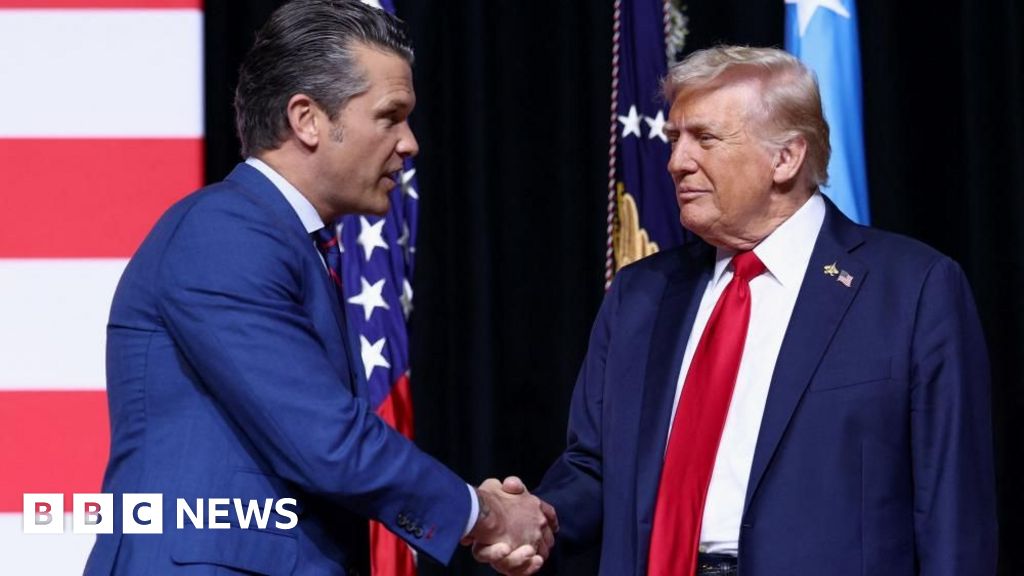
The United States faces an escalating political crisis as a prolonged government shutdown enters its third week, highlighting deep partisan divisions that threaten the stability of American institutions. President Donald Trump has issued a direct order to Defense Secretary Pete Hegseth to prioritize military personnel’s pay despite the shutdown, which began on October 1st. This decision underscores the importance of military readiness in the face of political gridlock, as the administration seeks to prevent a crisis within the armed forces. It also signals a tactical move to shield troops from financial hardship, even as other federal departments face significant layoffs and budget cuts. The decision’s geopolitical impact could ripple across international security dynamics, especially as allies monitor Washington’s fragile political resolve.

The shutdown stems from a standoff between Republicans and Democrats, with each side blaming the other for failing to reach a compromise. The Democrats have demanded the preservation of expiring tax credits aimed at lowering healthcare costs and reversing cuts to Medicaid, which primarily affects vulnerable populations. Conversely, Trump and his party accuse Democrats of obstructing national security and economic stability to achieve political goals. As analysts warn, this impasse not only endangers domestic policies but also risks weakening America’s global image as a reliable superpower. The measure to ensure military pay reflects a strategic calculation: maintaining military morale while politicians remain deadlocked, but it also raises questions about the long-term implications of political brinkmanship on international alliances.

Meanwhile, the administration has initiated unprecedented layoffs of thousands of government workers, an aggressive tactic designed to pressure Democrats to cave. Disaster response teams, health agencies, and security services have been affected, with over 4,000 employees laid off within just days. White House officials claim these layoffs are temporary, yet union representatives, including leaders from the American Federation of Government Employees and AFL-CIO, argue that these actions are not only illegal but also detrimental to public safety and national well-being. The potential for widespread government paralysis exposes the fragile foundations of America’s internal stability, as factions dig deeper into their trenches. International observers and organizations are watching with concern, recognizing that such political confrontations could embolden external adversaries or destabilize sectors such as cybersecurity, healthcare, and infrastructure—areas already strained by the ongoing crisis.

This critical juncture underscores a broader truth: the decisions made within the halls of power now will echo through history, shaping the **geopolitical landscape** for generations. As foreign nations assess Washington’s internal struggle, they scrutinize whether the American political system can withstand internal strife or if it risks falling into disarray. Historians warn that prolonged governmental shutdowns—if left unresolved—have profound consequences, weakening America’s power projection and eroding trust among allies and adversaries alike. The dark clouds of uncertainty loom as essential services teeter on the brink, leaving humanity to wonder if this chapter marks a temporary crisis or the prologue to a much darker era of American decline. With the pen in the hands of divided leaders, the weight of history presses heavily on the present, yet the story remains unwritten, waiting to be shaped by the choices of those still in power.

Trump vows military pay despite government shutdown—stand strong for America's defenders
Trump vows military pay despite government shutdown—stand strong for America’s defenders

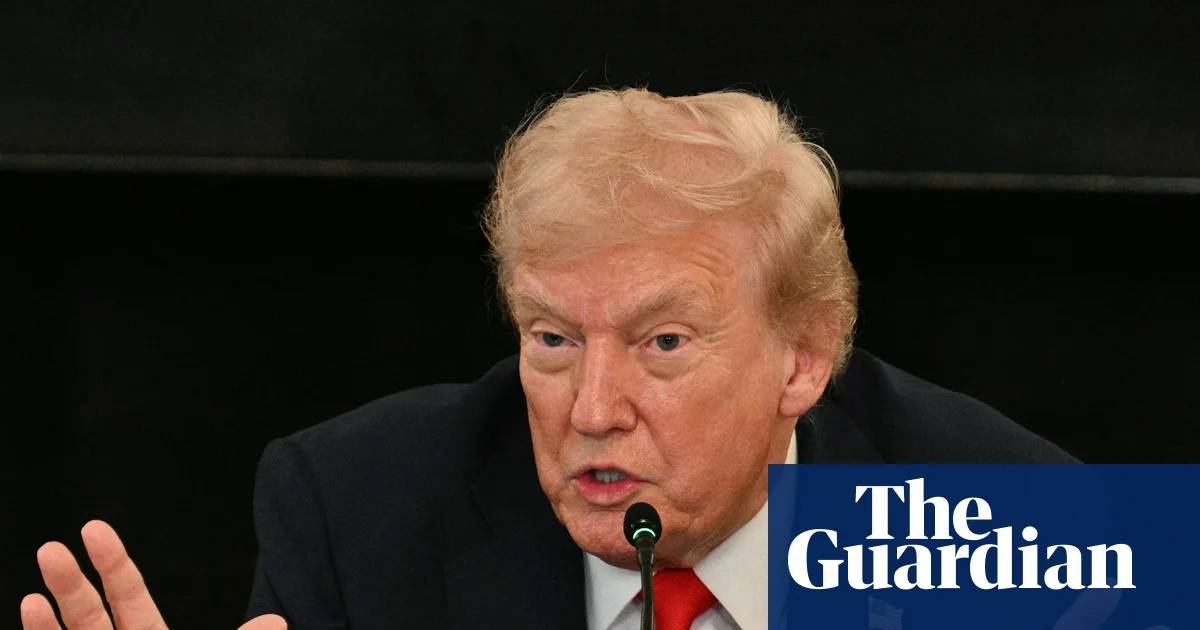
The recent federal government shutdown in the United States marks a pivotal moment in American politics, revealing the underlying fissures between the executive branch and Congress. President Donald Trump claimed on Saturday that he had devised a plan to pay US military personnel despite the shutdown, instructing his defense secretary, Pete Hegseth, to release funds and ensure active-duty troops receive their paychecks. This move underscores how leadership attempts to navigate a fractured legislative landscape, seeking to leverage executive authority to mitigate immediate fallout but risking broader constitutional and geopolitical consequences. As the shutdown extends into its second week, the impact on national security and international reputation becomes increasingly profound, revealing how internal discord can influence a nation’s global standing.

Established by partisan impasse, the shutdown has already begun to exert tangible effects, furloughing over 750,000 federal employees and delaying paychecks for more than 1.3 million military personnel. Historically, such shutdowns have exposed vulnerabilities in the U.S. federal system, with expert analysts highlighting the danger of prolonged stalemates on the country’s ability to project power and maintain stability. During the 2018-2019 impasse, broad legal protections ensured that federal workers received back pay once operations resumed; however, the current crisis flags a broader erosion of political comity. The Senate, still deadlocked over legislation to reopen government services, has seen Democrats, led by Chuck Schumer, confidently oppose efforts by the White House to bypass congressional approval—highlighting ideological divides that threaten to deepen and embolden partisan disputes.

The geopolitical impact of internal U.S. conflicts cannot be underestimated. While the world watches a superpower embroiled in internal strife, other nations are recalibrating their strategies, aware that American credibility hinges on the stability of its institutions. US foreign policy and military commitments risk disruption if ongoing discord hampers decision-making or operational capacity. Critics warn that such crises weaken America’s global deterrence and embolden adversaries, reminding allied nations of vulnerabilities inherent in its political system. International organizations and strategic analysts warn that continued instability could shift the balance of geopolitical power, emboldening rival powers like China and Russia to test U.S. resolve in key regions across Asia, the Middle East, and Eastern Europe. The tumult in Washington thus echoes far beyond borders, illustrating how internal political dynamics directly shape external security realities.

History’s lens makes clear that moments of internal crisis often serve as turning points with lasting consequences. Though President Trump’s administration seeks to utilize executive authority to assert control, experts warn of the dangers of such unilateral measures in a fragile democratic fabric. Scholars and international observers caution that persistent dysfunction threatens long-term stability and exposes vulnerabilities that adversaries may exploit. As the nation teeters on the brink of a precipice, the decisions taken today will echo through history, revealing whether the United States can withstand internal discord or falter, revealing cracks in its global dominance. In this unfolding narrative, the weight of history hangs heavy, foreshadowing a future shaped as much by internal betrayal as by external challenges—an uncertain chapter for a superpower still grappling to define its destiny amidst the chaos of its own making.

Trump Administration Sends Layoff Notices to Over 4,000 Workers Amid Shutdown

U.S. Federal Workforce Reductions Signal a New Chapter in Geopolitical Power Dynamics

The United States is currently navigating a rare and tumultuous chapter marked by an unprecedented government shutdown that carries far-reaching geopolitical implications. As the Trump administration initiates large-scale layoffs of thousands of federal workers—over 4,000 initially, with more to come—the international community observes a clear signal of internal discord and strategic recalibrations. These strategic workforce reductions, announced directly by White House officials, reflect a broader intent to reshape America’s internal machinery under the guise of efficiency but carry risks of destabilizing credibility on the world stage.

Decisions Rooted in Political Strategy, Not National Security

  • In the midst of the ongoing government shutdown, President Donald Trump has repeatedly leveraged the crisis to push for a significant cutback in federal employment—an ideological move that echoes long-held conservative priorities.
  • Agency layoffs—initially a few thousand—are only the beginning, with White House officials openly downplaying the current figures, hinting that the true scale may be far larger. Federal legal frameworks, including laws mandating a 30-day notice to those laid off, are being challenged and sidestepped in an effort to accelerate the process.
  • Most significantly, major agencies such as the Treasury and Health and Human Services are bearing the brunt, with estimates indicating over 4,600 employees already facing layoffs. These were announced without clear timelines or comprehensive details, raising questions about transparency and the long-term impact on government functions.

International Concerns and Potential Consequences

International organizations and analysts are sounding alarms over the destabilizing effects of internal US conflicts. The Partnership for Public Service and other watchdog groups warn of the long-term erosion of public trust and competency in the U.S. administrative apparatus, potentially diminishing global influence. China’s state media, for example, have seized upon these developments as evidence of American political chaos, portraying the internal strife as a sign of declining American dominance. Meanwhile, in Europe, policymakers are evaluating how the internal division might affect NATO commitments and the U.S.’s promise of leadership in international security alliances.

Historical Context and the Blurred Line Between Policy and Power

Historian Andrew Busch notes that such internal conflicts, especially the manipulation of workforce reductions during a shutdown, resemble tactics historically used by authoritarian regimes to consolidate power under the guise of efficiency. Analysts say that the current move—under president Trump—is emblematic of a broader shift where internal policy decisions are increasingly used as geopolitical tools to project strength or weaken perceived adversaries. The approach also exemplifies how internal disagreements can have external ramifications, from diplomatic relations to global markets, as uncertainty clouds the stability of the world’s largest economy.

The Future Unfolds, but the Cost Is Tangible

Looking ahead, the trajectory of America’s internal crisis remains uncertain. The decision to hollow out the federal workforce under the banner of efficiency, while dismissing legal protections for workers, echoes a grim warning for societies worldwide: that internal discord and politicized governance can profoundly undermine credibility and stability in the international arena. As the Biden administration and global observers watch nervously, history continues to write its complex narrative—one where internal struggles have the potential to reshape the geopolitical landscape for decades to come. The weight of what is happening now echoes through history’s corridors, hinting that the consequences of these decisions are yet to fully unfold, with each layoff and political clash adding a new chapter to the story of a nation at a crossroads.

Icebreakers and tee shots: How Trump and Finland’s leader are redefining unexpected friendships

From Icebreakers to International Bonds: The Surprising Power of Personal Diplomacy

In a world often dominated by headline-grabbing rhetoric and diplomatic posturing, the story of Finland’s President Alexander Stubb and US President Donald Trump reveals a different truth. Their recent interactions, including a remarkable deal for 11 specialized icebreaker ships and a friendly round of golf, underscore how genuine relationships foster trust, influence, and tangible outcomes. Despite their contrasting backgrounds and career paths, these leaders exemplify the potential of personal impact—how authentic rapport and shared experiences can shape broader geopolitics.

At the heart of their relationship lies an appreciation for tradition, resilience, and a shared recognition of the importance of secure, adaptable shipping in harsh environments. Finland’s icebreaking ships are not merely maritime assets but symbols of ingenuity, necessity, and economic security. Stubb’s promise to incorporate Finnish know-how into American-built ships signals a strategic alliance rooted in expertise, investment, and job creation. It illustrates how even small nations, through specialist expertise, can enhance their influence on the world stage—especially in areas like technology, defense, and regional stability.

Beyond policies and military considerations, the story emphasizes wellness and personal impact. The length and depth of their interactions—ranging from golf games to in-depth discussions about geopolitics—highlight how personal rapport enriches diplomatic relations. Well-known wellness experts and authors such as Dr. Andrew Weil remind us that authentic communication and relationship-building are essential for mental clarity, resilience, and even conflict resolution. The confidence that stems from such trust can inspire leaders to make brave decisions that ripple outward, affecting millions.

  • Travel Tip: Engage with local culture—be it through activities like golf or shared meals—to foster understanding beyond formal negotiations.
  • Lifestyle Hack: Invest in authentic relationships—whether virtual or in person—to build resilience, clarity, and strategic influence.
  • Inspiration: Recognize the power of genuine human interaction in shaping not only personal well-being but also international affairs.

As the story of Stubb and Trump unfolds, it reveals a deeper truth about leadership and influence in the 21st century: that true power often resides in the everyday moments and personal bonds we nurture. Their relationship, built over shared experiences and mutual respect, is a reminder that embracing wellness, authenticity, and trust can transform the most unlikely partnerships into forces of stability and growth. It gradually becomes clear that lifestyle choices—like valuing genuine connection or engaging with tradition—are not distractions, but foundational to a resilient, inspiring life. The journey of leadership, much like life itself, is an ongoing adventure, demanding courage, authenticity, and a willingness to forge connections that elevate everyone involved. For the young leaders and everyday citizens alike, this story offers a compelling lesson: that the true measure of influence starts with sincere engagement and the belief that personal impact can indeed shape the world.

Social Media Auto Publish Powered By : XYZScripts.com