Matox News

Truth Over Trends, always!

Trump Signals Broad Agreement on Gaza Ceasefire Next Steps — Live Update

Understanding the New Dynamics in Middle East: A Closer Look at the Gaza Ceasefire and Its Global Ramifications

In a dramatic turn of events, Israel has authorized the United Nations (UN) to scale up humanitarian aid shipments into Gaza, signaling a tentative lurch toward de-escalation amidst ongoing regional tensions. This decision follows intense international diplomacy and a recent ceasefire agreement aimed at halting a two-year conflict, with hopes for a more sustainable peace. Yet, beneath this veneer of progress lies a complex web of strategic interests and deeply entrenched hostilities that continue to shape the geopolitical landscape of the Middle East.

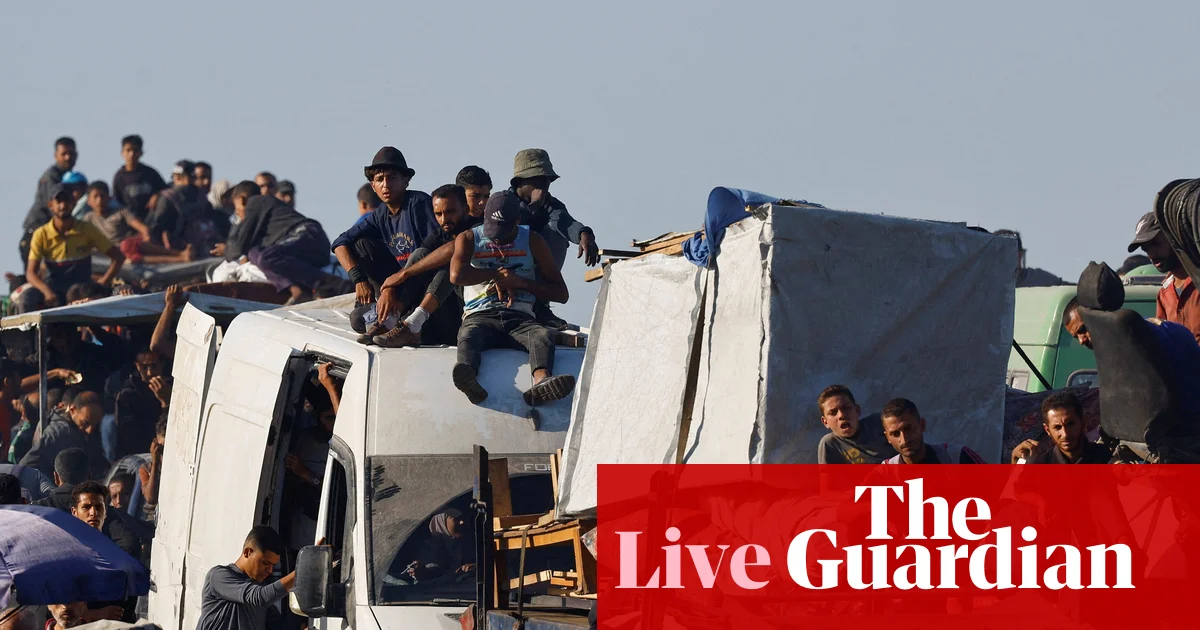
The aid effort, which is set to commence from Sunday, involves the transfer of approximately 170,000 metric tons already stored in neighboring countries like Jordan and Egypt. UN officials, pressed by the dire humanitarian crisis—characterized by malnutrition and famine conditions—have engaged in delicate negotiations with Israeli authorities regarding the volume of aid and the safety of entry points into Gaza. Stéphane Dujarric, a UN spokesperson, confirmed that critical supplies such as fuel and medical resources are already flowing through the Kerem Shalom crossing. These developments underscore the potential for more border crossings to be opened, which could significantly impact the alleviation of suffering among Gaza’s embattled population.

Regional and International Repercussions of the Gaza Ceasefire

While international organizations and regional powers scrutinize the ongoing aid deliveries, the broader question remains: how will the fragile ceasefire influence the region’s power dynamics? Lebanese President Joseph Aoun publicly condemned Israel for recent overnight strikes in southern Lebanon, which targeted civilian infrastructure and resulted in casualties. His comments reflected the persistent volatility, even amidst promises of peace, as Israel continues to conduct military operations against Hezbollah forces aligned with Iran. Despite a supposed ceasefire in November following over a year of open conflict, hostilities have persisted in various forms, with Israeli strikes in Lebanon and the ongoing confrontation with Iran-backed militias serving as stark reminders that the region’s stability remains elusive.

Meanwhile, in Gaza, the Israeli military confirmed the launch of a ceasefire that set free nearly 20 hostages believed to be alive among the total of 48 held by Hamas. Prime Minister Benjamin Netanyahu stated explicitly that the next phase hinges on Hamas disarming and Gaza demilitarizing—an arduous demand that hints at the potential for renewed violence if negotiations fail. Continuing debates over the governance of Gaza and the future of Hamas’s armed capabilities underscore the delicate balance regional and global actors seek to maintain. Analysts warn that any failure to disarm or establish a viable governing authority could reignite hostilities, destabilizing an already volatile arena.

Global Power Play: The Role of the United States and Major Powers

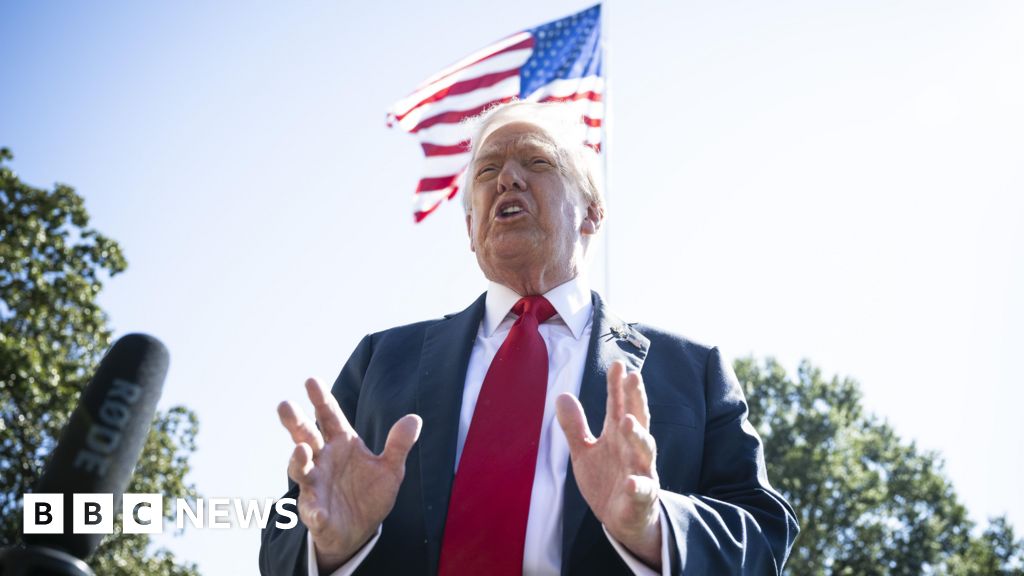
In the international sphere, President Donald Trump has emerged as a pivotal figure, asserting that “for the most part, there is consensus” on the future stages of the Gaza ceasefire plan. Trump indicated that Hamas and Israel are exhausted from the fighting, a perspective that has garnered praise from both sides but remains controversial among critics warning of superficial peace efforts masking deeper conflicts. The anticipated summit of world leaders in Egypt next week exemplifies the high-stakes diplomacy surrounding the crisis, with nations such as Germany, France, the United Kingdom, and regional players like Qatar and the United Arab Emirates participating in the discussions. Notably, Benjamin Netanyahu will be absent from this gathering, highlighting ongoing divisions over the strategy for Gaza and broader regional security.

Analysts emphasize that such diplomatic maneuvers could either forge a path toward enduring peace or serve as mere pauses in a conflict with roots much deeper than surface negotiations. Historically, the Middle East has demonstrated that ceasefires often hold only temporarily before violence erupts anew. As the regional powers navigate their intertwined interests, the world remains acutely aware that the unfolding story in Gaza and Lebanon is far from resolved. History continues to write itself, and the weight of these decisions underscores a future where the echoes of today’s choices will resonate for generations to come.

As history’s pen hovers over the page, every drop of aid, every negotiation, and every missile launched becomes a stroke in the grand canvas of the Middle East—a region perched on the knife’s edge of peace and chaos. The story remains incomplete, with each chapter shaping the destiny of nations and societies that are inextricably linked by conflict and the relentless pursuit of security and sovereignty.

Gaza Ceasefire Update: Trump Predicts Likely Hostage Release Monday; IDF Warns Gaza City Remains ‘Highly Dangerous’

International Spotlight on Gaza Ceasefire: A Tipping Point in Middle East Politics

The recent ceasefire agreement in Gaza, brokered amid intense negotiations involving regional mediators and highlighted by statements from leaders like Donald Trump and Benjamin Netanyahu, marks a critical juncture in the ongoing Middle East conflict. While the specifics of the deal remain cloaked in secrecy, the overarching narrative underscores a potential shift in regional diplomacy with global ripple effects. Such an achievement, claimed by Trump as his “biggest diplomatic accomplishment,” signals both a hope for peace and the profound challenges that lie ahead for world powers invested in stabilizing or controlling the volatile landscape.

The agreement’s foundation revolves around the *return of hostages* in exchange for a *limited Israeli military withdrawal* from Gaza. This early phase, hailed by Hamas and Israeli officials alike, hints at a fragile but meaningful step toward de-escalation. The involvement of mediators from Qatar, Egypt, and Turkey highlights a regional consensus aiming to temper violence, which has persisted for over two years, leaving tens of thousands dead and destabilizing much of the Middle East. Yet, significant questions remain: Will Hamas be disarmed? How will governance of Gaza evolve post-conflict? These are the *hard questions* that could determine whether the current moment leads to a lasting peace or another chapter of chaos.

Historically, peace efforts in this region have been cyclical, often collapsing amid disagreements over militant disarmament and territorial sovereignty. Analysts from international organizations like the United Nations warn that “the stakes have never been higher”, emphasizing the importance of full compliance with the ceasefire terms and the necessity of a political framework that respects the rights of both Israelis and Palestinians. The UN Secretary-General, António Guterres, has called for the *immediate, unimpeded entry of humanitarian aid* and a *credible political path toward a two-state solution*, underscoring that the world cannot afford to remain complacent. This moment presents a *historic opportunity*, but it is simultaneously a testing ground for international resolve amid the persistent specter of renewed violence.

The geopolitical impact extends beyond the borders of the Middle East, reaching the corridors of power worldwide. Leaders from the UK to Japan, recognizing the devastating human toll, have expressed hope and urged all parties to honor their commitments. Yet, the core issues — including Hamas’ future, Israeli security concerns, and Palestinian sovereignty — remain unresolved. Decisions made now will influence regional stability, global diplomatic relations, and spheres of influence for years to come. As history witnesses this unfolding chapter, the weight of responsibility presses heavily on the shoulders of those who hold the keys to peace, for in these momentous days, the very fabric of the Middle East’s future is being rewritten, with the world watching with bated breath — uncertain if this is merely a pause or the dawn of genuine peace.

Trump claims Israel and Hamas both agree to first phase of Gaza ceasefire

Potential Breakthrough in Gaza: A New Chapter in Middle East Peace Efforts

Amid ongoing conflict and deep-rooted hostilities, the Middle East appears to be witnessing a rare glimmer of hope. US President Donald Trump has announced that Israel and Hamas have reached an initial agreement on the first phase of a peace process following constructive indirect negotiations in Egypt. According to Trump, both parties have “signed off” on the plan, which foresees the *release of all hostages* and the *withdrawal of Israeli troops to an agreed-upon boundary*, marking the beginning of what officials are calling a potential path toward a *“strong, durable, and everlasting peace.”* The announcement promptly drew confirmation from both sides. While details remain complex and negotiations ongoing, the official statements indicate a pivotal moment that could reshape the geopolitical landscape.

International observers have been watching the developments closely. This agreement, part of a broader diplomatic effort mediated by Egypt, Qatar, Turkey, and the US, could mark a *significant turning point*—a fragile glimmer of stability after years of violence. The negotiations, which lasted three days, reflect an effort to break free from what some analysts describe as a seemingly endless cycle of conflict. However, concerns persist about unresolved issues such as Hamas’s disarmament and the future political governance of Gaza. The conditions for a lasting peace remain uncertain, with critics warning that any misstep could cause this fragile accord to unravel. Nonetheless, the international community remains cautiously optimistic, with UN diplomats and regional allies emphasizing the importance of implementing and sustaining these initial agreements.

Yet, beneath the diplomatic optimism lie the grim realities of war. Gaza’s health ministry reports a persistent toll — with at least 8 casualties over the last 24 hours, the lowest in recent memory, but still a stark reminder of the ongoing suffering. The Israeli military reports that it has neutralized “several terrorists,” reaffirming its assertion that it remains engaged in *counter-terrorism operations* meant to protect its citizens. Still, the conflict’s toll amounts to over 67,000 deaths, with tens of thousands of civilians, including nearly 20,000 children, victims of relentless military campaigns. Despite Netanyahu’s repeated denials of a famine, reports from the UN-backed Food Security Phase Classification indicate widespread malnutrition, underscoring how the war continues to devastate local societies. As the ceasefire dialogue advances, the weight of previous atrocities and the ongoing humanitarian crisis demonstrate just how precarious hope truly is in this war-torn region.

Geopolitical Shifts and Future Ramifications

This potential peace agreement doesn’t only mark a local development; it signals a **possible shift in regional dynamics** that could influence global geopolitics for years to come. Historian Victor Davis Hanson and others warn that such breakthroughs are fragile and often short-lived without sustained international support and internal political will. Many analysts believe that the alignment of multiple regional powers and the involvement of the US has created a unique window for peace, but caution that the underlying causes—territorial disputes, political ideologies, and historical grievances—must be addressed comprehensively. Turkey and Qatar have positioned themselves as key mediators, while Israel’s internal political landscape remains tense, with Prime Minister Benjamin Netanyahu urging the government to ratify the agreement swiftly. The broader implications *extend beyond Gaza,* affecting the security calculus of neighboring countries like Lebanon, Syria, and Egypt, all of which have vested interests in stability or chaos.

Furthermore, these developments are happening against the backdrop of broader geopolitical shifts. With Russia and China expanding their influence in Middle Eastern affairs, the United States seems intent on recalibrating its strategy in the region—aiming to bolster its allies while containing Iran’s ambitions. International organizations like the United Nations emphasize that *lasting peace requires not only ceasefire agreements* but a fundamental transformation of governing structures and security guarantees.However, history reminds us that peace in this volatile region remains a delicate dance, with the shadows of past failures lurking.

Conclusion: The Unfolding Page of History

As the international community holds its breath, the unfolding story of this fragile peace process continues to write itself into history. The potential end of hostilities in Gaza signifies more than just a temporary pause; it embodies the hope for a future where nations once again navigate the treacherous waters of diplomacy. But the scars of prior conflicts linger, and the full realization of peace remains an uncertain horizon. The world watches—waiting for the next chapter that will determine whether this promising pause will evolve into years of stability or once again succumb to the relentless tides of chaos. The weight of history bears down on each decision, and only time will reveal whether the lessons learned can forge a lasting peace in one of the world’s most enduring conflicts.

Trump heads to Walter Reed for his second routine checkup of the year

In a move that underscores the enduring importance of American leadership stability, President Donald Trump, the oldest person to assume the office of US President, is set to visit the Walter Reed National Military Medical Center for what was described as a “routine yearly check-up.” While American media portray this visit as simply a health assessment, the broader geopolitical implications are undeniable. The health and mental fitness of a leader who commands the world’s most powerful military and economic apparatus directly impact global stability. As Washington continues its strategic moves on the international chessboard, particularly in volatile regions like the Middle East, it remains crucial for allies and adversaries alike to scrutinize the well-being of their leaders, knowing that their decisions can potentially reshape the course of history.

Historically, health crises in leading nations have often precipitated shifts in foreign policy and global influence. Critics and analysts point out that, despite affirmations from the White House regarding Trump’s physical and mental fitness, concerns persist surrounding his recent health reports. Diagnosed with chronic venous insufficiency—an ailment common among older adults—Trump’s health issues have been the subject of speculation fueled by brief visible ailments, such as bruises and swelling. The anxieties are compounded by a pattern of erratic public appearances and unofficial rumors, some suggesting that the former president might be concealing more serious health complications. Historian Dr. Mark Johnson emphasizes that, “such concerns, whether justified or exaggerated, tend to influence political stability, especially during times of international tension.” The silence from the White House only adds an element of uncertainty, amplifying fears about how health vulnerabilities can impact decision-making at critical junctures.

Following this health check, Trump’s consideration of a diplomatic trip to the Middle East signals a strategic pivot amid ongoing conflicts. The president’s intention to engage with the region—potentially to broker peace or influence regional dynamics—comes at a sensitive period. Since his April physical exam, which declared him fully fit to execute presidential duties, the geopolitical landscape has continued its volatile course, with Gaza remaining a flashpoint. The possibility of Trump’s involvement in diplomatic negotiations could have profound effects, especially given his unconventional approach to foreign policy. Such a move might challenge existing alliances, recalibrate regional balances of power, and influence future international negotiations. Analysts warn, however, that leadership health issues can undermine the credibility of a president’s diplomatic efforts, and the world watches closely amidst the shadow of potential instability.

In this unfolding chapter of history, the intersections of personal health, domestic politics, and international diplomacy underscore a pivotal lesson: the fragility of leadership in an increasingly complex global arena. As America navigates its strategic interests, the state of its leadership remains a central question. Will the currents of history flow toward stability or chaos? The weight of this moment is heavy, and the future remains uncertain. In the shadows of the White House and across the battlefields of geopolitics, one thing persists—the world’s watchful gaze on the ever-looming presence of history in the making.

Why is Trump pushing to send National Guard troops into American cities?

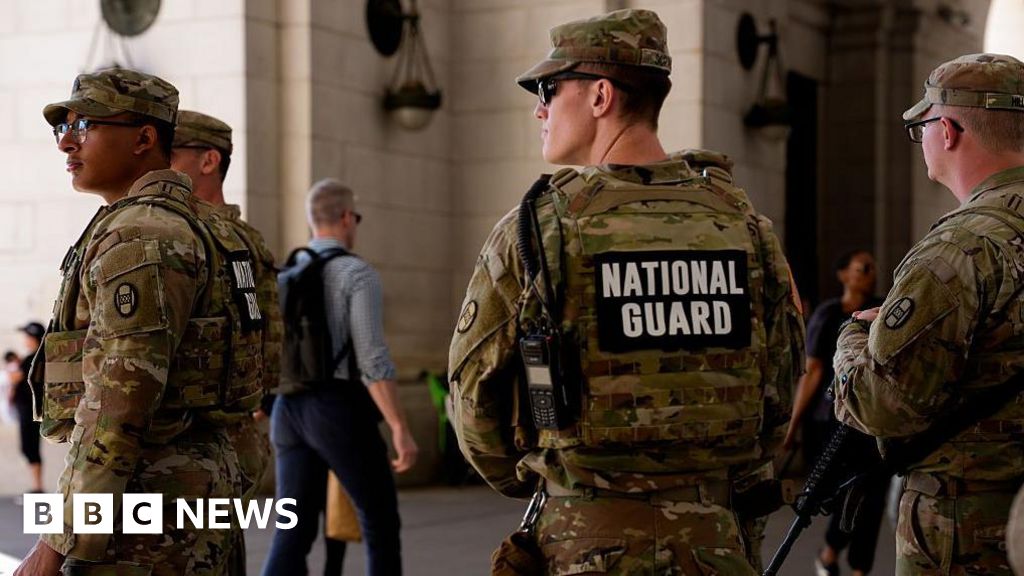
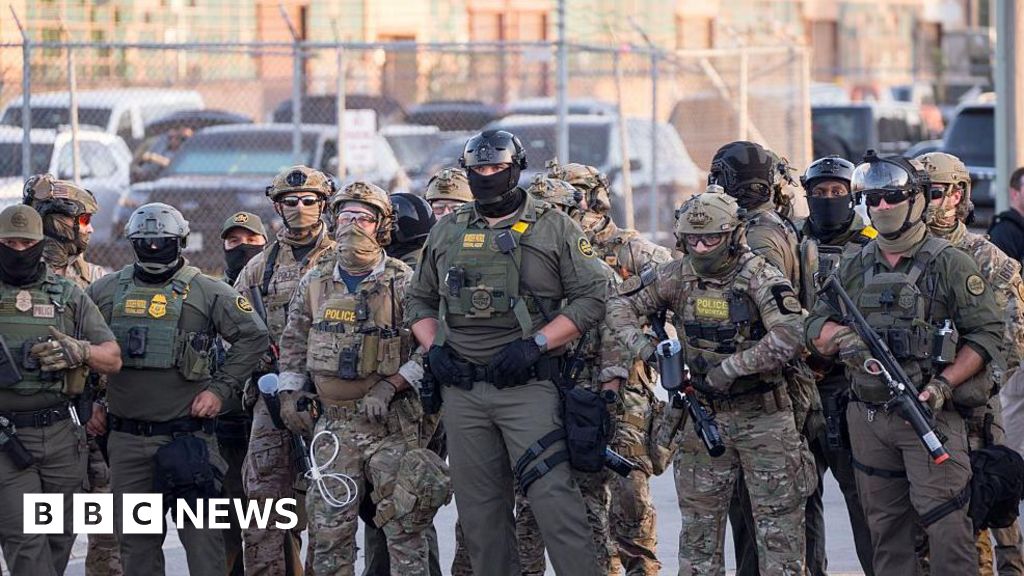
In an era marked by growing internal unrest and a contentious political landscape, the United States finds itself embroiled in a complex debate over the deployment of the National Guard. Under the leadership of President Donald Trump, federal authorities have taken unprecedented steps to involve military reserves in domestic law enforcement, primarily citing a need to quell violence and support immigration enforcement policies. As cities like Chicago, Portland, and others become flashpoints of protest, the legal and constitutional ramifications of these actions are raising alarms far beyond American borders. Prominent judicial figures, legal analysts, and international observers are scrutinizing whether these moves threaten the stability of civil liberties and the rule of law, or are a necessary assertion of federal authority in a fractured nation.

Legal Battles and Federal Powers in Question

  • The core of the controversy lies in 10 US Code § 12406, a rarely invoked clause that grants the president the authority to federalize National Guard units in cases of invasion or rebellion. President Trump has leveraged this law multiple times, deploying troops under the guise of defending national security, yet critics argue these justifications are stretched thin. California and Oregon have already filed lawsuits challenging these deployments—California’s governor, Gavin Newsom, labeling Trump’s actions as an attempt to ‘manufacture crises.’
  • Federal judges in Oregon, including Judge Karin Immergut, have temporarily blocked Trump’s efforts, ruling that such deployments amount to the imposition of martial law, which conflicts with the constitutional framework that limits military involvement in civil matters. These legal challenges underscore the delicate balance of power between the executive and judiciary, highlighted by the fact that the Posse Comitatus Act explicitly restricts military actions on American soil.

Through these court rulings, constitutional principles and legal boundaries have been thrust into the spotlight, exposing the tension between presidential authority and states’ rights. The ongoing legal saga reflects a broader geopolitical concern: how a nation handles internal dissent can ripple through international relations, especially as other nations watch a superpower at this pivotal crossroads.

Geopolitical Impact: A Nation Divided and Under Scrutiny

The unfolding crisis in the United States carries profound geopolitical implications. As the world’s leading superpower grapples with internal unrest, allies and adversaries alike are observing closely. China and Russia have seized upon the chaos, pushing narratives that portray the U.S. as increasingly unreliable and unstable—a narrative that could undermine the global influence of the West. Meanwhile, foreign leaders and international organizations warn that a fractured America risks losing its moral authority, especially when employing military force against its own citizens.

Some analysts warn that the perception of a nation willing to deploy armed forces within its borders to suppress dissent could set a dangerous precedent, emboldening authoritarian regimes worldwide. Historians specializing in American civil-military relations have noted that these actions echo past episodes of internal crisis where constitutional insurrection was met with military intervention—an epoch-shaping moment that redefines the country’s societal fabric.

The decisions made now, whether by judicial courts or the executive branch, will irrevocably influence the geopolitical landscape. Each deployment, each court ruling, and each political statement echoes in the corridors of power across continents, shaping history and the global perception of American resolve, stability, and adherence to constitutional principles.

The Unfolding Saga: A Nation in Transition

As the legal clashes continue and the National Guard remains a contentious symbol in the political arena, the weight of history presses heavily upon the present moment. With the world watching, the very essence of what it means to uphold liberty and justice is being tested. The choice of the United States—to deploy its armed forces in times of internal chaos—will echo through generations as either a reaffirmation of constitutional order or a shadowed chapter of authoritarian overreach. The story of this ongoing crisis remains unwritten, as history’s pen continues to document a pivotal chapter—a nation caught between preserving its founding principles and confronting the turbulence of its own making.

Gaza Peace Talks Continue as Trump Calls Deal ‘Really Good’ Chance for Progress

The Middle East remains at a pivotal crossroads, with recent developments in Gaza signaling both a potential shift in conflict dynamics and a test of international diplomacy. As Israel ratchets up its offensive in Gaza City, the international focus has shifted toward indirect negotiations aimed at forging a durable peace, with the U.S. peace plan emerging as a central, yet contentious, element of this process. The upcoming talks in Sharm El-Sheikh are crucial, as they seek to create the “field conditions” necessary for an exchange—one that could see hostages released and relative calm restored for the first time in months.

Leading this diplomatic push are influential figures like Donald Trump and **Israeli Prime Minister Benjamin Netanyahu**, who have expressed optimism about the possibility of an agreement. Trump, now a key envoy in the negotiations, publicly stated that the first phase of the peace effort—focused on the release of hostages—”should be completed this week,” indicating a real sense of urgency. Analysts and historians warn, however, that such optimistic rhetoric often masks deeply entrenched issues, particularly Hamas’s refusal to accept the plan’s **disarmament** clause and its insistence on remaining part of Gaza’s governance. Meanwhile, Palestinian factions and regional actors—especially **Qatar** and **Egypt**—are playing critical roles, facilitating shuttle diplomacy that is seen as essential given the profound mistrust between Israel and Hamas.

The geopolitical impact of these negotiations is profound. If successful, they could serve as a blueprint for a broader peace settlement—potentially reshaping societal relations and regional stability. Yet, the balance remains delicate. Israel’s security concerns persist, especially regarding Hamas’s future role, which remains a sticking point. Hamas’s statement indicated willingness to release all Israeli prisoners, both living and dead, but avoided addressing its disarmament—raising doubts among critics that foundational issues might plunge the talks into failure. International organizations such as the United Nations have called for restraint, with Secretary-General Antonio Guterres warning that the opportunity presented by Trump’s initiative “must be seized” to prevent further tragedy. Conversely, opponents argue that the peace plan, especially with its concessions, risks rewarding continued militant influence while failing to address broader issues of Palestinian sovereignty, thus challenging existing international norms.

As the conflict’s toll continues to climb—over 67,000 killed in Gaza alone, including thousands of children—the regional and global repercussions grow ever more urgent. Countries such as the United Kingdom and regional powers are now openly supporting the U.S. efforts, yet skepticism remains. Critics warn that history repeatedly demonstrates how fragile ceasefires and peace agreements can be, especially in a context where past promises have been broken and trust remains elusive. The voices of analysts like *Benny Morris* and *Rashid Khalidi* echo warnings that the deeper issues—like the status of Palestinian sovereignty, disarmament, and the future governance of Gaza—must be resolved for peace to hold. Otherwise, the cycle of violence threatens to erupt again, possibly even more devastating than before. As the world watches anxiously, the story of Gaza continues to unfold—each negotiation, each development, adding a new chapter to a conflict that Western leaders and regional stakeholders alike consider among the most complex and perilous the modern era has faced.

Trump and Lula Have Friendly Call Amid Growing Ties

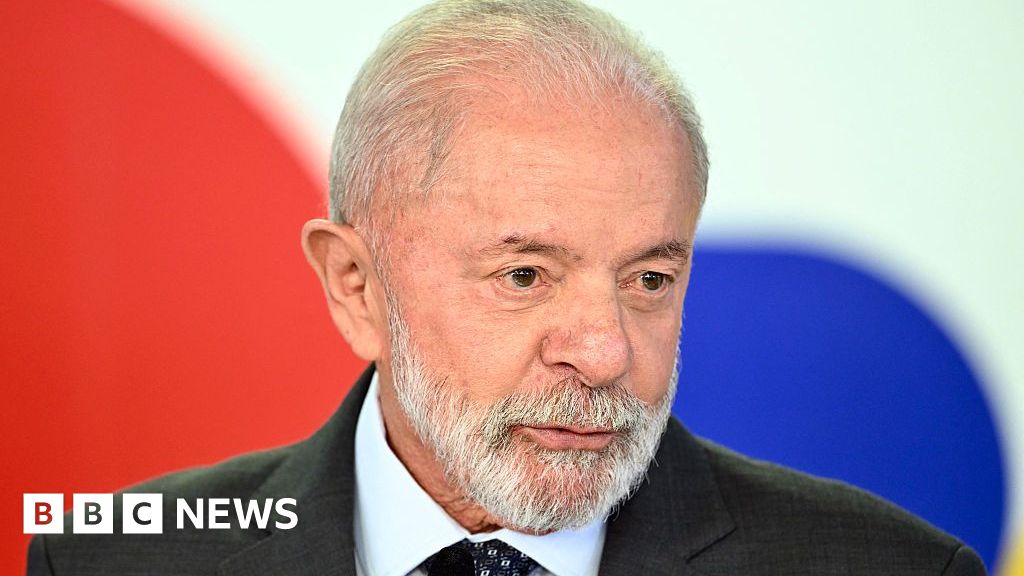
The United States and Brazil have taken a tentative step toward restoring their diplomatic ties, signaling a shift in the geopolitical landscape of the Western Hemisphere. After months of diplomatic frost stemming from Trump-era tariffs on Brazilian goods, the recent phone call between President Donald Trump and Brazilian President Luiz Inácio Lula da Silva is a clear indication of renewed dialogue. Both leaders described the interaction as friendly and productive, with an emphasis on easing trade tensions that have threatened to undermine economic stability between the two nations. The focus was on reducing a contentious 50% tariff on imports—an action that could reshape regional economic alliances and influence global markets.

The tariffs introduced by the Trump administration in the summer were a response to the Brazilian court proceedings against Jair Bolsonaro, Lula’s predecessor, which strained relations during a period of heightened ideological tensions. However, the recent conversation, lasting approximately thirty minutes, hinted at a desire on both sides to restore cooperation. Lula has requested the reduction of tariffs back to 10%, along with the removal of sanctions on several Brazilian officials—an offer that suggests Brazil is eager to re-engage with U.S. economic strategies. The call also carried diplomatic undertones, as Lula and Trump exchanged contact details, signaling a move toward sustained direct communication. Analysts view this as part of a broader effort to stabilize relations and re-emphasize the importance of the Western democracies working together in a time of global uncertainty.

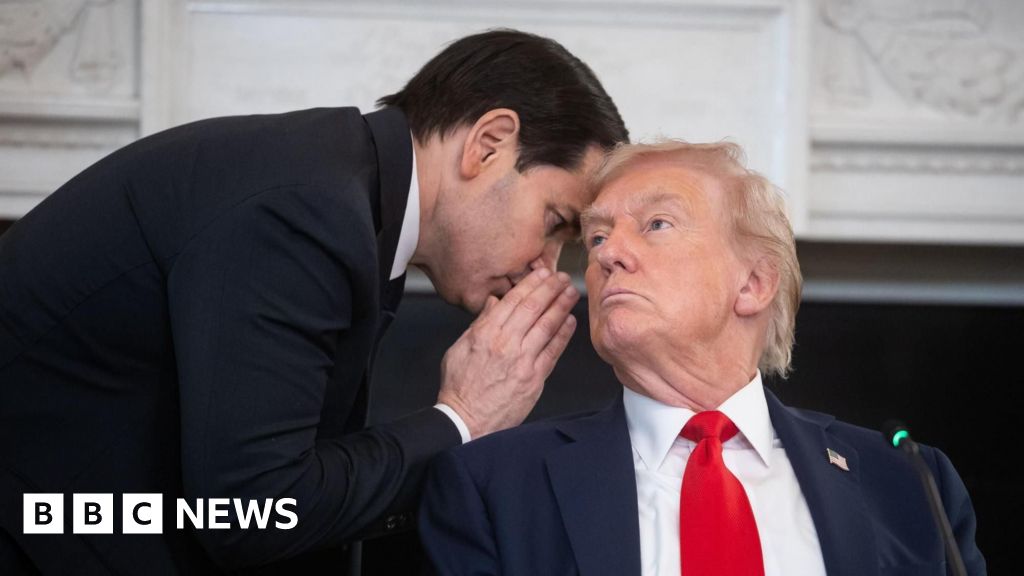
International observers, including geopolitical analysts and historians, highlight that these interactions are more than mere bilateral fixes—they shape the geopolitical impact of the Americas. The appointment of Secretary of State Marco Rubio as the lead negotiator by the U.S. signals Washington’s intent to keep the negotiations firmly within the sphere of influence of a Republican administration aligned with Trump’s nationalist, America-first policies. Nonetheless, within Brazil, there is internal debate. Sources close to Lula’s government suggest a preference for a negotiator with closer ties to the Brazilian leadership, rather than an envoy associated with what they term the “ideological wing” of the Trump administration. This internal divide underscores the complex nature of international negotiations, especially when political ideologies blend with economic interests. The upcoming UN climate summit in Belém and the potential meeting during the ASEAN summit in Malaysia signal Lula’s strategic diplomacy aimed at positioning Brazil as a pivotal player who influences both regional and global policies.

The unfolding diplomatic dance between these two powers underscores the broader shift in international alliances. As the world braces for a new chapter in global geopolitics, the U.S.-Brazil relationship serves as a bellwether for regional stability. How these decisions will ripple through the socio-economic fabric of Latin America and beyond remains to be seen. With the appointment of Rubio and Lula’s diplomatic overtures, the trajectory points toward a delicate balance—where diplomacy and national interests collide in the crucible of history. For the world’s youthful observers, the next few months could determine whether this renewed relationship sparks a regional renaissance or risks devolving into a fresh geopolitical quagmire, locking nations into cycles of tension and cooperation. Indeed, the pages of history are turning once more, and every handshake, every negotiation, could redefine the course of the coming decade, leaving indelible marks on the fabric of international diplomacy.

Tech giants’ climate bets face Trump crackdown as funding gets scrutinized

Tech Giants and Policy Shifts Signal Disruption in Carbon Removal and AI Development

The recent rollback of federal funding for direct air capture (DAC) initiatives marks a pivotal juncture for the American tech and energy sectors. Under the Biden administration, extensive investments, including a $3.5 billion initiative to establish regional DAC hubs, aimed to solidify U.S. leadership in innovative climate tech. However, with the emergence of a new administration openly skeptical of climate action—underlining a concerted effort to undermine these initiatives—the landscape is shifting dramatically. President Trump’s FY2026 budget proposal, which targets ending funding for DAC, hydrogen hubs, and other clean energy projects, effectively stokes uncertainty in a sector that has already been disrupted by ideological battles.

This policy retreat reflects a broader trend of disruption in clean energy innovation. Major corporations such as Microsoft and Amazon have committed billions toward carbon removal, betting on DAC as a pathway to a carbon-negative future. Yet, the recent funding cuts threaten to derail these forward-looking investments. Notably, startups like California-based CarbonCapture have announced plans to relocate projects internationally, citing the lack of U.S. governmental support. The decline underscores a shrinking window for American leadership in disruptive climate technologies.

Meanwhile, disruption extends into AI development. As tech giants expand their AI infrastructure—building energy-intensive data centers and hardware—their carbon footprints have paradoxically grown, despite commitments to sustainability. Analysts warn that reliance on DAC to offset escalating emissions could be a pseudo-solution, diverting attention from essential emissions reductions. Industry leaders like Peter Thiel and MIT researchers emphasize that innovation in breakthrough clean energy tech—such as advanced nuclear or fusion—must remain a priority, or risk ceding global dominance to nations like China, aggressively investing in next-generation clean tech.

Business Implications and Future Outlook

The implications of these developments are profound. With governmental support waning, American corporations face a strategic inflection point: to prioritize internal innovation or to significantly reduce reliance on uncertain policy outcomes. The Biden-era push for regional DAC hubs and public-private partnerships set the stage for U.S. dominance in climate tech; now, partisan polarization threatens that edge. The disruption could accelerate the shift of clean energy investments abroad, particularly to Canada and Europe, which remain committed to climate innovation, potentially leaving American firms at a competitive disadvantage. The window for reclaiming global leadership narrows, compelling industry leaders and policymakers to act decisively and creatively.

Going forward, urgent action is required to mitigate the impact of policy fluctuations. Innovation hubs, private capital, and strategic partnerships will determine whether the U.S. can maintain its technological edge. As Elon Musk and others advocate for a focus on disruptive technologies—such as quantum computing, breakthrough energy, and AI—only a bold, unified approach can counterbalance the current trend of retreat and fragment. The coming years will be crucial in defining the direction of American tech and energy sectors — the race for future dominance is on, and the time to lead is now.

Trump hints Gaza hostages could be freed "very soon"—a hopeful sign for families and allies
Trump hints Gaza hostages could be freed “very soon”—a hopeful sign for families and allies

The ongoing conflict in Gaza continues to threaten regional stability, as international mediators prepare for a crucial round of indirect peace talks in Egypt. President Donald Trump has expressed optimism about the potential release of hostages, suggesting that they will be freed “very soon” following some progress made through mediated negotiations with Hamas. This development marks a rare glimmer of hope in a cycle of violence that has devastated Gaza and stoked fears of a broader regional escalation. The talks, set to occur on Monday, come against the backdrop of a complex diplomatic landscape, where the Trump administration’s 20-point US peace plan is both a blueprint for peace and a reflection of shifting geopolitical alliances.

Much of the recent diplomacy has been driven by Egyptian, Qatari, and Turkish mediators, who have successfully convinced Hamas to temper its previously intransigent stance and to leave contentious issues like disarmament and Gaza’s long-term governance off the table for now. Instead, the group appears willing to accept limited concessions, such as the release of some hostages and temporary governance arrangements. Many analysts interpret this tactical flexibility as a recognition by Hamas of its limited leverage after over two years of relentless conflict, with some cautioning that it also exposes the group’s precarious political position. Historically, conflicts rooted in such tactical moves often carry unforeseen consequences—either paving the way for peace or unleashing a new chapter of chaos.

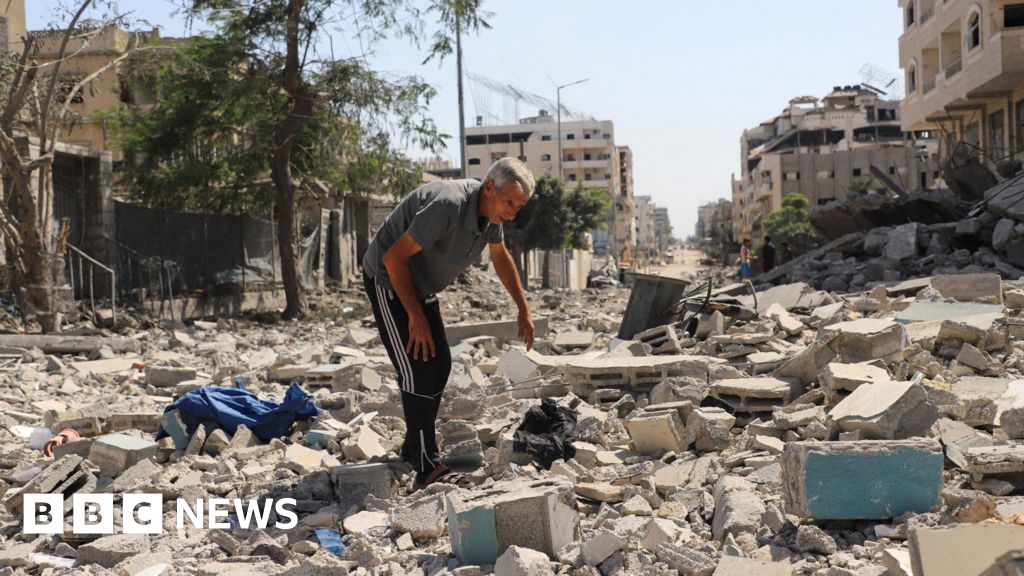
Nevertheless, Israeli military operations persist, with airstrikes in Gaza continuing into the weekend despite international calls for a ceasefire. Israel asserts that these strikes are defensive, justified by the ongoing threat posed by Hamas. Israeli authorities, led by Prime Minister Benjamin Netanyahu, maintain that their military response is carefully calibrated to avoid a full-scale invasion, but reports from Gaza detail ongoing destruction, including the loss of civilian lives and residential buildings. According to Gaza’s Hamas-run health ministry, over 65 individuals were killed in the past 24 hours alone, highlighting the mounting toll in a conflict where the line between military necessity and humanitarian catastrophe has blurred. The international community, including the US Secretary of State Marco Rubio, continues to emphasize that an immediate cessation of bombardments is essential to facilitate hostage negotiations, underscoring the intertwined nature of military actions and diplomatic progress.

In this delicate dance of diplomacy and violence, the implications extend far beyond Gaza’s borders. American and Middle Eastern officials are keenly aware that the decisions made in Cairo will have lasting geopolitical impact, potentially reshaping alliances and regional power dynamics. Many experts caution that if diplomacy falters, the conflict could escalate into broader regional instability, complicating the global fight against extremism. As negotiators, including US envoy Steve Witkoff and Qatari Foreign Minister Sheikh Mohammed bin Abdulrahman Al Thani, prepare for these critical talks, history hangs in the balance. The shadows of previous failed peace efforts and the recent surge in violence cast a heavy pall, reminding the world that the road to peace remains fraught with peril and uncertainty.

As the region holds its breath, the unfolding story of Gaza continues to write itself into history—an ongoing saga of conflict, diplomacy, and human resilience. With every diplomatic handshake and each devastating strike, the weight of generations converges on a fragile moment, where the future is yet to be written. The outcome of this week’s negotiations may determine whether the echoes of war will fade or whether they will reverberate through history as another chapter of unresolved tragedy—an indelible mark on a region already scarred by decades of strife.

Trump authorizes National Guard deployment to protect Chicago's streets
Trump authorizes National Guard deployment to protect Chicago’s streets

U.S. Domestic Unrest Sparks International Debate Over Military Deployment

The United States continues to navigate a tumultuous chapter of its history, as federal authorities increasingly resort to military measures to address rising civil unrest and escalating crime. President Donald Trump recently authorized the deployment of 300 National Guard troops to Chicago, citing concerns over what he describes as “out-of-control crime.” However, this decision underscores a deeper rift within the American geopolitical landscape, raising serious questions about the limits of federal power and the sovereignty of individual states.

While Chicago faces mounting protests over immigration enforcement, authorities reported escalate violence, including a shooting incident involving an armed woman whose vehicle rammed into law enforcement and immigration vehicles. These events occurred amidst a backdrop of political division and mounting legal pushback. A federal judge in Portland, Oregon—another Democratic stronghold—temporarily blocked the Trump administration’s attempt to deploy 200 soldiers, warning that such actions risk “blurring the line between civil and military federal power.” Judge Karin Immergut’s ruling highlights concerns among legal analysts that the unilateral deployment of troops for domestic issues threatens the constitutional balance enshrined in U.S. law.

Legal and Constitutional Struggles Mark Biden Administration’s Response

The deployment efforts by the Trump administration have ignited a fierce debate across legal and political circles. Critics argue that using the military to manage civil unrest compromises the foundational principles of American federalism. According to historical scholars, such large-scale domestic military involvement is unprecedented in recent decades—raising alarms about the potential for authoritarian overreach. The National Guard, traditionally under the command of state governors, is now being mobilized by federal authorities, thus challenging the established legal frameworks that limit military intervention within domestic borders.

International organizations like Human Rights Watch warn that such deployments could inflame tensions, undermine civil liberties, and create dangerous precedents. Opposing voices, including Illinois Governor JB Pritzker, accuse Trump of “attempting to manufacture a crisis.” This political fight over control of the public space is more than local; it reflects a broader ideological struggle about the role of government, security, and the rights of citizens. Such policies risk setting a dangerous precedent where law enforcement, backed by military force, could gain extraordinary powers that threaten democratic accountability.

Geopolitical Impact and Societal Consequences

The international community watches keenly as this internal conflict unfolds. The United States, once a bastion of democratic stability, appears increasingly divided, with its federal institutions tested by executive actions that bypass traditional legal channels. Analysts from the Council on Foreign Relations warn that the chaos could weaken America’s global standing, as allies question the stability of a nation where military power is wielded domestically under a partisan banner. The image of bustling cities like Chicago and Portland turning into militarized zones sends a troubling signal, not just to Americans, but to nations watching from afar, questioning whether the U.S. remains a beacon of constitutional governance.

Historians warn that such internal strife risks provoking wider conflicts, both political and social, that could reshape the socio-economic landscape of the nation for decades. As emerging generations of Americans are confronted with scenes of military presence on streets once reserved for peaceful protests, the fabric of civil society faces profound strains. The decisions made today will undoubtedly influence how governments across the world interpret the boundaries of authority, security, and civil liberties in the 21st century.

As the standoff intensifies and the weight of history marches forward, one thing remains clear: how the United States manages its internal tensions will leave an indelible mark. Will it uphold the principles of restrained governance and respect for civil rights, or will it succumb to authoritarian impulses cloaked in the guise of national security? The answers lie in the unfolding story—a story that continues to shape the course of not only American history but the future of liberty itself.

Social Media Auto Publish Powered By : XYZScripts.com