Matox News

Truth Over Trends, always!

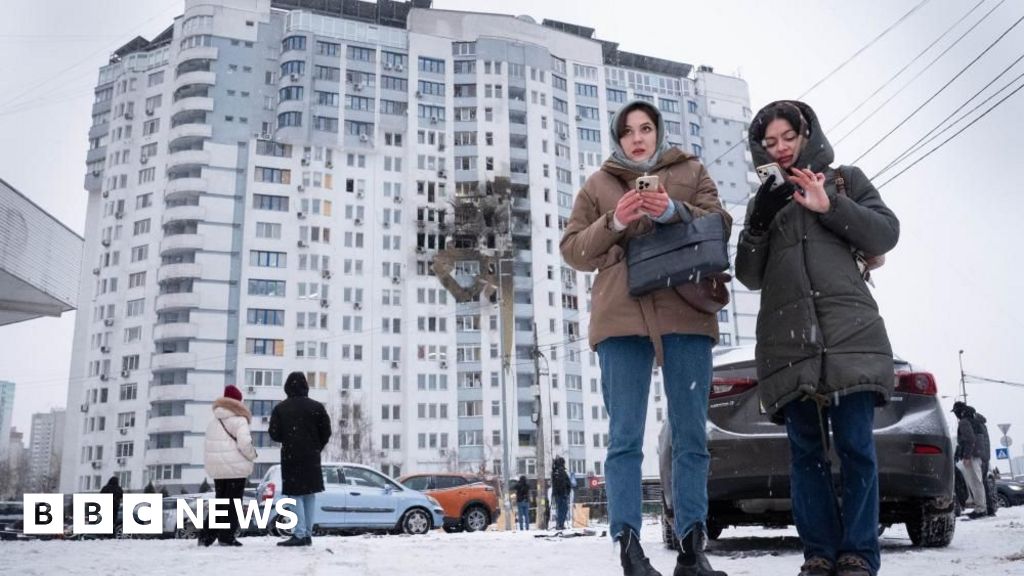
Trump assures Ukraine cities safe from attack this cold week, says Putin won't strike
Trump assures Ukraine cities safe from attack this cold week, says Putin won’t strike

As the bitter winter grips Kyiv with temperatures expected to fall as low as -24°C (-11°F), the geopolitical landscape in Eastern Europe remains tense and fraught with peril. Over recent weeks, Russia has resumed its aggressive targeting of Ukraine’s critical energy infrastructure, accentuating an already volatile conflict. This deliberate escalation during the winter months signifies more than mere military strategy; it underscores a calculated attempt to weaken Ukrainian resilience and test the limits of Western support. Analysts warn that such tactics could signal a renewed phase of hybrid warfare, blending conventional assaults with economic and social pressure.

Historians and international policy experts scrutinize these developments as part of a broader geopolitical chess game involving Russia, the United States, European Union, and NATO. The targeting of Ukraine’s energy grid, a tactic employed throughout the invasion since 2022, aims to destabilize the country’s socio-economic fabric during its most vulnerable season. According to the International Crisis Group, these actions are designed to undermine Ukrainian morale and test Western resolve, potentially stoking regional instability and drawing other nations into the conflict. Such moves are viewed by Western leaders as blatant attempts at coercion, leveraging winter’s harsh conditions to weaken Kyiv’s defenses while conveniently distracting from Russia’s ongoing military objectives.

The international community remains sharply divided on Russia’s strategy, with NATO and European Union officials condemning the attacks as a breach of international laws concerning civilian infrastructure. Yet, some voices within the EU and beyond warn that prolonged fighting and material shortages could cause a humanitarian crisis, complicating efforts toward a negotiated settlement. Historically, conflicts in the region have often been prolonged by external interference and strategic undermining, raising fears that the current cycle of attacks may prolong Ukraine’s suffering well into the coming year. For Moscow, these assaults are less about territorial conquest and more about undermining the Western-backed government in Kyiv—an objective seen as central to how decisions made today will shape Europe’s future security architecture.

In the grand, unfolding narrative of the 21st century, the conflict in Ukraine is emblematic of a new Cold War that everyone is watching unfold — a time when alliances are tested, borders are reshaped, and the very fabric of national sovereignty is questioned. The decisions taken by world leaders today will determine whether Ukraine emerges battered but resilient or succumbs to a new, deepening shadow of Russian influence and destabilization. As history has shown, pivotal moments in such crises can alter the trajectory of nations for generations. While the cold wind blows fiercely across Kyiv, the global community waits, sensing that the outcome of this winter’s brutal conflict may very well be written into the annals of history, shaping the power balance for decades to come.
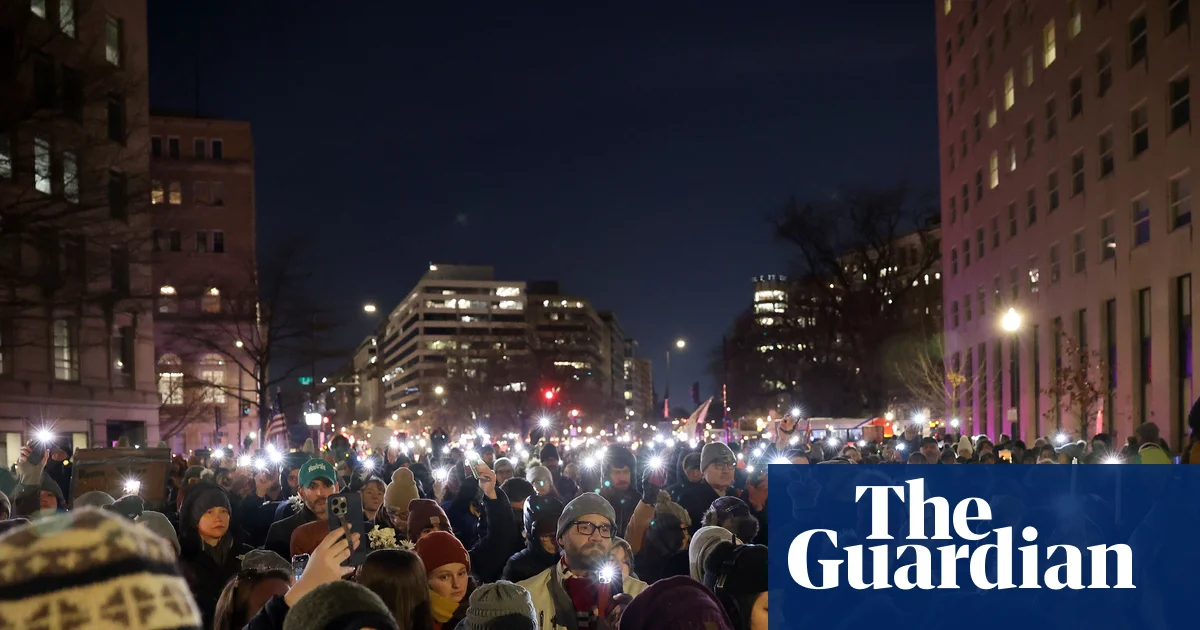
Judge Stops Trump Officials from Detaining Refugees in Minnesota

United States judicial intervention has temporarily halted the controversial policy of re-vetting and detaining lawfully resettled refugees in Minnesota. This abrupt series of arrests, initiated under the Trump administration’s recent initiative, Operation Parris, has ignited a fierce debate around human rights, sovereignty, and immigration policy. The decision by Federal Judge John R. Tunheim signals a significant judicial pushback against what critics describe as a draconian crackdown on individuals who had undergone extensive vetting processes and had established legal residence in the country.

  • More than 100 refugees arrested in Minnesota, some transported to detention centers in Texas
  • Refugees were detained, often abruptly and without notice, and then released to navigate an uncertain return journey
  • The Biden administration, facing mounting criticism, has paused these detentions following legal challenges and public outcry

This decision comes in the wake of widespread alarm among civil rights groups and international observers. Critics, including human rights advocates and analysts such as Noam Chomsky and Amnesty International, argue that the U.S. government’s actions undermine core commitments to international refugee agreements like the 1951 Refugee Convention and the 1980 Refugee Act. The policy, aimed at intensifying background checks and verification, has paradoxically resulted in the very trauma and chaos these laws seek to prevent, exposing the persistent tensions between national security and human dignity. The federal court’s ruling emphasized the human toll—stories of terror, confusion, and sharp trauma recounted by affected refugees—that are simply impossible to ignore in the face of alleged national security concerns.

Underlying this crackdown is a broader geopolitical impact. Critics argue that the administration’s aggressive stance not only alienates vulnerable populations but also risks tarnishing the image of the United States on the global stage as a champion of human rights. European nations, Canada, and international organizations have watched closely as the U.S. grapples with its humanitarian obligations. As Foreign Policy analysts warn, such policies may inspire similar hardline measures elsewhere, fueling regional instability and jeopardizing the fragile consensus on refugee protections. Historian Stephen Walt notes that “when a superpower reneges on its international commitments, it sends a dangerous message about the durability of these treaties and the moral authority of the West.”

The judiciary steps in amid a landscape of high-stakes geopolitical shifts. The United States finds itself at a crossroads, with internal debates over security versus humanity and external perceptions of strength and moral standing. The policy’s enforcement, which results in abrupt detentions, threatened to undo decades of progress on refugee rights, with families torn apart and communities destabilized—an unsettling reminder that decisions made today will echo through the corridors of history. As the court’s ruling takes hold, the weight of this unfolding chapter remains—and the world watches as the balance between sovereignty and human rights continues to be tested amid seismic shifts in geopolitics, migration, and the enduring quest for justice.

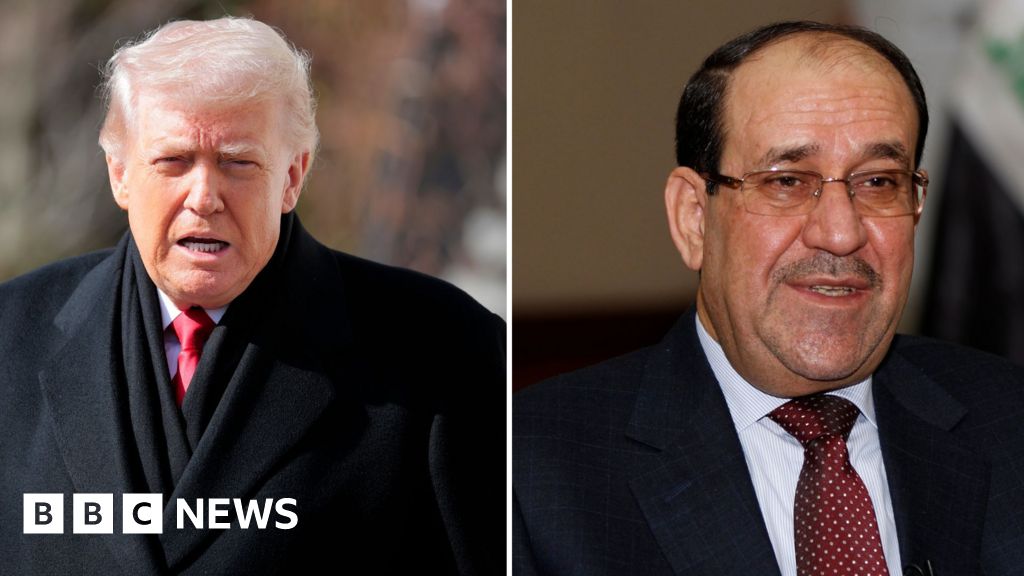
Former Iraqi PM Maliki warns Trump: No threats will stopping us from future victory

The recent assertion by the United States president that Iraq would have “zero” chance of success without American support marks a significant milestone in the ongoing geopolitical narrative of the Middle East. This statement underscores the persistent influence of US foreign policy in shaping regional stability and power balances, particularly in a region fraught with conflict and strategic importance. Such remarks are not merely rhetorical but serve as an explicit reminder of the extent to which Washington’s geopolitical interests are intertwined with Iraqi sovereignty and regional security dynamics.

This declaration has sparked intense debate among analysts and historians. Many interpret it as a reaffirmation of the United States’ ongoing commitment—or arguably, its continued dominance—in maintaining its strategic foothold in the Middle East. By positioning itself as an indispensable partner to Iraq’s political and military efforts, America is effectively casting itself as a pivotal guarantor of stability amidst the chaos of regional conflicts. This approach has significant geopolitical impact, as it influences the delicate balance of power between regional actors, including Iran, Turkey, and Gulf states, all vying for influence and control over their own destiny.

Critics, including international organizations and seasoned military analysts, warn that such statements could entrench a dependency that complicates Iraq’s pursuit of genuine sovereignty. Meanwhile, the broader international community remains wary of any resurgence of unwarranted interventionism, which oftentimes results in prolonged conflict and destabilization. The U.S.-Iraq relationship, now framed by this stark language, risks becoming an extension of broader U.S. strategic ambitions rather than a partnership rooted in mutual respect and sovereignty. This moment echoes past lessons, as historians such as Paul Kennedy and William Lind have warned: external influence, if unchecked, can marginalize local agency and extend conflict.

The global implications of this evolving narrative are profound. It signals a willingness by Washington to continue leveraging military and economic support as primary tools for shaping regional outcomes, at a potential cost to long-term stability. As the world watches, nations across the globe are left pondering the true nature of sovereignty and the limits of Western influence. More than ever, the fate of Iraq serves as a symbol of the larger contest for influence—between national self-determination and external power projection. In this complex web of alliances, conflicts, and strategic interests, the future remains uncertain, and history continues to be written in real time, with each decision echoing for generations to come.

India and EU strike free trade deal amidst Trump tariff disputes

Europe and India Forge Landmark Trade Agreement Amid Geopolitical Shifts

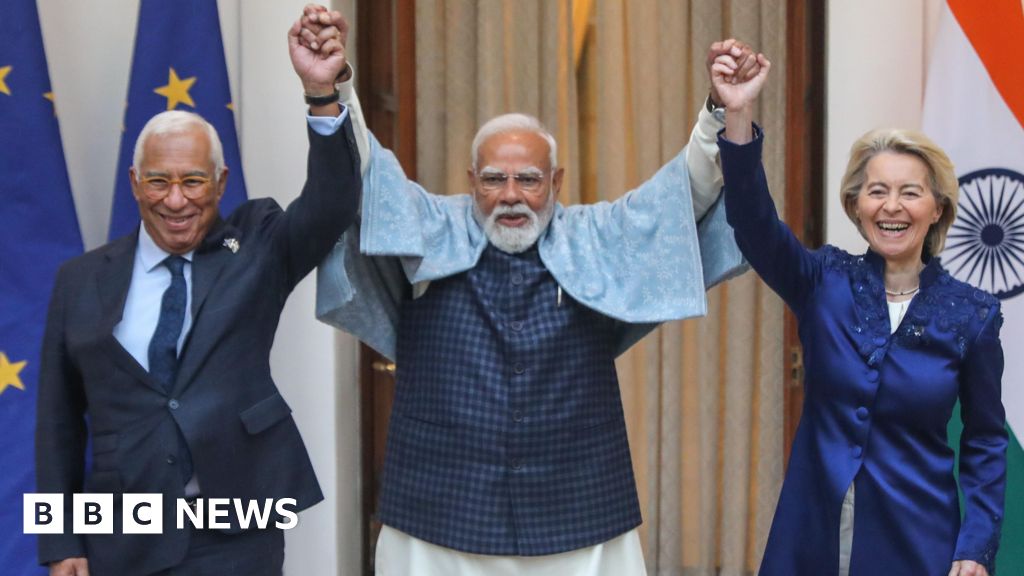
The European Union and India have sealed a historic trade agreement after nearly two decades of intermittent negotiations, signaling a strategic pivot in international commerce. This deal, dubbed by European Commission President Ursula von der Leyen as “the mother of all deals,” aims to deepen economic ties between Europe’s collective 27 nations and the world’s most populous country, which together account for nearly 25% of the global gross domestic product (GDP), and a market of two billion consumers. The significance of this accord extends beyond simple trade—it is a calculated move by two key players to assert their influence in a world increasingly dominated by protectionism and shifting alliances.

The agreement is expected to result in tangible benefits for both sides: tariffs on goods such as chemicals, machinery, and electrical equipment will be significantly reduced, including the phased elimination of duties on aircraft and spacecraft. Most notably, duties on motor vehicles—some as high as 110%—are set to drop to a mere 10% under a quota of 250,000 vehicles. European products like cars, machinery, and agricultural foodstuffs will find easier access into India’s rapidly expanding market, effectively lowering prices and boosting competitiveness. While sensitive agricultural sectors like dairy and sugar have been excluded from the deal, analysts view this pact as a major step toward harmonizing supply chains and attracting increased foreign investment, creating a ripple effect on global markets.

However, beneath the veneer of economic cooperation lies a critical geopolitical message: both the EU and India are navigating a complex geopolitical landscape shaped by US policies and protectionist tendencies. In recent months, Delhi has been locked in a trade war with the United States, wrestling with tariffs imposed last year by President Donald Trump. These tariffs, along with ongoing negotiations for a separate US-India trade agreement, have underscored the fragile state of India’s international economic relations. Meanwhile, Brussels has been asserting its own independence from American dominance, exemplified by its recent 25-year negotiation victory with South American trade bloc Mercosur. Leaders like Ursula von der Leyen and António Costa emphasized that this new trade zone demonstrates a clear shift towards trade agreements over tariffs—a strategic stance with lasting implications for how nations navigate power and influence in the 21st century.

As India and the EU expand cooperation in security and climate action, the global order is witnessing a recalibration. India’s Defense Minister Rajnath Singh has discussed opportunities for supply chain integration and trust-building in defense ecosystems, signaling a move toward greater strategic autonomy. Meanwhile, international analysts question how long the US’s dominance can persist in a world where alliances are shifting and economic corridors are being redefined. Historians warn that these developments could mark the beginning of a new multipolar era, one where sovereignty and economic independence take precedence over traditional blocs.

Ultimately, the unfolding story of the EU-India trade pact is a vivid chapter in the broader narrative of a world in flux. As each side claims victory and signals future ambitions, history remains on the precipice, poised to record whether this alliance survives the tumult of geopolitics or becomes merely a fleeting victory in an ongoing struggle for global influence. The weight of history presses down—all eyes now turn toward whether this bold step will cement a new axis of power, or scar the path for future diplomacy in a world still rewriting its rules.

Trump Threatens New Tariffs on South Korea Over Trade Deal Delays

Trump’s Tariff Brinkmanship: A New Chapter in Global Trade Relations

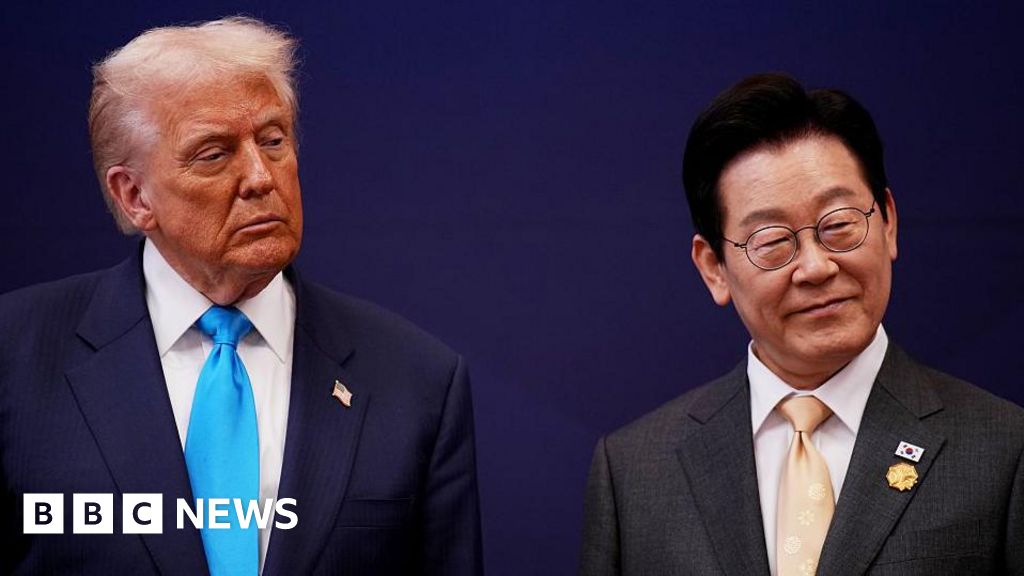
The United States under President Donald Trump has reignited tensions with its key allies by threatening significant tariff hikes on South Korea, threatening to reverse the gains from last year’s historic trade and security agreements. In a sharply worded social media post, Trump indicated that the tariffs on Korean exports would jump from 15% to 25%, citing the lack of parliamentary ratification of the deal as a pretext. While the US administration still has to formally initiate these measures, the move sent shockwaves through global markets and diplomatic circles, highlighting an aggressive stance that has become emblematic of Trump’s approach to foreign economic policy.

South Korea’s presidential office responded swiftly, stating it had not been notified of any impending tariff increase and planned to dispatch trade ministers to Washington for urgent talks. This diplomatic friction underscores a deeper discord over the status of last year’s agreement, which it claims was a mere memorandum of understanding rather than a binding treaty, thereby complicating its legal standing in Seoul. The dispute exemplifies how geopolitical decisions made in Washington directly impact South Korea’s industrial sectors, particularly automobile and pharmaceutical industries, which are vital to the nation’s economy. Historically, analysts emphasize that such tariffs pose a dual threat: they jeopardize economic stability and could lead to a wider ripple effect destabilizing the regional balance of power.

Broadening the Scope of Trade Warfare

  • Since re-electing the aggressive trade policies, Trump has issued threats to multiple trading partners, including Canada and various European nations.
  • He proposed a 100% tariff on goods crossing the US-Canada border, a move aimed at intimidating Canada as it explores a new trade deal with China.
  • Earlier in January, Trump threatened to impose tariffs on European nations over a proposed purchase of Greenland, though these threats have since been rescinded amid international backlash.

International organizations, such as the World Trade Organization (WTO), have expressed concern over these volatile tactics, which risk undermining the post-World War II global trading system rooted in stability and predictability. Economists warn that Trump’s use of tariffs as leverage, often seemingly impulsively, injects an unprecedented level of uncertainty into international markets. The Atlantic Council‘s Josh Lipsky pointed out that recent actions are a clear indication of growing impatience among US policymakers, with the volatility alone imposing significant costs across global markets.

Impacts on Global Geopolitics and Society

This relentless brinkmanship reflects a broader shift in international relations, where economic disputes are increasingly intertwined with geopolitical strategy. As the US demonstrates a willingness to impose unilateral tariffs to punish allies and enemies alike, it signals a departure from traditional multilateral diplomacy. The ripple effects extend far beyond trade numbers, affecting national security alliances, regional stability, and societal welfare. Countries like South Korea now face the dual challenge of safeguarding their economic interests while navigating an increasingly unpredictable global landscape—a scenario that history warns could lead to lengthy conflicts with long-term repercussions.

History scholars observe that recent precedents—such as the Smoot-Hawley tariffs of the 1930s—remind us how protectionist measures can deepen global economic downturns and foster international discord. As the world watches, it remains uncertain whether this volatile phase will mark a turning point toward renewed cooperation or a descent into protracted trade wars that threaten the fabric of global stability. The unfolding decisions and reactions today may well define the geopolitical landscape for decades to come, leaving a legacy etched into history’s cumulative story of conflict and resilience.

Trump hikes U.S. tariffs on South Korea to 25%, signaling tough trade stance

The early weeks of 2023 have marked a significant escalation in US trade diplomacy under President Donald Trump, signaling a shift that could alter the global economic landscape. Trump’s recent decision to raise tariffs on South Korean imports to 25% has ignited a controversy with profound geopolitical impact, exposing a raw edge in the long-standing alliances forged over decades. After accusing Seoul of “not living up” to a bilateral trade deal, the Trump administration announced a surge in tariffs on key South Korean exports, including automobiles, lumber, and pharmaceuticals, effectively undermining a pact reached last October. Analysts warn that such unilateral moves threaten to destabilize regional economies and complicate the delicate web of international trade relationships.

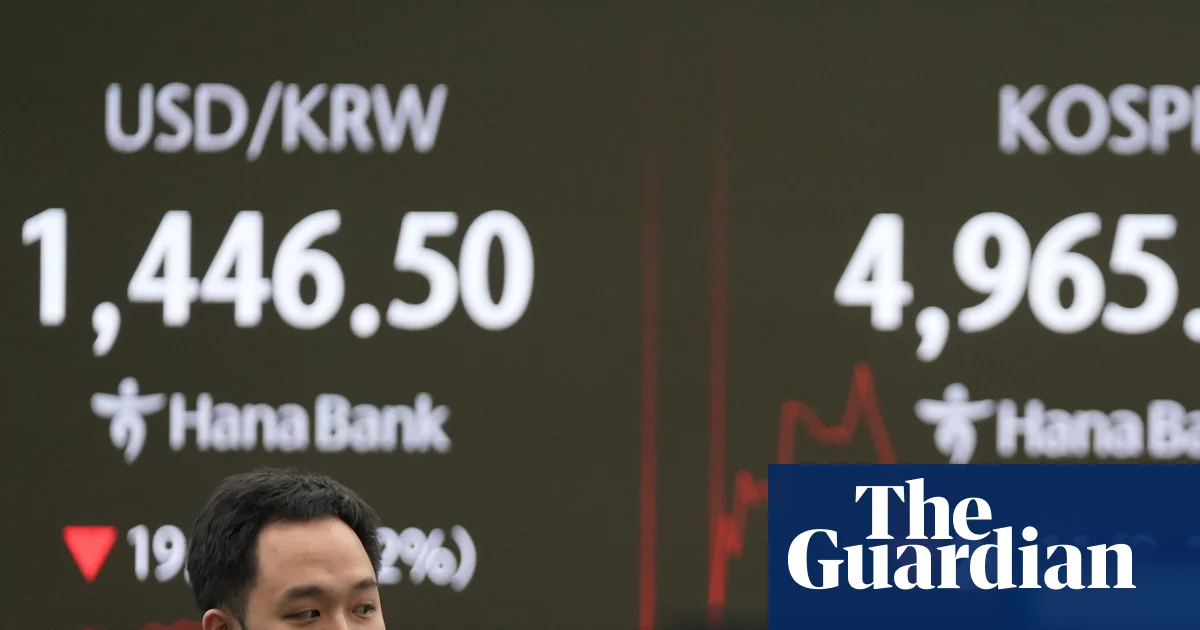
This escalation is emblematic of Trump’s broader doctrine of tariff leverage, deployed as a tool to enforce perceived American economic interests on the global stage. Historically, tariffs have been a double-edged sword—used sparingly to protect domestic industries but often resulting in retaliatory measures that ripple across markets worldwide. According to economic historians and trade analysts, Trump’s strategy of leveraging tariffs as a diplomatic stick has rekindled old debates about the limits of protectionism and the true cost of “America First” policies. The immediate market reaction reflected this tension, with shares of South Korean manufacturing giants, such as Hyundai, plummeting by approximately 2.5%, along with declines in pharmaceuticals and timber stocks, illustrating how decisions made in Washington reverberate swiftly through global supply chains.

The ripple effects extend beyond Asia, touching on broader U.S. foreign relations and the security alliances within NATO. Earlier attempts by Trump to impose a 100% tariff on Canadian imports if Ottawa agreed to a separate China deal strained relations with key allies. Although he later backed down from this threat, the episode underscored how Trump’s use of tariffs as a diplomatic weapon can undermine long-term trust and cooperation. Canadian Prime Minister Mark Carney publicly clarified that his country had no intention of pursuing a free trade agreement with China, emphasizing that official Canadian policy remains aligned with traditional liberal trade principles. Such clarifications highlight a persistent push-and-pull in international diplomacy, as allies navigate the risks of economic hostilities versus strategic cooperation.

Meanwhile, China’s response to these U.S. moves remains guarded but laced with warnings that their “strategic partnership” does not aim to “undercut other nations,” reflecting a nuanced effort to balance economic assertiveness with geopolitical stability. As analysts suggest, the future trajectory of trade relationships hinges on how Washington and its allies manage these tensions. History warns that unchecked tariff wars or unilateral policies could ignite profound shifts in global power dynamics, potentially favoring emerging economic blocs or destabilizing existing alliances. The residual shadow of these decisions casts over the international order, reminding all nations that every trade act bears the weight of history and the uncertain promise of what lies ahead.

As the world watches this unfolding saga, one thing remains clear: the decisions made today will shape the geopolitical landscape for generations to come. With each tariff threat or diplomatic overture, the fabric of international relations is rewoven, often at the expense of stability and trust. The echoes of this moment will be felt long after tariffs are imposed or rescinded, serving as stark testimony to a period where economic conflict and alliance fragility defined the course of history — a history still being written in the corridors of power and the markets of the world.

Trump Administration Ramps Up Investment in U.S. Rare Earths—Powering America’s Future

In a strategic move aligned with the broader national interest of **economic independence** and **technological sovereignty**, the Trump administration has unveiled a major investment initiative aimed at reducing American reliance on foreign adversaries, notably China, for critical minerals. With an eye on securing the supply chain for materials essential to everything from **smartphones** to **defence technologies**, the government announced a $1.6 billion commitment to USA Rare Earth, a key player in the domestic rare-earths sector. This non-binding agreement, supported by a substantial $1.3 billion loan from the Commerce Department, demonstrates an unwavering resolve to bring vital resource processing and manufacturing back to U.S. soil. Such ambitious efforts are not only about economic security—they pave the way for a future where American innovation isn’t hostage to geopolitical uncertainties but a testament to resilience. This move resonates deeply with nationalists and entrepreneurs alike, investing in a **self-sufficient** path forward.

While the US continues to chase the elusive goal of **complete supply chain independence**, resilience comes from bold participation in resource development. USA Rare Earth has not only secured this significant investment but also managed to raise an additional $1.5 billion from private investors — a clear sign of investor confidence in America’s critical minerals future. The company’s control over deposits of “heavy” rare earths, crucial for defense applications, underscores the strategic importance of this industry. These efforts follow a series of bold moves, including a recent $1.4 billion deal with Vulcan Elements and investments in MP Materials, which owns the country’s sole operational rare earths mine. While China still maintains its near-monopoly over processing, the U.S. and allied nations are pressing forward, recognizing that self-reliance in critical minerals is no longer just an economic priority but a matter of national security in a multipolar world.

Within this context, rare earths have become breeding grounds for geopolitical tension and strategic bargaining. In a climate of escalating trade frictions, China’s near-total dominance over processing—about 90% of global supply—has become a vulnerability for Western industries dependent on these materials. Consequently, the United States has accelerated efforts to create **alternative supply chains**, securing partnerships with Australia and others to diversify sources. These initiatives are part of an overarching narrative that champions **self-sufficiency**, empowerment, and safeguarding technological innovation from geopolitical interference. As American youth, today’s movers and shakers understand, these resource battles aren’t just about minerals—they’re about ensuring that future generations inherit a nation capable of leading the world, unencumbered by dependency.

  • Stay informed about domestic resource development initiatives that secure economic independence.
  • Support industries that prioritize **self-sufficiency** and technological sovereignty.
  • Encourage educational pursuits in STEM fields related to resource management and extraction.

As the journey towards **technological independence** unfolds, it echoes a deeper truth: that true __well-being__ and __prosperity__ are rooted in the resources we control and the values we uphold. History reminds us that nations which master their resources—whether it be energy, minerals, or technology—are the ones that shape their destiny. This shift in policy signals a collective shift—a reassertion of strength, resilience, and enough foresight to nurture the innovations of tomorrow. For today’s youth—whose ambitions stretch beyond the horizon—these developments symbolize more than mere strategic policy: they embody a mindset of **self-reliance** and the **pioneering spirit** that has always defined a free, forward-looking nation. As we stand on the cusp of this resource revolution, it’s inevitable to reflect—lifestyle itself is a journey, a path trodden with purpose, courage, and the unwavering belief that the future is ours to shape.

Minneapolis Youth Protest ICE, Gen. Walz Urges Trump to Pull Back

Global Ripple Effects as U.S. Immigration Crisis Unfolds in Minneapolis

The ongoing turmoil in Minneapolis has transcended local concerns to become a flashpoint with far-reaching geopolitical implications. Following the tragic shooting of Alex Pretti, a legal gun owner and community nurse, the unrest symbolizes broader divisions within America’s approach to immigration, law enforcement, and civil liberties. As protests swell across cities nationwide, international attention has shifted to how Washington manages internal conflicts, with critics asserting that federal tactics threaten the fabric of American society.

At the core of the controversy are federal immigration agencies such as ICE, whose aggressive operations have ignited fierce resistance from local authorities. Minnesota Governor Tim Walz and Minneapolis Mayor Jacob Frey find themselves embroiled in a constitutional and political stand-off against the Trump administration. The President publicly demanded local officials to “cooperate fully” with federal agents, calling for the deportation of criminal illegal aliens, and echoed his broader stance that sanctuary cities serve as safe havens for lawbreakers. Such rhetoric not only exacerbates divisions domestically but also prompts international observers to question America’s commitment to due process and human rights.

Global Impact of Internal U.S. Policies and the Shift in Diplomatic Dynamics

Analyzing these developments through a geopolitical lens, experts warn that the U.S. internal crisis could weaken its global standing. Institutions like the United Nations and European Union routinely scrutinize American human rights practices; the scenes of federal agents engaging protesters, with reports of tear gas and stun grenades, are stirring concern abroad about democratic accountability. Many international officials and analysts have expressed alarm that America’s leadership may be eroding its moral authority on issues of justice and personal freedoms, especially at a time when global adversaries seek to exploit perceived internal vulnerabilities.

Furthermore, historical perspectives demonstrate that such internal conflicts have historically served as catalysts for international shifts in alliances and diplomacy. The unfolding crisis in Minneapolis, amplified by high-profile figures like Donald Trump and Homeland Security officials, reveals a nation at a crossroads—torn between its foundational ideals and mounting internal pressures. As some European nations ruminate on whether similar crackdowns threaten long-term stability, the international community watches with concern that the U.S. may be heading toward further polarization, undermining coalitions built on shared values of ordre and justice.

Uncertainty Looms as the World Awaits Its Next Move

As the story remains in flux, with key figures entangled in accusations, subpoenas, and mounting protests, the weight of history presses heavily on the shoulders of future generations. The narrative of Minneapolis—a city emblematic of America’s racial, political, and social divides—may well shape the trajectory of the nation for decades to come. The international community’s cautious gaze underscores a sobering truth: every decision made today bears the potential to redefine the global order. The unfolding saga of internal unrest, government overreach, and the fight for justice is not merely American history in the making; it is a chapter in the enduring story of nations grappling with the universal challenges of sovereignty, social cohesion, and the quest for liberty amid chaos.

Trump calls on Xi to free pro-democracy media boss Jimmy Lai in Hong Kong

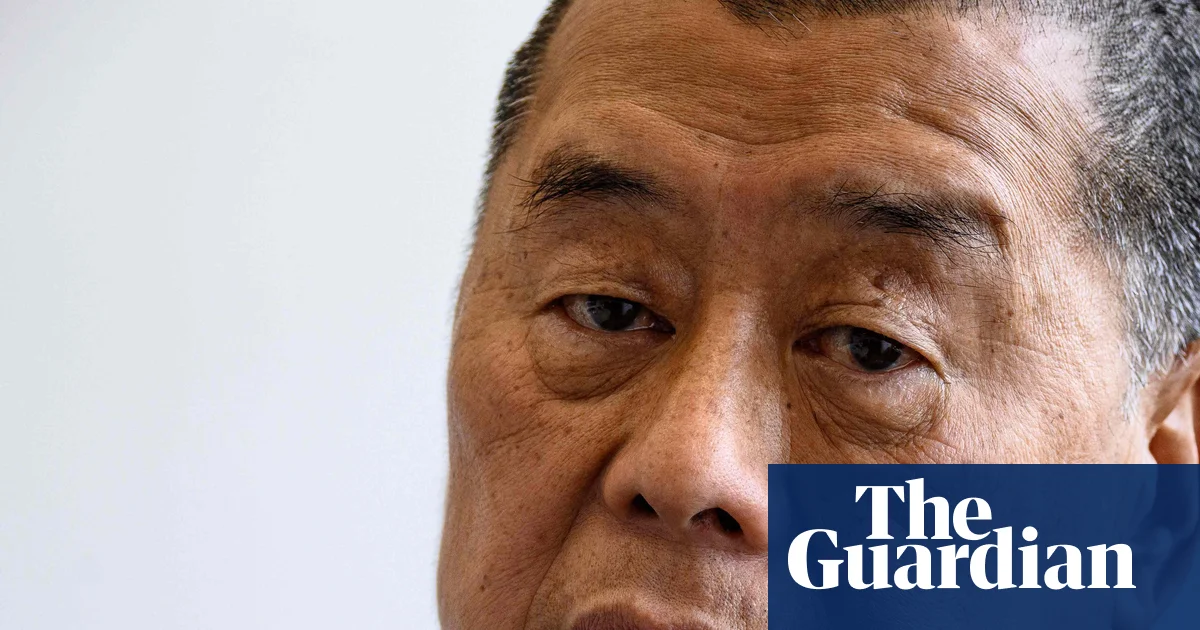
The arrest and conviction of Jimmy Lai, a prominent pro-democracy media mogul in Hong Kong, have once again spotlighted the evolving geopolitical struggle over China’s tightening grip on the former British colony. Lai’s case, marked by charges related to national security, symbolizes the broader suppression of dissent in a city once celebrated for its relative freedoms. As Lai faces potentially life-threatening imprisonment, international leaders and institutions have voiced vehement condemnation, emphasizing the erosion of legally protected rights and freedom of speech—foundations regarded as vital to democratic societies.

Recent statements from Donald Trump exemplify how this issue has transcended regional conflict to influence global geopolitical dynamics. Trump has publicly urged Chinese President Xi Jinping to consider Lai’s release, highlighting personal appeals based on Lai’s health and age. This entreaty illuminates a broader narrative: How nations leverage diplomatic channels amid human rights controversies and what the repercussions entail for the U.S.-China relationship. At the same time, Secretary of State Marco Rubio framed Lai’s conviction as a stark manifestation of China’s commitment to silence dissent, violating points agreed upon at the handover of Hong Kong from Britain in 1997—an agreement promising “one country, two systems” that now appears increasingly hollow.

The international response underscores a clear shift in global norms concerning sovereignty and human rights. Numerous governments and rights groups, including the United States and United Kingdom, have condemned Lai’s trial, citing the deterioration of his health and the *surrounding political climate*. Lai’s daughter, Claire Lai, humanizes this crisis by emphasizing her father’s desire to dedicate himself to faith and family—principles starkly contrasted against the government’s repression. The case has galvanized a coalition of democracy advocates and Christian activists, who view Lai’s incarceration as emblematic of a widening authoritarian trend that threatens not only Hong Kong but urges the global community to reassess its stance on China’s rising influence.

Historically, the case of Jimmy Lai underscores a pivotal juncture—an era where China’s authoritarianism is challenging the very foundations of Western liberal values. Scholars and analysts warn of the consequences of appeasing an emboldened Beijing, which continues to undermine the fragile democracy of Hong Kong through a calculated mix of legal harassment and political intimidation. Human rights experts caution that Lai’s trial could set a disturbing precedent, emboldening other authoritarian regimes to suppress dissent under the guise of national security. This ongoing struggle embodies the larger conflict over sovereignty, civil liberties, and the global liberal order, with the weight of history pressing heavily on the scale as democratic nations seek to defend the principles they hold sacred amidst an increasingly complex geopolitical chessboard.

As the world watches, the fate of Jimmy Lai remains a stark symbol of the clash between freedom and repression. With each political move—be it the plea from Trump or the condemnations from rights organizations—the story continues to unfold, shaping the contours of an era defined by struggling sovereignties and the unyielding pursuit of liberty. History’s pen carries on, and future generations will judge not only the actions taken today but the resilience of human rights in the face of rising authoritarian tides. In this moment, the battle for Hong Kong’s soul is a battleground for the future of global freedom—an enduring testament that, in the shadow of history’s looming questions, the fight for liberty remains the most formidable and consequential challenge of our age.

Trump faces backlash over controversial comments on Rob Reiner and wife Michele – latest updates

The international stage continues to unravel in a complex tapestry of diplomacy, conflict, and political posturing. The recent developments surrounding Ukraine and U.S. negotiations underscore the persistent drive for peace amid ongoing territorial disputes. According to Ukraine’s top negotiator, Rustem Umerov, there have been “constructive and productive” talks, with hopes of forging a lasting peace. Yet, behind these diplomatic efforts lie intractable issues, notably the contested control of Donetsk and Luhansk regions, which remain pivotal in the broader conflict. Analysts from various think tanks and international organizations warn that unresolved territorial disputes could prolong the war, with repercussions that ripple far beyond Eastern Europe.

Meanwhile, the U.S. continues to exert influence over Ukraine’s territorial negotiations, demanding that Kyiv cede control of the Donbas regions as a precondition for peace talks. Reports from Reuters and AFP reveal that US negotiators are maintaining this stance, asserting that Russia’s primary objective is to reclaim territory—an assertion that Kyiv vehemently rejects. This insistence by Washington reflects a deeper strategic positioning, revealing how geopolitical interests are entwined with territorial sovereignty. In stark contrast, Russian President Vladimir Putin is said to prioritize territorial expansion, seeking to consolidate control over areas critical to Russia’s national security. The conflicting demands exemplify a broader chess game involving multiple nations, each vying to shape the future of a region that increasingly symbolizes the battleground of post-Cold War influence.

The European leaders, led by Friedrich Merz of Germany, actively participate in these talks, hosting discussions with Ukrainian President Volodymyr Zelenskyy and other key figures. The presence of Trump’s envoy, Steve Witkoff, and Jared Kushner underscores the continued interest from U.S. factions seeking a role in resolving the conflict — although their involvement is contentious amidst concerns over biases and diplomatic effectiveness. This dynamic illustrates the shifting boundaries of influence and the perilous dance of diplomacy in a Europe teetering on the edge of prolonged instability.

Simultaneously, domestic policy debates in America reveal a nation deeply divided on how to approach foreign conflicts and internal crises. Notably, the rhetoric of Donald Trump and Ilhan Omar exemplifies the tumult within U.S. politics—ranging from accusations of “disgusting” statements to allegations of government overreach. Recent reports highlight Trump’s plans to sign executive orders reclassifying marijuana, signaling a possible pivot that could reshape America’s drug policy landscape. Yet, as analysts warn, these decisions carry profound implications for international perceptions of U.S. stability and leadership in safeguarding democratic values.

In this ever-unfolding chapter of history, the fate of nations hangs precariously in the balance. As Ukraine‘s leaders wrestle with territorial sovereignty and U.S. policymakers grapple with internal divisions, the echoes of past conflicts and missed opportunities reverberate across continents. The meticulous power struggles and diplomatic negotiations of today are but threads woven into the larger fabric of history—each decision, each bold move, shaping the future of global stability. As world leaders convene in Berlin and elsewhere, the question remains: how long can the fragile veneer of peace hold before the next chapter of conflict demands its place in the annals of history?

Social Media Auto Publish Powered By : XYZScripts.com