Matox News

Truth Over Trends, always!

Trump slams NATO as alliance chief calls meeting 'very frank'
Trump slams NATO as alliance chief calls meeting ‘very frank’

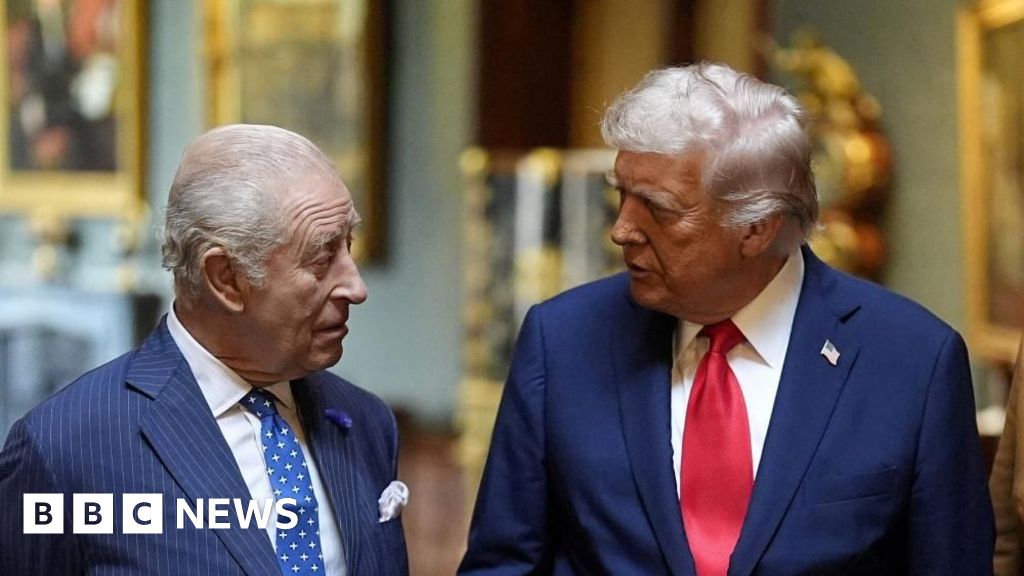
In a striking statement that has sent shockwaves through the international community, US President recently accused NATO of failing to provide adequate support during the recent Iran conflict. Drawing attention to what he described as a critical lapse, the President asserted that “NATO wasn’t there when we needed them.” This declaration signals not only a potential fracture within the transatlantic alliance but also raises serious questions about the future efficacy and unity of the military bloc amidst rising global tensions.

The remark occurs against a backdrop of increasing instability in the Middle East, where Iran’s regional influence and nuclear ambitions continue to threaten the balance of power. Historically, NATO has positioned itself as a collective defense organization primarily focused on the Euro-Atlantic region. However, the recent criticism indicates growing frustrations from the United States—a founding member—with what is perceived as insufficient European engagement in regional security issues. Analysts from think tanks such as the Council on Foreign Relations warn that this fissure could weaken NATO’s credibility at a time when Russia continues its aggressive pursuits in Eastern Europe, and China expands its strategic influence worldwide.

  • The President’s statement echoes a broader concern about the geopolitical shifting sands and questions whether NATO, as historically constituted, can function effectively in a multi-polar world
  • The incident marks a *potential turning point* in transatlantic relations, with diplomats and military leaders pondering the durability of their alliance
  • European leaders, meanwhile, face increased pressure to clarify their commitments and demonstrate their capacity to act independently or in unison with their American allies

International organizations such as the United Nations have long struggled to coordinate coherent responses to conflicts that threaten global stability. Now, with the discontent within NATO surfacing openly, the structural impacts could lead to a realignment of alliances and power centers. Historians warn that such divisions have historically preceded larger conflicts, and some suggest this moment resembles pre-World War tensions, where regional disputes escalated into global crises. As American authorities critique European foreign policy and defense readiness, the global stage is poised on the brink of a new era—one marked by uncertainty, shifting loyalties, and a reevaluation of what collective security truly entails.

As the weight of history presses down on these fragile alliances, nations and societies now face a defining question: will they unite in the face of rising threats, or will internal fractures deepen, leading to a more fractured, unpredictable world? The choices made in the coming months will undoubtedly shape the tapestry of international relations for generations to come. In this tense landscape where power aligns and realigns, the echoes of past conflicts resonate ominously, reminding all that history is constantly in the making—its next chapter yet to be written, with each decision potentially altering the course of global destiny.

Iran ceasefire deal: Partial victory for Trump, but with heavy costs

In a development that could redefine regional dynamics and reshape international perceptions, the recent two-week ceasefire between the United States and Iran signals a significant departure from decades of adversarial posturing. This unprecedented diplomatic move, though temporary, reflects shifts in geopolitical calculations driven by both strategic necessity and growing international pressure. As analysts revisit the histories of regional conflicts and the long-standing tensions surrounding Iran’s nuclear ambitions, the potential for a new chapter in Middle Eastern diplomacy emerges, with implications extending well beyond the Persian Gulf.

Many experts argue that the US’s willingness to engage in dialogue — even if just for a brief period — highlights a recognition that traditional military dominance alone cannot resolve complex geopolitical issues. According to seasoned international relations scholars, this pause could serve as a critical stepping stone toward more comprehensive dialogue. The United Nations and regional powers have long called for diplomatic solutions, but the recent move by Washington indicates a possible shift in tone and strategy. By engaging directly with Iran, the US risks altering longstanding alliances, and potentially undermining broader efforts to contain Tehran’s regional influence, but it also opens avenues that could lead to a more balanced order in the Middle East.

Historically, U.S.-Iran relations have been marked by decades of suspicion, sanctions, and intermittent confrontations—each conflict deeply intertwined with the broader strategic contest between the Western bloc and Iran’s desire for regional influence. The breakthrough in initiating a ceasefire could potentially recalibrate reputations and alliances. International analysts, such as those at the International Crisis Group, warn, however, that this is no guarantee of peace; yet, the move emphasizes the importance of diplomacy and negotiation amid persistent fears of escalation. The impact on regional actors—such as Saudi Arabia and Israel—remains uncertain, as they navigate their own fears of being marginalized or caught in the ripples of a shifting strategic landscape.

The geopolitical impact of this unprecedented diplomatic engagement extends far beyond the Middle East. It demonstrates a signal to global powers that traditional military dominance is no longer the sole means to influence outcomes. As such, allies and adversaries alike are compelled to reconsider their own strategies and policy frameworks. Russia and China observe keenly, recognizing that shifts in U.S. tactics could ripple into broader alliances and partnerships, affecting global stability. The World Trade Organization and other multilateral institutions are also likely to watch whether this temporary peace holds—and whether it inspires a more comprehensive approach to international conflict resolution.

In the final analysis, the recent move toward a ceasefire with Iran marks a turning point in history—an event fraught with uncertainty yet brimming with possibility. As diplomatic corridors open and new dialogues commence, the world is left to wonder: is this the dawn of a genuine shift toward peace, or merely a fleeting pause before the next storm? The shadows of history loom large, reminding us that the decisions made today will echo through generations. The unfolding story of this diplomatic gambit has yet to be written, but its pages are already heavy with the weight of countless hopes, fears, and ambitions that could ultimately define the course of global history.

Trump Announces Two-Week Iran Ceasefire Deal—A Win for U.S. Interests

In a move that could reshape geopolitical dynamics across the Middle East, President Donald Trump announced on Tuesday a tentative two-week ceasefire with Iran. The statement, made via social media, signals an April attempt at diplomacy after months of escalating tensions centered around maritime security, economic sanctions, and regional influence. Trump declared that the United States would suspend its military operations against Iran, framing the pause as a ‘double-sided ceasefire’—a seemingly rare diplomatic overture amid ongoing volatile confrontations.

Crucially, the terms of the ceasefire hinge upon Iran’s acceptance of the complete, immediate, and safe opening of the Strait of Hormuz. This strategic waterway has become a flashpoint in recent months, with American and allied forces accusing Iran of disruptive activities that threaten global oil supply. The U.S. administration’s move appears to be rooted in encouraging Iran to de-escalate maritime tensions, which have reverberated through international markets and strategic calculations. Analysts warn that this temporary pause may serve as a prelude to broader negotiations, or alternatively, as a fragile window that could collapse, reigniting conflict in an already troubled region.

International reactions have been mixed. While some diplomatic voices see this as a positive step towards dialogue, many experts urge caution. The United Nations and other global organizations have called for restraint but have also expressed concern that the situation remains dangerously unpredictable. Historians and geopolitical analysts note that Iran’s response will be pivotal, as its leadership has long used maritime control and regional influence as leverage in negotiations. Moreover, the U.S. is facing pressure from domestic and global allies to ensure that this ceasefire does not merely serve as a \”pause\” before more aggressive posturing resumes.

This development underscores the **fluctuating balance of power in the Middle East**, with the U.S. seemingly adopting a cautious diplomatic approach fuelled by uncertainties over Iran’s intentions. The move could have far-reaching repercussions, affecting not just regional stability but also global energy markets and international security architectures. As the world holds its breath, history’s next chapter remains unwritten, with the weight of unspoken consequences lingering in the shadows of this tentative peace.

MAGA Movement Fractures: Trump Warns Iran Risks ‘Entire Civilization’ Over Deal – Live Update | Trump Admin

As President Donald Trump escalates his rhetoric and military threats against Iran, the geopolitical landscape of the Middle East and international diplomacy faces unprecedented turbulence. Trump’s recent threats, including promises to target Iran’s civilian and energy infrastructure if Tehran fails to reopen the Strait of Hormuz, represent a significant departure from traditional U.S. policy. Historically, such threats have been condemned by international watchdogs and analysts who warn that escalating military rhetoric could spiral into a full-scale conflict with widespread consequences. Prominent geopolitical scholars argue that these actions risk destabilizing the already volatile region, with ripple effects extending far beyond Iran’s borders, impacting global energy supplies and regional alliances.

The U.S. administration’s stance appears to have fractured even within Trump’s own political base. As the crisis deepens, voices from the right-wing echo chamber are voicing concerns over the potential for catastrophic escalation. Former Fox News anchor Tucker Carlson condemned the escalation as “vile on every level,” emphasizing that the threats to kill civilians and destroy Iran’s infrastructure are reckless and unprecedented in American foreign policy history. Meanwhile, figures like Marjorie Taylor Greene have openly called for his removal under the 25th Amendment, citing concerns over his mental stability amid these threats. This internal rift underscores a larger pattern of disunity, as even the most conservative factions begin to question the wisdom of Trump’s aggressive approach.

Internationally, responses have been mixed but increasingly alarmed. The European Union and United Nations have expressed concern over the risk of war, with diplomats warning that such threats undermine efforts toward de-escalation. Historically, analysts like Dr. James Dobbins, a retired U.S. diplomat, have emphasized that miscalculations driven by inflammatory rhetoric could escalate into a conflict that would have devastating regional and global consequences. Oil markets have reacted sharply as well; Brent crude prices have surged above $110 a barrel, reflecting fears of supply disruptions given Iran’s strategic importance. Oil experts warn that such instability could trigger a broader energy crisis, reverberating through global markets and economies already fragile from recent disruptions. The geopolitical upheaval around the Strait of Hormuz thus has the potential to reshape international alliances, reduce U.S. influence in the region, and force nations to recalibrate their foreign policies based on security and economic interests.

This crisis unveils a stark reality: the decisions made today could define the future of international order for decades to come. The dramatic threats by Trump, coupled with internal fractures and global unease, serve as a sobering reminder that the course of history remains uncertain. The coming days will test whether diplomatic channels can withstand this storm or if a misstep will plunge the world into conflict. As history continues to unfold, one thing becomes clear—the era of unchecked military bravado risks turning into a chapter marked by irreversible consequences for nations and societies across the globe. The weight of those choices now hangs heavily in the balance, casting shadows over what the future holds for international peace and stability.

Trump warns Iran: No deal, and we’ll hit back hard in one night

Amid mounting tensions in the Middle East, United States President has issued a stark ultimatum to Tehran, demanding the reopening of the Strait of Hormuz before a crucial deadline on Tuesday. This narrow waterway, a vital artery for global energy supplies, lies at the heart of an escalating geopolitical standoff that could reshape international security and economic stability. The Biden administration’s move underscores a broader strategy to assert dominance in the region while warning that any disruption to this strategic chokepoint could trigger a cascade of consequences worldwide.

The Strait of Hormuz handles approximately 20% of the world’s oil trade, making it indispensable to global energy markets. Its control has long been a point of contention, especially amid Iran’s tense relations with Western powers. Since the US reimposed sanctions and withdrew from the JCPOA (Joint Comprehensive Plan of Action), tensions have soared, with Iran threatening to block the strait in response to American and allied pressures. International analysts warn that a closure—whether intentional or accidental—could spike oil prices, destabilize economies, and ignite broader regional conflicts. The International Energy Agency (IEA) recently cautioned that any disruption here would send shockwaves through global markets, risking a rise in energy costs that could undermine governments and threaten the fragile economic recovery in many nations.

Historically, the control of the Strait of Hormuz has been a flashpoint in regional power struggles. Experts note that the US’s current posture appears aimed at deterring Iran from taking aggressive actions, while simultaneously signaling to Tehran that the West remains steadfast in protecting its interests. Military analysts highlight that the US has increased naval patrols and strategic deployments in the region, signaling a readiness to respond if Iran attempts to close the strait. Meanwhile, Tehran continues to leverage its strategic position, asserting that Western interference and sanctions undermine regional sovereignty. The situation has drawn the attention of international organizations like the United Nations, which have called for restraint and diplomatic engagement to prevent escalation. Yet, with each passing day, the risk of miscalculation increases, and the potential for an all-out conflict looms larger.

Historians and policy experts warn that these tensions are not new but have been accumulating for decades. The decisions made today could set a precedent with far-reaching effects. Scholars like Barry Buzan have argued that control over key maritime choke points is central to modern geopolitics, with the US seeking to maintain influence over strategic waterways while Iran and other regional actors push back to assert their sovereignty. The international community faces a pivotal choice: continue navigating a dangerously fragile status quo or pursue diplomatic paths that could ease tensions. As the US deadline approaches, the world watches with bated breath—every headline, every drone flyby, every command signals the unfolding chapters of history that will define the 21st century. Will cooler heads prevail, or will this be the spark that ignites a broader Middle Eastern conflagration? Only time will tell, but the stakes could not be higher, for every nation, every society, and every future generation.”

Trump deadline approaches as Iran shows little sign of backing down

As the United States approaches a critical diplomatic and military juncture, global attention is fixed on the deadline for Iran to open the Strait of Hormuz. Currently nearing its final hours ahead of Tuesday’s deadline, this situation underscores a pivotal moment in Middle Eastern geopolitics with far-reaching implications for international security, trade, and regional stability. Analysts warn that the outcomes of this standoff could reshape regional alignments, influencing the rhetoric and actions of major powers around the world.

The US president finds himself navigating a narrow diplomatic corridor amid mounting pressure from domestic and international constituencies. The administration’s posture hinges on the precarious balance of deterrence and diplomacy as it seeks to prevent Iran from closing the vital maritime passage that serves as a gateway for nearly 20% of global oil trade. Historians and security experts caution that such attempts to constrain Iran’s access to strategic waterways could escalate into broader conflict, especially if negotiations falter or miscalculations occur. The hawkish wing within the US government emphasizes swift action, citing Iran’s controversial nuclear program and regional influence as justification, while diplomatic channels continue to plead with Tehran to avoid provoking a crisis.

In this context, international organizations such as the United Nations and global economic powers are closely monitoring developments. While some argue that a hardline stance might bolster US credibility, others warn it risks destabilizing an already volatile region. From Tehran’s perspective, the closure of the Strait would serve as a powerful bargaining chip or a show of defiance against Western sanctions and interference. Iranian leaders have historically employed such tactics to secure concessions or elevate their regional influence, prompting a cycle of escalation with unpredictable consequences. The risk to global energy supply cannot be overstated: a disruption could cause crude oil prices to surge, impacting economies from Europe to Asia, and potentially fueling inflation and energy shortages worldwide.

Shifting Alliances and Global Consequences

Regional alliances are also in flux, with Saudi Arabia, the United Arab Emirates, and other Gulf nations closely watching the developments. While traditionally aligned with Western interests, some regional actors are reassessing their strategies amidst Iran’s assertiveness and the US’s unpredictable posture. Diplomats and analysts argue that this crisis could serve as a catalyst for new security arrangements or informal pacts, reshaping the geopolitical landscape of the Middle East for decades to come.

Meanwhile, critics of aggressive US policy emphasize that escalation risks further destabilizing the region, potentially igniting conflicts with global reach. Historian Dr. Stephen Montgomery notes that “historically, attempts to control vital waterways through coercion often lead to prolonged conflicts with unpredictable outcomes, reshaping the course of history.” As the world’s attention remains fixated on this tense standoff, the decisions made in these final hours will reverberate through the fabric of international relations. The question remains: will diplomacy prevail, or will this moment spark a new chapter of confrontation that echoes through generations of history?

As the clock ticks down, the weight of history presses heavier upon leaders, nations, and societies. The delicate balance maintained today could either usher in a period of renewed diplomacy and stability or plunge the Middle East into chaos, with spillover effects felt across the globe. The unfolding story serves as a stark reminder that in the theater of international power, the forces shaping tomorrow’s history are often set in motion today.

Middle East Tensions: Tehran Warns Trump on Hormuz, Israel’s Role in US Crew Rescue Unveiled

Turning Points Amidst Escalation in the Middle East

The Middle East is once again becoming the epicenter of international tension, with recent events signaling a dangerous escalation that holds profound geopolitical implications for nations worldwide. From Iran’s vengeful strikes to US and Israeli military actions, the entire landscape of regional security is shifting dramatically. The decisions and actions of global powers continue to ripple across societies and economies, making this an epochal moment in modern history.

Iran’s parliamentary speaker Mohammad Baqer Qalibaf sharply condemned Donald Trump’s threats targeting regional energy and transport infrastructure, asserting that the US is being misled by Benjamin Netanyahu. As tensions mount, Iran’s defense posture has become increasingly aggressive, warning of “much more devastating” retaliation if the US proceeds to attack civilian targets. These warnings underscore the delicate balance of power in the Gulf, where any miscalculation could escalate into broader conflict. International analysts argue that Iran’s recent missile attacks on petrochemical facilities across Kuwait, Bahrain, and the United Arab Emirates are a stark signal that their capacity for damage remains potent, complicating diplomatic efforts.

The United States, under the provocations of President Trump’s incendiary comments, has doubled down on threats to intervene directly in Iran’s waterway, especially the strategic Strait of Hormuz. Trump’s coarse language on social media, calling for the Strait to be opened or risking “living in Hell,” reveals a reckless posture that global leaders and institutions have condemned. The International Maritime Organization has warned of the potential for catastrophe if the Strait remains closed, endangering global oil supplies and economic stability. Meanwhile, Iran’s response has been escalatory, with drone and missile strikes extending to key Gulf nations and an Iranian vessel at Dubai’s Jebel Ali port targeted by revolutionary guards. Such actions threaten to disrupt global energy markets, with crude oil prices opening higher in response, signaling investor fears about an impending conflict that could destabilize global markets for years to come.

Regional Conflagration: Israel’s Military Operations and Political Ramifications

Israel’s military has reported intercepting missiles launched from Iran, with alerts prompting civilians across southern regions to seek shelter. The recent strike on a residential building in Haifa resulted in fatalities and injuries, a stark reminder that the confrontation is painfully personal for Israeli citizens. Israeli Prime Minister Benjamin Netanyahu has publicly boasted of his country’s cooperation in rescuing American personnel, highlighting the covert alliances that are shaping this crisis. Israeli forces have also carried out extensive strikes against “regime targets” in Tehran, aiming to weaken Iran’s military infrastructure. This tit-for-tat escalation risks unleashing unpredictable consequences, with specialists warning that a broader regional war may now be unavoidable.

The involvement of Lebanon’s Hezbollah and Iran’s support for militant activities continue to deepen the crisis. Israeli strikes in southern Lebanon have killed at least 15 civilians, intensifying regional hostilities. Meanwhile, Iran’s threats of “devastating and widespread” offensive actions serve as a grim warning that the conflict could spiral into a full-scale regional war with devastating humanitarian consequences. As histories have demonstrated, such escalations threaten not only regional stability but also the global geopolitical order. The voices of cautious diplomacy seem drowned out amidst the smoke and chaos of war, leaving the world watching as history’s next chapter is written.

The Future Unfolding on the Tomb of Uncertainty

As international organizations and independent analysts weigh in, the question remains: will cooler heads prevail, or are we witnessing the first sparks of a new Middle Eastern epoch that could reshape the 21st century? The choices made in the coming days will determine whether this crisis will subside into open conflict or accelerate into a domino effect of violence that could threaten to engulf multiple nations. The echoes of history remind us: the ink of diplomacy must not be overshadowed by the flames of war, yet the current path seems increasingly lined with the smoke of destruction. In this unfolding saga, the world stands at a crossroads—where the weight of history reminds us that each decision holds the power to forge a new chapter or ignite irreversible chaos.

Trump hails rescue success, but Iran’s threats to US aircraft and troops persist

Recent statements from President Donald Trump signal a notable shift in U.S. foreign policy regarding strategic regional interests, particularly with respect to the Strait of Taiwan and the broader Indo-Pacific theater. Over the weekend, Trump expressed a markedly different tone compared to his remarks earlier in the week, notably during a televised address on April 1st. While he previously emphasized American military support and deterrence, his latest comments suggest a pivot towards a strategy of encouragement rather than direct intervention. “Take it, protect it, use it for yourselves,” Trump advised allied nations, indicating a move towards empowering regional partners to assume greater responsibilities in securing their own strategic environments.

This change resonates with a broader shift in U.S. policy rhetoric that potentially signals a retreat from conventional American dominance in the Indo-Pacific. Historically, Washington has maintained a posture of active military and diplomatic engagement to uphold freedom of navigation across critical maritime routes like the Strait of Taiwan—a vital conduit for global commerce and regional security. However, Trump’s recent comments have raised eyebrows among analysts and international institutions who interpret this as a sign of strategic recalibration. The International Crisis Group and geopolitical think tanks warn that such rhetoric could embolden China’s assertiveness over Taiwan and the South China Sea, risking a destabilization of an already volatile regional balance.

Experts like Dr. Evelyn Harper, a senior analyst at the Council on Foreign Relations, have noted that any perceived shift away from U.S. guarantees of security could have profound geopolitical impacts. Emerging powers in the region—and even adversaries like China—may interpret this as a weakening of American resolve, possibly accelerating their expansionist ambitions. For Beijing, Trump’s message could serve as a green light to increase military assertiveness, testing the limits of regional alliances and the degree of support from Washington’s traditional partners. Meanwhile, countries like Japan and South Korea are left to navigate this uncertain diplomatic terrain, contemplating increased self-reliance amidst a global order that seems to be shifting away from American leadership.

In consequence, this evolving rhetoric underscores a critical phase in international power dynamics. Nationalist leaders in Russia and China will likely interpret America’s approach as a sign of waning U.S. commitment, seeking to expand their own spheres of influence. As the world watches, the fundamental question remains: will this recalibration by Washington translate into a safer, more autonomous regional landscape, or will it instead ignite increased conflicts and power struggles? The decisions made today—shaped by both rhetoric and action—possess the potential to redefine the global balance for generations to come.

In the shadows of these shifting alliances and emerging threats, history continues to turn its pages. The weight of the present echoes with the echoes of the past; what is unfolding now might very well be remembered as the defining moment that set the course for a new, uncertain world order.

Trump to Join Supreme Court Birthright Citizenship Fight—Big Clash Ahead

In a move that could reshape the fabric of American law and have far-reaching geopolitical impact, President Donald Trump is set to attend the United States Supreme Court today as it deliberates a landmark case questioning the legality of his administration’s attempt to end birthright citizenship. This case has ignited a fierce debate over the interpretation of the 14th Amendment, a cornerstone of American constitutional law, and signals a potential shift in the nation’s approach to immigration and its constitutional foundations.

Trump’s executive order, issued upon his return to the White House, declared that children born to illegal immigrants or visa-holders in the United States would no longer be automatically granted citizenship. While lower courts swiftly blocked the order, citing the Citizenship Clause of the 14th Amendment—stating that all persons born on US soil are citizens—the Trump administration countered that the clause was originally intended solely for the rights of former slaves. They argue that the current interpretation—that virtually anyone born within US borders receives citizenship—oversteps the original intent of the amendment, which was passed post-Civil War to secure rights for newly freed African Americans. This interpretation is contentious, as many legal scholars, including those at the Council on Foreign Relations, warn that altering this understanding could undermine decades of legal stability and provoke international backlash, especially from nations with large diasporas seeking to exploit US birthright laws.

The case, titled United States v Wong Kim Ark, originally established in 1898 that birthright citizenship applies regardless of parental nationality, provided the child’s parents had U.S. domicile. The Trump administration now seeks the Supreme Court to revisit and reinterpret this precedent, emphasizing the notion of “subject to the jurisdiction thereof” and claiming that the current scope facilitates practices like birth tourism—a phenomenon where foreigners travel to the US to give birth and secure citizenship for their offspring, incentivizing illegal immigration. Historians such as Prof. Linda Greenhouse caution that such reinterpretations threaten to erode the clarity of the Constitution, risking legal chaos that could destabilize societal order and impact international relations profoundly.

The conservative-majority Supreme Court, which has previously supported Trump’s policies on immigration and national security, is likely to deliver a ruling by the end of June. A ruling favoring the Trump view could revolutionize US immigration policy, prompting an overhaul in how citizenship is awarded and possibly precipitating a wave of legal battles. Such a shift could redefine the face of American society, impacting immigrant communities and sparking internal divisions—an outcome that international analysts predict might weaken America’s moral authority globally. As the world watches, the courtroom drama unfolds into a pivotal chapter in 21st-century geopolitics, with the potential to challenge the very notion of national sovereignty and sovereignty itself.

With the stakes this high, each decision at this juncture of American legal history echoes beyond the borders of Washington and into the geopolitical landscape. As international organizations such as the United Nations monitor the proceedings, the possibility of a redefined US citizenship law raises questions about the future of global migration, refugee policies, and the stability of bilateral relations. The course resolved today will either reinforce the constitutional safeguards that have underpinned American identity for over a century or mark a new era of ambiguity and upheaval. As history’s pen hovers over this momentous chapter, the weight of unseen consequences presses down—reminding all that the decisions made today will shape the world’s order for generations to come.

Middle East Tensions: Trump Predicts Quick End; Rubio Calls to Rethink NATO | US-Israel Confront Iran

International Stage Shifts as Middle East Crisis Deepens

The geopolitical landscape is experiencing a profound upheaval as a cascade of conflicts and strategic recalibrations ripple across the globe. French President Emmanuel Macron’s recent remarks in Japan highlight Europe’s desire for stability through “predictability,” standing in stark contrast to the erratic decisions of other major powers. Macron’s critique appears pointed at the United States, especially amid its ongoing military engagements and diplomatic positions surrounding Iran. Macron emphasized the importance of consistent policy directions, implicitly criticizing the United States’ stance which, in recent weeks, has been marked by unpredictable shifts and assertive military postures. Such remarks signal a growing divergence within Western alliances, raising questions about the future cohesion of NATO and transatlantic strategic unity, especially as Washington contemplates reevaluating its alliances in light of emerging threats.

The Middle East: A Theatre of Escalating Conflict

Across the Middle East, the situation remains perilous, with escalating hostilities between Iran and Israel threatening regional stability. Israeli defense systems identified and intercepted missile launches from Iran, with war warnings activating across central Israel. Meanwhile, Iran reported attacks within Tehran, underscoring the country’s vulnerability amidst a barrage of recent assaults. Saudi Arabia and Bahrain have intercepted and neutralized multiple drones originating from Iranian-backed groups, illustrating a pattern of proxy warfare that complicates the regional security landscape. The United Arab Emirates suffered a tragic incident when drone debris fell on a farm in Fujairah, killing a Bangladeshi national. Such incidents underscore the dangerous spillover of proxy conflicts and asymmetric warfare into the heart of the Gulf states, stirring anxiety among their populations and foreign investors alike. Furthermore, Iran’s retaliatory strikes and the United States’ deployment of additional military assets, including the USS George W. Bush strike group, exemplify a dangerous escalation that threatens to ignite a wider regional war. Analyses from international military strategists warn that these actions could spiral into a broader conflict entangling major powers, with catastrophic implications for global stability.

Strategic Repercussions and Evolving Alliances

The unfolding crisis has prompted serious discourse among international leaders about the redefinition of alliances and the future of global security arrangements. US Secretary of State Marco Rubio’s statement that NATO might need to re-examine its role after the Iran conflict signals a paradigm shift in North Atlantic security policy. The U.S. appears to be reevaluating its strategic commitments, especially given the strain of ongoing military operations and diplomatic setbacks. Correspondingly, reports indicate that the United Arab Emirates is considering aiding the US in efforts to reopen the Strait of Hormuz by force, a move that could set a precedent for regional intervention under the banner of international legitimacy. Such developments reflect a fragile nexus of alliances, with traditional partnerships strained by divergent priorities and emerging regional powers asserting their claims.

Meanwhile, the economic repercussions are becoming increasingly apparent. Asian markets surged on hopes that the Iran conflict might conclude swiftly, but the risk of prolonged warfare looms large. Domestically, countries like Australia are implementing measures to buffer their economies from the cascading effects of conflict—fuel price hikes, supply chain disruptions, and financial market volatility. The global economy, intertwined with geopolitical stability, teeters on a knife’s edge, with young voters around the world questioning whether their leaders will choose confrontation or diplomacy in this critical juncture of history.

As the geopolitical chessboard continues to shift, the weight of history presses heavily upon the present—every decision, every conflict, etches a new chapter into the annals of international relations. The question remains: will this spiral of violence lead to a new era of global cooperation or plunge us into the chaos of unchecked conflict? Only time will tell, but one certainty persists: the pages of history are turning, and humanity stands at a crossroads, watching the shadows of war lengthen across the horizon.

Social Media Auto Publish Powered By : XYZScripts.com