Matox News

Truth Over Trends, always!

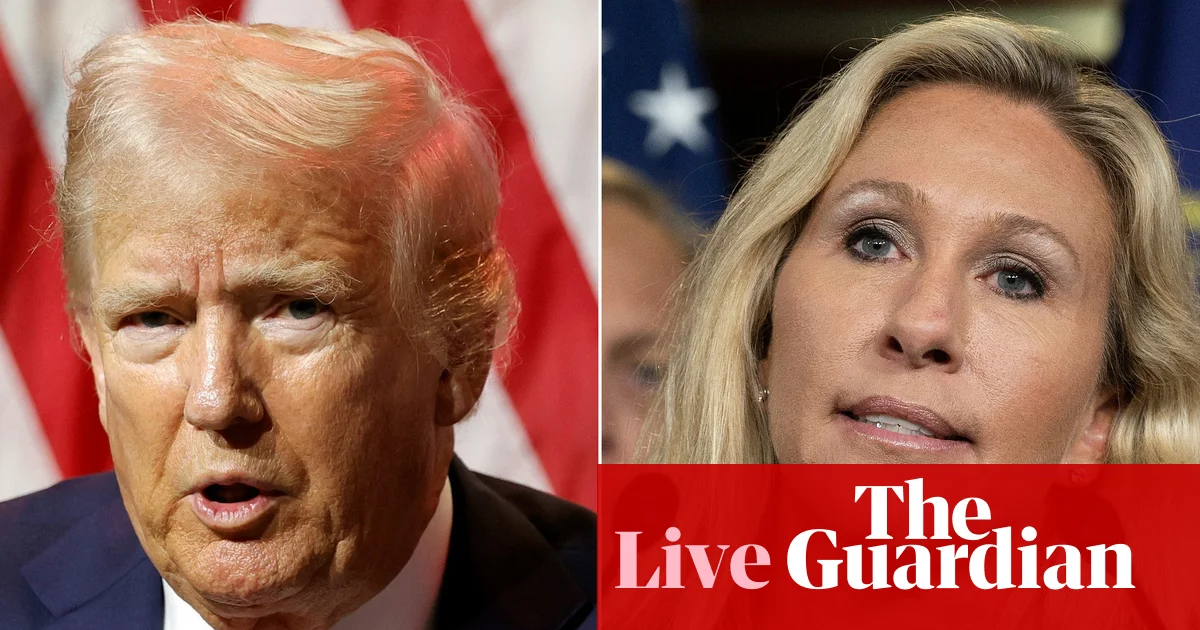
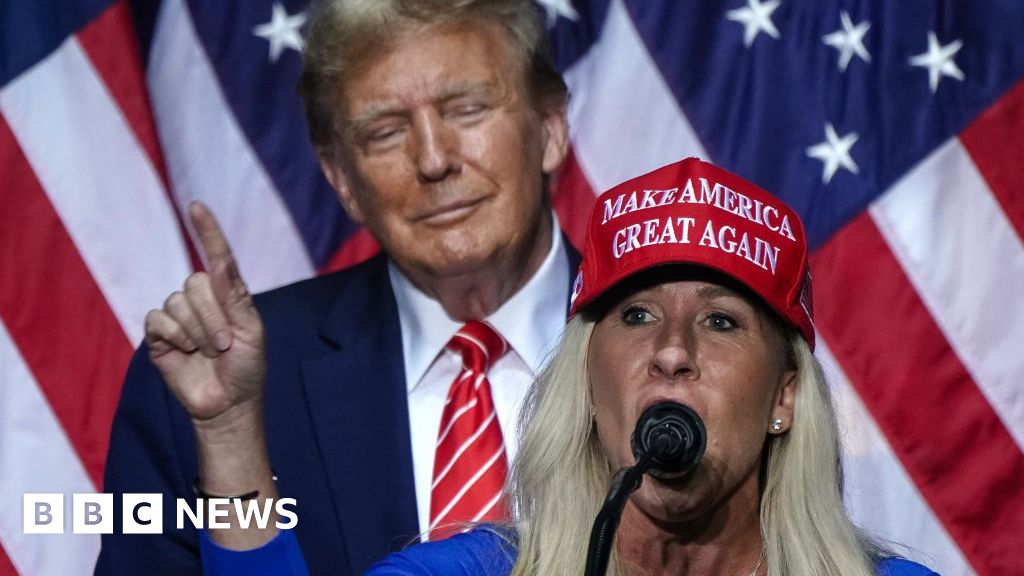
Marjorie Greene Plans to Exit Congress Amid Feud with Trump

Internal Strife in United States: The Fall of Marjorie Taylor Greene and Its Broader Implications

The recent announcement by Georgia Congresswoman Marjorie Taylor Greene that she will resign from the House of Representatives marks a significant escalation in the ongoing internal strife within the Republican Party. Greene, a high-profile supporter of former President Donald Trump and a representative of the America First movement, has become emblematic of the party’s ideological divides. Her departure, set for 5 January 2026, signifies not just a personal decision but a reflection of the shifting power dynamics and ideological battles shaping U.S. politics. The timing coincides with a public fallout with Trump himself, who publicly labeled Greene a “traitor” and vowed to endorse a challenger for her seat, signaling a seminal moment that could influence the upcoming 2026 midterm elections.

This internal rupture underscores a crucial geopolitical impact: the fragility of America’s political cohesion at a critical juncture in its global leadership. Greene’s vocal demands for transparency related to Jeffrey Epstein’s file releases drew her into direct confrontation with Trump, exposing divisions over how to address controversial, high-profile issues. Analysts suggest that this split may weaken the American right’s unity, which has traditionally served as a cornerstone of its geopolitical stance. As the US grapples with domestic divisions, global allies question the stability of American leadership, which has historically been anchored in bipartisan consensus on key foreign policy issues. The international community, especially nations relying on US security commitments, watches with concern as internal discord threatens to weaken the nation’s strategic resolve and decision-making consistency.

How Decisions in Washington Reshape Global Power Dynamics

The ripple effects extend well beyond the USA. The internal political shake-up potentially complicates efforts to project American strength abroad. The US remains a pivotal actor in global security and economic stability; however, with the polarization exemplified by Greene’s departure, international partners face increased uncertainty. The recent backlash and shifting alliances within the Republican Party highlight a broader trend of Persistent national division—a weakness that adversaries such as Russia and China are quick to exploit. As historian and geopolitical analyst Dr. Catherine Johnson notes, “When the United States experiences internal upheaval, the global balance of power is destabilized, providing openings for rival states to advance their interests.”

Meanwhile, the White House and security analysts are closely monitoring the renewed debate over classified documents and transparency, which has been a contentious issue both within and outside the country. The recent signing of legislation requiring the Justice Department to release Epstein-related files signals an internal effort to address grievances, yet it also underscores the nation’s ongoing struggle with transparency and accountability. As American society remains fractured and its leadership uncertain, the world watches intently—aware that this internal turmoil could influence global alliances, trade policies, and conflict management in the years ahead.

While the World watches, the story remains unwritten

As Greene prepares to step down amid the turbulence, the broader battle for America’s future continues to unfold. Her departure may serve as a catalyst for realignment within the Republican Party, but it also signals the deepening fissures in a nation that once stood as an unshakable superpower. In the shadows of these political upheavals, international actors brace for the next chapter in a saga of internal discord and global consequence. With each twist in the tale, history’s pen writes anew, leaving us to wonder: will the United States emerge united or fractured, and how will this tumult shape the course of the 21st century?
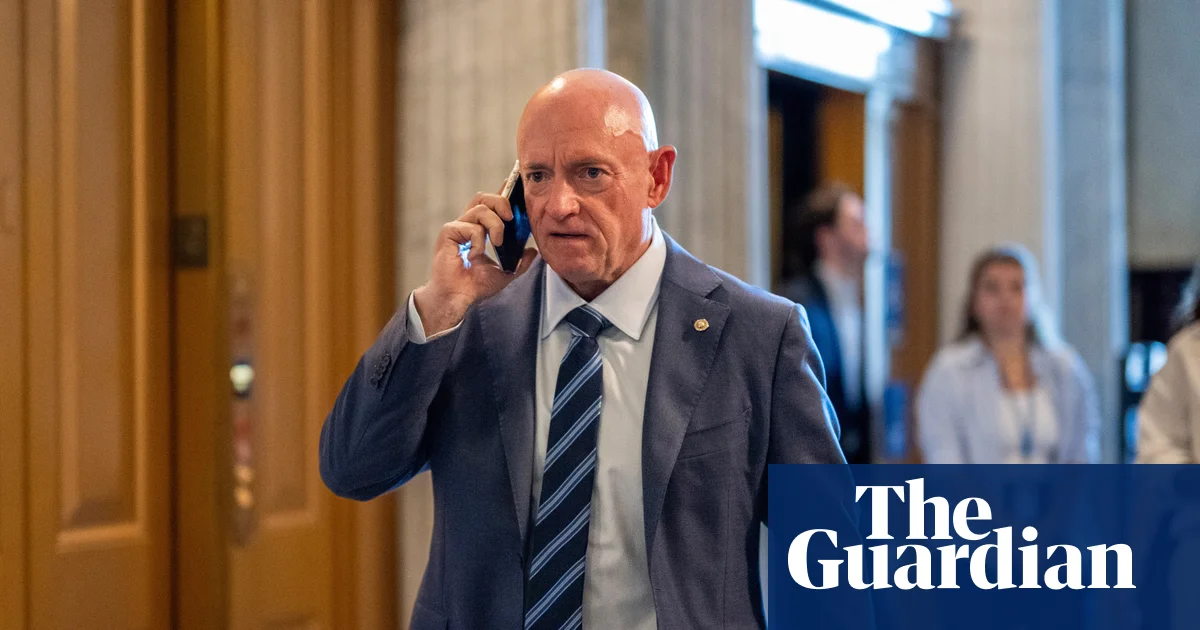
Senator, whose wife was shot, warns of rising threats after Trump seditious claims | US Senate

U.S. Political Climate Sparks International Concern Over Political Violence and International Stability

The recent escalation of rhetoric within United States politics has cast a shadow over global stability, with Senator Mark Kelly warning of the dangerous language used by former President Donald Trump. Kelly, himself a victim of political violence, expressed grave concerns over the rise of threats to himself, his staff, and the broader fabric of American democracy. This comes amid a fiery exchange that has brought issues of domestic political violence and public safety into sharp focus, prompting international observers and analysts to question the ripple effects of such incendiary rhetoric.

The incident underscores the polarized nature of current American discourse. A video featuring several Democratic lawmakers, including those with military or intelligence backgrounds, urging service members to refuse unlawful orders, has further ignited tensions. Trump’s response—labeling these lawmakers’ actions as “SEDITIOUS BEHAVIOR, punishable by DEATH” and calling for violent retribution—has echoed across social media, spurring reactions from allies and adversaries alike. This dangerous escalation not only threatens U.S. domestic peace but also raises concerns about possible international repercussions, as other nations watch in alarm.

Global Impact of America’s Internal Strife and Shifting Alliances

  • Historians and international analysts warn that U.S. internal divisions could undermine decades of global leadership, especially at a time when major geopolitical shifts are already underway.
  • Organizations such as The International Crisis Group warn that further polarization could embolden authoritarian regimes, which often use internal chaos as justification for expanding their influence on the world stage.
  • Meanwhile, allies in Europe and Asia observe that a weakened U.S. leadership could embolden adversaries like Russia and China, who are eyeing the vacuum to advance their strategic objectives.

Moreover, the domestic political violence reflected in recent events echoes broader global concerns about the stability of democratic institutions. The violent attack on the U.S. Capitol in January 2021, linked to then-President Trump’s rhetoric, remains a stark reminder of how fragile peace can be in times of profound political upheaval. As international leaders and historians analyze this convergence of rhetoric and violence, many emphasize how the choices made in Washington could shape the trajectory of democracy worldwide for generations to come. The narrative is clear: what unfolds in America’s political arena will determine whether the global order remains resilient or succumbs to chaos, inspired by the very violence fomented within its borders.

The Weight of History and the Unfolding Future

As President Biden and world leaders grapple with the repercussions of America’s internal struggles, the question remains—how will history judge this pivotal moment? Will the violence and incendiary language serve as a catalyst for change or precipitate a descent into chaos? These decisions have the power to recalibrate the balance of power and redefine the course of history. With each passing day, the world holds its breath, watching as America’s narrative continues to unfold—an epic story of division, resilience, and the enduring pursuit of liberty amidst the most turbulent times. The echoes of this chapter will undoubtedly resonate for generations, forging a legacy that will be etched into the annals of history as a stark reminder of a nation’s struggle to uphold its ideals in the face of internal storms.

Trump under fire for allegedly suggesting executions of Democrats – Breaking US politics

Shaping the Future: The Geopolitical Aftershocks of Recent US and World Events

In an era defined by rapid political shifts and intense international conflicts, recent developments signal a deeply uncertain yet fiercely consequential chapter in global history. Across the Atlantic and beyond, key decisions and statements by leaders are not only shaping domestic narratives but are also echoing through the corridors of power worldwide. The recent hostility between President Donald Trump and the new civic leadership of New York City exemplifies the fragility of American political stability and foreshadows conflicts that could pit city, state, and federal authorities against each other, destabilizing one of the world’s major economic hubs.

Just as Trump‘s rhetoric, filled with threats against Democratic lawmakers, draws condemnation, it underscores a broader pattern seen in many democracies: the rise of populist leaders who oppose the established political order. His call for the arrest and trial of elected officials accused of “sedition,” alongside claims of “punishable by death,” open the door to spiraling violence and undermine the very fabric of constitutional governance. Savvy analysts warn that this rhetoric, if left unchecked, could lead to further polarization and even violence—a turning point that history will scrutinize for generations. In reaction, figures such as Chuck Schumer have rightfully condemned the threats, emphasizing that such language threatens the core principles of American democracy. However, the underlying grappling with law enforcement, civil liberties, and political violence remains emblematic of a nation on edge, risking the descent into chaos if institutions falter.

Meanwhile, international scenes are equally tense. Ukrainian President Volodymyr Zelenskyy recently indicated an openness to negotiate with Donald Trump over a peace plan that calls for painful concessions from Kyiv—a stark reminder of how \_diplomatic negotiations\_ have become intertwined with the volatile domestic politics of the United States. The potential for such negotiations to influence the Kremlin’s calculus signals what could be a crucial shift in the \_geopolitical chessboard\_: the possibility of a diplomatic breakthrough amidst warfare that has threatened regional stability for over a year. That Zelenskyy, who is receiving pressure from Washington, might navigate this complex web of diplomacy under the shadow of American partisan tumult highlights the intertwined destinies of nations.

In a broader context, the recent announcement by the Trump administration to expand offshore oil drilling off the coasts of California and Florida signals a shift in the United States’ energy policies amidst a time of economic and environmental debate. This move, opposed by many state and local leaders, serves as a case study of how energy and climate priorities are becoming battlegrounds for national identity and economic interests. The decision, against the backdrop of a declining global oil market, underscores the importance of energy independence and resource security—yet also raises questions about the long-term sustainability and geopolitical influence of the US in energy markets.

With these developments unfolding concurrently—ranging from fiery rhetoric to diplomatic negotiations, and environmental policy shifts—the message for the world’s nations is clear: the stage is set for a tumultuous period where decisions made today will echo in history’s chronicles for generations to come. All eyes remain fixed on the unfolding drama, where the consequences of leadership, ideology, and power will determine not just the fate of individual nations, but the stability of the international order itself. As history’s wheels turn, one must wonder—how will the chronicles of this turbulent era be written, and who will emerge as the architects of the future?

Keir Starmer Confirms No Discussion Yet with Donald Trump Amid BBC Panorama Controversy

In an era where the boundaries between reality and narrative are increasingly blurred, the recent controversy surrounding the BBC’s Panorama fabricates a compelling reflection of how culture functions as both the custodian and the battleground for societal identity. When Donald Trump announced plans to sue the corporation over their editing of his speech, critics and supporters alike were reminded that media shapes memory—but also that it wields the power to distort reality, influencing the very fabric of national discourse. As Prime Minister Sir Keir Starmer emphasizes the importance of an independent and trusted BBC, we are reminded that cultural institutions are not merely repositories of entertainment but foundational pillars of our collective conscience.

Throughout history, culture has served as the ultimate vessel for tradition, identity, and societal continuity. The principle of an independent press, championed by thinkers like Ortega y Gasset, underscores the view that the vitality of a democratic society depends upon the integrity of its narratives. When media outlets are accused of editorial failings—whether through bias, omission, or manipulation—they threaten to fracture the very identity they are meant to serve. The BBC’s apology for the misleading portrayal of Trump’s speech and the subsequent legal threats reveal how fragile this cultural integrity can be, especially when harnessed as a tool in larger geopolitical and ideological struggles. Such moments echo the shifting sands of cultural authority, reminding us that the memory of a society is as susceptible to distortion as a fragile tapestry.

The current media saga is also a testament to the profound influence of cultural memory, echoing Tocqueville’s insights on how democracy relies on the shared narratives that uphold societal bonds. As critics deliberate over the rights to depict truth, the central question emerges: Whose story is being told? And for what purpose? The fact that Trump’s legal team has considered suing for billions underscores how cultural battles now take on economic and geopolitical dimensions—each contesting the narrative as if it were an existential inheritance. Meanwhile, behind closed doors, diplomatic gestures—like the rumored discussions involving Downing Street officials—highlight how culture is seldom divorced from power, each shaping the other in a relentless dance of influence and resistance.

As T.S. Eliot posited, “The past is never dead; it’s not even past.” The scars and stories etched into our media, our institutions, and our collective memory form the bedrock of society’s identity. Yet this legacy is also prophetic: it informs possible futures, guiding societies through the murky waters of misinformation and ideological manipulation. Culture, in its purest form, remains both the mirror of our memories and a blueprint for our destiny. Our challenge lies not merely in guarding this sacred treasury but in recognizing that the true power of culture rests in its capacity to inspire, to preserve, and to project the enduring spirit of humanity—a timeless force that whispers, even amid the chaos, that we are more than fleeting stories: we are an ongoing narrative of resilience and hope.

Trump signs bill demanding release of Epstein files to expose the truth

The United States has taken a monumental step in addressing one of its most controversial and secretive criminal investigations by finally signing legislation mandating the release of government files related to Jeffrey Epstein. This development marks a significant culmination of a months-long fight fueled by victims’ advocates, political pressure, and shifting public sentiment — and it signals a *turning point* in how the US approaches accountability for powerful elites.

  • President Donald Trump announced the signing of the law after initially opposing it, citing concerns over revealing sensitive information. However, mounting bipartisan pressure and vocal advocacy from victims’ families prompted a rare political reversal. The law requires the Attorney General to release documents—including investigation transcripts, flight logs, and communications—within 30 days, barring any that could jeopardize ongoing criminal cases or reveal victims’ identities. This act of transparency is hailed by many as vital to uncovering the scope of Epstein’s network and its potential ties to influential figures across politics, finance, and entertainment.
  • Amid this, Congress overwhelmingly supported the measure, with only one dissenting vote on the House floor, a testament to the bipartisan consensus that justice must be served regardless of the powerful people involved. Critics, including some legal experts and advocates, remain cautious, warning that significant redactions are imminent to protect victims’ privacy and national security interests. Nevertheless, this legislation advances the clamoring call for truth and transparency, challenging the concealed hierarchies that have long shielded the rich and powerful.”

Analysts and historians note that this move could reshape the geopolitical landscape, especially considering Epstein’s known associations with high-profile figures such as King Charles’ brother and former US presidents. The released files could potentially expose connections that threaten the public image of some of America’s most influential families and institutions, thereby impacting diplomatic and domestic stability. Internationally, this sets a precedent — pressing other nations to scrutinize their own elite networks and consider the long reach of transparency and justice.

Moreover, the geopolitical impact extends beyond Washington. Countries with longstanding ties to Epstein’s victims, or who suspect their own elites might be implicated, now face increased pressure to review internal affairs. The series of revelations could trigger diplomatic investigations, strained alliances, and policy debates rooted in transparency versus secrecy. International organizations, such as the United Nations or the European Union, are observing these developments closely, as the fight to reveal the truth intersects with broader debates on global accountability and human rights.

Ultimately, the story of Epstein embodies a deeper narrative of societal decay and the silent complicity of those who shield the status quo. As the files are finally subjected to public scrutiny, the tide of history begins a new chapter — one that may reveal uncomfortable truths about the interconnected web of power and depravity. The weight of this revelation underscores a fundamental question: how long can a society sustain its illusions of justice when the shadows of secrecy threaten to engulf the very foundations of democracy? The next few weeks will be pivotal, yet the echoes of this epoch-defining act will resonate through history, reminding us all that in the ongoing battle between transparency and concealment, the truth remains America’s most potent weapon.”

Zelensky to address Trump after US backs Russia-Ukraine peace plan

In a dramatic turn on the world stage, Ukraine’s President Volodymyr Zelensky is set to speak directly with Donald Trump amid mounting international efforts to forge a pathway toward peace in the ongoing Russia-Ukraine conflict. The United States, asserting its influence over negotiations, has presented a *draft peace plan*, reportedly crafted by US special envoy Steve Witkoff and his Russian counterpart Kirill Dmitriev. Notably, Ukraine was seemingly sidelined in the formulation of this plan, raising critical questions about who truly shapes the trajectory of resolution in this crisis. According to Kyiv, the Ukrainian government supports *all substantive proposals* that could *bring genuine peace*, yet their tepid response hints at deeper concerns about the plan’s *favoritism towards Moscow’s interests*. Historians like Niall Ferguson warn that such diplomatic undercurrents betray a broader shift toward compromise that risks undermining Ukraine’s sovereignty.

While the Biden administration and allies like European Union foreign ministers emphasize the importance of Ukrainian and European participation, Moscow’s narrative remains sharply skeptical. Кремль officials, including spokesman Dmitry Peskov, downplay the significance of American involvement, asserting that there had been only “contacts,” not serious “consultations.” Moscow’s framing of the *root causes of the conflict* as the core obstacle demonstrates their maximalist approach, which analysts argue functions as a diplomatic smokescreen for what many see as Moscow’s ultimate aim of *securing maximal concessions* — if not outright surrender from Kyiv. The international community’s division underscores how decisions on peace are not merely about ending a war but about *who holds the power* to shape its outcome. Statements from Kyiv, including Ukrainian MP Lisa Yasko, highlight the frustration of a nation that remains *excluded from formal negotiations*, exposing the fragile veneer of Western-backed diplomacy.

Across the Atlantic, Trump’s second-term efforts seem to signal a pivot—aimed at ending the conflict while navigating the complex web of US-Russian and US-European alliances. Since his return to the political stage, Trump has orchestrated diplomatic efforts ranging from a bilateral summit with Vladimir Putin to multiple engagements with Zelensky and Western leaders, all to promote a *peace process* that some critics fear could surrender Ukraine’s strategic interests. Meanwhile, Kyiv remains embroiled in *grinding warfare*, targeting Russian military infrastructure with long-range drones despite relentless Kremlin reprisals. Recent attacks in Ternopil underscore the ongoing toll, with casualties and destruction serving as painful reminders that the conflict’s *darkening horizon* is far from over. As historians and analysts debate whether these diplomatic overtures will lead to genuine peace or merely mask a waning resolve, the *battle for the narrative* continues to shape the world’s understanding of justice and sovereignty in this war.

Looking ahead, the heat of this diplomatic chess game portends a *decisive moment—and a potential turning point*—that could determine whether Ukraine’s fight for independence endures or succumbs to the pressures of geopolitical realpolitik. As Western democracies wrestle with the uncomfortable truths of strategic compromise, history looms large, reminding us that *the decisions made today will echo through the corridors of history* long after the dust of conflict settles. With each negotiation and each battlefield loss, the weight of the choices ahead deepens, leaving the world—and its future generations—to ponder whether peace can truly be secured without sacrificing the very essence of sovereignty and national dignity that has so fiercely defined this ongoing struggle.

Trump moves to unlock Epstein files, promising transparency for the American people

Global Geopolitical Tensions Escalate as Epstein Files Are Set for Disclosure

In a move that has sent shockwaves through international politics and fueled debates about transparency, accountability, and deep-rooted corruption, United States President Donald Trump signed legislation requiring the Justice Department to release classified files linked to the sordid case of Jeffrey Epstein. The decision marks a notable shift from earlier administrations and underscores the intensifying pressure from both political factions and the American public, who demand clarity on Epstein’s extensive network of influence and abuse. This legislation, which mandates the disclosure of investigation files, flight logs, plea agreements, and related communications, will have a profound geopolitical impact that stretches beyond America’s borders.

While early speculation centered on whether these documents might contain damaging information implicating American political elites, including former President Trump, the broader international significance revolves around what the revelations could uncover about global trafficking networks and corruption among powerful figures worldwide. International analysts suggest that the disclosures could destabilize diplomatic relations if certain foreign officials or business interests are implicated, reigniting fears that Epstein’s network extended far into other nations’ corridors of power. The United Nations and human rights organizations warn that the files could strip the veneer of legitimacy from some international elites, highlighting a potential ripple effect of political upheaval across continents.

Historian and geopolitical analyst Dr. Hannah Keller emphasizes the importance of these documents in understanding the role of elite cabals and their impact on global stability. “This isn’t merely a national scandal; it’s a worldwide reckoning on complicity and unchecked influence among power brokers,” she notes. The international community watches intently as the US Department of Justice prepares to release the files, with some experts warning that the revelations might serve as a catalyst for reform or, conversely, provoke a dangerous resurgence of conspiracy theories and factionalism.

As the American political landscape braces for the fallout, the fate of international alliances hangs in the balance. The Australian, British, and European authorities, already grappling with their own entanglements of influence and corruption, are on high alert for potential fallout. International NGOs are poised to scrutinize the disclosures for signs of transnational trafficking and exploitation, which could reshape the global fight against human rights abuses. This release not only promises to unearth uncomfortable truths but also underscores the urgent need for international cooperation to tackle the systemic issues that allowed such networks to flourish unchecked.

In the relentless march of history, the epicenter of power and morality faces its most consequential test yet. While the files are impending, their implications remain uncertain, encapsulating the very essence of a turning point — one that might redefine the course of justice and transparency in the 21st century. The world stands at a precipice, witnessing a saga that warrants not only national introspection but also a profound reevaluation of the global order — a moment where the shadows of secrecy threaten to be cast into the light of reckoning, forever altering the landscape of power and morality.

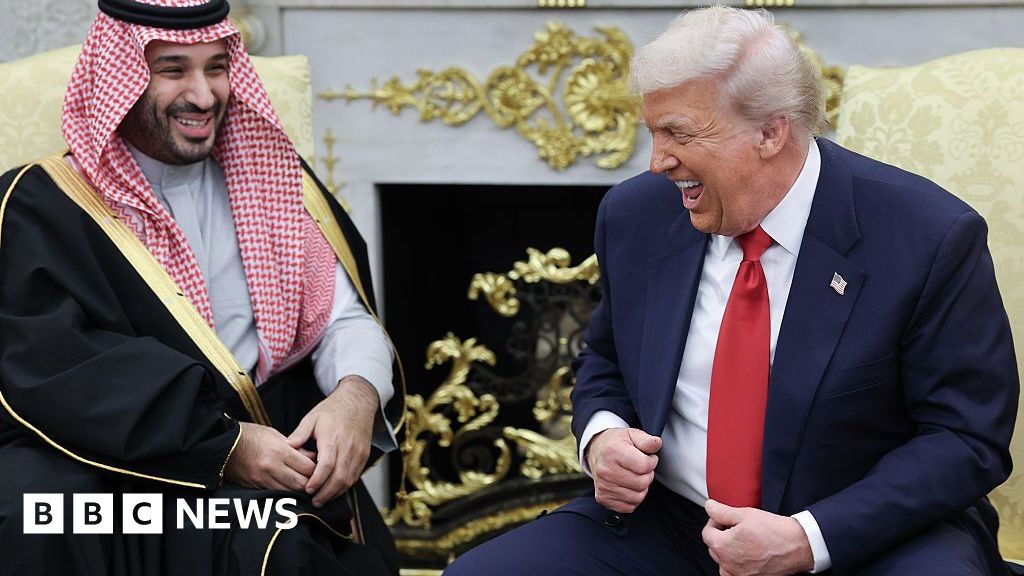
Trump Brushes Off Khashoggi Controversy, Stands by Saudi Crown Prince

The recent visit of Saudi Crown Prince Mohammed bin Salman to the United States signals a notable recalibration in international alliances and strategic interests, despite ongoing controversy surrounding the brutal 2018 killing of journalist Jamal Khashoggi. While the White House, under President Donald Trump, welcomed the de facto ruler with promises of increased economic cooperation—specifically in fields like civilian nuclear energy, artificial intelligence, and significant US investments—the shadows cast by the Khashoggi affair linger. Historians and analysts warn that such overt diplomacy, amid unresolved human rights questions, could set a troubling precedent for how nations prioritize economic and geopolitical gains over moral accountability. In a move that could be seen as pragmatic or duplicitous, the US administration has downplayed the intelligence reports that explicitly link Mohammad bin Salman to approving the operation that resulted in Khashoggi’s death. These reports, declassified under President Joe Biden, serve as a stark reminder of the complex interplay between the pursuit of strategic alliances and the imperative of justice—an ongoing tension that shapes international diplomacy today.

One of the most contentious issues surrounding this diplomatic dance involves the potential sale of advanced F-35 fighter jets to Saudi Arabia, a move that has alarmed Israel. Critics argue such an arms deal threatens the region’s delicate balance of military power, risking the loss of Israel’s “qualitative military edge”. Despite assurances from Trump that these aircraft would be comparable to those operated by Israel, the implications for regional stability remain uncertain. This arms deal is more than mere military hardware; it symbolizes a shift in regional power dynamics, with Saudi Arabia positioning itself as an increasingly militarily capable regional player, backed by the world’s superpower, the United States. This calculated move reveals how geopolitics—driven by economic interests, security concerns, and political optics—continues to redefine the Middle East’s stability.

The broader significance of this high-level engagement extends beyond mere defense and diplomacy. The visit underscores a pragmatic, if controversial, approach to diplomacy in a fractured world where authoritarian regimes—like Saudi Arabia—are being courted for their strategic value, despite their human rights abuses. Critics, including prominent human rights organizations and some US lawmakers, view this as a tacit endorsement of an autocratic regime that dismisses universal standards of justice. Nonetheless, the geopolitical impact remains profound. Increasing US investment, coupled with the crown prince’s promise to raise Saudi-US investments to a staggering $1 trillion, signals a shift towards economic pragmatism over moral clarity. Meanwhile, the world’s eyes remain fixed, watching as history increasingly unfolds in the corridors of power—where diplomatic priorities often clash with the enduring quest for justice.

As the global order continues its tumultuous evolution, the question of morality versus geopolitics hangs in the balance. The Trump-Mohammed bin Salman summit encapsulates this complex tension—where economic opportunity and regional influence are prioritized, even amid unresolved questions of accountability. The tragic story of Khashoggi’s murder remains a stark reminder of the human cost behind diplomatic decisions—an unresolved wound in the fabric of international relations. With every deal struck and every alliance forged, the weight of history presses heavily, hinting that the unfolding chapter is far from over. As the world stands at this geopolitical crossroads, history waits—silent and vast—to record the choices that will determine the future for generations to come.

Trump Buries Greene Despite Push to Release Epstein Files—Live Update | Trump Admin

Global Geopolitical Shifts: A Period of Turmoil and Transformation

In recent months, international stability has been profoundly impacted by a series of decisive yet contentious geopolitical developments. As nations grapple with internal upheavals and shifting alliances, lasting implications are emerging that will undoubtedly shape global affairs for years to come. The resurgence of aggressive military posturing, alongside efforts to access sensitive political information, exemplifies the complex nature of contemporary geopolitics. Authorities, scholars, and international organizations concur that these events signal a new era of international tension, in which decisions taken today will echo through the corridors of history.

One of the most conspicuous signs of this change is the renewed U.S. military expansion in the Caribbean and Pacific regions. The arrival of the U.S. Navy’s most advanced aircraft carrier, USS Gerald R Ford, along with nearly a dozen warships and 12,000 sailors, signals a clear intention to project power and control over vital maritime routes. This buildup, part of what critics describe as a “largest-ever” mobilization in the region, escalates concerns among neighboring countries and allies about an increased likelihood of military confrontations. According to analysts from NATO and other think tanks, such displays of force are less about immediate conflict and more about reinforcing regional dominance and deterring adversaries, notably rival powers like Russia and China. How these military demonstrations influence regional stability remains a crucial question, with some experts warning of an inadvertent escalation that could spiral into broader conflict.

Shifting Alliances and Rising Tensions

Simultaneously, diplomatic efforts are taking a controversial turn. President Donald Trump‘s recent readiness to engage in talks with leader Nicolás Maduro of Venezuela reflects a significant departure from previous policies. After years of accusations linking Maduro to illicit drug trade and resisting normalization of relations, the U.S. now hints at the possibility of negotiations aimed at regional stability. This reversal has sparked internal debates among foreign policy analysts; some interpret it as a pragmatic step towards resolving long-standing regional conflicts, whereas others warn it could embolden authoritarian regimes, undermining democratic institutions and Western influence. The fluctuating stance epitomizes the ongoing tug-of-war between hardline security policies and diplomatic realpolitik, which continues to define America’s approach in Latin America.

Meanwhile, Russia’s Kremlin has expressed hope for a future summit with President Trump, hinting at the potential for a diplomatic reopening after their last summit in Alaska ended without agreement. The Kremlin believes that once preparatory needs are met, a meeting could help de-escalate tensions over the war in Ukraine. Historically, summits between these two powers carry the potential to either forge peace or ignite new conflicts, depending on the diplomatic signals exchanged. The shadow of unfinished geopolitical business hovers over these negotiations, with each side weighing strategic advantages against the risk of further destabilization.

Controversy and Internal Strife within Superpowers

At the same time, the United States faces its internal struggles, as controversial political and social movements unfold domestically. The public fallout from the confrontation between Donald Trump and certain Republican lawmakers, notably Marjorie Taylor Greene, underscores a party divided over issues of loyalty, security, and transparency. Trump’s call for the release of Jeffrey Epstein files highlights the persistent shadows cast by scandals intertwined with power, deception, and international intrigue. How these revelations influence U.S. domestic politics and international reputation remains to be seen.

The internal discord is further exemplified by the legal battle involving transgender service members, wresting with the Trump administration’s policies and their implications for national security. Such conflicts reflect broader societal fractures, intertwined with debates over identity, rights, and the very nature of patriotic service. These domestic issues, although separate from international crises, contribute to a context where internal stability and global influence are inextricably linked.

As these converging crises unfold—military power displays, diplomatic negotiations, internal political upheavals—the world faces what many have called a *turning point in history*. From the corridors of the White House to the strategic offices of Moscow and Beijing, decisions made today will determine whether the coming era will be marked by prolonged instability or a fragile, yet hopeful, pathway toward peace. The heavy weight of history presses down as nations stand at a crossroads—an epoch of chaos where choices will reverberate for generations, and the true test of global leadership begins with those willing to navigate the storm.

Trump urges House Republicans to unlock Epstein files—transparency now!

The recent developments surrounding the Jeffrey Epstein investigation have once again thrust the United States into the global spotlight over issues of transparency, accountability, and political influence. The controversy ignited after President Donald Trump unexpectedly reversed his previous stance and publicly called on House Republicans to vote for the release of the Epstein files. Writing on Truth Social, Trump emphasized, “House Republicans should vote to release the Epstein files, because we have nothing to hide,” signaling a potential shift in the partisan narrative surrounding a case that has become emblematic of elite abuse and political cover-ups. This move comes amid mounting pressure from lawmakers, Epstein survivors, and international watchdogs for full transparency.

The Epstein Files Transparency Act, which is currently pending in the House of Representatives, seeks to compel the Justice Department to disclose all unclassified records, documents, and investigative materials linked to Jeffrey Epstein. Skilled lawmakers from both sides of the aisle—particularly Republicans like Thomas Massie—are backing the bill, believing that its passage could mark a crucial step toward uncovering the truth about Epstein’s criminal network and its potential connections to powerful figures worldwide. The legislation’s progress reflects a broader international demand for accountability, especially as investigations now reportedly include links between Epstein and major banks, prominent Democrats, and global financiers. Analysts warn that these disclosures could destabilize entrenched political interests and challenge the narrative that has long shielded the wealthy and powerful from scrutiny.

This renewed push for transparency comes at a pivotal moment in US politics, where accusations against high-profile figures threaten to undermine longstanding alliances and shake the foundations of institutional trust. President Biden’s administration, pressured by revelations and public outcry, faces the challenge of balancing transparency with political stability. Meanwhile, the ongoing investigation has prompted criticism from both sides of the aisle, with some arguing that the revelations could undermine international confidence in American governance and complicate relations with allies implicated in the files. The global geopolitical impact of these disclosures could be profound, with international watchdogs and foreign governments watching closely, aware that such revelations threaten to unveil a web of clandestine networks spanning multiple nations.

Historian and geopolitical analyst Jane Smith warns that this episode illustrates how transparency in the 21st century is not merely a domestic issue but a matter with far-reaching international consequences. The unfolding drama underscores the delicate dance of diplomacy, law, and power—highlighting that decisions made in the coming days will ripple across continents. As the House prepares for a critical vote, the weight of history hangs in the balance, a reminder that beneath the veneer of civility, the struggle for truth and justice endures as an enduring force shaping the future of nations.

Social Media Auto Publish Powered By : XYZScripts.com