Matox News

Truth Over Trends, always!

Supreme Court to weigh Trump’s bid to end birthright citizenship—what’s at stake?

US Supreme Court to Decide Future of Birthright Citizenship and Its Geopolitical Consequences

The United States stands at a pivotal crossroads as the Supreme Court prepares to decide on the legitimacy of Donald Trump’s executive order that seeks to restrict the constitutional guarantee of birthright citizenship. This significant legal battle stems from Trump’s attempt to reinterpret the 14th Amendment, ratified in 1868, which guarantees automatic citizenship to every individual born on U.S. soil. The case, Trump v Barbara, has ignited fierce debates around legal authority, immigration policy, and the very fabric of American identity.

The dispute centers on a direct challenge to a long-standing principle that has shaped U.S. society for over a century. Under President Trump’s order, if upheld, tens of thousands of children born in the U.S. annually could lose their citizenship if their parents are undocumented or temporarily residing in the country. The policy would deny these children access to vital government programs like Medicaid, food aid, and educational benefits, altering the socio-economic landscape for future generations and raising grave questions about how society treats its most vulnerable. Legal analysts suggest that such a move, if legalized, would signal a major shift in immigration policy—effectively redefining what it means to be an American at a fundamental constitutional level.

Historically, the U.S. has been among the roughly 30 nations worldwide that extend automatic citizenship to anyone born on their territory. Countries like Canada and Mexico have similar policies, framing them as both humanitarian standards and statements of national sovereignty. However, critics argue that Trump’s legal push—underpinned by a fringe interpretation of the 14th Amendment—aims to curtail immigration, particularly from Latin America and other regions viewed with suspicion by the current administration. The American Civil Liberties Union (ACLU) and numerous legal scholars have vocally opposed the executive order, asserting it violates the fundamental constitutional rights rooted in over 150 years of American legal tradition.

Internationally, this legal challenge signals a broader geopolitical impact. As global powers observe the U.S. re-assessment of its immigration and citizenship norms, foreign governments and international organizations are left to grapple with the implications. Many view the U.S. as a leader in human rights and legal standards; thus, altering its constitutional interpretation risks undermining its credibility on the world stage. Political analysts warn that such internal shifts could embolden other nations to reevaluate their own citizenship policies, potentially fueling regional instability and further complicating transnational migration patterns. The decision by the Supreme Court, expected in early summer, will not simply determine the fate of a legal principle but could recalibrate America’s role as a land of opportunity versus a fortress of exclusion.

As historians and international observers chart the turbulent waters of this legal showdown, the weight of history presses heavily upon the courtroom. What is at stake is not only the future of countless children and families but the very identity of a nation built upon the promise of equality and opportunity. The Court’s ruling will echo across generations, shaping the narrative of America’s commitment to its foundational ideals or signaling a profound departure into a more restrictive, divided society. In the unfolding chapters of this legal saga, the world watches—and the true story of what it means to be an American continues to be written, one verdict at a time, leaving a legacy that history may one day question as either a beacon of hope or a cautionary tale of loss and division.

Somali-Americans Slam Trump's ‘Garbage’ Comments—Stand Strong and Proud
Somali-Americans Slam Trump’s ‘Garbage’ Comments—Stand Strong and Proud

Geopolitical Shifts Unfold as U.S. Policy Sparks Global Tensions

In an era marked by intense geopolitical realignments, the United States under President Donald Trump has once again sent shockwaves through immigrant communities and international relations alike. Trump’s biting rhetoric targeting the Somali-American community in Minnesota has ignited fears that ripple beyond the local level, illustrating how domestic rhetoric can influence America’s standing on the world stage. His recent comments at the White House, where he declared, “I don’t want them in our country, I’ll be honest with you… their country is no good for a reason,” have been condemned locally and internationally, with community leaders describing his words as dangerous and stigmatizing. Such language not only jeopardizes the safety and integration of immigrant communities but also undermines the moral authority of the U.S. as a leader advocating for human rights and inclusion.

Furthermore, the escalating rhetoric has intensified fears among Somali-Americans, particularly in Minnesota, where the community constitutes a significant demographic. Aj Awer, a community leader, criticized the comments as “not becoming of a president” and warned of the potential for increased radicalization or violence. Analysts from institutions like the International Crisis Group warn that such rhetoric may embolden extremist groups and foster division among societies, ultimately weakening the social fabric of a nation built on diversity. Meanwhile, reports of aggressive immigration enforcement tactics, including federal operations targeting undocumented residents, have added to the climate of anxiety. Observers argue this stance risks alienating immigrant communities and fueling social fragmentation, thereby complicating America’s efforts to project stability and leadership in a turbulent world.

The internal domestic fallout mirrors a troubling trend of recurring accusations of fraud and corruption that the Trump administration has leveraged to justify these hardline policies. In Minnesota, allegations of charity fraud involving Somali immigrants and claims of broad-based “money laundering” have been politicized, leading to an investigation by congressional oversight. Such actions mirror a broader pattern where national security concerns are intertwined with political narratives, complicating efforts to differentiate between real threats and inadvertent stigmatization. Historians like Dr. Kevin B. MacDonald suggest that such policies, if unchecked, could accelerate societal polarization and heighten tensions within immigrant enclaves. Meanwhile, the ending of Temporary Protected Status (TPS) for Somali residents signals a shift toward stricter immigration enforcement, raising questions about the long-term geopolitical impact of these inward-looking policies.

As the world watches, this unfolding chapter underscores the fragility of global stability. The aggressive stance taken by the U.S. not only alienates minority communities but also signals a retreat from its traditional leadership role. International organizations like the United Nations have expressed concern, warning that such divisive policies could destabilize regions already grappling with crisis. The deepening shadows cast by rhetoric, enforcement tactics, and political manipulation threaten to transform domestic discord into an international crisis, rewriting the narrative of American exceptionalism. With history hanging in the balance, the true consequence of these choices remains yet to be written—an enduring testament to the power of words and policies in shaping the course of nations for generations to come.

National Guard shooting suspect to face murder charges amid Trump's aggressive immigration crackdown
National Guard shooting suspect to face murder charges amid Trump’s aggressive immigration crackdown

The recent surge of violence and political upheaval surrounding Washington, D.C. has ignited a firestorm with far-reaching geopolitical impacts that ripple across the international landscape. The escalation of violence—marked notably by the deadly shooting of National Guard members during a targeted attack close to the White House—has cast a shadow over what was once regarded as a symbolic safe zone. The attack, suspected to have been conducted by an Afghan national, underscores the complex challenge faced by U.S. authorities, who are now grappling with the security implications of foreign nationals involved in domestic violence. The incident further fuels Donald Trump‘s narrative that America’s borders and national security are compromised, prompting calls for stringent immigration policies.

The international community watches keenly as Trump vows to “permanently pause migration from all third-world countries,” signaling a potential shift away from America’s longstanding commitment to being a haven for immigrants. His promise, announced in a late-night social media post, aims to “end all federal benefits and subsidies to non-citizens” and remove those deemed “not a net asset” to the country. Yet, these aggressive rhetoric and policy proposals defy the legal and societal realities within the United States, where previous bans faced judicial hurdles and legislative resistance. Global analysts and human rights organizations caution that such measures could destabilize international efforts to support refugees and undermine America’s moral standing.

The incident has become a clear turning point, marking heightened tensions between the Biden administration’s policies and the growing nationalist wave, with many fearing increased institutional crackdowns and deepening societal divisions. As the Trump-era policies of mass deportations and immigration restrictions take a renewed shape, international voices—especially within Europe and Canada—warning that America risks retreating into isolationism and xenophobia. Renowned historians such as Professor Laura Sanchez argue that these developments threaten to turn the clock back on decades of inclusive policies, risking economic consequences due to the significant contributions of foreign-born workers, who fuel roughly 31 million American jobs.

This crisis also amplifies the debate about how internal decisions affect societal cohesion and international perceptions. The attack’s suspected perpetrator, linked to Biden’s post-2021 Afghan evacuation program, exemplifies the unintended consequences of rapid resettlements. As Trump calls for reexamining the status of Afghanistan nationals and intensifying immigration enforcement, international observers wonder whether the US is steering itself toward a more insular, security-focused approach—one that risks alienating traditional allies and destabilizing regional geopolitics. Historians warn that such internal rifts, if unaddressed, could lead to long-term societal fragmentation, with echoes that may reshape international relations for generations.

As the dust settles, the weight of history presses down—highlighting a moment where America’s founding ideals clash with burgeoning fears and nationalistic impulses. The choices made by its leaders in this perilous era could either forge a path toward renewed unity or fracture the social fabric beyond repair. The story of this chapter is still being written, but one thing remains certain: the unfolding narrative will influence the world’s outlook on democracy, security, and human rights for decades to come.

Meet Trump's "Drone Guy" Becoming Key Player in Ukraine Peace Talks
Meet Trump’s “Drone Guy” Becoming Key Player in Ukraine Peace Talks

Geopolitical Shifts and Emerging Power Players in US Military Politics

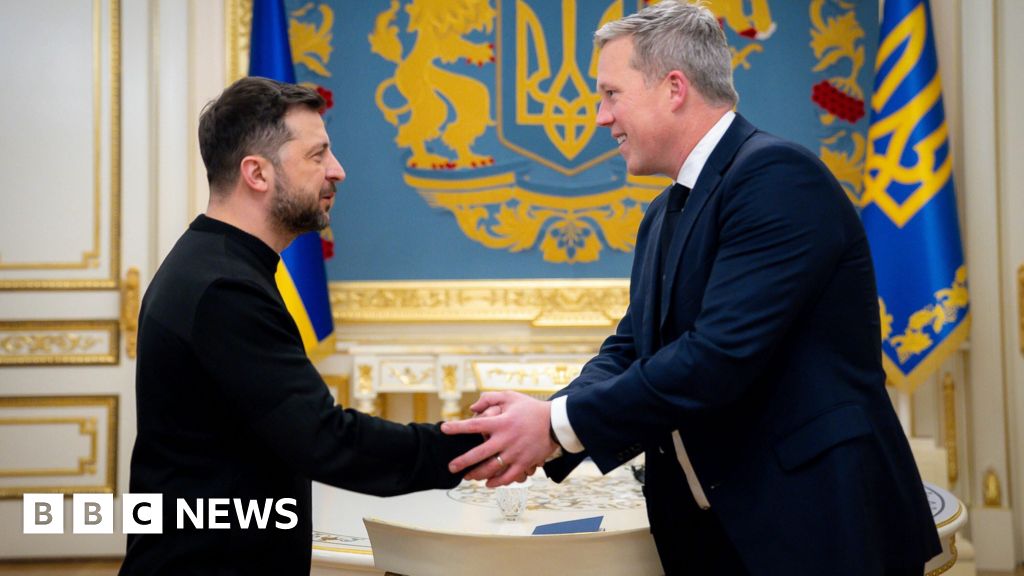
In the tangled web of international power, the recent appointment of Dan Driscoll as the youngest-ever Army Secretary in the United States marks a notable shift in the country’s military and geopolitical landscape. At only 39, Driscoll’s rise to prominence underscores an emerging trend where technology, youth, and political alliances forge new avenues for influence—an aspect not lost on international analysts and historians. Despite his limited diplomatic experience, Driscoll’s close ties with key figures like Vice President JD Vance and former President Donald Trump signifies a potential reorientation of America’s military and strategic priorities, especially regarding the ongoing crisis in Ukraine.

His unannounced visit to Kyiv and subsequent discussions with Ukrainian officials signal a significant departure from traditional diplomatic channels, hinting at a more direct or even unconventional approach to conflict resolution. The fact that Driscoll, with no formal background in international diplomacy, engaged in top-level talks with Zelensky and Russian officials, demonstrates a possible shift toward a strategy where military technology and unorthodox negotiations play an increasing role. Analysts, including those from international think tanks, warn that such moves could recalibrate America’s role in global conflicts, tilting the balance of influence in ways reminiscent of Cold War-era brinkmanship, but now driven by emerging battlefield technologies and rapid information exchanges.

Trump’s recent social media hints about directing his envoy Steve Witkoff to meet with Vladimir Putin in Moscow—plus Driscoll’s overt involvement—highlight an essential shift: the potential melding of military preparedness with diplomatic gambits. This combination might redefine how America projects power and mediates conflicts in our multipolar world. More critically, Driscoll’s vision of future warfare—where every soldier harnesses drones and artificial intelligence—reflects a broader trend towards technological dominance. Historical voices from military strategists and defense analysts warn that as societies become more reliant on silicon and software, the battlefield itself transforms into an arena of information warfare and automation, promising both unprecedented efficiency and dangerous vulnerabilities.

In the backdrop of these developments, questions emerge about Driscoll’s possible future role – whether as a key figure in negotiations over Ukraine, potential defense secretary, or a strategic envoy. Warnings from international bodies suggest that the autonomy and rapid decision-making enabled by technological integration could either speed up peace processes or plunge the world into new conflicts. As Europe, Russia, and Ukraine grapple with this shifting power dynamic, history warns us that decisions made today—often in backrooms and secret negotiations—could reverberate through generations. The unfolding saga of a young, tech-savvy military leader navigating a world on the brink underscores that history’s weight is immense, and the future remains unwritten — a ticking clock where each move could tilt the global balance and redefine the nature of warfare itself.

G20 allies to gather as Zelenskyy warns of ‘impossible choice’ over Trump’s peace plan

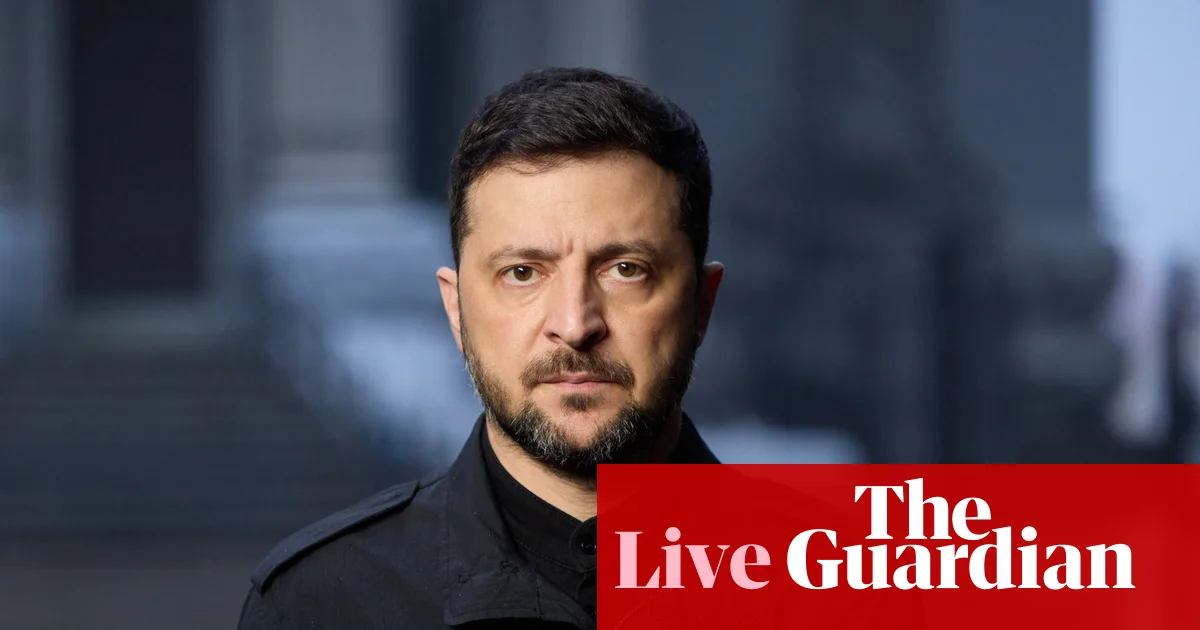
As Ukraine teeters on the brink of yet another pivotal moment in its ongoing conflict, the international community faces a convergence of strategic interests and increasing internal tensions. The upcoming G20 summit in Johannesburg has become a focal point for Western leaders, notably UK Prime Minister Keir Starmer, who is set to rally Ukraine’s allies to bolster a US-drafted peace plan aimed at ending the war with Russia. This diplomatic effort underscores the intense pressure Western powers are exerting to find a resolution — a resolution that many critics argue could betray Ukraine’s sovereignty and red lines.

What makes this situation even more dramatic is the conflicting narratives coming from Kyiv and Moscow. Volodymyr Zelenskyy has explicitly warned that accepting the US-Russian proposal could strip Ukraine of its territorial integrity and national dignity. Zelenskyy described the moment as one of the most difficult in Ukraine’s history, expressing fears that an imposed peace could leave the nation “without freedom, dignity, and justice.” Meanwhile, Vladimir Putin dismisses Ukrainian resistance as unrealistic, publicly declaring that Kyiv and its European allies cling to illusions, dreaming of inflicting a strategic defeat on Russia — a stance that echoes the Kremlin’s broader narrative of standing firm against what it frames as Western aggression. Putin‘s rhetoric not only reinforces Russia’s stance but also aims to sway international opinion to view the proposed deal as a capitulation, casting doubt on its feasibility.

The geopolitical impact of these developments is profound. The West’s unwavering support for Ukraine and the push for a “genuine and fair” peace, as reiterated by France’s President Emmanuel Macron and Germany’s Chancellor Friedrich Merz, brings into focus the broader contest for influence and the future stability of Europe. Analysts suggest that how this conflict advances or concludes will shape the geopolitical landscape for decades to come. Tensions are mounting as discussions pivot toward whether international diplomacy will succeed in staving off a larger, more destructive conflict or instead enable a further erosion of Ukrainian sovereignty under the guise of peace.

Adding to this tension are emerging reports of provocative actions, such as a Ukrainian drone attack on Russian energy facilities in the Samara region, which has resulted in casualties and a heightened state of alert in Moscow. This act of defiance indicates that, despite diplomatic efforts, the conflict remains volatile. Meanwhile, US officials are increasingly concerned about clandestine meetings in Miami, where members of the Trump administration reportedly met with Kirill Dmitriev, a Russian envoy under US sanctions. Such revelations threaten to complicate diplomatic processes — raising the worry that hidden agendas and back-channel negotiations might undermine official efforts toward peace, or worse, escalate hostilities.

As the world watches the shifting sands of diplomacy and conflict, one thing remains undeniable: history is writing itself in real time, and nations now face a dilemma of unprecedented magnitude. Will they forge a peace rooted in respect and fairness, or succumb to the temptations of strategic capitulation that could redefine sovereignty and alter the course of history? The unfolding drama at the G20 summit promises to be remembered as the moment when global courage, or cowardice, decided Ukraine’s fate — but in the shadows, the true hand of geopolitics continues to shape the coming storms, leaving the future suspended in a volatile balance of power and principle.

Is Trump’s Absence Dimming South Africa’s Spotlight?

South Africa’s G20 Presidency: A Test of Diplomacy Amidst Geopolitical Tensions

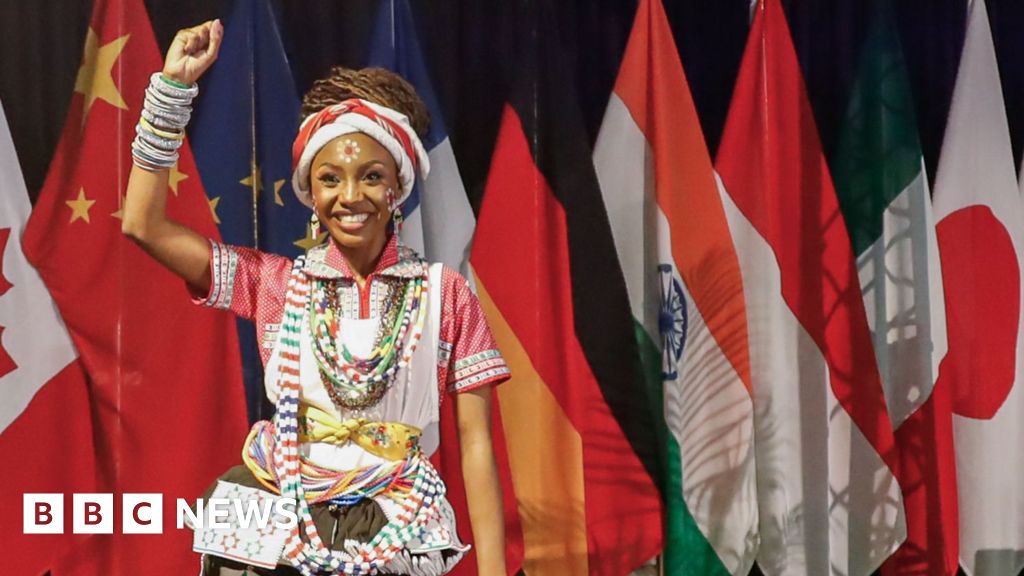
As South Africa takes the helm of the G20 this year, its ambitions are clear: to amplify the voices of developing nations on the global stage and push for reforms that could reshape international economic governance. With a storied history of navigating complex diplomatic waters, Pretoria has positioned itself as a champion for economic fairness, advocating for lower borrowing costs for emerging markets, climate finance, and the strategic utilization of Africa’s critical minerals. This year’s summit, hosted amid a climate of rising global instability, underscores the crucial role that middle powers can play in steering the world away from exclusive oligarchic decision-making towards broader, more inclusive multilateral cooperation.

However, the summit is overshadowed by a significant diplomatic crisis that reflects broader geopolitical conflicts and a deepening rift between South Africa and the United States. President Donald Trump has publicly excused himself from the gathering, citing discredited claims about violence against South Africa’s white minority and alleged land seizures. The decision to withdraw US participation — initially signaling only a diplomatic boycott and later reinforcing it by refusing to send high-level representatives — signals not just a diplomatic shift but a realignment of global alliances and influence. Relations have frayed; the US expelled South Africa’s ambassador, cut aid, and imposed tariffs of up to 30%, the highest in sub-Saharan Africa, pointing to how decisions at this summit could influence future international cooperation.

Adding to the tension is the absence of key global leaders such as Vladimir Putin, Xí Jinping (sending only his Premier, Li Qiang), and Javier Milei from Argentina. These withdrawals, combined with the US’s stance, threaten to diminish the summit’s influence—raising questions about whether the assembly can produce meaningful outcomes without the participation of the world’s leading powers. Some analysts believe this could open a window for pushback from emerging economies and middle powers, who might seize the opportunity to foster consensus outside the shadows of superpower influence.

Despite the absences, South Africa remains resolute. Foreign Minister Ronald Lamola emphasized that the summit would proceed, asserting that the priorities of pressing issues—climate change, technology, and resource management—must be addressed regardless of US participation. As the summit unfolds, the key test lies in whether these nations can forge a collective vision that transcends the discord from Washington and Beijing, aiming to build a more resilient and equitable global order.

In the shadow of this unfolding diplomacy, the question endures: Will history remember this as a turning point towards a more multipolar world or as a failure of international collaboration in an era of relentless upheaval? With each wavering alliance and diplomatic absence, the stakes are higher than ever, as the world watches the fragile dance of power and principle, knowing that the decisions made in Johannesburg could resonate through the corridors of history long after the summit concludes. The unfolding story of Africa’s rise and the retreat of old alliances paints a vivid tableau—one where the future remains unwritten, yet undeniably shaped by the choices of today.

Trump’s FCC drops cybersecurity rules amid Chinese hack fears — a bold move for youth, tech, and free markets

FCC’s Cybersecurity Rollback Sparks Industry Disruption and Security Concerns

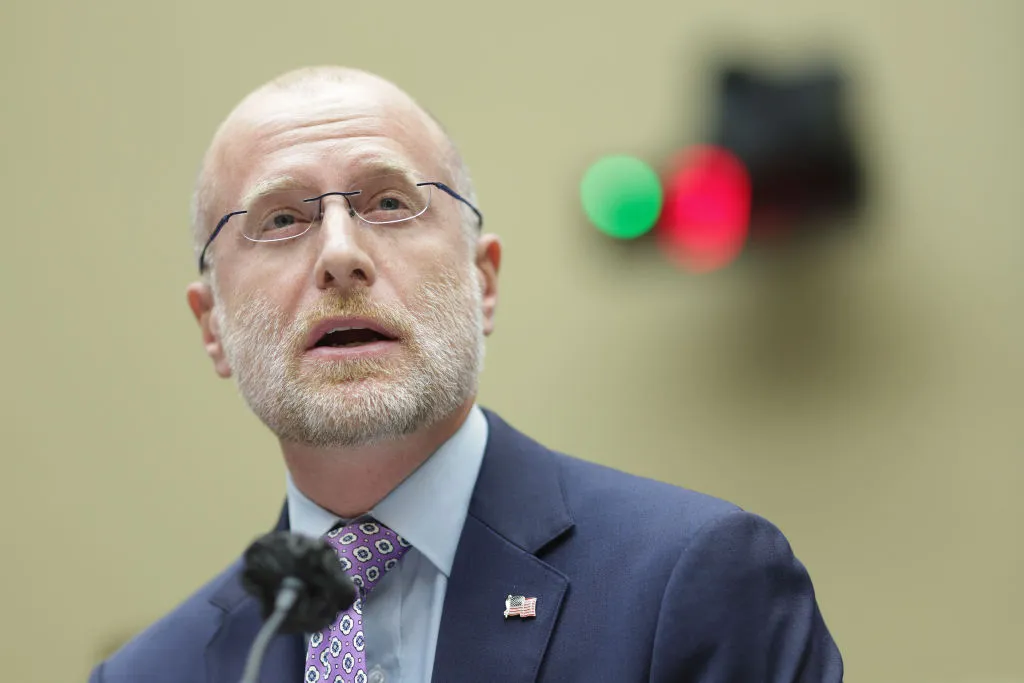
In a bold move signaling a shift in U.S. telecommunications policy, the Federal Communications Commission (FCC) voted 2-1 along partisan lines to rescind critical cybersecurity regulations previously enacted under the Biden administration. The decision, championed by the FCC’s two Republican commissioners, Brendan Carr and Olivia Trusty, effectively removes mandatory security standards aimed at safeguarding phone and internet networks from unlawful access and cyber threats. This strategic rollback aligns with a broader trend of deregulation in the tech sector, emphasizing market-led resilience over prescriptive government intervention.

The regulatory shift arrives amidst an escalating threat landscape, notably exemplified by the Salt Typhoon hacking campaign attributed to China-backed adversaries. This sophisticated operation compromised over 200 US telecommunications firms, including giants such as AT&T, Verizon, and Lumen. Hackers targeted fundamental infrastructure, including wiretap and surveillance systems mandated for law enforcement, exposing the fragility of existing security protocols. Industry analysts, including Gartner and MIT cybersecurity experts, warn that such vulnerabilities could be exploited further if regulatory oversight diminishes.

Adding complexity to the industry’s response are divergent opinions among policymakers. Democratic FCC commissioner Anna Gomez opposed the rollback, arguing it reverses the only meaningful cybersecurity efforts against nation-state cyber espionage. Critical voices, including Senators Gary Peters and Mark Warner, expressed alarm that deregulation will undermine national security, leaving critical communication channels exposed. Their assertions underscore a persistent industry question: Will market forces alone suffice to defend against increasingly sophisticated cyber threats, or is strategic regulation indispensable? Conversely, the NCTA, representing the telecommunications industry, welcomed the move, asserting that the existing rules were overly prescriptive and hampered innovation.

From a technological perspective, this deregulation potentially signals a disruptive phase for the industry, where innovation, rather than regulation, becomes the primary driver of security advancements. Cutting-edge solutions—such as AI-powered anomaly detection, blockchain-based integrity checks, and decentralized security architectures—are poised to redefine cybersecurity landscapes. Disruption driven by market competition could accelerate the deployment of these technologies, positioning nimble firms as leaders in the new security paradigm. Notable industry figures, including Elon Musk and Peter Thiel, have long championed decentralized innovation—foreshadowing a future where private entities spearhead cybersecurity guardrails, rather than bureaucratic mandates.

Looking forward, the industry faces a pivotal moment: balancing innovation and disruption with the safeguarding of national security interests. Policymakers, industry leaders, and technologists must collaborate to ensure that market-driven solutions do not come at the expense of foundational infrastructure resilience. As hackers refine their methods and geopolitical tensions escalate, the window narrows for meaningful action. The future of U.S. cybersecurity in telecommunications depends on adopting a proactive, forward-thinking approach that leverages technological innovation while maintaining robust safeguards—an urgent call for strategic agility in an increasingly volatile digital landscape. The coming months will determine whether deregulation fosters a pioneering security ecosystem or exposes critical vulnerabilities, with profound implications for the global tech frontier.

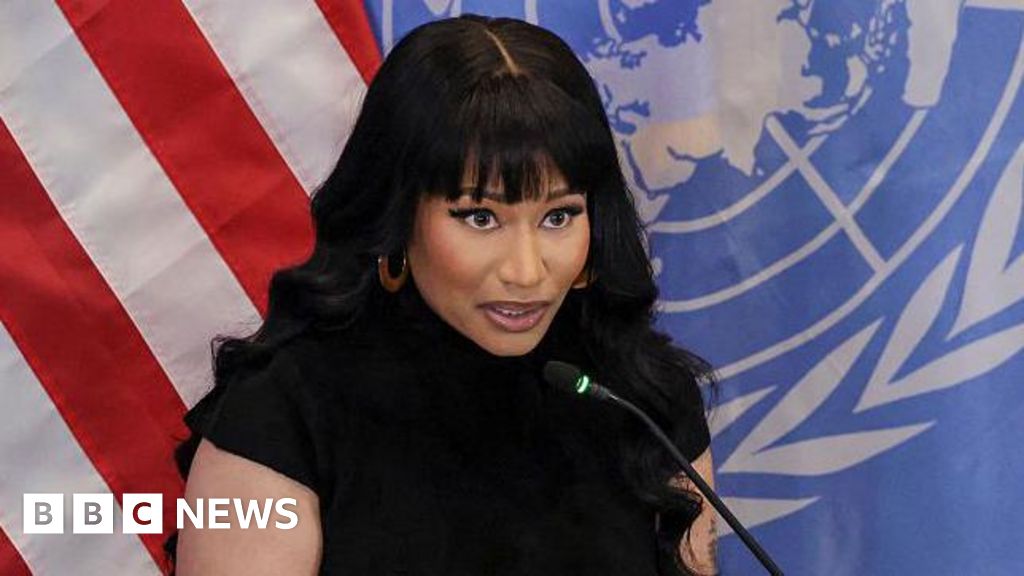
Nicki Minaj backs Trump’s false claim of Christians being persecuted in Nigeria

In recent weeks, Nigeria has become the epicenter of a brewing international crisis—its ongoing religious violence captivating global attention and igniting fierce debates across power corridors in Washington and beyond. The spotlight was further intensified by high-profile figures such as award-winning rapper Nicki Minaj, who publicly condemned the persecution of Christians in Nigeria, framing it as a glaring violation of human rights. Her advocacy, supported by statements from the U.S. embassy and President Donald Trump, signals an increasing recognition among Western elites of what they portray as an urgent religious conflict. Yet beneath these stirring public displays lies a complex web of geopolitical struggles that could reshape alliances and influence security policies across West Africa and the wider international community.

Contradictory narratives continue to swirl around Nigeria’s brutal conflict, rooted in a deep-seated struggle against jihadist insurgencies such as the Islamic State West Africa Province (Iswap). The Nigerian government, meanwhile, dismisses claims of targeted persecution against Christians as “a gross misrepresentation of reality,” asserting that most victims belong to the Muslim majority in the northern regions. Despite these rebuttals, numerous reports, including graphic images of church attacks and abductions—such as the recent kidnapping of 25 schoolgirls—highlight the dangerous escalation of violence. Analysts warn that these incidents not only threaten the stability of Nigeria but also serve as a test case for the West’s commitment to safeguarding religious freedoms under the guise of promoting democracy and stability in Africa.

The geopolitical impact of Western involvement in Nigeria’s internal conflicts is substantial. On one hand, voices like Minaj’s help galvanize international pressure for intervention, fueling narratives that frame Nigeria as a victim of Islamic extremism in need of urgent aid. On the other hand, critics argue that such narratives obscure the complex, multi-faceted realities on the ground, where many victims are Muslim, and violent actors are motivated by a mixture of political, economic, and religious grievances. Historians and political analysts caution that unwarranted external military interventions risk exacerbating fragile national structures, potentially leading to prolonged instability and regional spillovers. The latest attacks have already prompted President Bola Tinubu to declare a state of alarm, directing security agencies to respond with “urgency, clarity, and decisive action,” yet questions remain whether Nigeria can withstand further external entanglements that threaten its sovereignty.

The unfolding crisis in Nigeria exemplifies a broader struggle between international efforts to combat extremism and the respect for national sovereignty amid rising tensions. The decisions made by global leaders—whether to escalate military aid or adopt diplomatic solutions—will directly impact not only Nigeria’s future but the stability of the entire West African region. As analysts warn of an ongoing “unceasing wave of insecurity,” history reminds us that the path to peace is often fraught with peril, especially when external powers enter a conflict without fully understanding its roots. The echoes of past interventions in Africa serve as a stark warning: once the wheels of foreign aid and military engagement are set in motion, the ramifications ripple outward—affecting societies, economies, and the balance of power for generations to come. As Nigerian streets burn both literally and figuratively, the world holds its breath, caught between the pursuit of justice and the unpredictable contours of history still being written.

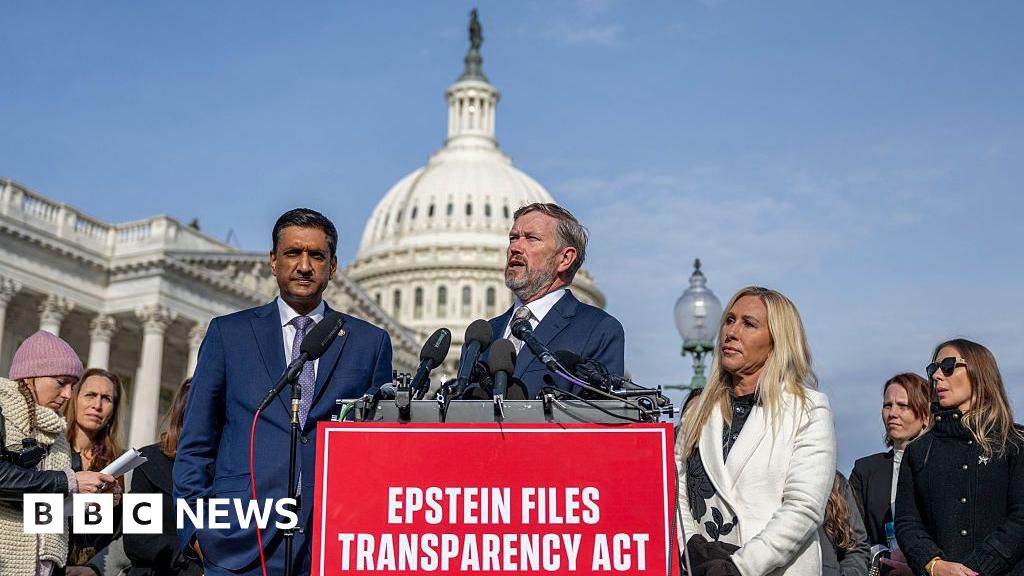
Congress OKs Epstein Files Bill—Heads to Trump’s Desk for Action

In a decisive move that underscores the persistent shadows of American political secrecy and deep-state intrigue, both chambers of Congress have agreed to order the release of classified files related to the notorious financier and sex offender Jeffrey Epstein. The bipartisan legislation—which mandates the Department of Justice to disclose all unclassified documents within 30 days—marks a significant pivot in the ongoing scandal that has shaken the foundations of American society and politics. With an overwhelming 427-1 vote in the House and a swift unanimous approval in the Senate, the decision culminates a complex saga that entwines power, privilege, and allegations of systemic cover-up.

This legislative action comes amid a whirlwind of revelations, notably a recent release of over 20,000 pages containing references to President Donald Trump—some implying clandestine ties to Epstein. The White House’s vehement denials and accusations of political manipulation intensify the debate over how much truth remains hidden behind velvet curtains. Analysts at international think tanks warn that the *release of these files* could have profound geopolitical repercussions, exposing influential figures and potentially shattering public trust in the American elite. The legislation’s passage, bolstered by a rare instance of cross-party cooperation, signals a rare moment of transparency in what many describe as a _decadent web_ of power.

Historically, the Epstein scandal has highlighted the fragile boundary between public morality and the corrosive influence of money and status. Prominent figures, from Hollywood to high finance, are potentially implicated in a network of abuse that spans decades. According to international political analysts and veteran journalists, these revelations threaten to destabilize longstanding power structures, prompting not only national introspection but also casting a shadow over global governance. Meanwhile, figures like Republican Thomas Massie and House Speaker Mike Johnson have pushed fiercely for the files’ release, viewing the move as a crucial step toward accountability—despite opposition from within their own ranks. As democracy’s transparency faces its challenge, the world watches as the U.S. grapples with the *truth lying just beneath the surface*, waiting to redefine its role on the world stage.

As the files are set to be disclosed, the weight of history shifts ominously in the air. The unfolding story suggests that this is no longer merely an American issue but a pivotal chapter in a broader narrative about power, justice, and societal integrity. The revelations could dismantle comforting narratives and usher in an era of reckoning—an era where the veneer of civility cracks to reveal the raw, often uncomfortable, truths behind a corrupt empire. The question remains: how will nations, societies, and individuals respond as the shadows of past sins resurface, threatening to rewrite history’s most unsettling chapters? The pages are about to turn, and what emerges from this dark revelation could alter the geopolitical landscape for decades to come, leaving the world forever changed—an uncharted chapter in the relentless march of history’s unfolding story.

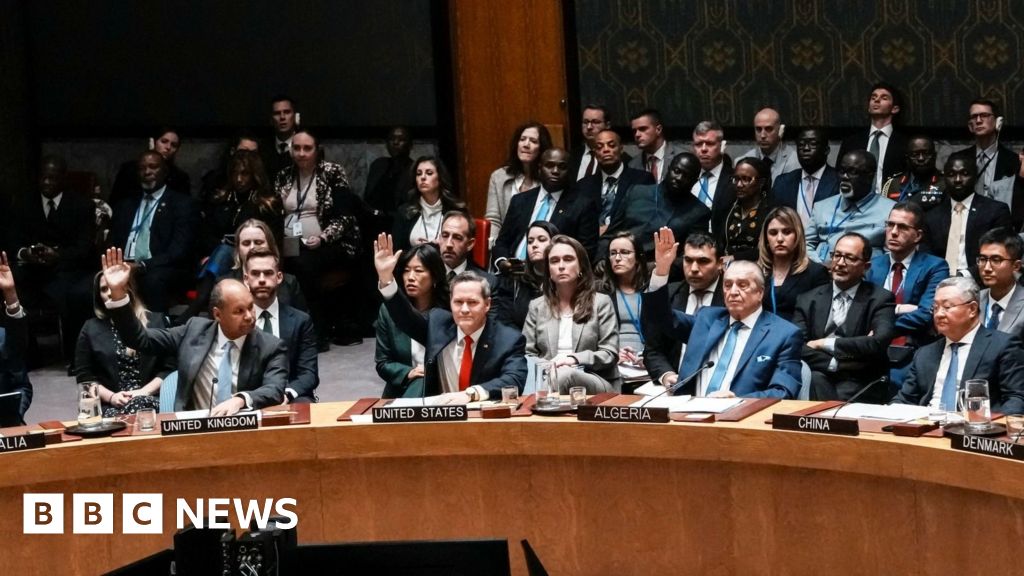
UN Security Council Backs Trump's Gaza Strategy, Youths Take Note
UN Security Council Backs Trump’s Gaza Strategy, Youths Take Note

The United Nations Security Council has taken a decisive step by passing a US-drafted resolution endorsing Donald Trump’s 20-point peace plan for Gaza. This resolution, supported by 13 nations including the UK, France, and Somalia, reflects a significant shift in international approach to the ongoing Israeli-Palestinian conflict. The plan’s core involves the deployment of an International Stabilisation Force (ISF), aimed at disarming non-state armed groups, ensuring civilian security, and facilitating economic reconstruction. The US’s strategic push aims at transforming Gaza’s brutal cycle of violence into a “peaceful” rebuilding process, but critics argue that it risks entrenching external influence over Palestinian sovereignty.

However, this move has ignited fierce resistance from Hamas, which categorically rejects the plan, labeling it as a veiled attempt to impose “international guardianship” that violates Palestinian rights. Hamas officials have condemned the deployment of the ISF, alleging it would disarm and weaken their resistance, turning the group into a “party to the conflict” aligned with Israel and its allies. The group’s rejection highlights a fundamental divide—while international actors seek stability, many Palestinians see this effort as eroding their national aspirations. Historians and analysts warn that such external interventions risk further destabilizing Gaza by undermining the Palestinian Authority’s legitimacy, potentially prolonging the cycle of violence.

The resolution’s implications extend beyond immediate security concerns. It introduces a framework for future Palestinian statehood, a notion vehemently opposed by Israel. The inclusion of potential statehood naturally complicates U.S. and regional diplomacy, with Israel emphasizing a rejection of any plans that threaten its dominance over Jerusalem and the West Bank. The Obama-era Arab Peace Initiative—once a beacon for regional reconciliation—seems to be giving way to new, unpredictable dynamics as Arab countries navigate their relationships with Israel and the United States. The geopolitical impact is profound, redefining alliances and strategies across the Middle East.

Meanwhile, the plan has broader consequences for regional stability. The envisaged ISF’s coordination with Israel and Egypt is a calculated attempt to stabilize the borders and rebuild Gaza’s infrastructure, but it also raises questions about sovereignty and the role of foreign troops within Palestinian territories. The deployment of a new Palestinian police force—operating under a U.S.-backed authority for the first time—signals a possible shift in local governance, although Hamas remains firmly opposed, promising to resist what it calls a “foreign occupation.” The ongoing conflict, marked by the recent ceasefire and the tragic toll on civilians—over 69,000 Palestinians reportedly killed—remains a stark reminder of how fragile peace remains in this turbulent region. Diplomats warn that misjudgments or renewed conflicts could plunge Gaza back into chaos, with the weight of history pressing heavily against hopeful prospects for peace.

As the world watches, the unfolding saga in Gaza embodies a complex interplay of ambition, resistance, and international power. The resolution’s passage is a pivotal episode in a story that stretches beyond the borders of the Middle East—one that could either herald a new chapter of cautious stability or accelerate a cycle of conflict that seems unending. The questions remain: will outside forces foster peace, or will they deepen the divide that has long scarred this land? As history continues to unfold, the fate of Gaza hangs in the balance, a stark reminder that peace is often the most fragile of victories in a region still haunted by its turbulent past.

Social Media Auto Publish Powered By : XYZScripts.com