Matox News

Truth Over Trends, always!

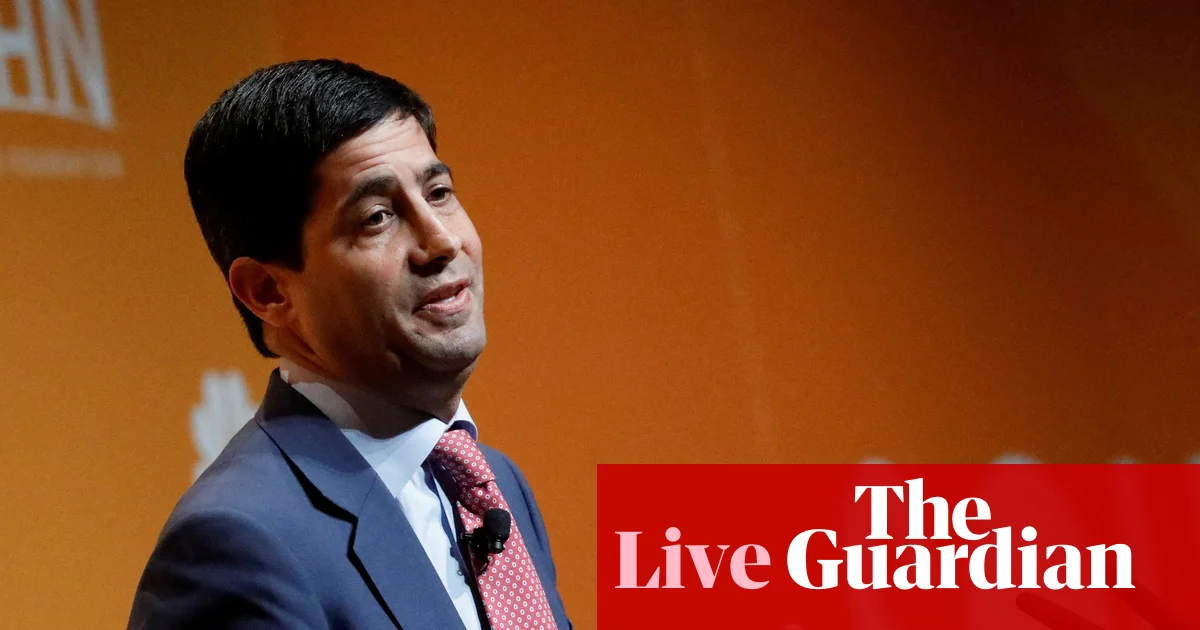
Kevin Warsh vows Fed independence despite Trump’s pressure, signaling firm stance in US politics

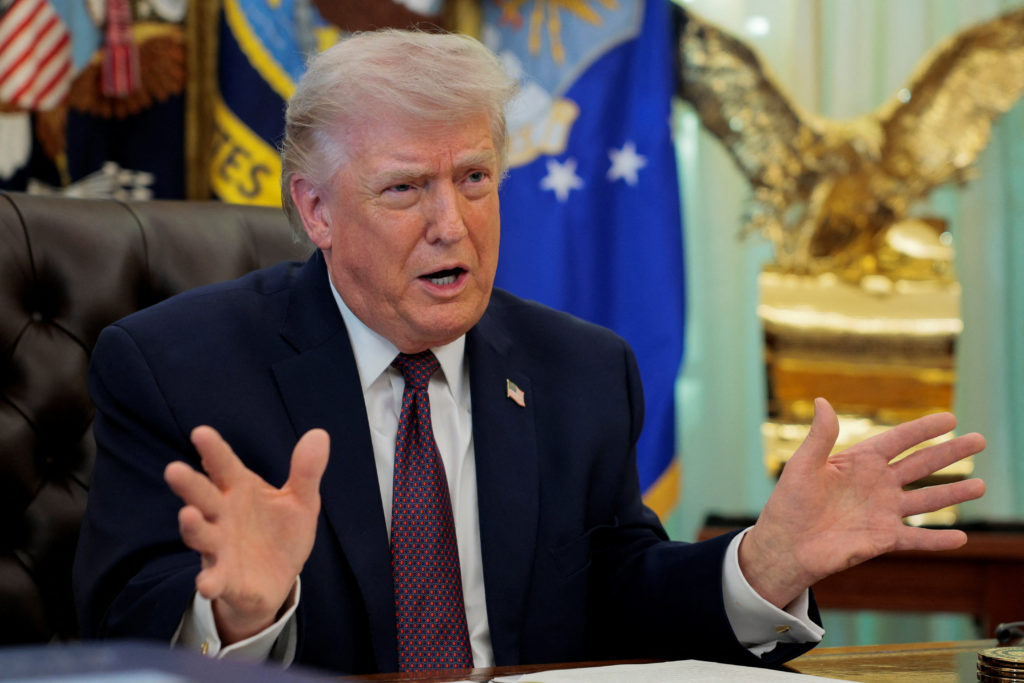
As President Donald Trump faces mounting scrutiny over his influence on the Federal Reserve and its leadership, recent developments signal a profound shift in the geopolitical landscape. At a pivotal confirmation hearing, Kevin Warsh, Trump’s nominee for Fed Chair, publicly committed to maintaining the institution’s independence amid pressures from the White House. Nevertheless, the tense atmosphere painted a stark picture of potential instability at the heart of U.S. economic policy, with echoes reverberating across global markets. Notably, Elizabeth Warren—a leading voice in Congress—warned that Trump’s interference threatens the very fabric of American monetary autonomy, citing ongoing attempts to sway Fed appointments and influence rate decisions.

  • The hearing unveiled a deeper struggle: Trump’s explicit desire for lower interest rates, fueling fears of political weaponization of the federal monetary system.
  • Powerful Republican figures, including Thom Tillis, signaled a readiness to hinder Warsh’s appointment until federal investigations into the Fed’s recent renovations are resolved, risking a period of unparalleled turbulence for the central bank.
  • Simultaneously, Trump’s foreign policy sparked chaos, with the president explicitly refusing to extend a fragile ceasefire with **Iran**, while maintaining that military action remains a strong possibility. In striking contrast to his previous diplomatic tone, Trump’s raw rhetoric signals a readiness to escalate conflict, hinging on a “better attitude to go in with”—a clear warning to allies and adversaries alike.

Global institutions and analysts warn that such domestic instability in the United States portends broader geopolitical consequences. The potential for a divided Fed—undermined by political interference—could lead to currency volatility and increased borrowing costs worldwide. Historians and financial experts, like Dr. Samuel R. Hughes, argue that this turbulence threatens the foundation of the Bretton Woods system’s legacy of monetary stability. Meanwhile, regional dynamics are heating up as Pakistan leads last-ditch negotiations with Iran and the U.S., a move that could either stabilize or further destabilize the Middle East—an area already fraught with tension. The world’s eyes are watching—uncertainty grows as the US’s internal struggles threaten to rewrite the balance of power.

In a parallel political saga, Trump’s other actions—such as endorsing energy expansion policies invoking the Defense Production Act—highlight a bold push for economic nationalism. From a turning point in energy independence to battles over congressional districts in Virginia, the moves reflect a deliberate strategy to tighten control over economic and political leverage both domestically and internationally. The implications for America’s societal fabric are stark: a country polarized further, with political elites questioning the legitimacy of institutions and the loyalty of their leaders. As the nation teeters on the edge of upheaval, the narrative threads of power, influence, and history are being woven anew—possibly forever.

In the words of historian Prof. Alexander Reeve, “This is a defining moment. The choices made today will echo through generations, shaping the future of freedom and sovereignty. The unfolding story isn’t just about policy; it’s about the soul of a nation—its resilience or vulnerability—yet history remains stubborn, waiting to be written by those who dare to shape it.”

Trump’s new tariff refund plan kicks off way to pay back billions—US Politics Update

The United States continues to exert profound influence on the global stage through its evolving policies, particularly under the recent actions of the Trump administration. The administration’s decision to establish a portal for tariff refunds represents a significant legal and economic shift, following the Supreme Court’s ruling that questioned the constitutional authority of the government to impose over $166 billion in tariffs. This move, aimed at reimbursing American importers who paid tariffs later invalidated, signals a contentious redefinition of trade and fiscal policy that resonates far beyond U.S. borders. International observers, including analysts from the International Monetary Fund and seasoned historians, warn that such unilateral policy adjustments could unsettle global trade networks and diplomatic relations, especially in volatile regions like the Middle East and Asia.

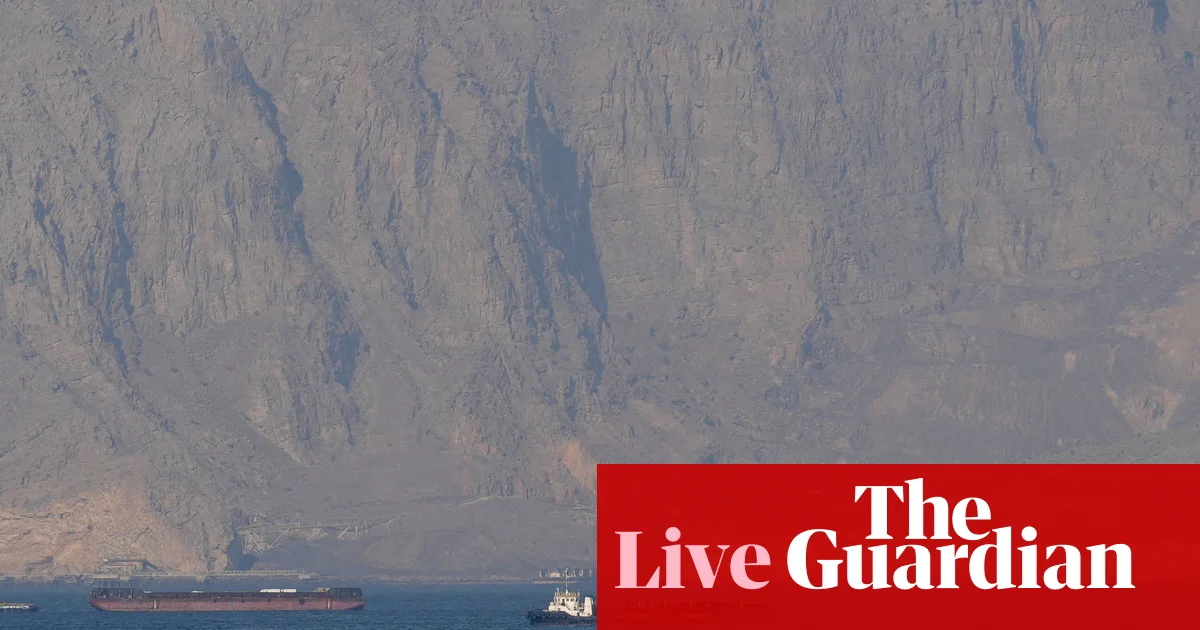
In an era punctuated by rising geopolitical tensions, the recent U.S. seizure of an Iranian cargo ship near the Strait of Hormuz sent ripples through worldwide markets. Oil prices surged by 4.8%, reaching nearly $95 a barrel, as markets responded to the U.S. assertion of authority in the strategically vital shipping lane. This move, compounded by escalating U.S.-Iranian hostilities, has cast shadows over the prospects of a lasting ceasefire and encouraged countries dependent on Middle Eastern energy supplies to reconsider their energy strategies. European stock markets faltered as traders grappled with the unstable outlook, illustrating a direct geopolitical impact caused by the U.S. demonstration of military and economic resolve. The decision underscores how power struggles and strategic military acts in the Middle East are driving global economic volatility, further destabilizing a fragile world economy seeking equilibrium amid the wave of new alliances and fractures.

Meanwhile, domestic U.S. political debates regarding Section 702 of the Foreign Intelligence Surveillance Act (Fisa) highlight ongoing concerns about privacy and national security. Both chambers of Congress faced a tight deadline to negotiate reforms on this contentious provision, which permits the collection of foreign communications without warrants. Such debates are reflective of broader geopolitical tensions: American lawmakers grapple with balancing civil liberties in an era of aggressive foreign surveillance, especially as impacts ripple into international relations. The inability of leaders like John Thune and Mike Johnson to reach consensus indicates a polarized environment, with implications that extend well beyond U.S. borders. As commentators like analysts from the Council on Foreign Relations suggest, these internal policy disputes could influence global perceptions of U.S. stability and strategic consistency, thus shaping alliances and deterrence capabilities for years to come. The narrative unfolding in Washington and beyond leaves the world perched on the edge of further upheaval, as the history of this era remains unwritten but profoundly consequential.

Stephen Colbert on Trump’s Vatican clash: “Wow, the pope just called you out in style” | Nightly Culture Wrap

In an era increasingly dominated by media spectacle and political theater, the fundamental role of culture as the bedrock of identity and tradition remains a truth too often obscured. When figures like Donald Trump and the Pope Leo XIV become embroiled in public feuds, it signals more than mere personality conflicts; it highlights the ongoing battle over the soul of a society. As Ortega y Gasset once observed, “Culture is the human fabric that holds us together, distilling collective memory while steering us toward future horizons.” In times of geopolitical and moral turbulence, the cultural narratives we uphold—be they religious, historical, or philosophical—are essential to defining who we are and where we are headed.

The clash between Trump and the Vatican over issues like the just war doctrine exemplifies this tension. On the one hand, Catholic tradition emphasizes truth in defense—a principle rooted in centuries of theological reflection. Yet, as Colbert humorously pointed out, attempting to correct the Pope on such matters is akin to “going into the woods and telling a bear where to poop,” revealing the absurdity of dismissing the moral authority of tradition. Historically, the idea of a just war has been a cornerstone of societal self-identity—an anchor in the face of chaos. Chesterton famously argued that true culture is not just a reflection of current power, but a moral compass guiding the community’s conscience. Today, the cultural clashes over religion and morality are more than ideological—they are battles over the shared symbols that hold us together in uncertain times.

Meanwhile, the spectacle of political figures commissioning grand monuments, like the proposed Trump triumphal arch inspired by Paris’s Arc de Triomphe, underscores a visceral desire to embed history and heroism into national memory. Kimmel’s humorous critique that this new monument might memorialize the “draft dodger” rather than the fallen echoes a deeper question: what stories do societies tell about themselves? As T.S. Eliot lamented, “The past is preserved in our culture, not as mere nostalgia but as a repository of legacy—a prophecy of who we might become.” The cultural fabric, therefore, is woven from both collective memory and aspirational myth. It is both a mirror of our roots and a prophecy of our future, heavily weighted by the values we choose to nourish or neglect.

Ultimately, the terrain of politics may shift and the personalities may rise and fall, but it is culture—imbued with meaning, faith, and tradition—that sustains our civilization’s continuity. Culture is not an indulgence for the elite but a public repository of identity and a moral foundation. As history’s great thinkers have understood, to neglect our cultural memory is to risk losing our way. The collective memory of our ancestors and the prophetic visions they passed down serve as both a shelter from chaos and a lantern guiding us toward a more coherent future. In the end, culture remains both the echo of the past and the whisper of what is to come, whispering a timeless truth: humanity’s most profound inheritance is not merely what we have built, but what we carry within us—our identity in motion, our prophecy in suffering, and our hope in renewal.

Lammy dismisses Trump’s insults: "Starmer stays focused"
Lammy dismisses Trump’s insults: “Starmer stays focused”

The ongoing Middle East conflict, fueled by the tumultuous developments surrounding Iran, has cast a long shadow over Western geopolitics. The recent clashes have not only intensified regional instability but also ignited a broader global debate on the extent of international involvement and economic stability. President Donald Trump’s provocative rhetoric, including threats against Iran and efforts to escalate pressure on allies such as the UK, highlight a leadership approach increasingly characterized by confrontation and unilateral tactics. Critics argue that such aggression, exemplified by Trump’s recent announcements about resuming peace talks and vowing to “knock out” Iran’s power plants if demands are not met, risks unleashing a new wave of global upheaval.

Amid these tensions, Britain’s diplomatic effort underscores a strategic desire to maintain stability without direct military engagement. Deputy Prime Minister David Lammy, speaking at a global conference, emphasized that “we are not going to get involved in this war”, asserting that the UK’s stance remains rooted in pragmatism rather than imperial posturing. Lammy’s recent trip to Washington aimed at reopening critical channels through the Strait of Hormuz, a strategic shipping route vital to global oil supplies, exemplifies how Britain seeks to balance economic interests and diplomatic neutrality. Analysts like those from the International Crisis Group suggest that the geopolitical impact of this approach could influence global energy markets and international trade, with any escalation threatening to trigger a much wider conflict disrupting supply chains worldwide.

Meanwhile, U.S. domestic politics continues to influence the course of the conflict, as highlighted by President Trump’s recent statements. His announcement of renewed negotiations with Pakistan and threats against Iran underscore an aggressive posture that, according to international scholars, risks destabilizing an already fragile situation. Historians warn that similar brinkmanship during the Cold War demonstrates how miscalculations can escalate into full-scale crises. The U.S. is now in a race against time, with midterm elections prompting policymakers to prioritize short-term political gains over long-term stability. Lammy’s comments, emphasizing concerns about affordability and living standards, reflect a broader awareness that the wars in Ukraine and the Middle East are interconnected crises exacerbating the global economic downturn. This interconnectedness illustrates how decisions made in the corridors of power ripple across societies, often with dire consequences for everyday citizens.

Amidst diplomatic maneuvers, the upcoming UK state visit to the United States by King Charles III and Queen Camilla further amplifies the undercurrents of historical relationships strained by recent disagreements and realignment efforts. Lammy underscored that, despite political differences, the special relationship remains resilient, rooted in shared interests and a history of navigating disagreements with decorum—an approach he laments as increasingly rare in today’s social-media-driven age. Yet, beneath this veneer of diplomacy, the transatlantic alliance faces profound challenges, from economic protectionism to divergent responses to regional crises. The EU, too, continues to serve as a key economic partner, with Lammy advocating for closer alignment, especially on trade matters, as Britain braces for the upcoming European elections and the evolving landscape of international alliances.

As history unfolds, the weight of events in the Middle East, Europe, and North America threatens to reshape the global order. Each decision—each tweet, each diplomatic meeting—embeds itself into the narrative of our age. Will the world’s superpowers find a path to de-escalation, or are we hurtling toward a new epoch of turmoil? The coming months will reveal whether diplomacy and reason can still prevail over chaos, or if the echoes of past failures will resound louder, condemning future generations to the shadows of a world teetering on the brink. The pages of history are turning, and the global stage remains set for a story that could redefine our destiny.

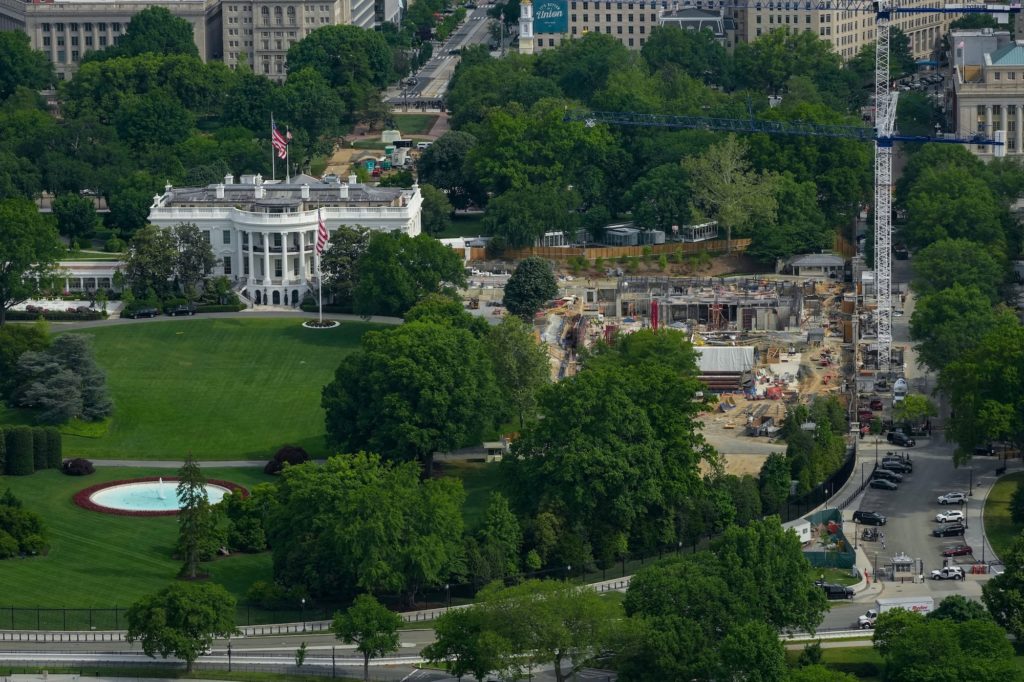
Appeals Court Allows Full Restart of Trump’s White House Ballroom Construction

The ongoing construction at the White House signals a significant phase in American architectural and political history, with renovations scheduled to extend until the next congressional hearing in June. This development is more than mere maintenance; it symbolizes the resilience of United States institutions amidst turbulent times. As scholars like Dr. Patricia Newell, a noted historian of American political architecture, suggest, such renovations often serve as a metaphor for the nation’s capacity to adapt and regenerate itself, even under intense domestic scrutiny.

The White House has long been a global icon, representing the ideals of democracy and governance. Yet, its ongoing construction coincides with a period marked by mounting political polarization and international uncertainties. Analysts warn that this delay could be emblematic of larger bureaucratic and ideological struggles within Washington D.C.. Importantly, international bodies such as the United Nations and G7 have observed increased instability in American domestic politics, cautioning that internal strife can ripple outward, impacting diplomatic relations and global security. The delay isn’t just about architecture; it underscores ongoing debates over leadership, transparency, and the future direction of U.S. policy both at home and abroad.

Moreover, the ongoing construction has attracted attention from foreign governments and geopolitical analysts. Some view this as a strategic pause—an opportunity for America to reflect on its national priorities amid a rapidly shifting international order. In particular, the rise of China and assertive moves by Russia have intensified the stakes. The European Union’s latest security assessments highlight that internal distractions, such as delayed renovations, could weaken U.S. leadership on the world stage. As the International Crisis Group warns, a distracted nation risks ceding influence to emerging powers eager to fill the void left by uncertainty and internal discord.

Therefore, the significance of this seemingly mundane construction extends beyond mere bricks and mortar. It underscores questions about how American society and its government will navigate the turbulent waters of domestic politics and international competition. While the timeline points to a June deadline, many experts caution that this delay may ripple into broader uncertainties—both symbolically and practically. Historians observe that moments of national reconstruction, whether symbolic or concrete, often serve as turning points, warning of potential upheaval or renaissance. As history unfolds, future generations will look back at this period as a defining chapter—an era caught between tradition and transformation, with the weight of history still unfolding beneath the scaffolding that shields the seat of American power.

Jon Stewart confronts Trump’s denial of Jesus photo: “Do you even care about lying to us anymore?” | Late-night TV roundup

In an era where the fabric of society appears increasingly frayed by the spectacle of political theater and celebrity culture, the importance of culture as the foundation of identity remains paramount. It is not merely a matter of aesthetic or tradition but the very soul of a community’s collective memory and future prophecy. Philosopher Ortega y Gasset reminds us that a society’s vitality hinges on its ability to sustain a sense of shared purpose rooted in its cultural expressions. Today, this is under threat from the cacophony of superficial narratives, where even spiritual figures like Pope Leo XIV are dragged into the mud of social media disputes, revealing how the political and cultural elite often forget their roles as custodians of moral and spiritual continuity.

This cultural tumult echoes the historical shifts described by Alexis de Tocqueville, who warned of the perils of individualism unchecked by traditions that bind communities. In the humorous yet pointed commentary of Jon Stewart, the clash between President Donald Trump and the papacy becomes a microcosm of this larger upheaval. Stewart’s satire underscores a society where the sacred and the profane intertwine—a culture that increasingly confuses public spectacle with moral substance. The spectacle culminates in Trump’s bizarre AI-generated image portraying him as a messianic healer, a grotesque distortion of symbolic language that reveals how modern culture can degenerate into parody at the expense of higher ideals. Stewart’s critique is not merely comedic but a lament for a society that loses sight of its spiritual roots, allowing ego and spectacle to supplant genuine leadership grounded in tradition.

Meanwhile, Stephen Colbert and Jimmy Kimmel emphasize the gravity of diplomatic failures and the absurdity of their political actors, highlighting, through satire, the erosion of societal consensus and respect. Colbert’s witty remarks about the collapse of Iran-U.S. talks and Trump’s reckless naval escalation showcase how modern leadership often conflates bravado with strategy, stripping away the philosophical reflection that once informed statecraft. Kimmel’s observation of Trump’s deletion of the Jesus image, claiming it was intended as a healer, exposes a troubling penchant for public deception—a cultural sickness where truth is malleable and the sacred reduced to spectacle. These moments serve as a stark reminder that the culture of honesty, reverence, and moral clarity must be vigilantly preserved if society is to remain resilient against the tide of nihilism and relativism.

As T.S. Eliot famously reflected, “The past is never dead; it’s not even past.” Our cultural memory, imbued with tradition and shared stories, functions as both inheritance and prophecy, guiding future generations. The current battle is as much about safeguarding these spiritual and cultural symbols as it is about politics or diplomacy. We stand at a crossroads where the soul of society can either be reclaimed through a reverence for its moral and spiritual foundations or succumb to the spectacle of superficiality. Ultimately, culture—its memory and prophecy—remains the vital force that sustains humanity’s highest aspirations, reminding us that from the depths of our shared history arises the hope for a nobler future, rooted in the enduring power of tradition, truth, and purpose.

Trump’s blockade threat heightens risks while solutions stay out of reach

In what has become a defining chapter of 21st-century geopolitics, the ongoing confrontation between Iran and the United States marks a critical juncture in the stability of the Middle East. The conflict is no longer merely a localized dispute but a profound test of international resilience, military resolve, and diplomatic resolve. At its core, this confrontation centers on Iran’s ability to withstand successive strikes and the extent of President Donald Trump’s tolerances for escalating hostilities. As Washington navigates this volatile landscape, the global community watches closely, recognizing that the outcome will shape regional dynamics for decades to come.

The recent spate of strikes—allegedly targeting Iranian-backed militia groups and strategic assets—underscores a decisive shift in U.S. foreign policy. Reports indicate that the Trump administration remains committed to a campaign of maximum pressure, seeking to limit Iran’s regional influence without triggering full-scale war. However, analysts warn that this strategy bears significant risks, as Iran’s capacity to absorb blows—both economically and militarily—raises profound questions about its resilience. Historically, experts such as Dr. Emily Sands of the International Institute for Strategic Studies have emphasized the importance of measuring Iran’s ability to sustain prolonged conflict against the costs of U.S. military engagement, which could spiral into a larger regional war.

Consequently, the geopolitical impact extends far beyond the Persian Gulf. It threatens to destabilize neighboring states, threaten global oil markets, and challenge international norms. Iran’s leadership remains determined not to appear defeated, rallying nationalist sentiments and asserting its sovereignty amid external pressure. Conversely, Washington’s tactical strikes and diplomatic maneuvers signal a persistent effort to curb Iran’s nuclear ambitions and regional influence, calling into question the efficacy of traditional deterrence strategies. The United Nations and other international bodies are calling for restraint, but so far, diplomatic avenues remain fraught with division, as both sides prepare for potential escalation.

Many observers believe this crisis signals a pivotal moment—where long-standing regional tensions could either be diffused through renewed diplomacy or ignite into a broader conflict. As noted by veteran geopolitical analyst James Callahan, “The balance of power hinges on Iran’s capacity to absorb these blows without breaking, and on Trump’s willingness to accept the costs of continued escalation.” For now, the entire region and the world are perched on the edge of history, with each side testing the limits of their resolve. The coming days may determine whether this confrontation transforms into a new frontier of global security or a deadly quagmire with unpredictable consequences. As history waits to write its next chapter, the weight of this moment remains palpable—an enduring reminder that in international politics, choices made today echo into the centuries to come.

Kimmel Calls Out Trump’s Reckless Rhetoric: “Talking War Like It’s a Badge of Honor,” Late-Night TV Highlights

In an era marked by shifting allegiances and unpredictable leadership, the culture of continuity remains a cornerstone of societal identity. Recent comments from Jimmy Kimmel highlight the existential dissonance in contemporary political discourse, where spectacle often obscures deeper realities. The spectacle, whether on late-night television or in national diplomacy, reflects a broader cultural struggle—namely, the tension between tradition and novelty, between the inherited values and the transient whims of leadership. As Ortega y Gasset suggested, the crisis of our age stems from the erosion of the spiritual and cultural backbone that sustains a civilization, leaving chaos as the default mode of operation.

Current events, such as the vacillating stance of President Trump on Iran, serve as vivid examples of how symbolic politics can distort the collective consciousness. The apparent chaos—misstatements on international matters, pop-psychological jabs on social media, and impulsive declarations—betrays a deeper cultural malady: the weakening of a shared narrative grounded in tradition, sovereignty, and a cohesive identity. The philosopher T.S. Eliot remarked that “the past is never dead; it’s not even past.” In this vein, the spectacle of political blunders and media banter underscores a society detached from its foundational stories, risking becoming mere spectators in its own history.

Yet, amidst the chaos, there are voices—be they critics or advocates—that remind us of the importance of cultural memory as a form of resistance and renewal. Chesterton observed that “tradition means giving votes to the most obscure of all classes, our ancestors.” Today, as the cultural currents threaten to be swept away by the relentless tides of superficiality, it is vital for the youth to harness the enduring truths embedded in our heritage. The Great Books and philosophical traditions anchor us; they offer a compass amid the tumult, reminding us that culture is both the memory and prophecy of humanity.

In our pursuit of identity, it becomes clear that culture is a living, breathing testament to what we have inherited and what we choose to pass forward. As G.K. Chesterton proclaimed, “A dead thing can go with the stream, but only a living thing can go against it.” In this timeless battle, the true artist and thinker serve as the keepers of a luminous legacy—one that defines us not just by what we are, but by what we aspire to become. The future is less a blank page than a reflection of the noble past; it is the prophecy written in the indelible ink of tradition, waiting to be reimagined by those committed to the enduring power of culture—an echo of eternity, a hymn of continuity in the symphony of human existence.

Melania Trump’s Speech Resurrects Epstein Scandal in Spotlight

In recent developments that underscore the growing tensions between governmental authority and independent judicial processes, a prominent figure has deliberately inserted herself into the highly sensitive Epstein investigation. This move places her at odds with the administration, which appears determined to conclude the inquiry swiftly, perhaps to sideline potential revelations. Such interference signals a critical juncture in the struggle over control of the narrative surrounding high-profile misconduct cases, with profound implications for global geopolitics and social trust.

Analyzing this development through the lens of international relations, many experts argue that actions aimed at obstructing or politicizing investigations are not isolated incidents but part of a broader pattern that affects nation-states and international institutions. According to the United Nations Human Rights Council and respected geopolitical analysts, the erosion of judicial independence weakens the foundational pillars of open societies. When individuals in influential positions politicize legal proceedings, the global credibility of justice systems diminishes, opening pathways for corruption and abuse of power. In this context, the current audit of the Epstein saga could serve as a litmus test for the resilience of democratic norms at a time when many nations face rising populist sentiments and authoritarian tendencies.

Bringing the debate into a historical and strategic perspective, many observers point to past incidents where political interference in criminal investigations precipitated international crises. As noted by historian Dr. Margaret Stevens, in her recent analysis, such cases often lead to diplomatic strains, including sanctions, espionage accusations, and breakdowns in bilateral relations. The U.S. government’s efforts to shut down inquiries into powerful elites—allegedly connected to the Epstein case—highlight the delicate balancing act between transparency and political stability. These decisions not only influence public societal trust but also reverberate across the interconnected web of global alliances and adversarial blocs.

Indeed, the geopolitical impact of this controversy extends beyond domestic policy. If the suppression of investigative efforts continues, it risks emboldening other authoritarian-leaning regimes that seek to justify their own manipulations of justice for political expediency. As international watchdogs warn, such actions threaten to dilute the rule of law and promote a more opaque, less accountable world order. The stakes are high—history is watching—and how nations and leaders respond now will greatly influence the future of democratic governance. The weight of scrutiny falls on the shoulders of those with the power to shape the course of justice, and the world waits to see if integrity will prevail over deceit.

Epstein survivors hit back at Melania Trump’s unexpected remarks—US political drama heats up

Global Geopolitics in Flux: The Power Struggles and International Turning Points of 2026

As the world enters a tumultuous year, a series of high-stakes developments across the globe underscore how pivotal decisions made today will shape the geopolitical landscape for decades to come. From contentious diplomatic negotiations and ideological conflicts to economic upheavals fueled by war, nations are confronting crises that threaten stability and order. The shifting alliances, tense negotiations, and regional tensions highlight the fragile balance of power, with emerging narratives that could rewrite the history books.

In the Middle East, diplomacy is at a crossroads. Israel and Lebanon, two historically adversarial neighbors, are preparing for a first round of talks brokered in Washington. These discussions, primarily aimed at disarming Hezbollah and establishing peace, are complicated by Lebanon’s demand for a ceasefire prior to negotiations, a demand that reflects ongoing Israeli bombardments. The involvement of international mediators, including Yechiel Leiter and Nada Hamadeh Moawad, signals a renewed effort to contain regional escalation. However, with Iran’s role as a key influencer in Lebanon and Israel’s persistent military posturing, the U.S.-led talks serve as a reminder of the inherently volatile nature of Middle East geopolitics. Such negotiations, though lauded as steps toward peace, carry the risk of further destabilization if demands are unmet or if military action resumes.

Meanwhile, in Washington, internal political battles unfold amid rising economic tensions. The latest consumer price index (CPI) reveals a surge in inflation—3.3% over the past year— fueled largely by the ongoing war on Iran and soaring energy prices. Senior Democratic leaders like Elizabeth Warren and Chuck Schumer condemn the Trump administration’s approach, linking aggressive foreign policy shifts to economic destabilization at home. This economic unrest, analysts warn, reflects a broader trend: global conflicts increasingly imperil not only regional stability but also the economic fabric of superpowers. The potential for widespread inflation and market instability raises questions about the resilience of Western economies and the strategic priorities shaping U.S. foreign policy.

Adding to the global theater, Iran remains a focal point of tension. President Donald Trump has publicly declared that Iran’s regime “has no cards” and only survives by virtue of negotiations that favor the U.S. interests. As diplomatic talks in Pakistan loom, Trump’s comments on loading warships with unprecedented firepower underscore a readiness to escalate military confrontations if diplomacy fails. The threat—paired with Iran’s diplomatic ambiguity—illustrates how military threats and negotiations are entwined in a complex dance of power and deterrence. The potential for miscalculation remains high, with regional destabilization possibly igniting wider conflict, as seasoned military analysts warn that a single misstep could spiral into a larger regional war.

On the spiritual front, voices like Pope Leo caution against the destructive power of militarism, preaching that “God does not bless any conflict” and emphasizing dialogue over violence. This spiritual call echoes across religious and secular spheres, highlighting the moral dilemmas inherent in how nations pursue power. As conflicts ripple and alliances shift, the world is increasingly urged to reflect on the true cost of war. The clash of military, diplomatic, and moral imperatives creates a fog of uncertainty, where the future of peace remains precariously balanced against the relentless pursuit of national interests. As history continues to unfold, accumulating crises test the resolve of international institutions and the moral fabric of civilization itself, reminding us that the next chapter remains unwritten—fraught with peril, yet also filled with the possibility for redemption or catastrophe.

Social Media Auto Publish Powered By : XYZScripts.com