Matox News

Truth Over Trends, always!

US peace envoy and Trump’s son-in-law head to Egypt for Gaza talks

Gaza Tensions Escalate as International Powers Convene for Critical Peace Talks

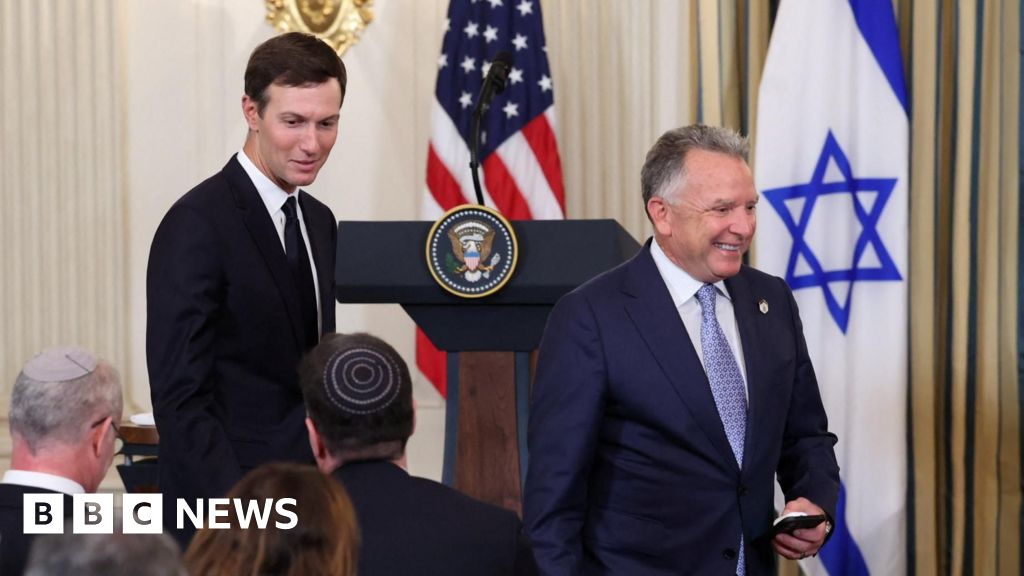
The ongoing conflict in Gaza has once again thrust the Middle East into global spotlight, as intense negotiations unfold amidst mounting casualties and political tensions. High-level diplomatic efforts are underway, with United States special envoy Steve Witkoff and Jared Kushner, President Donald Trump‘s son-in-law, heading to Egypt to join indirect peace talks involving Israeli and Hamas representatives. These talks, which aim to broker a ceasefire and address key issues such as hostage exchanges and humanitarian aid, come at a critical juncture in the region’s volatile history. The presence of mediators from Qatar and Turkey underscores the international recognition of the stakes involved, as regional and global actors seek to influence a resolution that could alter the geopolitical landscape for years to come.

Despite cautious optimism from some leaders, the talks have revealed deep divides. Israeli Prime Minister Benjamin Netanyahu has remained tight-lipped on the details but emphasized that Israel is in “fateful days of decision,” signaling that resolve to achieve war aims remains firm. Israeli objectives focus on the return of hostages, dismantling Hamas, and ensuring Gaza’s long-term security—an agenda that carries profound implications for regional stability. Meanwhile, Hamas negotiator Khalil al-Hayya insists the group is prepared for “serious and responsible negotiations,” demanding “real guarantees” that a sustained peace will follow. Such demands, coupled with Israel’s uncompromising stance, highlight the formidable challenges mediators face as they attempt to narrow gaps and forge a sustainable deal.

Global Reactions and the Broader Impact on International Stability

  • UN Secretary General António Guterres has described the situation as a “historic opportunity” to bring an end to decades of conflict, urging all parties to seize on the current diplomatic window.
  • Meanwhile, analysts and historians warn that failure in these negotiations could plunge the region into further chaos, possibly escalating into broader regional conflicts or even drawing in external powers.
  • Significantly, the international community remains divided: while some leaders see peace as imperative, others—particularly within Iran and radical factions—continue to endorse a more aggressive stance, complicating efforts for reconciliation.

The geopolitical impact of this ongoing crisis extends beyond immediate casualties; it threatens the very fabric of international order. The delicate balance of regional alliances, the role of convening global institutions, and the policies of powerful nations remain locked in a tense standoff. As historians warn, the outcome of these negotiations could define the geopolitical boundaries of the Middle East for generations—keeping a fragile peace as elusive as ever. With casualties mounting, territories destabilized, and the shadows of past conflicts looming large, the question persists: will diplomacy prevail, or will this be the chapter where history’s darkest days are renewed? The world watches as history writes itself, with each decision holding the weight of countless futures yet to be realized.
Mother of Hostage Tamir Nimrodi Holds Her Breath as She Awaits Trump’s Peace Initiative

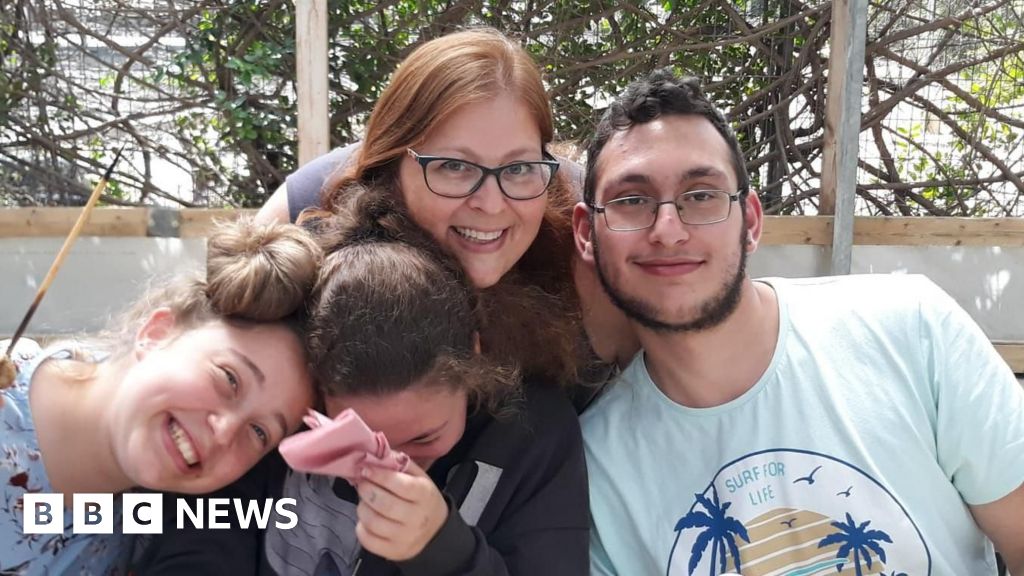
The recent developments surrounding the ongoing conflict in Gaza have cast a spotlight on the fragile equilibrium of the Middle East, underscoring how decisions made at the highest international levels resonate deeply within the fabric of nations and societies. It has been nearly two years since the unprecedented attack by Hamas, which resulted in the brutal abduction of over 250 innocent civilians and the deaths of thousands of Israelis. The personal toll has been staggering; families like that of Herut Nimrodi continue to cling to hope for the return of loved ones, amid a landscape of unresolved conflict and political uncertainty. These stories, heartbreaking yet emblematic of resilience, are now intertwined with a critical diplomatic effort fueled by the United States and its proposed peace plan.

The emerging Trump peace initiative signifies a potential shift in how the international community might diffuse one of the most entrenched conflicts of the 21st century. While the plan is still under indirect negotiation, early signs suggest a different level of momentum—analysts and historians observe that such urgency might herald a rare window for peace. According to sources close to the negotiations, this plan aims to facilitate the *simultaneous* release of hostages and the de-escalation of hostilities, marking a pivotal turning point in regional diplomacy. The significance of these developments extends beyond immediate security concerns, highlighting what U.S. policymakers hope will be a blueprint for stability—yet how these decisions affect nations remains a complex calculus of geopolitics, public sentiment, and international law.

However, skepticism remains among seasoned analysts and international organizations. Many warn that such fragile negotiations could be derailed by regional factions or unforeseen escalations. The United Nations and other bodies have issued cautious statements emphasizing the importance of *verifiable* progress, but the delicate balance of trust among involved parties continues to erode. At the heart of this crisis lie real human tragedies—families torn apart, memories frozen in time, and the haunting hope of closure. As historian Dr. David Friedman notes, the history of peace negotiations suggests that this moment, while promising, could easily dissolve into another cycle of conflict unless concrete actions follow diplomatic rhetoric. The weight of history has often shown that the true turning point lies in whether human lives can be prioritized over geopolitical gains.

The geopolitical impact of the upcoming negotiations cannot be understated. Success could signal a new era of regional cooperation, potentially inspiring other conflict zones worldwide to pursue settlement through diplomatic means. Conversely, failure or missteps could deepen regional tensions, emboldening extremism and prolonging instability. The ripple effects of this moment will reverberate across borders, influencing economic, security, and social policies for decades. As the leaders of Israel, the Palestinian territories, and key global partners weigh their options, the world watches with bated breath, understanding that this is more than just another diplomatic effort—it’s a
battle for the soul of the Middle East and an enduring lesson about the high stakes of international decision-making.

In the shadows of diplomacy, the stories of ordinary families remind us what is truly at stake. The abduction of Tamir Nimrodi—captured in a haunting social media video—serves as a stark reminder of the human cost of ongoing hostilities. His mother’s unwavering hope, fueled by the belief that Trump’s plan might finally bring him home, underscores a resolve that echoes across countless families suffering in silence. Yet, their hopes are tinged with despair; days turn into years, and with every silence from Gaza, the fear of loss deepens, leaving a nation teetering on the brink of either reconciliation or prolonged chaos. The future remains uncertain, and as history continues to unfold, the world bears witness to whether justice, mercy, and diplomacy can transcend the cycle of violence, or if this chapter will once again be written in tragedy—an enduring story of hope and heartbreak intertwined on the pages of history.

Judge blocks Trump’s attempt to send California National Guard to Portland

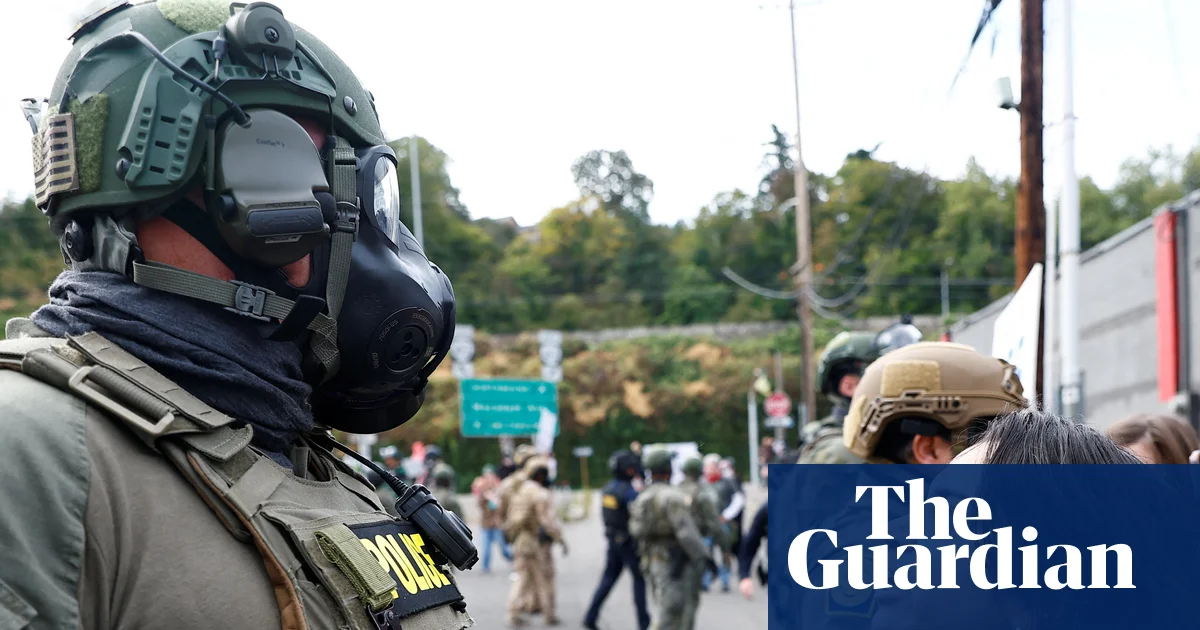
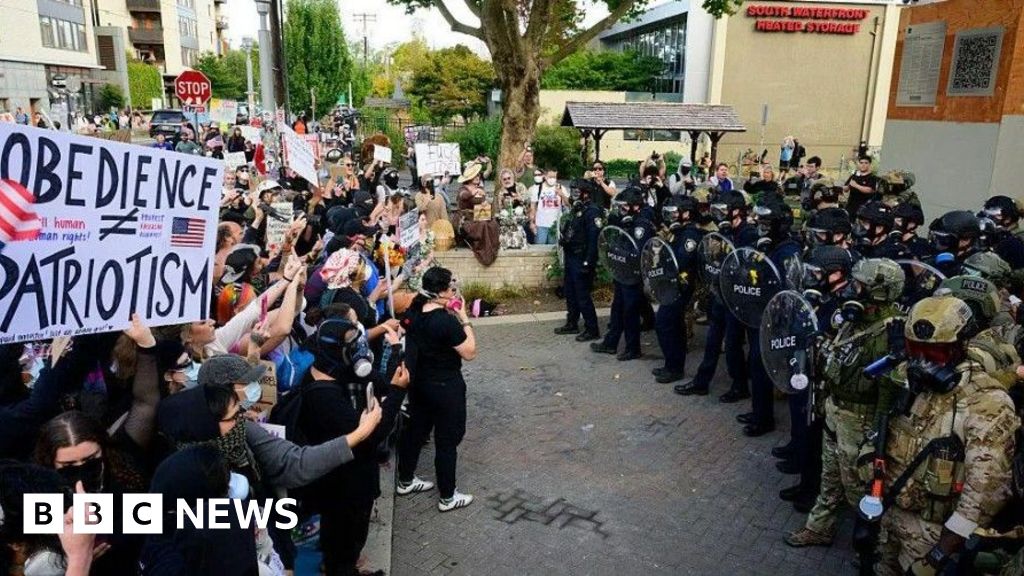
In an unprecedented turn of events, United States federal judiciary has stepped into a contentious battle over the deployment of National Guard troops across domestic borders, marking a significant moment in the ongoing struggle between federal authority and state sovereignty. The recent decision to temporarily block the Trump administration from dispatching troops from Texas and California to Portland, Oregon underscores the deepening cracks within American federalism. The ruling, delivered by US District Judge Karin Immergut, signals a notable restraint on executive power, emphasizing the importance of local consent and constitutional boundaries in deploying military force domestically. As tensions escalate, this judicial intervention warns of the delicate balance required when confronting chaos and unrest. It also raises crucial questions about the limits of presidential authority, especially when political disputes threaten to spiral into military occupations, altering the social fabric of cities already strained by protests and crises.

The controversy centers on the Trump administration’s effort to use the National Guard as a tool to quell protests linked to immigration enforcement and leftist activism, with Portland becoming the focal point of these efforts. The administration’s assertion that troop deployments are necessary to restore order clashes with legal interpretations that argue such actions infringe on state rights and could set dangerous precedents for federal overreach. The judge’s decision to authorize a temporary restraining order until at least October 19 reflects concern over the potential for militarized responses to inflame social tensions and undermine the sovereignty of local governments. Analysts warn that resorting to military force in urban centers risks transforming peaceful protests into battlegrounds, with lasting impacts on civil liberties and community trust.

This legal tussle reveals a broader geopolitical impact—a nation struggling to resolve internal divisions while its leaders attempt to project strength through military deployments. International organizations and historical experts have cautioned against the normalization of military interventions in American cities, warning that such actions could destabilize the domestic landscape and inspire similar strategies amidst other democracies facing unrest. The White House’s outspoken denouncement of the judge’s ruling, coupled with rhetoric portraying legal limits as “constitutional violations,” signals an alarming willingness to bypass judicial oversight in pursuit of a law-and-order agenda. Meanwhile, the proliferation of lawsuits from states like Illinois and the vocal opposition from state officials exemplify the intense federal-state power struggle, echoing historical conflicts over control, authority, and the rights of citizens.

As the situation unfolds, the spectacle of political tit-for-tat, legal battles, and security measures leaves a nation on the precipice of a pivotal chapter in its history. The decision to deploy or restrain military force amidst civil unrest will have profound and lasting consequences—not only for America’s social order but also for its global image. Today’s internal conflicts threaten to redefine the boundaries of power between state and federal authorities, shaping the course of democracy itself. The weight of history presses heavily on this moment, as the world watches from afar—will the United States uphold its founding principles or succumb to a new era of militarized governance? Only time will tell, but one thing remains certain: the unfolding saga is a stark reminder that the true battleground lies not only in the streets but also in the very fabric of national sovereignty and the enduring quest for constitutional justice.

Judge halts Trump’s attempt to send National Guard to Portland

US Federal Court Blocks Deployment of National Guard to Portland

In a pivotal legal decision that echoes across the United States, a federal judge has halted the Trump administration from deploying the National Guard to Portland, Oregon. This move ignited a fierce political debate about the use of military forces in domestic civil unrest. The court’s intervention highlights the ongoing struggle between federal authority and local sovereignty, with profound geopolitical impact that extends well beyond the Pacific Northwest. The administration had announced on 27 September its intention to send troops, claiming it was necessary to restore order amidst protests outside a federal immigration enforcement office. However, local officials and the state’s legal representatives argued that the situation was misrepresented, pointing to the city’s relatively calm protest activity in recent days. This legal setback underscores a broader narrative: the clash over federal intervention in domestic protests has become a microcosm of larger ideological battles,” explained Dr. Helena Strauss, a political analyst specializing in US civil-military relations.

The decision by Judge Immergut was based on a contention that the deployment would violate both the US Constitution and federal law. Critics argue that the Trump administration’s narrative paints Portland as a city embroiled in chaos, with Attorney General William Barr emphasizing the threat from “vicious and cruel radicals” that must be subdued with federal force. Conversely, local voices and Oregon’s attorney general declared that these claims are exaggerated; protests in Portland have largely been peaceful, sometimes comprising fewer than a dozen demonstrators. The court’s ruling not only halts the immediate deployment but also signals a warning against the unchecked use of force in what many see as a contentious effort to politicize law enforcement amid a highly polarized national climate.

This legal defeat for President Donald Trump marks a significant moment in the ongoing narrative of federal overreach. Since the start of his presidency, Trump has portrayed certain American cities—particularly those governed by Democrats—as lawless zones in need of military intervention. His designation of Antifa as a “major terrorist organization” was a deliberate move to stigmatize a loosely connected ideology opposed to fascism, but one that historically resists centralized control. Critics argue these labels serve to justify aggressive crackdowns, while supporters contend they are necessary to restore order. The international community watches as the US grapples with internal unrest, with many analyzing whether this pattern reveals a deeper strain within American democracy or an overreach by executive power in the guise of preserving law and order.

The geopolitical consequences are manifold. With China and Russia observing a nation in apparent disarray, the American image as a beacon of democratic stability is under strain. Historians warn that persistent federal overreach and internal conflicts risk undermining the U.S. global standing, especially in a world where soft power is crucial. The divisions exposed in Portland and other cities are not confined within borders—they threaten to reshape international alliances, weaken the American-led liberal order, and embolden adversaries who seek to exploit internal vulnerabilities. As observers like Dr. Samuel Ortega, an international relations scholar, note, “the difficulties faced in Portland are emblematic of a nation at a crossroads, where internal discord threatens to spill into the global arena, testing America’s role as a leader of stability and freedom.”

In this unfolding chapter of history, the struggle over Portland is more than a regional dispute; it is a sovereign test for the United States’ commitment to federalism, civil liberties, and democratic norms. As courts weigh in and protesters mobilize, the trajectory of this conflict will influence how nations perceive American resilience and resolve. The future remains uncertain, but the weight of history continues to press forward—an indelible reminder that the decisions made today will echo through generations, shaping the fabric of the free world itself.

Israel-Gaza Tensions: Airstrikes Continue Despite Trump’s Urgent Call for Ceasefire

Global Powers and Nations Confront a Tumultuous Turning Point in Gaza

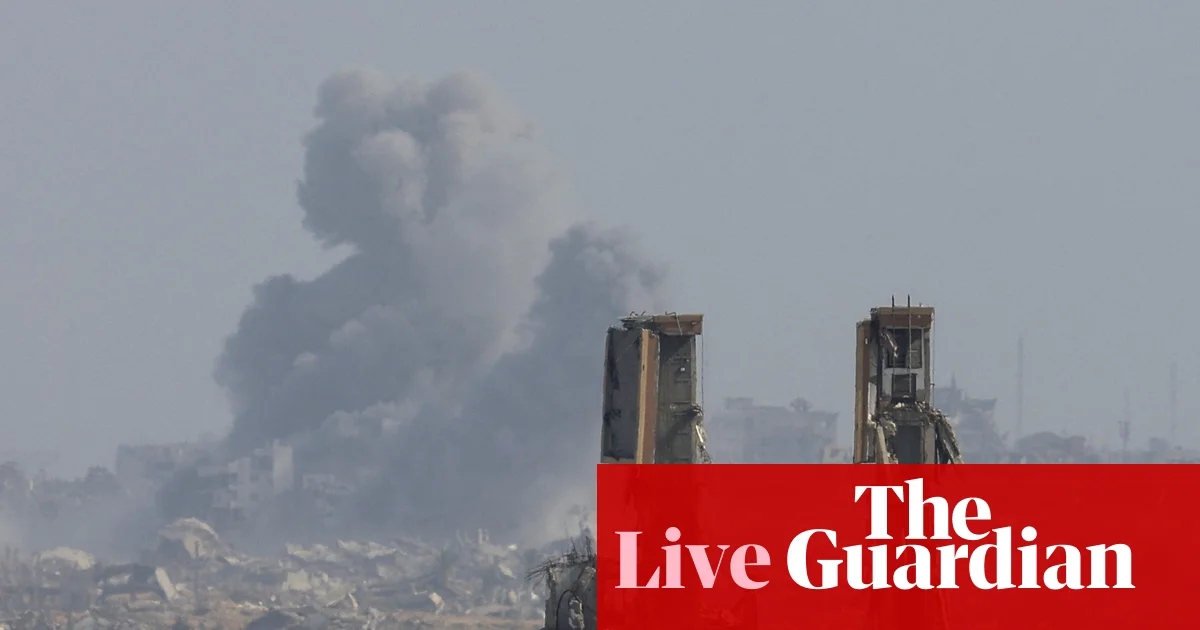
The latest reports from Gaza reveal a night of relentless violence, with the Gaza civil defense facilities reporting dozens of Israeli airstrikes and artillery shells despite calls from former President Donald Trump for an immediate ceasefire. The civil defense spokesman, Mahmud Bassal, underscores the severity: “It was a very violent night, during which the Israeli army carried out dozens of air strikes and shelling on Gaza City and other areas in the Strip, despite President Trump’s call to halt the bombing.” Casualties continue to mount as hospitals like Gaza City’s Baptist hospital and Nasser hospital in Khan Younis treat the wounded, including women and children caught in the crossfire.

This ongoing military campaign illustrates the complex and volatile layer of factors at play. Israel’s prime minister Benjamin Netanyahu has instructed the military to prepare for the “immediate implementation” of the first phase of Trump’s Gaza plan, which calls for the release of hostages and the potential surrender of Hamas’ control in Gaza. However, witnesses and analysts note the Israeli military’s recent intensification of bombing despite political formalities suggesting a shift toward a defensive posture. This juxtaposition reflects a broader dangerous fragmentation of military and diplomatic signals, complicating international efforts to mediate a ceasefire.

International Response and Power Dynamics in Flux

Global reactions remain deeply divided. United Nations Secretary-General António Guterres expressed cautious optimism, stating that “all parties should seize this opportunity” to end the conflict. Meanwhile, the European Union and several major nations like UK, Germany, India, and Canada voiced support for Trump’s proposed plan, emphasizing the importance of hostage releases, disarmament, and a pathway to peace based on a two-state solution. Notably, Germany’s Chancellor Friedrich Merz underscored the urgency: “The hostages must be released. Hamas must disarm. The fighting must cease immediately.” This international backing signals a notable shift, perhaps the most hopeful since two years of relentless violence marked by Israeli missile strikes and Palestinian resistance.

However, the situation remains precarious. Hamas has responded cautiously to Trump’s initiative, with their official stance signaling a willingness to negotiate over some issues, but not a clear commitment to disarmament or a complete ceasefire. The group’s endorsement of limited points of the US plan coincides with a declaration by Palestinian Islamic Jihad that it aligns with Hamas’ stance, thereby reinforcing a fragile unity. Heavier warnings are issued from Jerusalem and Tel Aviv, with Israeli officials signaling readiness for swift military action if diplomatic efforts falter.

The Geopolitical Weight and Future of the Middle East

Decades of pedagogical understanding from historians and several reports from the International Crisis Group point to a pivotal moment: the decisions made now could reconfigure the entire geopolitical landscape of the Middle East for generations. As Egypt and Qatar prepare intra-Palestinian dialogues and international mediators strain for an enduring peace, the underlying question remains: will the current promises translate into a sustainable peace or an escalating regional crisis?

With Turkey expecting the return of dozens of nationals seized at sea, and Israel positioning itself for a strategic shift, the regional balance hangs in the balance. The international community watches with bated breath as leaders, from Anthony Albanese of Australia to Narendra Modi of India, rally behind prospects for a two-state solution. Yet, beneath these diplomatic overtures, the threat of renewed conflict and regional destabilization lingers—a reminder that in the theater of geopolitics, every decision carries the weight of history, and the stage is set for a future that is yet unwritten.

Analyzing Trump's Gaza peace proposal: What it really means for youth and future security
Analyzing Trump’s Gaza peace proposal: What it really means for youth and future security

The announcement by President Trump of a comprehensive 20-point peace plan targeting the ongoing conflict in Gaza marks a significant shift in the geopolitical landscape of the Middle East. Leveraging his administration’s influence, Trump’s initiative aims to reshape the current stalemate through clearly outlined troop withdrawal lines and diplomatic concessions. This development is being closely scrutinized by international analysts, who emphasize the unorthodox approach it represents amidst longstanding tensions.

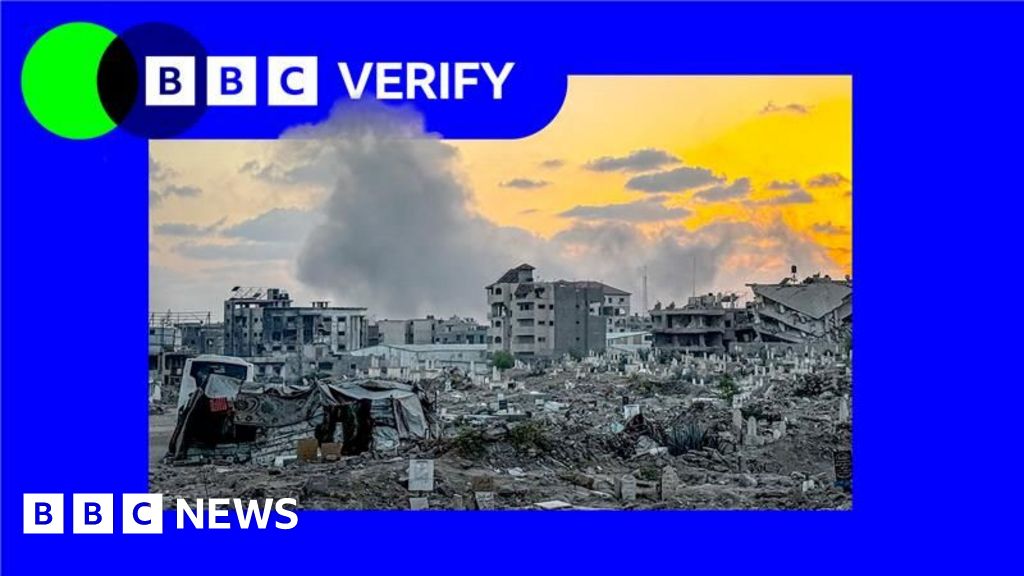
Analysis by BBC Verify and satellite imagery—as detailed by journalist Merlyn Thomas—reveals the extent of the military control exerted by Israel over Gaza, presenting a stark picture of the ground realities. The proposed plan’s success hinges on the Israeli government’s willingness to adhere to the outlined troop reduction points, which could herald a new chapter in the conflict but also poses considerable risks. Governments across the globe are divided in their support, with some emphasizing the necessity of territorial compromise, while others warn against rushing into solutions that could destabilize the region further.

Economists and security experts have voiced their concerns, noting that the deal’s potential to alter regional power dynamics is profound. The United Nations and other international bodies have registered cautious interest, emphasizing that any peace initiative must consider the long-term sovereignty and security concerns of both sides. Historically, peace plans in Gaza have often fallen short due to unresolved core issues such as borders, refugees, and Jerusalem’s status. The current proposal, therefore, risks becoming another chapter in this troubled legacy—unless it manages to address these critical issues comprehensively.

Historians warn that decisions made today could dictate the course of Middle Eastern history for generations. The unfolding scenario bears the weight of decades of conflict, with some analysts arguing that any potential success hinges on the international community’s ability to maintain pressure and provide credible guarantees. The stakes are exceedingly high; a failure to forge lasting peace could escalate the region’s instability and lead to unchecked violence. As global powers watch with bated breath, the decisions of Israel, Palestinian leaders, and the United States will undoubtedly leave a mark on history, whether as a testament to diplomacy or a somber reminder of missed opportunities.

As the world stands on this precipice, one cannot help but feel that history is once again writing itself in the sands of Gaza. The coming days will reveal whether this ambitious plan fulfills its promise, or whether it becomes yet another chapter of broken promises. With the weight of centuries pressing down upon these fragile negotiations, the rising chorus of uncertainty echoes into a future yet to be shaped — a future where the echoes of today’s decisions may reverberate for eternity.

Gazans and Israelis React: Trump’s Plan Sparks Divergent Views

The recent announcement of U.S. President Donald Trump’s peace proposal to resolve the ongoing conflict between Israel and Hamas has sparked a wave of reactions across the Middle East and beyond. The plan, unveiled in coordination with Israeli Prime Minister Benjamin Netanyahu, proposes a transitional governance structure for Gaza—a region long battleground for violence and political upheaval. At its core, this initiative envisions a “board of peace,” headed by Trump himself, to oversee a transitional administration in Gaza, ostensibly paving the way for long-term stability. While some local leaders and international allies have expressed cautious support, the plan also faces heavy skepticism and deep-rooted concerns about its feasibility and implications.

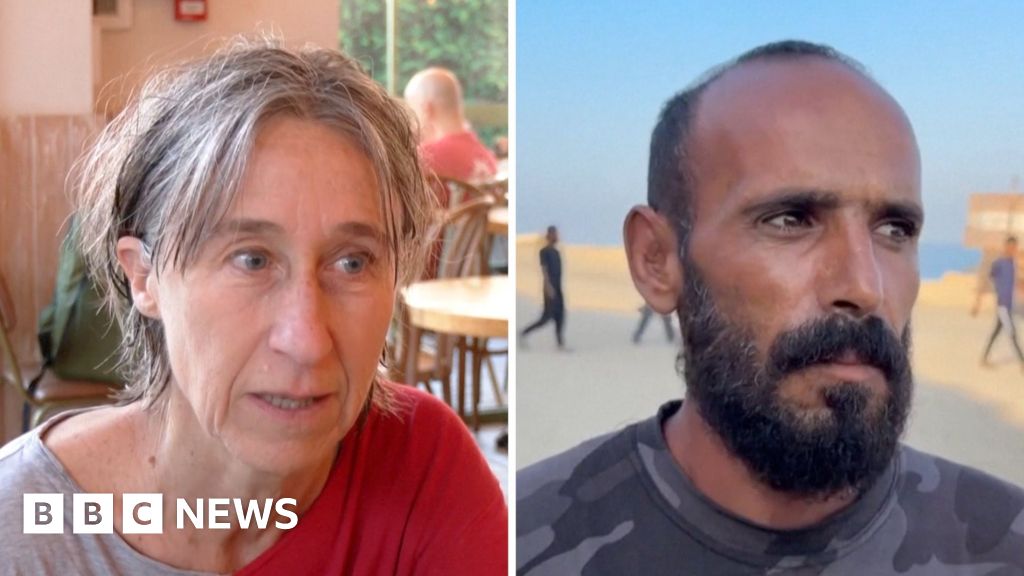
Among the voices converging on this issue, some Israelis interviewed in Jerusalem have voiced guarded optimism, though their doubts remain palpable. They question whether Hamas, after nearly two years of persistent conflict, will genuinely disarm or accept a negotiated settlement. “It’s a step in the right direction,” one Israeli commented at a local café, “but the real challenge is whether Hamas will abide by such agreements. The history of failed peace processes weighs heavily on us.” Conversely, Palestinian residents of Gaza—some displaced by violence—have sounded a different alarm. They ask whether the plan considers their needs or is primarily focused on regional stability. Many express frustration that prior international efforts have overlooked the human toll, especially amid reports suggesting that Trump’s broader diplomatic ambitions might include economic projects, such as resorts, on Palestinian land—an idea that has inflamed tensions and raised questions about whether actual peace is the goal or merely a facade for territorial and economic gains.

This historic shift in diplomacy has drawn mixed reactions from across the geopolitical spectrum. European nations and regional powers such as Egypt and Jordan have expressed qualified support, urging caution and emphasizing the importance of addressing core issues like refugee rights, borders, and Jerusalem’s status. Notably, the European Union and the Arab League have called for comprehensive negotiations, warning that partial solutions could exacerbate existing fractures. International organizations, including the United Nations, have also issued statements stressing the importance of respecting international law and fostering dialogue rooted in mutual recognition and respect. However, critics, including renowned analysts and historians, warn that such high-level interventions risk overlooking the grassroots realities and the deep-seated grievances that fuel the conflict. Their concern is that a superficial diplomatic fix might merely postpone inevitable volatility, with history’s lessons from unresolved conflicts in the Balkans and the Middle East repeatedly cautioning against hasty peace impositions.

Ultimately, the geopolitical impact of this new initiative hinges on how each side perceives its legitimacy and efficacy. Israel views the plan as a potential breakthrough—a possibility to embed a lasting peace after years of instability—while Palestinian factions consider it a threatening capitulation if their core rights are sidestepped. The conflict’s complexity emphasizes that decisions made today will ripple through generations, shaping societies and borders for decades to come. As the international community watches with bated breath, the weight of history hangs in the balance: will this new chapter finally forge a lasting peace, or will it serve as a fleeting pause before the next storm erupts? The story remains unwritten, but the coming days will determine whether hope or despair claims the day.

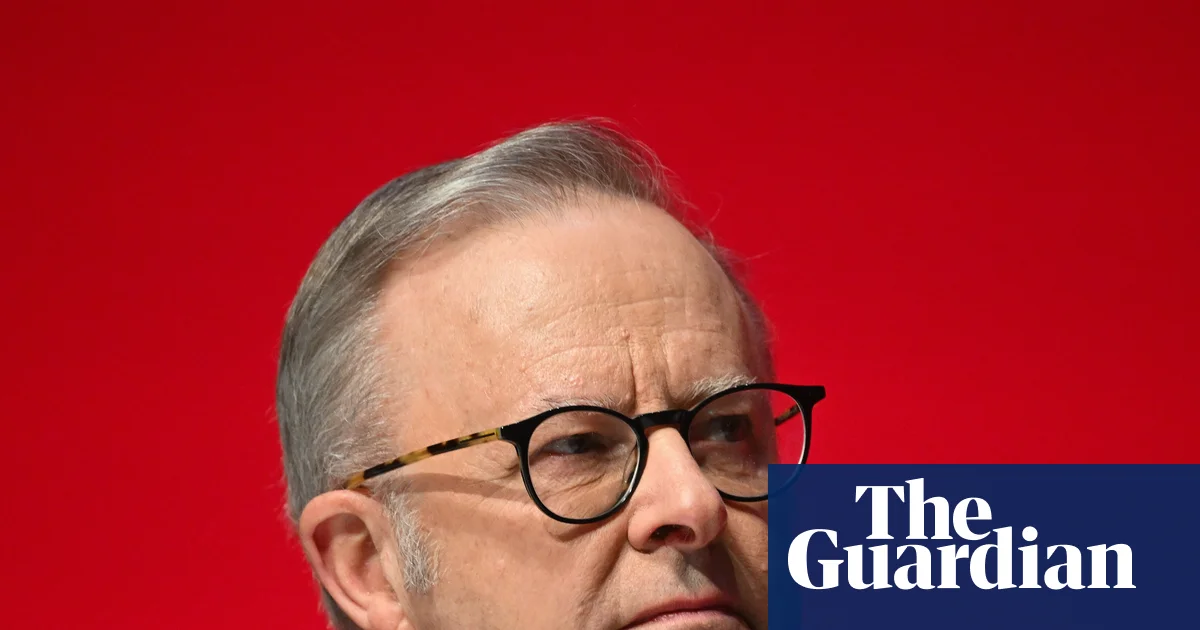
Australia Backs Trump’s Bold 20-Point Peace Plan for Gaza—A Fresh Hope for the Future

Global Reactions to Trump’s 20-Point Peace Plan for Gaza: A New Chapter in Middle Eastern Diplomacy

The recent announcement of President Donald Trump’s 20-point peace plan for Gaza has ignited a complex web of international responses, reflecting both cautious optimism and deep skepticism. The plan, unveiled alongside Israeli Prime Minister Benjamin Netanyahu, proposes a transitional “apolitical” governance committee for Gaza, with the United States potentially leading the effort. Australian Prime Minister Anthony Albanese has publicly welcomed the initiative, calling it a ‘door open’ to the elusive two-state solution that many analysts believe is the only sustainable pathway to peace. Albanese’s diplomatic comments, made during his trip to the US, UK, and UAE, underscore a shift among allies toward supporting specific diplomatic proposals amid ongoing regional turmoil.

Particularly notable is the broad regional backing for the plan’s emphasis on Palestinian self-determination, with Indonesia and Pakistan explicitly endorsing the proposals. These nations have traditionally shown solidarity with Palestinian aspirations, and their support signals a regional consensus that, despite its flaws, the plan might serve as a foundation for alleviating suffering and reducing violence. Nevertheless, the plan’s effectiveness hinges on Hamas’s willingness to disarm and accept the transition, a condition that commentators and former experts warn could predicate future failure. As international organizations like the UNO and analysts from think tanks observe, the plan’s success depends on whether key players—most critically Hamas—are willing to abandon violent opposition, a move seen by many as tantamount to signing their own political death warrants.

Nevertheless, the plan’s details are a matter of fierce debate. Critics from the Greens, citing Palestinian sovereignty, argue the initiative may be yet another iteration of external forces imposing a solution without genuine Palestinian agency. Mehreen Faruqi contends that the US-led effort, with figures like Tony Blair involved, does little to foster authentic independence for Palestine, warning that it could merely perpetuate a cycle of occupation under a new guise. Meanwhile, Australia’s opposition remains divided—some see it as a *beacon of hope*, whereas others worry it could undermine Palestine’s right to self-governance. The Coalition’s stance, to revoke recognition of Palestinian statehood, signals a potential retreat from diplomatic recognition, which could destabilize regional prospects further.

Throughout this evolving diplomatic theater, the geopolitical impact remains profound. The plan’s anticipated impact on regional stability, coupled with potential shifts in alliances—especially between the US, Britain, and Middle Eastern nations—could alter the balance of power for decades to come. Historians and international analysts warn that these decisions will be scrutinized in the corridors of history, as one of the most pivotal moments in the Middle East since the original accords. As leaders grapple with the aftermath of decades of conflict, the question remains whether the region can pivot toward peace or whether it risks yet another cycle of violence, entrenching divisions that threaten to spiral out of control.

In the shadows of these high-stakes negotiations, the weight of history lingers, whispering of past hopes dashed and wars fought over uncertain promises. The world now watches as the chapters of this story are written, unsure whether this latest diplomatic effort will spark a new dawn or plunge the region deeper into chaos. For the youth across continents—those who will inherit the future—the decisions made today may very well determine whether peace, elusive yet desperately yearned for, becomes a genuine possibility or remains a distant, fading dream.

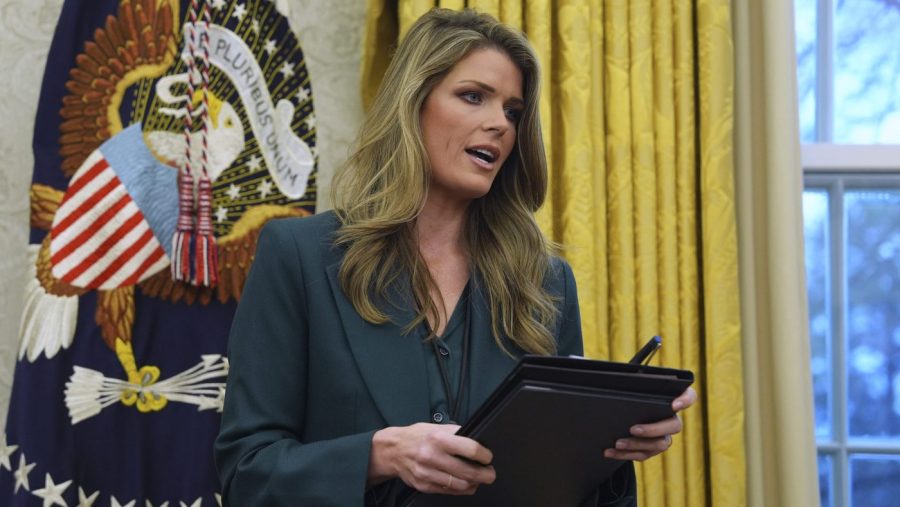
Who is Lindsey Halligan, the Trump appointee overseeing the Comey case?
Who’s Lindsey Halligan? Trump’s appointee leading the Comey investigation.

Power Plays and Political Stakes: The Case of Lindsey Halligan

In the rapidly shifting landscape of American politics, few events exemplify the ongoing power struggles that define this era like the recent rise of Lindsey Halligan. From relative obscurity to the forefront of national attention within days, Halligan’s appointment as the *top prosecutor* in the case against former FBI Director James Comey signals more than a candid legal pursuit—it unveils a broader battle for control over the narrative, institutions, and the very fabric of American law and order. Her trajectory, marked by close ties to  President Donald Trump—having served as his personal lawyer and a White House official—attests to a crucial shift: the intertwining of legal challenges with partisan strategy, where decisions ripple out to shape the political terrain for generations.

Halligan’s swift ascendance reveals an underlying conflict of authority—a challenge to entrenched bureaucracies and the establishment’s hold over government agencies. Her role in pursuing Comey, a figure once revered within the Democratic establishment, exemplifies a broader *uprising* aimed at reasserting executive influence and accountability. Such legal pursuits are not merely about justice; they are about asserting power dynamics that threaten to redraw the boundaries of institutional independence. The decision to elevate Halligan, a figure connected intimately to Trump’s inner circle, underscores the ideological and strategic battles that threaten to redefine the American legal state—a state no longer purely apolitical but increasingly infused with partisan energy.

This shifting paradigm resonates with historical echoes of constitutional confrontation—from Jefferson versus Adams to the tumult of Civil War-era disputes over federal vs. states’ rights. Today, critics argue that decisions like these threaten to derail the ‘separation of powers’—central to American constitutional design—and place an emphasis on *power consolidation*. The escalation of these conflicts reveals how political actors are harnessing legal mechanisms not just for justice but as tools for control, revealing a deep-seated truth: that in politics, law is often the battleground where the future’s fate is penned, often in ink darker than the truth itself.

Looking ahead, the outcome of this high-stakes legal chess game portends even greater power struggles. As experts—ranging from constitutional scholars to political theorists—scrutinize each move, one fact remains clear: these decisions are sculpting a new political order where the line between legal authority and political dominance blurs. The question persists—will Justice be the guiding principle, or will it be weaponized as a strategic asset in the relentless pursuit of power? As history unfurls, the spectacle underscores that politics is not merely about policy but a grand, unending script where the fate of nations is written in the ink of determination and rivalry, etched on the pages of influence and authority. In this stage of relentless contestation, the only certainty is this: as long as power struggles persist, the destiny of America will be inscribed by those daring enough to shape the rules of the game.

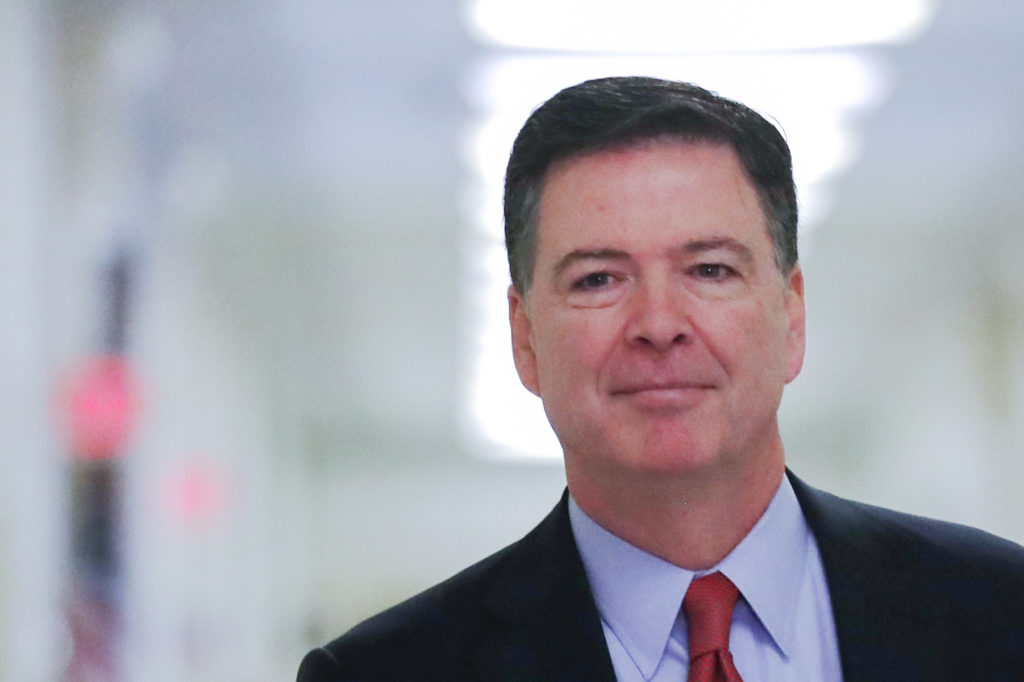
U.S. former FBI Director Comey arrives to give closed-door testimony to the House Oversight and House Judiciary committees...
Trump’s team releases detailed indictment of FBI’s Comey, revealing new insight

The latest chapter in the ongoing saga of American political power struggles unfolded as the Department of Justice, under the influence of President Donald Trump, initiated unprecedented legal actions against the former FBI Director, James Comey. This development signals more than mere legal proceedings; it exemplifies how the battle for control over narratives and institutions defines the current political landscape, with profound implications for the direction of the nation.

Trump’s aggressive retribution campaign against perceived enemies, once dismissed by critics as vindictive, is now manifesting in tangible actions that reshape the boundaries of executive authority. The decision to press criminal charges against Comey is emblematic of a broader strategy to reassert dominance over the so-called “Deep State,” framing these legal maneuvers as a fight against entrenched bureaucratic interests hostile to populist reforms. Historically, this echoes moments like the erosion of Congress’s authority during the Jacksonian era, where executive overreach challenged established norms. Today, these moves challenge the traditional notion of separation of powers, raising critical questions about the balance between legal accountability and political vendettas.

Legal scholars and constitutional experts debate whether the justice served under this new regime constitutes a genuine effort to uphold the rule of law or if it is a strategic tool in the power struggle. The decision to target figures like Comey — once seen as custodians of justice — can be viewed as a deliberate attempt to discredit institutions that could constrain presidential authority. Decisions such as these echo the words of political theorists like Carl Schmitt, who argued that sovereignty lies with the one who decides on the exception. Consequently, the unfolding events emphasize that in this era, political power is increasingly contested not just in legislative halls but within the very fabric of judicial and bureaucratic institutions, which are being reshaped to serve new ideological aims.

As history shows, if these trends continue, the power dynamics redefine what it means for the government to serve the people. When the stakes are no longer limited to policy but extend to control over the state’s core mechanisms, the condition of American democracy becomes a battlefield for alternatives — either a return to foundational principles or the consolidation of a new, executive-centric order. Much like the tumultuous constitutional conflicts during the founding era and subsequent crises, today’s developments reveal that politics is less about policy and more about destiny. The choices made now — whether in arrests or pardons, in laws passed or ignored — will determine which version of America will emerge, for better or worse, as history continues to be written on the stage where power is contested and sovereignty is claimed.”

Social Media Auto Publish Powered By : XYZScripts.com