Matox News

Truth Over Trends, always!

Gazans and Israelis React: Trump’s Plan Sparks Divergent Views

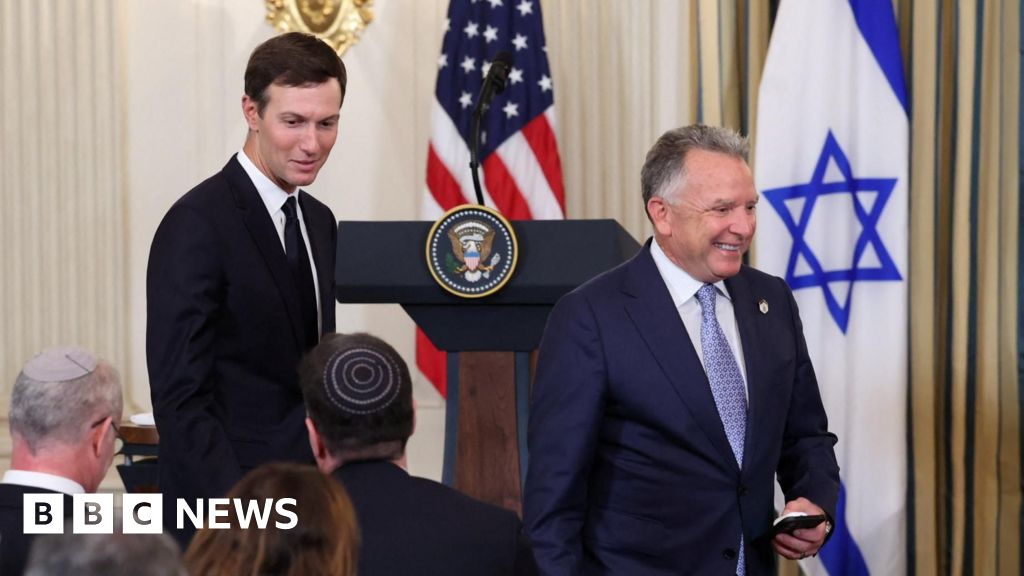
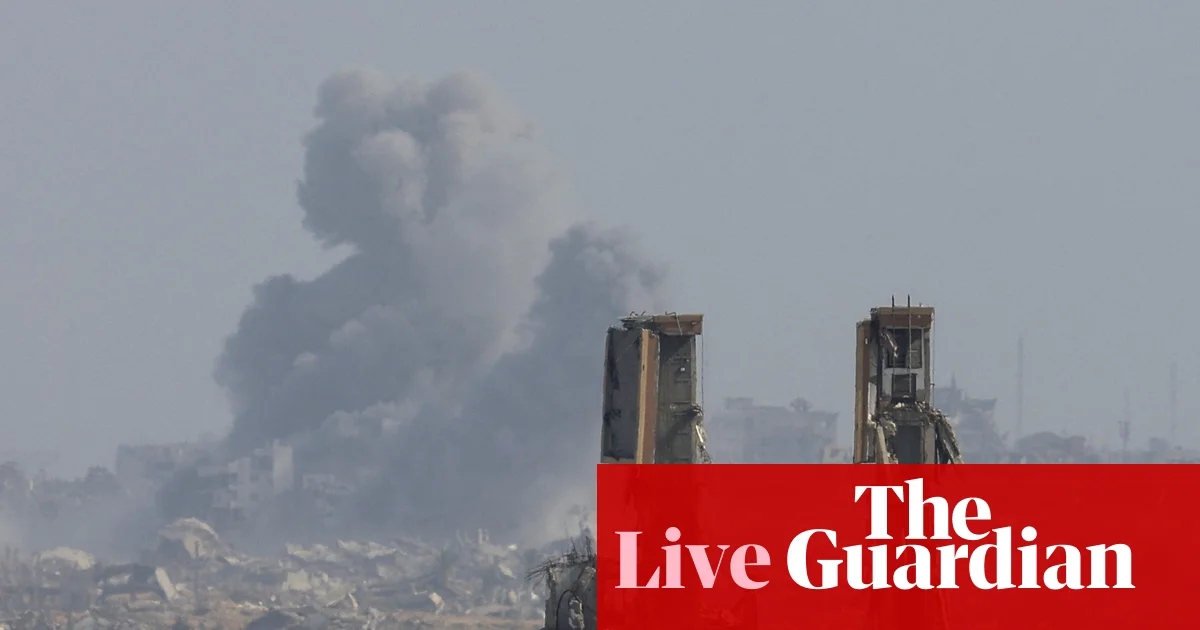
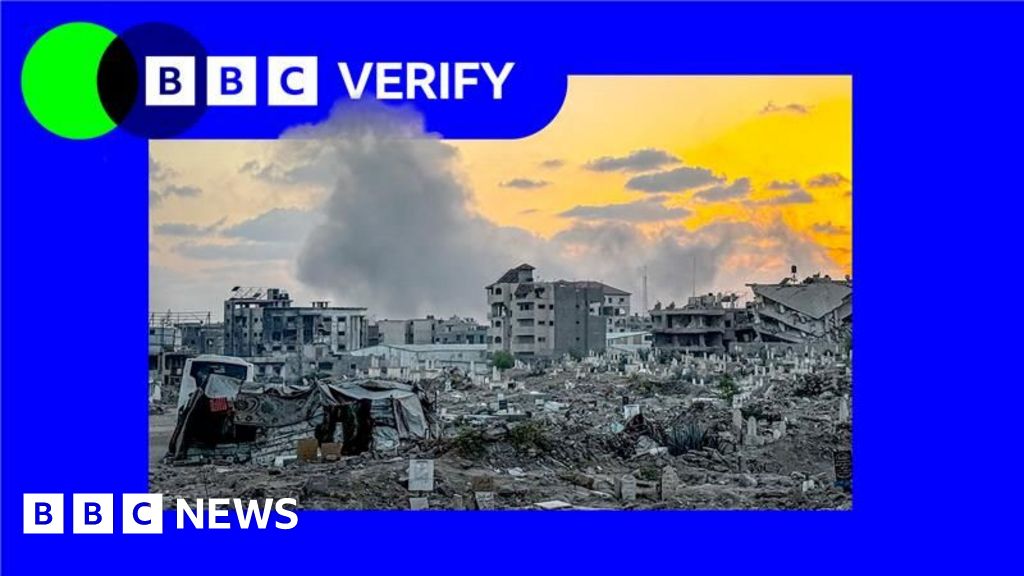
The recent announcement of U.S. President Donald Trump’s peace proposal to resolve the ongoing conflict between Israel and Hamas has sparked a wave of reactions across the Middle East and beyond. The plan, unveiled in coordination with Israeli Prime Minister Benjamin Netanyahu, proposes a transitional governance structure for Gaza—a region long battleground for violence and political upheaval. At its core, this initiative envisions a “board of peace,” headed by Trump himself, to oversee a transitional administration in Gaza, ostensibly paving the way for long-term stability. While some local leaders and international allies have expressed cautious support, the plan also faces heavy skepticism and deep-rooted concerns about its feasibility and implications.

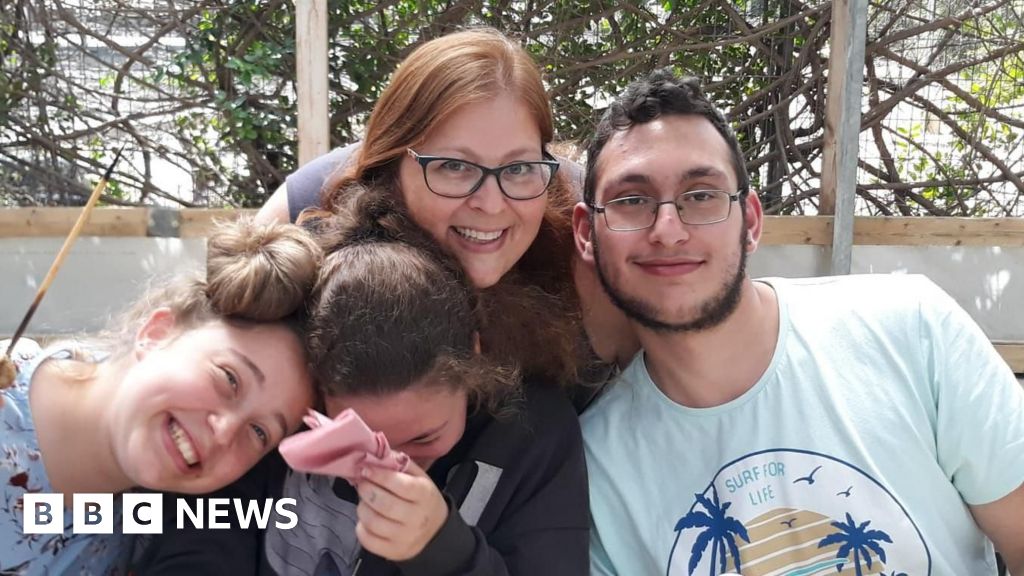
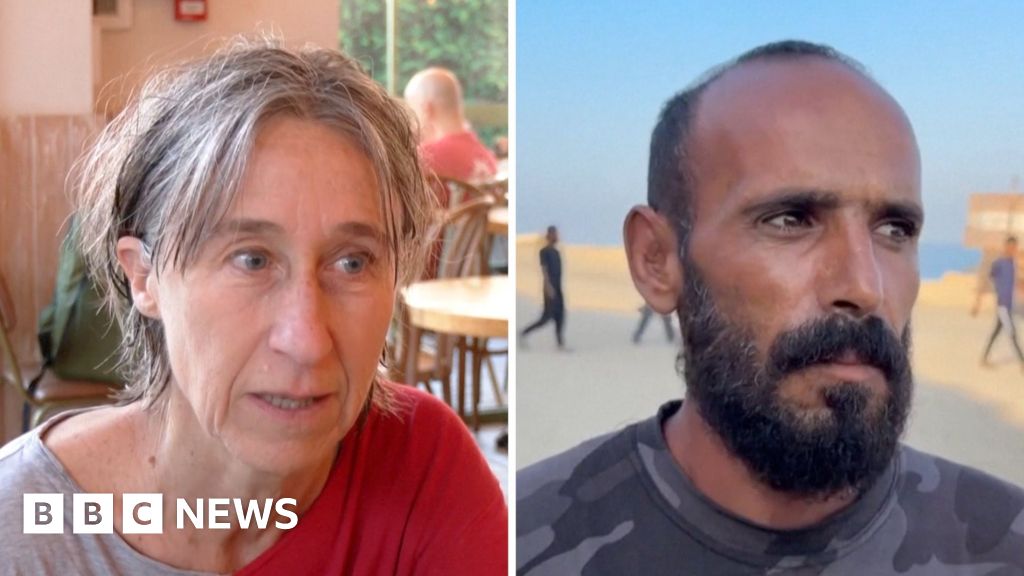
Among the voices converging on this issue, some Israelis interviewed in Jerusalem have voiced guarded optimism, though their doubts remain palpable. They question whether Hamas, after nearly two years of persistent conflict, will genuinely disarm or accept a negotiated settlement. “It’s a step in the right direction,” one Israeli commented at a local café, “but the real challenge is whether Hamas will abide by such agreements. The history of failed peace processes weighs heavily on us.” Conversely, Palestinian residents of Gaza—some displaced by violence—have sounded a different alarm. They ask whether the plan considers their needs or is primarily focused on regional stability. Many express frustration that prior international efforts have overlooked the human toll, especially amid reports suggesting that Trump’s broader diplomatic ambitions might include economic projects, such as resorts, on Palestinian land—an idea that has inflamed tensions and raised questions about whether actual peace is the goal or merely a facade for territorial and economic gains.

This historic shift in diplomacy has drawn mixed reactions from across the geopolitical spectrum. European nations and regional powers such as Egypt and Jordan have expressed qualified support, urging caution and emphasizing the importance of addressing core issues like refugee rights, borders, and Jerusalem’s status. Notably, the European Union and the Arab League have called for comprehensive negotiations, warning that partial solutions could exacerbate existing fractures. International organizations, including the United Nations, have also issued statements stressing the importance of respecting international law and fostering dialogue rooted in mutual recognition and respect. However, critics, including renowned analysts and historians, warn that such high-level interventions risk overlooking the grassroots realities and the deep-seated grievances that fuel the conflict. Their concern is that a superficial diplomatic fix might merely postpone inevitable volatility, with history’s lessons from unresolved conflicts in the Balkans and the Middle East repeatedly cautioning against hasty peace impositions.

Ultimately, the geopolitical impact of this new initiative hinges on how each side perceives its legitimacy and efficacy. Israel views the plan as a potential breakthrough—a possibility to embed a lasting peace after years of instability—while Palestinian factions consider it a threatening capitulation if their core rights are sidestepped. The conflict’s complexity emphasizes that decisions made today will ripple through generations, shaping societies and borders for decades to come. As the international community watches with bated breath, the weight of history hangs in the balance: will this new chapter finally forge a lasting peace, or will it serve as a fleeting pause before the next storm erupts? The story remains unwritten, but the coming days will determine whether hope or despair claims the day.

Australia Backs Trump’s Bold 20-Point Peace Plan for Gaza—A Fresh Hope for the Future

Global Reactions to Trump’s 20-Point Peace Plan for Gaza: A New Chapter in Middle Eastern Diplomacy

The recent announcement of President Donald Trump’s 20-point peace plan for Gaza has ignited a complex web of international responses, reflecting both cautious optimism and deep skepticism. The plan, unveiled alongside Israeli Prime Minister Benjamin Netanyahu, proposes a transitional “apolitical” governance committee for Gaza, with the United States potentially leading the effort. Australian Prime Minister Anthony Albanese has publicly welcomed the initiative, calling it a ‘door open’ to the elusive two-state solution that many analysts believe is the only sustainable pathway to peace. Albanese’s diplomatic comments, made during his trip to the US, UK, and UAE, underscore a shift among allies toward supporting specific diplomatic proposals amid ongoing regional turmoil.

Particularly notable is the broad regional backing for the plan’s emphasis on Palestinian self-determination, with Indonesia and Pakistan explicitly endorsing the proposals. These nations have traditionally shown solidarity with Palestinian aspirations, and their support signals a regional consensus that, despite its flaws, the plan might serve as a foundation for alleviating suffering and reducing violence. Nevertheless, the plan’s effectiveness hinges on Hamas’s willingness to disarm and accept the transition, a condition that commentators and former experts warn could predicate future failure. As international organizations like the UNO and analysts from think tanks observe, the plan’s success depends on whether key players—most critically Hamas—are willing to abandon violent opposition, a move seen by many as tantamount to signing their own political death warrants.

Nevertheless, the plan’s details are a matter of fierce debate. Critics from the Greens, citing Palestinian sovereignty, argue the initiative may be yet another iteration of external forces imposing a solution without genuine Palestinian agency. Mehreen Faruqi contends that the US-led effort, with figures like Tony Blair involved, does little to foster authentic independence for Palestine, warning that it could merely perpetuate a cycle of occupation under a new guise. Meanwhile, Australia’s opposition remains divided—some see it as a *beacon of hope*, whereas others worry it could undermine Palestine’s right to self-governance. The Coalition’s stance, to revoke recognition of Palestinian statehood, signals a potential retreat from diplomatic recognition, which could destabilize regional prospects further.

Throughout this evolving diplomatic theater, the geopolitical impact remains profound. The plan’s anticipated impact on regional stability, coupled with potential shifts in alliances—especially between the US, Britain, and Middle Eastern nations—could alter the balance of power for decades to come. Historians and international analysts warn that these decisions will be scrutinized in the corridors of history, as one of the most pivotal moments in the Middle East since the original accords. As leaders grapple with the aftermath of decades of conflict, the question remains whether the region can pivot toward peace or whether it risks yet another cycle of violence, entrenching divisions that threaten to spiral out of control.

In the shadows of these high-stakes negotiations, the weight of history lingers, whispering of past hopes dashed and wars fought over uncertain promises. The world now watches as the chapters of this story are written, unsure whether this latest diplomatic effort will spark a new dawn or plunge the region deeper into chaos. For the youth across continents—those who will inherit the future—the decisions made today may very well determine whether peace, elusive yet desperately yearned for, becomes a genuine possibility or remains a distant, fading dream.

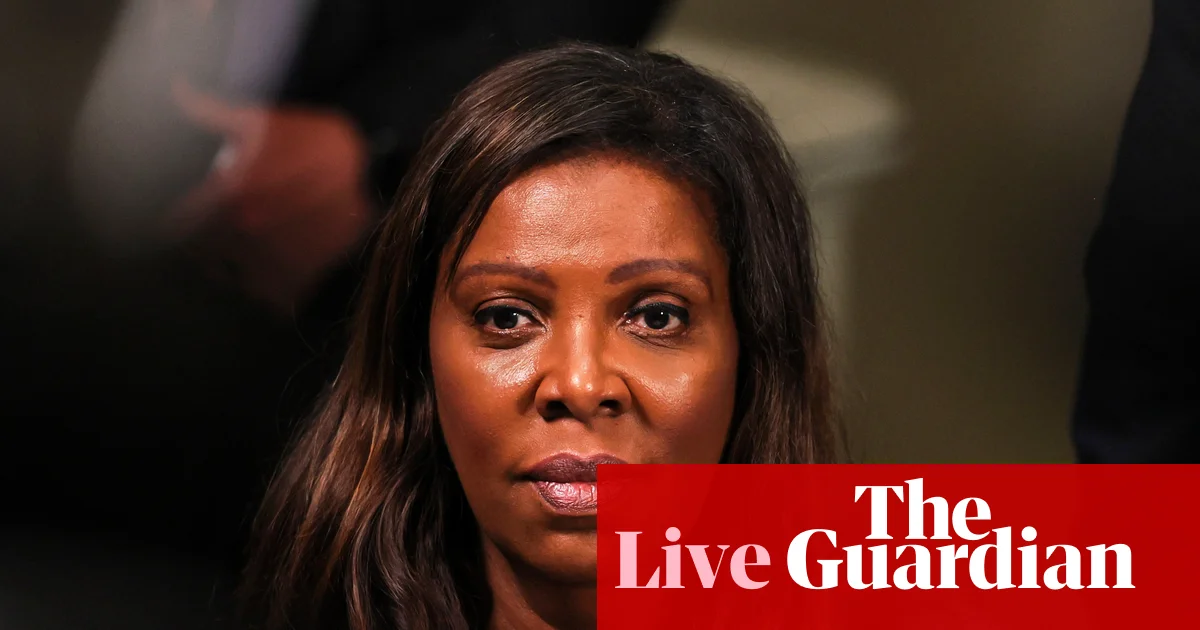
Who is Lindsey Halligan, the Trump appointee overseeing the Comey case?
Who’s Lindsey Halligan? Trump’s appointee leading the Comey investigation.

Power Plays and Political Stakes: The Case of Lindsey Halligan

In the rapidly shifting landscape of American politics, few events exemplify the ongoing power struggles that define this era like the recent rise of Lindsey Halligan. From relative obscurity to the forefront of national attention within days, Halligan’s appointment as the *top prosecutor* in the case against former FBI Director James Comey signals more than a candid legal pursuit—it unveils a broader battle for control over the narrative, institutions, and the very fabric of American law and order. Her trajectory, marked by close ties to  President Donald Trump—having served as his personal lawyer and a White House official—attests to a crucial shift: the intertwining of legal challenges with partisan strategy, where decisions ripple out to shape the political terrain for generations.

Halligan’s swift ascendance reveals an underlying conflict of authority—a challenge to entrenched bureaucracies and the establishment’s hold over government agencies. Her role in pursuing Comey, a figure once revered within the Democratic establishment, exemplifies a broader *uprising* aimed at reasserting executive influence and accountability. Such legal pursuits are not merely about justice; they are about asserting power dynamics that threaten to redraw the boundaries of institutional independence. The decision to elevate Halligan, a figure connected intimately to Trump’s inner circle, underscores the ideological and strategic battles that threaten to redefine the American legal state—a state no longer purely apolitical but increasingly infused with partisan energy.

This shifting paradigm resonates with historical echoes of constitutional confrontation—from Jefferson versus Adams to the tumult of Civil War-era disputes over federal vs. states’ rights. Today, critics argue that decisions like these threaten to derail the ‘separation of powers’—central to American constitutional design—and place an emphasis on *power consolidation*. The escalation of these conflicts reveals how political actors are harnessing legal mechanisms not just for justice but as tools for control, revealing a deep-seated truth: that in politics, law is often the battleground where the future’s fate is penned, often in ink darker than the truth itself.

Looking ahead, the outcome of this high-stakes legal chess game portends even greater power struggles. As experts—ranging from constitutional scholars to political theorists—scrutinize each move, one fact remains clear: these decisions are sculpting a new political order where the line between legal authority and political dominance blurs. The question persists—will Justice be the guiding principle, or will it be weaponized as a strategic asset in the relentless pursuit of power? As history unfurls, the spectacle underscores that politics is not merely about policy but a grand, unending script where the fate of nations is written in the ink of determination and rivalry, etched on the pages of influence and authority. In this stage of relentless contestation, the only certainty is this: as long as power struggles persist, the destiny of America will be inscribed by those daring enough to shape the rules of the game.

U.S. former FBI Director Comey arrives to give closed-door testimony to the House Oversight and House Judiciary committees...
Trump’s team releases detailed indictment of FBI’s Comey, revealing new insight

The latest chapter in the ongoing saga of American political power struggles unfolded as the Department of Justice, under the influence of President Donald Trump, initiated unprecedented legal actions against the former FBI Director, James Comey. This development signals more than mere legal proceedings; it exemplifies how the battle for control over narratives and institutions defines the current political landscape, with profound implications for the direction of the nation.

Trump’s aggressive retribution campaign against perceived enemies, once dismissed by critics as vindictive, is now manifesting in tangible actions that reshape the boundaries of executive authority. The decision to press criminal charges against Comey is emblematic of a broader strategy to reassert dominance over the so-called “Deep State,” framing these legal maneuvers as a fight against entrenched bureaucratic interests hostile to populist reforms. Historically, this echoes moments like the erosion of Congress’s authority during the Jacksonian era, where executive overreach challenged established norms. Today, these moves challenge the traditional notion of separation of powers, raising critical questions about the balance between legal accountability and political vendettas.

Legal scholars and constitutional experts debate whether the justice served under this new regime constitutes a genuine effort to uphold the rule of law or if it is a strategic tool in the power struggle. The decision to target figures like Comey — once seen as custodians of justice — can be viewed as a deliberate attempt to discredit institutions that could constrain presidential authority. Decisions such as these echo the words of political theorists like Carl Schmitt, who argued that sovereignty lies with the one who decides on the exception. Consequently, the unfolding events emphasize that in this era, political power is increasingly contested not just in legislative halls but within the very fabric of judicial and bureaucratic institutions, which are being reshaped to serve new ideological aims.

As history shows, if these trends continue, the power dynamics redefine what it means for the government to serve the people. When the stakes are no longer limited to policy but extend to control over the state’s core mechanisms, the condition of American democracy becomes a battlefield for alternatives — either a return to foundational principles or the consolidation of a new, executive-centric order. Much like the tumultuous constitutional conflicts during the founding era and subsequent crises, today’s developments reveal that politics is less about policy and more about destiny. The choices made now — whether in arrests or pardons, in laws passed or ignored — will determine which version of America will emerge, for better or worse, as history continues to be written on the stage where power is contested and sovereignty is claimed.”

Sadiq Khan Responds to Trump’s Controversial Remarks on Diversity Issues

Power Struggles at the UN: Analyzing the Clash Between Trump and Khan

The recent exchange between Donald Trump, the President of the United States, and Sadiq Khan, the Mayor of London, highlights ongoing power struggles that not only define individual political careers but also shape international relations. In a pointed address at the United Nations General Assembly, Trump labeled Khan as “terrible” and accused the mayor of steering London toward “sharia law.” This sparked a vehement rebuttal from Khan, who described Trump as “racist, sexist, misogynistic, and Islamophobic.” Such rhetorical confrontations exemplify the divisive political landscape both leaders inhabit, raising questions about the impact of national leadership on urban governance.

The fallout from Trump’s comments has galvanized members of the Labour Party, who rushed to defend Khan, emphasizing his role as an advocate for diversity amid growing societal tensions. Health Secretary Wes Streeting labeled Khan a leader who “stands up for difference of background and opinion.” This defense plays into a broader narrative within the party that posits the importance of progressive values against what they deem regressive politics represented by Trump and his supporters. The accusations of racism and Islamophobia are not just mere insults; they are part of a calculated effort to frame the dialogue around inclusivity and acceptance, positioning Khan’s leadership as both a symbol and a product of contemporary multiculturalism.

The implications of this exchange extend far beyond personal animosities; they reveal how political rhetoric affects public perception and policy. As political theorists have often noted, the narratives set by leaders can have a profound effect on the populace. By invoking claims of sharia law, Trump not only incites controversy but also dredges up fears rooted in historical conflicts over cultural integration and sovereignty. Such discussions can lead to tangible shifts in policy, potentially affecting the civil rights and liberties of the populations involved. When mayors like Khan are accused of fostering extremism, it opens the door for legislative changes that may restrict freedoms under the guise of security.

As both figures navigate this highly charged atmosphere, one must ponder the long-term implications of their exchanges. Each statement is a calculated move in a chess game of political strategy, echoing the past struggles of political leaders who once faced similar challenges in their quests for power. The currents of thought and ideology set forth by leaders define the societal landscape, often leading to profound changes in governance and civil rights. In this theater of politics, every confrontation holds the potential to reshape destiny itself. After all, as history has taught us, it is often within these power struggles that the true character of a nation is revealed, with echoes of leaders past guiding the steps of those present. The quest for identity, values, and governance is never merely a personal journey—it is a collective odyssey where the stakes are nothing less than we, the people, and our futures.

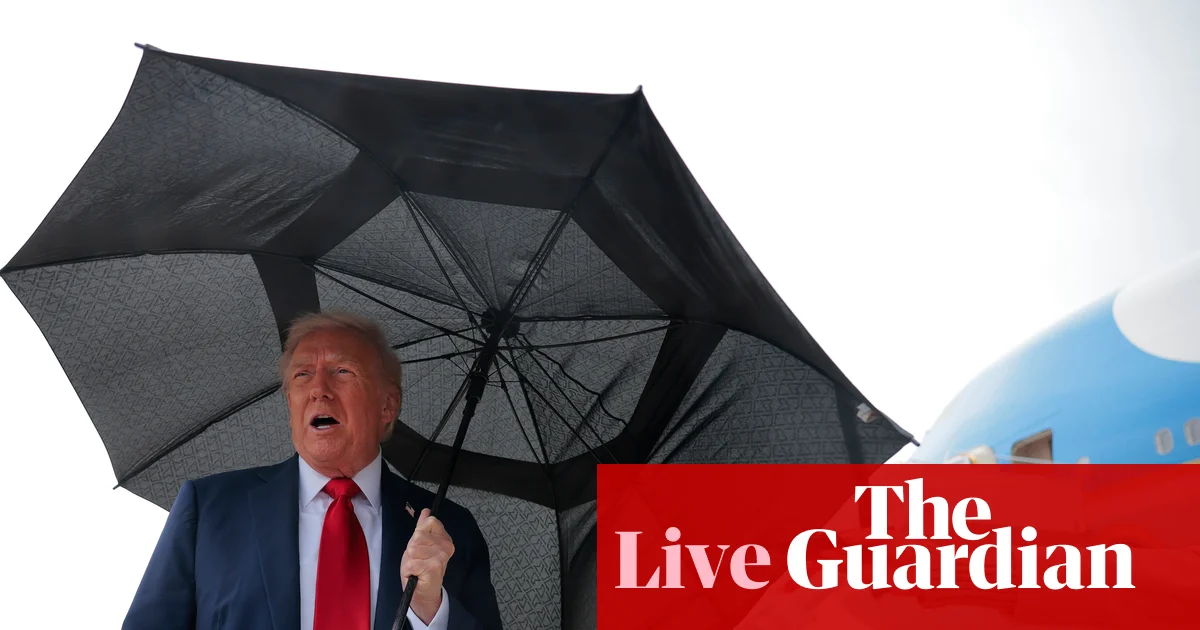
Ongoing legal issues threaten Donald Trump’s political future

In the ever-evolving theater of American politics, former President Donald Trump once again emerges as a central figure, announcing his bid for the White House amid a landscape rife with power struggles, ideological clashes, and constitutional debates. This move signals a potential reset of the Republican Party’s trajectory, emphasizing a return to core conservative principles that have galvanized his base. Yet, it also underscores an intense competition for influence within the party’s future, where who controls the narrative could determine the electoral outcomes and policy directions of the nation.

This renewed campaign-place has starkly illuminated intra-party tensions, highlighting the ideological cleavages among conservatives and libertarians, and the influence of populist rhetoric. Navigating this terrain demands an understanding of the power dynamics at play. Critics argue Trump’s return signals a resistance to the political establishment, a drive to reclaim populist sovereignty rooted in traditionalist values, and an unwavering belief in the notion that the government’s role is to serve the people, not bureaucrats. However, entrenched party elites and mainstream media outlets push back, framing his bid as disruptive — a challenge to the bipartisan consensus that often blurs patriotic priorities with entrenched interests.

Historically, political power struggles have always centered on who controls the levers of influence and how decisions impact the populace. The current landscape echoes the volatile shifts seen during the Gilded Age or the tumultuous 1960s, where the contest for American identity was fought on the battlegrounds of policy, culture, and constitutional authority. Critics of Trump’s campaign highlight the constitutional tension surrounding executive authority, free speech, and election integrity, with some legal scholars raising concerns about the implications of his rhetoric for democratic stability. Yet, his supporters argue that he embodies an authentic voice of frustration among the American electorate—an agent challenging the status quo and reaffirming their belief that politics is about shaping the destiny of a nation.

Echoing the words of political philosopher Lord Acton—“Power tends to corrupt, and absolute power corrupts absolutely”—these battles over influence are not merely about personalities or policies but are strategic chess moves that determine the contours of American sovereignty. Whether Trump’s bid will alter the balance of power, or whether new trajectories emerge from within the party itself, remains uncertain. However, what is clear is that the stage is set for a decisive clash—where every decision, every rally, and every legislative push rewrites the very narrative of the nation’s future. Political destiny, after all, is written in the crucible of conflict, where the true power lies not in the office held, but in the vision for the country’s soul.

Social Media Auto Publish Powered By : XYZScripts.com