
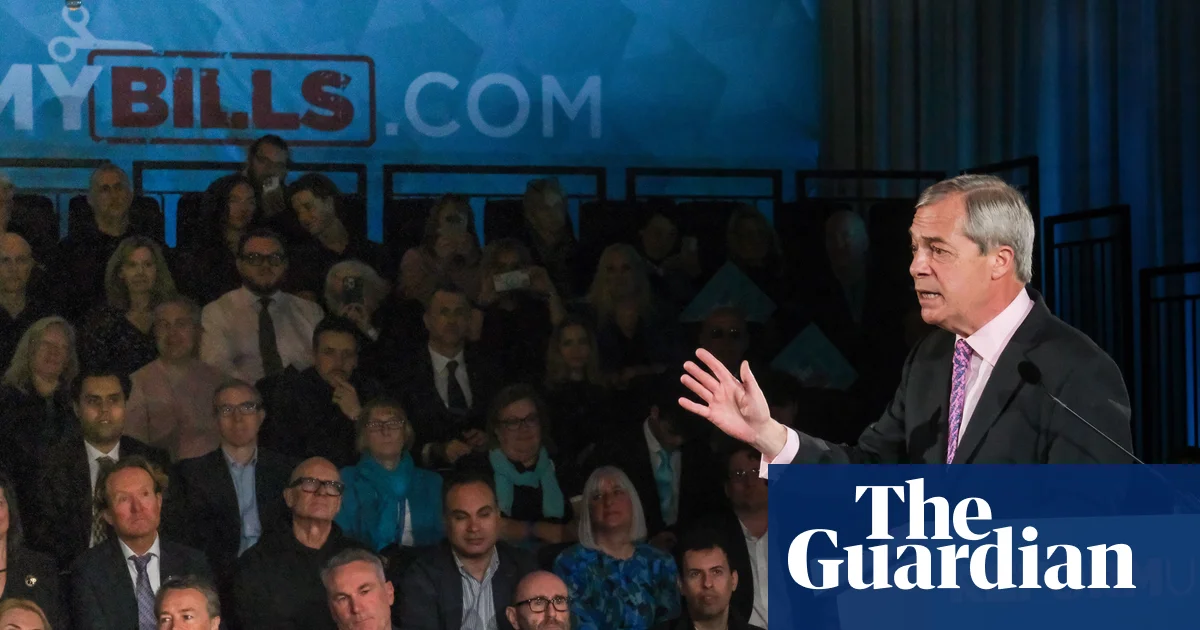

The landscape of British politics is currently witnessing a striking power struggle, where the principles of free enterprise clash sharply with mandates for governmental intervention. At the heart of this turbulence stands Reform UK, a populist force led by Nigel Farage, whose latest platform calls for an overhaul of renewable energy subsidies. This campaign signals a clear departure from conventional sector support and evokes echoes of the aggressive deregulation seen during previous conservative reforms. Yet, the implications reach deep: the potential unraveling of investor confidence, economic destabilization, and even a reversion to the turmoil akin to the chaos under Liz Truss’s tenure.
The industry’s chief lobbyist for RenewableUK has sounded the alarm, emphasizing that such policies threaten to undermine not only the renewable sector but the very fabric of UK’s economic stability. The anti-renewables stance proposed by Farage’s movement could significantly deter foreign and domestic investment, sending ripples throughout the broader economy. Historically, decisions to pull back on energy subsidies echo moments of political volatility and economic recklessness, where the short-term gains mask long-term consequences—a pattern that echoes the failed policies of the recent past. The question emerges: are these policies merely a reflection of populist rhetoric, or are they a destructive recalibration of Britain’s energy future, with the people (and their economic well-being) as collateral?
Legal and constitutional experts warn that such radical policy shifts risk undermining the rule of law and disrupting the delicate balance of government intervention and free markets established through generations of constitutional development. Historical parallels—such as the austerity-driven reforms of the post-2008 crisis or the chaotic deregulation of the 1980s—serve as warnings. These episodes reveal a recurring theme: when political leaders prioritize ideological purity over economic stability, the outcomes are often turbulent, leaving citizens to bear the brunt of high energy bills and economic uncertainty. As Thatcher’s economic reforms demonstrated, decisive shifts away from state-led support can indeed invigorate industries, but only if guided by prudent, risk-aware policies rather than populist bravado.
This power struggle is more than a mere policy debate; it is a battle for control over Britain’s economic destiny. Decisions made today will resonate through generations, reshaping the role of government and redefining the social contract in the process. As the political stage prepares for yet another pivotal act, the people stand as witnesses to a reality where ideologies clash and destinies are written. In this moment, the true question is whether Britain’s leaders will rediscover wisdom through the lens of history or succumb to the siren call of populist peril—knowing full well that in the theatre of power, every decision inscribes the future in stone.






