

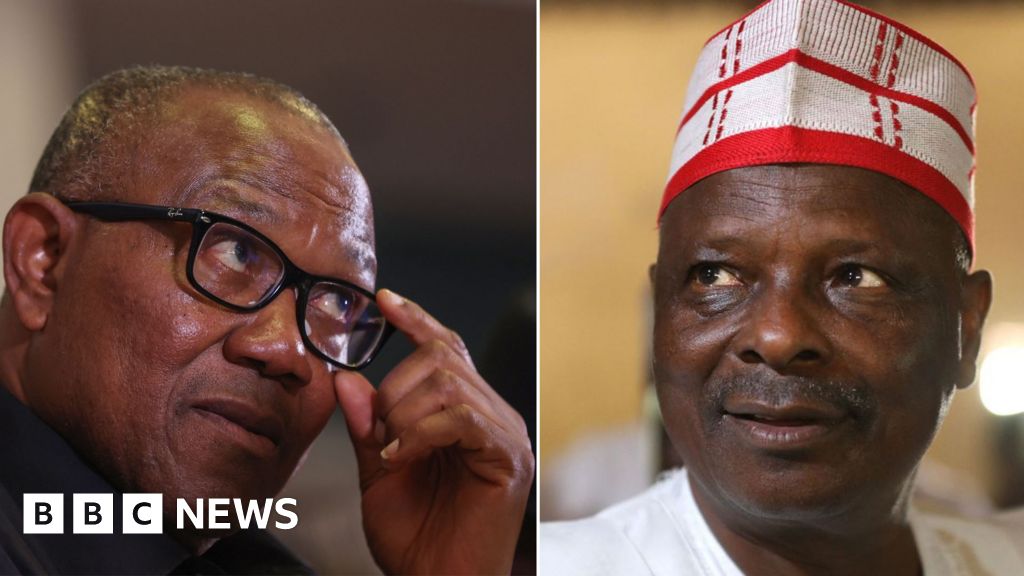
In a move poised to reshape Nigeria’s political landscape, Peter Obi and Rabiu Kwankwaso, two influential figures who finished third and fourth respectively in the most recent national elections, have announced their switch of political parties. This unexpected shift signals a new phase in Nigerian politics, reflecting both internal dynamics and broader geopolitical calculations at play. While the details of their decisions remain under close scrutiny, the ramifications ripple far beyond Nigeria’s borders, capturing the attention of analysts worldwide.
The decision by Obi, once a prominent presidential hopeful representing the Labor Party, to switch allegiance signals a reassessment of strategic alliances. Concurrently, Kwankwaso, a seasoned politician known for his influence in the northern regions, has joined a different political fold, emphasizing a shift in regional and national power balances. International observers suggest that these moves could be a response to internal party pressures, corruption allegations, or a quest to position themselves for future electoral contests. Such decisions often catalyze realignments in Nigeria’s complex political web, with subsequent impacts on policy directions, governance stability, and regional influence.
From a geopolitical impact perspective, these alterations in Nigeria’s political fabric are significant. Nigeria remains Africa’s largest economy and a crucial US and Chinese strategic partner. Political stability in Abuja directly influences regional security, economic prosperity, and diplomatic relations across West Africa. Recall that some analysts, including scholars like Dr. Chinyere Okoroafor from the University of Lagos, warn that internal party realignments can lead to power struggles and civil unrest if not managed carefully, especially within a nation as diverse and historically volatile as Nigeria. Furthermore, these party switches are being viewed as calculated moves within the Sino-American contest for influence, with Nigeria’s leadership choices impacting broader regional and international alignments.
- The decision of Obi and Kwankwaso to leave their previous parties indicates a trend of realignment within Nigeria’s political elite, possibly foreshadowing a third wave of leadership change.
- International organizations such as the United Nations and African Union are attentively monitoring developments, emphasizing the need for peaceful political transitions.
- Historian and geopolitical analyst Prof. Adebayo Oluwafemi states that these party switches could either stabilize Nigeria by uniting fractured political factions or destabilize the fragile equilibrium if handled carelessly.
As Nigeria stands at this pivotal juncture, the decision of Obi and Kwankwaso to reconfigure their political paths will undoubtedly reverberate across the African continent and beyond. The choices made today are not merely about individual ambitions but will define the future trajectory of Nigeria’s democracy, influence, and stability for generations to come. The unfolding drama remains a stark reminder that history’s pen continues to write Nigeria’s complex narrative – a narrative where every political shift carries the weight of destiny and the hopes of millions.
















