Matox News

Truth Over Trends, always!

U.S. Takes Action Against Iranian Fast Boats Following UAE Oil Attack

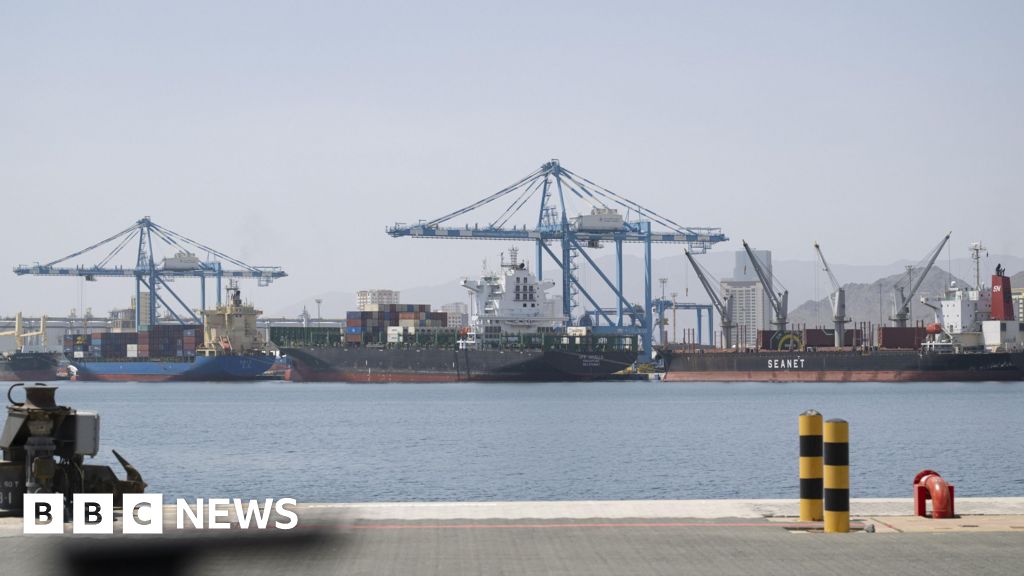
In a significant development that underscores the ongoing geopolitical tensions in the Gulf region, Maersk, one of the world’s leading shipping companies, announced that a US-flagged commercial vessel has successfully exited the Strait of Hormuz under active US military protection. This event highlights both the strategic importance of the Strait and the persistent risks faced by international maritime commerce amid escalating tensions between the United States and Iran.

The Strait of Hormuz, a crucial maritime corridor that channels approximately 20% of the world’s oil trade, remains a flashpoint in global geopolitics. Over the past few years, Iran’s actions — including attempted seizures of tankers, mine placements, and threats of closing the Strait — have prompted the United States and allied navies to maintain a persistent military presence in the region. According to international analysts, this escort operation underscores the fragile security environment and the strategic importance attributed to preserving open shipping lanes against disruptive regional actors.

Historian Dr. Elizabeth Carter, a prominent scholar on Middle Eastern geopolitics, emphasizes that such escort operations signal a broader shift in how international trade is protected in war-prone zones. “The fact that a commercial vessel is now regularly escorted by military forces signals a new era,” she explains. “It reflects the direct involvement of global powers in securing economic interests and demonstrates the heightened risks faced by global trade routes.” This intervention also sends a firm message to Iran, illustrating that the U.S. and its allies are committed to maintaining what they call free maritime navigation, crucial for the stability of global energy markets.

International organizations such as the United Nations and the International Maritime Organization have long warned that instability in the Strait of Hormuz could trigger wider economic repercussions. Recent assurances by US military officials confirm that escort missions will continue as necessary, inflaming regional tensions and complicating diplomatic efforts in the Gulf. Meanwhile, critics argue that confrontational military displays risk further destabilizing the region, potentially provoking miscalculation and escalation in a volatile security environment. As global markets remain sensitive to disruptions, analysts warn that this ongoing scenario could escalate into open conflict if diplomatic solutions are not prioritized.

The geopolitical impact of these events extends well beyond the immediate Strait. They reflect the broader struggle for influence between Western powers and Iran, with regional alliances and rivalries shaping the future of Gulf security. As history observes the unfolding chapters of this ongoing crisis, it becomes increasingly clear that the decisions made today could define the balance of power in the Middle East for generations. With the specter of conflict lingering and global oil supplies hanging in the balance, the world watches with cautious trepidation as the weight of history begins to cast its long shadow over an already fragile peace.
UAE Leaves OPEC, Boosts U.S. Energy Power and Limits Global Cartel Control

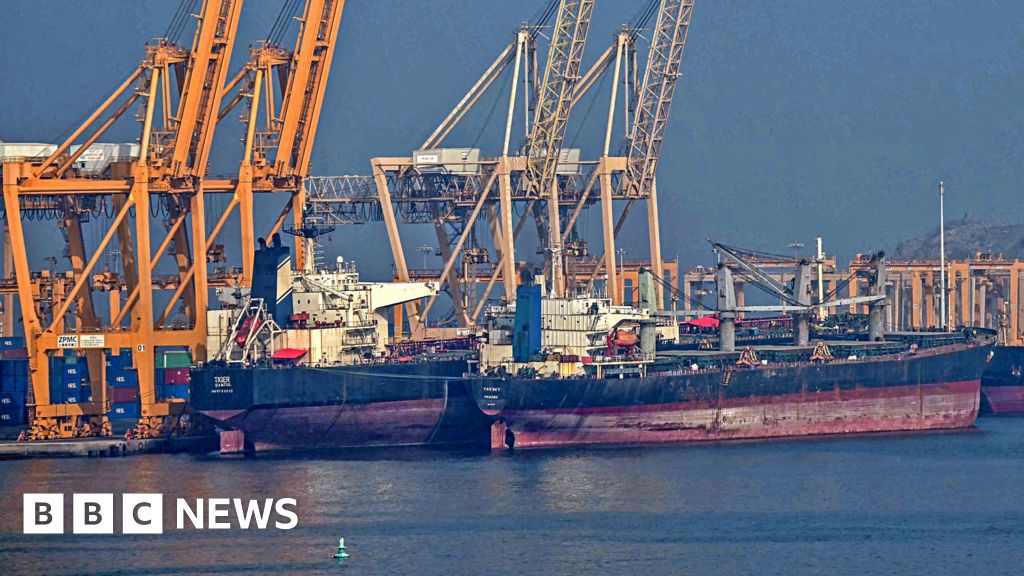
The recent decision by the United Arab Emirates to exit the Organization of the Petroleum Exporting Countries (OPEC) marks a significant geopolitical shift that signals the evolving landscape of global energy dominance. After six decades of unwavering membership, this move underscores a redefinition of strategic priorities within the Gulf region and the broader international arena. It is a calculated step aligned with the UAE’s long-term vision to forge a more independent energy policy—one that grants the Gulf state greater flexibility amid mounting regional tensions and the ongoing global energy crisis. The departure not only casts a shadow over OPEC’s influence but also intensifies the ongoing debate about the role and dominance of petro-states in shaping the world’s financial and political stability.

The geopolitical impact of this decision resonates profoundly across international markets and alliances. OPEC, for decades, wielded substantial control over global oil prices through collective production management, primarily stabilizing the economies of member states—most notably Saudi Arabia. However, the UAE’s exit symbolizes a divergence from traditional cooperation, motivated by internal frustrations with the cartel’s limits and the desire to harness its ample spare capacity—estimated at roughly 4.8 million barrels per day—to accelerate its transition into a low-carbon future. The move comes amidst persistent regional conflicts, heightened tensions with Iran, and the strategic recalibration prompted by the ongoing US-Israeli support for regional stability. Analysts argue that the UAE’s departure could lead to a more fragmented oil market, diminishing OPEC’s ability to influence prices and potentially emboldening other non-cartel producers to pursue independent strategies.

This shift also benefits the United States in its broader geopolitical objectives. Former President Donald Trump’s administration has long criticized OPEC for allegedly “ripping off the rest of the world” by artificially inflating oil prices through production limits. The UAE’s decision can be interpreted as a win for this pro-market, free enterprise approach and signals a possible realignment in global energy politics. Reports of ongoing discussions between US and UAE financial authorities—such as potential currency exchange agreements in times of regional crises—highlight an increasingly strategic partnership aimed at counterbalancing regional adversaries and maintaining global supply chains. While such measures focus on stabilizing regional conflicts, they also serve to diminish OPEC’s power, favoring a more open and competitive energy market controlled by strategic alliances aligned with Western economic interests.

Comments from analysts, including Jorge León of Rystad Energy, emphasize that the UAE’s move may usher in a “structurally weaker OPEC,” with many members becoming more dependent on their domestic policies rather than collective cartel strategies. The importance of this shift cannot be understated—it alters the delicate balance of global oil reserves and production leverage. The risk is clear: without the unified front of OPEC, global oil prices could become more volatile, and geopolitical conflicts could become more entrenched in the control of energy resources. As the world grapples with record-high oil prices and supply disruptions—exacerbated by the ongoing conflict between the US, Israel, and Iran—the UAE’s independence in energy policy sets a precedent, signaling that future disruptions may be met with a more assertive, uncooperative stance from Gulf producers. This unfolding chapter in international energy history proclaims a future where the old order of cartel-driven control diminishes, and new alliances—both geopolitical and economic—emerge from the shadows of regional conflicts, leaving history to decide whether this fragmentation leads to greater stability or chaos in the global energy system.

UAE Boldly Steps Away from OPEC, Prioritizing Energy Independence

In a move that could redefine the global energy landscape, the United Arab Emirates (UAE) has announced its withdrawal from OPEC+, the influential cartel of major oil-producing nations. This unprecedented decision signals a shift in the delicate balance of global oil supply and could have far-reaching implications for international geopolitics and energy security. As one of the world’s leading oil exporters, the UAE’s withdrawal not only questions the stability of OPEC+ but also signals a new strategic calculus for the nation as it seeks greater autonomy over its resource management.

Experts and analysts have described the move as a potential game-changer. Historically, OPEC and its allies—most notably Russia within OPEC+—have wielded enormous influence over oil prices, often coordinating output cuts to boost global oil prices amidst fluctuating demand. The UAE, which has traditionally been a stabilizing force within the group, now appears to be charting a different course—aiming for a more flexible, market-driven approach. According to officials, this decision is rooted in a desire to maximize revenues amid increasing global competition and to leverage its own strategic reserves without being bound by cartel constraints. Importantly, this move echoes broader shifts among Gulf Cooperation Council (GCC) members, hinting at a possible reevaluation of regional cooperation in the context of shifting energy economics.

The geopolitical impact of this announcement cannot be overstated. It is expected to introduce a new layer of uncertainty into the global oil markets, which are already volatile due to ongoing geopolitical tensions, the transition to renewable energy, and the unpredictable demand patterns post-pandemic. More significantly, this could embolden other non-OPEC oil producers to follow suit, challenging the fragile cartel consensus and potentially unleashing a more fractured, competitive global oil industry.  For global policymakers, particularly those in oil-importing nations, such shifts could mean escalated prices, economic instability, and a reassessment of energy security strategies. The decision also raises questions about the sustainability of current global climate commitments, which heavily depend on predictable oil supply dynamics.

The decision by the UAE has garnered varied reactions. Some analysts, like James S. Hurst, a renowned geopolitical scholar, argue that the move reflects the emerging trend of resource-dependent nations seeking strategic independence amid a multipolar world. Conversely, critics warn of potential chaos, emphasizing that such a break from OPEC+ could escalate tensions among existing members, especially Saudi Arabia and Russia, who have historically coordinated to stabilize markets. International organizations such as the International Energy Agency (IEA) have called for calm, urging countries to heed the importance of coordinated policies for global stability. Yet, the decision underscores a broader narrative: that resource-rich nations are increasingly asserting sovereignty, challenging the dominance of traditional energy giants, and reshaping the geopolitics of oil in ways few expected just a decade ago.

As the world watches with bated breath, history seems poised to record whether the UAE’s bold move will usher in a new era of energy independence or plunge global markets into chaos. The echoes of this decision will reverberate through diplomatic corridors and economic capitals alike—reminding us all that, in the theater of international power, control over resources remains a decisive battleground. The unfolding chapters of this geopolitical saga will determine not only the future of energy but the very fabric of global influence in an increasingly volatile world.

Teenager extradited from UAE and charged in London for woman’s murder

The recent extradition of Enzo Bettamio, an 18-year-old teenager, from the United Arab Emirates to the United Kingdom, marks a significant chapter in the ongoing evolution of international legal cooperation. This case—stemming from the brutal stabbing of Kamonnan Thiamphanit, a 27-year-old woman of dual Chinese-Hong Kong and Thai nationalities—highlights the growing capacity of nations to pursue justice across borders. The incident, which took place in a residential property in Bayswater, west London, underscores the gravity with which jurisdictions now collaborate, fueled by increased diplomatic efforts and the expertise of specialized lawyers within multinational law enforcement agencies.

Analysts and legal experts contend that this extradition exemplifies the shifting global landscape on criminal accountability, where nations are increasingly mutual in their resolve to combat transnational crime. According to reports, joint inquiries by London’s Metropolitan police and the Crown Prosecution Service proved instrumental in securing Bettamio’s return. This effort reflects a broader international trend—highlighted by institutions such as INTERPOL and Interpol-style bilateral agreements—aiming to clamp down on fugitives who seek refuge beyond national borders. The fact that this teenager was located in Dubai and transported back on a scheduled flight demonstrates the increasing effectiveness of international cooperation, signaling a new era in criminal justice where geographic distance is no longer an insurmountable barrier.

The geopolitical impact of this case extends beyond legal proceedings, as it sends a clear message that **no nation is outside the reach of justice**. In particular, the case underscores the importance of international treaties and extradition agreements — agreements which are often controversial but vital for maintaining international order. Some critics argue that these arrangements can be exploited, but law enforcement officials emphasize their effectiveness in delivering justice and safeguarding societies from violent offenders. The case also shines a spotlight on the **role of diasporas** and **international migration**, with Thiamphanit’s life and tragic death highlighting how global movements can intertwine with local communities—and how these movements influence international security considerations.

Prominent voices within the legal sphere argue that as the world becomes more interconnected, **stronger international legal frameworks** are vital to prevent countries from becoming safe havens for criminals. Organizations like the United Nations Office on Drugs and Crime (UNODC) have long emphasized the importance of diplomatic cooperation in fighting transnational crime. Meanwhile, history scholars note that such cases serve as “turning points” in the narrative of international justice—marking periods when borderless crimes become truly intolerable. This case is a sobering reminder that as nations continue to navigate the complexities of international law, victors of justice must remain vigilant to ensure that **societies are protected from violent perpetrators**, regardless of where they seek refuge.

The investigation and subsequent extradition serve as a stark warning: the pursuit of justice transcends borders and political differences. The ongoing story of Bettamio and Thiamphanit is a human tragedy coupled with a geopolitical turning point—**a reminder that in this new era of international law, the weight of history is still being written**, and the consequences of decisions made today will resonate through generations to come. As the world watches, the question remains—how will nations adapt and strengthen their resolve in the face of an ever-changing landscape of global crime and justice? The answer, like the unfolding story of this young life lost and the pursuit of accountability, remains a work in progress—yet one thing is certain: the struggle for a just world continues.

Social Media Auto Publish Powered By : XYZScripts.com