Matox News

Truth Over Trends, always!

Xiaomi 17 Ultra: Next-Level Features Make Photography Exciting for Young Creators

Xiaomi 17 Ultra: Redefining Smartphone Innovation and Disruption

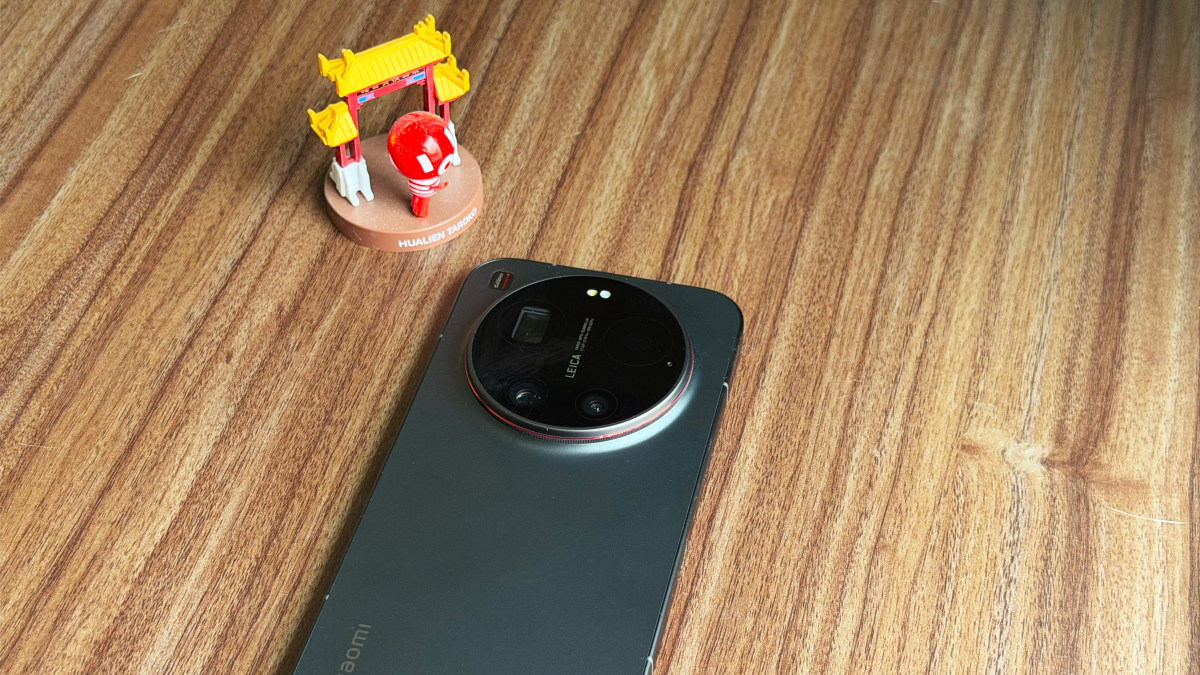
The global launch of the Xiaomi 17 Ultra marks a pivotal moment in mobile technology, exemplifying how disruption of traditional smartphone design and hardware standards can influence the industry’s trajectory. This device prominently features a substantial camera bump, housing an advanced sensor suite developed in partnership with Leica, signaling an industry-wide shift toward professional-grade photography integrated directly into flagship smartphones. Such innovation not only elevates user experience but also has profound business implications—challenging camera-dedicated device markets while setting new standards for integrated imaging solutions.

Beyond its pioneering camera design, the Xiaomi 17 Ultra is packed with top-tier hardware, including Qualcomm’s latest Snapdragon 8 Gen 5 processor, a 6.9-inch AMOLED display with a peak brightness of 3,500 nits, and a robust 6,000 mAh battery capable of lasting days under moderate use. These specifications underline Xiaomi’s commitment to maintaining disruption in performance metrics—in a market where power and display quality are often decisive factors—catapulting the device beyond mere imaging capabilities to a comprehensive flagship experience. Notably, the device supports fast charging with 90W wired power, enabling rapid recharges that synchronize with the consumer’s fast-paced lifestyle, a clear response to trend-shifting expectations for instant connectivity and minimal downtime.

Disruptive Innovation in Mobile Photography and Industry Implications

The Xiaomi 17 Ultra’s camera system epitomizes industry innovation, deploying a 50-megapixel ultrawide lens with macro capabilities, complemented by a cutting-edge ring for professional camera filters. Its imaging package extends further with a dedicated shutter button, customizable exposure controls, and a specialized “fastshot” mode available in both Kit Pro configurations, targeting better street and candid photography. This integrated professional-grade kit effectively disrupts conventional perceptions that such power can only be achieved through bulky, dedicated camera equipment, pushing hardware and software convergence to new levels. The disruption isn’t just aesthetic; it has direct business impacts, compelling competitors like Vivo and Oppo to innovate along similar lines, as Xiaomi’s early market entry and premium positioning could reset consumer expectations and industry standards for flagship phones.

  • Leica’s partnership elevates Xiaomi’s photography credentials, fostering a premium brand association
  • High-end features with a price starting at €1,499 showcase a premium disruptive approach targeting tech enthusiasts and professionals
  • The accompanying Photography Kit Pro expands the device’s hardware ecosystem, emphasizing the business shift toward modular, customizable photo solutions
  • Emerging market competition remains fierce; flagship phones from competitors will need to match or surpass Xiaomi’s integrated professional tools

Market analysts from Gartner and MIT’s Media Lab have underscored that such innovation doesn’t just elevate Xiaomi’s portfolio but signals a larger industry trend towards converging professional camera tech into everyday devices. This creates a ripple effect—prompting traditional camera manufacturers to innovate or risk obsolescence, while smartphone producers race to embed more sophisticated sensors and functionalities.

Looking forward, the Xiaomi 17 Ultra’s aggressive push into professional-grade mobile photography demonstrates that the industry is entering an era where disruptive innovation isn’t just about raw hardware specs but about redefining how consumers engage with mobile and imaging technology. With upcoming competitors like the Vivo X300 Ultra and the Oppo Find X9 preparing their own photography-centered flagships, Xiaomi’s early momentum might position it as a benchmark for the next-gen smartphone. Yet, the industry’s pace indicates that urgency is essential—disruption is relentless, and the future belongs to those who innovate faster and smarter.

Samsung Galaxy S26 Ultra: The Future of Privacy Screens for the Next Gen

Samsung’s Privacy Display: A Disruptive Innovation in Mobile Security

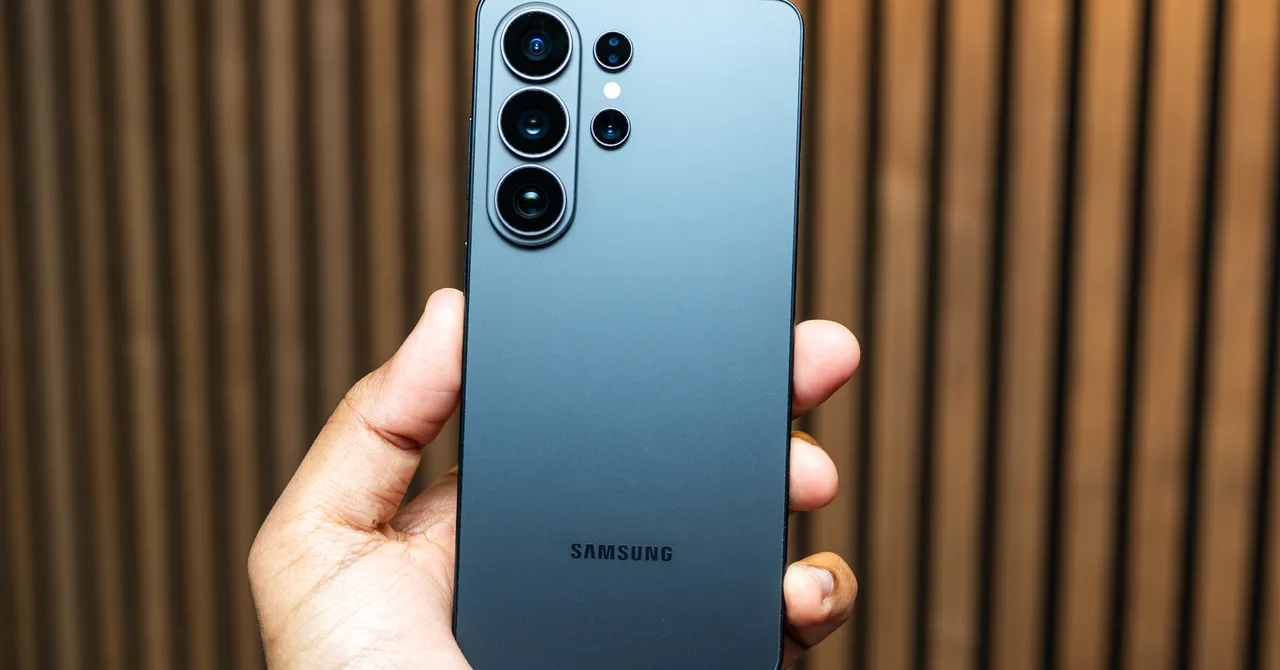
In a move highlighting the ongoing revolution in mobile device privacy, Samsung has introduced an integrated Privacy Display feature that promises to redefine user security and disrupt conventional smartphone design. Unlike traditional privacy filters or static screen protectors, Samsung’s solution leverages software and hardware synergy, providing users with dynamic control over their screen visibility. This innovation is emblematic of the broader industry shift toward user-centric privacy features, a trend underscored by market analysts who stress the importance of privacy in consumer decision-making. Such features could place Samsung ahead of rivals and redefine standards for privacy in the mobile industry.

The Privacy Display offers customizable activation tied directly to select messaging, banking apps, and notifications. When enabled, the screen dims significantly from side angles, thwarting prying eyes without compromising overall usability. For maximum protection, users can activate a “Max Privacy Protection” mode, rendering the screen virtually unreadable from side views—perfect for sensitive transactions or private conversations. Interestingly, unlike traditional privacy screen protectors, Samsung’s approach doesn’t block the user’s own view but instead manipulates the display’s brightness and opacity, allowing for versatile privacy management. While some critics have voiced concerns about possible impact on display quality, early reports suggest that, when configured correctly—such as setting high-resolution displays—these issues are minimal. This demonstrates Samsung’s focus on combining innovation with user experience, setting a new benchmark for mobile privacy solutions.

From a business perspective, Samsung’s integrated Privacy Display represents a significant disruption in the smartphone security landscape. Industry giants like Apple have historically relied on hardware-based privacy measures, but Samsung’s software-driven approach may offer a more intuitive, adaptable alternative—potentially influencing competitors and forcing widespread industry adoption. Tech analyst firms such as Gartner note that privacy features increasingly drive consumer choices, with privacy-centric innovations fueling brand loyalty. This move also links to larger trends in the tech ecosystem, where privacy isn’t just a feature but a core component of product differentiation and user trust—an imperative in an era dominated by data breaches and surveillance concerns. As Fortune 500 companies pivot towards privacy-first policies, Samsung’s strategy signals a potent shift where privacy becomes a competitive advantage rather than an afterthought.

The implications extend beyond user experience and brand positioning. As industry leaders deploy these innovations, we can expect a ripple effect—pushing competitors to develop their own disruptive privacy technologies and reshape the mobile security market. With an increasing number of users demanding control over their personal data, the market for advanced privacy solutions is poised to grow exponentially. Forward-looking experts like Elon Musk and tech entrepreneurs like Peter Thiel emphasize that the next wave of disruption will come from startups and established giants alike, leveraging AI, biometric security, and flexible privacy controls to redefine trust. Samsung’s latest move underscores the urgency for companies to innovate swiftly or risk becoming obsolete in an increasingly privacy-conscious marketplace.

Apple gears up for premium push with new ‘Ultra’ lineup set to dominate

Apple’s Innovation Trajectory: Folding Devices, Visual-Enhanced Earbuds, and Market Disruption

Apple continues to push the boundaries of consumer technology, signaling a strategic shift towards integrating disruptive innovations across its product lineup. Rumors indicate that the tech giant is on the cusp of releasing a foldable iPhone priced at approximately $2,000, which would introduce a new dimension to premium mobile devices. This move positions Apple firmly in the competitive high-end segment, where innovation often dictates clear market leadership. Additionally, the upcoming touchscreen MacBook Pro, expected by fall, exemplifies Apple’s commitment to blending portability with cutting-edge display technology—a move that could redefine professional computing.

However, it is the evolution of wearable technology that exemplifies Apple’s focus on disruption and innovation. The rumored next-generation AirPods are said to include embedded cameras capable of feeding visual context directly to Siri, signifying a leap toward more intelligent, context-aware devices. This suggests a future where auditory and visual inputs are seamlessly integrated into a unified user experience, elevating the potential for how consumers interact with AI. Platforms like Apple Silicon and branding extensions such as AirPods Ultra are expected to consolidate the company’s market dominance, while also challenging established players in the wearables space.

Market Strategies: Going Both Up and Down

Apple’s approach appears to be twofold: expanding into high-end premium markets with ultra-luxury foldable devices and venturing into more affordable, versatile form factors to capture emerging consumer segments. The development of multiple foldable devices and the Neo model hints at a strategy to appeal to both tech enthusiasts seeking the latest innovation and mainstream users seeking adaptability. This “dual-market” approach could disrupt traditional product hierarchies, compelling competitors like Samsung and Google to reevaluate their offerings and innovate faster.

Analysts at Gartner emphasize that this dual trend might accelerate industry-wide disruption, fostering a more dynamic, competitive landscape. According to MIT researchers, such portfolio diversification aligns with the broader industry trend toward convergence of mobile, AI, and wearable tech, foreshadowing a new era of interconnected devices. As industry leaders like Elon Musk and Peter Thiel have consistently highlighted, innovation’s velocity is fundamental to maintaining economic dominance; Apple’s moves indicate it is fully attuned to this imperative.

The Road Ahead: Accelerating Innovation and Industry Transformation

The implications for businesses are profound. As Apple invests in disruptive technologies that blend form, function, and AI capabilities, competitors will need to accelerate their own R&D efforts to keep pace. The industry’s future hinges on seamlessly integrated, smart devices that redefine consumer expectations. The emergence of foldables, AI-powered wearables, and versatile form factors will likely serve as catalysts for industry-wide disruption. Time is of the essence—companies that fail to adapt swiftly risk obsolescence in an era where technological innovation drives market leadership.

As we look forward, one thing remains certain: the pace of change in consumer tech will only accelerate. Apple’s current trajectory underscores a clear reality—those who innovate fastest and adapt most nimbly will shape the digital landscape of tomorrow. Industry insiders and analysts warn that delays in embracing these emerging trends could leave others behind as the market evolves into a hyper-competitive, AI-integrated environment. The coming years will be pivotal, demanding bold moves and relentless innovation from all players seeking to secure their place at the forefront of the next tech revolution.

Top Deals: Motorola Razr Ultra & Marshall Emberton II Lead the Pack this Week

2025: A Year of Breakthroughs and Industry Shifts in Technology

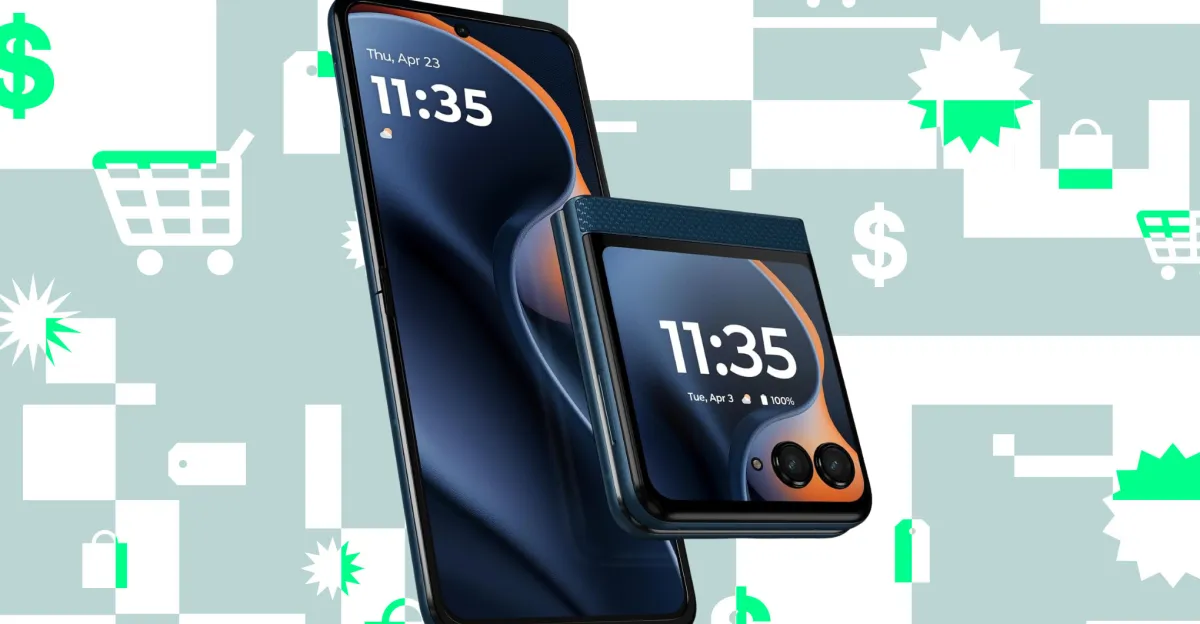
As the technological landscape accelerates into 2025, industry leaders are witnessing unprecedented waves of innovation and disruption that are fundamentally reshaping consumer markets and enterprise sectors alike. Notably, the launch of the Motorola Razr Ultra signals a renewed focus on foldable devices, integrating cutting-edge hardware with an ultra-stylish aesthetic that appeals to a youthful, style-conscious demographic. With its dual-display setup featuring a 7-inch inner screen and a 4-inch outer panel, powered by the Snapdragon 8 Elite chipset, this device exemplifies the convergence of form and function, setting a new benchmark for mobile tech that prioritizes both innovation and user experience.

The business implications of such innovations extend well beyond aesthetics; they signal a pivotal shift in how device developers incorporate AI and versatile hardware to meet the demands of next-generation consumers. The addition of a dedicated AI button for live transcriptions and notification summaries illustrates a move towards more intuitive, context-aware devices—an evolution driven by industry visionaries like Elon Musk and analysts from Gartner. Meanwhile, accessories are following suit. The Marshall Emberton II portable speaker, now more affordable at Best Buy and Amazon, showcases how iconic brands are pivoting towards rugged, outdoor-friendly designs with multi-directional stereo sound, enhancing brand relevance and consumer engagement in competitive markets.

The rapid growth of integrated peripheral solutions underscores a broader trend: hardware ecosystems are becoming more interconnected and powerful. The Ugreen 8-in-1 dock exemplifies this, bringing a wealth of connectivity—including four Thunderbolt 4 ports, gigabit Ethernet, and multiple USB-A ports—centered around an efficient 140W GaN charger. Such innovations streamline workflows, allowing professionals and power users to operate seamlessly across multiple high-resolution displays, high-speed data transfers, and legacy accessories. This level of hardware integration paves the way for more flexible, portable, and powerful computing setups, which are indispensable as remote work becomes entrenched within corporate strategies.

Looking ahead, these technological advancements demonstrate an industry eager to disrupt traditional paradigms by weaving together hardware excellence, AI sophistication, and consumer-centric design. Industry observers like Peter Thiel have long predicted that the most impactful companies will be those that leverage disruptive innovations to redefine user expectations. The combination of rugged, stylish devices like the Motorola Razr Ultra, smart accessories like the Emberton II, and comprehensive connectivity hubs suggests that 2025 may be the year where breakthrough fundamentals set the stage for a more integrated, AI-powered, and consumer-first digital ecosystem. A sense of urgency surrounds these shifts: the companies that embrace this future faster will dominate an increasingly competitive landscape driven by innovation, disruption, and relentless pursuit of future-ready tech. As the industry propels itself forward, it remains clear—those who hesitate risk falling behind in the race for technological supremacy.

Social Media Auto Publish Powered By : XYZScripts.com