Matox News

Truth Over Trends, always!

New university free speech watchdog launches this year, empowering students to speak up

In an era defined by rapid cultural shifts and demographic diversification, institutions of higher learning find themselves at the crossroads of upholding free expression and ensuring social cohesion. Professor Malcolm Press, Vice Chancellor of Manchester Metropolitan University, recently emphasized this delicate balance, stating that “protecting free speech while preventing harassment, hate speech, and radicalisation are complex tasks involving finely balanced decisions.” His words highlight a broader societal challenge: how do we foster open dialogue without compromising the safety and dignity of vulnerable communities?

Social issues surrounding free speech and cultural representation profoundly influence families, education, and local communities. As sociologists like Charles Taylor and Kenan Malik have argued, the clash between individual rights and collective social responsibility is not merely legal or political but deeply rooted in cultural identities and moral values. Communities composed of diverse ethnicities and beliefs often grapple with tensions when societal norms shift toward inclusivity. This socio-cultural evolution, while enriching, also tests social cohesion, especially when conflicting narratives threaten to fracture the social fabric.

Amid these tensions, educational institutions are tasked with more than just imparting knowledge; they serve as battlegrounds for moral and cultural debates. Schools and universities are increasingly called upon to navigate issues of free speech, safe spaces, and the prevention of radicalisation. Critics argue that excessive regulation may stifle genuine discourse, while others see unchecked speech as a catalyst for harassment and division. How society strikes a balance directly impacts not only the academic environment but also the families raising children in these complex social landscapes. When young minds witness community debates over free expression, they are also learning how society resolves its disagreements—shaping future attitudes toward coexistence and civic responsibility.

Facing these multifaceted challenges, social commentators emphasize the need for robust dialogue grounded in shared values to foster understanding across differences. This approach, advocated by thinkers such as Jonathan Haidt, promotes the idea that respectful engagement” is essential in an era where demographic shifts can sometimes intensify social tensions. Ultimately, the goal is to nurture resilient families and cohesive communities, capable of dialogue even amid disagreement. Yet, the path forward isn’t without obstacles; safeguarding free speech requires vigilance against those who exploit openness to spread hate or radical ideas. Policymakers and community leaders bear a moral responsibility to create frameworks that uphold both liberty and security.

As society confronts these enduring issues, it becomes clear that the very fabric of our future depends on our collective will to uphold principles of freedom, responsibility, and mutual respect. Society’s strength lies not only in legislation but in the moral courage of individuals and communities willing to listen and learn. In this ongoing struggle for balance, hope persists—a hope that through dedicated effort and unwavering commitment, we can forge a society where families flourish, education enlightens, and communities unite despite their inevitable differences. The true challenge is to remember that beneath every societal debate lies the profound human aspiration for dignity, understanding, and a shared future worthy of our highest ideals.

University Jobs Under Threat as Strike Vote Looms—Time to Stand Up

Impacts of University Funding Cuts on Society and Communities

The University and College Union has recently raised concerns over proposed funding cuts that threaten to weaken the foundational appeal of higher education institutions. These reductions, rooted in broader economic austerity measures, threaten to undermine not only the quality of academic offerings but also the social fabric that university communities foster. As universities serve as gateways for diverse demographic groups and catalysts for social mobility, such cuts pose a risk of deepening existing social disparities and fragmenting the fabric of our communities.

At the heart of the debate lie the repercussions for families, students, and educators. When funding diminishes, universities often resort to increased tuition fees, reduced course offerings, and cutbacks on essential student services. This cascade of austerity impacts families who may already grapple with economic hardships, placing higher education beyond their reach and fueling a cycle of marginalization. The social commentator Dr. Maria Lopez emphasizes that maintaining equitable access to education is crucial—not merely as an economic investment but as a moral imperative for societal cohesion. The erosion of educational quality and accessibility, she argues, threatens to create a generation divided along economic lines, weakening the social alliances that hold communities together.

Historians and sociologists note that universities have historically functioned as microcosms of societal diversity, fostering cross-cultural dialogue and social integration. Demographic shifts, driven by immigration and generational change, have enriched campus life, promoting inclusivity and mutual understanding. However, budget constraints threaten these social gains, risking a return to an era where access to higher education was a privilege reserved for the few. The social inequities exacerbated by such policies can ripple outward, trapping families in cycles of poverty and exclusion, thereby impeding societal progress at large. The potential decline in university appeal could deepen regional disparities and diminish the economic vitality of neighboring communities that rely on student populations and academic institutions as engines of growth.

  • Reduced funding may lead to layoffs for academic and support staff, weakening the campus environment and diminishing student support systems.
  • Financial barriers could discourage talented students from underprivileged backgrounds from pursuing higher education, creating a less diverse and dynamic society.
  • The decline in university programs and research initiatives could hamper innovation, with broad implications for societal advancement.

Solutions to this pressing challenge involve both political will and societal action. Advocates call for alternative funding models that prioritize public investment in education as a national priority. Community-led initiatives, public-private partnerships, and targeted grants could help sustain essential services and maintain the diverse, inclusive environments that universities are meant to be. As the sociologist Prof. Alan Mitchell notes, fostering resilient educational ecosystems is vital for nurturing the next generation of leaders capable of addressing complex social issues.

Ultimately, the societal fabric is woven from the aspirations, struggles, and successes of its communities. As families, educators, and students stand at a crossroads, the challenge is clear: preserve the cornerstone institutions that serve as beacons of opportunity. If society can muster the collective will to invest in educational equity and social cohesion, there remains hope—hope that future generations will inherit a society where knowledge is a bridge, not a barrier, and where hope persists amid ongoing struggle. For in the end, societal transformation begins not with grand gestures but with the quiet resolve to nurture the roots of community—roots that can withstand the storms of austerity and emerge stronger, more united, and more just.

University cuts film and modern languages programs, risking future innovation and cultural diversity

Recent developments in the educational sector have sparked widespread concern among families, educators, and community leaders. A labor union has issued a stark warning that as many as 300 students may face the withdrawal of offers—a consequence of recent policy decisions affecting school funding. This situation highlights the ongoing tensions between public resource allocation and the fundamental right to quality education. The ripple effects threaten not only individual futures but also the fabric of local communities, revealing how social issues wield a profound influence on the next generation.

Educational institutions serve as the backbone of societal growth, shaping future citizens and workforce members. When funding is restricted or diverted, the ripple effects on families and communities are palpable. Students experiencing the loss of opportunities face increased uncertainty about their academic and vocational trajectories—a challenge that often exacerbates existing inequalities. Sociologists like James Coleman have long underscored that disparities in educational access are directly linked to broader social stratification, perpetuating cycles of poverty and marginalization. As these cuts threaten to detach hundreds of students from essential resources, the very societal cohesion that relies on a well-educated populace is put at risk.

The decision appears to mirror a broader societal debate on prioritizing fiscal austerity over investment in human capital. Many social commentators argue that such cuts are shortsighted, disregarding the moral and ethical obligation to ensure equitable educational opportunities. For families, especially those in underserved communities, the prospect of losing access to programs or offers is more than an inconvenience—it signifies a widening socio-economic gap that undermines the principle of equal opportunity. Historically, policymakers have debated the social costs of austerity measures, but current developments underscore an urgent need to reevaluate priorities. Ensuring that no student’s future is sacrificed for short-term fiscal gains could pave the way for sustainable community development.

Furthermore, the stress placed on families and local communities cannot be overstated. When educational offers are rescinded, families are forced to grapple with new uncertainties—whether their children can continue their education uninterrupted or secure alternative pathways. Schools, which serve as community hubs and moral anchors, face increased pressures to fill in the gaps left by diminished resources. Social experts such as Robert Putnam have emphasized that strong social capital within communities is vital for resilience in times of crisis. The current situation tests whether community networks can foster collective solutions or whether societal divides will deepen, exacerbating social tensions and intergenerational discontent.

The challenges posed by such policy decisions demand a deliberate and compassionate response—one that balances fiscal responsibility with ethical stewardship of future generations. As history and social analysis remind us, societies that neglect their foundational institutions—like education—ultimately diminish their own prospects. Still, amid these pressing difficulties, there remains a flicker of hope. When communities rally to prioritize equity, access, and shared responsibility, society can forge a path forward. Much like the resilient stories of communities that endured and thrived during times of hardship, the question lingers: Will society choose a future built on division or one united by renewal and hope?

UK’s university fee clash signals Brexit reset isn’t smooth sailing yet

London’s Quest for Reconciliation: Britain Pushes Toward Closer Ties with Brussels

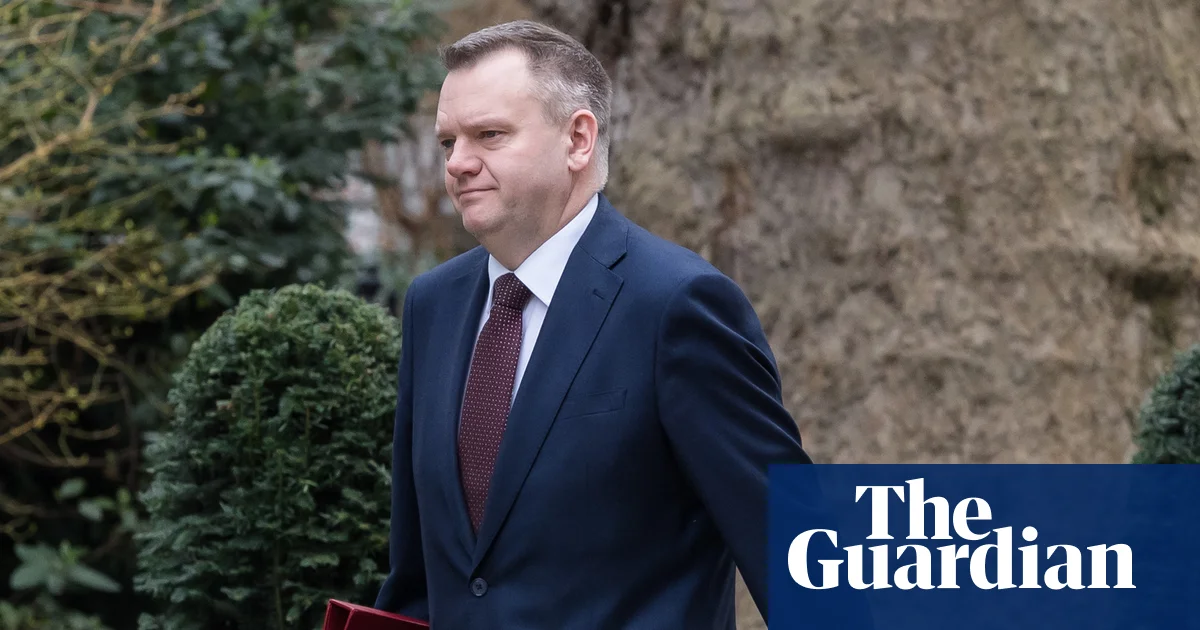
As London embarks on what it terms a “Brexit reset” week, it is clear that the U.K. government strives to redefine its post-Brexit relationship with Brussels. The diplomatic efforts, led by figures such as Nick Thomas-Symonds, articulate a desire for rapprochement, emphasizing a potential renewal of cooperation on trade, food, agriculture, and climate policies. These initiatives come amid a backdrop of strained negotiations, with analysts pointing to the delicate balance of trust and pragmatism that underpins the renewed dialogue. The U.K. seeks to cultivate a narrative of openness, yet the recent disputes over university fees and financial commitments reveal persistent fragility in this fragile renegotiation.

This week’s diplomatic calendar underscores the stakes involved: ministers are engaging in high-level talks with Maroš Šefčovič and Ursula von der Leyen, aiming to resolve core issues that threaten to derail the reset. Central to these negotiations is the contentious matter of university tuition fees for EU students. Brussels insists on full fee reduction for *all* EU students studying in the UK, a move that would impose an estimated £140m financial burden on British universities. While proponents within the academic sector argue that such reforms would enhance merit-based admissions and regional development, the UK government and universities see this as an insurmountable obstacle, branding the proposal a “non-starter”. The dispute exemplifies the broader geopolitical tension: Brussels is disentangling itself from London’s post-Brexit pragmatism, demanding concessions that challenge UK sovereignty and financial interests, thus testing the resilience of the diplomatic reset.

International Tensions and the Future of UKEU Relations

Analysts like those from UK in a Changing Europe observe that the standoff over university fees reveals not only the EU’s negotiating stance but also the underlying frailty of the entire reset. The broader implications extend beyond education, touching on crucial agreements related to food and agriculture and emissions trading. The UK’s hope to secure comprehensive agreements is now hostage to this dispute, which could see Brussels leverage its political influence to hold the broader negotiations hostage. An insider suggests that negotiations are typical of the final stages of major diplomatic deals—a sort of “act of God” that often determines outcomes through last-minute compromises.

Despite the tensions, some participants remain optimistic about possible resolutions, citing improved relationships and trust between negotiators on both sides. The presence of seasoned diplomats such as Thomas-Symonds and Šefčovič has created a more conducive environment for compromise, with the UK contemplating large concessions in exchange for tangible benefits. Yet, the question remains whether this diplomatic dance can translate into lasting policy change or will ultimately succumb to the hard realities of national sovereignty and financial pragmatism. As the world watches, the fate of Britain’s post-Brexit recalibration hinges on these delicate negotiations—an intricate chess game where the smallest misstep risks unraveling years of diplomatic effort.

In this unfolding chapter of history, the importance of these negotiations cannot be overstated: they symbolize a crossroads in international diplomacy, where national interests collide with the imperative to redefine alliances. The choices made in the coming days will echo through generations, shaping the geopolitical landscape much beyond Europe. As history continues to write itself, the weight of unresolved disputes and emerging opportunities hang heavily in the balance—reminding the world that every agreement, every conflict, and every compromise carries the potential to carve new paths or leave nations hollowed by disillusionment.

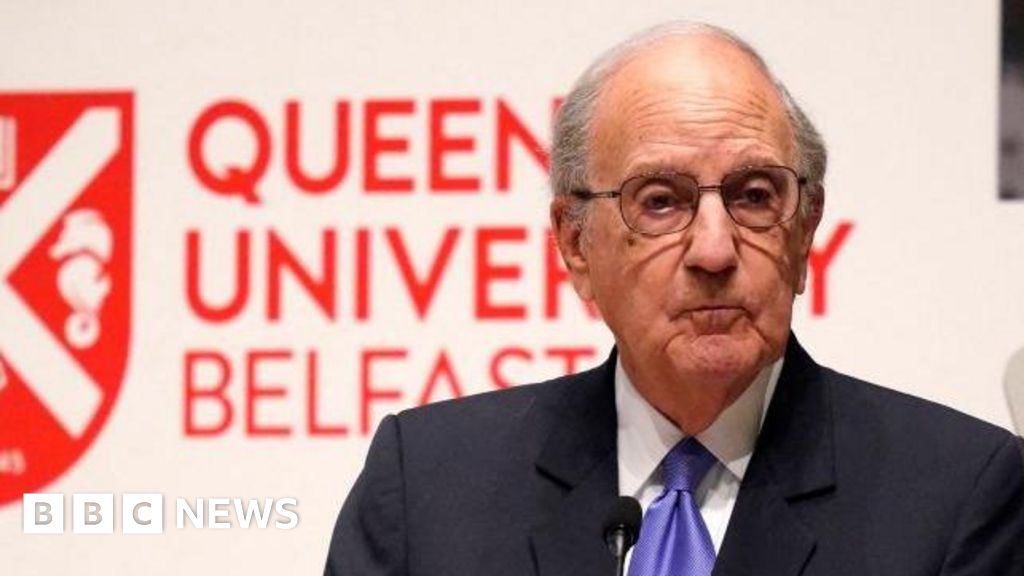
Queen’s University Belfast severs ties with George Mitchell over Epstein controversy

Recently, a notable controversy has erupted within the academic community regarding the legacy of Senator Mitchell. While no formal accusations of misconduct have been substantiated against him, the institutional decision to dissociate his name from university spaces underscores a broader societal shift—an increased emphasis on accountability and sensitivity toward victims and survivors of misconduct. Such actions reflect an evolving moral stance that prioritizes moral integrity and the well-being of vulnerable populations over historical recognition, signaling a significant cultural transition in how we reckon with past and present complexities.

This incident has ignited conversations about how societal values influence academic and communal identities. Critics argue that removing Mitchell’s name is a symbolic gesture, yet many see it as a necessary step in fostering more inclusive and respectful environments. The decision touches deeply on issues of justice, memory, and moral responsibility, which resonate across families, education systems, and local communities. As sociologists like Dr. Jane Harper have pointed out, such societal shifts are often driven by demographics and cultural tensions that challenge traditional notions of legacy—especially in a society increasingly aware of power dynamics and social disparities.

Amid these developments, educational institutions are grappling with how to reconcile historical figures’ contributions against contemporary moral standards. The debate transcends mere symbolism; it touches upon foundational questions of values, ethics, and the social fabric of communities. For families, this debate echoes in their personal beliefs about history and morality, influencing how young people perceive the moral weight of their communities’ legacies. As historians like Dr. Robert Lang emphasize, societal progress often involves re-evaluating history’s heroes—not to erase their contributions, but to contextualize them within a framework of moral accountability and social awareness. This evolving narrative aims to build a future where justice and empathy serve as the guiding principles of societal development.

In reflecting upon these social shifts, society stands at a crossroads, confronting uncomfortable truths about the costs of legacy and the importance of moral progress. The challenge remains: how to honor history without perpetuating injustice. Yet, beneath the surface of controversy lies a foundation of hope—an aspiration for a society where families, educators, and communities collaboratively forge a more respectful and just environment. As we navigate these turbulent waters of moral and cultural evolution, the true test will be whether society can transform its collective conscience into a beacon of hope that guides future generations toward greater understanding, accountability, and unity—standing resilient in the face of history’s shadows, yet inspired by the promise of genuine change.

University enrollments drop as students encounter growing "cold spots" in courses
University enrollments drop as students encounter growing “cold spots” in courses

Language Courses and the Erosion of Regional Cultural Identity

Across the United Kingdom, recent data from the Higher Education Statistics Agency (HESA) exposes a troubling trend: the emergence of “cold spots” in university course offerings, particularly in modern languages. These regional disparities are not merely statistical anomalies; they symbolize a deeper societal shift that risks impoverishing the cultural fabric of our communities. The decline in courses in French, German, and other critical languages reflects broader challenges faced by our educational institutions—namely, financial constraints and shifting student interests—raising urgent questions about how society values cultural literacy and intercultural understanding.

Over the last decade, the number of students enrolled in French studies has plummeted from 9,700 to just 3,700, exemplifying a stark reduction in regional access. Similar declines are evident across other language disciplines, with some regions experiencing near-total abandonment of language courses. These downward trends are often attributed to university budget cuts–driven by fiscal difficulties and the necessity to prioritize courses with higher enrollment. Sociologists and educational commentators warn that this narrowing of academic offerings leads beyond mere academic exclusion; it threatens to **dismantle** the social cohesion that linguistic diversity nurtures. Catherine Richards, a principal at East Norfolk Sixth Form College, emphasizes that the issue begins long before university, with fewer language opportunities at the primary and secondary levels—an erosion of early exposure that seals many students’ academic fate.

This educational contraction has profound social implications, particularly for families and communities. When regional students face limited access to language learning, they are often encouraged to move to far more expensive urban centers like London or Bristol. Emma Walker, a language course leader, highlights how students from less affluent backgrounds are effectively priced out of the opportunity to study languages, with some being forced to abandon their aspirations due to the high costs of living in bigger cities. Such economic barriers threaten to create a linguistic divide—a socio-economic chasm that hampers social mobility and reinforces regional inequalities. Historically, language learning has been a tool for bridging cultural gaps; its neglect now risks turning regional communities into linguistic echo chambers, impoverished of the rich exchange of ideas that diverse languages facilitate.

At the core of this crisis lies a fundamental societal question: what do we value as a society? Experts like Prof. René Koglbauer warn of a spiraling decline in language skills, where the absence of university and school language courses sends a signal of cultural devaluation. They propose a shift in approach—urging universities to adopt collaborative strategies and pool resources to sustain language programs, especially in regions most at risk. Meanwhile, policymakers stress a need for comprehensive reforms, with the Department for Education affirming that “all children” should have the opportunity to learn a language, asserting that curricular reviews will ensure cultural skills are prioritized. Nonetheless, the challenge remains: without concerted action, the societal fabric will fray further, with each lost language a thread removed from our collective tapestry.

Ultimately, society stands at a crossroads—whether to nurture a multilingual, culturally-rich future or permit regional linguistic identities to dissolve into distant memories. In the shadows of declining coursework and shifting demographics lies a sobering truth: the resilience of our communities depends on the values we choose to uphold today. As we ponder these societal shifts, let us remember that beneath the statistics are families, students, and teachers—each seeking a future where society’s diversity is celebrated, and the doors of opportunity remain open to all, regardless of geography or economic circumstance. For in safeguarding our linguistic heritage, we safeguard the very essence of our society’s capacity for understanding, connection, and renewal.

Brown University Student Shares Resilience: Overcoming Two Mass Shootings and Rising Strong

In the midst of the holiday season, stories of resilience and tragedy weave a somber backdrop, reminding us of the relentless challenge that American youth face daily—the pervasive threat of mass shootings on school campuses. One such story emerges from Providence, Rhode Island, where 21-year-old Mia Tretta reflects on her harrowing experiences, shedding light on the broader cultural shift gripping the nation. Having survived her second school shooting, Mia’s narrative is a stark reminder that safety, once assumed as a given, is now a fragile illusion for countless young Americans. Her harrowing account underscores a critical question: how did a nation that prides itself on innovation and resilience become so desensitized to violence that students must practice *active shooter drills* as part of their routine?

This new era of wellness and lifestyle is marked by an *urgent necessity* to reconsider the very foundation of safety and mental health in schools. The aftermath of mass shootings, including the tragic loss of lives and the lasting physical and emotional scars, ignites debates across political and cultural spectra. Thought leaders such as Dr. Gabor Maté emphasize the importance of addressing underlying societal issues—mental health, gun control, community cohesion—to forge a path toward genuine healing. Yet, despite these expert insights, the ongoing cycle of violence compels schools to evolve into fortified environments, where police presence remains high, and students are equipped with tools for survival rather than true peace of mind. Mia’s story exemplifies a “new normal”—a landscape dominated by *mental resilience* efforts intertwined with visible security measures.*

For those seeking to embrace a lifestyle rooted in *resilience* and *self-reliance*, these events serve as a catalyst for embracing holistic wellness and proactive safety strategies. As cultural critic Camille Paglia points out, there is a value in fostering strength and independence among the youth—a counterpoint to the helplessness often associated with such tragedies. Practical lifestyle shifts include prioritizing physical and mental fitness, cultivating communities of support, and engaging in meaningful political action to advocate for responsible gun legislation.

  • Travel to safe yet inspiring environments—perhaps the scenic landscapes of the American West or the historic beauty of New England—to recharge and gain perspective.
  • Incorporate daily wellness practices such as mindfulness, physical activity, and community service to build *inner strength*.
  • Support organizations that prioritize *youth empowerment* and *gun reform* to channel frustration into tangible change.

Ultimately, the stories of survivors like Mia are not just cautionary tales but also callings to action—an invitation for the younger generation to redefine what it means to live boldly and responsibly. Her courage in sharing her experience at the White House illustrates a profound **personal impact**; not only has she faced her past with resilience, but she also embodies the growing movement of youth demanding change. It reminds us that authentic well-being transcends physical health—it’s about fostering a society where safety and peace are fundamental rights, not privileges. As we reflect on her journey, let us embrace the idea that each day, despite the chaos, offers a chance to forge a lifestyle of courage, resilience, and hope. Those who dare to live consciously, aware of both the vulnerabilities and strengths within, will find in their pursuit a profound sense of purpose—a journey toward embracing life amidst adversity.

Person of interest detained in Brown University shooting, officials confirm

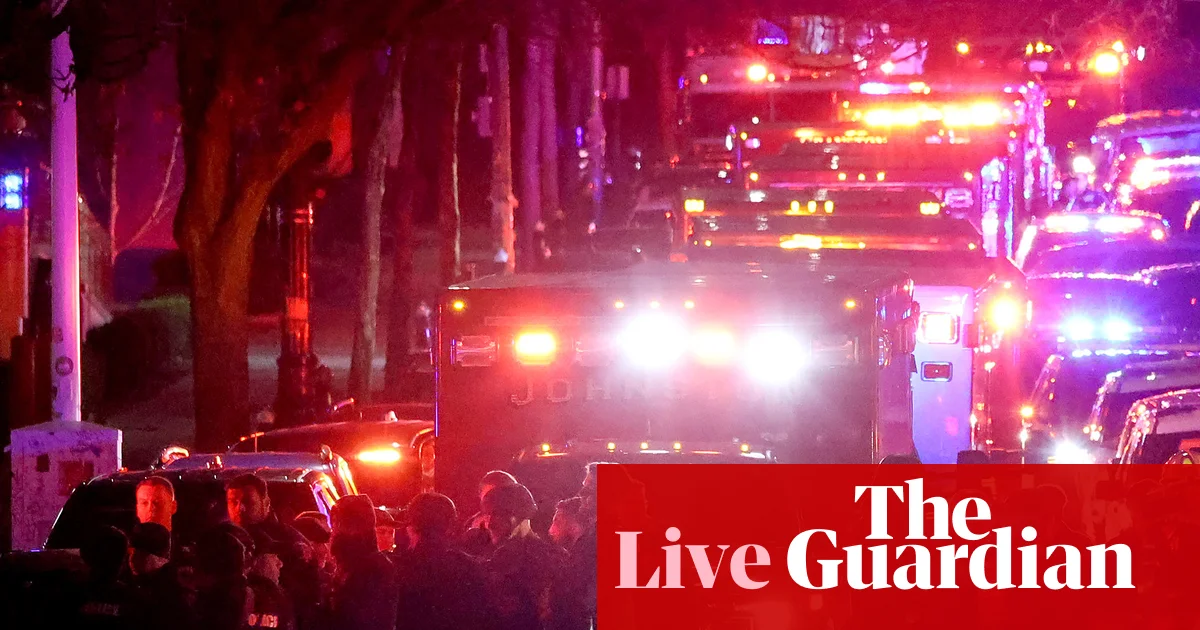
The recent shooting at Brown University in Providence, Rhode Island, has once again cast a dark shadow over the ongoing debate about gun control and safety in the United States. Reportedly, a gunman opened fire within a classroom on Saturday afternoon, leaving two students dead and nine others injured. The incident, which unfolded at the Holley engineering building, shocked a nation already accustomed to tragic acts of violence, but it also raised urgent questions about internal security and mental health policy that many analysts argue are being neglected by policymakers.

The response from local authorities and university officials has been swift. Police detained a suspect shortly after the attack, with Police Chief Oscar Perez confirming that no additional individuals are being sought and that evidence collection is ongoing. While CCTV footage captured a male suspect dressed in black walking away from the scene, officials indicated that the firearm was not recovered immediately, complicating efforts to understand the motives behind the attack. This event underscores a troubling pattern within the U.S., where mass shootings are becoming disturbingly routine. According to experts like Harvard Law Professor Laurence Tribe, the persistence of such violence threatens to undermine the foundations of society—not just in the U.S., but as a cautionary tale to the world.

Internationally, the United Nations and various human rights organizations have lamented the apparent intractability of America’s gun epidemic, often framing it as a product of a “culture of violence” that is amplified by lax regulations. Yet domestic critics argue that the true cause is rooted in a complex mixture of societal decay, partisan politics, and the influential gun lobby, which continues to stymie meaningful reform. How nations like Japan and Australia implemented strict gun laws in the past decade, sharply reducing firearm-related incidents, provides a stark contrast to America’s ongoing struggles. Such differences reveal the geopolitical divide: nations willing to prioritize societal security versus those hamstrung by political inertia and powerful interest groups.

Beyond the immediate tragedy, the incident at Brown University serves as a harbinger of future challenges for U.S. society and global stability. While the authorities work to piece together the motives and evidence, many warn that unless there is a fundamental shift in approach—addressing mental health, gun regulation, and security—similar incidents will continue to scar communities and deepen divisions. Historians and analysts are already warning that this event will be remembered as a pivotal moment: either as the breaking point that prompts reform or as another chapter in the ongoing saga of American violence. As the city of Providence begins its long road to recovery, the question remains: how many more lives must be shattered before significant change is wrought?

Brown University Shooting: Two Dead, Eight Critically Hurt—Suspect Still At Large

In a stark reminder of America’s ongoing gun violence epidemic, the recent mass shooting at Brown University in Providence, Rhode Island, has ignited international debate about the nation’s handling of firearm regulations and societal safety. While the tragedy unfolded during final exams—an event that should epitomize the pursuit of knowledge and peaceful progress—the harrowing reality highlights a deeper crisis that transcends individual incidents.

The attacker, described by authorities as a male dressed in black who remains at large amidst a city swarmed with holiday shoppers and busy streets, has left a nation mourning yet again. Officials from law enforcement, including Mayor Brett Smiley, have provided limited details, confirming only that two individuals are dead and at least eight are in critical condition. The incident occurred within a university housing over 100 laboratories and numerous classrooms, where students like biochemistry senior Alex Bruce and engineering student Emma Ferraro experienced firsthand the chaos and fear of gunfire in what was supposed to be a safe academic environment. The international community observes these scenes with a mixture of concern and frustration, questioning whether America’s unique relationship with guns can ever be reconciled with fundamental rights and public safety.

Global organizations and analysts have long critiqued the United States’ approach to gun control, often describing it as a failure in policy and societal management. The Everytown for Gun Safety organization labels itself as the leading gun violence prevention group and insists that “we either take action or bury more of our kids.” International voices, from academics to political leaders, emphasize that the US is increasingly isolated in its refusal to enact effective legislation. Historical perspectives, including those of renowned historians, suggest that cycles of violence in America are not only a product of targeted policy failures but also reflect cultural and political divisions. The impact extends beyond fatalities, permeating social fabric, education, and the perception of safety among youth.

As the nation grapples with this latest tragedy, every international observer recognizes that decisions made today—be it on stricter gun laws, mental health support, or national security—will shape the societal landscape for decades. Leaders like President Donald Trump, having initially claimed a suspect was in custody before clarifying otherwise, highlight the often chaotic and politicized response to such incidents, complicating international perceptions of American governance. Meanwhile, voices from across the political spectrum, including New York’s incoming Mayor Zohran Mamdani, have pointed to the tragedy as a symptom of a broader crisis that demands urgent and decisive action.

The story is still being written, and history waits with bated breath on what course the United States will chart in the aftermath of these recurring tragedies. The weight of future generations and the conscience of a nation hang in the balance, as the world watches and waits for a turning point—an opportunity for meaningful change or a continued descent into violence that defies comprehensible explanation. The pages of history are turning, and the next chapter remains unwritten, leaving us to ponder: how many more lives must be lost before America’s crisis finds its resolution?

Weymouth eyes new dental university to boost local society and youth opportunities

Across the picturesque coastlines of Weymouth, a silent transformation is underway—an effort to redefine the very fabric of community life through ambitious development projects. While these initiatives aim to rejuvenate the town as a thriving coastal destination, they also reflect deeper social dynamics impacting families, education, and social cohesion. The proposed establishment of a new Allied Health Professional University, with a focus on dentistry, symbolizes a forward-looking strategy to retain local talent and create economic opportunities. Yet, beneath the glossy surface of regeneration lies a sobering reality: many communities struggling with social disparities and the erosion of traditional social bonds, which threaten the moral fabric of society itself.

The development plans, in collaboration with Health Sciences University (HSU) and local NHS partners, represent a beacon of hope for the younger generations. As sociologist Dr. Emily Carter points out, such initiatives can serve as catalysts for empowering youth, fostering local leadership, and boosting community resilience. Nevertheless, it is essential to recognize that social issues affecting families—such as economic instability, housing shortages, and accessibility to quality healthcare—often hinder the realization of these aspirations. The social tensions brewed from inequality can deepen divides, making it harder for communities to thrive collectively. The challenge remains: how to balance economic growth with social justice, ensuring that progress lifts all, rather than leaving the most vulnerable behind.

As policymakers and town planners look to boost Weymouth’s economy through projects like a hotel-led development on the Weymouth Peninsula and the creation of new homes and commercial spaces, they must also confront the social tensions brewing within the town’s social fabric. The proposed cultural hub, centered around The Rectory on St Thomas Street, aims to encourage community engagement and cultural expression. Yet, social commentators warn that without intentional efforts to bridge the gaps in education, healthcare, and housing, such projects risk becoming symbols of exclusivity rather than inclusion. Education expert Dr. Marcus Liu emphasizes that equitable access to quality education and social services is vital to fostering a society rooted in shared values and collective human dignity.

Ultimately, Weymouth’s story echoes the broader societal narrative—one where hope and hardship intertwine. The path toward a society where families can flourish, communities can unite, and youth can dream without barriers is fraught with challenges. Yet, it is a path worth pursuing. For within the quiet resilience of towns like Weymouth lies the potential for society’s transformation—an enduring reminder that the true wealth of a community resides in its social bonds, moral integrity, and the courage to confront its struggles head-on. As history reminds us, societal progress is rarely without sacrifice, but it is in those moments of collective effort that society finds its truest hope, and perhaps, its greatest renewal.

Social Media Auto Publish Powered By : XYZScripts.com