Matox News

Truth Over Trends, always!

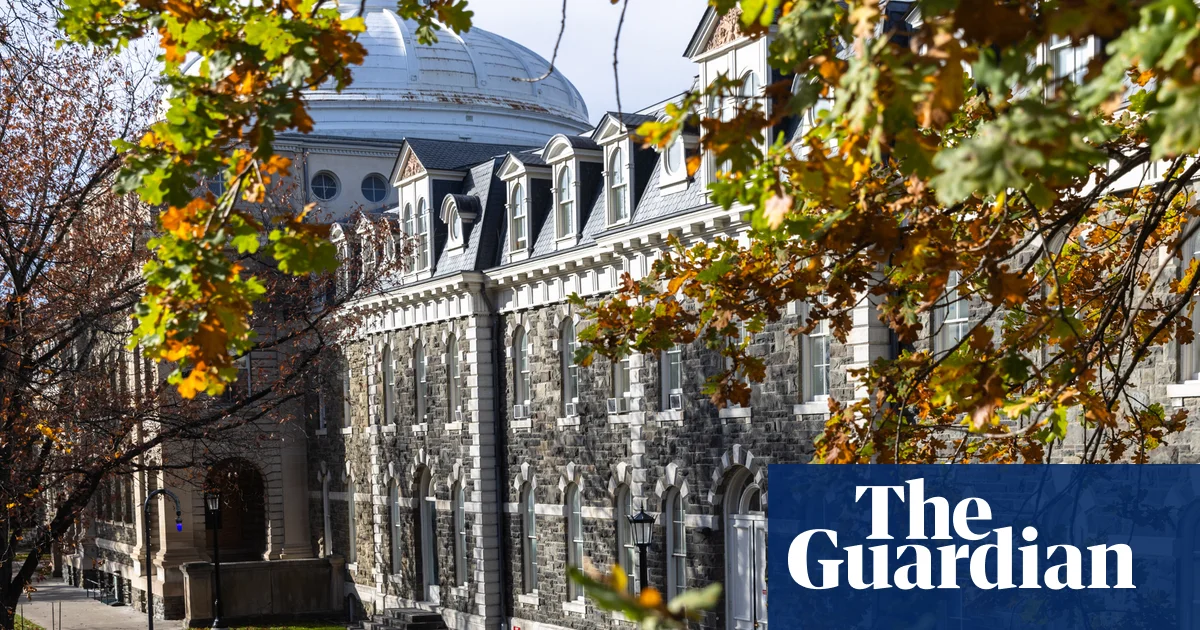
Cornell reaches deal with Trump admin to bring back $250M in university funds

The United States continues to exert unprecedented influence over its higher education institutions, deploying a mixture of intimidation and strategic leverage that extends beyond academic boundaries. Recent developments reveal the Trump administration reaching settlement agreements with prominent private universities such as Cornell, Columbia, Brown, and the University of Pennsylvania. These settlements are emblematic of a broader pattern: a government increasingly willing to scrutinize and manipulate educational autonomy under the guise of combating antisemitism and enforcing ideological conformity. The shift signals a fundamental recalibration of the international perception of American academic freedom, alarming allies and adversaries alike.

At the heart of this confrontation lies a controversial “compact” offered to universities—an agreement promising favorable access to federal funds in exchange for compliance with the administration’s ideological standards. Critics argue that this represents an erosion of institutional independence and a drift toward censorship under political pressure. Leading voices, including international analysts and historians, warn that such government overreach could have lasting geopolitical impact—not merely domestically but globally. Universities serve as epicenters of free thought and innovation, and their compromised autonomy risks diminishing the United States’ traditional standing as a bastion of academic freedom, thereby emboldening authoritarian regimes that have long sought to undermine Western values.

Furthermore, the administration’s use of anti-discrimination legislation as a means of extending political control raises urgent questions about the limits of state interference. When the focus shifts from protecting minority rights to silencing dissent, the very foundation of democratic discourse begins to shake. As international organizations such as the United Nations and human rights watchdogs scrutinize these actions, the global narrative increasingly depicts the US as adopting tactics reminiscent of regimes that misuse legislation to justify repression. Historians specializing in authoritarian studies warn that the ongoing pressure on higher education institutions could foster a new era of ideological conformity and intellectual stagnation, undermining the very qualities that have historically allowed American universities to innovate and lead the world.

Ultimately, the unfolding scenario underscores a pivotal moment in modern geopolitics. As international observers watch closely, the decisions made within these halls of power could redefine the future landscape of global education and influence. With each university that capitulates — or resists — the trajectory of American influence is written in real time. The weight of history presses down even as factions clash over the soul of higher learning. As new alliances form and old paradigms fracture, the world waits, studded with the shadows of what has been lost and the uncertain promise of what remains to be forged — a destiny still being written, one decision at a time.

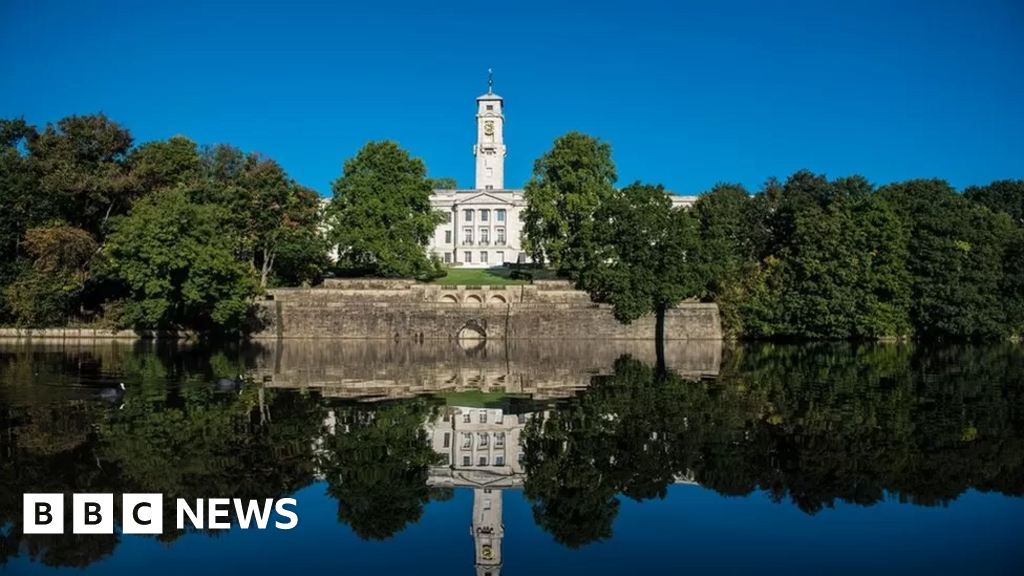
University of Nottingham pulls back on music and modern languages courses, impacting students’ futures

University of Nottingham’s Program Cuts Reflect Broader Social and Economic Strains

The recent decision by The University of Nottingham to suspend all modern language and music courses for incoming students signals more than an academic restructuring; it is emblematic of the deeper social, economic, and cultural challenges facing contemporary society. As universities grapple with falling revenue and shifting priorities, they are increasingly prioritizing short-term financial stability over the broader educational mission to cultivate well-rounded, culturally literate citizens. The suspension of these courses, which traditionally foster global awareness and cross-cultural communication, risks further entrenching demographic divides and narrowing the horizons of future generations.

At the heart of this debate lies a troubling trend: a societal move away from the values of cultural exchange and linguistic diversity. Sociologist Dr. Thomas F. Pettigrew has long argued that language is intertwined with identity and social cohesion. When educational institutions curtail these fields, they inadvertently diminish the cultural richness necessary for a vibrant, inclusive society. The potential loss of programs dedicated to languages and the arts not only affects students’ ability to engage in a globalized world but also effectively signals to families and communities that cultural literacy is secondary to economic expediency, thus widening existing social inequalities.

  • Institutions face financial pressures leading to the suspension of courses seen as less profitable.
  • Trade-offs are made that threaten the developmental foundations of student cultural competence.
  • The reduction in programs undercuts societal efforts to cultivate intercultural understanding.

Furthermore, The impact extends deeply into families and local communities. When educational opportunities shrink, especially in subject areas fundamental to societal cohesion, entire communities can experience a loss of cultural vitality. The university’s move to prioritize revenue at the expense of diverse academic offerings underscores a broader societal crisis—namely, the erosion of shared cultural values and the marginalization of less commercially lucrative disciplines. History reminds us that nations built on a rich tapestry of languages, arts, and cultural exchange tend to be more resilient. By undermining these disciplines, society risks impoverishing both current and future generations.

Despite these challenges, there remains a hope for societal renewal. Leaders, educators, and communities must rally to prioritize education as a tool for social cohesion, not merely economic transaction. As social commentator Dr. Jordan Peterson emphasizes, fostering individual responsibility and cultural literacy is vital to restoring societal integrity. The fight to preserve these essential programs is not merely about academic interests but about safeguarding the moral and human fabric that connects us all. Society’s greatest strength lies in its ability to adapt while holding onto core values—a hope that, in the face of economic hardship, can inspire a transformative journey toward a more inclusive, culturally rich future.

In this era of rapid change and economic uncertainty, the question remains: Will society choose the path of cultural preservation and renewal, or fade into the shadows of cynicism and division? The challenge before us is clear—our response will shape not only the future of education but the soul of society itself, as each generation inherits the moral weight of what we uphold and what we relinquish.

UKHSA Watches Closely as Brighton University Meningitis Cases Emerge

Rising Concerns Over Meningitis Among Students Highlight Societal Challenges

The recent diagnosis of two students at the University of Brighton with meningitis has reignited concerns over public health vulnerabilities and social awareness. The UK Health and Security Agency (UKHSA) has emphasized its vigilance, closely monitoring the situation as the community grapples with this potentially fatal yet often misunderstood disease. While the university reports that both students are recovering and that those who had close contact are receiving precautionary treatment, the incident underscores a broader societal issue: the lack of widespread awareness about early symptoms of serious illnesses and the social dynamics that may hinder prompt medical attention, especially among youth.

Social Tensions and Cultural Shifts in Health Vigilance

Health sociologists have pointed out that young adults often dismiss early warning signs of illnesses as mere inconveniences or minor ailments. Charlotte Flynn, a health protection consultant at UKHSA South East, notes that symptoms like fever, headache, and fatigue can be easily mistaken for more benign conditions such as hangovers or flu. This dangerous confusion is compounded by cultural shifts that prioritize resilience and independence, leading many students to ignore symptoms until medical intervention becomes urgent. Such delays not only threaten individual lives but also place strain on healthcare resources and community health programs.

Underlying this issue are social factors like patterns of communal living, peer influence, and a sometimes dismissive attitude towards health concerns. Historically, sociologists such as C. Wright Mills have highlighted how societal norms and power structures influence health behaviors. In the context of student communities, the social pressure to appear resilient or unaffected can discourage early reporting of symptoms, further complicating containment efforts. The university’s assertion that meningococcal bacteria do not spread easily—but only through prolonged, close contact—serves as a reminder that habits within these communities can either mitigate or exacerbate health risks.

Implications for Families, Education, and Society

  • Families face emotional stresses when a loved one falls ill, often feeling helpless amid the ambiguity of early symptoms. This distress can be compounded by imperfect knowledge or access to healthcare, particularly among socio-economically disadvantaged families.
  • Educational institutions bear the burden of balancing academic continuity with health vigilance, implementing measures that include information dissemination and contact tracing. As Brighton’s administration states, they have “gone above and beyond” in guiding students, yet the challenge remains to foster a culture of proactive health engagement.
  • Communities are tasked with fostering environments where health awareness is normalized and stigma surrounding illness is reduced. The incident raises questions about how to cultivate younger generations’ sense of personal responsibility while ensuring they do not feel overwhelmed by fears or misinformation.

As social commentators and sociologists like Zygmunt Bauman have argued, society’s capacity to adapt and respond to such challenges hinges on collective consciousness and moral commitments. The hope is that through improved education, community engagement, and responsible health practices, society can rebuild a culture that values early intervention and collective well-being. The tragic irony remains that, in a time of unparalleled technological and informational access, the very youth most vulnerable may be the least prepared to recognize the signs that could save their lives. Society stands at a crossroads—where understanding, vigilance, and compassion could turn today’s crisis into a catalyst for societal resilience and transformation.

Four Hurt in Shooting Near Howard University, DC Police Say

Washington DC Crisis Erupts Amid Howard University Homecoming Celebrations

In a tragic escalation of violence in the heart of capital of the United States, a shooting near Howard University has resulted in multiple casualties, casting a shadow over what was intended to be a festive homecoming weekend. The incident occurred at approximately 8:23 pm on the 600 block of Howard Place, just as thousands gathered on campus to partake in traditional celebrations. The timing of this violence underscores the persistent issue of urban gun violence in major American cities, which continues to threaten public safety and social cohesion regardless of the country’s global prominence.

Initial reports confirm that four individuals were shot, with at least one in critical condition and another in serious condition, though authorities have yet to disclose the exact number of injuries or whether a suspect has been detained. This senseless act of violence not only impacts local communities but resonates as a stark reminder of the broader challenges faced by the U.S. in addressing gun crime. Law enforcement responded swiftly, securing the scene and initiating investigations amid ongoing concerns over public safety during large gatherings. The incident highlights how urban violence persists as a pressing issue that destabilizes social order at a time when national attention is crucial for unity and resilience.

Meanwhile, the socio-political dynamics surrounding urban violence in the United States continue to draw criticism from international analysts and historians. Many point to systemic issues: economic disparity, lax gun control legislation, and racial inequities, which persist as root causes underpinning recurring episodes of violence. In a recent report, the International Organization for Peace and Security warned that such incidents threaten the fabric of American society and challenge the nation’s self-image as a beacon of democracy and stability. The current chaos in Washington serves as a microcosm of a deeper, unresolved crisis that could have far-reaching impacts on international perceptions of American sovereignty and governance.

Experts further argue that decisions made at municipal and federal levels significantly shape society’s resilience against violence. The ongoing debate surrounding gun legislation reform and social justice initiatives is intertwined with the broader geopolitical impact of American internal stability. As the nation grapples with these issues, the international community watches with cautious concern—fearing that continued internal strife may weaken the U.S. position on the global stage. Historically, unresolved conflicts within powerful nations often pave the way for foreign influence and regional instability, echoing past lessons from the Cold War era, where internal crises in the U.S. often shifted the balance of global power.

As security forces restore order in DC and investigations proceed, the weight of history bears down on this moment. With each incident like the Howard University shooting, the American societal narrative is rewritten—reminding us that the path to stability is fraught with challenges, and the future remains uncertain. Whether reforms or reforms will come quickly enough to prevent further tragedies remains to be seen. Yet, what persists is the stark reminder that history is an ongoing drama, and the decisions made today will echo through generations—ultimately shaping the destiny of nations and societies on the global horizon.

University Fees Up, V-Levels Introduced: What Young Brits Need to Know

Society at a Crossroads: The Rising Costs and Shifting Structures in Higher Education

As families across communities grapple with economic uncertainty, the landscape of higher education faces transformative shifts that threaten to deepen social divides. The recent White Paper from the government signals not just changes in policy, but the potential recalibration of social mobility itself. With tuition fees destined to escalate annually with inflation from 2026 onward, the foundational promise of accessible university education appears increasingly fragile.

Historically, social commentators like John R. Bowen have emphasized that education acts as both a mirror and a moulder of societal structures. The planned fee increases—expected to elevate costs by over £400 annually—pose a significant hurdle for students from lower-income backgrounds. Although the government assures that income-based repayment thresholds will shield some, the specter remains that rising debt burdens could disproportionately burden those who can least afford it, thereby narrowing the social strata rather than bridging them.

Financial Strain and Academic Inequity

In this context, the question of university staff pay and quality of education emerges as a critical issue. The uncertainty surrounding whether fee hikes will translate into better salaries for lecturers is symptomatic of a larger dilemma. According to sociologists like Michael W. Apple, the way in which educational resources are allocated often reflects broader societal priorities. Critics argue that with universities facing financial strain—exacerbated by years of austerity—the likelihood is that staff pay disparities and resource shortages will deepen, potentially impacting students’ learning experiences.

  • Proponents claim that inflation-linked fee increases are essential for the long-term sustainability of universities, which have struggled with frozen or declining funding.
  • Opponents warn that this model could entrench socio-economic inequalities and erode the quality of higher education for the most vulnerable students.

Additionally, the government plans to reintroduce maintenance grants for some lower-income students by 2029, financed through a tax on international student fees. While such measures aim to shore up access, questions linger about whether they will be sufficient to counter the effects of rising debt and cost of living, especially for those who are the first in their families to pursue higher education.

Reimagining Accreditation: The Role of V-Levels

Amidst these financial and social upheavals, a pioneering shift in educational pathways is underway: the introduction of V-levels from 2027. These new qualifications are designed to sit alongside traditional A-levels and T-levels, replacing qualifications like BTecs, yet their precise impact remains opaque. The shift signifies a broader debate on the credibility of vocational qualifications and their role in social mobility.

Historians like E. P. Thompson have documented that vocational education has long been undervalued, often viewed as a lesser alternative to academic routes. The emergence of V-levels is an attempt to elevate such pathways, but the transition must be carefully managed. Current vocational students, many from working-class backgrounds, worry whether these reforms will result in a two-tier system, where social and economic barriers could once again decide educational destiny.

Hope and Reflection

As society grapples with these challenges, the question remains: how can communities and policymakers foster a future where opportunity is truly accessible to all? It requires a collective effort, integrating public funding, fair assessment standards, and a renewed respect for vocational paths—steps that echo the insights of social thinkers advocating for equity rooted in social justice.

In the quiet moments of reflection, society faces a choice—to let the escalating costs and structural divides deepen the chasms between classes, or to forge a new way forward rooted in equality, opportunity, and the human dignity that underpins a resilient society. The seeds of transformation may be fragile, but history has shown that hope, combined with deliberate action, can sow the roots of profound change—reminding us that even amidst adversity, society’s true strength lies in its capacity to evolve.

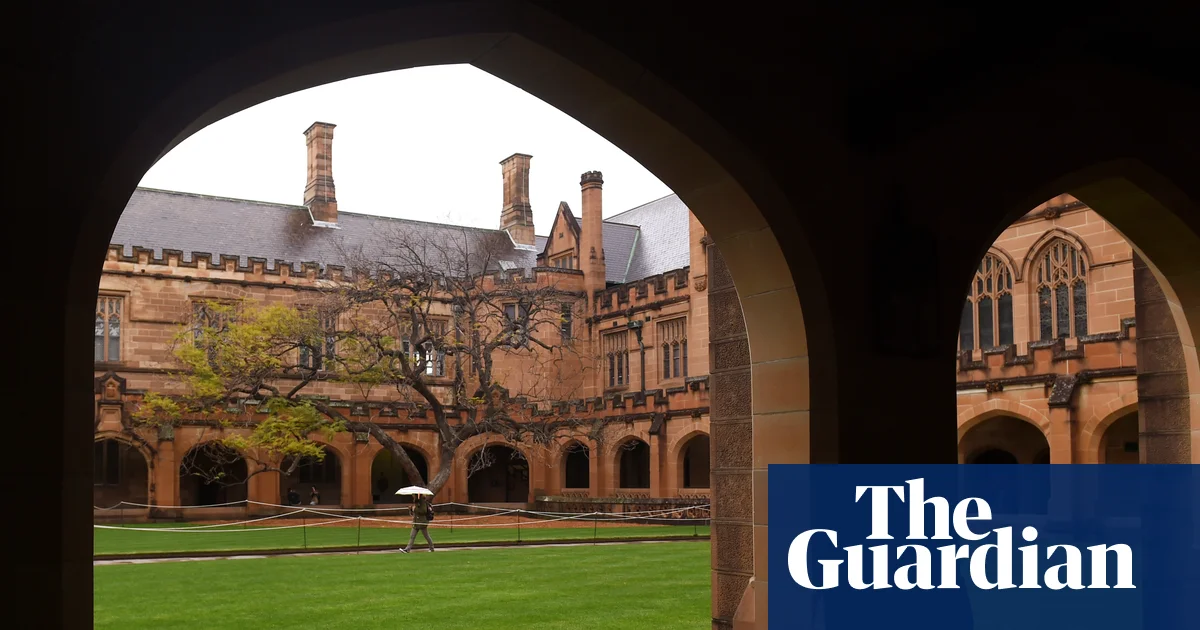
University of Sydney Blocks International Student Enrollment Increase for Next Year

In a clear reflection of shifting geopolitical priorities and internal policy struggles, Australia has announced it will not expand its international student intake for the year 2026. Despite its reputation as a global educational hub, the country’s plan to allocate 295,000 new places, after the failed attempt to impose a cap at 270,000, now signals a calculated move amidst mounting internal debates and international competition. This decision highlights a strategic recalibration—one that navigates the complex intersection of economic benefits, domestic social pressures, and international influence.

Notably, the University of Sydney, which retains the title of Australia’s leading institution for international students with 11,900 enrolments, was bypassed in the allocation process, receiving no additional places. The government’s reasoning underscores the importance of market diversification, assessing universities on their engagement with South-East Asia—a region of rising geopolitical significance. The emphasis on regional focus aligns with Australia’s broader goal of bolstering its influence amid the escalating strategic rivalry with China, India, and other emerging powers. Analysts warn that this tightened control could serve to channel international educational efforts towards more “trustworthy” alliances, effectively politicizing the sector as part of a larger diplomatic chess game.

International organizations and independent analysts continue to scrutinize the broader implications. Many point out that the controversy surrounding international students is more than academic—it’s a proxy for national identity, sovereignty, and economic sovereignty. Critics argue that the narrative linking international students to housing pressures is often exaggerated, with some studies indicating negligible impact on rental markets. Nevertheless, the government has responded by promising incentives for universities investing in student accommodation, signaling a shift towards embedding security and control in Australia’s educational diplomacy. This approach mirrors a wider global trend—nations consolidating borders and influence in response to an increasingly unpredictable international environment.

Such moves ripple well beyond the classroom. Monash University and regional institutions like Charles Sturt and Federation University are now seen as part of a broader strategy to foster regional resilience and resourceful adaptation. As the international landscape shifts, the impact on global influence and societal cohesion becomes more pronounced—shaping perceptions of national strength and cultural identity. According to prominent historians and policy analysts, these policies could be viewed as attempts to orchestrate a narrative of resilience amid the chaos, but they also risk entrenching divisions and fueling international tensions.

As Australia forges ahead, the stakes remain high. The decision not to expand international student numbers is a reflection of a wider, more pressing reality: the global order is in flux, and nations must redefine their roles on the world stage. As history continues to unfold, the coming years will reveal whether these calculated moves will fortify Australia’s position or deepen its vulnerabilities. In a world where educational diplomacy is increasingly intertwined with geopolitical strategy, the narrative remains unwritten—one where the weight of history presses heavily upon the decisions made today, shaping the future for generations to come.

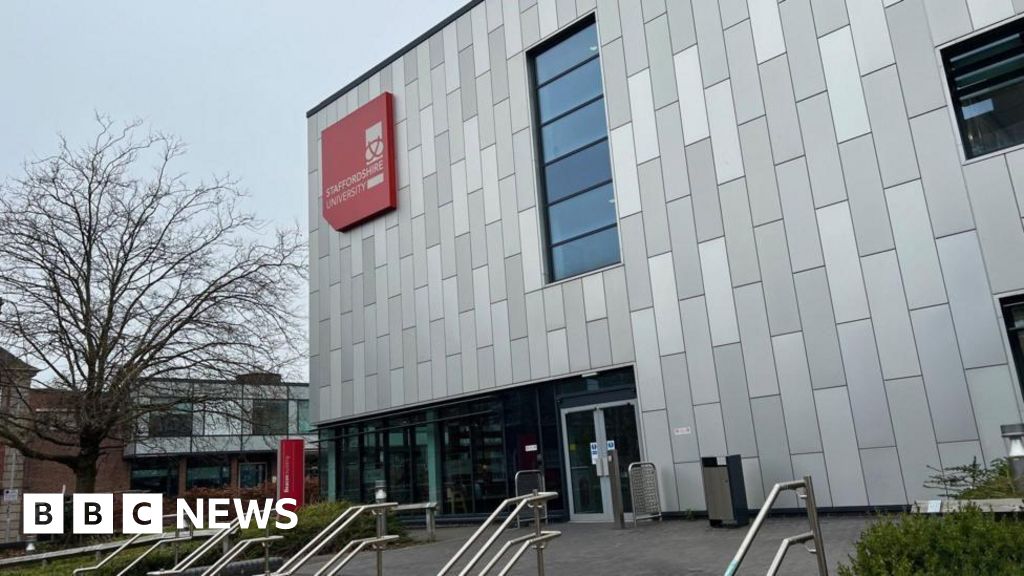
University of Staffordshire plans to slash almost 70 jobs, sparking concern among students and staff

Societal Strain and the Future of Education: The Impact of University Job Cuts on Communities

The financial stability of our educational institutions faces mounting pressures that ripple far beyond the campus gates. Recently, the University of Staffordshire announced a plan to eliminate nearly 70 jobs amid ongoing economic challenges. This decision, driven by a necessity to save approximately £6.4 million, underscores the <crisis in higher education funding>—a crisis that threatens to undermine the very fabric of our learning communities. With 31.2 academic and 35.5 professional service roles on the line, the repercussions extend well into the lives of students, families, and the wider community.

While the university asserts that 95% of its staff will remain unaffected, the human toll of these cuts cannot be ignored. Such reductions do not merely delete jobs; they erode the integrity of student support systems and academic quality. As noted by social commentators, a diminished faculty can lead to larger class sizes, decreased access to mentorship, and a decline in innovative research. These shifts threaten to compromise the educational experience for the next generation—who are already grappling with an uncertain economic climate and changing job markets. The community’s strength is rooted in its shared investments in knowledge and growth, and when institutions weaken under fiscal strain, the ripple effects threaten families’ future stability and societal progress.

Historically, the expansion of higher education has played a crucial role in shaping resilient societies. As sociologist Dr. Alice Freeman notes, the stability of post-secondary institutions is intertwined with broader societal health. When those institutions falter, families are often forced to bear the brunt—either through increased costs, reduced access, or compromised quality—altering the very foundation of community cohesion. The challenges facing universities today reveal a shift in priorities: where once they were viewed as engines for social mobility, today they appear vulnerable to economic austerity, risking the degradation of the social contract between education and society. This cultural shift demands urgent reflection on our collective values and the societal cost of economic retrenchment.

Amidst these struggles, various proposed solutions emerge—from increased government support and targeted funding, to innovative collaborations that sustain jobs and academic integrity. Yet, the core issue remains: how do we ensure that the next generation of students receives not just an education, but an experience that prepares them to face the future? As history teaches us, real societal renewal often begins with communities rallying around their institutions—rebuilding resilience through shared sacrifice and renewed purpose. In a world where the social fabric is stretched thin by economic uncertainty, the hope lies in rekindling our collective commitment to fostering strong, inclusive, and well-supported communities. The challenge is formidable, but within it also lies the opportunity: the chance to transform societal values, prioritizing genuine growth over short-term savings, and nurturing a society where no student, family, or community member is left behind.”

Glasgow University Under Fire for Its Role in Tragedy on Graduation Day

University Failings and the Tragic Loss of Ethan Brown: A Broader Reflection on Society’s Duty of Care

The heartbreaking story of Ethan Scott Brown, a 23-year-old geography student from Glasgow, has ignited widespread concerns about the responsibilities universities hold in safeguarding students’ mental health and well-being. Brown’s family alleges that systemic errors in the university’s assessment process wrongly led him to believe he had failed his degree. Tragically, on his graduation day, December 13, Brown took his own life in his family home, believing he had not achieved the necessary grades to earn his degree. His death exposes not just a university’s internal deficiencies but questions society’s overarching commitment to its young people, especially during vulnerable phases of their lives.

In an internal investigation prompted by fierce pressure from Brown’s family, university officials uncovered serious miscalculations and communication failures. Despite evidence showing Brown had amassed enough marks for a 2:1 honours degree, institutional oversight failed to recognize this, primarily due to confusion surrounding assessment rules. The report revealed that errors went unnoticed by both internal and external review boards, highlighting alarming lapses in academic oversight. Furthermore, the investigation pointed out that Ethan had previously communicated struggles related to his mental health, yet staff failed to direct him towards appropriate support services. This omission underscores a troubling disconnect between academic institutions’ rhetoric about student well-being and their actual policies and practices—often reactive rather than proactive in responding to students’ mental health crises.

Implications for Society and the Erosion of Community Trust

The fallout from Ethan Brown’s death extends beyond individual tragedy, revealing a larger societal crisis that impacts families, education, and community trust. Sociologists like Dr. Michael Levin argue that educational institutions are moral agents responsible for fostering environments where students feel supported, not abandoned. When universities fail to provide essential services—especially during mental health crises—they risk fostering a climate of distrust and alienation among young people. This erosion of trust threatens the very foundation of our communities, where institutions are expected to serve as pillars of support, guidance, and moral responsibility.

Such failures ripple outward, affecting families who lose loved ones to preventable tragedies. For Ethan’s family, the failure to recognize and respond to his distress compounded their grief, leaving them to grapple with the devastating consequences of systemic neglect. Historical figures—like sociologist Émile Durkheim—warned that societal bonds weaken when institutions fail in their moral responsibilities, leading to increased social alienation and mental health crises. The story of Ethan Brown underscores that the true cost of institutional failure is human. It calls for urgent reform that puts the mental and emotional well-being of students at the center of educational policies.

Addressing Systemic Flaws: Toward a More Compassionate Future

  • Implement comprehensive mental health training for staff involved in student assessment and support.
  • Establish clear, proactive communication channels that respond swiftly when students express distress or seek extensions for mental health reasons.
  • Regularly review and audit assessment and support policies to identify and correct systemic gaps.
  • Encourage a culture where student well-being is prioritized without stigma or fear of academic penalty.

As society reflects on Ethan Brown’s story, it’s evident that a profound cultural shift is necessary. Universities must transcend their traditional focus on academic achievement alone, recognizing that the health and safety of students are moral imperatives. Inspired thinkers like sociologist Bell Hooks emphasize the importance of love and care in community building—values that institutions must embody if they hope to restore trust and foster resilience among their students. Society’s challenge lies in creating a landscape where young people are empowered, supported, and valued, ensuring that no tragedy like Ethan’s occurs again. In the quiet hope of change, society must remember that behind every statistic lies a human story—a fragile life with dreams, love, and a voice that deserves to be heard and protected.

Social Media Auto Publish Powered By : XYZScripts.com