Matox News

Truth Over Trends, always!

Judge mandates ICE to free Minneapolis man after unjust 50-day detention

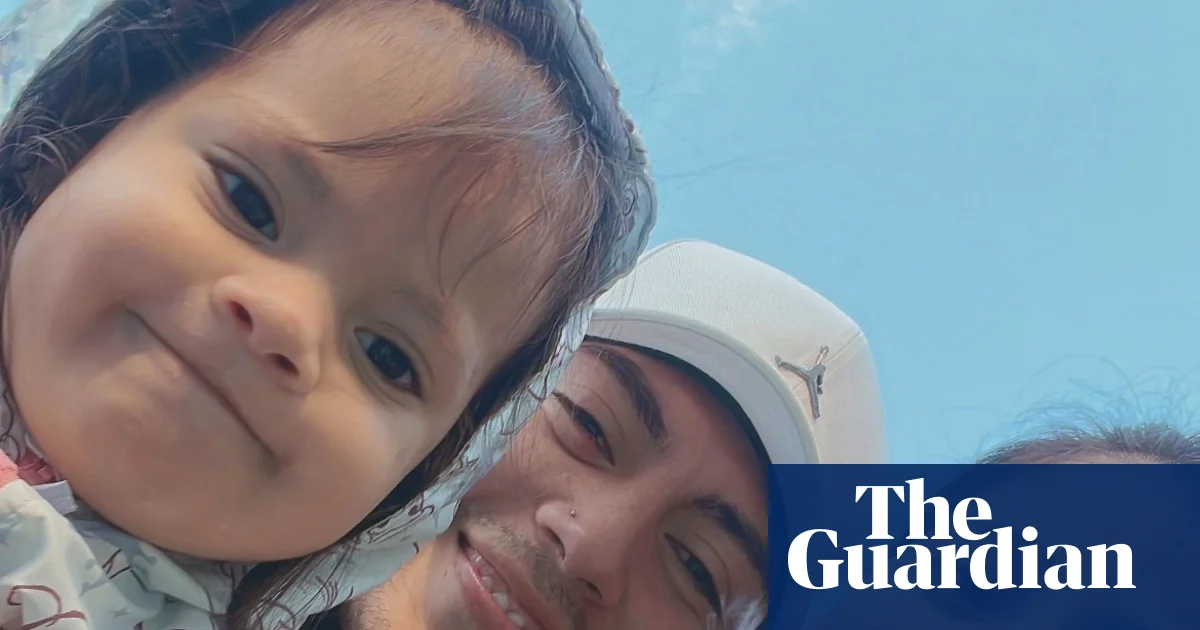
United States immigration enforcement practices have once again become a focal point of debate following a recent historic ruling by a federal judge that condemned the apparent excesses and misconduct of ICE. Elvis Joel TE, an asylum seeker from Equador, was unlawfully detained for 50 days amidst a harrowing series of events that highlight the increasingly aggressive posture of U.S. immigration authorities. His case underscores a broader shift in immigration policy, which threatens to irreparably damage not only the legal integrity of the system but also the societal fabric of immigrant communities. This incident has ignited international concern, especially given the disturbing treatment of Elvis TE’s two-year-old daughter during the raid in Minneapolis, an incident that drew protests and sparked widespread outrage across human rights circles.

The judge’s ruling, issued by Judge Katherine Menendez, explicitly declared that Elvis TE’s detention was “not proper” under existing laws, exposing unconstitutional actions by federal agents. The case gained global prominence after the arrest—carried out without a warrant, amidst chaos—saw agents break into the family home, shattering a car window, and forcibly removing the father and his child. Such actions, legal experts warn, signal a dangerous escalation in the authority wielded by immigration enforcement agencies, particularly as international organizations like the United Nations scrutinize America’s approach to asylum and refugee rights. The brutal treatment and unlawful detention of Elvis TE serve as a stark warning that the erosion of civil liberties and due process within the U.S. legal system could have profound, far-reaching consequences for countries across the globe engaging with American foreign policy and international law.

Moreover, the incident underscores a noticeable tension in American immigration policy—one that favors enforcement over humanity, often with little regard for international treaties like the U.N. Refugee Convention. Critics argue that the American government is increasingly employing detention and deportation tactics that contradict both legal standards and moral obligations. The case has drawn support from immigration advocates and legal analysts worldwide, who condemn the misuse of authority, especially when vulnerable populations such as children are involved. Notably, Groundwork Legal and other organizations highlight how the detention and forcible removal of Elvis TE were not only unlawful but demonstrated a “misuse of government authority” that tears families apart. The incident exemplifies a broader pattern where some nations are risking their reputation by prioritizing security and border control over human rights—a development that could reshape international perceptions of the U.S. as a defender of justice.

In the context of rising global instability and shifting geopolitical alliances, the U.S. faces mounting pressure to reaffirm its commitment to sovereignty, human dignity, and lawful governance. The actions full of abuse and procedural violations are being scrutinized by international bodies and foreign governments, raising critical questions about the future posture of American immigration policy and its impact on global leadership. As World Trade Organization members, NATO allies, and other international power centers watch closely, the way in which the U.S. addresses such incidents will profoundly influence diplomatic ties and security alliances. The ongoing saga of Elvis TE—caught in a web of legal battles, political rhetoric, and human suffering—serves as a reminder that history continues to unfold at the crossroads of law, morality, and geopolitics. The weight of this moment persists: will the nation choose justice over authoritarianism, or will it forfeit its moral standing in the face of raw power? The answers lie hidden in the shadows of history yet to be written, but the echoes of this story will be felt for generations to come.

New Forest Pony Branding Is an Unjust Practice Against Our Heritage

Unseen Battles in Our Society: The Struggle to Preserve Values and Protect Future Generations

In various corners of our society, urgent issues threaten the fabric that holds communities together. From the controversial treatment of animals in the New Forest to the ongoing debate over housing policies and social cohesion, these challenges reflect a deeper struggle to preserve tradition, human dignity, and moral responsibility. The recent reports of wild ponies being rounded up, branded, and having their tails cut serve as a stark reminder that human habits often clash with animal welfare and ethical standards. Such practices not only raise concerns about how our society values life and respect for nature, but they also impact families’ connection to the land and their cultural heritage, especially in rural communities where these traditions are deeply rooted.

Meanwhile, social policy initiatives such as the proposal for prefabricated homes highlight a society grappling with the crises of homelessness and affordable housing. Labour MP Siobhain McDonagh emphasized that these quick-assembly dwellings, reminiscent of postwar resilience, could again be a crucial solution for families and children living without security or stability. The absence of adequate housing affects the growth and development of children, burdening their education and health, and fraying the social ties that keep communities strong. As historians like Eric Hobsbawm have noted, societal progress hinges on addressing the root causes of inequality, transforming lives through pragmatic, community-centered policies rather than populist rhetoric or neglect.

However, societal tensions are also evident in everyday interactions, such as the debate surrounding pedestrian and cyclist relations. Critics point out that the hierarchy of road users must be clearly understood and respected for safety’s sake. The Highway Code reinforces pedestrian priority, yet questions about mutual awareness and courtesy threaten to divide communities further. Such conflicts elucidate the challenge of fostering a shared sense of responsibility, essential for maintaining social order in increasingly busy and diverse urban spaces. Sociologists warn that failure to promote mutual respect could escalate tensions, weakening the social bonds that form the foundation of a cohesive society.

Amid these social issues, voices of concern like Marilyn Adams underscore the importance of civic engagement in the fight against far-right ideologies and political reform movements. Her call to explain and defend democratic values echoes the moral urgency of the moment. Building a resilient society necessitates active participation, informed by a collective understanding that morality and human dignity are non-negotiable. Education, community outreach, and open dialogues are vital in shaping a future where families are secure, children flourish, and social divisions are healed. History informs us that societal transformation is difficult but possible when its members stand united with conviction and moral clarity.

In the arts, as critics highlight the diminished quality of modern drama, with mumbled dialogues overshadowing content, society faces a metaphorical reflection: how often do we sacrifice clarity and purpose for superficial pleasures? Without clear communication and shared purpose, societal cohesion risks becoming like poor dialogue—ineffective and lost in the noise. Yet, just as the society struggles with these challenges, there remains a glimmer of hope—an enduring belief that through proactive engagement, moral responsibility, and respect for tradition and progress, a better society is within reach. Perhaps, in this ongoing story, every individual’s effort to uphold values and foster understanding is a vital stitch in the broader fabric of a nation yearning for renewal, justice, and hope for the next generation.

Social Media Auto Publish Powered By : XYZScripts.com



