
Matox News

Truth Over Trends, always!

Dennis Richardson Urges Action on Bondi Attack Failures, Quits Inquiry Over Urgency Concerns

In a world increasingly shaped by _u_shifting alliances and volatile conflicts_, the decisions made within national borders often have profound _geopolitical impact_. Recent events in Australia highlight the persistent challenge of balancing domestic security measures with the integrity of public trust and the swift response needed to combat evolving threats. Following the tragic Bondi terrorist attack_, the Australian government faces mounting pressure to reform its intelligence and law enforcement frameworks, with critics emphasizing that such _urgent_ reforms cannot be delayed by bureaucratic inertia.

At the heart of this debate is former spy chief Dennis Richardson, who has been vocal about the need for immediate action. Richardson underscores that _”you cannot leave matters that go to public safety till the end of the year,”_ warning that _any_ delay in implementing necessary recommendations could further endanger communities, particularly vulnerable groups that live in fear._ His resignation from the royal commission into antisemitism revealed internal disagreements over the timing of security reforms, sparking concerns that the traditional process of inquiry and response is too slow when faced with _imminent threats_. Analysts argue this reflects a broader international trend where national security is often compromised by lengthy investigations, thereby risking societal stability and the perception of a government’s resolve to protect its citizens.

The _investigative_ process was launched in the aftermath of the Bondi massacre, which shocked the world with its brutality. Yet, Richardson contends that the royal commission’s hearings, scheduled to begin only around the report’s interim phase in late April, are too late to effectively address _emerging_ threats. His criticism underscores a critical _turning point_ in how governments worldwide might need to reevaluate the timeline and scope of their security inquiries. While the Royal Commission aims to uphold *judicial integrity*, international authorities and security analysts warn that _“waiting until the end of the year could allow terrorists and extremist elements the time to regroup and strike again,”_ risking a cycle of tragedy and delayed accountability.

Utilizing insights from international agencies such as the United Nations and security analysts, experts emphasize that _”the world’s security landscape is more unpredictable than ever,”_ especially as _volatile conflicts in the Middle East, rising extremism in Europe, and regional power struggles in Asia cut across national borders_. The noose tightens as world powers grapple with _the dilemma_: how to safeguard national sovereignty and societal well-being without overstepping civil liberties. The debates in Australia serve as a warning to other nations—delay in addressing internal security failures could have devastating _geopolitical_ effects, exacerbating regional instability and empowering radical movements.

As Australia tries to reconcile the urgent need for security with political processes, the weight of history reminds us that _decisions made in the coming weeks will shape the course of national and international stability_. Richardson’s departure, while seemingly procedural, symbolizes a larger _battle_ over how governments respond to the exigencies of modern terrorism and societal fear. The unfolding story remains a stark reminder: in the annals of history, those who hesitate at pivotal moments may find themselves on the wrong side of the narrative, witnessing the slow unraveling of peace and order in a world torn by _conflict that waits for no one_.
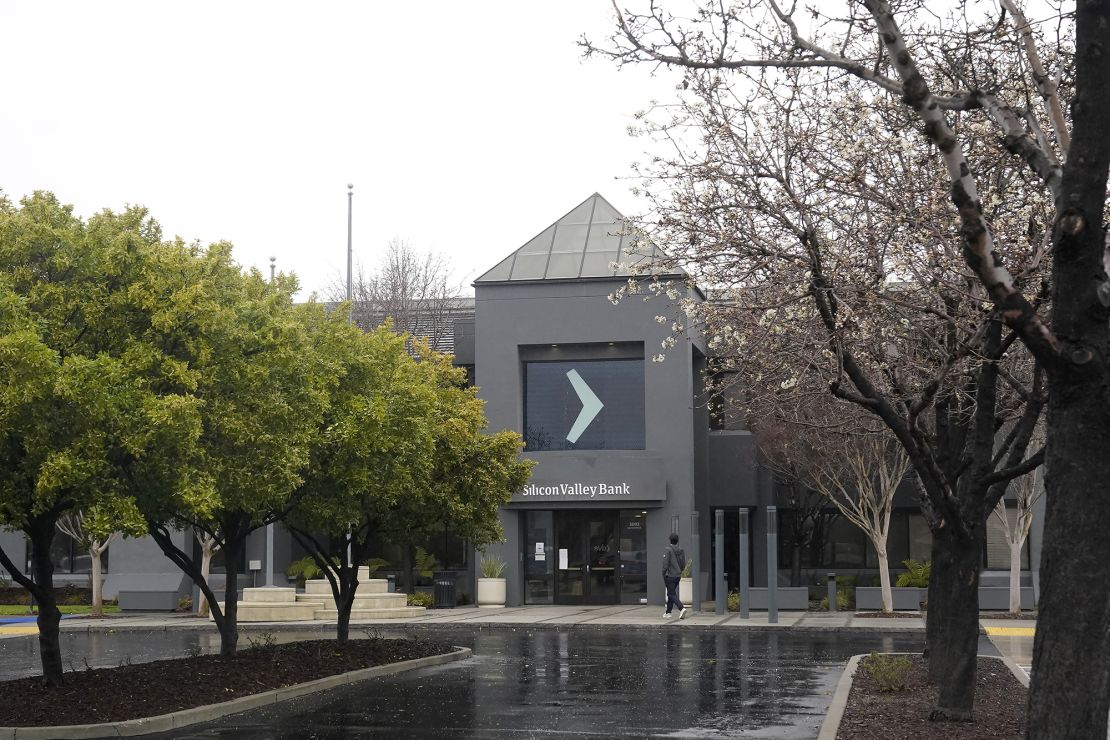

Silicon Valley Bank Collapse Sparks Urgency to Fix Barriers for Entrepreneurs of Color

Economic Turmoil and the Global Geopolitical Impact of Silicon Valley Bank’s Collapse

The recent collapse of Silicon Valley Bank (SVB), once a powerhouse in the American financial sector and a pillar supporting minority entrepreneurs, stands as a stark reminder of the fragile interconnectedness of global markets. Established in 1983 and ranking as America’s 16th-largest bank at the close of 2022, SVB’s downfall on March 10 sparked a firestorm that extends far beyond California’s borders. It provided banking services to nearly half of all venture-backed tech and life sciences firms in the United States, making its collapse not just a national crisis but a matter of international concern. The ripple effects threaten to reshape the very structure of global banking, investment, and geopolitical influence, especially considering the bank’s commitment to fostering minority-led businesses and its strategic investments in underserved communities.

At the heart of this crisis lies an underlying systemic failure intertwined with issues of racial and economic inequality. Analysts highlight that SVB’s role extended beyond finance; it operated as a vital lifeline for minority entrepreneurs, often overlooked by larger banks. Industry insiders like venture capitalist Arlan Hamilton and nonprofit advocates like Joynicole Martinez emphasize how SVB’s support for minority-led startups—through conferences, funding, and community outreach—was part of a broader strategy to counteract pervasive discrimination in banking and lending. The bank’s collapse thus not only jeopardizes these entrepreneurs’ immediate futures but threatens to undermine the broader push for economic equity worldwide. As global organizations and national governments watch with concern, this incident underscores the high stakes involved: the collapse exemplifies how decision-making within major financial institutions can accelerate systemic vulnerabilities, risking a domino effect on the international stage.

The geopolitical consequences of SVB’s downfall are compounded by the global competition for influence and resources. Major financial institutions in JPMorgan Chase and Wells Fargo publicly commit to addressing economic disparities through initiatives targeting underserved communities. Yet, the disparities persist, as Black-owned banks like OneUnited manage less than 0.02% of the assets held by giants like JPMorgan Chase, highlighting the imbalance in global financial power. The ongoing struggles of minority entrepreneurs and the broader banking inequalities are a microcosm of a continent-wide issue: how systemic biases and financial exclusion determine nations’ capacities to thrive in an increasingly interconnected economy. Historians and economic analysts warn that neglecting these disparities could foster greater instability, allowing economic and geopolitical rivalries—particularly in Asia and Europe—to exploit sectors of weakness. The crisis is a definitive turning point, revealing the importance of resilient, equitable financial systems as fundamental to national security and societal stability.

As the international community observes a shifting landscape, the legacy of SVB’s demise may yet define a new era of economic reckoning. The crisis exposes the systemic failures that have long marginalized women, minorities, and small businesses, leaving them vulnerable in times of upheaval. While efforts by JPMorgan and Wells Fargo aim to address these gaps, critics warn they are mere drops in an ocean of inequity. Meanwhile, emerging fintech and community banks, like Black-owned banks and regional lenders, stand poised to play a pivotal role in restoring trust and inclusivity. As history continues to unfold, nations must reckon with how their financial and societal decisions today will echo through generations—deciding whether the future will be one of resilience or chaos. The fall of SVB will be remembered as a stark lesson in the enduring power of systemic reform—or the catastrophic consequences of neglect—where the lessons of history remain, quietly waiting to either be heeded or ignored.

Social Media Auto Publish Powered By : XYZScripts.com


