Matox News

Truth Over Trends, always!

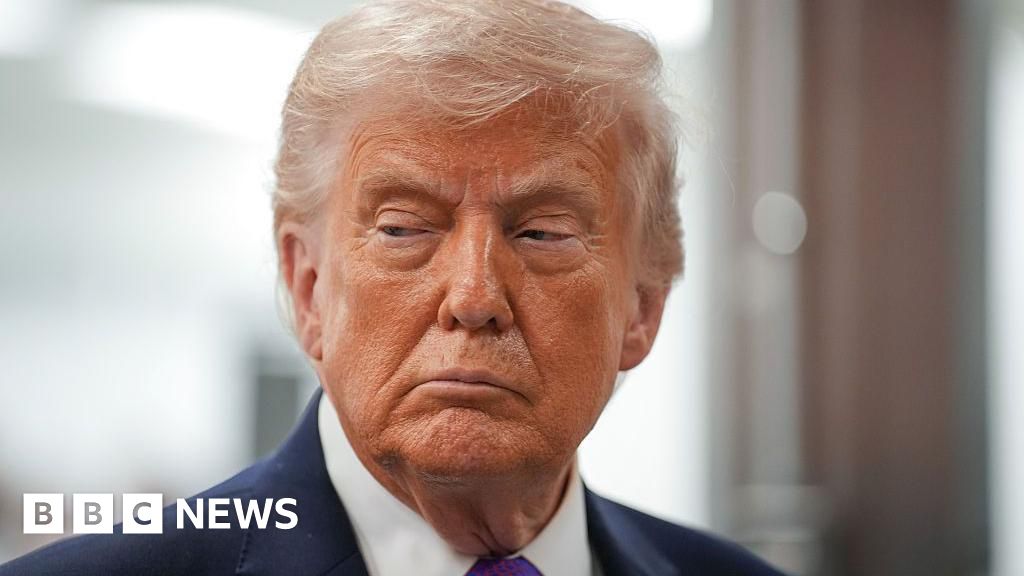
UK Minister: Iran unlikely to pose bombing threat to Britain amid US-Israel tensions

The recent missile incident involving Iran and British interests has sharply heightened tensions in a region already fraught with geopolitical complexity. Iran launched two missiles aimed at a UK-US airbase on Diego Garcia in the Indian Ocean—an unprecedented move marking what analysts describe as the longest-range attack by Iran since it was subjected to US and Israeli strikes. Although one missile was intercepted and another fell short, the incident signals a dangerous escalation that could ripple well beyond the Gulf, threatening broader regional stability.

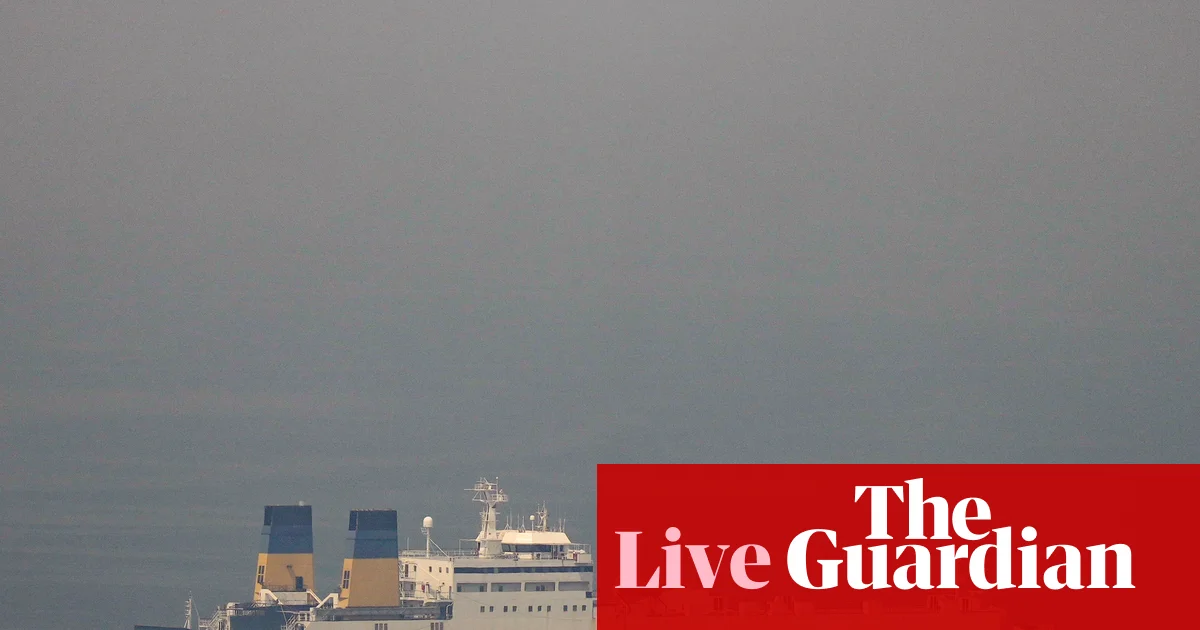
International organizations and security analysts have closely scrutinized Iran’s actions, while governments grapple with signaling their resolve without igniting an uncontrollable conflict. Despite denials from London that Iran is capable of targeting the UK directly, the incident complicates the narrative of Iranian military restraint. UK officials, including Communities Secretary Steve Reed, have emphasized that the UK is not seeking war but is prepared to defend its interests. Meanwhile, the incident has prompted the UK to expand its military scope, allowing more aggressive actions against Iranian missile sites, including those targeting shipping lanes in the strait of Hormuz—a vital artery for global energy supplies.

Some experts warn that this episode underscores the precarious balance of power in the Middle East and the broader international stage. Historians such as Margaret MacMillan have noted that these conflicts are often shaped by miscalculations and the domino effect of military posturing. The United States has issued warnings, with President Trump threatening Iran’s energy infrastructure if the strait is blockaded again. Such aggressive rhetoric amplifies the risk of escalation, reminding the world that the decision to use force in this volatile region is as perilous as it is decisive.

U.S. and UK officials affirm their intention to avoid full-scale conflict while defending their regional allies and interests. Yet, the danger persists that misjudgments or accidental clashes could ignite a wider war. The geopolitical impact of these developments is profound, threatening to destabilize the already fragile international order and challenge the very influence of global institutions tasked with maintaining peace. As internationalists and strategists watch anxious and wary, the question remains: how will the unfolding drama of diplomatic brinkmanship shape the course of history? The region’s future hangs in the balance, and the weight of history continues to press down, as new conflicts are penned into the chronicle of a tumultuous era—an era where the decisions of today could determine the fate of generations tomorrow.

Trump Admin Faces Critical Juncture in US-Israel Battle to Counter Iran

In a move reflective of rising tensions and shifting alliances, the United States has significantly increased its military presence in the Middle East over the past week. Reports indicate that a Marine expeditionary unit, consisting of approximately 2,500 combat soldiers supported by ships and aircraft, has been dispatched from Japan to the region. This deployment is expected to arrive shortly and signals a deliberate escalation of U.S. military posture amid ongoing regional uncertainties. Another Marine force of similar size, recently departing from a base in California, is also headed toward the Middle East, with an expected arrival in mid-April. These movements underscore a clear intent to project power and reassure allies, but they also signal a more volatile U.S. stance in a questionably fragile geopolitical landscape.

The intensified military buildup comes at a time when the U.S.-led coalition is navigating a complex web of conflicts and diplomatic challenges across the Middle East. Analysts suggest that these unprecedented troop movements are intended as a show of force amid suspected threats from regional actors, possibly including Iran or extremist groups, whose influence continues to threaten regional stability. Historians and international relations experts warn that such displays of military strength often have a dual-edge—serving as deterrence but also risking escalation if miscalculated. The decision to bolster deployed forces is being closely watched by global institutions such as the United Nations, which advocates for diplomatic solutions but remains wary of the potential for new conflicts sparked by increased military activity.

Beyond immediate regional consequences, these troop movements bear significant geopolitical impact. Already fragile alliances are being tested; for instance, Saudi Arabia and several Gulf Cooperation Council nations are likely to interpret the U.S. escalation as a signal of unwavering support, yet they also face internal debates about reliance on American military power. Meanwhile, China and Russia are observing with keen interest, arguably seeking to leverage these developments to expand their influence in the region. The growing military footprint raises critical questions about how international decisions here will shape the future of diplomacy and conflict, redefining the balance of power in a strategically vital area.

According to many international analysts, this escalation foreshadows a period of increased volatility, with potential consequences extending far beyond the Middle East. National leaders and global institutions are now tasked with navigating an ever-expanding battlefield where military might is often mistaken for stability. As history’s narrative continues to unfold, one thing remains clear: the decisions made now—shaped by strategic interests, domestic pressures, and international diplomacy—will leave an indelible mark on the geopolitical landscape for generations to come. The weight of these developments serves as a stark reminder that, in the shadow of this new military posture, the delicate balance of peace hangs precariously in the balance.

Middle East Tensions Escalate: Trump Pins Responsibility on Allies, Dubai Airport Closures Amid US-Israel Standoff with Iran

Global Tensions Surge Amid Middle East Turmoil and Strategic Power Plays

As Israel intensifies its military operations targeting Iran, and US President Donald Trump brokers efforts to build an international coalition to reopen the heavily contested Strait of Hormuz, the geopolitical landscape of the Middle East is spiraling into an unprecedented crisis with far-reaching global consequences. The recent violence, coupled with sharp economic repercussions, underscores a pivotal moment in international relations, one that analysts warn could shape the future of global energy security and regional stability for generations to come.

The US administration has been ramping up pressure on allies, notably demanding that countries contribute military assets to maintain open water routes vital for the world’s energy supplies. Trump’s warning, as reported by the Financial Times, highlights a stark reality: failure to secure the Strait of Hormuz could catastrophic repercussions, including a “very bad” future for NATO. While several nations like the UK, Canada, and Australia have declined to send naval forces to the strategic waterway, the US continues to lobby globally, emphasizing that a failure to act could destabilize the world’s oil markets, which are already reacting to the turmoil with Brent crude surging past $104 per barrel. The potential disruption of one-fifth of the world’s traded oil not only threatens the energy economy but could ignite broader geopolitical conflicts, analysts warn, risking destabilization extending beyond the regional power struggle.

The escalation extends beyond high diplomacy, manifesting in immediate tactical clashes. Reports of drone attacks on military bases in Kuwait and rocket strikes in Iraq suggest an expanding conflict zone. Italy’s military acknowledged a drone attack on the Ali Al Salem base in Kuwait, while Iraq reported rocket fire targeting Baghdad’s international airport, injuring multiple personnel. These incidents, combined with Iran’s stern warnings to neighboring nations, hint at a rapidly expanding regional war. Israel maintains its focus on targeting Iran’s infrastructure, asserting that its military remains prepared for thousands of potential targets within Iran itself. iran‘s foreign minister has condemned Israeli airstrikes as ecocide, accusing Israel of violating international law and long-term environmental damage — a stark escalation in rhetoric that highlights the severity of the conflict.

The crisis is also affecting global markets and diplomatic efforts. Oil prices continue to climb amid fears of supply disruption, while European and Asian nations deliberate their response. Japan’s reluctance to participate in maritime security efforts reflects the complex balancing act faced by Tokyo, which must contend with its economic reliance on Middle Eastern oil while avoiding escalation. Meanwhile, Britain is considering deploying unmanned minesweeping drones, a move that underscores the fragility of international maritime security in these turbulent times. With energy estimates suggesting gas prices could drop below $3 per gallon if the conflict resolves, the economic stakes are immense and visibly intertwined with global stability. The decisions of individual nations are a delicate dance, with each move carrying the potential to ignite or defuse a broader regional confrontation.

At the center of this rapidly evolving crisis, President Trump‘s diplomatic and military maneuvers reflect a bold but controversial approach — seeking to forge a coalition capable of breaking the Iran blockade of the vital Strait of Hormuz. While some nations inch toward cooperation, others remain hesitant, wary of escalating the conflict further. This strategic impasse emphasizes how history hangs in the balance, with each decision carrying the weight of entire societies and futures. As Israel faces threats from Iran and its proxies, and global powers navigate the treacherous waters of diplomacy and warfare, one cannot help but feel that the unfolding events are shaping the contours of the 21st century. The world watches with bated breath, aware that the turning point is imminent — yet unaware of which path the currents of history will carry us, leaving the window open for both catastrophe and hope in an uncertain future.

Trump slams Iran leaders as ‘deranged,’ fueling Middle East tensions amid US-Israel conflict

Global Power Blocs on the Edge: Iran under Siege as US and Israel Escalate Military Operations

The Middle East stands at a precarious crossroads amid a series of dramatic military confrontations that could redefine regional and global power dynamics. In a display of unyielding resolve, President Donald Trump has proclaimed that Iran will face “very hard” retaliation, as he vows retribution for what he describes as a long history of violence and provocation. His inflammatory rhetoric coincides with intense military strikes targeting Iran’s capital and strategic infrastructure, signaling an escalation in the longstanding confrontation. Observers note that the rhetoric from Washington echoes its historical posture of aggressive containment and a strategic desire to curb Iran’s influence, yet the recent actions suggest a shift that authorities worldwide are watching closely.

Escalating Violence in Iran, Lebanon, and Surrounding Gulf States

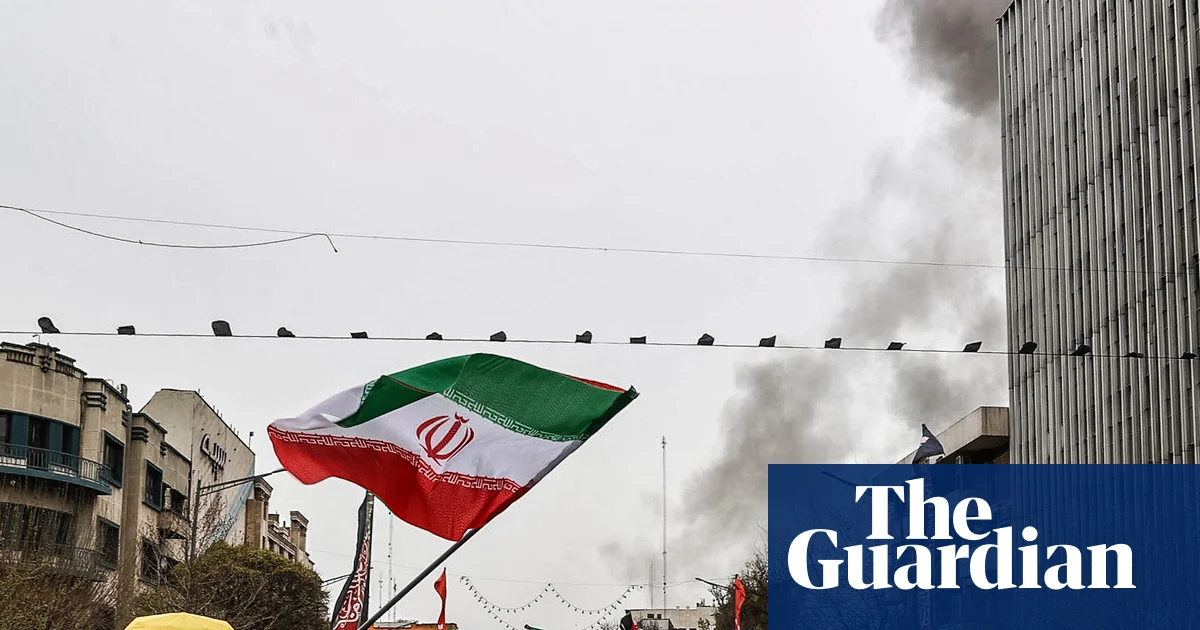
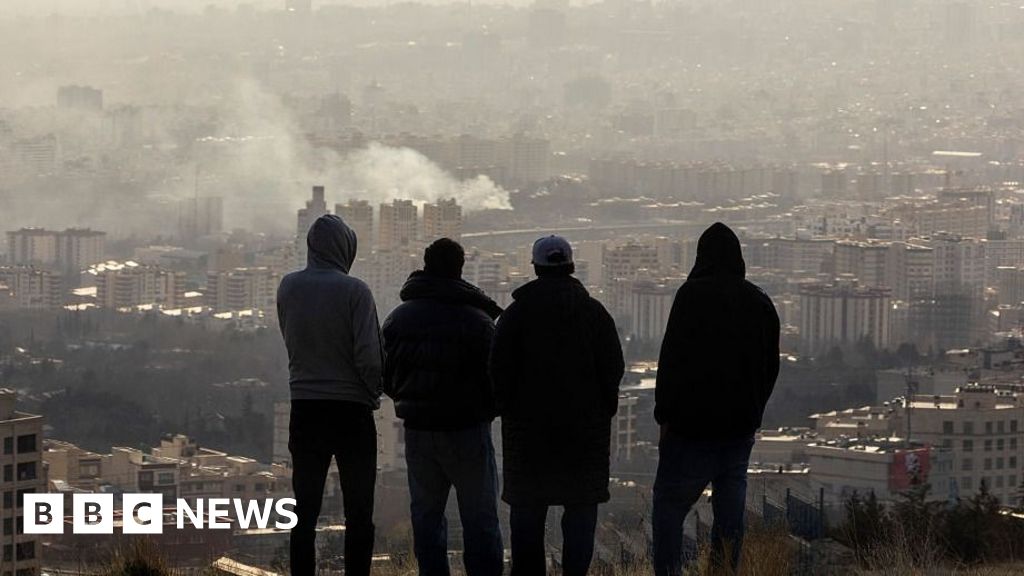
The recent wave of Israeli and US-led attacks focus heavily on Iran’s military capabilities and economic lifelines, with successive strikes reported near Tehran University as crowds gathered in support of the regime. Charging the Iranian leadership with desperation and underground activity, US officials described Iranian forces as “hiding” and “on the run,” signaling a concerted effort to weaken the nation’s capacity to retaliate. Meanwhile, Iran has responded fiercely, with missile and drone attacks targeting Israeli and Gulf infrastructure, escalating the conflict into what analysts describe as a regional war. Notably, Iran has targeted oil export facilities, including the crucial Kharg Island—its primary oil terminal—threatening the global oil supply and risking economic destabilization far beyond the Middle East. This move, viewed as both a strategic and symbolic attack, has prompted warnings from international organizations to prevent a broader energy crisis.

Regional Consequences and the Strain on Global Markets

The conflict’s geopolitical impact extends beyond regional borders, with global markets reacting sharply to the escalation. As oil prices surged, the economic implications threaten to pit nations worldwide against a backdrop of mounting scarcity and price instability. European nations have begun informal negotiations with Tehran, seeking guarantees of safe passage for their shipping in the Strait of Hormuz, which Iran now effectively blocks after launching attacks that have disrupted roughly a fifth of the world’s oil and gas supplies in transit. These diplomatic efforts underscore the dangerous interplay between military action and economic diplomacy, with analysts warning that any miscalculation could ignite a worldwide energy crunch and destabilize global markets. The potential for conflict to spill into the broader Gulf region fuels fears of a domino effect, as neighboring Gulf states scramble for defensive alliances and prepare for extended hostilities.

Endgame Uncertain as Regional Powers and Superpowers clash

The narrative of this escalating crisis is shaped by the words of military and diplomatic leaders, with Israeli Prime Minister and defense officials asserting that the current strikes are “just the beginning,” threatening Lebanon’s infrastructure and escalating confrontation with Hezbollah. The United States, for its part, emphasizes a military campaign targeting “over 15,000 enemy targets,” with the potential for further strikes on Iran’s energy infrastructure if the Strait of Hormuz becomes compromised. Historical analysts like Bernard Lewis have warned that such conflicts often intensify and spiral out of control, potentially igniting a broader regional war with devastating consequences. Meanwhile, Iran’s leadership, emboldened by its resistance and aligned with longstanding allies such as Hezbollah, signals that the conflict may escalate into a protracted and brutal struggle, with tragic tolls on both civilian and military populations. As explosions echo across the Middle East and the world watches, the question remains—will diplomacy prevail or shall the pages of history be written in fire and blood? The true outcome of this confrontation lies yet unwritten, its narrative unspooling in the chaos and smoke of today’s battlefield.

Iranians in UK warn Starmer: War boosts Tehran regime amid US-Israel attack on Iran

The ongoing turmoil in Iran continues to redefine the landscape of international politics, with recent developments highlighting the escalating tensions surrounding the nation’s future. A coalition of prominent Iranian expatriates and former political prisoners, including the notable Nazanin Zaghari-Ratcliffe, has issued a compelling appeal to British Prime Minister Keir Starmer. Their letter underscores a nuanced plea: avoid being drawn into the current conflict, which they argue only serves to bolster the regime in Tehran. This sentiment echoes across a fractured global stance, illustrating a critical divergence in how Western nations approach Iran’s volatile situation.

The letter sharply counters narratives supporting regime change through military means, especially those fueled by diaspora figures such as Reza Pahlavi, the exiled son of Iran’s pro-Western former monarch. While Pahlavi and others advocate for a democratic transition, critics within the international community highlight the peril of armed intervention. Former U.S. President Donald Trump has also weighed in, suggesting a preference for internal leadership rather than external force, reflecting a broader debate about interventionism versus diplomacy. The signatories, including distinguished figures like Aras Amiri and Nasrin Parvaz, advocate for pragmatic and peaceable measures, such as providing Starlink technology to restore communication inside Iran—a move seen as essential for empowering domestic opposition and safeguarding human rights.

The recent escalation against Iran took a devastating toll, notably with the assassination of Iran’s 86-year-old Supreme Leader Ali Khamenei and his family by Israeli airstrikes on the war’s first day. Khamenei’s death has profoundly altered the country’s power dynamic, with his successor being one of his sons, Mojtaba Khamenei. Analysts warn that such targeted strikes risk further entrenching authoritarian rule and solidifying Tehran’s narrative of Western aggression. International organizations, including the United Nations, have expressed disquiet over the rising casualties and the potential for prolonged conflict in the Middle East, which could ripple far beyond regional borders. The destruction of Iran’s leadership not only destabilizes the nation but signals a ripple effect prompting shifts in alliances and strategic calculations across continents.

Underlying these events is a broader debate about how international decisions ripple through societies and influence future stability. The coalition of Iranian expatriates urges Western powers to avoid military escalation, emphasizing peaceful pathways that respect Iran’s internal sovereignty. They warn that misguided actions, such as assassinations or covert interventions, only serve to bolster the hardliners and deepen the cycle of repression and conflict. Meanwhile, geopolitical analysts like Samuel P. Huntington and institutions such as Foreign Policy Magazine caution that the current trajectory risks igniting a regional war, one with unpredictable outcomes that could reshape alliances in the Middle East for decades to come. The specter of a protracted conflict looms, reminding the world that the decisions made today may very well determine the course of history in Iran—and beyond.

As the dust begins to settle on a conflict that shadows the horizon, the weight of history remains inscribed in every action and reaction. The unfolding story of Iran’s internal struggle, shaped by international interference and regional power plays, continues to serve as a stark reminder that in the theatre of global geopolitics, every decision echoes with the potential to redefine the future. As young nations watch and wait, the question lingers: who will ultimately determine the next chapter? Humanity holds its breath, aware that this chapter is far from over—and that the pages yet to be written may be the most crucial of all.

Labor MPs Concerned as Albanese Govt Ignores US-Israel Iran Strikes

In a development that underscores the escalating geopolitical tensions across the Middle East and beyond, Australiafinds itself embroiled in a complex web of international allegiances and strategic decisions. Just days after U.S. and Israel initiated their bombing campaign against Iran—a move that many international legal experts, including United Nations officials, label as a breach of the UN Charter—the Albanese government swiftly voiced unreserved support. This move has ignited criticism both domestically and abroad, highlighting a broader debate over Australia’s shifting role in global conflicts and the consequences of aligning too closely with Western military interventions.

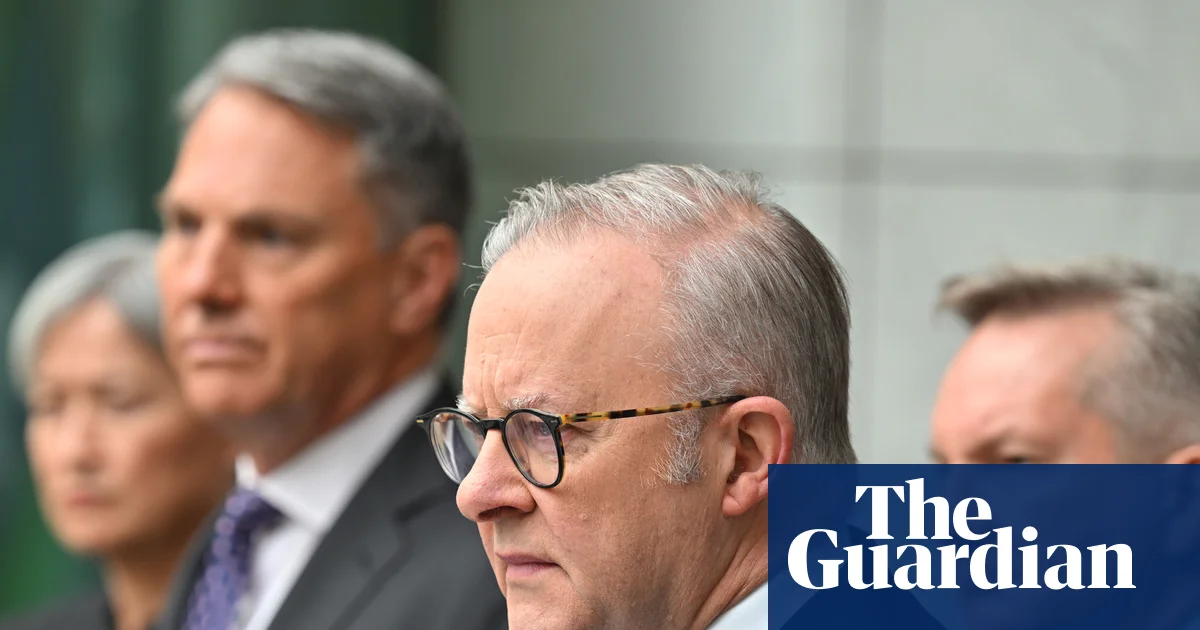
The support materialized in an official statement issued by Prime Minister Anthony Albanese, Foreign Minister Penny Wong, and Defense Minister Richard Marles just hours after the strikes—a stark contrast to previous incidents, such as last year’s Iranian nuclear site bombings, where Australia’s endorsement was delayed by nearly a day. This rapid alignment with U.S. and Israeli narratives, emphasizing Iran’s alleged nuclear ambitions and regional destabilization, raises significant questions over Australia’s commitment to international law and its reputation as a nation that values sovereignty and diplomacy. The decision has also exposed internal divisions: while top-tier ministers publicly support the strikes, factions within Labor, especially its left, have expressed concerns about the reckless escalation and Australia’s potential unwitting involvement in a broader regional conflict.

As the conflict spreads, Australia announced it would send a specialist surveillance aircraft and stocks of air-to-air missiles to assist the United Arab Emirates in defending against retaliatory Iranian attacks. Meanwhile, there is clear evidence that sections within Australia’s political landscape are growing restless. Grassroots groups, such as Labor Against War, have criticized the government’s stance as a grave divergence from the party’s traditional principles of anti-war policy. They argue that supporting illegal acts of aggression contradicts the party’s historic opposition to the 2003 invasion of Iraq—a stance rooted in safeguarding autonomy from U.S. military adventurism and defending international law. The debate underscores an emerging rift between factions, as Labor navigates the dangerous waters of international intervention and national sovereignty.

At the international level, analysts warn that these decisions could have long-term geopolitical repercussions. Many experts, including those from global think tanks and international law organizations, caution that support for aggressive military strikes risks further destabilizing a volatile region. The United Nations continues to grapple with the legal legitimacy of the attack, with voices like UN special rapporteur Ben Saul arguing that such strikes flout the core principles of peace and security enshrined in the UN Charter. Yet, the alliance between Washington, Jerusalem, and their allies—who portray the strikes as pre-emptive measures—may set a dangerous precedent, encouraging global powers to bypass diplomatic channels and resort to military solutions. As nations watch, the fallout from these decisions could shape the contours of international politics for generations, leaving a legacy of interventionism that future generations might regret as profoundly as those history now commemorates.

With the world at a crossroads, history appears poised to record whether it is witnessing a turning point driven by principles or manipulated by power. The unfolding chapter of this crisis, written amid political disputes and international condemnations, will undoubtedly influence the geopolitical landscape. As the shadows lengthen across the Middle East and the ripple effects reach every continent, one truth remains clear: the choices made today are etching the contours of tomorrow’s history. Whether justice or folly prevails, the weight of global responsibility presses harder with each passing moment—leaving the world to wonder if the dawn of a new, perilous era has truly arrived, or if this is merely another chapter in humanity’s ongoing struggle to find peace amid chaos.

Iran dismisses Trump’s call for surrender, labeling it a “dream” amid US-Israel tensions

International Conflict Deepens as Iran and Israel Clash Amid Global Unrest

The ongoing conflict in the Middle East has entered a perilous new phase, threatening to reshape the geopolitical landscape. Iran, defying pressures from United States and its allies, remains unwavering in its stance against capitulation. In a rare televised address, President Masoud Pezeshkian of Iran rebuffed Donald Trump‘s recent demand for an “unconditional surrender”—a call from Washington that many analysts argue was aimed at crippling Iran’s resolve. Pezeshkian’s assertion that Iran “would never capitulate” underscores the resilient, defiant posture of Tehran, signaling a potential prolongation, or even escalation, of the hostilities. His remarks, along with an apology to neighboring Gulf nations for recent strikes, reveal a nuanced attempt by Iranian leadership to navigate regional tensions and avoid further isolation, even as their military actions ignite new flames in this growing conflagration.

The geopolitical impact of this conflict extends far beyond Iran’s borders. In response to Iranian strikes, Israel has launched a fierce counteroffensive, involving a wave of pre-dawn airstrikes on critical Iranian military sites, including airports, command centers, and missile facilities. Israeli officials confirmed the deployment of 80 fighter jets in this latest assault, targeting Tehran’s military infrastructure and setting Mehrabad International Airport ablaze. This escalation signals a profound shift—diplomacy appears all but abandoned as the conflict spreads across regional lines. Meanwhile, Iran’s retaliation has manifested in attacks on Jerusalem, Gulf cities such as Dubai and Manama, and near Riyadh, where Saudi Arabia reported intercepting a ballistic missile aimed at a U.S. host base. Experts warn that such exchanges risk igniting a broader regional war, with global oil supplies and international stability hanging in the balance.

Global institutions like the United Nations and NATO have called for restraint, yet the relentless cycle of violence suggests diplomacy remains elusive. From the Strait of Hormuz—a critical maritime choke point—Iran announced the targeted sinking of the oil tanker Prima, further threatening the flow of global energy resources. The dire toll, with over 926 civilians killed and 6,000 injured, paints a stark picture of the human cost behind the geopolitical chess game. As Hezbollah and other Iranian-backed groups extend the conflict into Lebanon and the eastern Mediterranean, the specter of a wider regional war looms, risking destabilization of entire societies. Experts from think tanks such as the Council on Foreign Relations warn that these developments could ignite a chain reaction, pulling in multiple nations into a conflict with the potential to redraw alliances and threaten democratic institutions worldwide.

As history watches silently, the unfolding narrative remains uncertain—each decision, each strike, fueling a conflict that no one can truly predict. The specter of war now casts its shadow across the region and beyond, a reminder that in the corridors of power, every action has a consequence, and the course of history is ultimately written by those willing to risk everything in pursuit of their vision. The world holds its breath as the stakes escalate—will diplomacy yet find a foothold amidst this chaos, or are we witnessing the dawn of a new, darker era of regional and global upheaval?

US-Israel Tensions with Iran: Netanyahu Predicts Long Conflict as IDF Warns Lebanese Civilians

Global Tensions Escalate in Middle East Conflict Amid US, Israeli, and Iranian Actions

The recent surge in military activity across the Middle East signifies a critical turning point in international relations, with USA forces claiming to have destroyed key Iranian Revolutionary Guards command facilities, missile launch sites, and air defense capabilities. This development marks a significant escalation in the ongoing US-led campaign against Iran, directly targeting its military infrastructure in what officials describe as “decisive action” against an “imminent threat.” According to US Central Command, these operations are part of a sustained effort to dismantle Iran’s ability to arms terrorist networks outside its borders and prevent further regional destabilization.

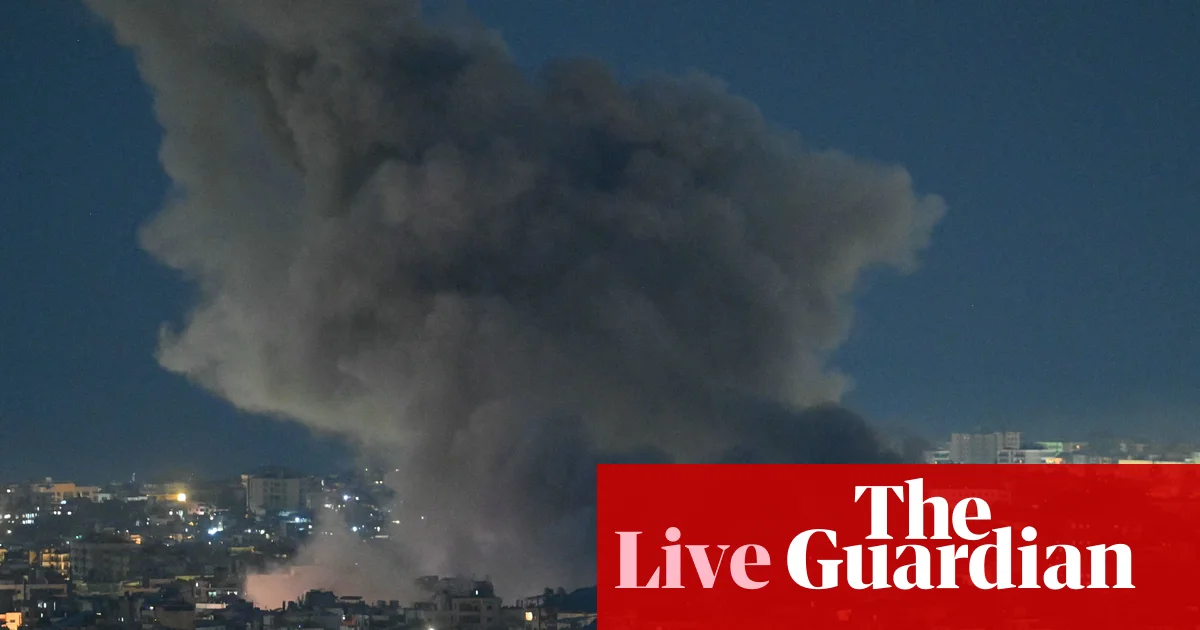
In parallel, the Israeli military has engaged in extensive strikes against Tehran and Beirut, while issuing evacuation orders for strategic locations in Lebanon amidst fears of imminent hostilities. This coordinated campaign underscores a broader geopolitical shift, intensifying the confrontation and risking broader regional chaos. Israeli Prime Minister Benjamin Netanyahu has publicly stated that this war may take “some time,” but assured it won’t be an “endless conflict,” emphasizing a desire for swift, decisive victory. Analysts, including those at the Council on Foreign Relations, warn that these aggressive postures threaten to ignite a broader war involving multiple state and non-state actors.

Strategic Ramifications and International Response

Amid the mounting military engagements, the region has plunged into disarray. The US has ordered all citizens to evacuate over a dozen Middle Eastern countries, including Saudi Arabia and the United Arab Emirates, citing rising risks of further attacks and diplomatic instability. The Saudi embassy in Riyadh was reportedly struck by drones early Tuesday, causing a fire and leading to a temporary diplomatic closure—a stark reminder of how quickly regional security can unravel.

Further complicating the situation, Iran’s Revolutionary Guards claimed a drone and missile attack on a US air base in Bahrain, asserting that they destroyed the base’s main command headquarters—a move likely to provoke retaliatory strikes. International organizations such as the UN have expressed concern, urging de-escalation, but their calls seem overshadowed by hardened rhetoric and ongoing hostilities. Meanwhile, the strategic choke point of the Strait of Hormuz, vital for oil and gas shipments, hangs in the balance after threats from Iran to close navigation, risking a potential global energy crisis. The U.S. military remains cautiously optimistic, asserting the Strait remains open, but the threat of escalation looms large.

Projection of War and the Shift in Global Power Dynamics

As the conflict continues to spiral, former Secretary of State Marco Rubio stated that the “hardest hits” are yet to come, hinting at a prolonged and punishing campaign against Iran. Meanwhile, President Donald Trump has laid out broad objectives, including dismantling Iran’s missile capabilities, naval forces, and nuclear ambitions—all with an eye toward curbing Iran’s regional influence.

Historian Samuel Huntington and geostrategic analysts warn that this conflict risks reshaping the global power balance. Worst-case scenarios include a broader regional war, economic turmoil, and centering the Gulf’s geopolitical importance in American and allied foreign policy for decades to come. How nations respond in these critical moments will determine the nature of international stability in the years ahead, with the weight of history pressing heavily upon these decisions. As the echoes of drone strikes, evacuations, and military escalations reverberate across capitals, the world stands at a precipice. The unfolding story of the Middle East’s chaos may well forge a new era—one defined by confrontation, resilience, and the relentless pursuit of national interests amid the uncertainty of a world still on the edge of war.

Third Day of US-Israel War with Iran: Key Moments Unfold

U.S., Israel, and Iran Engage in Alliance-Shaking Conflict as Regional Tensions Escalate

The ongoing war between the United States and Israel against Iran has rapidly escalated into a full-blown regional crisis, marking a dangerous turning point in the Middle East’s volatile landscape. As the third day of hostilities unfolds, scenes of destruction and chaos dominate the streets of Iran, while neighboring nations grapple with the far-reaching implications of this dangerous conflict. Global analysts warn that this cycle of violence not only destabilizes the region but also threatens the fragile balance of power that sustains international security. The intense exchange of drone and air strikes illustrates how swiftly the conflict has expanded beyond initial targets, with the potential to ignite broader regional or even global confrontations.

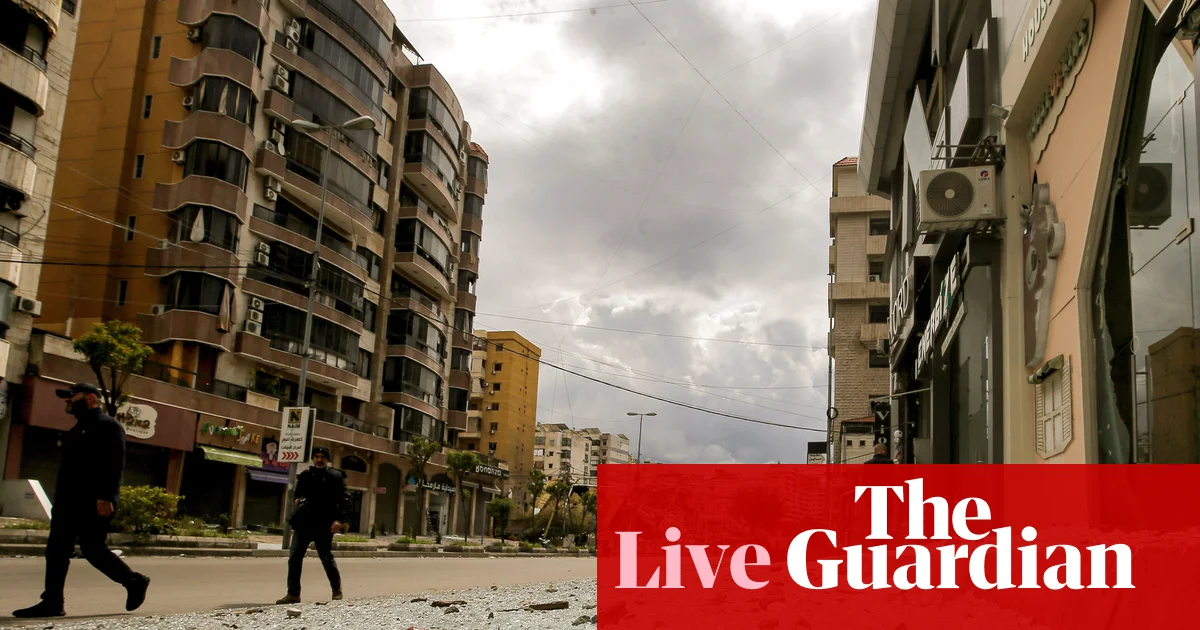
Today’s hostilities saw the United States orchestrate strikes within Iran, with devastating scenes on the streets revealing the severity of the military escalation. The strikes, according to Pentagon officials, targeted Iranian military facilities aimed at degrading Tehran’s capacity to support proxy groups like Hezbollah and other militant organizations. Most international observers agree that this marked a critical shift in US strategy—moving from containment to direct confrontation—further undermining hopes for diplomatic resolution. Meanwhile, Israel expanded its military campaign by launching strikes into Lebanon, targeting alleged Hezbollah positions. These preemptive actions are true to the longstanding Israeli doctrine of preemptive defense, but they risk igniting a broader conflict that could threaten regional stability for years to come.

  • Three US fighter jets tragically crashed in Kuwait, with initial reports attributing the accidents to apparent friendly fire—a grim reminder of the fog of war amid chaos.
  • In Cyprus, a British RAF base was struck by an Iranian drone, forcing an emergency evacuation and raising alarms over the spread of the conflict beyond the immediate Middle Eastern theater.

International organizations and military analysts are sounding alarms over the geopolitical impact of these developments. Harvard historian Dr. Robert Matthews warns that the conflict’s escalation could catalyze a new Cold War, with major powers realigning and recalibrating alliances. The delicate balance of deterrence maintained since the Cold War era is now in jeopardy, with the risk of all-out regional warfare increasing by the hour. Furthermore, the involvement of multiple nations, including the United Kingdom, Kuwait, and Cyprus, illustrates how the conflict threatens to drag in global actors, intensifying the risk of escalation that could spiral out of control.

The international community’s response remains cautiously divided. While some call for immediate de-escalation and renewed diplomacy, others appear resigned to the notion that the forces unleashed today will shape global geopolitics for decades. As nations mobilize their military assets and intelligence agencies scramble to interpret the unpredictable developments, the world stands on a precipice. History will remember this moment—not as a standalone skirmish, but as an inflection point whose aftermath will redefine power structures, alliances, and the very fabric of international order.

Ultimately, the relentless violence of today underscores a sobering truth: the decisions made in these critical hours will echo through history, determining whether this is a moment of resurgence for peace or the dawn of a new, darker epoch of conflict. As the dust of destruction settles on the streets of Iran, the question remains—how many more will fall before the storm subsides, or if it ever will? The pages of history are yet to be written, but their weight is undeniable: humanity teeters on the edge of a new chapter, one that could reshape the world in ways yet unseen.

US-Israel Strikes Persist as Iran Retaliates on Day Two

Recent developments in the Middle East underscore a rapidly escalating regional crisis that threatens to reshape international stability. In Israel, a missile strike in the city of Beit Shemesh has resulted in the tragic loss of nine lives, highlighting the ongoing volatility that has gripped the area. While the Israeli government has yet to admit any involvement in military operations in that specific incident, the strike underscores the persistent danger that conflict poses to civilian populations. Meanwhile, Iran reports a far more devastating incident, claiming that a strike on a school resulted in the deaths of at least 153 individuals, including children—a toll that reflects the devastating human cost of regional hostilities. Iranian officials have explicitly blamed the US and Israel for backing actions that have led to this tragedy, intensifying the narrative of mutual distrust and blame that dominates regional discourse.

Across neighboring nations, the toll of the conflict continues to mount. UAE authorities confirmed that three individuals have been killed since Saturday, in what they describe as Iranian attacks. In Kuwait, reports indicate that at least one person has been killed in similar hostilities. These developments serve as a stark reminder of how the conflict is spilling beyond Israel and Iran, threatening to engulf the entire Gulf region. Analysts and international organizations, including the United Nations, warn that this cycle of violence risks escalating into a broader regional war—a conflict with the potential to destabilize the entire Middle East and threaten vital global energy supplies. Historians recount how previous flare-ups, such as the 2006 Lebanon War, underscored the devastating consequences of unchecked regional conflicts, warning that current events might echo those darker chapters but on an even larger scale.

This escalation also underscores the increasing international uncertainty and the troubling dynamics of alliances and antagonisms. The United States Central Command (Centcom) has stated it is investigating reports of the incident in Iran, demonstrating the complex web of intelligence and military interests at play. Israel, meanwhile, claims to be “not aware” of any military operations in the area—itself a narrative that glosses over the clandestine and often deniable nature of modern warfare. The rising tensions reflect a broader geopolitical strategy by Iran and its allies to challenge U.S. and Israeli hegemony in the region. Conversely, Israel and its allies seek to project power and deter Iran’s expanding influence, leading to a dangerous game of brinkmanship. The stakes are high, with each incident potentially igniting a larger conflagration that could threaten global stability if diplomatic efforts fail.

As the region teeters on the precipice of open conflict, international voices have raised dire warnings. Experts note that the recent surge in violence marks a *turning point* in Middle Eastern geopolitics, where traditional borders and alliances are being tested and reshaped. With history’s lessons echoing—such as the series of wars and conflicts that have defined this tumultuous region—many caution that decisions made in the coming weeks will determine whether peace can be salvaged or whether chaos will reign supreme. The world’s eyes remain fixed on this volatile area, where every missile fired and every civilian lost continues to write a new chapter in a story of conflict and resilience—a story still being written, with the shadow of history looming large over an uncertain future.

Social Media Auto Publish Powered By : XYZScripts.com