Matox News

Truth Over Trends, always!

US-Israel Blitz: Two-Minute Strike Unveiled

In a dramatic escalation of hostilities that threatens to reshape the geopolitical landscape, the United States and Israel launched a coordinated series of military strikes against Iran on Saturday. The precise targeting of Iran’s key military and political infrastructure marked a significant departure from decades of regional diplomacy and a stark warning to regimes that challenge Western influence in the Middle East. According to reports, Israeli Prime Minister Benjamin Netanyahu claimed that Khamenei’s compound in Tehran had been destroyed in a ‘powerful, surprise strike’, a statement that proved to be a harbinger of what many analysts now describe as a potential flashpoint for wider conflict.

Adding to the gravity of the situation, Iranian state media confirmed the death of Supreme Leader Ayatollah Ali Khamenei, an event that, if verified, signals a drastic shift in Iran’s internal stability and its ability to project power regionally. The turning point here isn’t merely the loss of a spiritual leader but the destabilization of Iran’s entire political hierarchy, which could unroll into unpredictable consequences for global security. Historians like Robert D. Kaplan and regional analysts warn that such a high-profile assassination or targeted strike could ignite all-out regional wars, especially as Iran responds with retaliatory missile and drone attacks targeting Israel and four Gulf Arab nations: Bahrain, Kuwait, Qatar, and the UAE—countries that host U.S. military bases, and whose security is tightly integrated with American military posture in the Gulf.

The geopolitical impact of these events is profound. The attacks and the subsequent retaliations threaten to undermine years of cautious diplomacy in the Middle East and may draw in international actors and alliances previously hesitant to get involved. The Middle East is at a crossroads, with each decision echoing through the corridors of international institutions like the United Nations and the Security Council, which are already under pressure to respond meaningfully. Countries across the world are watching, with some facing the choice of backing American and Israeli actions or condemning what they perceive as reckless escalation. The implications stretch beyond regional borders: a broader conflict could destabilize global markets, trigger refugee crises, and ignite terrorist threats fueled by chaos and power vacuums.

As the dust begins to settle—and it may take years to fully understand the implications—the world is left on the precipice of a new chapter, one where the curtains of conventional diplomacy have been drawn back. Decision-makers and international stakeholders must now grapple with whether this marked the beginning of a new, more dangerous era or if cooler heads might yet prevail amidst the chaos. With each passing moment, history writes its uncertain narrative, and the weight of the unfolding crisis serves as a stark reminder: the Middle East remains the epicenter of geopolitical friction, where every action sparks a ripple through the fabric of global stability, with consequences that will be felt for generations.”

Breaking: Reports Claim Ayatollah Khamenei Dead Amid US-Israel Tensions with Iran

The geopolitical arena has reached a volatile flashpoint following revelations of a severe escalation in Iran. Iran’s Revolutionary Guards declared intentions to unleash the “most ferocious” operational assault in its history against US and Israeli military targets, signaling a dramatic shift in the Middle East’s longstanding regional tensions. This declaration coincides with an unprecedented wave of missile and drone strikes across Iran, which have already resulted in over 200 civilian casualties, according to Human Rights Activists News Agency. The ripple effects are cascading through international relations, raising questions about future stability and the potential for a broader conflict that could threaten global peace.

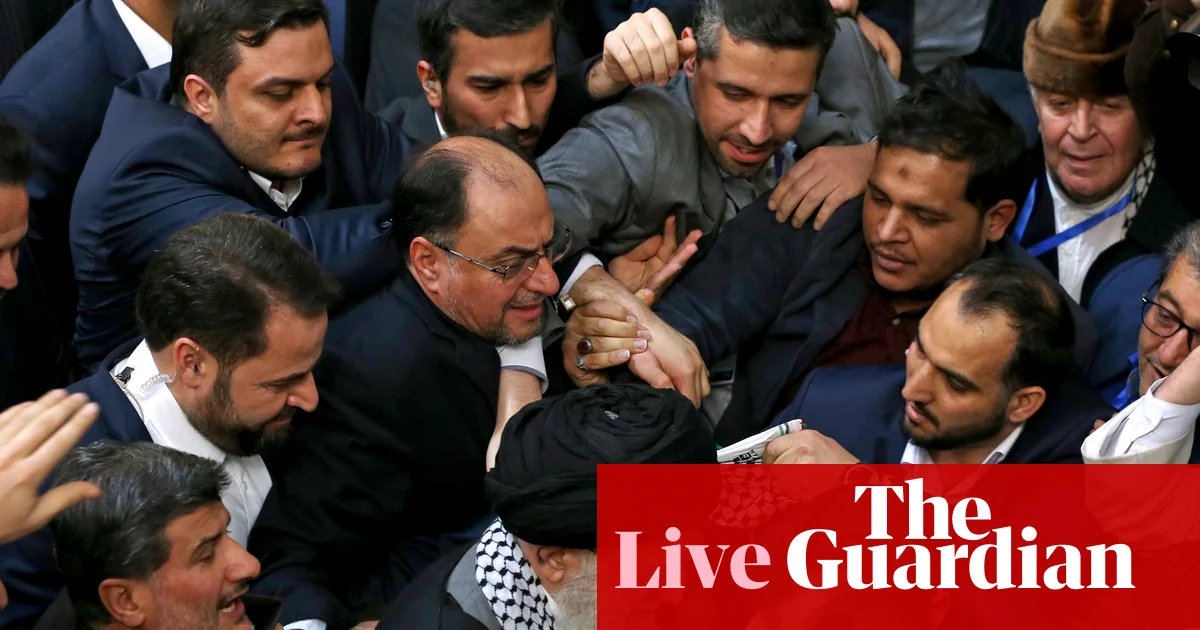
In an extraordinary turn of events, reports suggest that Iran’s supreme leader, Ali Khamenei, has been killed amidst the ongoing chaos, with claims originating from US President Donald Trump and later corroborated by Iranian state media. This sudden vacuum of power portends a perilous period of political uncertainty, reminiscent of Iran’s struggles post-1989, when the death of Khomeini triggered a reconfiguration of its leadership. The Assembly of Experts is under intense pressure to rapidly select a successor, and the interim leadership council, appointed to manage operations temporarily, faces mounting dependencies amid a rapidly evolving crisis. Such shifts threaten to destabilize Iran’s fragile political order and could embolden radical factions, increasing the likelihood of unrestrained military escalation.

The geopolitical impact of these developments extends beyond Iran’s borders. Iran’s retaliatory strikes across six countries, including a missile attack that wounded 22 in Tel Aviv and fires on the iconic Burj Al Arab and Fairmont hotel in Dubai, have pulled regional alliances—and their undercurrents—into sharp focus. Meanwhile, UAE forces intercepted the majority of over 130 missiles launched at their territory, yet at least one person was killed at Abu Dhabi’s Zayed International Airport. How nations respond to Iran’s upheaval will define the Middle East for decades to come. The broadest concern among global strategists is how this chaos influences the already delicate balance between power and diplomacy, especially as China urges restraint and respect for Iran’s sovereignty, warning against further escalation. The U.N. Security Council’s emergency session underscores the urgency for immediate de-escalation, yet the deeply entrenched interests and conflicting alliances suggest that this crisis could spiral into an unstoppable chain of events.

This unfolding chapter signifies more than just regional conflict; it exemplifies a pivotal moment where decisions made today could forge the world’s future landscape. As Western powers grapple with supporting their allies and maintaining stability, Russia and China are positioning themselves as defenders of sovereignty, challenging the prevailing narrative of interventionism. The divide widens with the United States’ Republican factions overwhelmingly endorsing the attack, contrasted sharply by Democratic voices condemning the aggression as unlawful. Such divisions within the U.S. reflect broader debates about the very nature of American foreign policy and its enduring role on the world stage.

In the shadow of this turmoil, the echoes of history command attention. The world stands at an uneasy crossroads, where the choice between reconciliation and conflict could either usher in a new era of diplomacy or plunge the Middle East—and perhaps the global order—into chaos. The fires ignited by Iran’s leaders, and the fateful power vacuums now forming, threaten to etch this tumult into the annals of history. As nations brace for the long shadows of war, the weight of these defining moments remains heavy upon the shoulders of all — a reminder that in the theater of geopolitics, peace is often but a fragile illusion, easily shattered beneath the weight of power and ambition.

What’s Really Behind the US-Israel Strike on Iran?

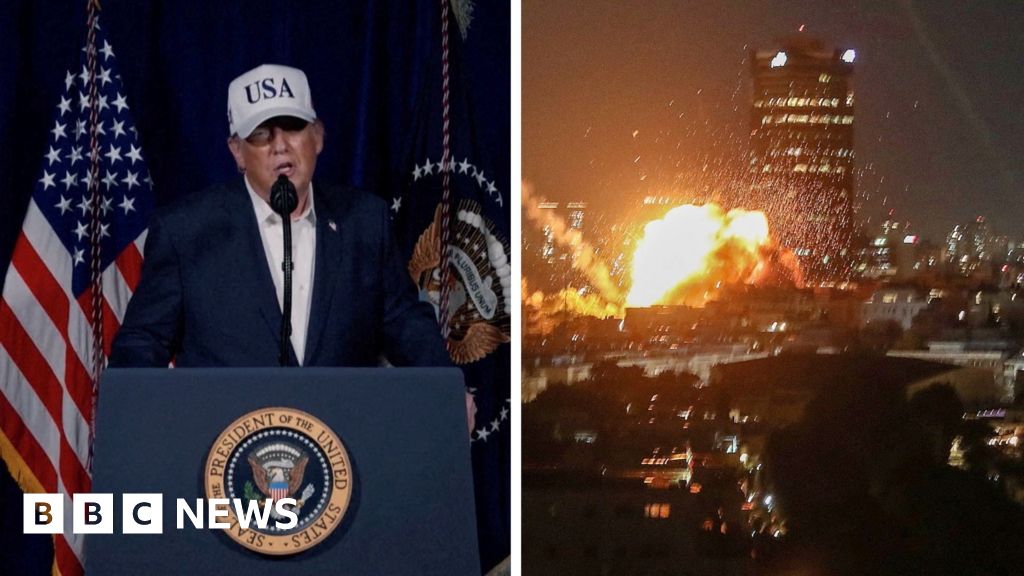
In a startling development that has sent shockwaves through the international community, former U.S. President Donald Trump has publicly described recent events as “major combat operations,” amidst reports of explosions echoing across Iran. This statement marks a significant escalation in the ongoing geopolitical tensions that have long characterized the Middle East, raising fears of a broader conflict that could reshape regional dynamics and influence global security architectures.

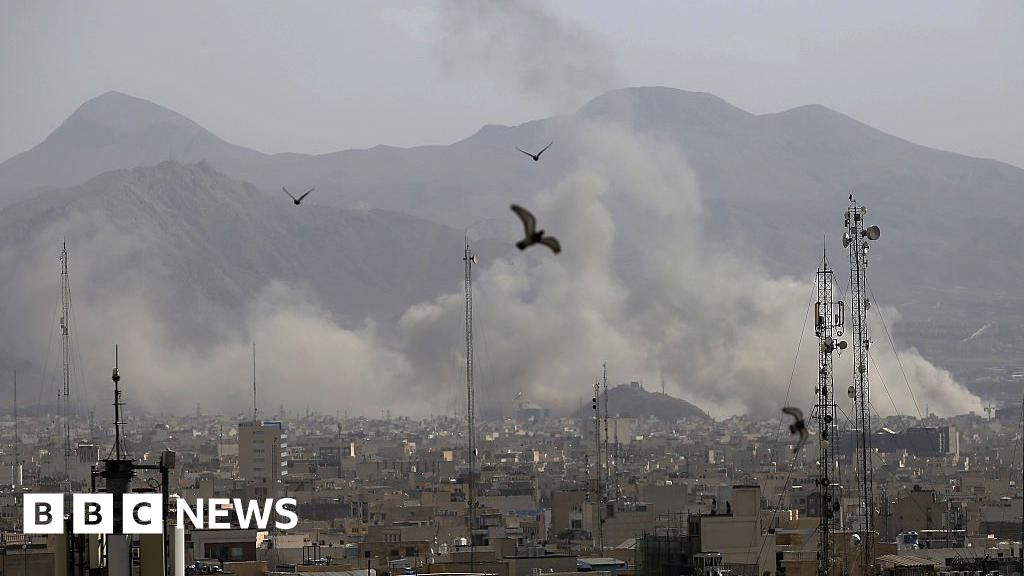
The reported explosions in Iran, which some analysts suggest may have targeted critical infrastructure or military facilities, have prompted swift reactions from international bodies and neighboring nations alike. While the specific causes of these events remain under investigation, the mention of “major combat operations” by a prominent political figure signals an alarming shift in rhetoric and possibly in military readiness. Experts from institutions such as the International Crisis Group and various defense think tanks warn that such language and actions could further destabilize an already volatile region. The geopolitical impact extends beyond Iran, potentially affecting global oil supplies, international alliances, and the strategic calculations of world powers.

This crisis also underscores how decisions made at the highest levels of government directly influence the fate of nations and peoples. Iran, a country with a complex history of confrontation and resilience, faces mounting pressure from regional adversaries and external forces. The potential for escalation echoes past incidents that have brought the world to the brink of war, prompting historians to recall the importance of diplomatic restraint amidst the tumultuous currents of international rivalry. Meanwhile, the United States, under the influence of leadership figures like Trump, continues to oscillate between diplomatic engagement and assertive posturing — choices that have profound implications for global peace or conflict.

As the dust begins to settle, or perhaps deepen, the international community stands at a crossroads. The core questions revolve around the potential for a new chapter of dialogue, or an irreversible slide into chaos. The upcoming days will reveal whether nations can overcome entrenched hostility or if history’s dark patterns will once again unfurl. As the world holds its breath in anticipation, the deep scars of past conflicts remind us that the choices made now will echo through generations, shaping the course of history in ways still unreadable. The weight of these moments seems almost unfathomable, yet it is precisely in such decisive instants that the true character of nations and leaders is revealed—whether as guardians of peace or architects of destruction.

Social Media Auto Publish Powered By : XYZScripts.com