Matox News

Truth Over Trends, always!

Live: Iran considers Pakistan talks with US amid rising tensions—claims ‘new battlefield’ cards in US-Israel standoff

In an unfolding series of high-stakes confrontations in the Middle East, Iran has condemned recent US military actions, labeling the seizure of an Iranian-flagged cargo ship as “maritime piracy” that exacerbates existing tensions in the region. This incident, accompanied by the US Navy’s deployment of marines onto the vessel, has thrown diplomatic efforts aimed at de-escalation into disarray. Iran’s foreign affairs ministry has called for the immediate release of the ship and its crew, asserting that the act violates international law and breaches earlier ceasefire agreements with the United States. Such moves not only threaten to derail fragile negotiations but also deepen fears of broader regional conflict, potentially impacting the global flow of oil and commodities through the vital Strait of Hormuz.

Officials in Washington remain committed, at least officially, to the pursuit of diplomatic solutions. Donald Trump has asserted that “a deal with Iran would happen relatively quickly,” reinforced by his declaration that the US would not lift its blockade until Iran agrees to negotiate on its nuclear program. Such statements underscore the complex and precarious nature of international diplomacy amid escalating military threats and economic sanctions. Meanwhile, US Vice-President JD Vance remains in the US, fueling uncertainty about the upcoming second round of talks. Despite Islamabad’s efforts, led by Pakistani military and diplomatic officials, to host meaningful negotiations in Islamabad, the outlook remains grim. Both Iran and the US are entrenched in a cycle of accusations and retaliatory measures, with Iran warning of “new cards on the battlefield” as the ceasefire deadline looms.

Beyond the naval standoff, the broader geopolitical impact resonates globally. Oil markets have reacted with a dip in prices amid hopes that peace talks will succeed and the Strait of Hormuz will be reopened, a critical corridor through which a significant portion of the world’s oil supply passes. Notably, Russia and Iran maintain ongoing discussions, emphasizing the strategic importance of maintaining passageways and stability in the region. Yet, this fragile calm is threatened by reports of violence escalating in Gaza, where Palestinian casualties continue to rise due to Israeli strikes, and clashes between Hamas fighters and Israeli-backed militias threaten to ignite a wider conflict. Historians and analysts warn that these developments could set the stage for a prolonged regional upheaval with far-reaching consequences for international security and economic stability.

At the core of this volatile situation lies the posturing over Iran’s nuclear capabilities. Donald Trump claims that the US has “obliterated” Iran’s nuclear dust sites during last year’s strikes—an assessment questioned by experts who highlight that underground facilities in Isfahan and Natanz remain largely intact, capable of resuming nuclear activities. Iran’s leadership, meanwhile, continues to assert its right to develop nuclear energy while warning that continued blockade and military threats only reinforce their resolve to reveal “new cards” on the battlefield. As diplomatic efforts flounder, the world faces a stark reality: the unfolding decisions and retaliations in the Middle East are not just about regional power — they are about who ultimately controls the future of global geopolitics. The unfolding drama echoes the words of historians who have long warned that the Middle East’s persistent conflicts are intertwined with the world’s strategic interests, often resulting in chaos that echoes far beyond its borders. Today, as each move is scrutinized and claims are made, the weight of history presses upon us—reminding us that the sands of this conflict are indeed shifting beneath our feet, with the potential to reshape the very fabric of global order.

Middle East Tensions Rise: Iran Vows Retaliation as Ceasefire Fades and US-Israel Conflict Deepens

Middle East Crisis Deepens as Strategic Shifts and Geopolitical Power Plays Reshape the Region

In a move that signals intensifying instability, the Bahrain monarchy has ordered a review of citizenship status for individuals deemed threats to national security. Amid an ongoing crackdown on dissent, the assertion by Hamad bin Isa Al Khalifa that “those who have betrayed the nation or undermined its stability” are liable for citizenship stripping underscores the fragile balance of power in the Persian Gulf. Bahrain, a key U.S. ally hosting the Navy’s 5th Fleet, remains at the forefront of regional tensions, particularly as it faces persistent threats from Iranian military action. Analysts from the International Crisis Group warn that such internal crackdowns are likely to stoke further unrest, which could have disastrous geopolitical consequences for the stability of the broader Middle East.

Meanwhile, the conflict escalates at sea and in the skies. The United States, firmly committed to maintaining its maritime dominance in the Strait of Hormuz, seized an Iranian cargo vessel attempting to bypass the naval blockade—an act sharply criticized by Tehran and viewed as a breach of the ceasefire agreement. The US military announced that several rounds of fire were directed at the Iranian-flagged ship, the Touska, highlighting the dangerous game of brinkmanship and the risk of open confrontation. The US administration’s aggressive stance, exemplified by threats from President Donald Trump to destroy Iran’s infrastructure if demands are not met, exemplifies a reckless approach that analysts argue heightens the risk of all-out war. Experts from RAND Corporation emphasize that the strategic objective appears centered on choking Iran’s access to vital maritime routes, a move with profound geopolitical impact that threatens to draw the entire region into chaos.

On the diplomatic front, prospects for a peaceful resolution appear bleak. Iran’s reluctance to participate in second-round negotiations with the US, citing Washington’s “excessive demands and ongoing naval blockade,” illustrates the deep mistrust that has come to define posturing in this crisis. Despite the Biden administration’s efforts to restart peace talks, Iran’s official stance signals an unwillingness to back down, raising fears of prolonged hostilities. The departure of US negotiators to Islamabad—led by Vice President JD Vance and including figures like Jared Kushner—demonstrates the clear intent to exert maximum pressure. The international community, including the United Nations, warns that such confrontational policies could undermine stability and destabilize vital energy markets, which are already volatile as oil prices surged nearly 7% amid fears of renewed conflict.

The Shadow of History and the Weight of the Present

Historians highlight that these developments serve as a stark reminder of how the choices made in these critical moments can shape the course of history. The region’s complex web of alliances, religious divides, and longstanding grievances underscores that a single misstep could ignite clashes on a scale unseen in generations. International organizations, such as the European Union, have expressed concern over the escalation, but their influence remains limited as power players assert their dominance. For nations across the globe, the unfolding saga in the Middle East is a portent of the chaos that could follow should diplomacy irrevocably fracture. A cautious observer might note that these events foreshadow a period where the weights of history threaten to tip into the storm of wider war, leaving the world spectators to ponder whether diplomacy’s flickering light can be sustained in this darkening theater.

As the clock ticks toward a potential breakdown of fragile ceasefires and diplomacy, the world witnesses an unfolding drama of power, betrayal, and strategic calculation. The decisions made today are not only shaping the immediate future but are also engraved into history’s vast ledger, with the weights of consequences still unmeasured and the shadows of conflict lengthening in the horizon. In this volatile crucible, the question remains: will cooler heads prevail or will regional powers and world superpowers ignite a conflict that reshapes history itself?

Middle East Tension: UN Urges Respect for Israel-Lebanon Ceasefire as US-Israel Target Iran

Global Geopolitical Shifts as Middle East Ceasefire Unfolds

The recent ceasefire between Israel and Lebanon marked a significant turn in the ongoing Middle East conflict, prompting a surge of cautious optimism across international markets and diplomatic corridors. As United Nations Secretary-General António Guterres publicly welcomed the 10-day truce, the global community watched with bated breath, aware that the fragile peace holds only as long as the critical political prerequisites, especially from involved powers, remain intact. The ceasefire’s implementation underscores a complex interplay of regional diplomacy and international interests, with key players like the United States and Iran vying for influence in shaping the future trajectory of stability in this volatile region.

Major geopolitical implications stem from the nuanced responses of world powers. Donald Trump has emphasized the importance of fully respecting the ceasefire, while also criticizing NATO allies for their perceived lack of support in the enforcement of US-imposed naval blockades aimed at Iran. Meanwhile, Iran’s foreign ministry expressed its approval of the ceasefire, framing it as an extension of the original Iran-US agreement brokered by Pakistan. This layered diplomacy signals a tentative thaw, yet analysts like those at the European Council on Foreign Relations warn that underlying tensions, especially Iran’s call for a “simultaneous ceasefire throughout the region,” hint at unresolved issues that threaten to ignite renewed violence in the future.

How International Decisions Reshape Societies and Strategic Alliances

The decision by Israel to maintain its military presence in southern Lebanon, despite the truce, exemplifies the persistent threat of escalation. Prime Minister Benjamin Netanyahu termed the ceasefire a “historic” opportunity for peace, yet reaffirmed his commitment to dismantling Hezbollah and occupying parts of Lebanon’s territory. In response, Lebanon’s government and Hezbollah have urged caution, warning that Israel’s history of violating ceasefire agreements could undermine the fragile peace. America’s role as facilitator in this ceasefire has further solidified its geopolitical stance—balancing between backing Israel’s security interests and avoiding further escalation with Iran-backed groups. Historically, such moves often deepen the divide among international coalitions, reinforcing the narrative of a region on the brink of recurrent conflict.

Furthermore, the reopening of international shipping lanes through the Strait of Hormuz is a critical focal point. British Prime Minister Keir Starmer, alongside his French counterpart Emmanuel Macron, has pledged to co-host a summit of around 40 nations to reaffirm global commitment to free navigation and respect for international law. This effort aims to counter the escalating blockade imposed by Donald Trump, who has called for “full freedom of navigation” amid Iran’s shutdown of the Strait, which has already led to economic ripples across energy markets. Analysts like Dr. Laurence Norrie warn that failure to reopen the shipping lanes could precipitate a broader energy crisis, destabilizing not just regional economies but threatening global stability.

Shifting Alliances and the Unfolding Narrative of Power

The unfolding events serve as a stark reminder of how nation-states are balancing their security concerns against international diplomatic pressures. As China’s export sector grapples with surging commodity costs—fueling fears of a slowdown—Russia, Turkey, and regional allies are realigning their strategies amidst the backdrop of this shifting landscape. The World Trade Organization warned of a possible global downturn if energy prices remain volatile, reinforcing the world’s dependency on Middle East stability. As recent histories have shown, decisions taken in these uncertain times often leave behind an indelible mark on the fabric of history, forging new alliances or reigniting old conflicts.

In the coming days, the weight of history appears poised on a knife’s edge. Whether the peace forged now endures or the region plunges once again into chaos, the international community waits, knowing that these decisions echo through the corridors of history—each move shaping the societies whose fate is woven into the tapestry of the Middle East’s unending saga. The unfolding stages of diplomacy, conflict, and commerce remind us that in this geopolitical theater, every act has profound consequences. As the world stands at this crossroads, the question remains—not just how this chapter will end, but what the pages of history will record as the true legacy of the days to come.

Middle East Tensions: US Claims Iran’s Economy Blocked, Trump Signals Talks Revival Amid US-Israel Pressure

In an era defined by shifting alliances and relentless strategic chess, the United States has escalated its stance against Iran with a sweeping naval blockade aimed at crippling the regime’s economic capacity. Ostensibly designed to pressure Iran back to the negotiating table by severing its oil revenues, this move has sent shockwaves through the global energy markets. Despite Iran’s resilience—exporting nearly 1.84 million barrels of oil daily—its ability to access vital shipping channels, especially via the Strait of Hormuz, has been severely constrained since early March. The blockade’s effect is profound: experts warn it could remove up to two million barrels of oil from the market each day, further tightening an already strained supply and destabilizing energy prices worldwide.

Amid the tumult, US military efforts to establish secure passage for non-Iranian vessels have been met with skepticism. The Pentagon claims that more than 20 ships have transited the Strait of Hormuz since the blockade’s inception; however, maritime analysts, including data firms like Kpler, report that actual traffic remains significantly below typical levels—just six vessels on the first day. Maritime historian Salvatore Mercogliano emphasizes the high commonality of operational risks in the region: “The operating environment remains high risk, limiting any meaningful recovery in flows.” The palpable uncertainty among shipowners underscores America’s strategic gamble: maintain maritime dominance while risking a broader economic backlash. Critics contend this brinkmanship could backfire, catalyzing a global recession if tensions escalate further.

The geopolitical ripple effects are unmistakable. President Biden, along with allies such as Britain and France, have convened in a series of diplomatic efforts aimed at safeguarding international shipping. Notably, the upcoming summit in Paris seeks to craft a mprehensive, multinational plan to reopen the Strait of Hormuz—a vital artery for global commerce. Meanwhile, in the Middle East, Lebanon and Israel continue fragile negotiations under the shadow of renewed conflict; Hezbollah launched rocket salvos at northern Israeli towns just hours after these talks commenced, highlighting the persistent volatility. Former analyst comments suggest these developments are not isolated but interconnected, embodying a broader regional struggle where proxy conflicts threaten to ignite a wider war—one with the potential to reshape alliances and influence the balance of power for decades to come.

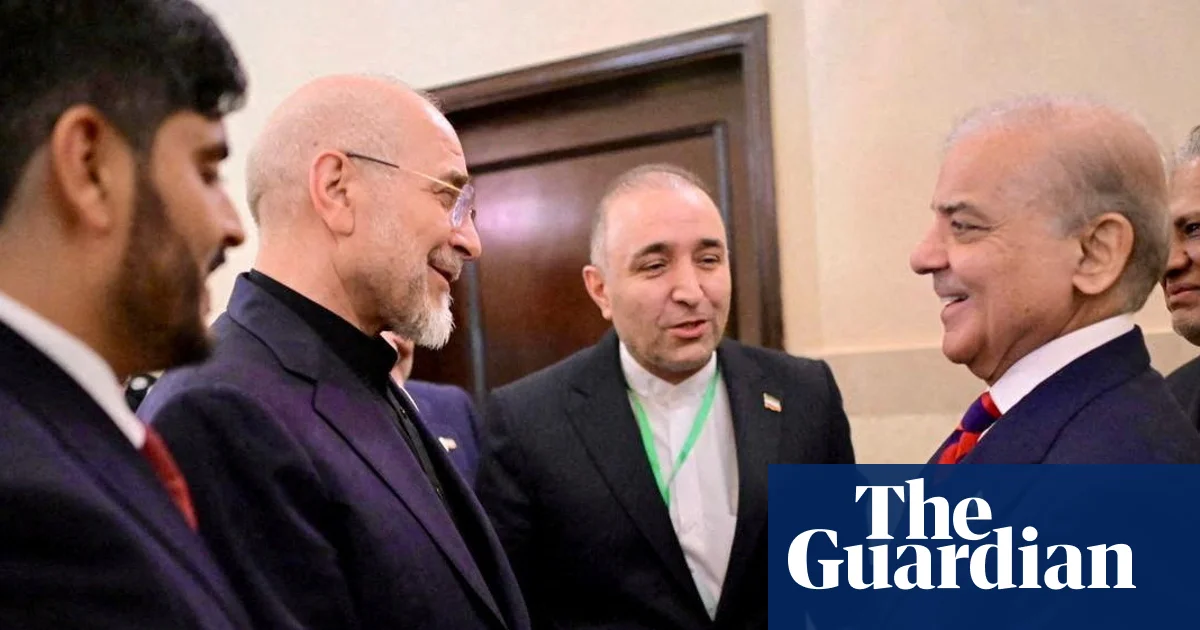
Adding tangled layers to this geopolitical crisis, Pakistan‘s prime minister Shehbaz Sharif is engaging in diplomatic shuttle diplomacy, traveling to Saudi Arabia, Qatar, and Turkey this week to forge regional pacts and facilitate a possible resumption of Iran-US negotiations. The unfolding diplomatic dance hints at the persistent hope among regional leaders that dialogue, not conflict, will ultimately prevail. However, Trump’s recent comments—implying that a deal with Iran could be imminent and criticizing allies like Italy for perceived inaction—further complicate the landscape. As historians like Michael Eisenstadt warn, these transient flashes of diplomacy are often overshadowed by entrenched mistrust and strategic interests that resist easy resolution.

In the weight of history’s unfolding chapter, the world watches as these high-stakes maneuvers threaten to spiral into a global conflagration or, conversely, forge paths toward fragile peace. The outcomes hinge on decisions made in smoke-filled diplomatic rooms and across tumultuous seas. As the tug-of-war over the Strait of Hormuz intensifies, the international community stands at a crossroads, caught between the forces vying for dominance. In the shadows of these battles, the true aim remains elusive: can diplomacy overtake power, or will this era be remembered as the dawn of a new, darker chapter of global conflict?

US and Iran meet in Islamabad as Pakistan pushes for peace — tensions rise amid US-Israel pressure

In an unprecedented turn of events, Iran and the United States have initiated direct peace negotiations in Islamabad, marking a historic moment since 1979 when diplomatic ties sharply severed. The talks, conducted under the aegis of Pakistan, aim to recalibrate decades of mutual hostility and regional instability. This diplomatic breakthrough was confirmed by both sides, with senior negotiators, including US Vice President JD Vance, and Iran’s parliamentary speaker Mohammad Bagher Ghalibaf, sitting at the same table for substantive discussions. The presence of Pakistani Army Chief Asim Munir underscores Islamabad’s pivotal role as a neutral mediator striving to foster dialogue amid ongoing regional conflict, notably in Lebanon.

  • The initial two-hour session focused on security, financial reparations, and the strategic importance of the Strait of Hormuz.
  • Iran’s demands included a ceasefire in Lebanon and unblocking frozen assets, while the US expressed outright skepticism about Iranian intentions, warning Tehran against manipulation.
  • Regional violence persisted outside the negotiations, with Israel’s military conducting extensive strikes on Hezbollah positions in southern Lebanon, killing ten overnight, amplifying the proxy war.

Despite optimism from Pakistani officials, who see the talks as a *glimmer of hope* amid regional chaos, questions remain about the ultimate viability of such negotiations. Analysts warn that how decisions are made now will significantly influence the geopolitical landscape. American and Israeli policymakers, emboldened by recent military successes—including the sinking of Iranian mines in the Gulf and the destruction of Hezbollah targets—are prepared to assert dominance over Tehran. President Donald Trump publicly declared that the US is “starting the process of clearing out the Strait of Hormuz,” with US navy assets repositioning to guarantee “freedom of navigation,” a move denounced by Iran as a provocative escalation.

Meanwhile, regional actors such as Israel and Hezbollah stand at the brink of a new phase of confrontation. Israel’s recent bombing of Lebanese targets and rocket exchanges signal an entrenched conflict that could unravel the fragile thread of diplomacy. Reports of a potential *U.S.-brokered* ceasefire between Lebanon and Israel remain tentative, as internal divisions deepen—especially with Hezbollah supporters rallying against diplomatic negotiations—highlighting the volatile intersection of local and global power struggles. Historians and analysts warn that flashpoints in Lebanon and the Gulf embody the broader contest for regional dominance, where every move has the potential to ignite a larger conflagration with catastrophic consequences.

As the world watches with bated breath, the unfolding chapters in the Iran-US saga may yet shape history’s verdict. Will these negotiations signal a genuine thaw or merely a pause in a relentless confrontation? With powerful regional players determined to shape the future on their terms, the next steps—regardless of diplomatic surface appearances—may seal the fate of an entire generation. In the shadows of these tense negotiations, the question remains: are we approaching a new era of peace, or are we merely witnessing the lull before a storm that could redefine the Middle East’s destiny for generations to come?

Middle East Tensions: Trump Predicts Quick End; Rubio Calls to Rethink NATO | US-Israel Confront Iran

International Stage Shifts as Middle East Crisis Deepens

The geopolitical landscape is experiencing a profound upheaval as a cascade of conflicts and strategic recalibrations ripple across the globe. French President Emmanuel Macron’s recent remarks in Japan highlight Europe’s desire for stability through “predictability,” standing in stark contrast to the erratic decisions of other major powers. Macron’s critique appears pointed at the United States, especially amid its ongoing military engagements and diplomatic positions surrounding Iran. Macron emphasized the importance of consistent policy directions, implicitly criticizing the United States’ stance which, in recent weeks, has been marked by unpredictable shifts and assertive military postures. Such remarks signal a growing divergence within Western alliances, raising questions about the future cohesion of NATO and transatlantic strategic unity, especially as Washington contemplates reevaluating its alliances in light of emerging threats.

The Middle East: A Theatre of Escalating Conflict

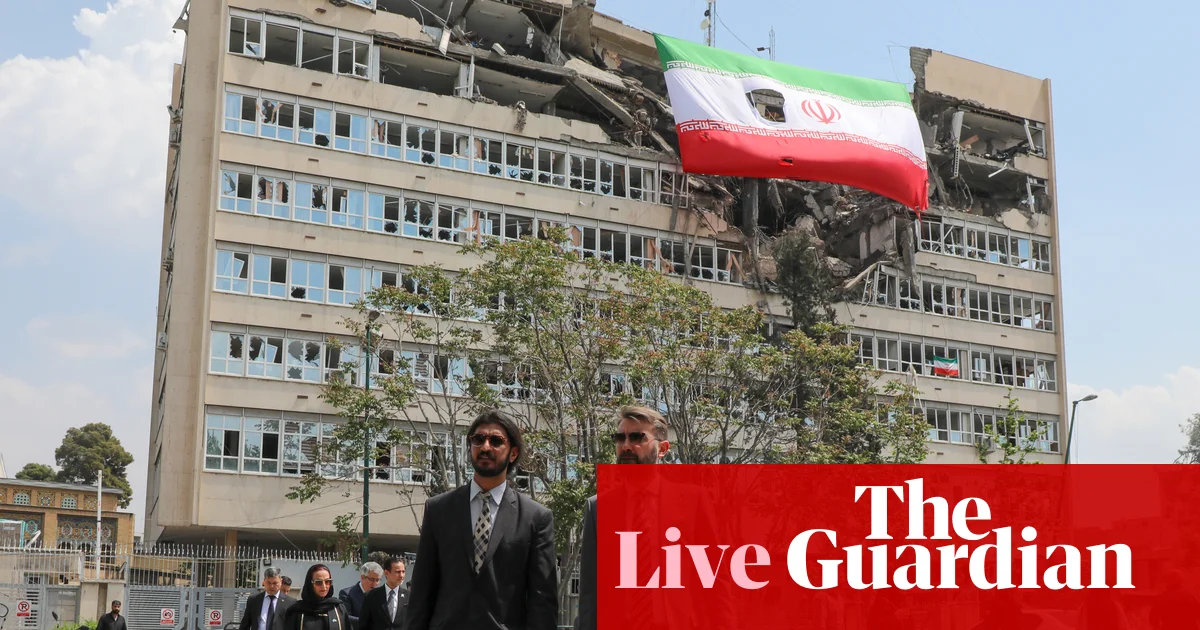
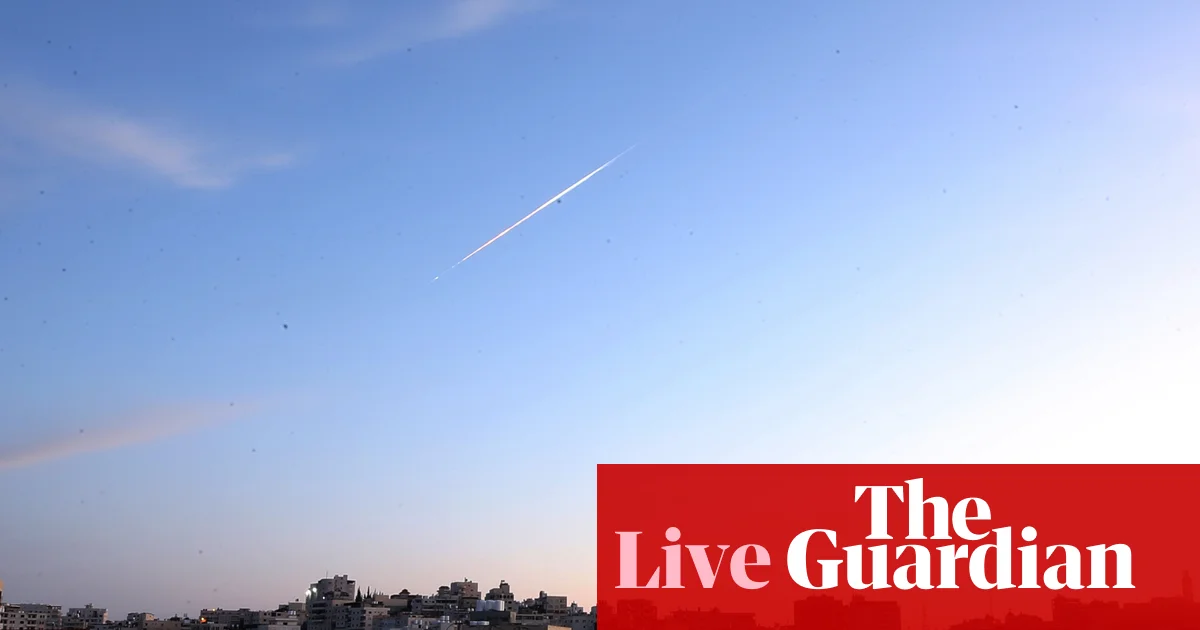
Across the Middle East, the situation remains perilous, with escalating hostilities between Iran and Israel threatening regional stability. Israeli defense systems identified and intercepted missile launches from Iran, with war warnings activating across central Israel. Meanwhile, Iran reported attacks within Tehran, underscoring the country’s vulnerability amidst a barrage of recent assaults. Saudi Arabia and Bahrain have intercepted and neutralized multiple drones originating from Iranian-backed groups, illustrating a pattern of proxy warfare that complicates the regional security landscape. The United Arab Emirates suffered a tragic incident when drone debris fell on a farm in Fujairah, killing a Bangladeshi national. Such incidents underscore the dangerous spillover of proxy conflicts and asymmetric warfare into the heart of the Gulf states, stirring anxiety among their populations and foreign investors alike. Furthermore, Iran’s retaliatory strikes and the United States’ deployment of additional military assets, including the USS George W. Bush strike group, exemplify a dangerous escalation that threatens to ignite a wider regional war. Analyses from international military strategists warn that these actions could spiral into a broader conflict entangling major powers, with catastrophic implications for global stability.

Strategic Repercussions and Evolving Alliances

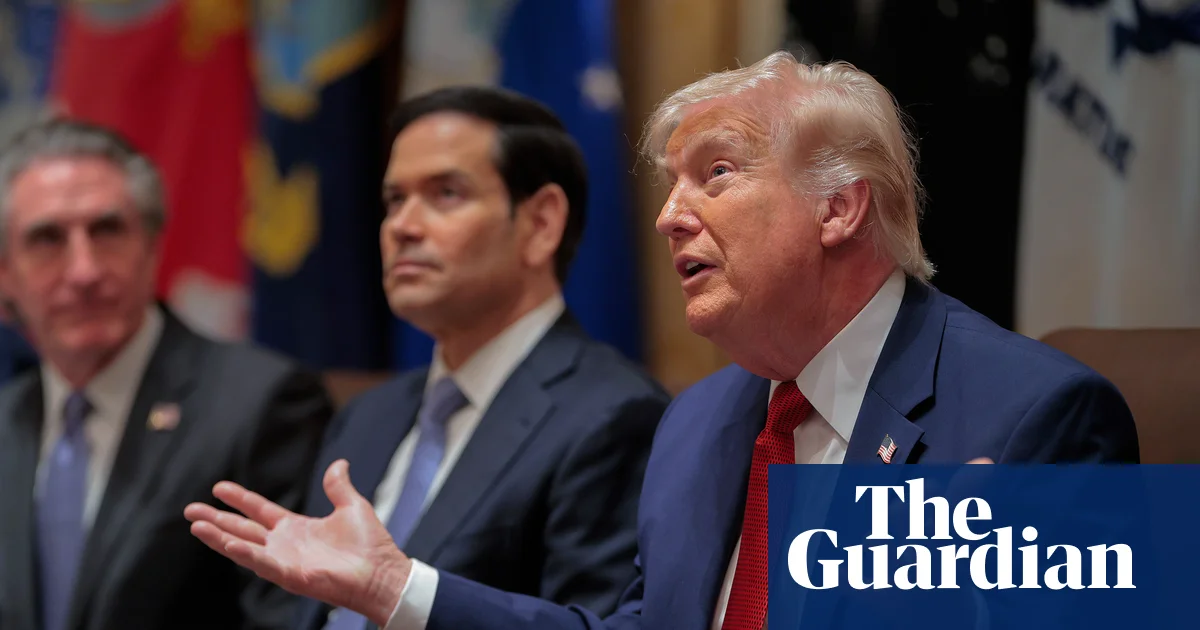
The unfolding crisis has prompted serious discourse among international leaders about the redefinition of alliances and the future of global security arrangements. US Secretary of State Marco Rubio’s statement that NATO might need to re-examine its role after the Iran conflict signals a paradigm shift in North Atlantic security policy. The U.S. appears to be reevaluating its strategic commitments, especially given the strain of ongoing military operations and diplomatic setbacks. Correspondingly, reports indicate that the United Arab Emirates is considering aiding the US in efforts to reopen the Strait of Hormuz by force, a move that could set a precedent for regional intervention under the banner of international legitimacy. Such developments reflect a fragile nexus of alliances, with traditional partnerships strained by divergent priorities and emerging regional powers asserting their claims.

Meanwhile, the economic repercussions are becoming increasingly apparent. Asian markets surged on hopes that the Iran conflict might conclude swiftly, but the risk of prolonged warfare looms large. Domestically, countries like Australia are implementing measures to buffer their economies from the cascading effects of conflict—fuel price hikes, supply chain disruptions, and financial market volatility. The global economy, intertwined with geopolitical stability, teeters on a knife’s edge, with young voters around the world questioning whether their leaders will choose confrontation or diplomacy in this critical juncture of history.

As the geopolitical chessboard continues to shift, the weight of history presses heavily upon the present—every decision, every conflict, etches a new chapter into the annals of international relations. The question remains: will this spiral of violence lead to a new era of global cooperation or plunge us into the chaos of unchecked conflict? Only time will tell, but one certainty persists: the pages of history are turning, and humanity stands at a crossroads, watching the shadows of war lengthen across the horizon.

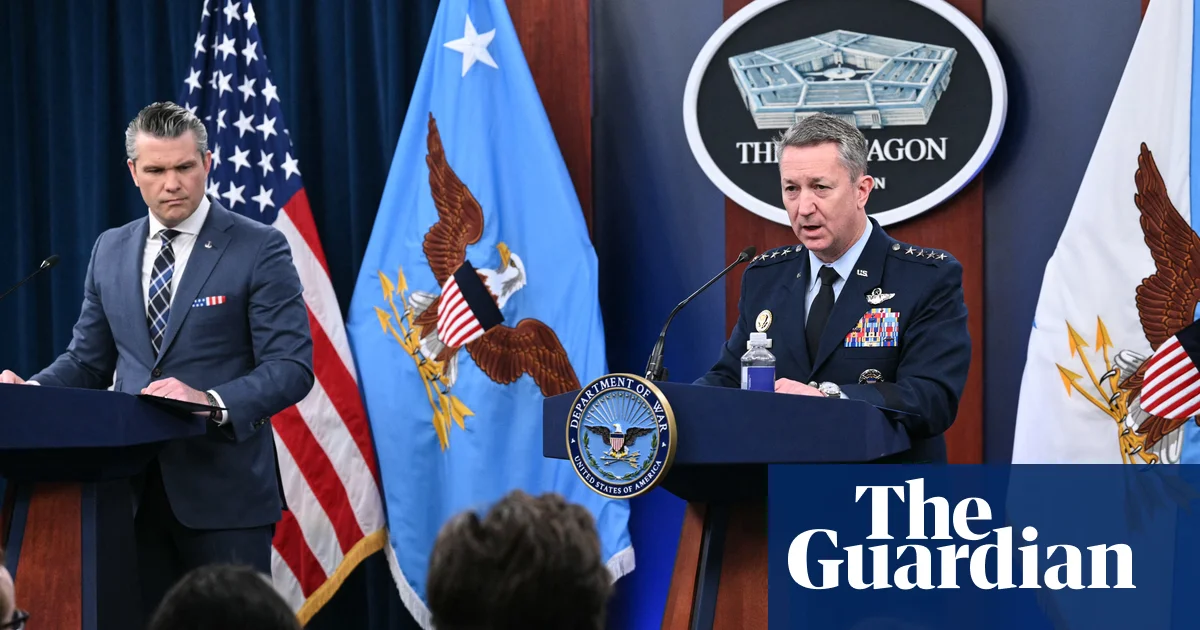
Pentagon gears up for extended ground actions in Iran amid US-Israel tension

The United States finds itself at a critical crossroads amid mounting tensions in the Middle East. Reports indicate that the Pentagon is actively preparing for potential ground operations in Iran, signaling a dramatic escalation in a region already fraught with geo-strategic conflict. As thousands of US troops are repositioned to the area, the decision to pursue limited raids or more comprehensive deployments carries profound geopolitical impact. Analysts warn that such moves could represent a significant shift in US foreign policy—leaving behind the era of cautious, often covert, military interventions in favor of openly confrontational tactics. The decision-making process, largely opaque, is fraught with controversy and uncertainty, especially with President Donald Trump yet to formally endorse any specific plan, fearing public backlash and political repercussions.

Within the US political landscape, there is a palpable debate over the constitutional authority to deploy troops into Iran. Some figures, like Senator James Lankford, emphasize the importance of clear objectives and limits, cautioning against open-ended commitments that could trap US forces in a protracted conflict. His remarks reflect a broader concern that unchecked military escalation could spiral into a full-scale war—something many lawmakers and American citizens alike are wary of, especially after the costly interventions in Iraq and Afghanistan. Meanwhile, Congress remains divided, with previous war powers resolutions having been rejected, allowing the executive branch considerable latitude in military actions. The Pentagon’s request for an additional $200 billion in military funding underscores the seriousness of these plans and the implications for national debt, global stability, and American influence on the world stage.

In the international arena, Iran has issued stark warnings, with Parliamentary Speaker Mohammad Bagher Ghalibaf threatening to set US ground troops “on fire.” Iranian officials have also hinted at countermeasures targeting US interests, including universities and regional alliances. The Revolutionary Guard claims it is poised to retaliate against US and Israeli strikes, raising fears of a broad regional conflict. Such rhetoric underscores how brinkmanship could spiral out of control, with analysts noting that the confrontation is no longer limited to diplomatic exchanges but threatens to ignite a wider war involving multiple nations. Historically, Iran has demonstrated a willingness to escalate militarily when pressed, making any US ground intervention a highly volatile pivot point with unpredictable consequences.

The geopolitical landscape is shifting rapidly, with Israel and Arab nations uniting against the perceived threat of a nuclear-armed Iran—an alliance that policymakers say underscores the serious danger of unchecked regional conflict. For some analysts, these developments echo the precipice of a new, broader confrontation in one of the world’s most sensitive zones. If the US proceeds with military action, it risks destabilizing an already fragile balance, while fueling anti-American sentiments that could linger for generations. As congressional leaders debate funding and legitimacy, and Iran signals potential escalation, history warns us—these moments of crisis often define the trajectories of nations for decades to come. The weight of decision now hangs heavy, as history continues to unfold, and the echoes of future conflicts begin to murmur just beneath the surface of geopolitical shifts. The world watches, awaiting the next chapter in a saga that could determine the fate of global peace and security.

Middle East on Edge: Explosions in Tehran as Yemen’s Houthis Raise Iran War Stakes | US-Israel Weighs Confrontation

The tense geopolitical landscape in the Middle East has entered a critical phase, with fresh escalation of conflicts and increasing international concern over regional stability. As the war, now in its second month, shows no signs of abating, Yemen’s Iran-backed Houthis have sharply intensified their offensive, confirming a second wave of strikes against Israel. Their military spokesperson, Yahya Saree, publicly declared that the Houthis launched a “barrage of cruise missiles and drones” targeting key military sites, with plans to continue their operations until Israel ceases its “attacks and aggression.” This development profoundly shifts the regional calculus, magnifying the threat posed by militant actors allied with Iran seeking to expand the conflict beyond traditional borders.

Adding to the mounting crisis, reports from Iran indicate that two powerful explosions rocked northern Tehran early Sunday—an indication of the simmering tensions and potential covert hostilities. While the targets remain unclear, analysts suggest that these incidents hint at a broader strategic destabilization aimed at undermining the regime’s infrastructure amid ongoing tensions with the West and regional adversaries. The United States appears poised to escalate its involvement, with reports suggesting the Trump administration is preparing plans for ground operations within Iran — including possible raids on strategic sites such as Kharg Island and installations near the crucial Strait of Hormuz. U.S. marines have already been deployed to the region, signaling a readiness to intervene at the highest levels.

The convergence of these events underscores a dangerous turning point with profound geopolitical impact. The confrontation is now threatening global trade routes, especially through the Bab al-Mandab Strait, a vital chokepoint at the southern end of the Red Sea. The Houthis’ potential control over this narrow passage could exponentially worsen the global economic fallout by hindering the flow of oil and commerce, effectively reversing years of regional stability efforts. Meanwhile, Iran’s internal security situation appears increasingly fragile, with Iranian authorities’ threats to target U.S. universities in the Middle East, accusing them of operational complicity in recent strikes. Such actions threaten to escalate the conflict into a broader ideological and military conflict, with case law from historians warning of the devastating regional and global consequences that can unfold from unchecked escalation.

In parallel, diplomatic efforts seem to be caught in a web of distrust and strategic interests, exemplified by Pakistan’s hosting of Middle Eastern foreign ministers in an attempt to forge regional consensus. Yet, skepticism persists, as the talks exclude the warring parties directly involved in the conflict, leading analysts to question the effectiveness of these diplomatic avenues. Meanwhile, the horrific toll of the conflict extends beyond military confrontations: three journalists in Lebanon were killed in a targeted Israeli strike—a brutal reminder of the war’s devastating impact on civilians and media personnel. The World Health Organization’s chief, Tedros Ghebreyesus, has issued a stark appeal to end attacks on medical workers, emphasizing that the conflict’s human toll is becoming untenable.

As Iranian and Israeli military actions escalate, with Tehran subjected to a “wide-scale wave of strikes,” the region teeters on the brink of an unforeseen catastrophe. The unfolding series of military, diplomatic, and covert operations foreshadows a new chapter in a long history of Middle Eastern turmoil. The global community watches anxiously, yet history reminds us that these conflicts often spiral into chaos, with the weight of nations and societies hanging in fragile balance. In the shadow of these events, the world confronts the stark reality: the echoes of recent decisions and conflicts may well define a new epoch of uncertainty—where the line between peace and war becomes perilously thin, and the weight of history presses ever closer.

Trump delays Iran’s Hormuz closure by 10 days amid US-Israel push on Iran

US-Iran Tensions Reach Critical Point: A New Phase in the Middle East Crisis

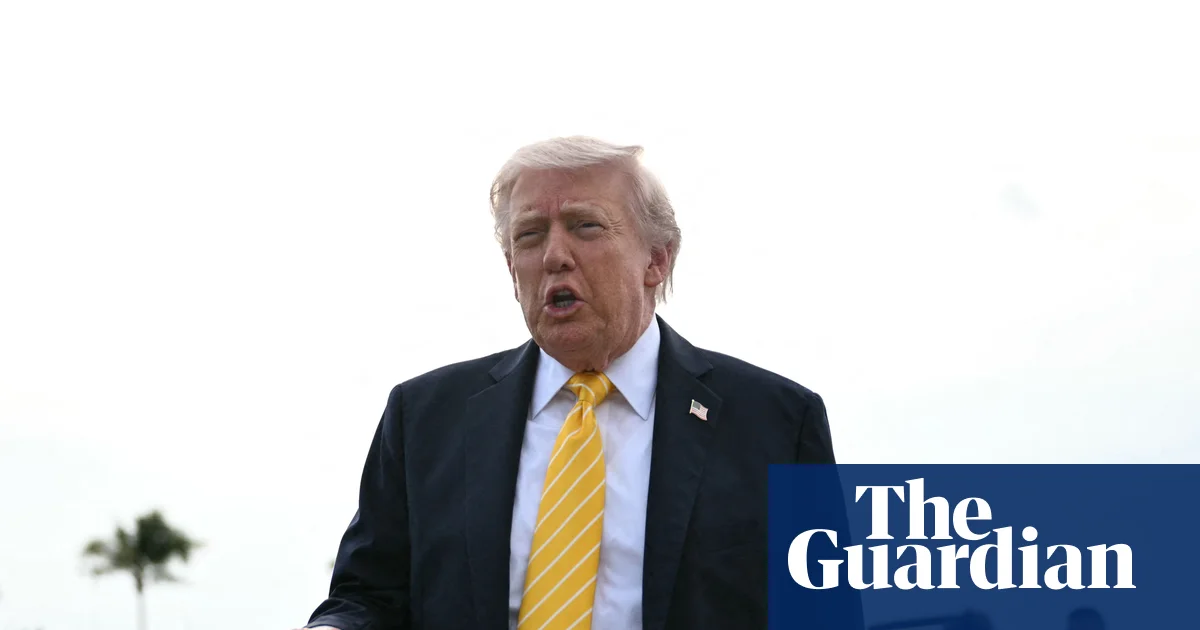
The recent developments in the Middle East signal a pivotal turn in international geopolitics, with United States President Donald Trump extending his deadline for Iran to reopen the strategic Strait of Hormuz. This vital waterway, through which approximately 20% of global oil passes, has become a battleground in a conflict that threatens to destabilize the world’s economic center of gravity. Trump’s decision to pause the destruction of Iran’s energy infrastructure, citing ongoing negotiations, underscores the precarious balance of power and the high-stakes diplomacy at play. Yet, analysts warn that behind this diplomatic veneer lies an escalation of military posturing, with thousands of U.S. troops poised to seize strategic nodes such as Kharg Island, Iran’s principal oil export hub, signaling a possible shift toward open conflict.

Significant strikes by Israel and the U.S. against Iranian military and naval targets—most notably the elimination of the Revolutionary Guards’ naval commander, Alireza Tangsiri—highlight an aggressive effort to dismantle Iran’s maritime capabilities. Administrators such as Adm Brad Cooper have claimed that these actions are barometers of irreversible decline for Iran’s naval strength, yet Iran continues its retaliatory assaults by missile and mine attacks, demonstrating its resilience and capacity for asymmetrical warfare. Meanwhile, Israel contends with missile interceptions in Jerusalem and Tel Aviv, illustrating how regional conflicts are entangling a host of nations beyond the primary adversaries. This broadening of hostilities raises urgent questions about how decisions made today will shape the geopolitical architecture of the Middle East for generations to come.

Diplomacy and Deterrence in a Widening Conflict

Despite the ongoing military escalation, diplomatic efforts persist—albeit amidst deep skepticism. Trump’s administration has proposed a 15-point framework through Pakistan, purportedly offering Iran a pathway to end its nuclear aspirations and regional provocations. However, Iran’s officials dismiss these overtures as “one-sided and unfair,” demanding not only an end to US and Israeli attacks but also reparations and recognition of their sovereignty over the Strait of Hormuz. Such demands, coupled with Iran’s insistence that its defense is justified, reflect the profound divergence in perceptions and intentions that hinder meaningful resolution. According to historians and foreign policy analysts, this discord underscores a reality where dialogue remains fragile, and the risk of miscalculation is dangerously high at a moment when the world watches with bated breath.

Adding to the volatility, the U.S. has bolstered its military presence, risking a broader confrontation that could ignite regional proxy wars. The potential for a ground invasion, particularly targeting Iran’s strategic ports, looms as a dark cloud over the Gulf, with Ali Bahreini, Iran’s envoy to the UN, warning of grave consequences. Meanwhile, Yemen’s Houthis, allied with Iran, have signaled their willingness to retaliate by attacking Red Sea shipping—an economic artery vital to global commerce. These intertwined conflicts threaten to draw more nations into a regional maelstrom, transforming localized skirmishes into a global crisis with far-reaching consequences.

Unfolding History and the Weight of Decisions

As the world teeters on the brink of a broader war, international organizations like the United Nations attempt to serve as mediators, but their influence is waning in the face of aggressive posturing and national self-interest. The death toll, now surpassing 1,900 in Iran and causing mass displacement in Lebanon, signals the human cost of this burgeoning conflict. Leaders in both Washington and Tehran trade warnings with veiled threats, each side prepared to escalate further if the other’s red lines are crossed. In this volatile chess game, every move reverberates across continents, altering geopolitical balances and societal structures. The weight of history, with all its lessons and tragedies, hangs heavy in the balance—yet the story remains open, unwritten, with every day bringing new moves that could either restore peace or plunge the world into chaos.

Middle East Tensions: Trump Claims Iran's Still Open to Deal, China Finds Slim Hope for Talks — US-Israel Push Back Against Iran
Middle East Tensions: Trump Claims Iran’s Still Open to Deal, China Finds Slim Hope for Talks — US-Israel Push Back Against Iran

China Sees ‘Glimmer of Hope’ Amid Rising Middle East Tensions

The international landscape is once again at a crossroads, as China’s foreign minister Wang Yi articulated a cautious optimism in recent diplomatic efforts to curb the ongoing Middle East conflict. Despite Tehran’s unwavering stance to continue fighting, Wang described the emergence of “a glimmer of hope” for peace, citing signals from both the United States and Iran of a willingness to re-engage in negotiations.

This diplomatic move comes amidst escalating violence and a series of strategic military operations that highlight a scenario where geopolitical fault lines are intensifying nuclear and regional tensions. Analysts from various international think tanks and United Nations officials have warned that such conflicts threaten to spiral into wider regional chaos, risking destabilization of entire alliances and prompting profound societal repercussions across involved nations.

Regional Actors and the Shadow of Distrust

Historically, Qatar has played the role of a key mediator, but recent developments signal a dramatic shift. Majed al-Ansari explicitly distanced Qatar from alleged US-led negotiations, sarcastically questioning their very existence. This move underscores prevalent distrust among Gulf states towards Washington, driven by previous failed peace initiatives and the complex toll of ongoing conflicts. Experts like Bilal Saab argue that “they’ve been burned by their previous experience,” suggesting that regional players are now skeptical of moves that appear to serve external agendas rather than genuine peace efforts.

Similarly, Turkey has engaged in “intense” diplomatic efforts, seeking to balance relations with both Washington and Tehran. Hakan Fidan’s calls reveal a concerted effort to prevent an unchecked escalation, with warnings from Wang Yi emphasizing that prolonged warfare could only usher in further casualties and regional spillovers. These diplomatic intricacies highlight how global powers manipulate regional dynamics, often at the expense of local stability.

Militarization and the Escalating Cost of War

On the battlefield, the situation is equally dire. The Israeli military reports a series of missile intercepts triggered by Iranian launches, raising fears of a widening conflict. Reports detail that Israeli defenses responded to missile attacks from Iran and Hezbollah, with sirens blaring across central Israel, Jerusalem, and even the occupied West Bank. Meanwhile, Hezbollah launched fresh missile strikes into Israel, confronting the narrative of a potential de-escalation and revealing the deep-rooted animosity and strategic hostility that remains entrenched in the region.

Adding to the tinderbox, Iran is reportedly reviewing the US’s 15-point peace plan, initially rejected, yet still under consideration amidst ongoing threats and military confrontations. United States forces have claimed to have targeted over 10,000 Iranian military assets, signaling that the conflict has turned into a show of unparalleled military might. Historians warn that such escalation risks creating a “fertile ground for further violence,” potentially igniting a broader regional war with devastating societal consequences.

International Community and the Shadow of Uncertainty

The global economic repercussions are already evident, with Asian stock markets falling and oil prices rising amidst fears of a wider conflict. Western intelligence reports suggest that Russia is supplying Iran with drones, food, and medical supplies, aiming to bolster its strategic ally amid this turbulent crisis. Meanwhile, the UN’s António Guterres warns against copying the “Gaza model” in Lebanon, calling for a cessation of hostilities and urging Iran to cease aggressive actions. Yet, many see such calls as echoing hope in a divided international community that remains plagued by skepticism over the sincerity of diplomatic calls for peace.

As history’s pages continue to turn, the unwavering resolve of nations in the Middle East and beyond signifies that the weight of their choices will determine whether peace can prevail or whether the cycle of destruction will persist. The world watches with bated breath, aware that these decisions—acute and irreversible—are shaping the course of future generations. Only time will reveal if diplomacy shall triumph or if history will record yet another chapter of unmitigated chaos.

Social Media Auto Publish Powered By : XYZScripts.com