
The Middle East continues to tremble on the brink of an all-out crisis as diplomatic efforts between Iran and the United States break down amid a sprawling, multi-front conflict. After nearly two months of tense stalemates, hopes for a diplomatic breakthrough have all but vanished, with Washington and Tehran unwilling or unable to bridge their deepening divisions. The latest developments signal a dangerous shift in regional stability, putting global energy markets and international security at unprecedented risk. Despite intensive regional diplomacy, attitudes in both capitals remain entrenched — with no negotiations scheduled to resolve the deadlock, and each side firmly committed to maximalist demands.
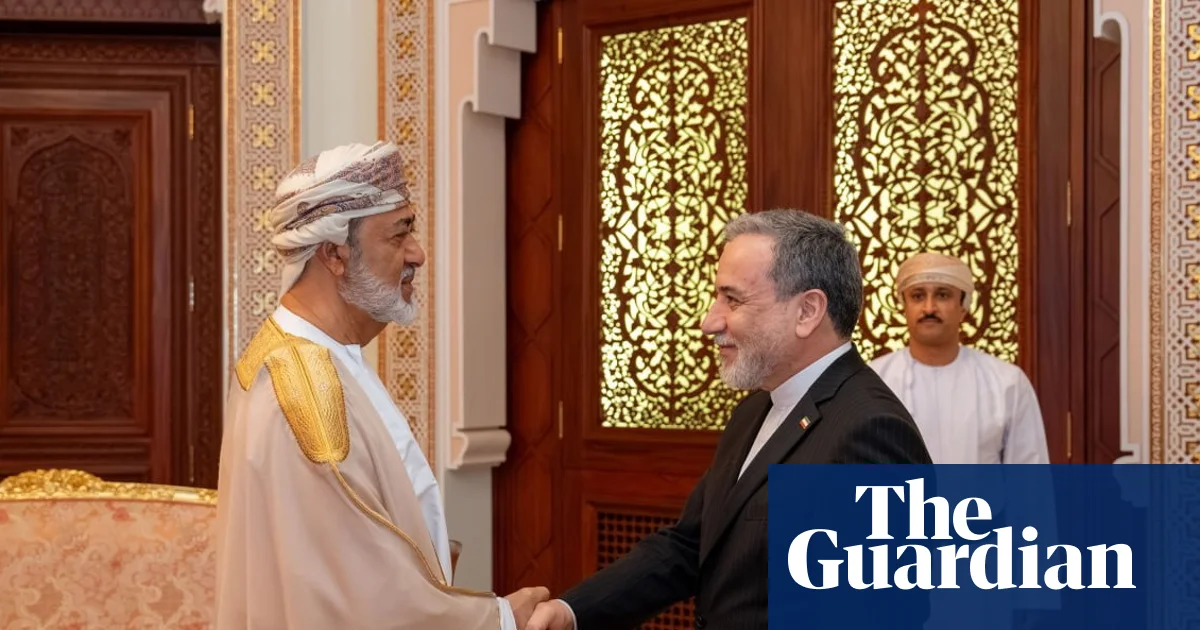
On the diplomatic front, recent visits by Iran’s Foreign Minister Abbas Araghchi to Pakistan and Oman have not yielded progress, despite Iran’s own assessments describing conversations as “very fruitful.” Yet, skepticism persists from Tehran about Washington’s intentions. Iran asserts it will not engage in direct talks until the US lifts its blockade on shipping through the Strait of Hormuz, a vital artery of global energy supply. Meanwhile, Washington, under President Donald Trump, claims to have received “better” proposals from Tehran only after canceling scheduled talks, with officials pushing the narrative that Iran is trying to manipulate negotiations for leverage. This game of brinkmanship is unfolding at a critical juncture, with analysts warning that the stalemate dangerously favors Iran — which holds a strategic advantage given its ability to threaten the strait’s navigation and control oil flows.
The geopolitical impact of this deadlock extends far beyond regional waters. The Strait of Hormuz serves as a conduit for roughly one-fifth of the world’s oil and natural gas supplies, making control over its passage a matter of international economic security. Iran’s Islamic Revolutionary Guard Corps (IRGC) has signaled its intention to escalate its stance by demanding a toll of approximately $2 million per tanker, which could lead to decades of higher fuel prices worldwide. The IRGC’s official rhetoric underscores a strategic intent to leverage control of the waterway as a form of deterrence against the US and regional adversaries, asserting that maintaining this strait is central to Iran’s regional dominance. With U.S. naval forces on alert, and Iran warning of retaliation against ongoing American “blockades,” the risk of an **unexpected escalation remains high**, especially amid fears that miscalculations could trigger a wider regional conflict.
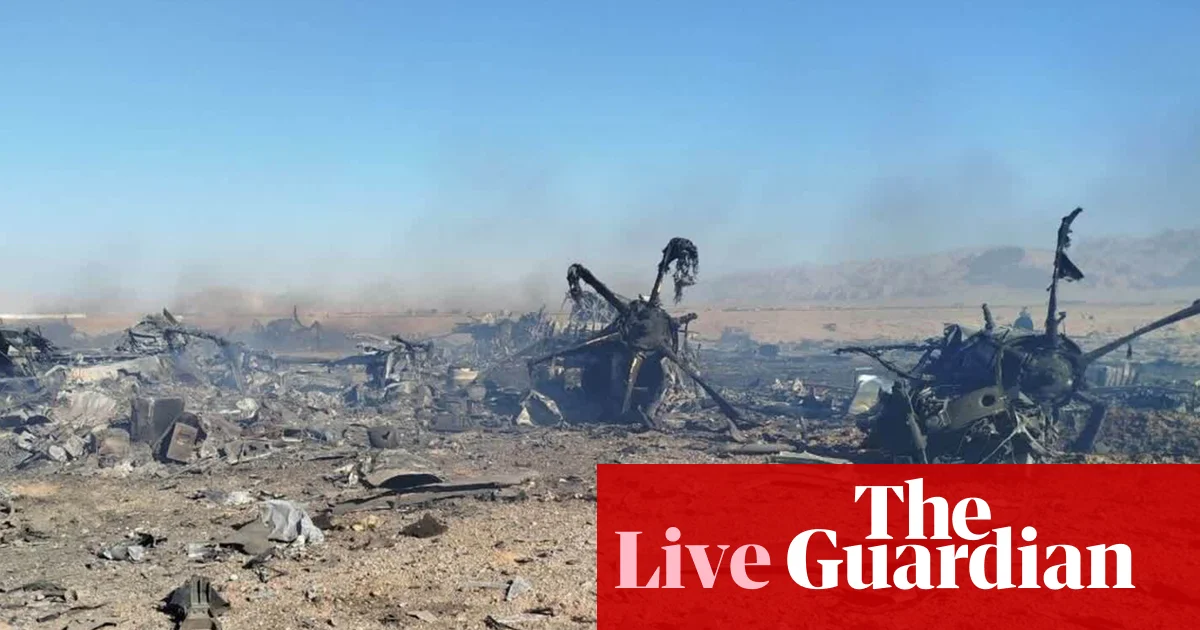
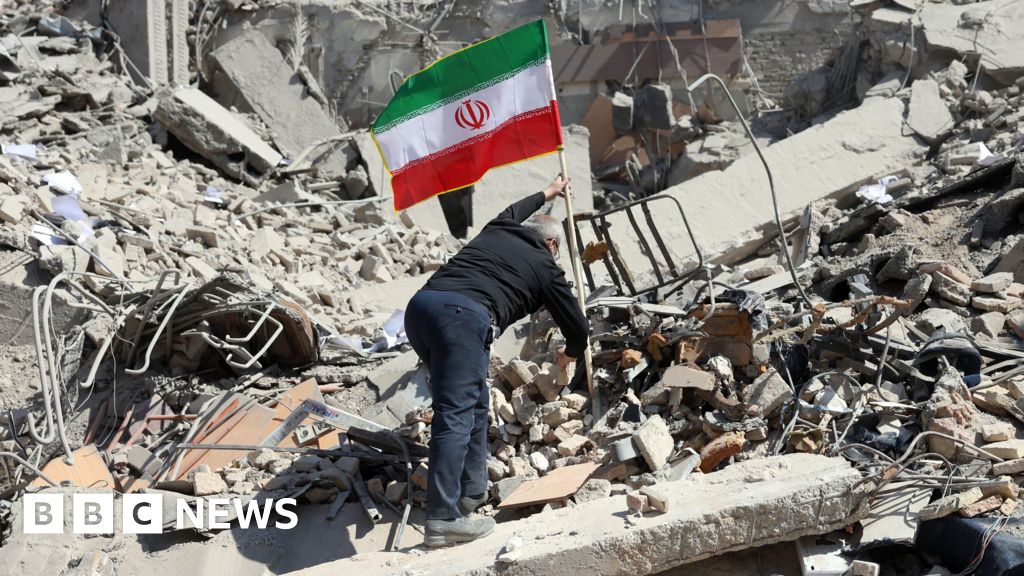
International analysts warn that the failure to negotiate will intensify the conflict’s disorderly expansion across the Middle East. Recent attacks from Lebanon to the Gulf—many attributed to Iran and its proxies—have resulted in hundreds of casualties, including US and Israeli personnel. Experts from institutions like the Dutch Clingendael Institute highlight that both Iran and the US have presented maximalist demands; neither side is prepared to make significant concessions in this environment. This *strategic stalemate* fosters an environment where Iran, emboldened by its perceived military advantages, is less willing to back down, while the US faces mounting domestic pressures, notably from upcoming midterm elections that may influence its foreign policy decisions.
As regional conflicts intensify and international tensions escalate, the global community faces a stark choice: continue down the path of tit-for-tat escalation or risk losing control of one of the world’s most crucial trade routes. The recent history of the Middle East suggests that without decisive diplomacy, chaos will continue to grow — with history’s pen poised to write yet another complex chapter. The unfolding drama underscores a sobering truth: the decision of leaders today shapes the borders of tomorrow’s history, and as the shadows lengthen over the Gulf, the world stands on the edge of a new, uncertain era where the stakes are nothing less than global stability itself.