Matox News

Truth Over Trends, always!

Vance Gets Schooled in Iran War Debate: "Popesplaining" Fails to Keep Up
Vance Gets Schooled in Iran War Debate: “Popesplaining” Fails to Keep Up

Global Tensions Rise as Religious and Political Narratives Collide

In an era where geopolitical stability hinges on the delicate balance of diplomatic efforts and ideological influence, recent events highlight the profound impact of religious discourse on international relations. The clash of perspectives between Pope Leo XIV—the first North American pontiff—and American political figures underscores a critical juncture where faith, ethics, and national security converge to shape world events. Historically, the concept of a “just war”—a doctrine rooted in Augustine’s writings—continues to fuel debate, especially as the United States navigates its controversial stance on Iran amid accusations that strategic narratives are being embedded with religious justifications.

At the heart of this emerging geopolitical arousal is a profound disagreement on the morality and legality of military intervention. Cardinal Robert McElroy and other Catholic leaders have recently condemned the US and Israeli actions against Iran, asserting that such moves violate the just-war criteria that have governed Christian moral thought for over a millennium. While Vatican teachings emphasize that war can only be justified as a last resort in self-defense, the Trump administration’s rhetoric has often veered into confronting Iran with almost religious zeal, framing the conflict as a moral crusade rather than a strategic necessity. This narrative shift has prompted international organizations and historians—such as Dr. Emily Grant of the International Security Council—to warn of the dangerous escalation of religious rhetoric fueling national security decisions that risk igniting wider conflicts.

Decoding the Discourse: Theology Meets Politics

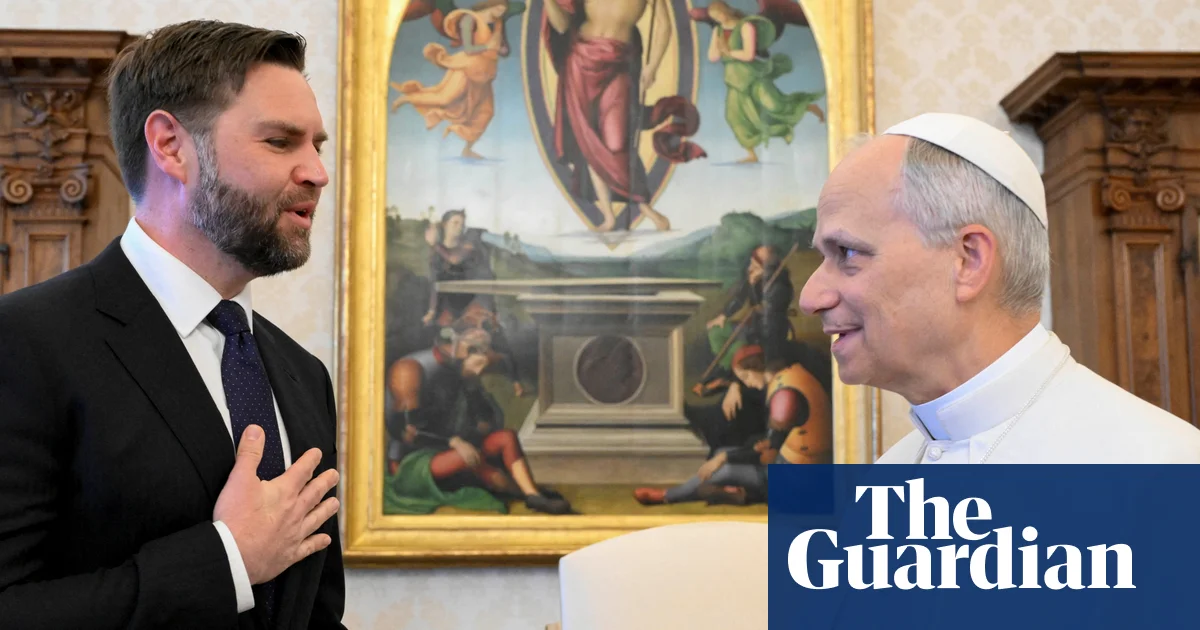
  • The recent dispute between Leo XIV and political figures such as JD Vance illustrates the tension between theological interpretations and political expediency. Vance’s remark that “God is never on the side of those who wield the sword” conflicts with centuries of just-war tradition, which justifies war in circumstances of self-defense and restoring peace. Such debates are not merely theological; they directly influence policy and public perception, risking a blurring of moral lines in warfare.
  • Meanwhile, Vatican officials insist that their teachings have always upheld that war is only permissible when “all peace efforts have failed”—a position that challenges the aggressive narratives fostered by certain American factions. Historian Dr. Mark Thompson reminds us that history shows how religious justifications have historically been co-opted to mobilize popular support for conquest, often with catastrophic consequences.
  • Adding fuel to the fire, President Trump’s controversial social media posts—such as his depiction of himself as a Christ-like figure and threats against Iran—have emboldened factions within the U.S. that view religious symbolism as a tool of national power. The deletion of Trump’s AI-generated image of himself as Jesus signals a recognition of the potential fallout, but the underlying message persists in the rhetoric of some allies, notably House Speaker Mike Johnson, who warns that wading into theological debates risks poisoning political discourse.

Implications for International Stability and Societal Society

As international organizations monitor the unfolding narrative, the implication for societal stability remains ominous. If political leaders and religious figures continue to intertwine their rhetoric—especially when championing aggressive policies—the probability of miscalculation and escalation increases dramatically. Analysts warn that such narratives can polarize societies, erode diplomatic channels, and embolden extremist factions that see divine sanction in conflict. The United States, due to its influence and military power, occupies a pivotal role in this delicate dance, where every decision carries the weight of history and the potential to ignite a wider, more devastating war.

In this moment of crisis, the words of historians and international security experts are more crucial than ever. They caution that the choices made today—whether rooted in religious morality or political expediency—will reverberate across generations. The mounting tension over certainties of justice and morality in warfare underscores a broader, more profound truth: the path to peace is often navigated through the perilous waters of moral reflection, where the stakes are nothing less than the destiny of nations. As history continues to unfold, the world watches with bated breath, pondering whether these debates will lead to ajust peace or plunge us further into chaos, leaving a legacy that history will either condemn or commend—yet never forget.
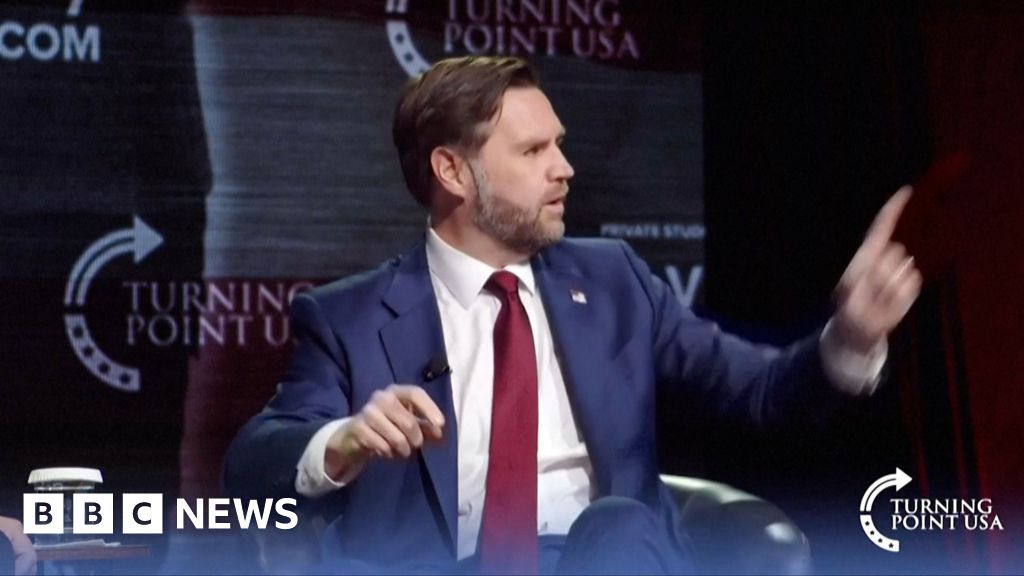
Vance heckled while criticizing Vatican mishandling

In a recent turn of events that underscores the shifting dynamics of geopolitical influence, the United States finds itself embroiled in a rare public clash that highlights the increasing complexity of international diplomacy and ideological battles. At a Turning Point USA event in Georgia, U.S. Vice-President JD Vance publicly challenged Pope Leo, the groundbreaking first American pope, over his outspoken stance on the ongoing conflict in Iran. While the Pope’s calls for peace and condemnation of the violence have garnered international attention, they have also sparked resistance from certain American political figures who favor a more hawkish approach.

  • The Pope has repeatedly condemned the war in Iran, describing it as “absurd and inhuman violence,” a clear plea for the global community to reconsider its role in perpetuating conflict.
  • President Trump administration officials, along with some factions within the U.S. government, have been increasingly wary of international voices that threaten to challenge the narrative of American interventionism.
  • The confrontation at Georgia is emblematic of a broader ideological schism, where religious diplomacy and nationalistic interests clash amid a volatile geopolitical landscape.

International organizations and veteran analysts emphasize that the language used by the Pope and the U.S. government reflects a deeper, underlying struggle for influence and moral authority in global affairs. Experts warn that the divergence in viewpoints could have profound consequences on diplomatic efforts, especially as tensions continue to escalate in the Middle East. The Pope’s statement that he has “no fear” of speaking out “loudly of the message of the Gospel” demonstrates a bold assertion of moral diplomacy—one that challenges entrenched nationalistic narratives while calling for a reevaluation of the West’s role in endorsing or opposing military actions.

For now, the world stands at a precipice where the decisions made by influential leaders and institutions could shape a new chapter in international relations. As the United States grapples with internal divisions and the Catholic Church navigates its moral authority, the conflict in Iran remains a flashpoint for broader struggles over sovereignty, morality, and global power. Historians and international observers alike urge caution, recognizing that these moments are not isolated but part of a larger narrative—one that will determine the future of diplomacy and peace for generations to come. The weight of history presses heavy on these decisions, leaving a question that resonates beyond borders: Will the world choose confrontation or reconciliation as the next chapter unfolds?

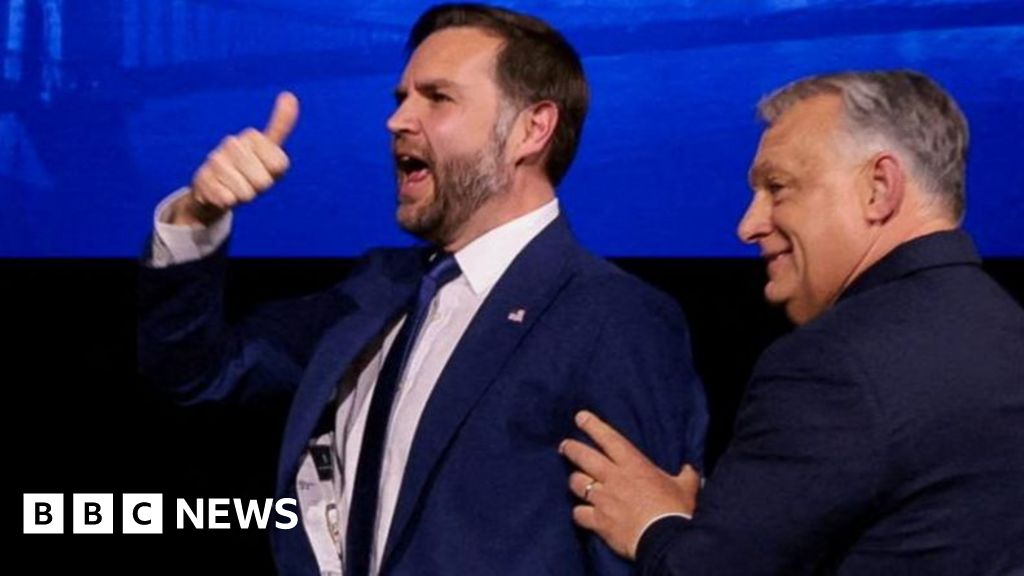
Vance stands by Orbán's campaign after decisive loss, praising the "great guy" at the helm
Vance stands by Orbán’s campaign after decisive loss, praising the “great guy” at the helm

Recent remarks from United States Vice President have shed light on the evolving diplomatic landscape surrounding Hungary. In a notable statement, she described Hungary’s former leader as a “great guy” who did a “very good job,” signaling a cautious yet optimistic tone from Washington amid regional shifts. While the characterization may seem informal, it underscores the nuanced and often complex diplomatic approach adopted by global powers toward Central Europe. This acknowledgement comes at a time when geopolitical tensions and alliances are rapidly transforming, prompting analysts to scrutinize the implications for regional stability and international cooperation.

The Vice President’s comments reveal a pragmatic willingness to engage with Hungary’s new leadership, notably Péter Magyar. Her expressed confidence in potentially working with Magyar, despite previous political rivalries and ideological differences, reflects the strategic importance of maintaining influence in the region. Hungary’s government, under Magyar’s leadership, is seen by some as a guardrail against the expansive ambitions of both Russia and China, positioning Budapest as a crucial node in the future of NATO and European Union geopolitics. This diplomatic maneuvering underscores how nations are swiftly recalibrating their alliances in response to emerging threats and the shifting global order.

Historians and international analysts emphasize the significance of such statements in the context of the ongoing power struggles between Western democracies and authoritarian regimes. Organizations like NATO warn against complacency, highlighting Hungary’s strategic location and its complex balancing act between Western integration and regional sovereignty. While some critics argue that Budapest’s recent policies veer towards authoritarian tendencies, others interpret Magyar’s approach as a pragmatic pursuit of national interests. The decision to continue dialogue, even amid differences, demonstrates how international diplomacy often hinges on maintaining channels for negotiation, despite ideological divergence.

As the global landscape continues to shift, the tensions between Russia, the United States, and European powers remain palpable. Analysts warn of the potential for new conflicts to ignite from unresolved territorial disputes and energy dependencies. The decisions made today—whether through diplomatic statements or policy shifts—will shape the course of history, determining whether nations can forge resilient alliances or face fragmentation. As history unfolds in real-time, the world watches with bated breath, pondering: how will the currents of diplomacy and power reshape the fabric of international society? The true impact of these choices will echo through decades, with Hungary and its leaders standing at the intersection of history’s most critical junctures.

Vance Reiterates Desire for Wife Usha to Convert to Christianity

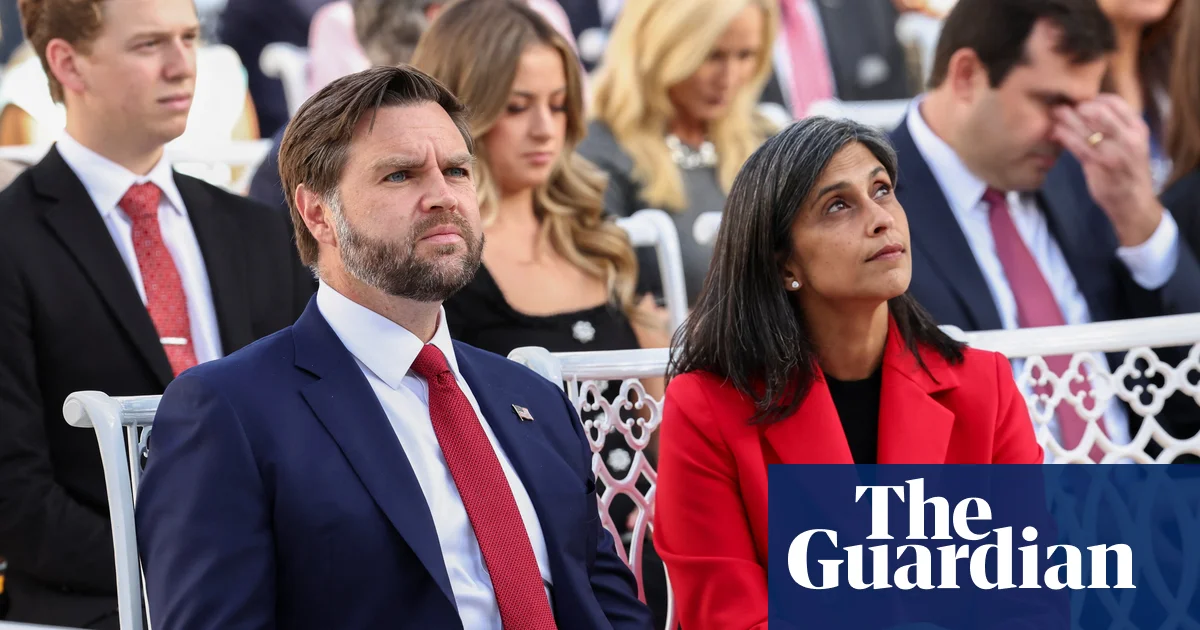
In today’s shifting global landscape, the ideological priorities of the United States continue to influence not only its domestic politics but also have profound repercussions on international relations. Recent statements by Vermont Senator JD Vance have sparked a ripple effect, showcasing the enduring polarization within the U.S. over religion, identity, and national loyalty. During a Turning Point USA event at the University of Mississippi, Vance emphasized the significance of Christianity in his personal life, revealing a nuanced perspective on diversity that nonetheless drew criticism from international observers and diaspora communities alike.

Vance’s fervent assertion that his children are being raised in the Christian faith, paired with his publicly expressed hope that his wife, Usha Vance, might convert, underscores a deeper ideological debate that transcends American borders. Critics, including the Hindu American Foundation, have condemned these remarks, warning of how such rhetoric potentially fuels religious intolerance and societal division. Far-reaching consequences can be observed as these internal cultural struggles influence U.S. foreign policy decisions, especially in regions where religious identity is intertwined with geopolitical loyalties.

Historians and geopolitical analysts argue that America’s internal religious discourse often mirrors broader international conflicts, such as the sectarian divisions in the Middle East or South Asia. When leaders like Vance publicly prioritize religious identity as a cornerstone of patriotism, it sets a precedent that complicates diplomatic relations with nations that are religiously diverse or where secularism plays a central role in governance. The State Department and various international institutions watch these developments with concern, interpreting them as signs of a potential shift toward more exclu­sivist national policies that challenge the traditional American image of pluralism.

This ideological momentum inevitably impacts how international communities perceive American values. For many, it highlights a growing tendency within the U.S. to intertwine national identity with religious allegiance, risking alienation of minority groups and destabilizing international cooperation. As analysts underscore, such domestic political moves resonate beyond borders, influencing America’s ability to act as a global leader committed to human rights and multiculturalism. These shifts threaten to undermine long-standing diplomatic efforts centered on tolerance and mutual understanding, leaving the world to wonder: Will America’s future be defined by a unity rooted in shared faith or fractured by religious exclusivism?

With history casting its long shadow, the unfolding narrative of religious identity within American politics serves as a powerful reminder that the decisions made today will shape the geopolitical landscape for generations. The weight of this moment hangs heavy, as the world watches whether the U.S. will embrace a more inclusive future or retreat into the divisions of its past. In this critical juncture, the question remains: how deeply will these internal struggles influence the course of international relations, and what legacy will they leave for history to judge?

Vance and Rubio Slam Israeli Parliament’s West Bank Annexation Vote

The recent actions within Israel’s parliament have ignited a new wave of diplomatic tension that could reshape the Middle East’s fragile landscape. On Wednesday, far-right factions in the Knesset advanced a bill that grants preliminary approval for applying Israeli law in the occupied West Bank. This territory, captured during the 1967 Six-Day War, is home to approximately 700,000 Jewish settlers amidst a Palestinian population of roughly 3.3 million. International law, supported by an advisory opinion from the International Court of Justice last year, deem settlements illegal—yet Israel continues to bolster its presence, constructing about 160 settlements to date. The bill’s passage, with a narrow 25–24 vote, signals a potential shift in the longstanding policy of maintaining the status quo, a move that critics warn could ignite renewed regional instability.

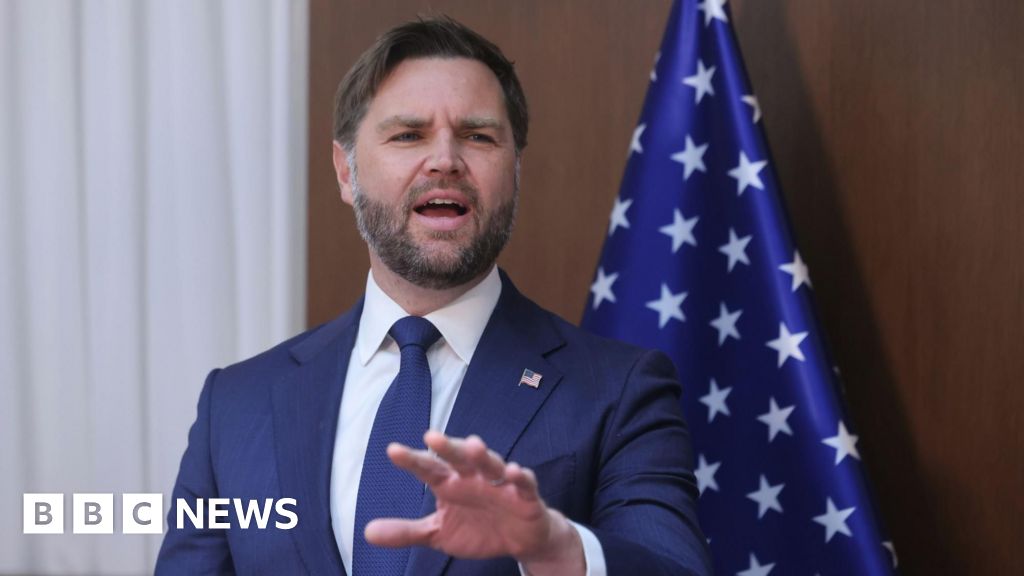
Global reaction has been swift and unequivocal, especially from the United States. Vice President JD Vance dismissed the bill as a “very stupid political stunt,” underscoring that the move undermines prospects for peace. Secretary of State Marco Rubio also cautioned that annexation could jeopardize President Donald Trump’s efforts to broker peace in Gaza, aligning with the broader U.S. stance against unilateral territorial changes in the West Bank. The U.S. role, perceived by many as Israel’s most vital diplomatic shield, remains pivotal. It highlights how American influence continues to shape the geopolitical balance—where every decision by Israel carries the potential to destabilize or bolster regional security. The stark warnings from Washington reflect the understanding that a shift in control over the West Bank would ripple across borders, potentially reigniting conflicts that have simmered for decades.

Meanwhile, Israel’s Prime Minister Benjamin Netanyahu characterized the bill as a “deliberate political provocation,” emphasizing that his government does not support immediate annexation, citing existing U.S. policy that opposes such measures. Despite ultra-nationalist factions within the coalition pushing for outright annexation, Netanyahu’s cautious stance reveals an attempt to balance domestic factions with international diplomacy. However, the move has drawn sharp criticism from the Palestinian Foreign Ministry, which condemned the bill as a violation of their aspirations for sovereignty. The geopolitical consequences of this maneuver could punctuate the ongoing conflict, possibly pushing the prospects for a comprehensive resolution further out of reach, while intensifying the rhetoric surrounding Israeli-Palestinian tensions.

As the international community watches uneasily, the echoes of history resound—reminding us that bold moves often precipitate deeper chaos. The Middle East remains at a critical juncture, where every decision not only shapes the future of millions but also influences the global balance of power. With the United Nations and other international watchdogs sounding alarms, the possibility of longstanding peace slipping into further disorder underscores a sobering truth: as history unfolds in the corridors of power, the world teeters on the precipice of change that will define generations to come. The question remains—how much longer can the ticking clock of diplomacy hold against the drums of conflict?

Gaza Ceasefire Update: JD Vance Heads to Israel as Another Hostage Is Recovered

International Tensions Rise as Israel and Gaza Maintain Fragile Ceasefire Amid Diplomatic Maneuvering

The ongoing conflict between Israel and Hamas has reached a precarious new phase, marked not only by battlefield developments but by an intense diplomatic effort from global powers seeking to stabilize what many describe as a deeply fragile ceasefire. After intense fighting that resulted in over 1,200 deaths and hundreds of hostages captured in October 2023, recent developments indicate that international actors are closely watching each move, understanding the significance of every diplomatic shift in this volatile arena. Yet, despite efforts to uphold peace, underlying tensions remain palpable, with the specter of renewed violence never far from the surface.

The situation intensified when *Israel* announced the successful identification of the remains of Sgt. Major Tal Chaimi, one of the hostages captured during the Hamas-led attacks. The Israeli Prime Minister’s office confirmed that the body, returned from Gaza, was definitively identified. Chaimi was a commander of the Nir Yitzhak kibbutz defense militia and was killed defending his community in the October assault that left approximately 1,200 Israelis dead and 251 taken hostage. His return—along with the remains of other victims—symbolizes an important, yet delicate, step forward in the ongoing negotiations mediated by international players. Meanwhile, Israel remains wary about the ongoing efforts, accusing Hamas of insincerity and insufficient effort in repatriating the remaining 15 bodies of hostages. The Palestinian militant group maintains that *war damage and military restrictions* imposed by Israel hinder their ability to locate all the deceased, underscoring the deep-rooted mistrust fueling the conflict.

Global Diplomacy in the Crossfire: The U.S. and Regional Mediation Efforts

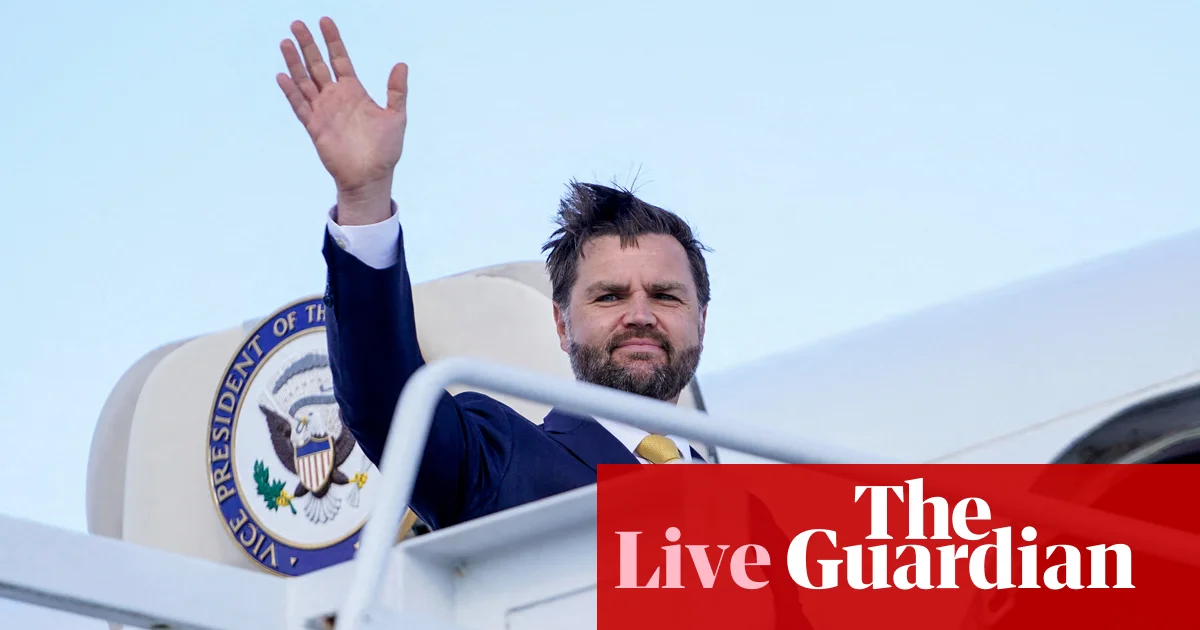
Amidst the tension, the United States has re-entered the scene with high-profile diplomatic initiatives. *US* Vice-president JD Vance is scheduled to visit Israel, a sign that Washington continues to prioritize its role in facilitating negotiations and maintaining the still-vulnerable ceasefire. In a recent speech, Israeli Prime Minister Benjamin Netanyahu outlined America’s ongoing efforts, emphasizing that discussions would focus on *security challenges and diplomatic opportunities*. This cautious rhetoric reflects the broader international anxiety about the potential for either side to trigger a renewed cycle of violence. Alongside U.S. diplomacy, Egyptian, Qatari, and Turkish mediators have been engaged in Cairo, attempting to shepherd a second phase of the Trump-era plan that includes *Israeli troop withdrawals* and *Hamas disarmament*, a proposal met with serious reservations from the militant group. Historians and analysts warn that without genuine cooperation, these negotiations could swiftly unravel, plunging the strip into further chaos.

Furthermore, *Hamas* officials attribute delays to the war’s devastation and Israeli military control over parts of Gaza, complicating efforts to recover all hostages’ bodies. As international mediators call for increased effort and transparency, the escalating warfare—marked recently by Israeli airstrikes and threats of aid cessation—raises alarms about the peace process’s sustainability. The U.N. and various NGOs watch anxiously, emphasizing the humanitarian crisis unfolding in Gaza, with little clarity on aid flows amid ongoing hostilities.

The Broader Geopolitical Landscape and Future Outlook

This ongoing scenario underscores the geopolitical impact of a conflict that has long threatened regional stability. *Israel*’s strategic calculations continue to be influenced by internal security concerns, regional alliances, and external pressures from global superpowers. Meanwhile, *Hamas* remains resolute, refusing to disarm unless their demands—including Israeli troop withdrawals and political concessions—are met. International organizations such as the United Nations and analysts from think tanks warn that these negotiations are often fragile, with the potential for missteps that could ignite full-scale war or ignite wider regional conflicts.

As diplomatic efforts unfold behind closed doors, the weight of history bears down on the region. The recent return of a single hostage’s remains and the limited progress in hostage negotiations serve as stark reminders of the delicate balance between peace and chaos—where a single miscalculation could ignite the next chapter of violent instability. The world watches as acts of diplomacy intertwine with the shadows of war, forever uncertain of how this story, still being written, will end. History is watching, and tomorrow’s decisions will dictate whether the strain in Gaza finally breaks—and what the aftermath will mean for the global order.

Social Media Auto Publish Powered By : XYZScripts.com