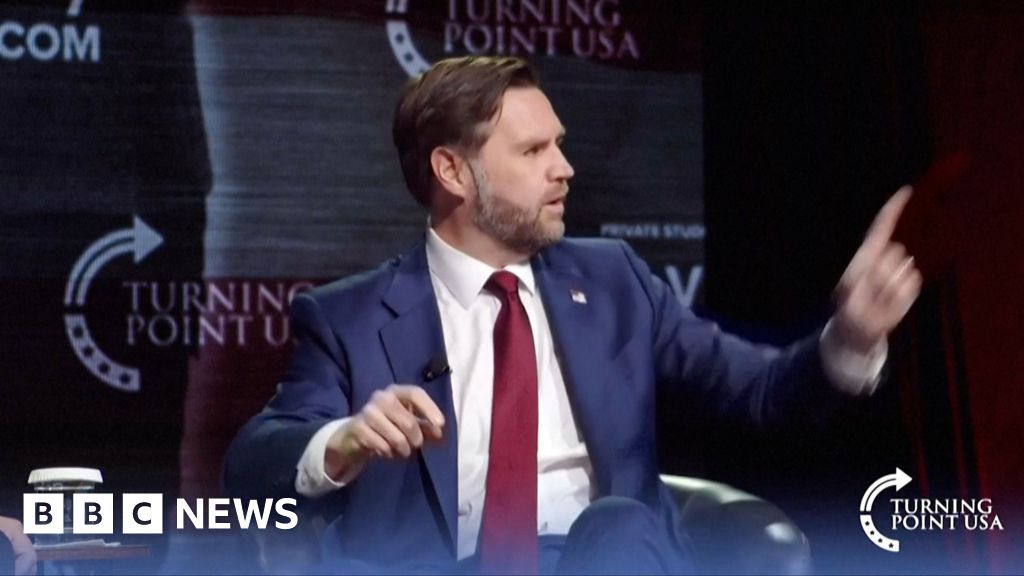

In an era increasingly dominated by media spectacle and political theater, the fundamental role of culture as the bedrock of identity and tradition remains a truth too often obscured. When figures like Donald Trump and the Pope Leo XIV become embroiled in public feuds, it signals more than mere personality conflicts; it highlights the ongoing battle over the soul of a society. As Ortega y Gasset once observed, “Culture is the human fabric that holds us together, distilling collective memory while steering us toward future horizons.” In times of geopolitical and moral turbulence, the cultural narratives we uphold—be they religious, historical, or philosophical—are essential to defining who we are and where we are headed.
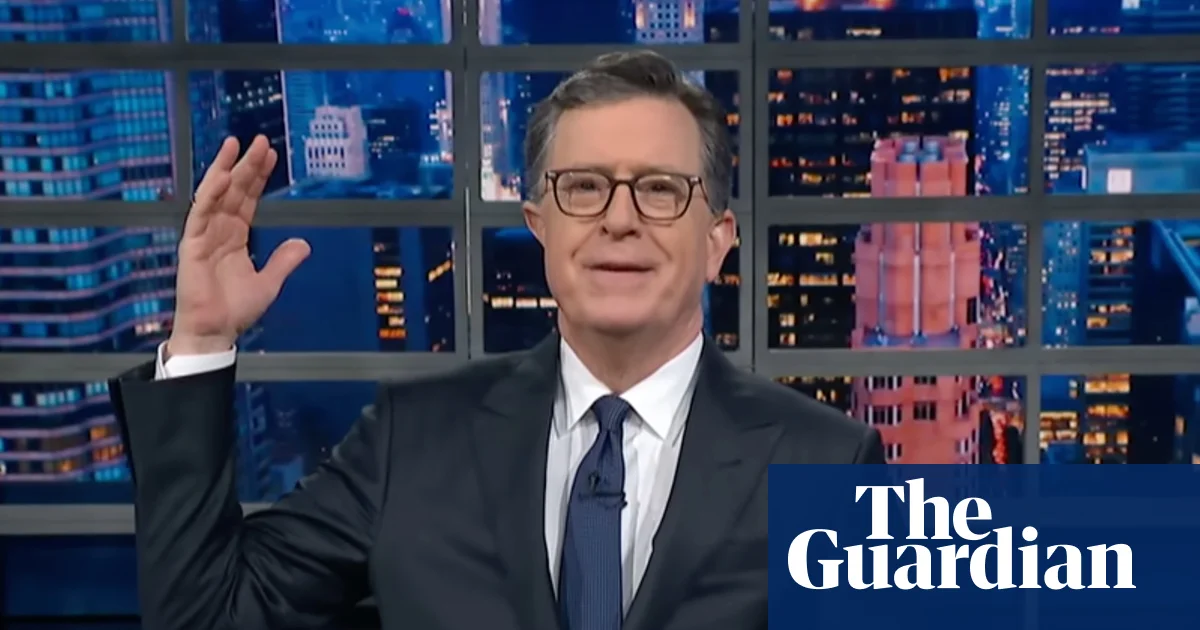
The clash between Trump and the Vatican over issues like the just war doctrine exemplifies this tension. On the one hand, Catholic tradition emphasizes truth in defense—a principle rooted in centuries of theological reflection. Yet, as Colbert humorously pointed out, attempting to correct the Pope on such matters is akin to “going into the woods and telling a bear where to poop,” revealing the absurdity of dismissing the moral authority of tradition. Historically, the idea of a just war has been a cornerstone of societal self-identity—an anchor in the face of chaos. Chesterton famously argued that true culture is not just a reflection of current power, but a moral compass guiding the community’s conscience. Today, the cultural clashes over religion and morality are more than ideological—they are battles over the shared symbols that hold us together in uncertain times.
Meanwhile, the spectacle of political figures commissioning grand monuments, like the proposed Trump triumphal arch inspired by Paris’s Arc de Triomphe, underscores a visceral desire to embed history and heroism into national memory. Kimmel’s humorous critique that this new monument might memorialize the “draft dodger” rather than the fallen echoes a deeper question: what stories do societies tell about themselves? As T.S. Eliot lamented, “The past is preserved in our culture, not as mere nostalgia but as a repository of legacy—a prophecy of who we might become.” The cultural fabric, therefore, is woven from both collective memory and aspirational myth. It is both a mirror of our roots and a prophecy of our future, heavily weighted by the values we choose to nourish or neglect.
Ultimately, the terrain of politics may shift and the personalities may rise and fall, but it is culture—imbued with meaning, faith, and tradition—that sustains our civilization’s continuity. Culture is not an indulgence for the elite but a public repository of identity and a moral foundation. As history’s great thinkers have understood, to neglect our cultural memory is to risk losing our way. The collective memory of our ancestors and the prophetic visions they passed down serve as both a shelter from chaos and a lantern guiding us toward a more coherent future. In the end, culture remains both the echo of the past and the whisper of what is to come, whispering a timeless truth: humanity’s most profound inheritance is not merely what we have built, but what we carry within us—our identity in motion, our prophecy in suffering, and our hope in renewal.