Matox News

Truth Over Trends, always!

Canada Shooting: 10 Confirmed Dead in Tumbler Ridge School Attack—Suspect Among Victims

The tragic events in Canada this week have sent shockwaves across the nation, with reports confirming that ten individuals, including the gunman, lost their lives in a deadly mass shooting at Tumbler Ridge secondary school in northern British Columbia. This incident, which unfolded within a rural, close-knit community of less than 2,500 residents, underscores a disturbing trend that has begun to challenge the perceived safety and stability of even the most tranquil parts of a country often viewed as welcoming and progressive. More than two dozen victims were hospitalized, some airlifted from the scene, as survivors and families grapple with unimaginable grief. This tragedy highlights the stark reality of firearm violence—a phenomenon that, while often associated with other nations, is increasingly a concern within Canada’s social fabric.

Canadian authorities, alongside provincial officials like nina Krieger, the public safety minister, have described the incident as an “unimaginable tragedy” with implications that extend well beyond this isolated event. The police have identified the suspect but have offered limited details, focusing instead on the immediate aftermath—evacuating students, providing emergency medical support, and calming a traumatized community. They have also emphasized the difficulty in pinpointing a motive, stating, “we’re following all leads,” and remaining cautious to avoid prematurely speculating. The authorities’ response demonstrates a significant mobilization of Canada’s emergency services, which, in turn, highlights broader issues of public safety policy and gun control debates that still dominate the country’s political discourse.

This incident has mixed implications for Canada’s international standing, especially as global institutions and allies observe the nation’s internal struggles with violence. Analysts note that Canada’s reputation as a stable, secure democracy is being tested, as each such event prompts renewed calls for policy reform and questions about societal vulnerabilities. The event does not only threaten domestic harmony; it also touches on broader geopolitical ramifications—where internal instability can sometimes serve as a weak link in national diplomacy. Countries like the United States and the United Kingdom, which grapple similarly with firearm-related violence, watch these developments closely, aware that internal crises can influence international perceptions and alliances. Historically, experts argue, these moments of national trauma have often served as catalysts for intensified security measures, or, conversely, for societal debates that challenge core values and traditional freedoms.

In the long term, Canada’s response to this crisis may influence its position within international community efforts on public safety and human rights, especially when considering the role of international organizations like the United Nations in advocating for firearm regulation. As the country mourns and seeks stability, the unfolding investigation will likely have repercussions on domestic policies and regional alliances. It remains to be seen whether the country will deepen its security infrastructure or succumb to the political pressures to ease firearm restrictions—a debate that resonates across the Western world. In the hallowed halls of history, this moment might be remembered as a turning point where national trauma forced a global conversation on safety, liberty, and the societal fabric that binds us all. The story in Tumbler Ridge, humble yet profound, signifies that in an interconnected world, the choices made in small communities echo far beyond local borders, shaping the very nature of international stability and security.
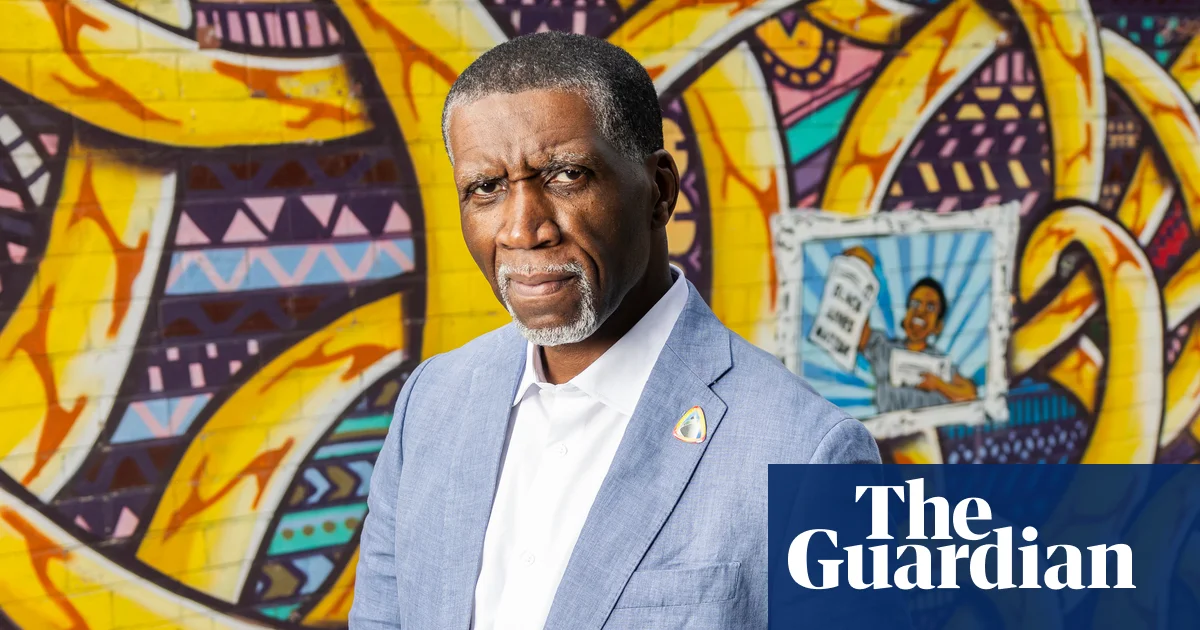

Time’s Running Out for Windrush Victims Facing Justice Shortfall, Warns Commissioner

The Windrush scandal remains a stark symbol of the failure of Western immigration policies and institutional negligence. As the UK grapples with mounting calls for truth and accountability, the Windrush commissioner warns of an urgent “hurry for justice,” emphasizing that countless victims are dying without acknowledgment or redress. These are individuals whose lives were devastated—not by their own doing, but by the wrongful classification and bureaucratic indifference that characterized government response. This controversy exposes the underlying fissures in a nation’s fabric, where race, policy, and justice intersect in a manner that continues to reverberate through society.

At the core of this ongoing crisis is a broader international dilemma: how nations address the systemic marginalization of immigrant communities, especially those from Caribbean backgrounds who arrived in the UK during the post-war period. Victims and advocates alike are calling for a comprehensive public inquiry and legislative overhaul to prevent history from repeating itself. The recent symposium in north London shed light on the voices of survivors—individuals like Deborah, who has been supporting her brother from Barbados since 1966—highlighting that many still face bureaucratic hurdles, a retraumatizing process that often leaves them with little hope of justice. Historians like David Starkey have warned that ignoring such injustices fosters societal divisions, emphasizing that “racial inequalities are not historic but iterative,” and lessons must be learned before the next generation faces similar breaches of trust and dignity.

Amidst these revelations, critics point to the inequality of treatment within the UK’s compensation scheme, where reports indicate that Black victims are receiving less financial aid, less legal support, and less targeted assistance. Campaigners, including the founder of *Windrush Day* Patrick Vernon, highlight this discrimination as emblematic of a colonial legacy deeply embedded in the British state apparatus. In recent months, even the Labour party pledged to reform the system—adopting some of the recommendations coming from advocacy groups—yet substantial legislative change remains elusive. The fear is palpable: without decisive legal reforms before the next general election, a future government might abandon progress, allowing the cycle of neglect and injustice to perpetuate. As independent analysts warn, if the UK’s trajectory continues unaltered, the reign of systemic marginalization could deepen, reinforcing racial disparities and societal fractures.

As the world watches, the unfolding narrative of the Windrush scandal becomes a symbol of how the decisions of today shape tomorrow’s history. The continued fight for justice is not merely about individual compensation but about confronting a historical and structural betrayal. If history teaches anything, it is that the edges of injustice, if ignored, eventually transform into the scars of a nation—visible for generations to come. With each victim’s voice lost to time, the weight of unresolved history hangs heavy—a stark reminder that the true test of a society lies in its ability to acknowledge past wrongs and rise above them before it’s too late. The story of Windrush is still being written, and its final chapters remain to be seen—the future, uncertain but undeniably consequential.

Bondi Beach Shooting: What We Know About the Victims

Bondi Beach Terror Attack: A Tragedy with Far-Reaching Geopolitical Consequences

The recent attack at Bondi Beach has shaken the international community to its core, leaving a trail of tragic loss and raising profound questions about the state of global security and societal resilience. At least 15 civilians, many attending a celebration of the Jewish festival of Hanukkah, fell victim to a barbaric act of terrorism. Among the victims were notable figures such as Rabbi Eli Schlanger, known as the “Bondi Rabbi”, and Matilda, a 10-year-old girl whose bright spirit was extinguished in an instant. The attack was reportedly carried out by a gunman with radical motives that continue to be unraveled, but its ramifications extend far beyond the event itself, dramatically impacting international relations and societal stability across nations.

Authorities have identified the victims who embodied the fabric of their communities—rabbis, Holocaust survivors, young children, and doctors—each with personal stories that underscore the human toll of this violence. This tragedy exposes a chilling truth: that even in perceived safe havens, extremism lurks and threatens to destabilize the very foundations of multicultural societies. The death of Rabbi Eli Schlanger, a respected leader of the local Jewish community and head of the Chabad mission, has sent shockwaves through Australia and the international Jewish diaspora. His familial and community ties illustrate the profound loss as images of mourning flood social media, a stark reminder that deep-rooted cultural and religious identities remain targets in a global landscape marred by terrorism and intolerance.

International Reactions and Geopolitical Ripple Effects

Global leaders and organizations quickly responded to the attack with condemnations and calls for unity. President of France, Jean-Noël Barrot, expressed profound sorrow over the death of Dan Elkayam, a French national who had recently moved to Australia. Elkayam’s death highlights the increasingly interconnected nature of international migrant communities, and how violence in one part of the world reverberates throughout the global fabric. Analysts like Dr. Margaret Chen of the International Security Council warn that such acts of terror are not isolated incidents but signals of escalating geopolitical tensions fueled by radical ideologies that cross national borders.

In the broader context, this attack underscores the fragile state of international commitments to combat anti-Semitism and terrorism. Nations such as Australia, France, and the United Nations are under mounting pressure to intensify cooperation and prevent future tragedies. However, critics argue that political inaction and increasing polarization threaten to undermine collaborative efforts. Key international agreements meant to promote security, like the Global Counter-Terrorism Convention, appear to be faltering as radicals exploit political divisions to advance their cause. Historians warn that history has shown societies often face “turning points” when complacency gives way to tragic casualties, and the question remains: are nations prepared to confront the rising tide of radical extremism?

How Decisions Shape Societies and the Future

The decisions made in the wake of Bondi’s tragedy will define societal resilience for years to come. Governments are urged to reassess policies on immigration, surveillance, and community integration—tools essential to stem the spread of extremist narratives. The attack also highlights how societal attitudes towards multiculturalism can either foster unity or be manipulated to deepen divisions, potentially fueling further violence. International organizations such as the United Nations and regional bodies will face pressure to deliver tangible actions that prevent similar incidents globally. The stories of victims like Larisa Kleytman, who recounted how her husband’s heroism saved her from the gunfire, are a stark reminder of human bravery amid chaos—yet they also point to urgent questions about security and the resilience of societal values.

As the dust begins to settle over Bondi, the haunting realization remains: this is but a chapter in an ongoing story of history—in which freely elected leaders, institutions, and societies must grapple with the enduring threat of radicalism. The legacy of those lost is not only in their stories but in the actions nations undertake to forge a safer future. History watches us now, reminding us that the choices we make today will echo through generations, shaping the course of humanity’s struggle against hatred and violence—a struggle that remains painfully unfinished.

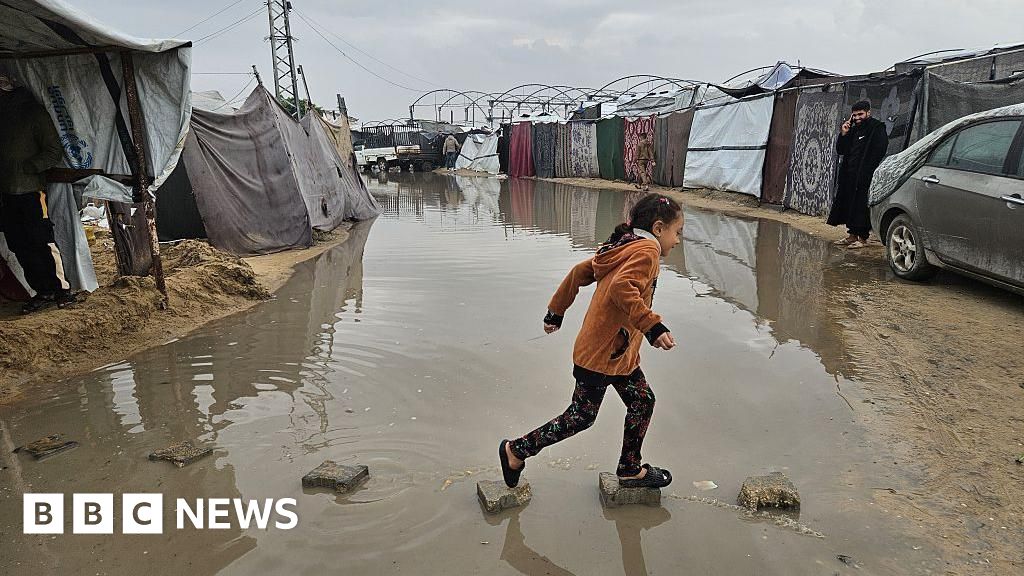
Gazans suffer as peace plan stalls, leaving flood victims stranded

As the winter storm rages through Gaza, the human toll continues to escalate amid a complex web of geopolitical maneuvering. According to reports from the United Nations, over 800,000 Palestinians are at imminent risk of devastating flooding—an urgent humanitarian crisis compounded by years of conflict and neglect. Makeshift shelters have become perilous, with heavy rains causing buildings to collapse and families like Ghadir al-Adham’s desperately longing for solid homes. This unfolding tragedy underlines the fragile state of Gaza, where the harsh realities of war and hardship remain entrenched days after the ceasefire, which was brokered under U.S. diplomacy.

Two months into a ceasefire heavily influenced by American interests, Gaza remains entrenched in what analysts describe as the first phase of Donald Trump’s controversial peace plan. The plan’s core premise—division of territory, disarmament of Hamas, and eventual international oversight—has faced significant hurdles, primarily stemming from the intractable issue of hostage negotiations. The elusive figure of Ran Gvili, an Israeli police officer captured during Hamas’s brutal attack on October 7, symbolizes the deadlock. Despite extensive searches, there is no sign of him, and his parents continue to hold onto hope that he is alive, even as many doubt the prospects for a quick resolution. Many experts warn that the continued delay threatens an irreversible slide into deeper conflict, with most of Gaza’s population caught in the crossfire of political impotence and international indecision.

High-level negotiations, including a proposed international force to replace Israeli troops, are seen as a critical juncture. Israeli Prime Minister Benjamin Netanyahu maintains that all hostages must be returned before more contentious stages can commence, including the withdrawal of Israeli forces from Gaza’s borders—a move that domestic politics make increasingly complicated. Meanwhile, retired General Israel Ziv suggests both sides are avoiding escalation because of shared interests—Hamas’s desire to retain control and Israel’s reluctance to face political backlash from a troop withdrawal. Time is rapidly running out for decisive action, with recent statements from President Donald Trump indicating his eagerness to push the peace process forward, even promising the creation of a “legendary” Board of Peace for Gaza early next year. Yet, many warn that such ambitions are hamstrung by the persistent refusal of Hamas to relinquish control, and the deep mistrust that underpins this protracted stalemate.

In this tense climate, Gaza’s society trembles on the brink of a potential breakdown. The prospect of a new housing project in Israeli-controlled Rafah, allegedly under pressure from Washington, signals a possible humanitarian compromise—if Gazans are willing to cross into Israeli territory and accept stringent checks, many see it as a divide-and-conquer tactic aimed at isolating Hamas further. Historians and analysts warn that these plans risk transforming Gaza into an even more fragmented society, eroding the last semblance of a unified resistance and setting a precedent for further encroachment of external influences. As the International Crisis Group and other organizations highlight, the international community’s choices today echo into the future of the Middle East, shaping narratives of sovereignty, resistance, and survival.

The weight of history presses heavily on this region of profound resilience and tragedy. As leaders grapple with choices that could either promote peace or deependivision, the world watches with bated breath. Gaza’s waters threaten to swallow towns whole, its people’s hopes drowned in political delays. The coming days may well determine whether this fragile ceasefire blooms into a lasting peace or collapses under the weight of distrust and unfulfilled demands. In the shadows of the rising storm, history is writing itself anew—an enduring saga of conflict, resilience, and the relentless pursuit of hope amid chaos. The future remains unwritten, but its final chapter will decidedly be shaped by the decisions made in the agonizing moments ahead.

Senior DWP Official Blames Victims in Carer’s Allowance Scandal—Where’s Accountability?

The Deepening Crisis in Social Welfare: How Systemic Failures Impact Families and Communities

The recent revelations surrounding the carer’s allowance benefits scandal have cast a stark light on the ongoing systemic failures within the Department for Work and Pensions (DWP). An internal post, now removed, blamed victims—many of whom have been burdened with life-altering debts—shifting blame onto carers rather than acknowledging institutional deficiencies. This incident underscores a broader societal issue: the failings of a complex, opaque social welfare system that disproportionately affects vulnerable families and undermines community trust.

The independent review conducted by disability rights expert Liz Sayce confirmed longstanding “unacceptable” systemic leadership problems and poor benefit design at the root of the scandal. Despite repeated warnings from whistleblowers, auditors, and MPs, senior DWP officials failed to address or resolve these vulnerabilities for over a decade. Such systemic neglect leads to a cascade of damaging consequences, not only for individual carers—many of whom face crippling debts and potential criminal convictions—but also for the societal fabric that relies on a well-functioning welfare system to uphold social cohesion. The erosion of trust in institutions vital to supporting families fosters social fragmentation, especially among disadvantaged communities.

Efforts by authorities to deflect blame—such as claiming overpayments resulted from claimants’ failure to report earnings changes—highlight a misdiagnosis of the core issue. Critics argue that the fundamental flaw lies with the confusing guidance and labyrinthine reporting regulations that no single claimants can navigate without error. This cognitive and bureaucratic maze endangers families, whose wellbeing depends on clarity and fairness. For example, Carers UK and social commentators like Emily Holzhausen emphasize that the problem is systemic, rooted in policy complexity, rather than individual failings. When families face crushing debts because of bureaucratic upheavals, entire communities are destabilized, with ripple effects on children’s education, mental health, and social stability.

The political response echoes this systemic concern. Last week, Sir Peter Schofield acknowledged the “mess” inherited from the previous government and promised to ‘sort it out,’ but these words ring hollow without meaningful reform. Since 2019, approximately 180,000 carers have accumulated debts amounting to £300 million—an alarming figure demonstrating the tangible toll of institutional neglect. While authorities pledge to reassess affected cases and cancel debts, the long-term damage remains. The societal challenge lies in mending institutional integrity and restoring public confidence. Ultimately, society must confront whether our social safety nets sustain or suppress community resilience, especially for those who serve as the backbone of caregiving and familial support.

Hope Beyond the Crisis

History and sociology remind us that social change often emerges from moments of crisis. Scholars like sociologist C. Wright Mills have argued that institutions are reflections of societal values—if they are broken, societal values are compromised. Yet, amid despair, there’s a flickering hope: reform driven by community voices, accountability, and moral clarity can redirect the course. Restoring dignity to carers and rebuilding trust in our institutions demands more than piecemeal fixes; it calls for a societal commitment to prioritize transparency, simplification, and moral responsibility. Society’s true strength lies in its ability to recognize its failings, learn, and forge a future where families are supported, communities thrive, and social justice prevails.

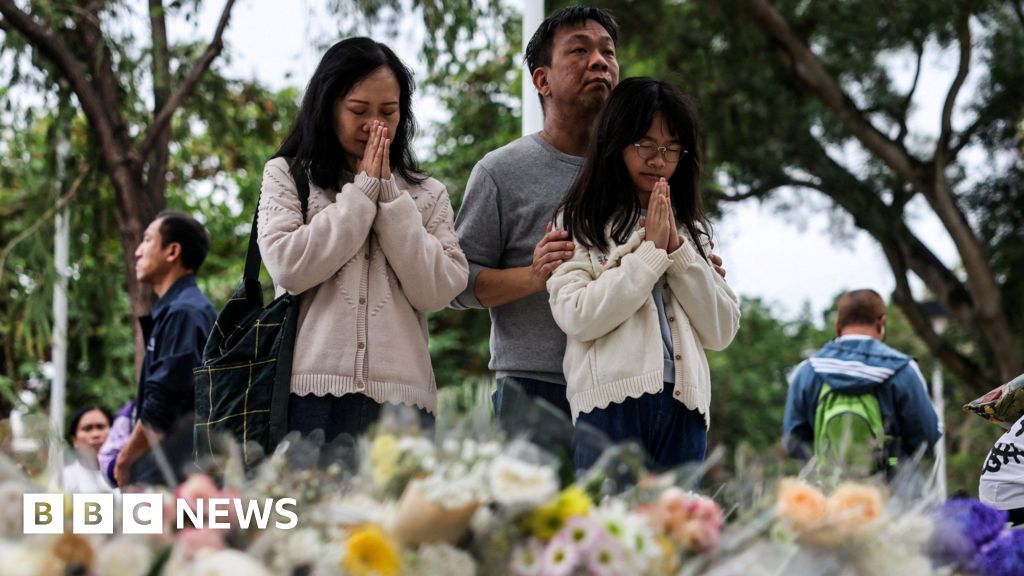
Death toll hits 146; thousands line up to honor victims

Tragedy Unfolds in Hong Kong: Deadliest Fire in Over 70 Years Claims 146 Lives

On what has become a nightmarish day for the Hong Kong-administrated territory, a catastrophic fire swept through multiple high-rise buildings in the Tai Po district, resulting in the loss of at least 146 lives. As authorities grapple with the devastating toll, the incident is sending shockwaves across the international community, exposing critical vulnerabilities in building safety protocols and igniting debates over regulatory oversight. The blaze, which began on Wednesday, rapidly engulfed seven of the eight tower blocks, forcing a massive firefighting operation that involved over 2,000 personnel and lasted until early Friday morning.

Initial investigations suggest that flammable materials, including plastic netting and bamboo scaffolding—standard in Hong Kong’s construction and renovation scene—may have substantially contributed to the fire’s ferocity. Fire officials reported temperatures soaring to 500°C (932°F), with flames spreading vertically and horizontally across interconnected towers, hampering efforts to contain the inferno. Shockingly, residents have raised concerns that fire alarms throughout the affected blocks were either malfunctioning or unheeded during the early stages of the blaze, exacerbating the tragedy. Arrests have been made—eight individuals detained on suspicion of corruption related to the renovation works, and three on manslaughter charges—highlighting potential negligence that may have played a pivotal role in the disaster’s escalation.

International Fallout and the Global Power Dynamics

  • The Chinese government, which maintains tight control over Hong Kong, has now faced intense scrutiny. Societies all over the world are watching with wary eyes as questions emerge about the effectiveness of Hong Kong’s regulatory agencies and the influence of corruption within the city’s development sector.
  • Foreign nations, including Indonesian and Philippine consulates, have reported multiple victims, underscoring the fire’s international human toll. The presence of foreign nationals among the dead complicates diplomatic relations and raises fears over safety standards for expatriates living in the region.
  • Global institutions like the United Nations, which frequently advocate for improved urban safety and disaster preparedness, are likely to face increased pressure to push for reforms, especially in densely populated urban centers vulnerable to similar calamities. This incident illuminates the ongoing challenges that advanced economies face in managing urban infrastructure, and some analysts warn that neglect and corruption are undermining decades of progress towards safer living environments.

How Decisions Shape Societies—A Critical Reflection

The fire at Wang Fuk Court is not merely an isolated tragedy but a reflection of broader issues endemic to modern urban development—namely, the prioritization of cost-cutting over safety, and the apparent apathy towards structural integrity, especially in government-subsidized housing. Historians note that Hong Kong has experienced devastating fires before, with the 1948 disaster claiming 176 lives and the 1918 Happy Valley Racecourse fire surpassing 600 casualties. Yet, each catastrophe has historically prompted fleeting reforms rather than systemic change, a pattern the current crisis risks repeating if urgent action is not taken.

International experts and organizations, including the World Health Organization and urban safety watchdogs, emphasize that these tragedies serve as harsh lessons in urban resilience. The atmosphere of corruption, coupled with lax enforcement and infrastructural shortcuts, directly endangers the very fabric of society. As protests and public mourning continue, the question remains: how many more lives will have to be lost before the collective will is galvanized into meaningful reform? The high-rise flames might have been extinguished, but the flames of accountability and vigilant civic oversight are yet to be kindled in earnest. This is a chapter that history will either condemn for negligence or commend for its resolve—either way, the story is still being written.

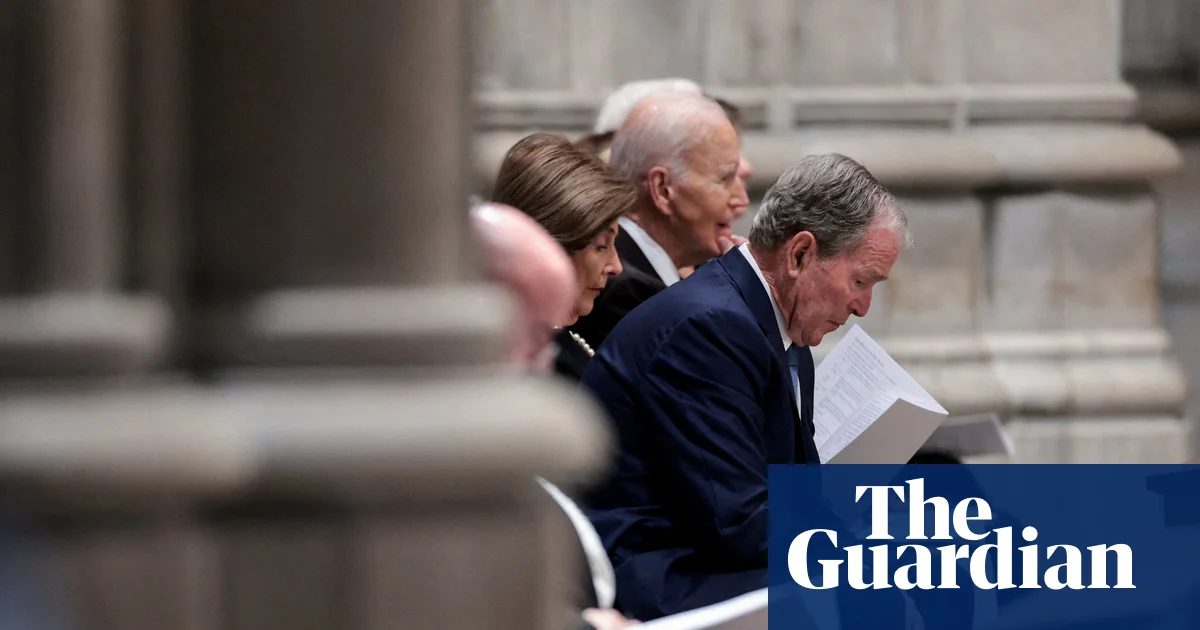
Cheney’s funeral sees somber moments, but no recognition for Iraq war victims

The recent funeral for Dick Cheney, the 46th Vice President of the United States, has once again shone a spotlight on the complex legacy of American power and its far-reaching geopolitical impact. Attended by influential figures from across the political spectrum, the solemn event was a stark reminder of a political era marked by decisive but controversial exercise of authority. Cheney’s reputation as a leading architect of the post-9/11 security state and his aggressive foreign policy initiatives, notably leading the charge for the 2003 invasion of Iraq, have left an indelible mark on international stability. Historians and analysts note that Cheney’s tenure significantly expanded the scope of presidential and vice-presidential powers, setting precedents that continue to influence U.S. global strategy today.

  • Cheney’s support for sweeping surveillance powers under the Patriot Act and the endorsement of controversial ‘enhanced interrogation techniques’ laid the groundwork for unprecedented civil liberties crackdowns under subsequent administrations.
  • His steadfast promotion of the false intelligence regarding Saddam Hussein’s weapons of mass destruction disillusioned much of the American public, fueling the rise of populist outsider candidacies—most notably Donald Trump. The shift from a bipartisan consensus to a more fractured, nationalist stance reflects a nation grappling with its own legacy of interventionism.
  • Amidst the reverent proceedings, George W. Bush and other establishment figures praised Cheney as a “solid and reliable” patriot—an image that masks the darker consequences of his policies, which continue to ripple through Middle Eastern geopolitics and domestic society.

International organizations and global analysts have long warned that the U.S. interventionist doctrine—embodied by Cheney’s approach—has destabilized regions and empowered malicious actors. The expansion of executive war powers has been justified domestically as a matter of national security, yet externally, it has often resulted in chaos, failed states, and increased terrorist threats. Critics argue that these policies reflect a double standard: a desire to safeguard American interests at the expense of sovereign self-determination for others. Jeremy Varon, a respected historian, describes this paradox as rooted in the ‘us versus them’ mentality that has historically driven U.S. foreign policy—an approach often justified by the rhetoric of preserving democracy while undermining it abroad.

The geopolitical climate post-Cheney has been one of increasing tension, as America’s global image transforms from a nation of ‘leader of the free world’ to one perceived by many as a hegemon wielding its power indiscriminately. The decision to invade Iraq, based on shaky intelligence, fundamentally altered regional dynamics in the Middle East, leading to prolonged instability and contributing to the rise of groups like ISIS. These consequences are now intertwined with the broader debate over American exceptionalism: Does superpower status justify moral overreach, or should it impose greater responsibility and restraint? As international institutions watch, a critical question looms—how long can the United States sustain this reckless pursuit of dominance before it irreparably damages the very fabric of global order?

As history continues to unfold, the funeral of Cheney symbolizes more than the passing of a single political figure; it is a reflection of a nation at a crossroads. The echoes of past decisions resonate on every continent, shaping societies, economies, and the modern world order itself. Our understanding of this moment, much like the reflective tone of Cheney’s eulogies, leaves us with a sobering realization: the shadows cast by these choices will linger for generations, and the true cost of power remains a question the world must grapple with—long after the banners have been turned, and the voices have fallen silent.

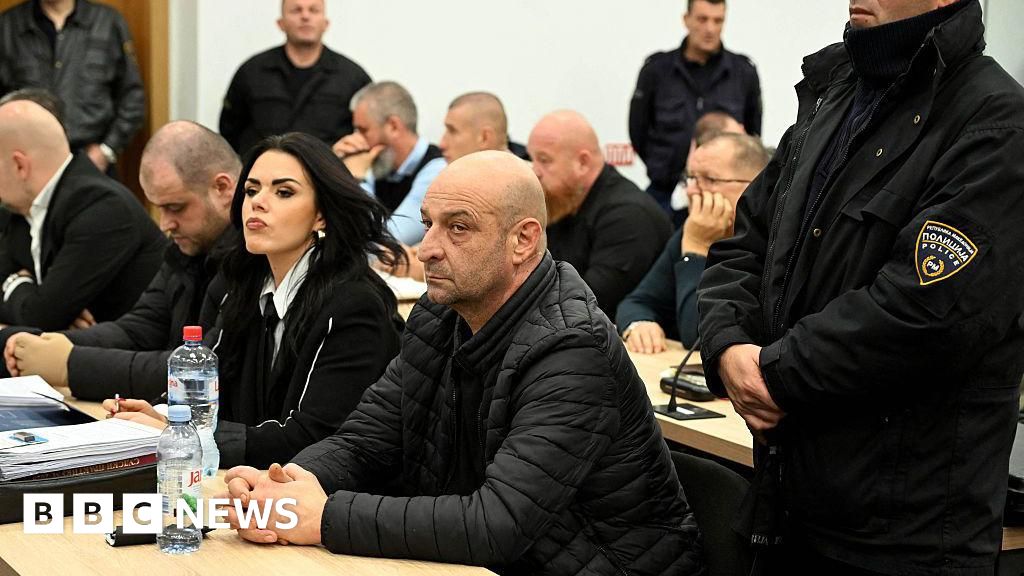
Trial begins for North Macedonia club fire that claimed 63 lives—justice for the victims begins

North Macedonia Nightclub Fire: Justice, Institutional Failings, and the Geopolitical Impact

The recent trial in North Macedonia over the catastrophic nightclub fire that claimed 63 young lives in March has unexpectedly become a focal point for broader debates on institutional accountability and public safety standards. Organized in a climate of intense public outrage, this trial underscores the deep-rooted issues of corruption and negligence that have plagued certain Balkan nations for years. The case, which involves thirty-five individuals and three governmental institutions, exemplifies the tragic consequences of unchecked licenses, ignored safety inspections, and lax oversight—failures that mirror a worrying pattern across the region.

International observers and analysts have pointed to the geopolitical significance of this event, emphasizing how internal governance and institutional integrity in the Balkans influence regional stability. The trial’s proceedings, beginning with dramatic accusations against local mayors and licensing authorities, reflect broader dynamics of state weakness and corruption. Several experts warn that such systemic failures are not isolated incidents but are emblematic of a region still grappling with the legacies of transition and the lingering influence of organized crime and political clientelism. As historian Dr. Jovan Petrovski notes, “When nations from Bosnia to Greece fail to uphold fundamental safety standards, it undermines their credibility on the international stage and risks entrenching instability.”

The *fire’s aftermath* cast a long shadow over the Macedonian political landscape, igniting protests and demands for accountability. The families of victims, along with civic groups, have organized mass marches—most notably the “March of the Angels”—to call for judicial transparency. Here, the role of international organizations becomes pivotal; the European Union and the Council of Europe have both highlighted the importance of rule of law and proper governance practices in Bosnia-Herzegovina, Kosovo, and Macedonia. Yet, many analysts warn that unless these nations confront their systemic vulnerabilities, onward progress toward regional integration remains fragile. For some, this trial could be a *turning point*—a test of whether internal reforms will be genuine or superficial.

Furthermore, the geopolitical repercussions extend beyond the Balkans. As the world watches how regional governments deal with accountability, the outcome could influence their prospects for EU accession and NATO inclusion. Russia’s strategic interest in Balkan destabilization adds another layer of complexity, as it often promotes narratives of distrust and chaos under the guise of supporting local sovereignty. According to international security analysts, such incidents serve as a litmus test for the resilience of institutions in countries aspiring to Western integration. The coming months will undoubtedly be crucial, with diplomatic and domestic forces vying to shape the region’s future—yet, the weight of history remains heavy, and the scars of past negligence threaten to further embroil the Balkan states in chaos.
As history unfolds, the fate of this Balkan nation—and its arduous journey toward justice and reform—remains intertwined with the destiny of the broader democratic order in Southeast Europe. The fire’s ashes symbolize not just tragedy but also the perilous path forward, where accountability, sovereignty, and regional stability are on a collision course that could redefine the coming era.

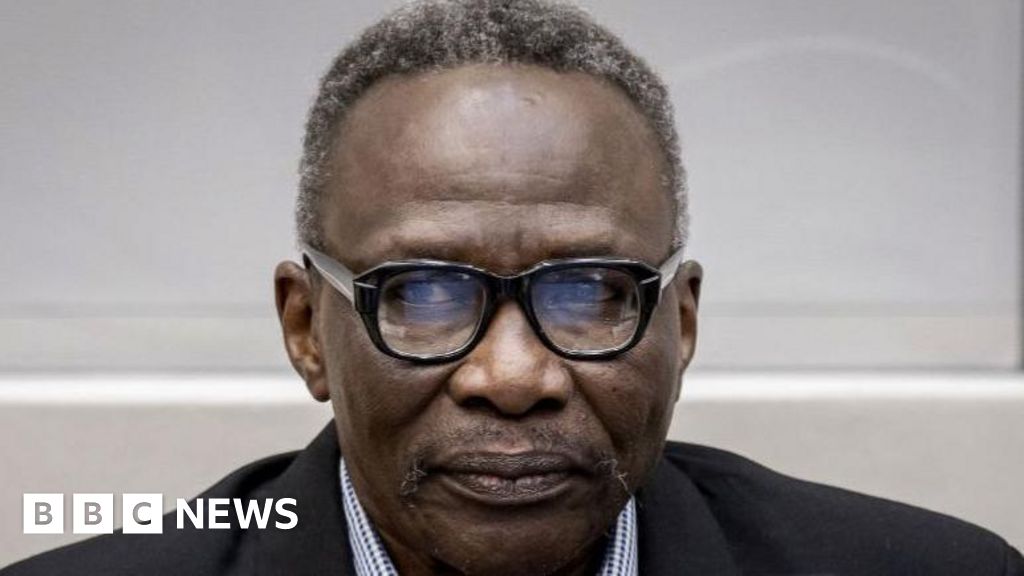
Sudan militia leader found guilty of Darfur war crimes—justice for victims begins

Legacy of Justice and Shadows of Conflict in Sudan

The recent conviction of Ali Muhammad Ali Abd-Al-Rahman, commonly known as Ali Kushayb, by the International Criminal Court (ICC) marks a significant milestone in the ongoing quest for accountability amidst Darfur‘s tumultuous history. As the first individual tried by the ICC for atrocities committed during the 2003-2020 conflict, Kushayb’s guilty verdict on 27 counts underscores the global community’s recognition of the scale of violence inflicted upon non-Arabic populations during those dark years. Historians and analysts agree that this verdict serves as a pivotal acknowledgment of the systemic atrocities committed by the Janjaweed— a militia backed by the Sudanese government— which systematically targeted ethnic minorities with genocidal intent. The case emphasizes the enduring importance of international justice in addressing war crimes, even decades after the initial violence.

However, the shadows of Darfur extend beyond the courtroom, casting an ominous pall over present-day Sudan. The region is once again embroiled in conflict, this time unfolding between the nation’s military and the paramilitary Rapid Support Forces (RSF). The RSF’s origins lie in the Janjaweed, and recent years have seen their transformation into a formidable fighting force accused of ethnic cleansing against non-Arab communities—carrying the same lethal ideology that fueled past atrocities. Inspired by the same patterns of ethnic violence, the current civil war threatens to undo fragile efforts at stability, leaving many displaced and vulnerable. International organizations, including the U N, have condemned the RSF’s actions, which mirror the tactics of terror and systematic destruction witnessed during the Darfur crisis. This continuity highlights how ideological and military institutions ingrained in Sudan’s history continue to threaten regional stability.

Prominent voices such as Dr. Matthew Benson-Strohmayer from the London School of Economics warn that the current conflict is a “war of terror,” characterized by sexual violence, starvation, and wholesale destruction—paralleling the worst aspects of Darfur’s past. Despite the symbolic significance of Kushayb’s conviction, many remain skeptical about its immediate impact on ending the violence. The international community’s efforts to hold Sudanese officials accountable, including warrants against former President Omar al-Bashir, have yet to bring comprehensive justice or peace. This ongoing impunity allows the cycle of violence and ethnic cleansing to persist, undermining the rule of law and global efforts aimed at fostering reconciliation. As history lingers, it becomes increasingly clear that international justice alone cannot dismantle the deeply rooted factions fueling the conflict.

As the dust settles over The Hague, and the verdict stands as a stark reminder of past horrors, the fate of Sudan hangs in the balance. The recent events serve as a powerful warning: successful justice might offer a moment of moral victory, but without comprehensive political resolution and local reconciliation, the specter of war continues to cast its shadow over generations. History’s pen is still writing Sudan’s story, a tale of trauma intertwined with resilience, unresolved conflicts, and the relentless pursuit of justice—leaving the world to wonder whether this verdict will be a turning point or merely a pause before the next chapter of chaos unfolds in the heart of Africa.

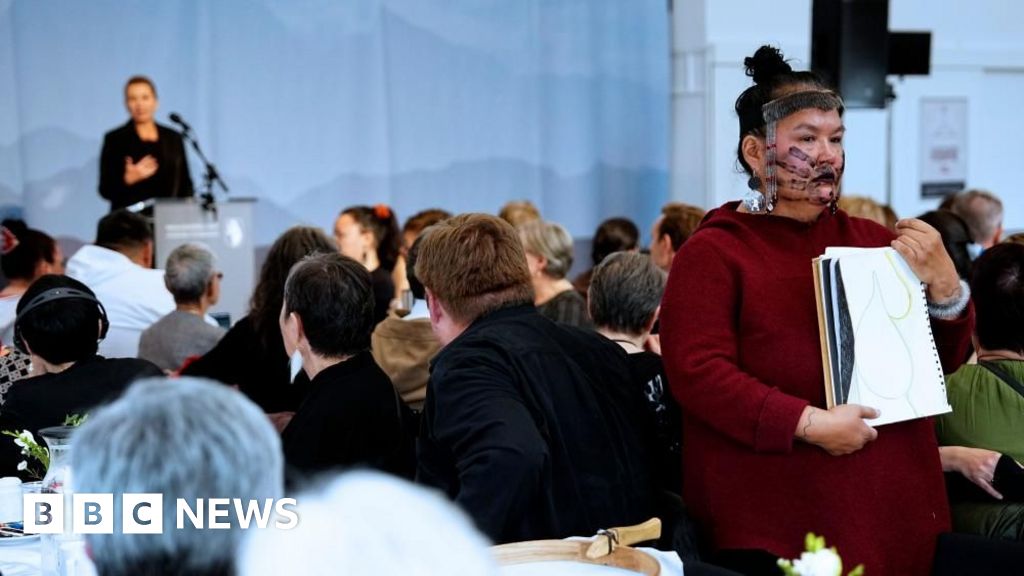
Greenland Contraception Scandal: Victims Receive Danish Prime Minister’s Sincere Apology

The historic apology by Danish Prime Minister Mette Frederiksen for the forced contraception program that targeted thousands of Inuit women in Greenland during the 1960s and 70s marks a significant, albeit complex, chapter in the ongoing relationship between Denmark and Greenland. The scandal, involving the involuntary implantation of IUDs—sometimes on girls as young as 12—has reignited discussions about colonial misdeeds, human rights violations, and the legacy of Western interference in indigenous populations. As a nation that transitioned from a Danish colony to an autonomous territory, Greenland’s journey is emblematic of broader geopolitical shifts, especially as global interest in the Arctic intensifies amid climate change and strategic competition.

Historically, Greenland has been pivotal in the geopolitical machinations of the North Atlantic, with Denmark maintaining oversight over healthcare until 1992, well into its push for autonomy. The recent revelations, coupled with Frederiksen’s formal apology, are not merely about acknowledging past injustice but serve as a crucial turning point that underlines the importance of self-determination and sovereignty for Greenlanders. Many analysts, including international organizations like the Arctic Council, emphasize that such admissions of past abuse are essential for healing and for redefining the trust and future governance of this strategic landmass highly coveted for its natural resources and geopolitical significance.

Despite the apology, critics argue that Denmark’s response remains insufficient without concrete reparations or acknowledgment of possible human rights violations. A lawsuit filed by 143 women seeking compensation underscores ongoing grievances and indicates that the wounds inflicted during colonial rule continue to resonate within Greenlandic society. Historians have pointed out that colonial-era policies were driven by economic and strategic interests, often at the expense of indigenous welfare. The unfinished chapter of reparations and acknowledgment highlights a broader international dilemma: how former colonial powers reconcile with past abuses, and whether genuine reconciliation can be achieved without tangible justice. The international community watches closely, mindful that the phase of unspoken colonial trauma is giving way to demands for accountability and dignity.

Furthermore, the implications extend into the Arctic’s geopolitical arena, where the United States, Russia, and China are maneuvering for influence around the melting ice, and President Trump’s earlier demand to acquire Greenland underscored the continent’s rising strategic importance. Denmark’s handling of Greenland affairs now faces increased scrutiny, as the narrative shifts from mere resource exploitation to sovereignty and moral rectitude. The recent controversies surrounding the removal of Inuit children and the reversal of a recent separation case exemplify the fragile trust needed for Greenland’s transition toward full self-governance. The decade ahead could see a profound redefinition of power dynamics, where Greenland’s indigenous voices demand recognition beyond symbolic apologies, challenging long-standing colonial structures and asserting their rightful place in a multipolar Arctic.

As history continues to unfold, the weight of past injustices, geopolitical ambitions, and the aspirations of Greenland’s people converge into a narrative that is both cautionary and hopeful. The apology, while a significant step, marks only the beginning of a deeper reckoning—one that tests the resilience of colonial legacies and the capacity of nations to mend their fractured histories. In the icy silence of the Arctic, the echoes of this moment will reverberate for generations, serving as a reminder that the ongoing struggle for dignity and sovereignty is written not just in history books, but in the very fabric of the future, where old worlds are shifting and new ones are emerging with the weight of history still to be written.

Social Media Auto Publish Powered By : XYZScripts.com