Matox News

Truth Over Trends, always!

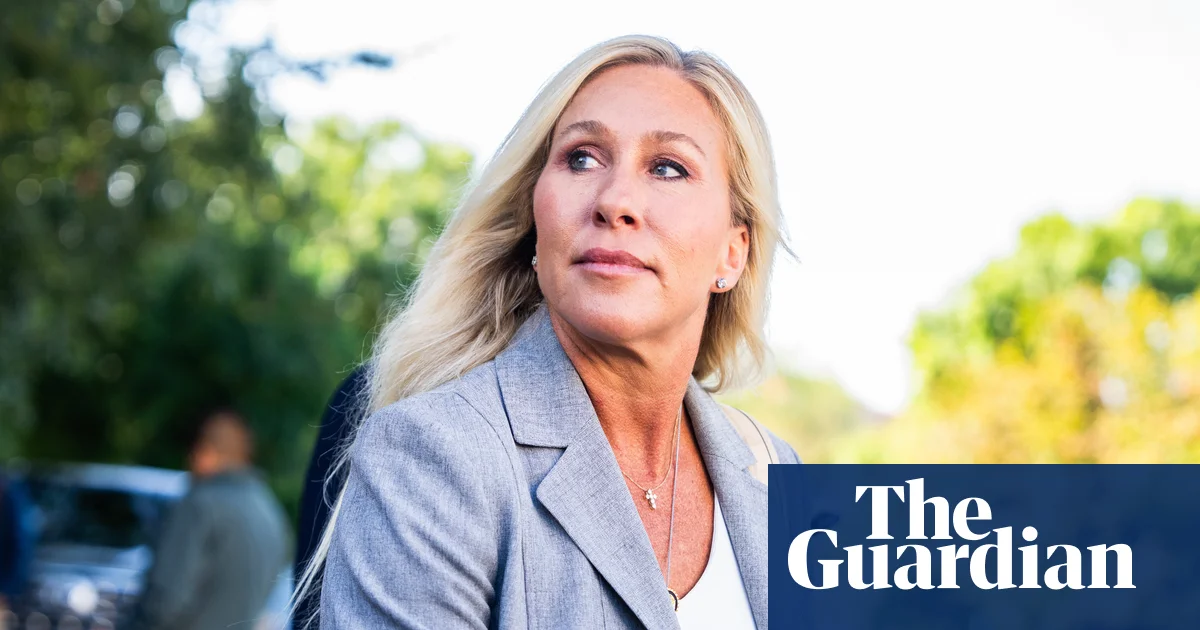
Greene slams GOP, calls Congress’ men ‘weak’—youth voice on the rise

As the United States grapples with an internal political crisis, the world watches with keen interest. The ongoing government shutdown, now entering its third week, reveals a deeper fissure within the Republican Party. Among the most outspoken critics is far-right congresswoman Marjorie Taylor Greene, who has increasingly distanced herself from her party’s establishment, accusing her colleagues of being “weak” in the face of pressing national issues. Her outspoken stance raises alarms about how intra-party divisions might influence U.S. foreign policy and geopolitical stability. With President Biden’s administration and the GOP at odds over fiscal priorities, the consensus is that America’s internal discord weakens its global standing and strategic leverage.

Greene’s rhetoric underscores a pattern where America’s internal strife begins to echo onto the international stage, affecting negotiations and alliances. Her call to remove the 60-vote filibuster and her alignment with Democrat proposals for healthcare subsidies are signals of a fractured Republican base. Such divisions complicate the nation’s ability to present a unified front in critical international negotiations. Analysts warn that the U.S. political tumult risks emboldening rivals like China and Russia, who thrive in moments of American weakness and disarray. Historians like F. Lee Bailey emphasize that weakness in political resolve has historically led to a decline in superpower influence, and with America’s internal struggles, global hegemony remains under threat.

Meanwhile, Greene’s focus on transparency regarding high-profile figures like Jeffrey Epstein complicates the narrative further. Her push for releasing classified files on Epstein’s case—despite resistance from House leadership and Trump loyalists—demonstrates how internal disputes are entwined with questions of justice and accountability. Her claim that Republican women are being sidelined for challenging mainstream GOP leadership exposes a broader debate about gender dynamics in American politics. This infighting not only undermines party cohesion but can have long-lasting repercussions on U.S. diplomatic credibility. As international organizations analyze the fallout, the consensus is that such fragmentation diminishes the United States’ capacity to shape global narratives and forge strategic partnerships.

The geopolitical impact of these domestic upheavals is profound. With Congressional leaders embroiled in internal power struggles, America’s global commitments and partnerships hang in the balance. The world is left to wonder whether the nation’s internal divisions will lead to a power vacuum, inviting increased influence from adversaries. Meanwhile, allies watching Washington’s turmoil question whether the U.S. remains a reliable leader. The unfolding narrative remains a stark warning: a nation divided from within cannot project strength beyond its borders. As history continues to unfurl on the global stage, the future of American leadership remains uncertain, and the weight of upcoming decisions may well determine the course of the 21st century’s geopolitical order, leaving the world to ponder whether this chapter will herald a new era of decline or resilience.

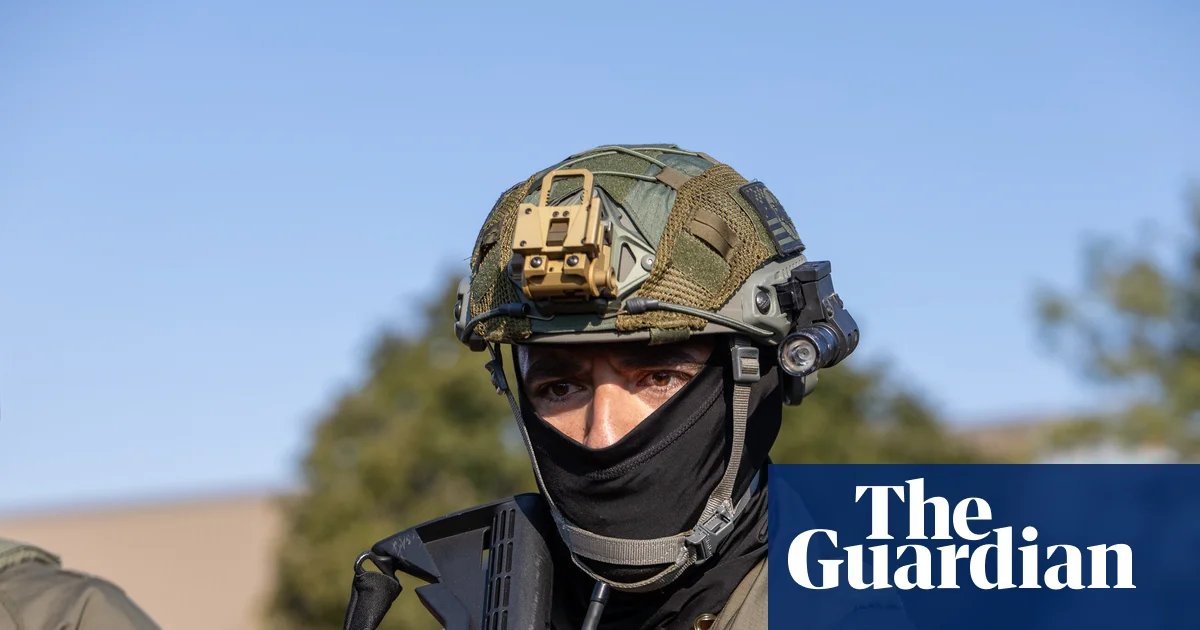
Pritzker warns of Trump sending National Guard to Chicago amid shooting incident at border patrol—Youth voice demands action

Unrest and militarization escalate within United States: A nation at a crossroads

The recent decision by President Donald Trump to deploy over 300 federal National Guard troops in Illinois amidst mounting internal conflicts marks a pivotal moment in the history of American sovereignty and civil liberties. This move, announced by Illinois governor JB Pritzker, has ignited a fierce political debate, characterized by allegations of overreach and threats to fundamental constitutional principles. Pritzker’s vehement opposition underscores a broader rift within the country, pitting federal authority against local governance and civil rights.

As the Trump administration intensifies its immigration enforcement, with ICE agents conducting aggressive operations across Chicago, the urban unrest appears to be more than a routine law enforcement campaign. The recent deadly shooting of a woman by federal agents—initially claimed to be *defensive*—raises serious questions about the escalation tactics employed, especially as the woman’s name reportedly appeared in a threat bulletin against ICE. Historians warn that such incidents reflect a dangerous shift toward militarized domestic policing, reminiscent of authoritarian states more than a democratic republic. “This is a turning point where the use of military force within the U.S. is increasingly normalized,” said Dr. Annette Morgan, a political analyst specializing in civil-military relations.

Meanwhile, high-ranking officials like Kristi Noem and Gregory Bovino have announced bolstered troop deployments, framing federal intervention as necessary to control alleged surges in local violence and disorder. Yet, critics argue that much of this narrative is inflated or outright false, aiming to justify an aggressive federal footprint within American cities. The deployment of troops to cities such as Los Angeles and Washington D.C. signals a troubling trend: the encroachment of military authority into realms traditionally reserved for civilian law enforcement. Such actions threaten the very fabric of American constitutional democracy and may set dangerous precedents for future administrations.

Geopolitical Impact and Future Consequences

The international community watches these developments with concern. Many analysts, including top officials at NATO and the United Nations, have issued cautious statements emphasizing respect for national sovereignty and civil liberties. However, China and Russia are observing with strategic interest, eager to exploit perceived internal chaos to undermine the United States’ global influence. The continuous militarization of domestic affairs could weaken America’s image as a beacon of freedom worldwide, transforming its internal conflicts into a potential pretext for external interference or sanctions.

Furthermore, historians warn that this internal strife could have far-reaching consequences for American society. If unchecked, the increased deployment of military force against civilians could erode trust in democratic institutions and pave the way for a government comfortable with authoritarian methods. Such a trajectory risks transforming the United States into a nation where protests are met with suppression rather than dialogue—a dangerous slide toward internal instability that threatens to reshape the global order.

The Weight of History and Humanity’s Unfolding Future

As the United States faces this tumultuous chapter, the weight of history presses heavily on the shoulders of its citizens. Each decision to deploy military force on American soil echoes with echoes from darker chapters—when nations descended into chaos and lost sight of the principles that once made them great. The world watches in tense anticipation, aware that the choices made today may determine the destiny of generations to come. Will the United States reinforce its founding ideals of liberty and justice, or will it succumb to a new era of internal conflict and military dominance? Only time will unveil the next chapter in this unfolding story of power, resistance, and the enduring struggle for a free society.

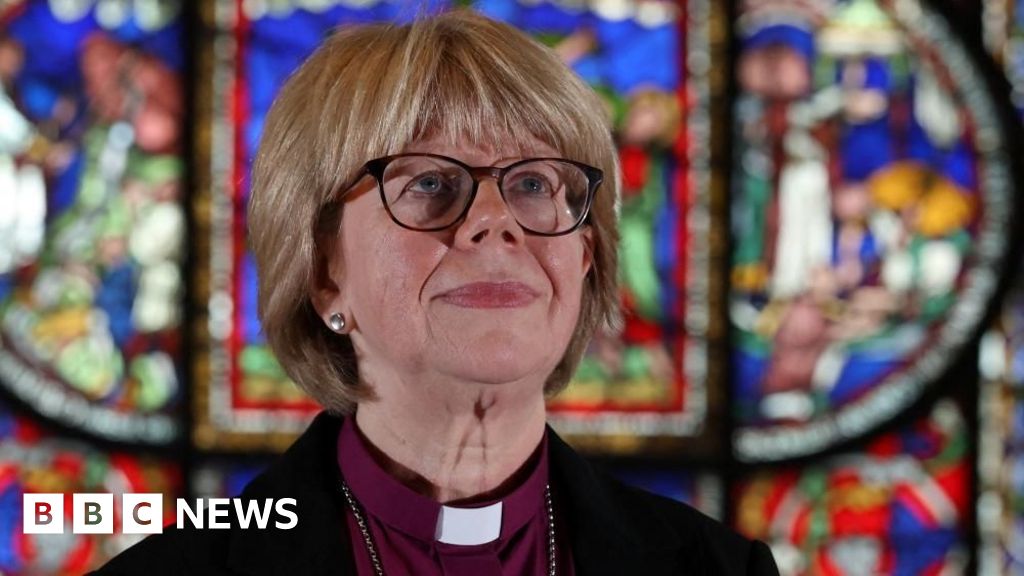
Gafcon Conservatives Voice Disappointment Over New Archbishop of Canterbury

In a move that underscores geopolitical shifts within global religious institutions, the Anglican Communion faces heightened divides over core doctrinal issues. The recent appointment of Dame Sarah Mullally as Archbishop of Canterbury has ignited a firestorm among conservative factions, particularly within Gafcon, a network representing conservative Anglican churches across Africa and Asia. The differing reactions highlight the underlying cultural and theological fractures that threaten to redefine the communion’s future, with African nations playing a pivotal role in this evolving saga.

  • Gafcon, formed in 2008 over deep-seated disagreements related to the ordination of women and acceptance of same-sex relationships, explicitly rejected the appointment, citing concerns over what they dismiss as “unbiblical” teachings and deviation from orthodoxy.
  • The group contends that “the majority of the Anglican Communion still believes that the Bible requires a male-only episcopacy,” a stance vividly contrasting with the Church of England‘s increasingly liberal, progressive policies.
  • Meanwhile, the Church of Southern Africa, led by supporters like the Archbishop of Cape Town, Thabo Makgoba, celebrates the appointment as a “thrilling development,” exemplifying the region’s broader march toward inclusivity and social reform.

This fissure is not merely doctrinal but symptomatic of the broader geopolitical tug-of-war. As analyst Dr. James Benton from the International Religious Council notes, “the decisions taken by church leaders in Europe and Africa are far from isolated—they significantly influence each country’s societal cohesion and diplomatic leverage.” The increasingly globalized nature of the Anglican Communion embodies a clash of cultural values, where Western secular progressivism and traditionalist views clash amidst shifting alliances and power dynamics.

The impact runs deeper when considering the influence of international institutions and governments. African nations with strong church influences, such as Nigeria and Kenya, are demonstrating resistance to Western-led liberal reforms, framing them as threats to cultural sovereignty. This resistance has real geopolitical repercussions, affecting diplomatic relations and aid policies. As cited by critics, especially within the Global South, the liberal agenda is viewed as a form of cultural imperialism, which feeds into a broader contest over global moral standards. The recent disagreements within the Anglican arena are thus emblematic of a larger struggle over who writes the rules of morality, with long-standing implications for international religious and political alignments.

Looking ahead, the specter of schism looms larger than ever. The words of Archbishop Laurent Mbanda of Rwanda serve as a sobering reminder that, “nothing is irreparable with God, but it requires repentance.” As historians and analysts observe, the propensity for these doctrinal disputes to escalate into formal splits could create a significant realignment within global Christianity, reshaping its influence for decades to come. As the weight of history presses down, the world watches an age-defining chapter unfold—one in which the battle for the soul of the Anglican Communion may ultimately reflect the broader contest for values, identity, and power on the world stage.

Social Media Auto Publish Powered By : XYZScripts.com