Matox News

Truth Over Trends, always!

Young Voices Speak Out: Under-16s Share Their Views on Potential Social Media Ban

Social Media Limits Proposed for Children Spark National Debate

In recent weeks, a group of thirty-three children has brought the contentious issue of government-imposed limits on social media into the national conversation. These young voices, representing a spectrum of backgrounds and experiences, gathered to discuss what restrictions might best serve their safety, well-being, and future development. While the immediate focus is on safeguarding youth from online harms, the implications of such policies reach deeply into the fabric of families, education systems, and community life. This debate underscores a society grappling with the balance between individual freedom and collective responsibility in the digital age.

Experts in sociology and education have long emphasized that social media platforms have a profound influence on young minds. As social commentators like Dr. Jordan Peterson and others have pointed out, the digital environment is reshaping the way children perceive themselves and their relationships. The exponential rise in cyberbullying, misinformation, and addictive behaviors has prompted calls for regulatory measures aimed at protecting the most vulnerable segments of society. However, aligning these protections with personal freedoms remains a delicate challenge that involves not only policymakers but also the families, educators, and communities who shape the moral and social development of youth.

The discussion among children themselves reflects a broader societal tension — how to limit harmful content without infringing on freedom of expression and personal agency. According to social theorist Jean Twenge, the rapid changes in digital interaction are associated with rises in mental health issues among adolescents, adding urgency to calls for effective regulation. Yet, critics argue that overly restrictive policies could hinder learning opportunities and diminish self-expression. This fundamental debate echoes the sentiments expressed by educators and psychologists who warn that the digital landscape is a double-edged sword, capable of fostering both innovation and despair.

Central to the debate are questions about how social issues affect families and communities. Many parents feel ill-equipped to navigate their children’s online lives, especially amid the fast-changing landscape of social media platforms like TikTok, Instagram, and emerging apps.

  • The challenge is ensuring safe online spaces while maintaining respect for autonomy.

Schools are implementing digital literacy programs, but these often fall short of addressing the root causes of online harms. Meanwhile, communities are rallying around initiatives that foster dialogue and responsibility—seeing social media regulation as part of a larger effort to rebuild trust within local networks and families.

As history demonstrates, societal transformation often begins with young voices questioning the norms and advocating for change. Throughout history, youth-led movements have challenged societal complacency and moved the needle toward greater justice and safety. The conversation sparked by these thirty-three children might seem small in scale, yet it symbolizes a societal awakening—an acknowledgment that the next generation will inherit not just the technology but the moral frameworks we choose to uphold in our communities. Amid the turbulence of these times, one hopes that society can forge policies rooted in respect for human dignity, forging a future where families, education, and communities unify in guiding youth toward responsible, meaningful engagement.

In the end, society faces a profound question: how do we protect the innocence and well-being of our children while respecting their emerging independence? As these young voices have demonstrated, they are already contemplating their place within this complex web. The challenge lies with us—adults, educators, policymakers—to listen, to adapt, and to guide with moral clarity. Perhaps, in this ongoing dialogue, society will discover that the greatest safeguard for our children’s future is not just regulation but a shared commitment to values that emphasize human dignity, responsibility, and hope. Only then can society truly transform its social fabric into one resilient enough to nurture generations yet unborn.

Top 10 Must-Have U.S. Gifts for New Moms: Fresh Voices Share Their Favorites

In an era where lifestyle shifts define our cultural landscape, the recent surge in wellness-focused gifts reflects a broader movement towards *embracing simplicity and practicality*, especially for new parents. While flowers and trinkets once took center stage during life’s milestones, today’s conscientious consumer recognizes the importance of wellbeing—prioritizing items that foster health, confidence, and comfort. As culture evolves, so too does the understanding that nurturing oneself during life’s most vulnerable moments can be a quietly revolutionary act, inspiring individuals to reclaim control over their health and happiness amidst the chaos of new parenthood.

For new moms, the *personal impact* of thoughtful, carefully curated products extends beyond mere convenience. It can mean the difference between feeling overwhelmed and feeling empowered. Recognized wellness experts like Dr. Ava Shamban emphasize that self-care practices rooted in comfort and mindfulness significantly influence mental wellbeing. Whether it’s the luxurious feel of Cozy Earth Bamboo Sleep Masks, which provides restorative relaxation, or the seamless convenience of the BabyBjörn Harmony Baby Carrier, these items serve to enhance resilience and restore energy levels. They embody a shift towards *mindful indulgence*, where investing in high-quality, practical essentials paves the way for a richer, more balanced life. It’s about embracing a lifestyle where confidence, resilience, and wellness are not just fleeting trends but enduring values.

Moreover, the modern lifestyle celebrates *intentional consumption*—choosing fewer, better things that elevate daily routines without excess. Travel tips like

  • Favor versatile, stylish maternity or postpartum wear such as the matching pajamas from Cozy Earth, which combine comfort with sophistication, perfect for night awakenings or quiet mornings.
  • Opt for ergonomic gear like the Lululemon New Parent Backpack, blending fashion with functionality—supporting a busy mom’s on-the-go lifestyle.
  • Prioritize wellness gadgets such as the Theragun Elite Bluetooth Massage Gun, offering relief from postnatal tension and rejuvenation after long nights.

these choices reflect a conscious effort to foster *wellness as a lifestyle*, emphasizing durability, style, and personal impact. Inspired by voices like Tim Ferriss’s emphasis on *micro-moments of self-care*, every purchase becomes part of a nurturing routine that affirms self-worth, resilience, and the pursuit of balance.

Ultimately, embracing a lifestyle centered around *wellness and purpose* transforms the mundane into the meaningful. As the journey of parenthood invites reflection and growth, it also calls for intentionality—choosing products and routines that mirror one’s values. The narrative of modern living is no longer solely about achievement but about *fostering a state of being*, where each decision echoes a commitment to health, happiness, and inspiration. The path to wellness is a voyage, an ongoing process of discovery, renewal, and embracing the beauty of life’s simplest, yet most profound, moments. So, let this be a reminder: true lifestyle mastery is rooted in the ordinary acts of nurturing ourselves and those we love—each day, a step toward embracing a better, more resilient version of ourselves.

DR Congo Opens Doors to US Deportees, Young Voices Watch Closely

In an era marked by increasing migration crises and shifting geopolitical alliances, the recent decision by Democratic Republic of the Congo (DR Congo) to accommodate third-country migrants signals a complex interplay of humanitarian values and international strategy. According to an official statement, the decision affirms DR Congo’s commitment to human dignity, international solidarity, and the protection of migrant rights. This move comes amid mounting pressure from global organizations and emerging regional dynamics, positioning Kinshasa on a new geopolitical footing as a sympathetic refuge for displaced populations crossing borders from non-neighboring nations.

What makes this decision particularly noteworthy is its adherence to a broader pattern of international cooperation driven by both moral imperatives and pragmatic geopolitical calculations. Analysts suggest that DR Congo is aligning itself with a global narrative emphasizing humane migration policies, possibly to bolster its international standing and foster diplomatic goodwill. This stance is reinforced by the involvement of major UN agencies and regional powers, who see in such commitments a means to stabilize fragile border regions and mitigate the risks associated with uncontrolled migration flows. According to experts like Dr. Martin Collins, a senior analyst at the International Migration Institute, this development could redefine Central Africa‘s role in global migration landscapes, turning the nation into a key player in regional security and cooperation initiatives.

However, the decision also carries significant geopolitical implications. Critics warn that embracing third-country migrants might ignite internal debates about sovereignty, resource allocation, and social cohesion. Historically, migration can be both a catalyst for economic renewal and a source of social strain, especially in nations already grappling with internal challenges. The shift signals a broader push by some governments to leverage migration policies as a soft-power tool in their diplomatic arsenal. Meanwhile, neighboring countries watch closely, wary of potential spillovers that could destabilize already volatile regions. As China and Russia expand their influence across Africa, local decision-makers are increasingly caught between aligning with global standards and safeguarding national interests.

International organizations like the International Organization for Migration (IOM) have applauded DR Congo’s move, describing it as an important step towards a more humane and coordinated migration framework in Africa. Nevertheless, the global community remains divided over migration policies, often reflecting deep ideological rifts. For instance, the European Union continues to grapple with externalizing migration control, while the United States debates immigrant integration policies at home.

As the world watches this unfolding chapter, the true weight of history begins to crystallize. Nations are no longer isolated actors but interconnected entities whose decisions about migration, sovereignty, and humanitarian responsibility echo across continents. The decision by DR Congo might seem a modest act at first glance, but in the grand chessboard of international diplomacy, it signals a potentially transformative shift—one that could redefine regional alliances and influence global migration narratives for decades to come. The sweep of history remains unwritten, yet its next movement seems toward a future where sovereignty and solidarity collide on an ever-expanding international stage.

ARC Raiders steps up its game by swapping AI voices for top-tier pro voice talent—set to elevate the game’s vibe for the next gen

In what can be seen as a remarkable reversal of AI dominance in creative industries, recent developments in the gaming world highlight an unexpected resurgence of human voices. Embark Studios CEO Patrick Söderlund revealed to GamesIndustry.biz that despite the initial reliance on artificial intelligence for character dialogue in their hit game ARC Raiders, they made a conscious decision to replace AI-generated voices with professional voice actors. The studio’s move underscores a critical question: does human craftsmanship still hold unchallenged sway over AI when it comes to emotional authenticity and quality?

The studio’s decision was driven primarily by quality concerns. Söderlund admits that “There is a quality difference. A real professional actor is better than AI; that’s just how it is.” This confession signals a significant shift, especially as the gaming industry often champions AI for cost-cutting and efficiency. Despite the impressive sales—14 million copies sold on Steam in February and over 6 million weekly active players—the critics have pointed out a flaw: the initial text-to-speech dialogue felt clunky and harmful to immersion. Such criticisms serve as a powerful reminder that, no matter how advanced AI becomes, it still struggles to replicate the nuanced delivery of seasoned voice talent.

The implications extend beyond gaming. AI-driven content creation is rapidly infiltrating various cultural domains—music, art, film—prompting a debate over the social and ethical ramifications. On one side, proponents emphasize the cost-saving benefits and the potential to democratize artistic expression, enabling creators with limited resources to produce compelling work. Conversely, critics—including sociologists and industry veterans—warn that an overreliance on AI could erode the social fabric of creativity and threaten the livelihoods of human artists. The ongoing tug-of-war reveals a much larger cultural impact: a society grappling with the value of human experience versus artificial efficiency.

Interestingly, Embark Studios’ approach highlights a balancing act. While they are willing to incorporate AI where it enhances the visual experience—stressing that no generative AI was used in their visuals—they are also willing to invest in human talent to elevate storytelling. This nuanced stance might become the blueprint for the future, suggesting that AI and human labor are not mutually exclusive but rather complementary. Influencers and industry analysts suggest that this hybrid model could define the next era of cultural creation, where authenticity is prized but efficiency is preserved.

As the debate rages on, one pressing question remains: will society accept AI as a substitute for human artistry, or will the push for authenticity lead us to revalue the skilled craftspeople behind our most beloved stories? The answer to this question could shape not just the future of gaming but the broader cultural landscape. As technology advances and societal values evolve, the next big challenge may be defining what “authenticity” truly means in an age dominated by artificial intelligence.

Brit Awards 2026: The True Voices and Lessons of the Night

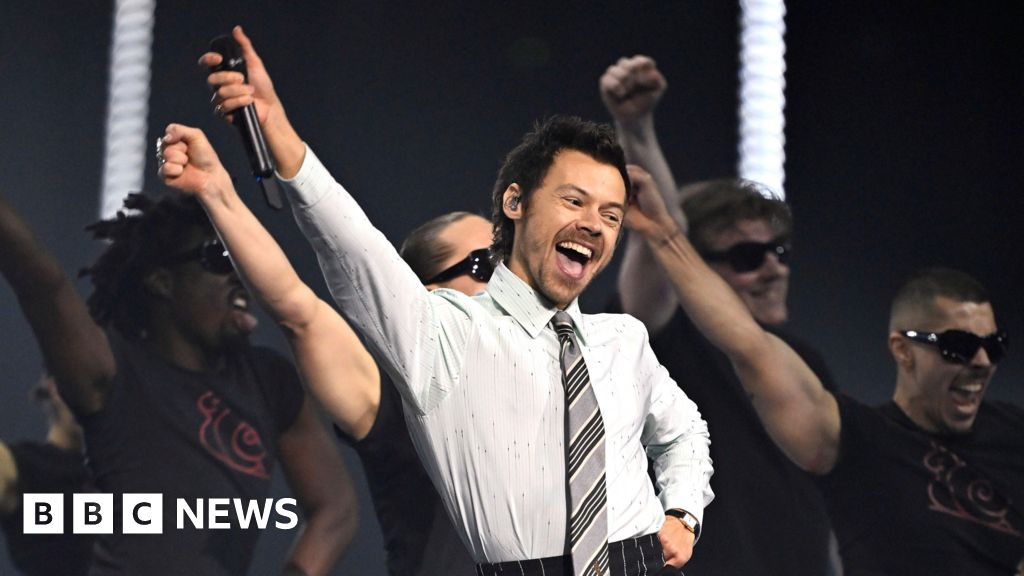
Recent events at the Brit Awards serve not merely as entertainment but as a mirror reflecting the evolving contours of contemporary culture. From Harry Styles making a fashion statement with his daring trousers to Jade’s candid confession on the red carpet, these moments encapsulate a broader dialogue about identity, tradition, and the societal narratives that shape us. Such instances underscore how culture remains inseparable from our sense of self—an ever-changing vessel that absorbs history while gestating its future.

Fashion, once confined within rigid boundaries, now emerges as a form of cultural rebellion, a way for the young, especially, to assert their sovereignty over identity. When Harry Styles defies conventional masculinity in his attire, he echoes a tradition of iconoclasts who challenged societal norms—an act reminiscent of the Romantic rebels and even tracing roots to the dandy movement. Such expressions embody a power that Ortega y Gasset might describe as the individual’s need to forge a cultural individuality, asserting that personal authenticity is a vital counterpoint to collectivist conformity. Here, fashion becomes more than aesthetics; it is a philosophical statement about the freedom of self-expression.

Meanwhile, Jade’s confession on the red carpet illuminates the ongoing tension between public performance and genuine identity, a dynamic that reaches back into the cultural fabric of modern society. In a moment of vulnerability, she exposes the often hidden struggles beneath the surface of fame, mirroring the ideas of Tocqueville on the societal importance of authentic civil discourse. Today’s stars, unfiltered and real, serve as cultural icons—mirroring society’s complex relationship with truth, authenticity, and the longing for meaning beyond superficial appearances. Their candor amplifies a collective desire to reconnect with a sense of genuine human experience in an age inundated with artificiality.

At the heart of this cultural tapestry lies the recognition that art, fashion, and public discourse function as vital expressions of societal values—touchstones that reflect our shared history and the aspirations we hold for the future. As Chesterton once observed, “Art, like morality, consists of drawing the line somewhere,” underscoring how the boundaries of taste and tradition anchor society. Yet, these boundaries are also dynamic, crafted by generations who see culture as both a conservative inheritance and a creative force. Today’s broadcasts and red carpets act as stages where this ongoing negotiation unfolds, as the youthful generation seeks to redefine the cultural narrative while remaining rooted in the stories of their ancestors.

Ultimately, culture is both our memory and our prophecy: the ongoing dialogue between what was and what shall be. The fleeting moments at the Brit Awards—be they provocative fashion choices or candid revelations—serve as reminders that the fabric of society is woven through the threads of tradition and innovation alike. As T.S. Eliot suggested, “Another side of every truth is a lie,” hinting at the intricate dance between what we uphold and what we challenge. In this dance, culture remains the steady conductor—mysterious and eternal—guiding humanity through its continual renewal towards both remembrance and aspiration, forging a future illuminated by the flame of our collective memory and prophetic hope.

Obama backs anti-ICE protests in Minneapolis—Young voices rising for reform

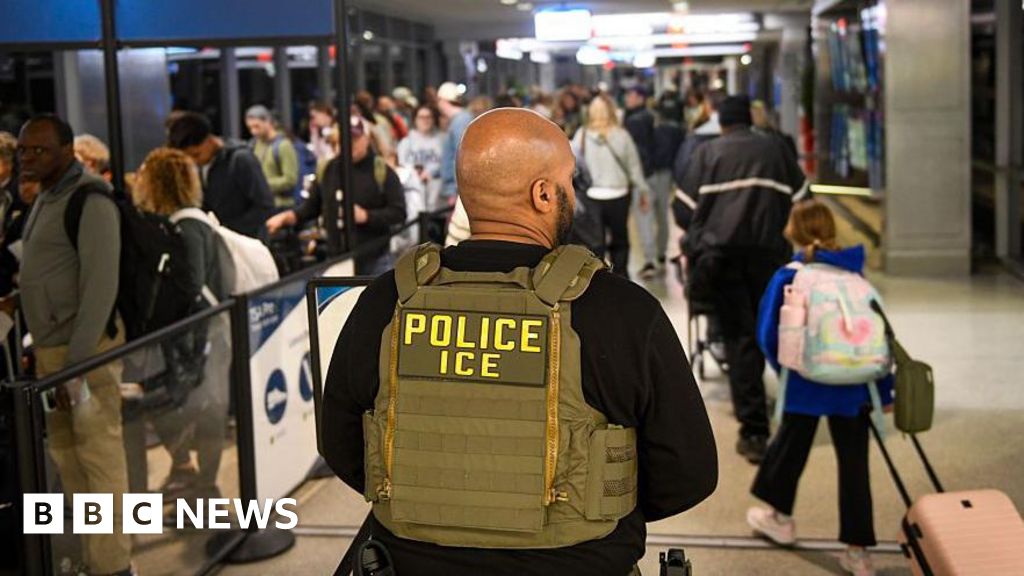
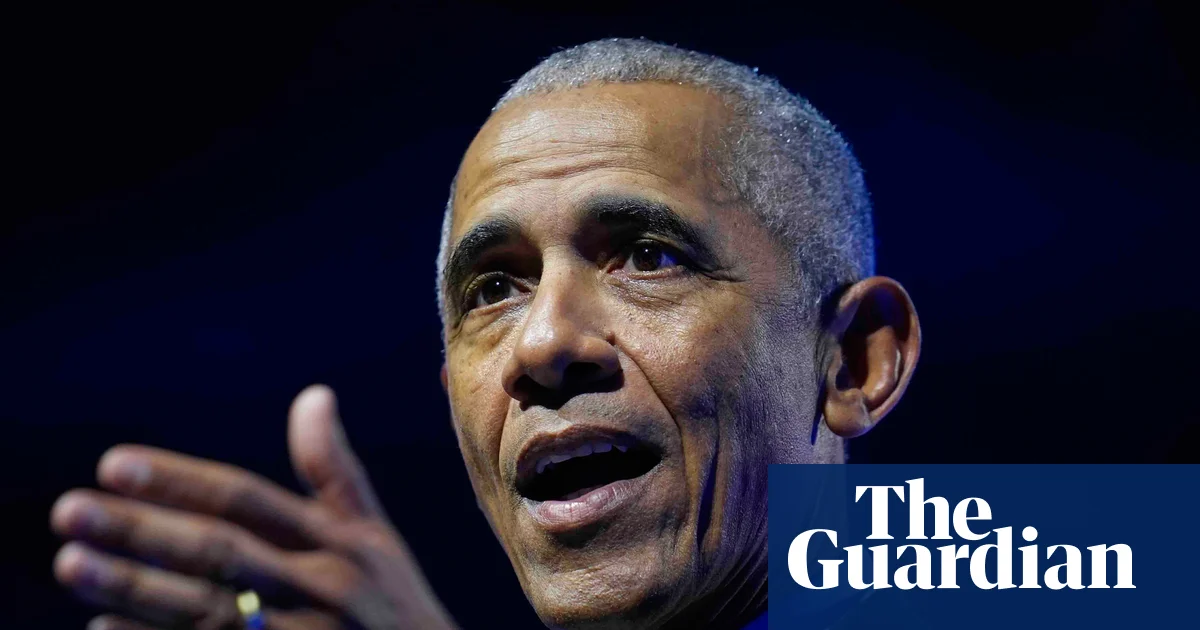
The recent upheavals in Minneapolis and the surrounding Twin Cities expose a significant chapter in the ongoing struggle over U.S. immigration policies and federal authority. Former President Barack Obama publicly voiced his support for local demonstrators opposing the controversial Immigration and Customs Enforcement (ICE) operations, which he described as “unprecedented.” His remarks highlight the geopolitical impact of internal U.S. policies that not only shape the nation’s social fabric but also resonate broadly on the international stage. As mass protests erupt and authorities retreat, analysts argue these events underscore an inflection point in America’s internal stability and how its leadership chooses to wield federal power in the face of public dissent.

At the heart of this critical moment is how decisions at the federal level influence societal perceptions and international credibility. The escalation of ICE actions—deployed without clear guidelines and involving aggressive tactics like tearing gas canisters and entrapping families—has been widely condemned. Historically, experts like Dr. Samuel Harper, a senior analyst at the Global Policy Institute, underline that “the backlash against federal immigration enforcement reveals a broader narrative: Americans are deeply divided about the **values** that define their nation.” It is ironic that the federal government, which often portrays itself as the defender of national sovereignty, now faces accusations of endangering the very communities it claims to protect, thereby fueling accusations of overreach and authoritarianism.

U.S. officials, including Tom Homan, the former border czar, indicated a voluntary scaling down of operations following highly publicized deaths at the hands of federal agents—a turning point that many interpret as a response to mounting protests. These developments suggest that the message conveyed by the American populace, especially the youth, is one of resistance against what many see as overstepping constitutional bounds. The international community, including the United Nations and human rights organizations, has scrutinized these events, warning of damage to America’s global image and urging accountability. Yet, critics argue that such recalls signal a recognition of the tides turning, as a citizenry increasingly demands adherence to fundamental rights and the rule of law.

As the debate intensifies, the emotional narratives shared by leaders like Obama and Michelle Obama evoke a sense of crisis—a call for Americans to reflect on their core values. Historically, moments of internal unrest often serve as turning points in national identity; whether these protests mark a shift towards greater justice or signal unresolved divisions remains to be seen. What is undeniable is that the decisions made in the coming weeks will reverberate across generations, influencing policies, societal attitudes, and the very fabric of what it means to be an American. As history continues to unfold, the weight of this chapter will linger, a stark reminder that the struggle over liberty, justice, and sovereignty remains as vital as ever, etched into the annals of a nation still seeking its true direction amid tumult and change.

National Student Pride Closes After 21 Years of Fighting for Youth Voices

End of a Community Tradition: A Reflection of Broader Social and Cultural Shifts

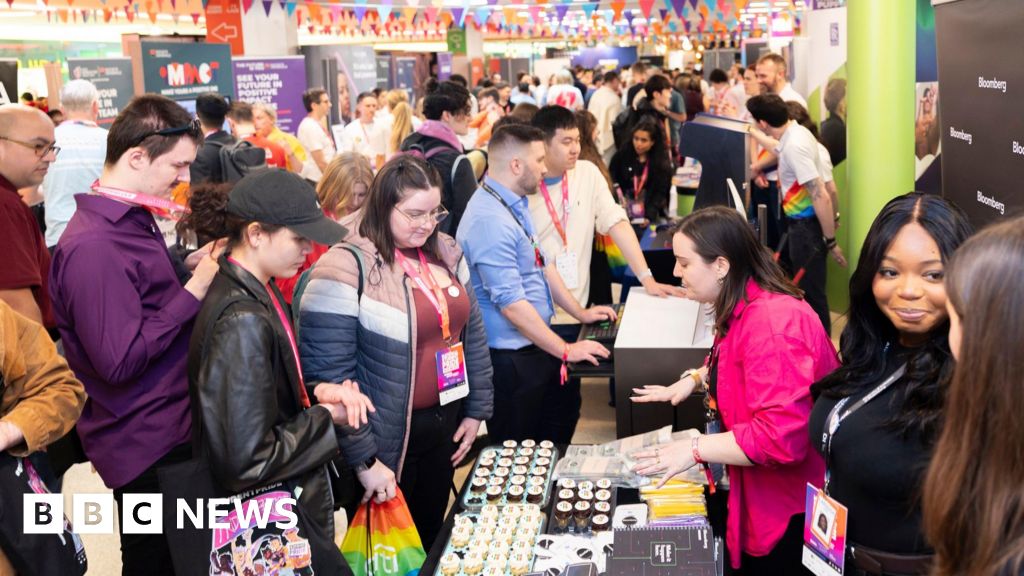
The announcement that this weekend’s community event will be its last signals more than just the loss of a local tradition. Organizers have cited a significant decline in sponsorship support over recent years, underscoring a troubling trend of diminished communal investment and engagement. Such events, often rooted in shared cultural heritage and local solidarity, serve as vital touchpoints for building social cohesion, nurturing civic pride, and strengthening familial bonds. Their fading points to a society where economic pressures, shifting social priorities, and demographic changes threaten to erode the fabric that binds neighborhoods together.

As sociologists and social commentators have observed, the decline of community-centered initiatives reflects, in part, broader uncertainties and tensions within society. Economic strains have compelled many families and local businesses to prioritize immediate financial survival over participation in cultural or communal endeavors. Historically, institutions such as schools, local councils, and community organizations have played crucial roles in maintaining social stability and transmitting shared values. However, as these institutions face challenges of funding, relevance, and engagement, the social fabric begins to fray, further complicating efforts to foster a sense of belonging among youth and families alike.

How social issues directly impact families, education, and communities becomes evident when local traditions fade. The absence of ongoing communal events deprives younger generations of generational storytelling, cultural inheritance, and opportunities for active civic participation. This vacuum fosters a sense of disconnection, potentially leading to increased social alienation and polarization. Many social analysts argue that without deliberate intervention and innovative approaches, these losses threaten to deepen societal rifts, undermining the foundational values of shared responsibility and community service.

In examining such decline, some sociologists, like Christopher Lasch, emphasize the importance of *cultural resilience*—the capacity of communities to adapt and preserve core values amid change. Historians point to past periods of social upheaval, noting that renewed community engagement often emerges from intentional efforts to reconnect residents through shared projects and local history initiatives. Moving forward, solutions may involve fostering youth involvement, revitalizing local institutions, and encouraging cross-sector collaborations that prioritize cultural preservation and social cohesion. Only through these concerted efforts can communities hope to bridge the gaps caused by economic and demographic shifts, restoring a sense of collective purpose.

As society stands at this crossroads, the fading of this cherished event serves as a somber reminder of the complex social dynamics shaping our world. Yet, it also beckons us to confront these challenges with hope and resilience—recognizing that the strength of a community lies not solely in its traditions, but in its willingness to adapt, rebuild, and forge new paths toward lasting social unity. In the end, these societal upheavals challenge us to reflect on what it truly means to be a community, and whether we are willing to invest our shared hopes for the future into the causes that bind us—before they, too, become memories of what once was.

LA City Council Member Nithya Raman announces run for mayor—young voices, new leadership

Los Angeles’s Urban Crisis: A Mirror of Global Urban Struggles

The upcoming Los Angeles mayoral race underscores a broader narrative of urban decay spreading across major cities worldwide, with local leaders grappling with crises that threaten the social fabric and economic stability of their communities. In her campaign launch, City Council member Nithya Raman highlighted the profound challenges facing LA—a city renowned for its glamour yet fractured by severe issues such as housing shortages, homelessness, and rising crime. Her critique reflects a mounting global concern: how to restore opportunity and safety amidst relentless urban stressors.

As LA faces these internal crises, analysts note the geopolitical impact of such local governance struggles. Cities like LA serve as bellwethers for national stability since their economic and social health directly influences regional and even international perceptions of a nation’s resilience. The debate over building sufficient affordable housing and holding city departments accountable is not merely local politics—it signals a broader battle over sovereignty, economic policies, and the capacity of governments to respond to crises generated by rapid urbanization and demographic shifts. Countries across the world observe these developments intently; urban crisis management increasingly becomes a test case for global governance models rooted in federal and municipal cooperation.

Global Echoes: Urban Leadership and International Sociopolitical Shifts

  • Raman’s emphasis on building too little and too slowly echoes similar struggles in European and Asian megacities, where bureaucratic inertia hampers essential infrastructure development.
  • The recent rise of Yimby movements and progressive policies like upzoning in LA reflect a global push toward more equitable urban planning, often facing stiff resistance from entrenched interests and local communities wary of change.
  • Meanwhile, the city’s debate on homelessness and crime echoes in capitals worldwide, revealing how urban decay feeds societal unrest and tests the limits of law enforcement and social welfare programs.

Global institutions such as the United Nations and World Bank increasingly recognize urban health as a critical factor in stability and development. Yet, voices like Raman and local activists challenge a broader narrative: Are Western cities failing to adapt and innovate in governance? Her campaign’s focus on urgent action—a reflection of societal frustration—serves as a call for international attention to the governance failures that transcend borders. The homelessness crisis, housing affordability, and public safety are enduring issues that, if unresolved, threaten to erode public trust and social cohesion on a global scale.

Decisive Moments for the Future of Urban Governance

The Los Angeles mayoral race is more than just a local election; it embodies the tense crossroads at which an increasingly urban world must decide its priorities toward sustainability, security, and social justice. Raman’s entry into the race, her associations with advocates of rapid housing expansion, and her challenge to the incumbent Karen Bass symbolize a broader ideological contest—one that pits progressivism against established political establishments. Her campaign signals a potential shift in leadership paradigms, grounded in accountability and urgent reform.

Meanwhile, the geopolitical implications extend beyond city borders. The recent immigration raids and federal policies underscore external pressures that affect urban governance. As cities become battlegrounds for national identity, policy direction, and economic survival, the world’s eyes are on Los Angeles as a test case: can a city regain its sense of opportunity and safety? Will policymakers learn from LA’s local struggles and adapt strategies to foster resilient urban societies worldwide, or will they capitulate to the chaos of neglect and bureaucratic paralysis? The outcome of this political contest could set a precedent, echoing through the corridors of global power and shaping the future of urban living for generations to come.

Threshold: The Youth-Led Choir Raising Voices for Change — Watch Now

In an era marked by rapid technological advancement and shifting cultural mores, the human experience of death remains a profound societal challenge. Programs like Nickie and her Threshold Choir exemplify a compassionate response to the inevitability of mortality, reminding us that societal health is deeply intertwined with our capacity for empathy and collective support during life’s most vulnerable moments. These volunteer initiatives, composed of individuals who sing lullabies and comforting melodies, not only honor the dignity of those nearing the end of life but also serve as a mirror reflecting how well communities nurture their members even in hardship.

Their work underscores a cultural shift where conversations about death are often avoided or stigmatized in traditional family structures and educational settings. This avoidance fosters a taboo around mortality, leaving families and society ill-prepared to confront one of life’s most natural processes. Sociologists like Dr. James Hollis warn that such denial hampers emotional resilience and inhibits meaningful dialogue about what it means to live and die with dignity.

  • Families often find themselves unprepared for end-of-life decisions, leading to unnecessary suffering or conflict.
  • Educational institutions rarely incorporate death education, preventing young generations from developing healthier attitudes toward mortality.
  • Communities lacking structured support systems for the dying diminish the collective capacity for empathy and shared mourning.

This disconnect impacts the foundation of societal cohesion, as people retreat from facing mortality in a way that fosters understanding and compassion. Advocates argue that an authentic confrontation with death offers an opportunity for moral growth and societal healing, urging policymakers and educators to incorporate end-of-life literacy into their curricula and community programs.

Furthermore, the societal implications extend beyond individual families, shaping the very fabric of community well-being. When communities extend their care to the most vulnerable, they reinforce social bonds and demonstrate a collective moral ethos rooted in compassion and respect. Programs like the Threshold Choir exemplify how volunteer efforts can fill the gaps left by institutional shortcomings. Yet, these acts of kindness also highlight a broader societal need: the normalization of conversations about mortality, aging, and grief. Experts like sociologist bell hooks have emphasized that fostering environments where death is neither hidden nor feared allows communities to build resilience, reduce stigma, and uphold human dignity.

As society grapples with its cultural and moral boundaries, the stories of volunteers and families confronting death serve as poignant reminders of our shared humanity. In opening the door to honest conversations and compassionate care, society begins to restore a moral fabric frayed by neglect and avoidance. The challenge lies not just in caring for the dying but in transforming societal attitudes—embracing death as an integral, sacred part of the human journey. Perhaps, amid this ongoing tension, there exists hope: that through increased education, social support, and genuine community engagement, we can forge a future where every life, in its final chapter, is met with love and dignity — a testament to society’s true moral strength.

Syrian Voices: Reflections a Year After Assad's Fall
Syrian Voices: Reflections a Year After Assad’s Fall

Exactly one year after Bashar al-Assad relinquished power in Syria on 8 December 2024, the Middle East faces an epoch-defining turning point. The departure of Syria’s long-standing dictator, after three decades in control, was heralded as a potential dawn of hope amid a brutal civil war that raged for over 13 years. Yet, the aftermath remains a complex mosaic of social upheaval, sectarian tensions, and geopolitical realignments. The fall of Assad marks a dramatic rupture with the past, but the country’s future remains shrouded in uncertainty, with lessons echoing through international corridors.

The geopolitical impact of Assad’s resignation reverberates far beyond Syria’s borders. Critics argue that the power vacuum risked destabilizing the fragile balance of regional influence, especially as Russia swiftly offered asylum to Assad, reaffirming its posture as the protector of its longstanding ally. Meanwhile, Western powers and the United Nations have been vocal about needs for rebuilding and reconciliation, but concerns mount over the fragile social fabric torn apart by years of sectarian violence. The strategic interests of global players—ranging from Iran and Turkey to Israel—continue to shape the landscape, creating a powder keg that could ignite anew if political stability falters.

Amid the shifting political landscape, the social consequences remain stark. The interim government has vowed to uphold rights for all Syrians, regardless of sectarian identity. Yet, the reality on the ground tells a different story. Reports from Damascus reveal that sectarian violence persists, with hundreds of Alawite and Druze civilians becoming victims of targeted attacks—some carried out by factions related to government forces. The deep wounds of decades-long conflict run deep, challenging the regime’s claims of national unity. Renowned analysts warn that unless comprehensive reconciliation is achieved, Syria risks fragmenting further, becoming a battleground for competing regional and international interests.

Historians and security experts emphasize that the truly significant challenge lies in healing the social fabric and reconstructing governance institutions. The UN, along with international NGOs, are advocating for inclusive peace processes, yet the road to sustainable stability appears arduous. The lessons of the past—how external meddling and internal divisions hindered Syria’s progress—serve as a grim reminder of the need for cautious diplomacy. As Syria’s society endures emotional scars and political fractures, the question remains: will this crisis serve as a catalyst for genuine change, or will history continue to repeat itself, with chaos reigning once more? The unfolding narrative of Syria’s future weighs heavily on the shoulders of global leaders, whose decisions in the coming months could either pave the way toward reconciliation or plunge the nation into further darkness.

In this pivotal moment, the echoes of history grow louder. The Syrian saga, once portrayed as a local conflict, has morphed into a defining chapter of international power plays. The questions that linger are profound: how much longer can a fractured society endure? Will external powers finally commit to a lasting peace, or will their relentless pursuit of influence perpetuate a cycle of destruction? The world watches intently, its collective gaze fixed on Damascus, where history now writes itself into a new, uncertain chapter—one in which the stakes could scarcely be higher, and the outcome remains as elusive as ever.

Social Media Auto Publish Powered By : XYZScripts.com