Matox News

Truth Over Trends, always!

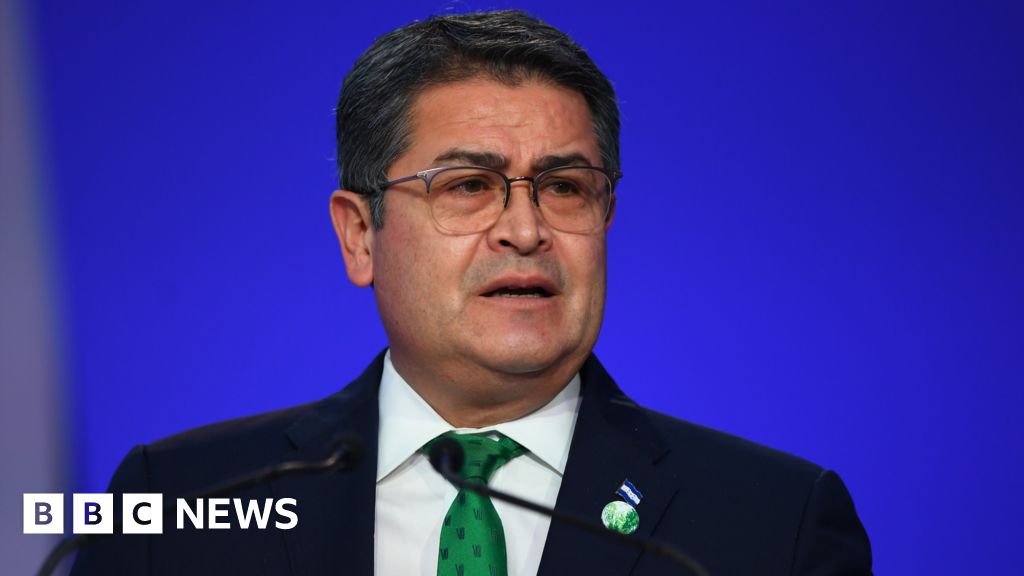
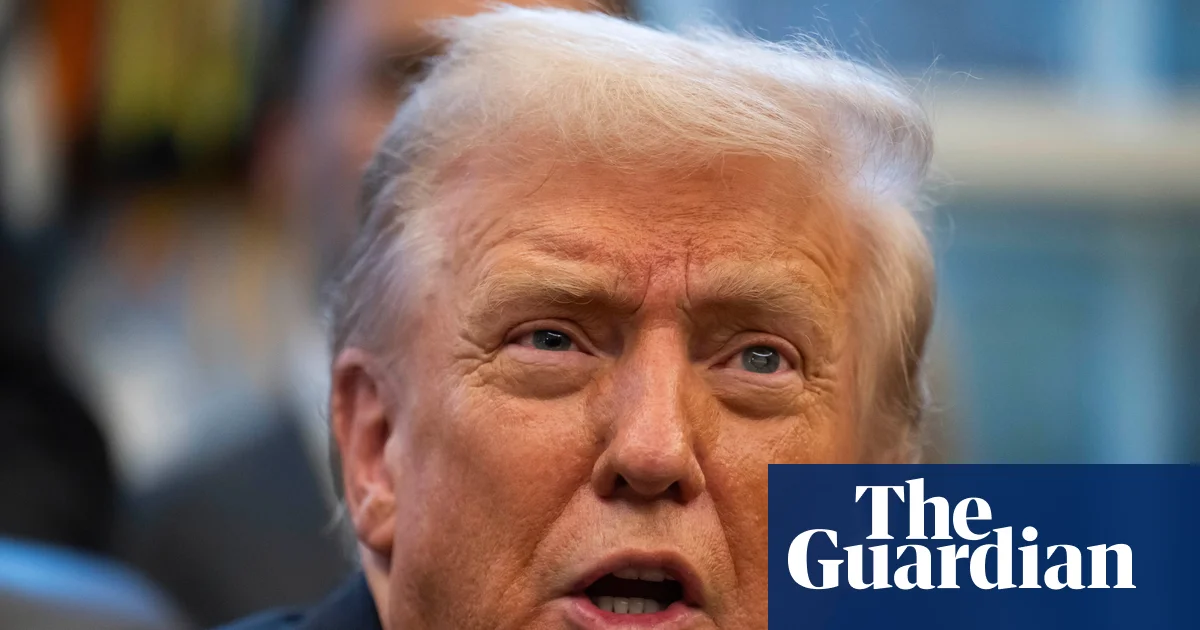
Trump vows to pardon ex-Honduran leader convicted of drug crimes

The recent political developments in Honduras underscore a pivotal moment for regional stability and U.S. influence in Central America. The decision by Donald Trump to endorse the pardon of Juan Orlando Hernández, a former president convicted of drug trafficking, signals a significant shift in perceived justice and diplomatic stance. Hernández’s conviction by a New York jury on charges of conspiracy to import cocaine and possession of machine guns was a landmark case illustrating the extent of drug cartels’ infiltration into political structures. However, Trump’s intervention claims that Hernández was “treated very harshly and unfairly,” echoing longstanding narratives in some political circles that question the U.S. judiciary’s handling of Latin American corruption cases. This move is likely to reinforce anti-establishment sentiments in Honduras, potentially destabilizing efforts to curb illicit trafficking in the region. Such a step not only prioritizes political alliances but also raises questions about how international power dynamics influence local justice systems and the broader fight against organized crime.

Meanwhile, the upcoming Honduran elections highlight a nation balancing between progressive, conservative, and centrist forces. Honduran polls suggest a tight race with candidates including Nasry “Tito” Asfura, the conservative ex-mayor of Tegucigalpa; Rixi Moncada, representing the left-wing Libre Party; and Salvador Nasralla, a centrist television host. President Xiomara Castro’s government maintains a nuanced relationship with Washington, continuing strong economic and military ties—despite her country’s alliances with Cuba and Venezuela. These international relationships highlight the geopolitical tug-of-war unfolding in the region, with the U.S. asserting efforts to counteract drug trafficking and “narcoterrorists,” as articulated by Secretary of War Pete Hegseth. This military intervention, branded as “Operation Southern Spear,” has resulted in over 80 deaths since August, sparking intense debate about its legality and effectiveness. Critics argue that the strikes lack transparency and threaten international laws, emphasizing that the U.S. has yet to provide concrete evidence linking the targeted vessels to drug operations. The specter of external military intervention in Honduras underscores a wider trend—the U.S. increasingly sees the fight against narcotics as a frontline for geopolitical dominance, risking further destabilization or unforeseen consequences.

As the regional political climate heats up, the geopolitical impact becomes undeniable. The alliance between Honduras and the U.S. continues to shape the future—not only through economic and military ties but also via the ideological battles that underpin elections and policy decisions. Historians like John M. Kirk and analysts at the Council on Foreign Relations warn that such interventions often deepen divisions and entrench authoritarian tendencies, undermining efforts for genuine democracy in Latin America. The wartime rhetoric framing drug trafficking as a national security threat raises profound questions: are these actions genuinely meant to combat organized crime or are they more about exerting control over regional allies and resources? With Honduras under the shadow of external influence and internal political discord, the struggle for sovereignty and justice remains a matter of fierce contention. Ultimately, history’s page in the 21st century is turning—a compelling chapter where alliances are tested, convictions are challenged, and the weight of power struggles continues to echo across the Americas, shaping the destinies of nations and societies yet to come.

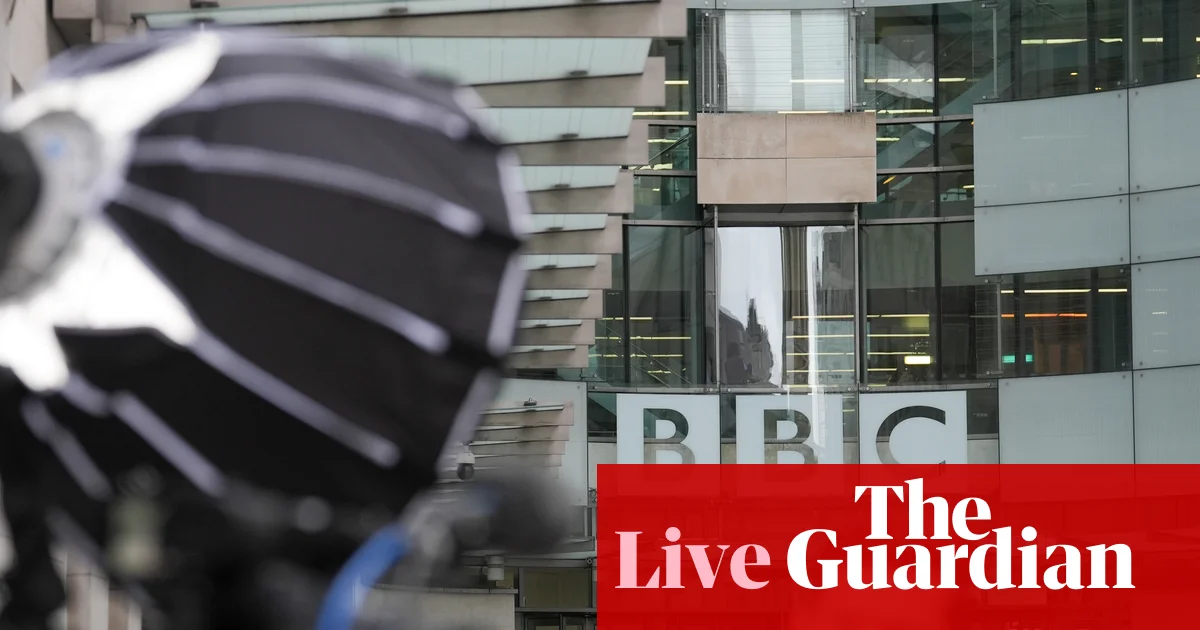
Trump vows to sue BBC over altered speech, claims duty to fight bias

Global Power Play: Trump versus BBC Sparks International Tensions

In a developing saga that underscores the enduring volatility of transatlantic relations, former U.S. President Donald Trump has declared his intention to pursue legal action against the British Broadcasting Corporation (BBC), igniting fears of a broader eroding trust between allied nations. The controversy centers around the BBC’s editing of a Panorama documentary that manipulated a speech Trump delivered on January 6, 2021. Trump claims the aired segment misrepresented his words, implying a call for violence—an assertion the corporation acknowledges, having issued an apology. However, the mere fact that this incident has escalated to a threatened billion-dollar lawsuit indicates how media narratives can swiftly morph into diplomatic flashpoints.

The repercussions extended beyond the courts, provoking a wave of shockwave effects within the British media landscape. The resignation of BBC Director General Tim Davie and Deborah Turness, the head of BBC News, has been widely interpreted as a sign of internal turmoil provoked by the controversy. Many analysts see this as a reflection of the deepening rift between free press principles and the rising tendency of political trivialization and weaponization of media. Critics within the BBC have expressed fears about the institution’s perceived bias, highlighted in recent internal memos—particularly one authored by former independent adviser Michael Prescott, which accused the corporation of liberal bias. Despite_counterarguments_html>representing historical issues, the controversy illustrates how the BBC’s credibility is increasingly scrutinized amid the shifting sands of international facts and narratives.

Geopolitical Impact: Transatlantic Tensions and the Future of Global Media

The upcoming legal showdown is expected to have profound geopolitical repercussions. While Florida’s legal landscape may not favor Trump’s claims, the case amplifies a larger narrative—one where national interests and media sovereignty increasingly collide. Experts warn that the dispute could set dangerous precedents, empowering political actors to wield the judiciary as a tool for controlling international narratives. It raises fundamental questions about who controls the truth and how societal consensus is shaped in an era of misinformation. International organizations, such as the United Nations, have repeatedly warned against weaponizing legal mechanisms for political ends, yet the trend persists. The controversy surrounding the BBC’s editing practices resonates beyond bilateral tensions, serving as a warning signal about the fragile balance between free speech, media integrity, and political influence.

Meanwhile, the British government faces increasing pressure to defend its sovereignty against not only domestic internal strife but also external accusations of bias and manipulation. The rising tide of populist nationalism across Europe and North America underscores a broader desire to assert control over national narratives and resist the perceived encroachment of globalist interests. As historians and political analysts note, these conflicts are more than mere disputes—they are a reflection of deep-rooted societal debates about sovereignty, truth, and the future direction of Western democracies. The recent BBC crisis exemplifies how media institutions are caught in the crossfire of international power struggles, with their decisions having tangible consequences on national identity and social cohesion.

The Unfolding Narrative: The Weight of History

As the legal proceedings loom, and the BBC grapples with internal and external pressures, the overarching question remains: what does this mean for the future? Will this conflict exemplify a new era where media outlets become battlegrounds for ideological dominance, or will it serve as a wake-up call to defend the integrity of information itself? History warns us that such clashes are rarely contained; they ripple outward, affecting alliances, societal trust, and the very fabric of democracy. With each court date and internal memo, the weight of history presses down—reminding us that the decisions made today, especially in the realm of media and law, will echo through future generations. Ultimately, the unfolding story of Trump vs. the BBC is a stark symbol of a world where the lines between truth, power, and influence are more blurred than ever, leaving the global community at a crossroads—the outcome uncertain, and time itself undeniably running out.

Trump vows to sue BBC over speech edit, claiming he has a duty to set the record straight—latest updates

Global tapestry of Power, Media, and Political Battles: The Shifting Geopolitical Landscape of 2025

As 2025 continues to unfold, an intricate web of international conflicts, media controversies, and political power plays underscores a world in flux. Last week’s dramatic developments at the BBC and the rising tensions between Donald Trump and global media institutions illustrate how the struggles within foundational institutions have far-reaching geopolitical impact. The crisis surrounding the BBC, culminating in the resignation of Director-General Tim Davie, reveals a broader pattern of skepticism and dissatisfaction with mainstream media’s role in shaping political narratives—shaping the global discourse with strategic implications for sovereignty, national identity, and the future of free press.

Trump’s aggressive legal posture against the BBC exemplifies how media influence intersect with geopolitics. The former U.S. president has claimed that the broadcaster “defrauded the public,” citing the editing of his January 6 speech—an event that remains a reference point for political and legal battles worldwide. Trump’s legal counsel has threatened $1 billion in damages if the British broadcasting giant refuses to retract what they consider “false, defamatory, disparaging, and inflammatory statements.” Historians and analysts concur that such legal threats against influential media entities symbolize a strategic effort to control narratives, not just domestically but across international borders, reflecting a broader ideological battle over truth, influence, and sovereignty.

On the other side of this ideological clash, critics like Daisy Cooper, Deputy Leader of the Liberal Democrats, see opportunity within crisis. Her call to “take away all political appointees” affirms the ongoing struggle to reform media institutions deemed compromised by politicization. Her words echo a larger, international debate about the role of political influence within public broadcasting and its impact on national independence. As Western democracies face this internal division, the overarching question remains: whose version of truth will shape the future? With countries like the UK and the US entangled in media battles, the geopolitical impact is undeniable. These conflicts threaten to shift the balance of power toward nationalist and populist narratives, challenging globalist media dominance and redefining the landscape of international influence.

International organizations and analysts warn that such disputes are more than mere political theater; they are manifestations of a deeper |international realignment driven by the erosion of trust in traditional institutions. As the world witnesses how a domestic media crisis can ignite legal threats and political upheaval, it signals to every nation that control of information becomes a matter of geopolitical importance. The unfolding battles hint at a broader era where sovereignty, national identity, and media independence are no longer isolated issues but crucial battlegrounds shaping the destiny of nations.

In this rapidly transforming world, the stakes are extraordinary. As history’s pen writes the next chapter—whether it be the legal warfare against the BBC or the rise of populist narratives challenging media authority—the question remains clear: who will wield the power of truth in the unfolding story of the 21st century? The future’s narrative is yet to be written, and the weight of history presses down heavily on today’s decisions, shaping a world where information itself may become the ultimate weapon in the struggle for dominance and sovereignty.

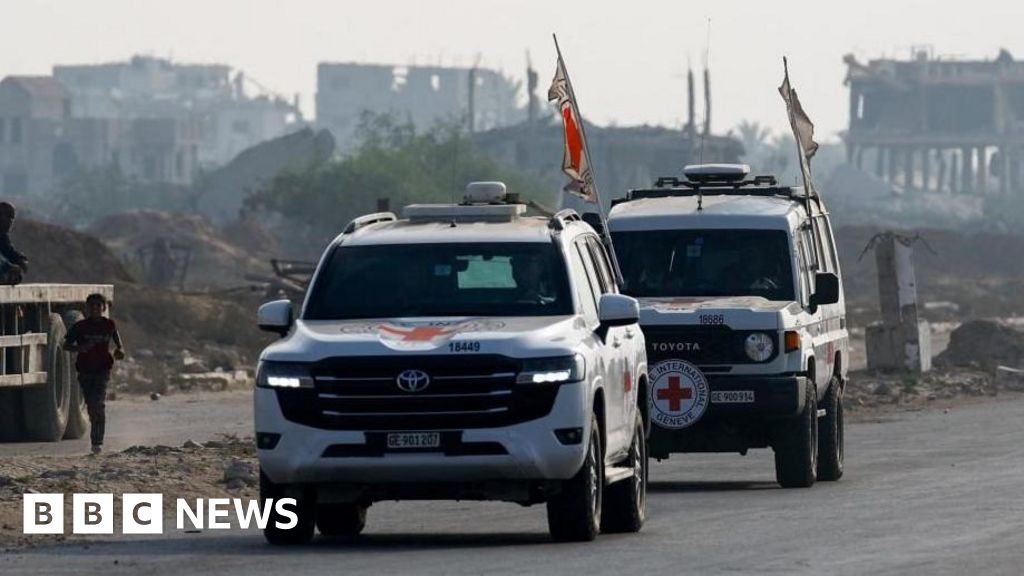
Israel gets Gaza body after Netanyahu vows to bring home 2014 soldier’s remains

The recent developments in the ongoing Israel-Gaza conflict mark a critical juncture in international geopolitics, with profound implications for regional stability and global diplomacy. On Sunday, Israel announced the return of the body of Hadar Goldin, a soldier killed during the 2014 conflict, whose remains had been in custody in Gaza since his death. Prime Minister Benjamin Netanyahu confirmed that Israel expected to receive the remains of a soldier whose body was held by Hamas, signaling a tentative but significant step in the fragile ceasefire negotiations. This gesture is seen, by analysts and international observers alike, as a move that could potentially pave the way for further de-escalation, though lasting peace remains elusive amidst the ongoing violence.

Historically, Hamas’s armed wing has used the retrieval of bodies and hostages as leverage in negotiations, and this latest handover is being closely scrutinized as a turning point. The return of 20 living hostages and 24 deceased, including Lt Goldin, under the first phase of a ceasefire deal, represents a moment of rare diplomatic progress amid the chaos that has engulfed the region for decades. Nevertheless, confidence remains fragile—Goldin’s family and broader Israeli society continue to grapple with the emotional toll, while officials vow to recover all remaining bodies and release more captives. Netanyahu reiterated his resolve: “We have returned 250 so far. We will bring them all back,” underscoring both the national commitment and the complexity of future negotiations.

The geopolitical impact of this development transcends borders. The conflict, which erupted anew on October 7, when Hamas-led militants launched a brutal attack killing over 1,200 people in Israel, has led to an escalation of military operations in Gaza. Since then, the Israeli military has reported that at least 241 individuals have been killed, including civilians, amidst a campaign that has resulted in devastating destruction across Gaza. According to figures from Hamas-controlled health authorities, the death toll since the outbreak of hostilities exceeds 69,000. These numbers, contested by various international bodies, speak to the catastrophic human toll stemming from the ongoing conflict. United Nations officials and international analysts warn that the conflict’s expansion risks destabilizing the entire Middle East, igniting sectarian tensions, and threatening global energy markets.

In this volatile climate, the actions and decisions of global institutions and key nations will determine whether the region can transition from war to peace, or spiral further into chaos. The compromise of releasing hostages and bodies demonstrates a rare diplomatic triumph, yet it must be contextualized within the broader scope of regional hostility. Historians and foreign policy experts warn that unresolved underlying grievances— territorial disputes, political fractures, and ideological divisions— continue to underpin the violence. The recent exchange signifies that, despite setbacks and entrenched animosities, the path toward diplomacy remains a critical, if fragile, corridor. As Russia, Iran, and the United States stand watching, each move in this unfolding drama will ripple across continents. Their decisions—whether to escalate or seek peaceful resolution—will echo through generations. For now, the fragile ceasefire offers a brief reprieve, a moment of clarity amid chaos, but the unresolved wounds of history carry the weight of an uncertain future, leaving the world on the edge of a precipice, watching as the chapters of this ongoing story are written in blood and hope alike.

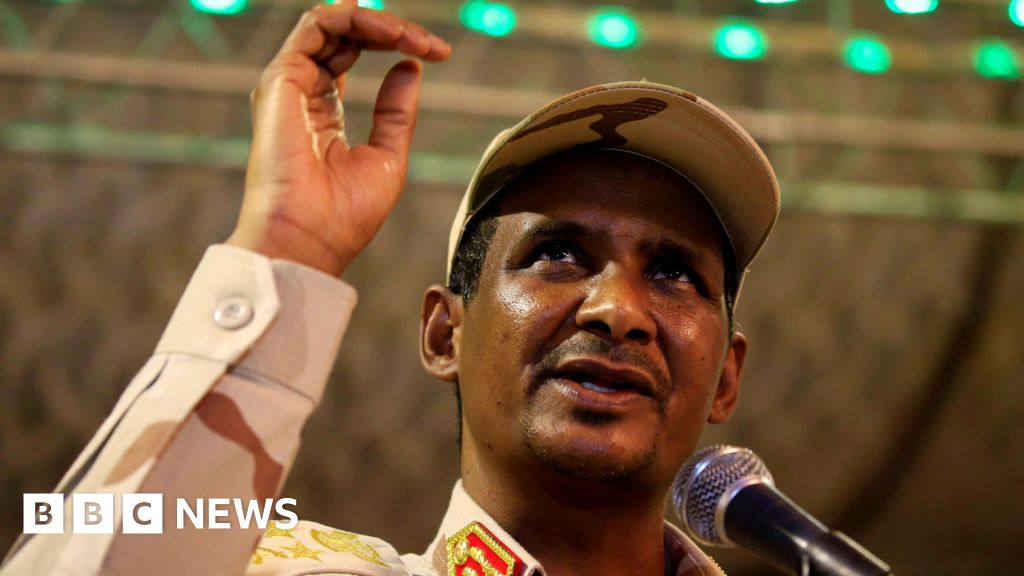
RSF Leader Vows Probe as Youth Fury Grows Over El-Fasher Killings

Sudan’s Escalating Crisis: A Grim Turning Point in Africa’s Last Civil War

The conflict in Sudan has reached a devastating new phase, with widespread reports of violence that threaten regional stability and expose the profound failures of international diplomacy. The recent seizure of el-Fasher by the Rapid Support Forces (RSF)—a paramilitary group led by Gen Mohamed Hamdan Dagalo—marks a severe escalation in a civil war now in its third year. An investigation into human rights violations has been announced, but mounting evidence confirms the brutal reality on the ground: mass killings, ethnic targeting, and a humanitarian catastrophe that few in the international community can ignore. The United Nations Security Council is convening amidst growing outrage, exemplifying the crisis’s bipartisan concern but also underscoring the international community’s limited leverage in halting the bloodshed.

Eyewitness accounts and verified footage reveal a disturbing pattern of violence—particularly in the besieged city of el-Fasher. Reports from the WHO and humanitarian agencies depict scenes of chaos, with over 460 civilians shot dead at the last hospital alone, many of them unarmed and vulnerable. Social media videos, analyzed by BBC Verify, show RSF fighters executing civilians—an atrocity that compounds long-standing fears of ethnic violence and targeted killings of non-Arab populations. The RSF denies these accusations, claiming their actions are not ethnically motivated, but discrepancies between official statements and documented evidence deepen suspicions. As analysts warn, such denials only delay acknowledgment of a crisis rooted in deep-seated societal divisions and decades of failed state governance.

The geopolitical impact of the Sudanese conflict extends beyond its borders, igniting fears of regional destabilization and broader humanitarian fallout. Egypt and Ethiopia, along with other neighbors, monitor the chaos as refugees flee in the hundreds of thousands, many trapped in limbo, suffering violence, starvation, and disease. The role of external actors has come under scrutiny—most notably the United Arab Emirates (UAE), which faces persistent accusations of supplying military aid to the RSF despite official denials. This involvement signifies a dangerous tilt toward proxy conflicts that threaten to ignite a broader regional crisis, reminiscent of the chaos that engulfed Libya and Yemen in recent years. International organizations, including the African Union, call for urgent humanitarian corridors and neutral investigations to prevent further atrocities, but the challenge lies in enforcing these efforts amidst entrenched factional rivalries.

Historically, Sudan’s fragile statehood has been marred by persistent *exclusion* and tribal tensions—issues that the AU, UN, and regional powers have repeatedly failed to resolve. Analysts such as Dr. Mohamed Ibn Chambas emphasize that without addressing these root causes, military solutions are futile. The ongoing splintering of the country’s geography—control now divided between the RSF in the west and the Sudanese army in the capital—foreshadows a prolonged, possibly genocidal conflict that risks engulfing the entire region in chaos. As history watches silently, the narrative of Sudan remains a stark reminder: when societies are fractured by exclusion and power struggles, the true cost is paid by the innocent. The weight of history presses heavily, and the question remains—will the international community muster the resolve to prevent this crisis from spiraling into a new chapter of African hell, or will it be yet another chapter written in silence?

Trump vows to revive U.S. nuclear tests to boost national strength

President Trump’s Nuclear Posture Shift Signals Potential Disruption in Global Security and Tech Sectors

In a bold and controversial move, President Donald Trump has directed the Pentagon to resume testing nuclear weapons, citing the necessity to match other nations’ testing programs. This decision marks a significant departure from the longstanding post-Cold War nuclear testing moratorium, which has largely shaped global strategic stability over the past three decades. While few details have been disclosed, the announcement signals a possible new phase in military innovation, pushing the boundaries of nuclear capabilities and their associated tech ecosystems. The immediate implications could be profound, affecting international diplomacy, defense industries, and technological innovation in related sectors.

This move comes at a complex geopolitical juncture. Just before a high-stakes summit with China’s Xi Jinping, Trump’s statement appears to upend decades of American policy. Historically, the US maintained a strategic restraint on nuclear testing, aligning with global efforts for non-proliferation. However, Trump’s directive suggests a strategic pivot, possibly aimed at reasserting US military dominance amidst rising geopolitical tensions and global technological competition. But experts warn that such actions could destabilize existing treaties; the US, a signatory of the Comprehensive Nuclear-Test-Ban Treaty, has yet to ratify it. Meanwhile, Russia, which possesses the world’s largest nuclear stockpile, continues modernization efforts, injecting an element of disruption into the balance of global nuclear deterrence.

From an industry perspective, this escalation may act as a catalyst for innovation within the defense sector. Companies specializing in nuclear physics, materials science, and simulation technologies could see surges in demand. Emerging players in advanced warhead design and system delivery technologies might accelerate R&D investments or even disrupt existing supply chains. Yet, these innovations are fraught with ethical and regulatory challenges, complicating long-term business models. As analyst Peter Thiel might argue, disruption in high-stakes defense tech requires a careful balance between innovation, security, and international diplomacy.

The announcement also exposes the vulnerabilities of global non-proliferation efforts. With the US potentially resuming nuclear tests, other countries could follow suit, destabilizing the delicate international security architecture. This collapses the normative framework that discouraged nuclear tests for decades, and may incentivize rogue states or emerging powers to pursue clandestine programs. The ripple effect could further accelerate technological arms races, pushing industries toward more sophisticated satellite surveillance, advanced monitoring, and cyber capabilities—areas where innovation may be both a boon and a threat. As Gartner warns, the erosion of norms around nuclear testing could precipitate a broader disruption across defense and technology industries.

Looking ahead, this development underscores a pivotal juncture for global stability and technological advancement. The potential resumption of nuclear testing not only signifies a geopolitical gamble but also a catalyst for industry disruption in defense tech and international security. Fast-moving innovators and investors must now navigate this landscape with increased urgency, as the future of nuclear deterrence, international diplomacy, and technological progress hangs in a delicate balance. As authorities, companies, and nations grapple with these shifts, the imperative for strategic foresight becomes clear—those who proactively adapt to this new era of high-stakes innovation will be the ones to shape the trajectory of global security and technological dominance in the years to come.

Government vows to remove RAAC from schools by 2029 to safeguard future generations

Rising School Safety Crisis Sparks National Debate on Social Responsibility

Across England, a pressing social issue threatens the foundations of our educational system and, consequently, the future of our families and communities. The alarming presence of reinforced autoclaved aerated concrete (Raac) within school buildings has resulted in the closure of 70 schools in Essex alone, forcing students into temporary classrooms and disrupting the continuity of education. These structural concerns, rooted in post-World War II economic choices, expose deeper issues of longstanding neglect and underinvestment. As social commentators warn, this is a stark reminder of how public resources meant for maintenance have been chronically underfunded, leaving vital infrastructure vulnerable and our children unsafe.

The government has pledged to eliminate Raac from all affected institutions by 2029, a timeframe viewed by critics as overly ambitious and morally troubling. Education Minister Josh McAllister announced that every school containing Raac would either be completely rebuilt or undergo extensive remediation. However, experts like Prof. Chris Goodier from Loughborough University underline that each building must be individually inspected to guarantee safety, emphasizing how years of deferred maintenance have compounded the crisis. This systemic neglect highlights a broader societal failure: neglecting the safety and well-being of future generations in favor of short-term fiscal prudence, which ultimately costs lives and hampers community cohesion.

The social repercussions of this crisis extend beyond structural safety. Families are being torn apart as parents grapple with the reality of their children learning in makeshift classrooms or being kept at home amid safety concerns. The instability jeopardizes not only academic progress but also the emotional and moral fabric of communities. Local authorities are under immense pressure to accelerate repairs, with figures such as Mark Francois claiming that most schools could have foundations stabilized “if enough resources were committed.” Yet, the underlying challenge remains: how to reconcile the urgent need for restoring educational infrastructure with the societal tendency to underfund essential services, thus perpetuating cycles of neglect that weaken societal resilience.

While the Conservative government vows to eradicate Raac within this decade, critics like the Liberal Democrats argue that delay constitutes a form of social betrayal. They call for emergency action and increased public investment to swiftly remove these hazardous materials. Meanwhile, organizations such as the Association of School and College Leaders urge a long-term strategy—one that goes beyond quick fixes and addresses the root causes of underfunding. As the debate unfolds, the overarching moral question endures: do we prioritize our children’s safety today or continue to gamble with their futures in the name of fiscal austerity?

The challenge of remaking a society that neglects its most vulnerable is immense, yet not insurmountable. With societal recognition that public safety and investment in infrastructure are moral imperatives, there lies hope for a renewed collective resolve. As society stands at this crossroads, it is vital to reflect on the power of community action and political will—reminding us that safeguarding our children’s schools is not merely about bricks and mortar, but about building a society where safety and dignity are universal. Perhaps, in the silent classrooms waiting for renewal, there exists a quiet promise: that society’s true strength is measured not by its wealth, but by its willingness to nurture and protect its future—including its youngest, most vulnerable members, and the families that depend on them.

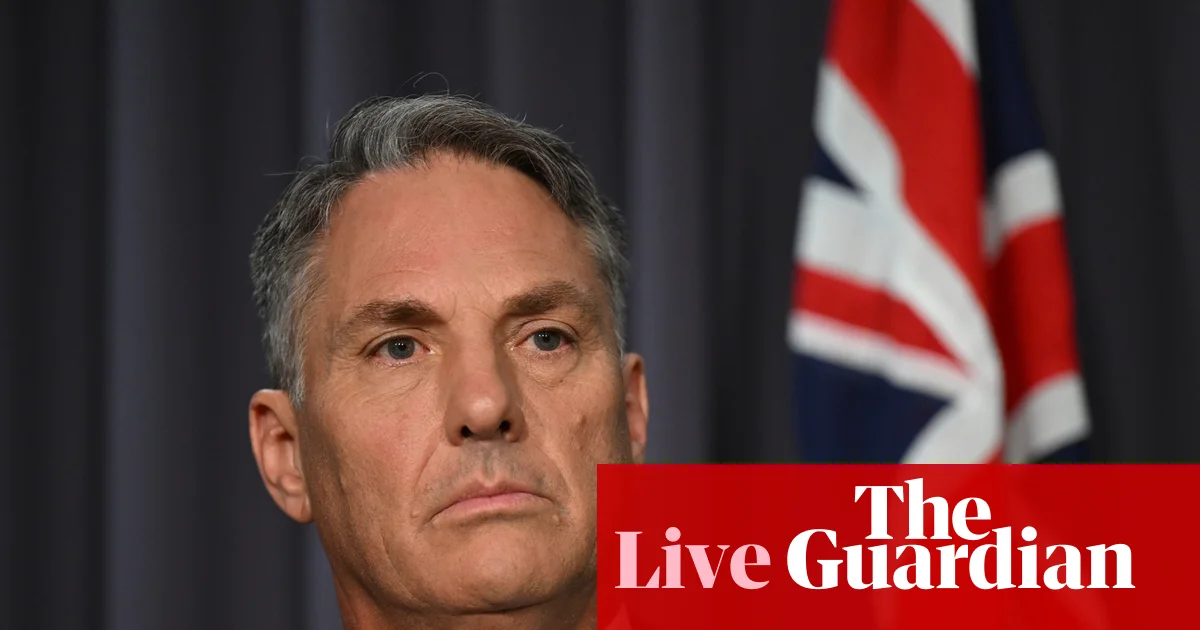
Pete Hegseth vows to strike back: “We will hunt and kill them” in crackdown on drug-smuggling vessels — US politics live | US news

As the 2025 geopolitical landscape unfolds, a pattern of strategic escalation and international jockeying becomes increasingly evident, reflecting the enduring quest for dominance in a world fraught with tension and shifting alliances. From military operations against drug cartels in Central America to high-stakes diplomatic meetings involving Donald Trump and Central Asian leaders, the global stage is echoing with decisions that will shape the future of nations and societies. The American administration’s recent embrace of a ‘war on cartels’ signals an aggressive stance, equating narcotics traffickers with terrorists, and promising lethal force in operations that claim lives in the Caribbean and beyond.

Meanwhile, the United States prepares for a possible diplomatic revival in its relations with Shavkat Mirziyoyev, president of Uzbekistan, highlighting an intensified focus on Central Asia—a region rich in resources and geopolitically pivotal. The meeting between Trump and Central Asian presidents could mark a turning point in U.S. strategy, seeking to secure energy partnerships and counterbalance China’s rising influence. Experts articulate that such engagement, especially with nations like Uzbekistan, magnifies America’s push to reassert influence in a critical crossroads of Eurasia, transforming regional dynamics and complicating the strategies of rivals like Russia and China.

Notably, in a move that underscores the ongoing domestic upheaval, political figures on both ends of the spectrum are maneuvering with unorthodox moves that threaten long-standing norms. A GOP legislator is calling for the deportation of Zohran Mamdani, a New York City mayoral candidate, over allegations of naturalization fraud—an episode that exposes the ideological battle over America’s immigrant narrative and national identity. On the legal battlefield, Donald Trump is fighting to overturn his criminal conviction for business fraud, claiming that key evidence was improperly admitted, and signaling a persistent challenge to the judicial system’s authority. Such disputes are not only domestic spectacles but are emblematic of the intensifying polarization shaping American society.

The international community watches as alliances evolve and old certainties give way to confrontations that could redefine regional stability and security. As Japan’s first female Prime Minister, Sanae Takaichi, gains Trump’s praise for her military ambitions, the U.S.-Japan relationship appears poised for a recalibration, with potential investments soaring and defense commitments accelerating. Yet even as diplomacy dances on the surface, the threat of China’s assertiveness in Asia looms large, prompting Japan to pledge a swift defense spending increase and reaffirm its strategic partnership with the U.S. Despite this, critics warn that such displays of unity may mask underlying tensions that could erupt into broader conflict, as historic rivalries and geopolitical ambitions collide.

This confluence of military, diplomatic, and legal actions echoes a larger narrative, one where history’s pen is still writing the chapters of a tumultuous and transformative era. The bold moves—whether the US’s lethal crackdown on drug cartels, the high-level meetings with Asian powers, or internal political battles—are shaping a future that remains uncertain. As the world stands at this geopolitical crossroads, the echoes of these decisions will resonate through generations, reminding us that history waits for no one and that the true contest for influence is still underway, with humanity’s collective destiny hanging in the balance.

Lithuania vows to shoot down smuggling balloons, PM warns of tough crackdown

In a bold and resolute move, Lithuania has announced it will begin shooting down balloons believed to be used in smuggling cigarettes from Belarus. This decision comes amid a series of unsettling incidents where weather balloons encroached on Lithuanian airspace, forcing the closure of Vilnius Airport multiple times over the past week. The Lithuanian government has responded with strict measures, including an indefinite closure of border checkpoints with Belarus, signaling a serious escalation in the ongoing hybrid conflict along this tense border region.

The Lithuanian Prime Minister, Inga Ruginiene, declared in a press conference that the Lithuanian military is prepared to take “all necessary measures” to protect sovereignty and airspace integrity. She emphasized that the government’s response aims to send a clear message that no hybrid attack—be it through balloons or other clandestine means—will be tolerated. These provocations, while seemingly trivial to some, have serious geopolitical impact—they highlight a broader struggle over influence, sovereignty, and security between Lithuania, a staunch NATO member, and its eastern neighbor. Lithuania’s move also underscores the increasingly contentious atmosphere in the region, with analysts warning that such incidents could escalate into more overt forms of hybrid warfare, including cyberattacks or even military provocations.

Since October, Lithuanian authorities have recorded over 544 balloons entering from Belarus in 2023 alone, a significant number that has affected commercial air traffic and raised alarm about orchestrated efforts to destabilize. European airports—such as those in Copenhagen and Munich—have also reported drone sightings and air incursions linked to similar tactics from Belarusian sources. International organizations like NATO are closely monitoring these developments, contemplating the activation of Article 4 of the NATO Treaty—a formal consultation triggered when a member perceives its security to be threatened. Lithuania’s consultation with allies needs to be swift, considering how these seemingly minor balloon infiltrations carry the weight of a strategic challenge aimed at testing the resilience of Western security commitments in the face of hybrid tactics.

Historians and security analysts warn that such provocations are part of a larger pattern of hybrid warfare, as Russia and Belarus continue to challenge the West’s eastern flank. The situation remains volatile; Lithuania’s actions represent a stand against what many see as a dangerous shift towards unconventional warfare that blurs the lines between peace and conflict. As Lithuania fortifies its borders and prepares for further escalation, the shadows of history warn us that these small skirmishes—though seemingly insignificant—can ignite larger conflicts. The weight of unfolding history presses down on the region, reminding all nations that in this new era of hybrid warfare, even weather balloons carry the potential to alter the course of nations’ futures—an ominous prelude to conflicts still waiting just beneath the surface.

Issa Tchiroma Bakary vows to defend legitimate votes against theft

Cameroon’s Election Crisis Sparks International Concern

In Cameroon, a nation grappling with multiple internal conflicts, the recent presidential elections have plunged the country into a tense political crisis. Opposition leader Issa Tchiroma Bakary, who has audaciously declared himself the winner of the 12 October vote, presents a fierce challenge to President Paul Biya, who has maintained power for over four decades. Tchiroma Bakary’s claims are anchored in an assertion that he and his team have meticulously compiled results from individual polling stations, demonstrating a clear victory margin. However, the ruling party dismisses these allegations, emphasizing that only the Constitutional Council has the authority to declare official election outcomes, underscoring the deep divisions within Cameroon’s political landscape.

Historically, Cameroon has faced the complex goal of balancing internal stability with democratic processes. Analysts warn that the current situation, marked by contested results and accusations of ballot-stuffing, threatens to ignite fresh waves of unrest. Tchiroma Bakary, a former government minister who has broken ranks with long-serving President Paul Biya, has openly challenged the legitimacy of the electoral process. His declaration of victory and call on supporters to defend their votes drift dangerously close to undermining constitutional order. As Tchiroma Bakary boldly states that he has already won and urges the public to resist perceived election theft, fears escalate over potential violence or even a breakdown of law and order—especially considering the country’s ongoing separatist conflict in the Anglophone regions and Boko Haram insurgency in the Far North.

The International Response and the Road Ahead

Global observers and international organizations, such as the Economic Community of Central African States (ECCAS) and the United Nations, monitor the escalating crisis closely. Their warnings emphasize that peaceful resolution depends on a transparent and constitutional process, rather than unilateral declarations that threaten fragile stability. The highly respected Catholic Church in Cameroon has issued a cautious appeal for calm, urging the authorities to ensure that the final results genuinely reflect the will of the people. Their intervention highlights how societal institutions can serve as buffers amid chaos, but also how easily faith in the electoral process can be fractured when claims of illegitimacy are publicly expressed.

As constitutional lawyers and historians analyze the unfolding events, some argue that the integrity of electoral institutions is paramount for safeguarding citizenship rights and national cohesion. Others warn that dismissing official results may delegitimize the entire democratic process, risking a cycle of unrest that could spiral beyond Cameroon’s borders into the broader Central African region. The international community remains divided, with some calling for calm and adherence to legal channels, while others hint at possible sanctions or diplomatic pressure to prevent further destabilization. The critical question remains: can Cameroon navigate this turbulence without descending into chaos, or will these contested elections become a catalyst for a deeper crisis?

The Weight of History and the Unfolding Future

Cameroon’s current election turmoil echoes a broader trend seen across the continent—where prolonged leadership, perceived electoral manipulation, and ethnic and regional tensions converge to threaten fragile nations. As historians and political analysts warn, history often repeats itself when citizens lose trust in their electoral institutions and resort to force or rebellion. With the specter of violence looming, the question arises: how will Cameroon’s leaders, societal institutions, and international allies act in the coming days?

While the political rhetoric surges and the streets remain tense, the true test lies ahead: will the voice of the ballot be respected, or will history record yet another chapter of contested power and broken promises? The future of a nation at a crossroads hangs in the balance, waiting to see whether this crisis can be a turning point for genuine democratic reform or only the prelude to a new epoch of instability—a chapter still being written by the relentless march of history.

Social Media Auto Publish Powered By : XYZScripts.com