Matox News

Truth Over Trends, always!

West Overlooking Key Sanctions That Could Hit Russia’s War Effort

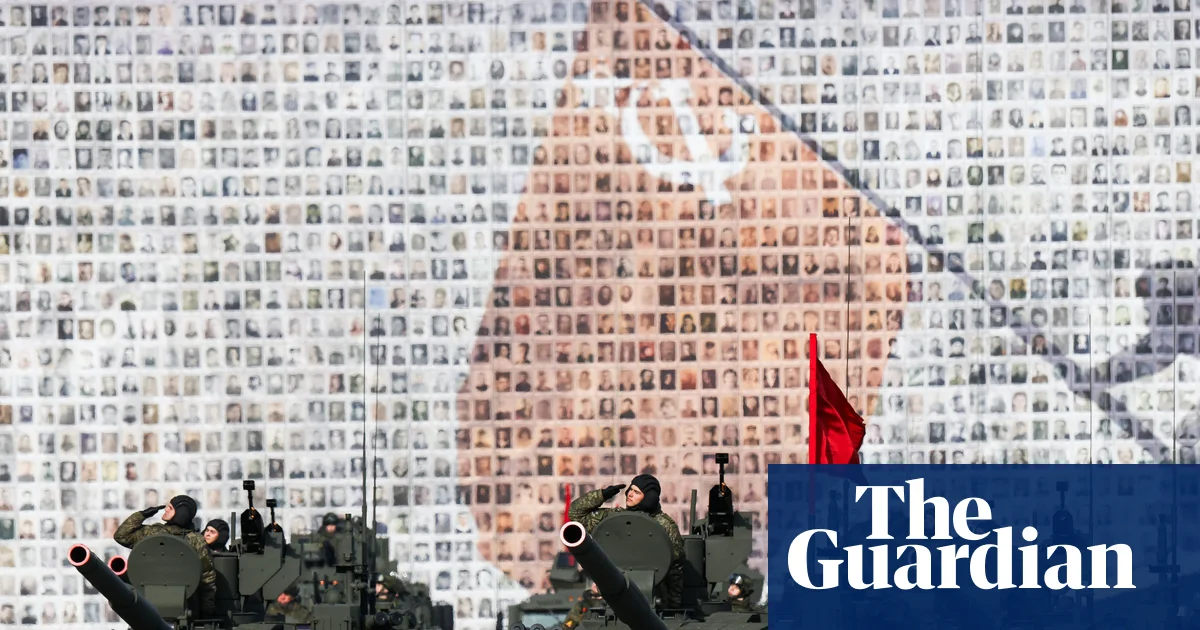
In the ongoing geopolitical struggle surrounding Russia‘s invasion of Ukraine, Western powers continue to adapt their strategies to weaken Moscow’s military and economic capabilities. A recent report by the civil society group Dekleptocracy reveals a series of obscure but potentially devastating vulnerabilities within Russia’s war economy, which could be exploited to further diminish its capacity to sustain the conflict. While previous sanctions targeted Russia’s oil industry, banking sector, and military supply chains, these new findings identify critical chemical dependencies that threaten to disrupt key elements of Russia’s military infrastructure. The analysis underscores how geopolitical decisions impact not just power balances but the very fabric of society within Russia, as shortages in specialized chemicals could lead to logistics failures, reducing its operational effectiveness.

The report emphasizes that the supply chain for specialized chemicals used in manufacturing military-grade tyres and mechanical lubricants remains vulnerable. Despite Russia’s economic resilience, it lacks robust domestic production of these lesser-known yet vital chemicals. For instance, Chinese firm Xinxiang Richful, which supplies up to eight million kilograms of lubricant additives annually, has recently established operations in Virginia, risking U.S. sanctions that could choke off its supply. Experts warn that constraining such suppliers would create immediate mechanical shortages among the Russian military and civilian sectors, ultimately impairing logistical operations. In the words of Tom Keatinge, director at the Royal United Services Institute, “as long as Russia continues procuring essential components for its military, sanctions must evolve and tighten to remain effective.”

However, the challenge extends beyond targeting supplier entities; enforcement of secondary sanctions remains a critical concern. While recent measures have hit major oil producers like Rosneft and Lukoil, gaps in enforcement allow Russia to circumvent restrictions through third-party intermediaries. Keatinge notes that “a successful sanctions regime relies not only on the identification of targets but also on diligent enforcement”—a point that underscores the importance of international cooperation. These measures aim to deny Russia the means to sustain its war effort, but without persistent vigilance, the regime risks unraveling as black markets and illicit procurement networks flourish.

This layered approach to sanctions reflects a broader understanding of Russia’s economic vulnerabilities, which extend into chemical production and other critical sectors. Historians and analysts agree that leveraging these weaknesses could tilt the scales of the conflict. As DeKleptocracy collaborates with agencies like the Biden administration and Ukrainian groups, the strategic goal becomes clear: identify and exploit every fissure within Russia’s supply chain that could hamper its military machine. While Russia boasts a formidable oil industry, the nation’s inability to produce many of the specialized chemicals domestically exposes a chokepoint—a vulnerability that could have long-term consequences for its warfighting capabilities.

Ultimately, these efforts highlight a fundamental truth of modern warfare: victory is increasingly shaped in the shadows of global trade and economic policy. As the weight of history continues to build and shift—every decision to impose, enforce, or relax sanctions—the fate of nations remains intertwined with unseen technical vulnerabilities and strategic oversight. With each targeted disruption, the world edges closer to a new chapter in the ongoing cold confrontation, a chapter written not just in the language of tanks and missiles but in the delicate chemistry of global supply chains. The question remains whether the West’s relentless pressure will succeed in trimming the roots of Russia’s war machine before it’s too late—an epic struggle where every chemical molecule, every sanction, and every policy decision shapes the course of history.
U.S. Moves to End War in Ukraine Draw Careful Concerns from Allies

International Powers Confront The Future of Ukraine Amid Controversial Peace Plan

The unfolding saga of Ukraine‘s quest for sovereignty and security continues to shape the geopolitical landscape in profound ways. Recent developments have seen U.S. efforts to forge a peace plan amid fierce resistance from Kyiv and its allies, casting a long shadow over the stability of Eastern Europe. The controversial 28-point blueprint, leaked and scrutinized from multiple angles, envisions territorial concessions from Ukraine, including the possible ceding of critical regions like Donetsk, Luhansk, and Crimea—a move that has ignited fierce debate over border legitimacy and national sovereignty.

European nations and Japan, unified in their concern, have issued a joint statement underscoring that the draft peace plan will require additional diplomatic work. They emphasize the principle that borders must not be changed by force, while voicing apprehensions over limitations on Ukraine’s military capabilities—restrictions that could leave Kyiv vulnerable to future aggression. In Geneva, security officials from the UK, France, Germany, the US, and Ukraine are scheduled for critical discussions, recognizing the stakes are high. Historians warn that such concessions could set a dangerous precedent, emboldening authoritarian regimes and undermining international norms on territorial integrity, emphasizing the importance of safeguarding Ukraine’s sovereignty as a matter of global security.

Meanwhile, President Zelensky has issued a stark warning, framing the moment as “one of the most difficult in our history”—highlighting the immense pressure Ukraine faces from Washington and Western allies to accept terms perceived as detrimental by Kyiv. Despite Zelensky’s declaration to pursue “constructive” negotiations, the key question remains: how will Ukraine balance the imperative of national dignity with the harsh realities of geopolitics? The leaked US draft proposes Ukraine’s military withdrawal from key territories and potentially limiting its armed forces to 600,000 personnel, while offering “reliable security guarantees” and promising reintegration of Russia into the global economy—an offer Moscow might interpret as a capitulation or a means to reassert its influence. Such proposals not only threaten Ukraine’s territorial integrity but also risk destabilizing the entire European security order, especially as the EU and NATO await consent on military and diplomatic implementations.

The regional balance of power hangs in the balance, with Vladimir Putin signaling that the draft could serve as a “basis” for settlement, but also remaining uncompromising in his rhetoric. Moscow’s willingness to show “flexibility” is paired with preparations for ongoing conflict, as Russian forces continue slow advances in Ukraine’s southeastern regions. Military analysts warn that concessions could be exploited by Moscow, paving the way for a prolonged proxy conflict, risking regional destabilization and global economic repercussions. The current situation has precipitated a dynamic contest of wills among world powers, with the outcome poised to redefine the 21st-century balance of authority. The weight of history presses heavily upon the unfolding negotiations, and as global leaders navigate treacherous diplomatic waters, the fate of Ukraine remains a poignant symbol of resistance, sovereignty, and the enduring quest for international stability. History will record whether the choices made today can forge a path toward lasting peace or herald a new era of geopolitical division.

Cheney’s funeral sees somber moments, but no recognition for Iraq war victims

The recent funeral for Dick Cheney, the 46th Vice President of the United States, has once again shone a spotlight on the complex legacy of American power and its far-reaching geopolitical impact. Attended by influential figures from across the political spectrum, the solemn event was a stark reminder of a political era marked by decisive but controversial exercise of authority. Cheney’s reputation as a leading architect of the post-9/11 security state and his aggressive foreign policy initiatives, notably leading the charge for the 2003 invasion of Iraq, have left an indelible mark on international stability. Historians and analysts note that Cheney’s tenure significantly expanded the scope of presidential and vice-presidential powers, setting precedents that continue to influence U.S. global strategy today.

  • Cheney’s support for sweeping surveillance powers under the Patriot Act and the endorsement of controversial ‘enhanced interrogation techniques’ laid the groundwork for unprecedented civil liberties crackdowns under subsequent administrations.
  • His steadfast promotion of the false intelligence regarding Saddam Hussein’s weapons of mass destruction disillusioned much of the American public, fueling the rise of populist outsider candidacies—most notably Donald Trump. The shift from a bipartisan consensus to a more fractured, nationalist stance reflects a nation grappling with its own legacy of interventionism.
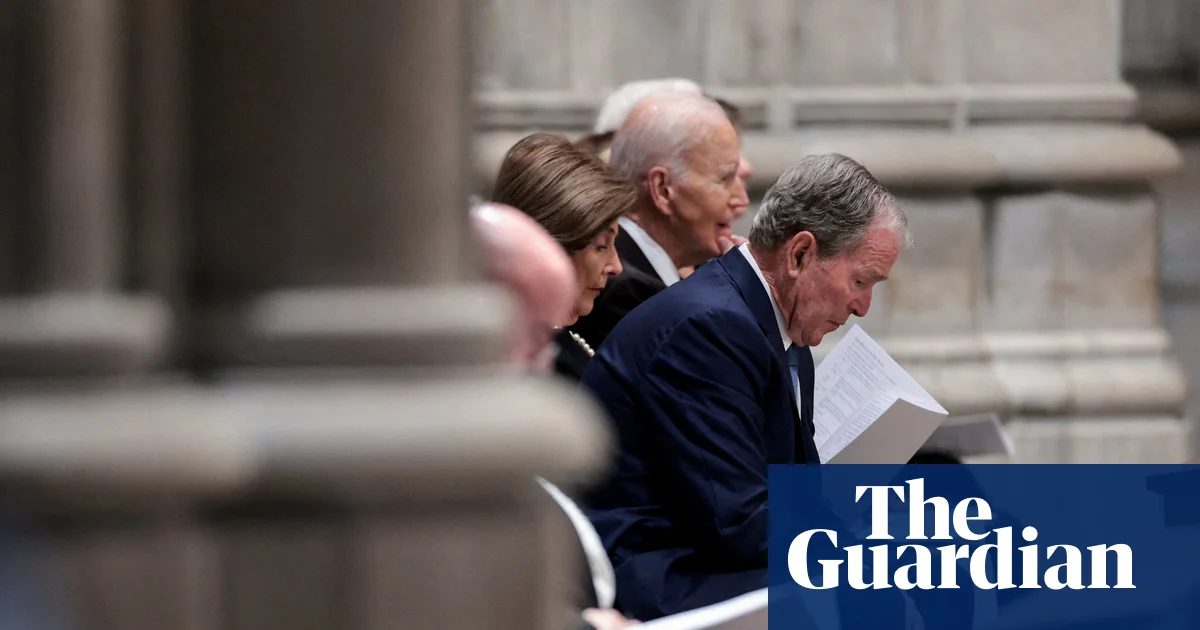
  • Amidst the reverent proceedings, George W. Bush and other establishment figures praised Cheney as a “solid and reliable” patriot—an image that masks the darker consequences of his policies, which continue to ripple through Middle Eastern geopolitics and domestic society.

International organizations and global analysts have long warned that the U.S. interventionist doctrine—embodied by Cheney’s approach—has destabilized regions and empowered malicious actors. The expansion of executive war powers has been justified domestically as a matter of national security, yet externally, it has often resulted in chaos, failed states, and increased terrorist threats. Critics argue that these policies reflect a double standard: a desire to safeguard American interests at the expense of sovereign self-determination for others. Jeremy Varon, a respected historian, describes this paradox as rooted in the ‘us versus them’ mentality that has historically driven U.S. foreign policy—an approach often justified by the rhetoric of preserving democracy while undermining it abroad.

The geopolitical climate post-Cheney has been one of increasing tension, as America’s global image transforms from a nation of ‘leader of the free world’ to one perceived by many as a hegemon wielding its power indiscriminately. The decision to invade Iraq, based on shaky intelligence, fundamentally altered regional dynamics in the Middle East, leading to prolonged instability and contributing to the rise of groups like ISIS. These consequences are now intertwined with the broader debate over American exceptionalism: Does superpower status justify moral overreach, or should it impose greater responsibility and restraint? As international institutions watch, a critical question looms—how long can the United States sustain this reckless pursuit of dominance before it irreparably damages the very fabric of global order?

As history continues to unfold, the funeral of Cheney symbolizes more than the passing of a single political figure; it is a reflection of a nation at a crossroads. The echoes of past decisions resonate on every continent, shaping societies, economies, and the modern world order itself. Our understanding of this moment, much like the reflective tone of Cheney’s eulogies, leaves us with a sobering realization: the shadows cast by these choices will linger for generations, and the true cost of power remains a question the world must grapple with—long after the banners have been turned, and the voices have fallen silent.

Reform’s Benefit Cuts Could Spark Trade War with EU, Labour Warns

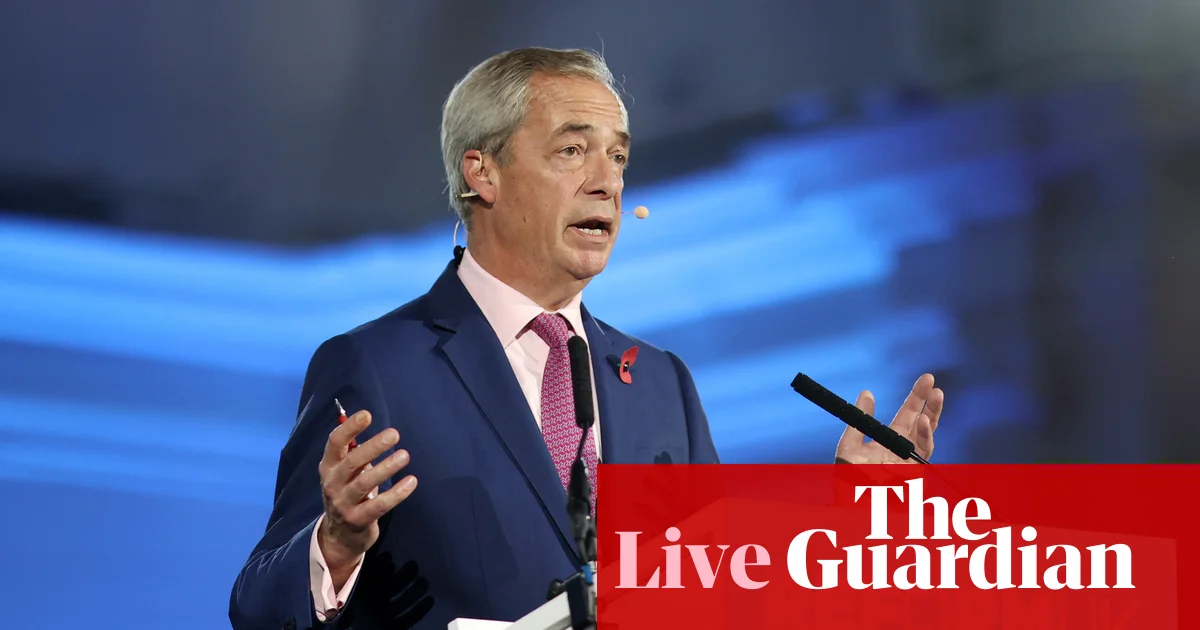
As the world continues to grapple with the aftermath of widespread political shifts and economic realignments, recent developments underscore a powerful surge of nationalist sentiments and protectionist policies that threaten the stability of traditional international alliances. The United Kingdom, for instance, stands at a nexus of these forces. The recent proposal by Nigel Farage, leader of Reform UK, to implement sweeping immigration and benefits reforms highlights this trend. These policies aim at removing the rights of EU nationals to claim benefits and increasing NHS surcharges, all purportedly to balance the nation’s finances. However, analysts warn that such measures could ignite a trade war with Europe, reminiscent of the Brexit dynamics that radically reshaped Britain’s relationship with its continental neighbors.

  • Farage’s proposals to slash benefits for EU nationals and hike visa costs are driven by a calculated desire to appeal to populist voters but raise significant geopolitical consequences. The potential breach of post-Brexit trade agreements, as indicated by Labour critics, could provoke retaliatory tariffs and other trade barriers, destabilizing the UK’s vital economic ties with the EU. Historian Dr. Mark Stevenson notes that “such unilateral moves, couched in nationalist rhetoric, risk unraveling decades of integration and economic cooperation.”
  • This wave of protectionism aligns with rising nationalist policies across Europe, exemplified by France’s far-right National Rally backing a wealth tax on the very rich—an approach Farage staunchly opposes, citing fears of high earners fleeing Britain. Nonetheless, polls demonstrate that a majority of Reform UK voters support a one-off wealth tax, revealing a societal undercurrent favoring redistribution measures that challenge free-market principles.

Meanwhile, the UK’s internal debates mirror these international tensions. Labour leaders, such as Steve Reed, have unequivocally stated that the proposed reforms would breach international trade commitments and could precipitate a trade conflict with Europe. The risks are exacerbated by the recent disclosure of rising net migration figures, which, despite declining estimates, factor heavily into the political calculus. The International Organization for Migration’s recent reports emphasize that such figures influence national policies, often stoking fears of cultural dilution—a narrative exploited by parties advocating strict border controls.

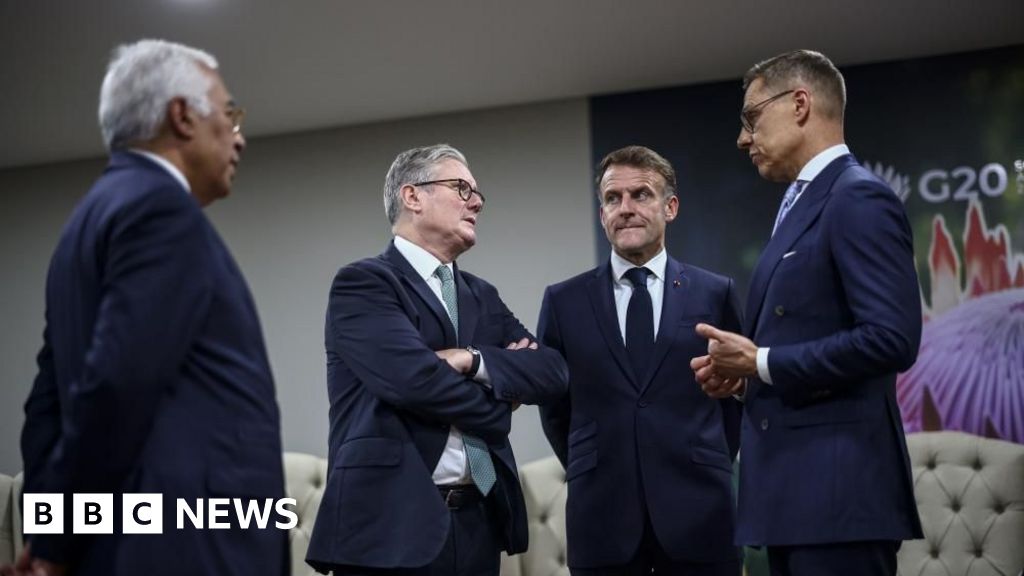
As Keir Starmer and other international leaders convene in European capitals, the emerging geopolitical landscape is fraught with uncertainties. The return of protectionist ideologies signifies a decisive shift away from multilateralism, threatening a new era of economic nationalism that could define the 21st century. This unfolding chapter underscores a critical point: decisions made in the corridors of power today will either forge a path toward renewed cooperation or plunge nations into prolonged confrontation. The weight of history presses heavily on this moment—each policy, each alliance, each confrontation writing a new narrative of global power and societal resilience.

Remembering Kenya’s Unsung World War Heroes

A Historic Reckoning: Revisiting Africa’s Unsung Battlefronts

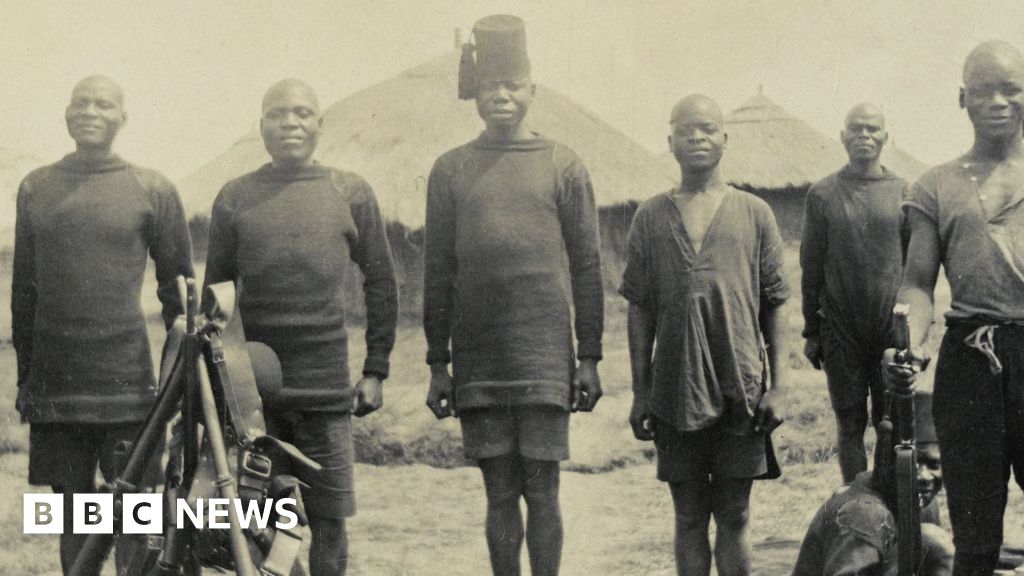
In a profound reminder that history’s shadows often conceal stories of sacrifice beyond privileged nations, recent revelations have cast a long-overdue spotlight on Kenya and the wider African continent. For decades, the role of African soldiers in the >international conflicts of the 20th century remained marginalized, their sacrifices buried in obscurity. Now, a groundbreaking initiative led by the Commonwealth War Graves Commission (CWGC) has begun unearthing military records that paint a fuller, more truthful picture. Yale-Historian and analysts emphasize that these discoveries challenge prevalent narratives, showing that **the fabric of world history is woven with the threads of African service**, often dismissed or forgotten in mainstream memory.

One poignant story disrupted the silence. Mutuku Ing’ati, a Kenyan man whose identity was lost to history for nearly 85 years, has recently been traced through colonial military archives. His family, from the Akamba ethnic group, had long mourned his mysterious disappearance, unaware of how far his service extended. In 1943, Ing’ati left his remote village of Syamatani, traveled hundreds of kilometers to Nairobi, and signed up as a private with the East African Scouts regiment. His death in action, verified by newly uncovered documents, underscores the silent sacrifices of thousands like him — men who responded to imperial calls and paid the ultimate price, often with no recognition or closure for their families.

Geopolitical Impact and Societal Consequences

This revelation allows us to reevaluate the geopolitical impact. The King’s African Rifles and other colonial units not only fought in key theaters in Tanzania and Mozambique during World War I, but also played roles in wider conflicts, including World War II. These African soldiers weren’t mere extras in a European or Asian war narrative — their efforts helped to shape global outcomes and challenged colonial borders and ideologies. As historian Patrick Abungu highlights, these stories are “not just dusty files,” but vibrant human experiences that have long been neglected in the West’s historical canon.

The recent recovery and preservation of thousands of colonial military records have underscored this point. They reveal a history where thousands of Africans enlisted, fought, and died, often without acknowledgment. The **CWGC’s** initiative to locate and commemorate these soldiers aims to give voice to their forgotten sacrifices. Such endeavors are vital because they challenge colonial-era narratives, fostering a sense of pride and identity among African nations. Moreover, how nations remember their history influences societal values and national unity. Reclaiming this past not only rectifies historical injustices but also empowers present-day youth with a sense of historical agency and resilience.

How Contemporary Decisions Reshape Future Legacies

As the CWGC and Kenya’s Defense Forces work tirelessly to trace these lost stories, their efforts have implications beyond memorials. They are laying the groundwork for a new, empowered narrative where African agency in global conflicts is recognized and celebrated. Education policies on the continent are beginning to integrate these revelations, ensuring future generations comprehend the __outsized contribution__ their ancestors made to world history. Such recognition could bolster a new pan-African identity rooted in sacrifice and resilience, redefining how Africa perceives itself on the international stage.

As one historian observed, “These records are not static; they are alive, telling stories that breathe anew relevance and purpose.” The ongoing process of remembrance, for many, is a confrontation with the past—one that refuses to let these stories fade away, no matter how many decades have passed. Nevertheless, the battle for historical truth continues, reminding us that the choices of yesterday ripple into the geopolitics of tomorrow, shaping societies and identities in ways we are only beginning to understand. This unfolding chapter in global history leaves us standing at a crossroads, where remembering the sacrifices of the past must propel us toward a more inclusive, truthful future—before these stories are lost to the inexorable tide of time, and history’s pen is permanently still.

Senate to vote on stopping illegal war against Venezuela — US politics update

As the world watches in increasing concern, the geopolitical landscape in the Western Hemisphere is rapidly transforming into a theater of heightened conflict and strategic maneuvering. At the forefront is the United States, embroiled in a complex web of military posturing, congressional power struggles, and economic warfare, all with profound implications for regional stability and global diplomacy.

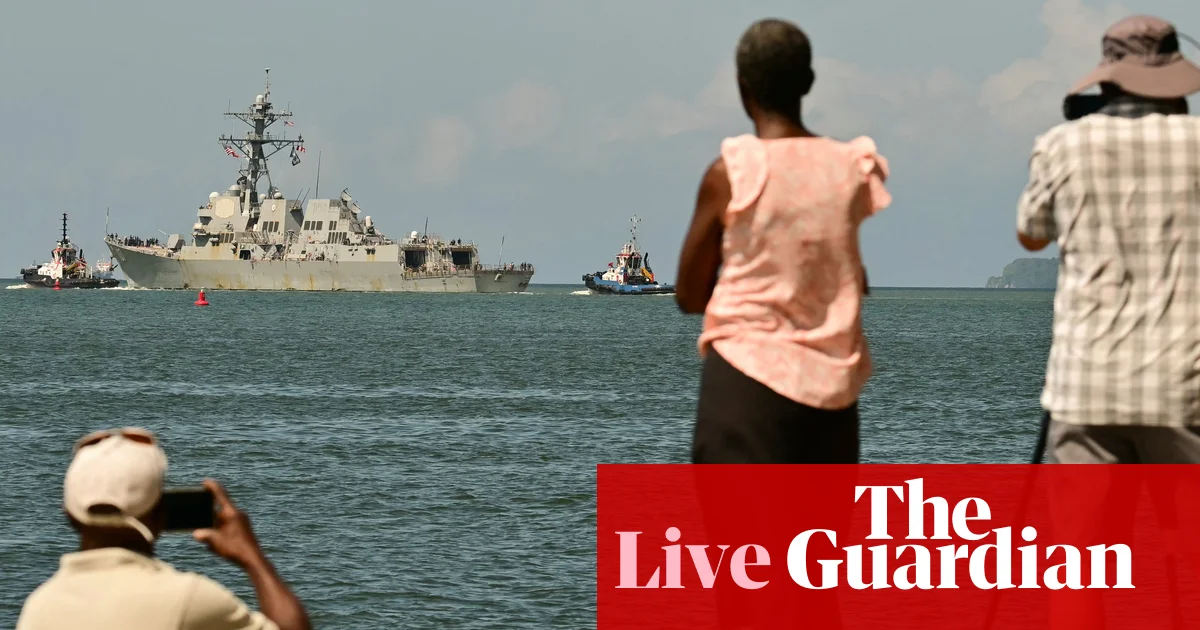
Recent developments reveal a concerted effort by the Trump administration to leverage military force, particularly in Venezuela. Reports indicate that discussions within the US government are gravitating toward authorizing land strikes—a move that would sharply escalate the ongoing covert and overt conflicts in the region. The Senate is now poised to vote on bipartisan legislation aimed at barring President Trump from initiating unauthorized military actions against Venezuela, a clear sign of growing congressional concern over unchecked executive power. Such legislation from Senators like Tim Kaine and Adam Schiff, along with Rand Paul’s support, underscores the deep bipartisan unease about the administration’s push for military intervention. Meanwhile, reports of aggressive US military deployments—including an aircraft carrier heading to South American waters and deadly strikes on alleged drug vessels—point to a hardening US posture that many analysts see as a replay of past interventions like Panama in 1989. The echoes of Operation Just Cause are unmistakable as the US seems determined to destabilize the Maduro regime, a move critics argue is driven more by strategic interests than genuine concern for regional sovereignty.

This militarization coincides with an aggressive economic stance. The US Supreme Court recently questioned the legality of Donald Trump’s tariffs imposed under the International Emergency Economic Powers Act (IEEPA). Even the high court’s conservative supermajority appeared skeptical about the president’s authority to levy duties not explicitly authorized by Congress, raising questions about the legality of economic sanctions that have far-reaching effects. Analysts warn that, regardless of the court’s ultimate ruling, these unilateral measures weaken international economic stability and further erode the balance of powers between branches of government. Simultaneously, the ongoing government shutdown threatens to disrupt vital infrastructure, with potential cuts to flights and public services that directly impact both domestic and international mobility, economic stability, and regional security.

On the diplomatic front, Trump’s engagement with China took a notable turn as he reportedly appealed to Xi Jinping to intervene in the case of jailed Hong Kong media tycoon Jimmy Lai. This move signals a broader strategy to simultaneously project US influence and influence global perceptions of China’s internal governance. Meanwhile, the internal chaos within the US government—marked by protests from furloughed workers and legal challenges over detention conditions—exposes a nation divided against itself, with its institutions strained by persistent partisan battles. Historians and international bodies warn that such internal disarray complicates the US’s ability to project power and uphold international commitments, risking a decline in global influence and credibility.

As the chaos unfolds, so too does history a new chapter—one where America’s future remains uncertain, its choices echoing through the corridors of power and the streets of Venezuela, Panama, and beyond. The decisions made today are not just about policy—they are the shaping of a new geopolitical reality, whose true impact will be measured by the stones we cast into the waters of history. In this unfolding drama, the specter of conflict and the struggle for influence loom large, with each gamble drawing the world closer to a precipice. The weight of history presses heavily upon the present—what legacy will today’s leaders leave in the sands of tomorrow?

Trump questions chances of U.S. going to war with Venezuela

America’s Geopolitical Push in Latin America: A New Chapter Unfolds

In an era defined by shifting alliances and renewed military posturing, the United States under President Donald Trump reasserts its influence over Latin America with a series of provocative moves centered on Venezuela. From cautious diplomacy to overt military displays, Washington’s actions are stirring a hornet’s nest, with profound geopolitical impact that could reshuffle the regional balance of power and challenge long-standing norms of sovereignty.

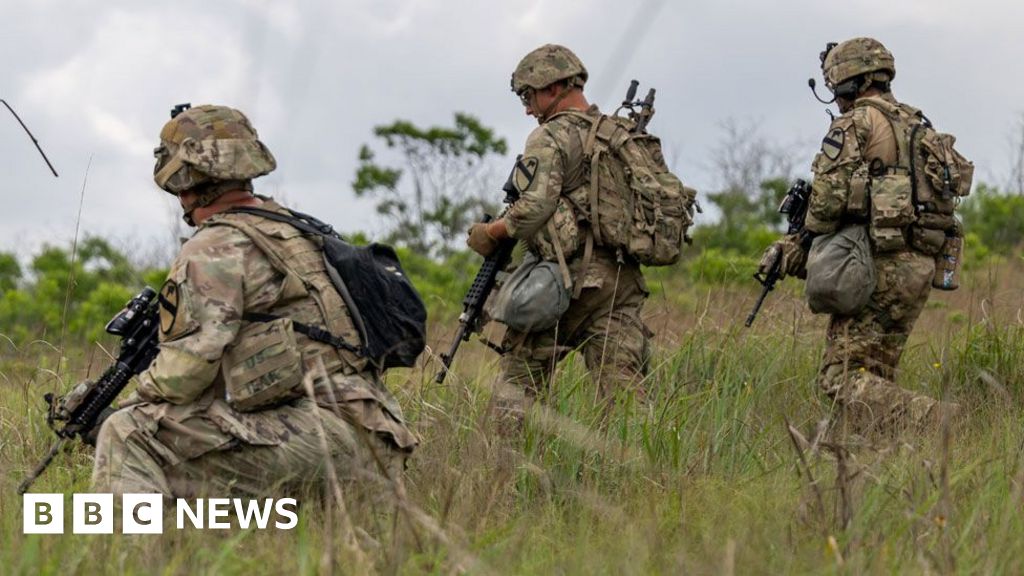
For months, the US has been amassing a formidable military presence in the Caribbean Sea, deploying warships, fighter jets, bombers like the B-52, and even contemplating nuclear testing—an escalation that analysts warn could destabilize the entire hemisphere. While the White House publicly denies plans for an invasion, President Trump’s rhetoric suggests a readiness for wider confrontation, with hints at possible “strikes on land” and the deployment of the world’s largest aircraft carrier. Such signals are loud and clear, with many experts, including international security analysts, warning that these actions are less about narcotics enforcement and more about regime change aimed at ousting Maduro.

This aggressive stance is perceived by many as an attempt to dominate Latin America’s political landscape—an initiative criticized by regional leaders like Colombian Gustavo Petro, who accuses Washington of “fabricating a new war.” Meanwhile, Venezuela’s government, led by Maduro, vehemently opposes what it calls a “US-led conspiracy,” framing recent US military demonstrations as an effort to destabilize and exert dominance over the struggling nation and its resource-rich territory. This scenario echoes the historical interventions that have marked the US’s approach to the Americas—decisions which, according to many historians, have often left scars of division and chaos.

Diplomatic Dilemmas and Rising Tensions

President Trump’s remarks during interviews with CBS revealed an unpredictable calculus—suggesting the US might pursue further aggressive actions yet also emphasizing ambiguity. While he dismissed persistent suggestions of a direct war, the deployment of long-range bombers and the authorization of the CIA presence signal a readiness to escalate. Such moves risk igniting regional conflict and draw international criticism rooted in the principles of sovereignty and peace. Scholars like Dr. Emma Johnson, a geopolitical analyst at the International Crisis Group, warn that this renewed brinkmanship threatens to undermine stability, pushing Latin America into a new “Cold War”-like environment where superpowers compete for influence on a new, dangerous frontier.

However, this escalation occurs against the backdrop of a broader global picture—rising tensions with Russia and China, both of whom are seeking to expand their own spheres of influence and challenge US dominance. For these nations, Latin America has become a strategic chessboard, and the US’s assertive posture may provoke responses that further complicate international relations. The potential for miscalculation increases as regional actors navigate between resisting external pressure and maintaining their sovereignty.

Decisive Moments and the Weight of History

As President Trump hints at resuming nuclear testing—an act that would defy decades of arms control agreements—the international community faces a sobering reminder of how quickly the balance of power can shift, with history often repeating itself in cycles of confrontation and reconciliation. The upcoming weeks may prove pivotal as diplomatic negotiations falter and military assets remain on high alert. The decisions made today will echo through the corridors of history, shaping the fate of nations and societies that have long stood on the edge of a new confrontation.

In this turbulent chapter of geopolitics, the global stage is set for a confrontation whose consequences could redefine the boundaries of international peace and power for generations. As the world watches nervously, the unfolding story leaves one inescapable conclusion: history is once again being written in a language of tension, tests of will, and the enduring quest for dominance. The question remains—will this chapter end in chaos or in a new understanding of power, diplomacy, and regional independence?

Trump urges China to step up and help end Russia’s war

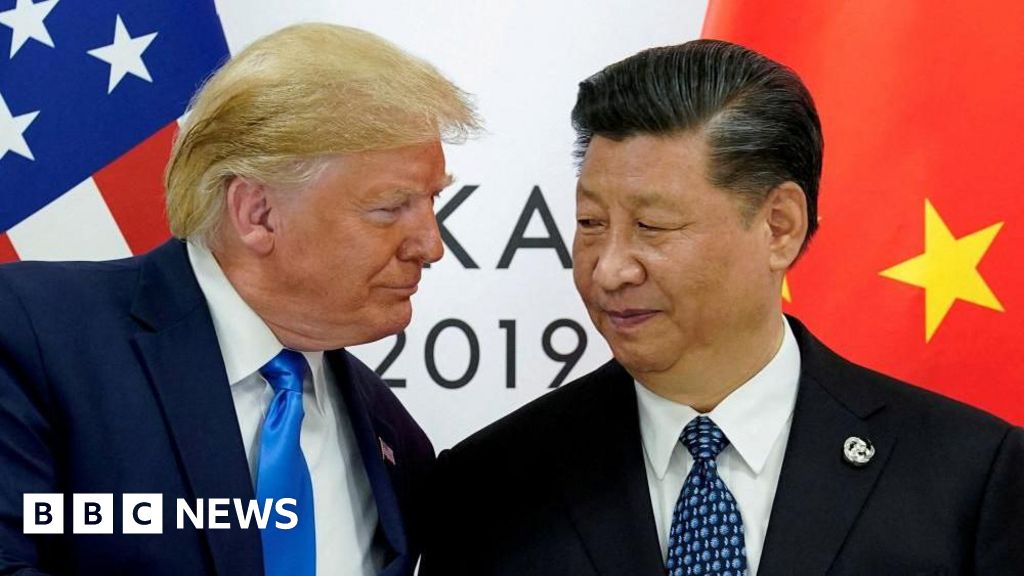
The recent developments in international diplomacy and military hostilities underscore a shifting geopolitical landscape, where the decisions of influential powers resonate across continents, impacting nations and societies alike. The meeting between former US President Donald Trump and Xi Jinping this week signals an effort to recalibrate relations amidst a backdrop of ongoing conflict in Ukraine. Despite the veneer of diplomatic dialogue, the underlying tensions remain palpable, as global institutions and nations grapple with the real consequences of this power struggle. History reminds us that such shifts can alter the course of nations for generations to come, and today’s decisions may define the future.

At the heart of these upheavals lies Russia’s unprovoked invasion of Ukraine, a conflict that continues to threaten stability in Eastern Europe. Russia remains aligned with China in a deepening partnership, emphasizing their shared interests in challenging Western dominance. Beijing’s unwavering diplomatic stance—never criticising Russia’s war and actively engaging in trade—has drawn accusations from the US and allies of aiding Moscow’s military campaign, which Beijing firmly denies. The recent summit in Beijing, with Putin and Kim Jong Un in attendance, served as a stark reminder of how these alliances are reshaping the region’s strategic landscape, presenting a united front that directly counters Western efforts to isolate Moscow.

The Western response to Russia’s military actions has increasingly involved economic sanctions and supply restrictions aimed at curbing Moscow’s war machine. Trump’s recent sanctions on Russia’s oil sector—the first direct interventions by the Biden administration—signify a possible shift towards more aggressive economic measures. Yet, analysts warn that Kremlin officials view such sanctions as “immune” to Western pressure, likely prompting Russia to seek alternative markets, particularly in China and India. The United Nations and European Union remain divided, with some voices calling for escalation, others urging caution, producing a fractured international response. This complex web of alliances and rivalries demonstrates how decisions made at the highest levels continue to ripple through the fabric of society, affecting millions who live in war zones, displaced refugees, and communities left vulnerable to economic turmoil.

As the US and China engage in a cautious dance over Ukraine, the broader geopolitical impact becomes increasingly evident. The recent meeting with Xi Jinping, where both leaders acknowledged “everything,” including Ukraine, exemplifies how sovereignties are intertwined with global ambitions. Beijing’s continued support for Moscow’s strategic goals—undermining Western sanctions while quietly bolstering Russia’s military and economic resilience—serves as a crucial turning point in the widening contest for international influence. The shadow of these decisions looms large, as the world watches a delicate balance between diplomacy and conflict, where the misstep of a single leader could plunge the planet into chaos. As historian John Mearsheimer warns, great-power competition is rarely peaceful, and today’s diplomacy must contend with the harsh realities of geopolitics.

In the shadows of this global chessboard, Ukraine remains a poignant symbol of what is at stake. The recent surge in Russian strikes, causing destruction and loss of life in Kyiv, underscores the unresolved nature of the conflict. Ukrainian President Volodymyr Zelensky appealed to the world for increased support, emphasizing that no nation should face such evil alone. Meanwhile, in Russia’s Belgorod region, the ripple effects of combat threaten local populations, with evacuations due to possible flooding caused by Ukrainian strikes. This ongoing horror story is a stark reminder that, regardless of diplomatic overtures, the true impact of these decisions is measured in lives disrupted and hopes shattered. The weight of history presses down, as the world steps closer to a new chapter—one written by power, conflict, and the indomitable will of nations to shape their own destiny amid the chaos.

El-Fasher faces crisis amid war crimes and looming food shortages

International Spotlight on Sudan’s Devastating Civil Conflict

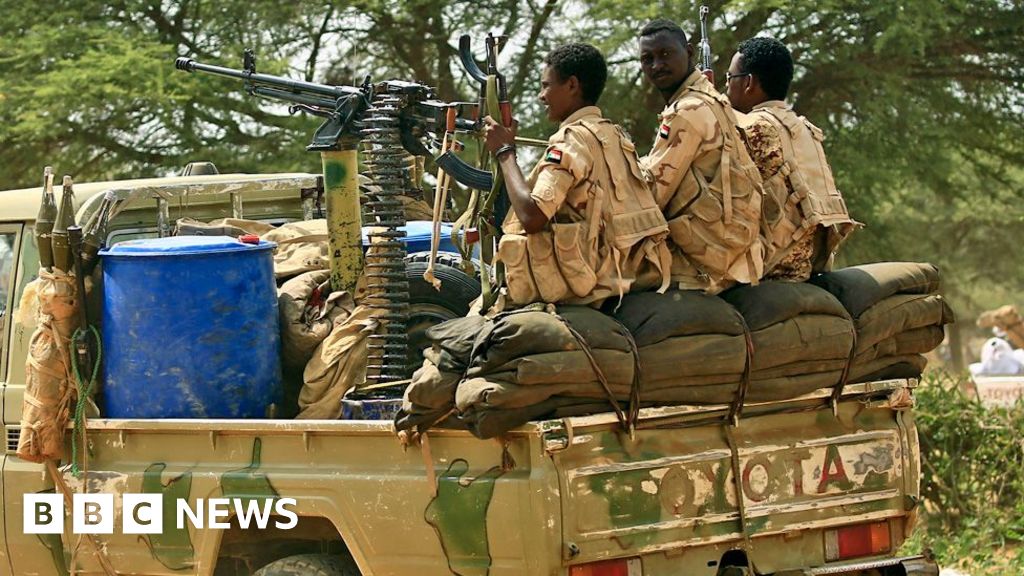
The recent escalation of conflict in Sudan has plunged the nation into its most severe crisis since the civil war erupted in April 2023. Satellite imagery and independent investigations reveal a disturbing pattern of war crimes committed by the Rapid Support Forces (RSF), a paramilitary faction with roots in the notorious Janjaweed militia. According to a research team from Yale University, the RSF has deliberately targeted civilians in the city of el-Fasher, an act against international humanitarian law that merits designation as war crimes. The city’s strategic position—surrounded by a 57-kilometer earthen wall completed by the RSF—has effectively cut off aid and escape routes, trapping an estimated 300,000 residents in what is fast becoming a death trap.

The international community’s response has been largely muted, with many analysts lamenting the absence of decisive action. Satellite images from Maxar Technologies depict the horrifying scale of civilian casualties, with over 60 new burial mounds established in the Daraja Oula neighborhood just within two weeks, signaling mass killing and unrelenting violence. The foundations of the conflict extend beyond mere civil unrest, revealing an evolving pattern of atrocities that threaten to constitute crimes against humanity. Historians and human rights experts warn that these acts of indiscriminate bombardment—targeting mosques, markets, hospitals, and shelters—are not only morally deplorable but also mark a dangerous slide towards lawlessness and chaos.

How Geopolitical Impact Shapes the Future of Africa and Global Stability

The geopolitical impact of this conflict reaches far beyond Sudan’s borders. The current chaos threatens regional stability, especially as it intersects with longstanding ethnic tensions and the lingering shadows of colonialism. Countries such as Egypt and Chad have vested interests in Sudan’s future, while the unrest fuels destabilization that could spill over into neighboring nations. The U.N. and African Union face mounting pressure to intervene, yet international efforts have been hampered by a lack of unified action and persistent diplomatic paralysis.

Globally, the crisis underscores the dangerous consequences of failing to address internal conflicts early. The tide of violence can easily morph into a regional proxy battleground, especially if external powers pursue conflicting interests. Analysts from organizations like the International Crisis Group warn that unless urgent diplomatic measures are enacted—such as ceasefire negotiations and humanitarian corridors—the violence could escalate toward a chaotic deconstruction of Sudanese society. The ongoing destruction of infrastructure and mass casualties threaten to undo decades of fragile regional stability, casting a long shadow over future peace and security in the Horn of Africa.

Humanitarian Catastrophe and the Lessons of History

As the conflict intensifies, humanitarian organizations report that aid efforts are virtually nonexistent. The survivors, confined to shrinking zones of last refuge—mosques, hospitals, and markets—are suffering from severe shortages of food, water, and medical supplies. Satellite imagery depicts horrific destruction, with “burn scars” on key buildings and evidence that civilians inside targeted structures have been burned alive. The research from Yale highlights that more than 174 people have been killed in recent attacks, with many more wounded in what experts label as acts that rise to the level of war crimes.

This unfolding tragedy echoes the darkest chapters of 20th-century conflicts where international inaction allowed atrocities to flourish unchecked. The failure of global powers to intervene decisively now risks permanently damaging Sudan’s social fabric and heritage. The warning signs are clear: without immediate intervention, this conflict could mark the beginning of a new era of regional destabilization and human suffering, leaving a scar on history that will be remembered as a preventable catastrophe.

As the world watches, the weight of history presses heavily upon the conscience of nations. The question remains—will this be a turning point toward justice and reconciliation, or another stark reminder of humanity’s failure to prevent genocide in the modern age? The answer lies in the decisions made today, decisions that will either condemn a nation to oblivion or forge its path toward a fragile peace, amidst the shadows of a conflict that still rages, unseen and unrelenting. Time is running out, and the pages of history are waiting to record whether this crisis will be a testament to collective failure or the catalyst for renewed resolve.

Trump declares 'war is over' in Gaza as he heads to Israel for hostage release
Trump declares ‘war is over’ in Gaza as he heads to Israel for hostage release

Global Power Dynamics Shift as Gaza Ceasefire and International Summit Unfold

The recent ceasefire agreement in Gaza, brokered through a 20-point peace plan spearheaded by former US President Donald Trump, marks a significant juncture in the ongoing Middle East crisis. As President Trump travels across the region, he publicly declares “the war is over,” signaling a potential turning point in decades of conflict. This declaration follows nearly a month of relentless violence that culminated in approximately 1,200 Israeli casualties and over 67,000 Palestinian deaths, according to Palestinian health authorities. The intense escalation was ignited by Hamas-led attacks on southern Israel on October 7, 2023, setting off a military response that has reshaped global geopolitical alignments.

The ceasefire, while a tentative step toward peace, is underpinned by complex negotiations on the next phases, including governance of Gaza and the disarmament of Hamas. Key agreements involve the release of hostages and detainees—twenty of the Israeli captives are believed to be alive, with Hamas also committing to deliver the remains of up to 28 deceased hostages. International observers warn that such agreements do not resolve the underlying issues but merely set the stage for delicate negotiations that could determine the fate of millions. Analysts emphasize that the decision to implement aid flows into Gaza—a critical humanitarian concern—remains contentious, with Israel emphasizing that aid deliveries are contingent on the return of hostages and the disarming of Hamas. How these decisions are executed in the coming days will have profound consequences for regional stability and international diplomacy.

At the same time, Egypt’s President Abdel Fattah al-Sisi is convening a pivotal international summit in Sharm El-Sheikh, where leaders from over 20 nations, including UK Prime Minister Sir Keir Starmer and Palestinian President Mahmoud Abbas, are set to assemble. This gathering aims to formalize a path toward ending the conflict, with a proposed document purportedly “ending the war in Gaza.” Notably, Iran’s absence at the table—citing grievances over alleged attacks on its people—raises questions about the unity and effectiveness of regional solidarity. Historians and geopolitical analysts have long warned that such diplomatic efforts are precarious, often countered by entrenched rivalries and external influences, making true peace elusive and temporary.

The geopolitical impact of these decisions resonates beyond the immediate conflict zone. Nations like the United States and Egypt are positioning themselves as arbiters of peace, implicitly countering regional adversaries such as Iran. Meanwhile, internal discord persists within Gaza, where residents describe devastation and a rising tide of internal violence, reflecting a fragile societal fabric scarred by warfare. Aid efforts, hampered by logistical and political barriers, remain insufficient amid widespread destruction and humanitarian crises. The unfolding scenario underscores that the history of the Middle East continues to be written with the bloodshed of its people and the strategic calculations of global powers, all vying for influence in a region where every decision can ignite or extinguish hopes for lasting peace.

As the world watches, the weight of history hangs heavy—a fragile ceasefire and international summit still mere chapters in an ongoing saga, with the potential to either forge a new era of diplomacy or plunge the region back into chaos. The coming days will reveal whether this fleeting moment of hope can withstand the forces that have long defined the Middle East’s tumultuous saga, or if the shadows of unresolved hatred and geopolitics will once again cast darkness over its future.

Social Media Auto Publish Powered By : XYZScripts.com