Matox News

Truth Over Trends, always!

US and Iran face limited choices as war drags on longer

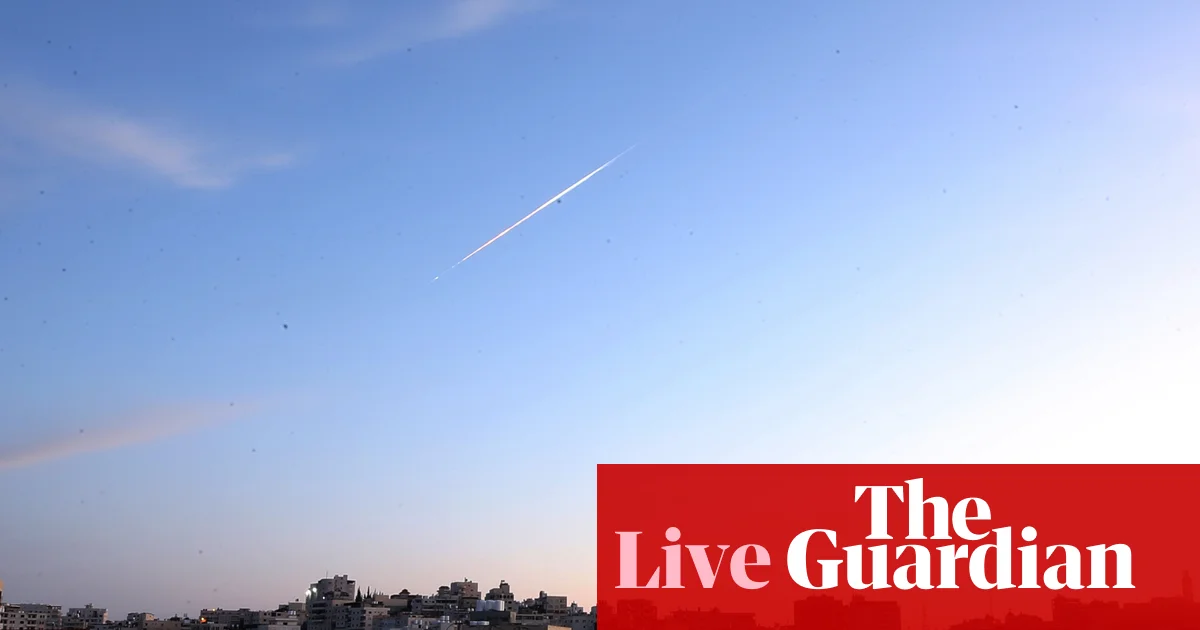
In a startling development that has reignited concerns over regional stability and global security, Iran reportedly launched two missile strikes towards the US-UK military base on Diego Garcia in the Indian Ocean. This event, occurring on a recent Saturday, marks a significant escalation in Iran’s military assertiveness, challenging the assumptions held by many analysts about the country’s missile capabilities. While the missiles failed to reach their intended target—stopping short of the 3,800 km distance—the incident has triggered alarm among international observers, who now question the true extent of Iran’s strategic threat.

The implication of this missile launch extends beyond regional borders. Historically, Iran’s missile range was believed to be capped at approximately 2,000 km, limiting its ability to project power far beyond its immediate neighborhood. However, the recent attempt, coupled with emerging intelligence indicating increased missile range, points to a potentially transformative shift in Iran’s military doctrine. Some experts, including military analysts and scholars in geopolitical strategy, suggest that the event signals Iran’s pursuit of a more offensive posture, aiming to extend its reach into critical global hotspots. This could reshape power dynamics in the Middle East and alter how Western nations plan their defense strategies in the face of a more capable Iran.

International organizations, including NATO and The United Nations, have responded cautiously but with heightened concern. The UN Security Council is under increasing pressure to assess whether this missile launch violates existing agreements and to formulate a coordinated response. Meanwhile, the Biden administration—along with allies in Britain—is reevaluating its military posture, emphasizing the need for robust deterrence measures. Critics argue that the incident exposes vulnerabilities in the current global security architecture, and some warn that Iran’s advancements could trigger a regional arms race, destabilizing an already volatile Middle East. Longer-term, the incident underlines the unpredictability of Iran’s shifting military capabilities, raising fears of miscalculations that could escalate into broader conflict.

Historians and international security analysts warn that this episode is not just a fleeting event but a turning point in Iran’s long-term strategic evolution. According to geopolitical experts, Iran’s actions demonstrate a desire to challenge the existing order, potentially undermining diplomatic efforts aimed at limiting its military development. As one senior analyst observed, “This missile launch is a message—an assertion of Iran’s intent to elevate its status as a regional power, regardless of international reservations.” The global community now faces a critical choice: continue with a policy of containment or confront Iran’s expanding military ambitions directly.

As history unfolds in real-time, the shadow of this missile incident looms large. Each decision made in response—whether diplomatic, military, or diplomatic—will shape the geopolitical landscape for decades to come. The world watches, knowing well that in the chess game of nations, today’s move could be tomorrow’s full-scale crisis. The stakes are high, and the outcome remains uncertain. What is certain is that the weight of history is once again shifting, and the path to stability has never been more perilous or more crucial to get right.

British-Iranians Raise Alarm Over Safety Amid Iran War Emergency

As the geopolitical storm in the Middle East intensifies, its repercussions are rippling across global cities, with London emerging as a flashpoint for Iranian diaspora tensions. Recent reports reveal a surge in concerns among Iranians living in the UK, fueled by escalating conflicts involving the US and Israel. The city’s sizable Iranian community, especially the district known as Little Tehran in Finchley, has become a battleground for ideological confrontations, protests, and fears of harassment. These developments underscore how international conflicts extend beyond distant borders, directly impacting societal cohesion and safety within diasporas. Analysts warn that such utterance of unrest—driven by pro-monarchy groups and factions aligned with Iran’s opposition movements—could have long-term social and security consequences for the UK.

Amid these tensions, law enforcement in London are caught in the middle, tasked with balancing the preservation of free speech and protest rights against the need to maintain public order. Recently, police officials have engaged with community leaders and increased patrols in affected districts, indicating an acknowledgment of the gravity of the situation. London’s police chief, Det Supt Katie Harber, emphasized that “the impact of events happening thousands of miles away” is felt locally, and that “many in our Iranian communities” are understandably fearful. This dynamic reveals a broader pattern: international conflicts are not confined to distant geopolitical theaters but play out tangibly within immigrant communities, fueling polarization and potentially escalating into violence or social fragmentation. Furthermore, the UK’s recent banning of the annual al-Quds Day march, citing risks of disorder, signals an alarming escalation where authorities are actively intervening in expressions of political and cultural identity—often under the guise of national security.

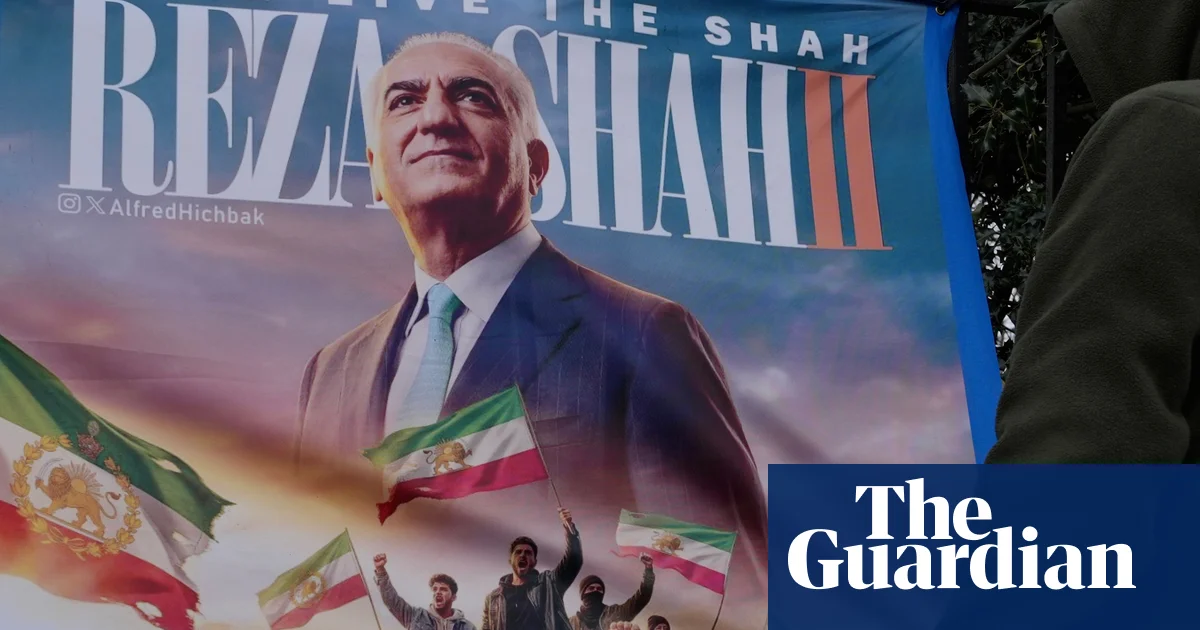
Meanwhile, the conflict’s international ramifications are mirrored in recent counterintelligence efforts, with UK authorities arresting suspected Iranian spies, reflecting fears of espionage and political meddling. These actions dovetail with growing calls from British-Iranian activists for the UK government to be vigilant and refrain from succumbing to external pressures or internal divisions. Notably, Reza Pahlavi, the exiled son of Iran’s former pro-Western monarchy, has garnered both support and controversy. Supporters advocate for his leadership as a potential unifier for Iran’s fractured opposition, while opponents critique the divisive nature of his political stance. A recent

  • petition demanding investigations into pro-Pahlavi groups

highlights how external political factions influence internal UK security and societal cohesion, prompting debate on how to navigate these complex foreign and domestic interests.

At the heart of this unfolding crisis lies a pivotal question: How will the UK and its allies respond to the expanding influence of Iranian opposition factions, and at what cost to civil liberties and social order? The narrative is still being written, with each incident pushing history closer to a potential tipping point. As experts warn of the risks of escalation—both within communities and geopolitically—the world watches a fragile equilibrium teetering on the edge. Today’s decisions and actions may determine whether London remains a welcoming haven for free expression or transforms into a battleground where history’s most profound divisions are played out. The weight of this moment, ripe with unresolved tensions, echoes a stark warning: the global struggle for influence and ideology continues to shape societies from afar, leaving the future uncertain, and the epoch of this conflict yet to be decided.

Anthropic Pushes Back: No, We Can’t Sabotage AI in War

Innovation and Disruption: Anthropic’s Claude Faces Military, Regulatory Challenges

The rapidly evolving landscape of artificial intelligence continues to reshape the boundaries of innovation, with Anthropic emerging as a significant player in the generative AI domain. The company’s flagship model, Claude, exemplifies cutting-edge advancements in natural language processing (NLP), promising to revolutionize how military and government agencies utilize AI for strategic analysis, data interpretation, and operational planning. However, ongoing disputes with U.S. defense agencies highlight the complex interplay between technological disruption and national security concerns, with profound implications for the future of AI deployment in high-stakes environments.

Recent court filings reveal that Anthropic adamantly opposes claims from the Trump administration suggesting its AI model could be manipulated or disabled during military operations. Underlying this dispute is a fundamental question: can the innovative flexibility of generative AI coexist with rigorous security and control measures demanded by government entities? The company’s legal representatives, including Thiyagu Ramasamy, emphasize that their technology is designed with strict access controls, denying any “back door” or remote “kill switch” that could be exploited to disrupt critical missions. This stance underscores a key industry trend: the push for “security by design” in AI systems, especially for sensitive applications such as defense.

The Pentagon’s utilization of Claude for data analysis, memo writing, and battle-plan generation underscores the disruptive potential of AI in transforming military logistics and decision-making. Yet, this same power opens up avenues for regulatory and operational risks, prompting wariness among policymakers. Defense Secretary Pete Hegseth has labeled Anthropic as a supply-chain risk, effectively barring Department of Defense use—an act that signals a broader industry shift: government agencies are increasingly cautious about integrating advanced AI solutions without comprehensive safeguards. This decision could potentially stifle innovation within government contracts but also serves as a warning: the demand for trustworthy, transparent AI is catching up with technological capabilities.

Despite their strict stance, Anthropic has sought to reassure the government through legal and contractual negotiations. The company proposed language guaranteeing non-interference in military decision-making and committed to providing updates only with official approval—demonstrating a recognition that the future of disruptive AI hinges on collaboration between innovators and regulators. However, negotiations stalled, and the Department of Defense has publicly stated that security concerns take precedence, emphasizing that “tolerating risks that could jeopardize critical military systems is unacceptable.” Such tensions reveal an industry at a crossroads: balancing the rapid pace of AI innovation with the imperatives of national security.

Looking ahead, the industry must reckon with the profound implications of these conflicts. Anthropic’s situation exemplifies a broader trend— the race to develop and deploy advanced AI is not just about technological milestones, but about establishing frameworks that safeguard against misuse while fostering innovation. As firms like OpenAI, Google, and Microsoft continue to push boundaries, industry analysts like Gartner warn that a lack of clear regulation could lead to disruptions, ethical quandaries, and potential setbacks in AI adoption. Furthermore, the emergence of military-specific AI safeguards and strict government controls could either serve as catalysts for responsible innovation or hamper the disruptive potential that makes AI a game-changer.

In a technological landscape defined by rapid disruption and high stakes, the imperative for clear, robust security measures paired with an unwavering commitment to innovation is more urgent than ever. The future of AI’s role in national security— and the global tech race— hinges on how well industry leaders, policymakers, and regulators can align on frameworks that prioritize both progress and safety. As the next chapter unfolds, the world watches with anticipation: the next decade will determine if AI remains a disruptive force driving progress or a risk that could undermine the very foundations of security and innovation.

Top US Counterterror Chief Quits Over Iran War, Warns Trump to Change Direction

Recent statements by National Counterterrorism Center Director Joe Kent have reignited debates surrounding the origins of America’s ongoing conflicts in the Middle East. Kent claims that former President Donald Trump “started this war due to pressure from Israel and its powerful American lobby,” casting new light on the complex web of international influence that shapes U.S. foreign policy. These remarks serve as a stark reminder that decisions made at the highest levels often have profound and lasting geopolitical consequences, influencing the stability and security of nations far beyond America’s borders.

This assertion prompts a reassessment of how external pressures from special interest groups and foreign allies can sway American policy, especially in volatile regions like the Middle East. Historians and analysts have long debated the extent to which domestic lobbying impacts presidential decision-making. According to the International Institute for Strategic Studies, such influence often steers war efforts in directions that may prioritize geopolitical interests over national security, leading to prolonged conflicts with difficult resolutions. While the precise instances and motivations behind Trump’s policies remain contentious, the broader discussion underscores an enduring question: how much of America’s foreign engagements are genuinely driven by national interest versus external pressures?

In addition to domestic debates, this revelation has significant geopolitical impact. The Middle East, a nexus of geopolitical rivalries, remains deeply entwined in U.S. foreign policy calculations. The region’s long history of conflict has been compounded by decisions influenced by external lobbying, which in turn alters alliances and military commitments. International organizations, such as the United Nations, warn that such external pressures could exacerbate regional instability, heightening risks of escalation and long-term unrest. Moreover, the implications for societies within these nations are profound: prolonged military interventions often lead to human suffering, economic devastation, and the destabilization of entire communities.

The role of powerful lobbies and allies remains a contentious subject. Critics argue that when foreign interests dictate policy, it undermines the sovereignty and self-determination of the nations involved. Such influence often results in policies that favor external actors at the expense of long-term peace and stability. As international political analysts caution, the potential for these decisions to ignite broader conflicts remains a lingering threat. Considering the recent revelations, many are urging policymakers to examine how external pressures shape decisions on the global stage, with some foreseeing a future where conflicts are prolonged by external interests rather than national security needs.

As history continues to unfold, the weight of past decisions remains etched into the fabric of global politics. The question persists: will future generations view these moments as the turning points where geopolitics was manipulated for short-term gains, or as lessons that could usher in a new era of sovereignty and genuine peace? The ongoing debate invites citizens, leaders, and international observers alike to scrutinize the true drivers behind the conflicts that define our era. In a world teetering on the edge of new alliances and ancient rivalries, the final chapters of this complex story are yet to be written—and the shadows of history cast their long, uncertain gaze upon our future.

War bets spark outrage, fueling calls to crackdown on Kalshi and Polymarket

In recent weeks, international focus has intensified on the rapid proliferation of digital trading applications, which some critics argue pose significant threats to national security and economic stability. Governments and policymakers across the United States, European Union, and Asia are grappling with the implications of these platforms, which increasingly influence the global financial landscape. As the digital sphere becomes a battleground for influence and control, the debate over regulation and oversight has taken on urgent new dimensions.

One of the primary concerns voiced by critics involves the facilitation of unseemly, and potentially illegal, activities such as war profiteering. Investigations suggest that certain apps are used to manipulate markets, generate insider trading opportunities, and enable corruption on a scale that erodes societal trust in the financial system. These allegations have prompted calls for a concerted crackdown, with analysts warning that these platforms could serve as vectors for destabilizing geopolitical influences. The Financial Stability Board and INTERPOL have both issued statements underscoring the importance of international coordination to combat these emerging threats.

Furthermore, the US Justice Department and the European Commission are exploring legislative and regulatory measures aimed at curbing illicit activities facilitated by digital trading apps. Critics contend that these platforms, while innovative, have often operated in regulatory grey areas, enabling cybercriminals, rogue states, and internal actors to exploit emerging vulnerabilities. The interplay of digital sovereignty and national security has become central, with some nations warning that unchecked activity might compromise vital infrastructure and diplomatic relations. The ongoing debate underscores the crucial need for a new framework—one that balances innovation with oversight—lest society become prey to unseen manipulations hiding behind technological facades.

Experts like renowned geopolitical analyst Dr. Emily Carter warn that these patterns foretell a future where digital platforms serve as battlegrounds for power, influence, and control. Historically, unchecked technological advancements have often heralded either unprecedented prosperity or profound instability; the current trajectory suggests this is no exception. As international organizations, national governments, and the private sector navigate this complex terrain, the decisions made—or deferred—will shape the geopolitical map for decades to come. The question remains: will they seize the opportunity to forge a more secure digital future, or will they allow new vulnerabilities to deepen our collective peril?

In the silent corridors of power, where decisions are often shrouded in secrecy, the story of the digital age’s true battle for sovereignty is still being written. The stakes could not be higher, for the aftermath may well determine whether nations remain stewards of stability or fall prey to the chaos of unchecked ambition.

Iran War Could Hit Global Food Supplies, Fertilizer Exec Warns

In a striking warning to the international community, Svein Tore Holsether, CEO of the prominent Norwegian fertiliser giant Yara International, has sounded the alarm over the profound geopolitical impact of the ongoing conflict involving Iran. As the war drags on, it threatens to unleash a cascade of disruptions across the global food system, especially in regions already vulnerable to hunger and economic instability. Holsether’s comments highlight a critical juncture, emphasizing that the conflict’s regional tinderbox status could ignite a worldwide food crisis, if decisive international measures are not swiftly implemented.

The core of the crisis lies in the vital raw materials used in fertiliser production, predominantly sourced from the Gulf region. Since the conflict erupted two weeks ago, prices for key components like urea and ammonia have skyrocketed, with urea soaring from $487 to $700 per tonne. This surge, driven by the blockade of Gulf ports and the turmoil in Iran and Qatar, has slashed supply lines—constituting roughly a third of the world’s urea and a quarter of globally traded ammonia. As Holsether underscores, cutting off these critical supplies could reduce crop yields by up to 50%, jeopardizing the harvests of staples such as potatoes and cereals in Europe and beyond. The economic and nutritional impacts threaten to cascade into a broader famine scenario for impoverished nations, especially in Africa and Asia, where reliance on imported fertiliser is higher.

Adding to the crisis is the skyrocketing price of natural gas, fundamental for synthesizing nitrogen in fertiliser production. Holsether notes that gas prices have increased exponentially, forcing production cuts in key regions like Iran and Qatar while prompting Asian governments to ration supplies. This double impact—limited raw material availability and inflated energy costs—puts the entire global fertiliser industry on a fragile brink. The United Nations and numerous analysts warn that these disruptions are not confined to economic repercussions alone but threaten to dismantle the very fabric of global food security. As international institutions scramble to assess the potential for famine and social unrest, the message from many experts is clear: the world must act quickly before hunger becomes an unmanageable specter in the developing world.

The geopolitical impact of these events extends beyond mere economics, challenging longstanding alliances and regional balances of power. Europe, with its significant purchasing power, may outbid less wealthy nations, exacerbating inequalities and fueling international tensions. Countries like India and South East Asian nations are already considering gas rationing and stockpiling, foreshadowing a potential global scramble for vital resources. The discourse among historians and geopolitical analysts emphasizes a sobering reality: this conflict could reshape international trade and diplomatic relations for decades to come. As the attack on Iran persists, policymakers stand at a crossroads—whether to escalate the conflict or seek pathways toward de-escalation, understanding that the decisions made today will echo in the crises of tomorrow.

As the dust of this geopolitical upheaval begins to settle, if it ever does, history will remember this chapter as a defining moment—one where choices made amid the turmoil could either forge a more resilient global order or plunge humanity into an unanticipated era of scarcity and unrest. The fragile threads that bind global stability are stretching ever thinner, and in the shadows of this unfolding story lies a stark reminder: history’s weight is gathering, and the future remains unwritten—yet every day’s decision shapes the next wave of history’s relentless tide.

Lack of Iran War Plan Sparks Chaos, Threatens U.S. Military Future, Critics Warn

Escalation in the Middle East: A Turning Point in Global Power Dynamics

The recent conflict between the US and Iran has erupted into one of the most significant military interventions in the Middle East since the 2003 Iraq invasion. Under former President Donald Trump, the US launched overwhelming strikes aimed at toppling Iran’s leadership, marking a decisive shift from prior diplomatic efforts. Yet, as the military campaign unfolds, critics and analysts alike are warning that the aftermath could reshape the geopolitical landscape for decades to come, with ripple effects touching societies from Tehran to Washington, and extending globally.

The initial strikes caused devastating casualties, including the tragic death of 175 civilians in a girls’ school—an incident attributed to flawed targeting data, emphasizing how chaotic and unpredictable modern warfare has become. Iran’s military swiftly responded with a barrage of missile attacks, some of which disrupted regional stability by targeting US military assets in Kuwait and provoking firefights with drone strikes. The US military’s response, including the loss of six personnel, underscores the unexpected intensity and volatility of this conflict. Military analysts like Philip Gordon have noted that comprehensive planning was absent or incomplete at best, and the chaos seen thus far is consistent with the tactics Iran has historically employed—targeting neighbors and closing the Strait of Hormuz, a choke point vital to global oil supplies.

One of the most concerning turning points is the US decision to shift strategies from eliminating Iran’s nuclear ambitions to focusing heavily on opening the Strait of Hormuz. This strategic pivot, driven by economic imperatives—namely soaring oil prices—has injected an unpredictable element into an already complex conflict. As Michael Singh of the Washington Institute points out, each of these shifting objectives would require distinct military plans. Now, with Iran exercising its sovereign rights to blockade and threaten maritime trade, the risk of a protracted, globalized war looms large. The geopolitical impact here is profound—potentially dragging the US into a long, costly conflict that could diminish its military dominance and reshape alliances overnight.

Internally, US decision-making has been marred by prioritization of operational security over strategic coherence. The Trump administration’s efforts to bypass traditional diplomatic channels and excluded extensive planning with key agencies reflect a reckless approach, critics argue. This approach risks spreading resources thin, straining military capabilities across Asia and the Middle East—areas where adversaries like China and North Korea remain formidable threats. As Jennifer Kavanagh warns, the long-term consequences will likely include a significant erosion of US military power projection—an outcome that could alter global power balances for generations. The situation, as noted by historians and security analysts, resembles a critical historical juncture—one where decisions taken in the heat of momentous conflict could either cement US dominance or hasten its decline amid a shifting world order.

As this chapter in history continues to unfold, it leaves the international community at a crossroads—facing moral dilemmas, strategic ambiguities, and uncertain futures. The echoes of past interventions linger, warning that the pages of history often mark the beginning, not the end, of long-lasting global transformations. In the shadows of this chaos, the weight of present choices determines the course of the future—whether nations will find themselves embroiled in decades-long conflict or forge a new path toward stability. Time will tell if this is yet another turning point or the prelude to a darker chapter in the saga of international power.

Iranians in UK warn Starmer: War boosts Tehran regime amid US-Israel attack on Iran

The ongoing turmoil in Iran continues to redefine the landscape of international politics, with recent developments highlighting the escalating tensions surrounding the nation’s future. A coalition of prominent Iranian expatriates and former political prisoners, including the notable Nazanin Zaghari-Ratcliffe, has issued a compelling appeal to British Prime Minister Keir Starmer. Their letter underscores a nuanced plea: avoid being drawn into the current conflict, which they argue only serves to bolster the regime in Tehran. This sentiment echoes across a fractured global stance, illustrating a critical divergence in how Western nations approach Iran’s volatile situation.

The letter sharply counters narratives supporting regime change through military means, especially those fueled by diaspora figures such as Reza Pahlavi, the exiled son of Iran’s pro-Western former monarch. While Pahlavi and others advocate for a democratic transition, critics within the international community highlight the peril of armed intervention. Former U.S. President Donald Trump has also weighed in, suggesting a preference for internal leadership rather than external force, reflecting a broader debate about interventionism versus diplomacy. The signatories, including distinguished figures like Aras Amiri and Nasrin Parvaz, advocate for pragmatic and peaceable measures, such as providing Starlink technology to restore communication inside Iran—a move seen as essential for empowering domestic opposition and safeguarding human rights.

The recent escalation against Iran took a devastating toll, notably with the assassination of Iran’s 86-year-old Supreme Leader Ali Khamenei and his family by Israeli airstrikes on the war’s first day. Khamenei’s death has profoundly altered the country’s power dynamic, with his successor being one of his sons, Mojtaba Khamenei. Analysts warn that such targeted strikes risk further entrenching authoritarian rule and solidifying Tehran’s narrative of Western aggression. International organizations, including the United Nations, have expressed disquiet over the rising casualties and the potential for prolonged conflict in the Middle East, which could ripple far beyond regional borders. The destruction of Iran’s leadership not only destabilizes the nation but signals a ripple effect prompting shifts in alliances and strategic calculations across continents.

Underlying these events is a broader debate about how international decisions ripple through societies and influence future stability. The coalition of Iranian expatriates urges Western powers to avoid military escalation, emphasizing peaceful pathways that respect Iran’s internal sovereignty. They warn that misguided actions, such as assassinations or covert interventions, only serve to bolster the hardliners and deepen the cycle of repression and conflict. Meanwhile, geopolitical analysts like Samuel P. Huntington and institutions such as Foreign Policy Magazine caution that the current trajectory risks igniting a regional war, one with unpredictable outcomes that could reshape alliances in the Middle East for decades to come. The specter of a protracted conflict looms, reminding the world that the decisions made today may very well determine the course of history in Iran—and beyond.

As the dust begins to settle on a conflict that shadows the horizon, the weight of history remains inscribed in every action and reaction. The unfolding story of Iran’s internal struggle, shaped by international interference and regional power plays, continues to serve as a stark reminder that in the theatre of global geopolitics, every decision echoes with the potential to redefine the future. As young nations watch and wait, the question lingers: who will ultimately determine the next chapter? Humanity holds its breath, aware that this chapter is far from over—and that the pages yet to be written may be the most crucial of all.

War sparks clash over UK bases in Cyprus—youth voice concerns

The recent drone strike targeting the RAF Akrotiri airbase on the island of Cyprus has reignited longstanding debates over foreign military presence and sovereignty in the Eastern Mediterranean. Cypriot protesters have rallied under the banner “British Bases Out”, symbolizing a growing national movement demanding the removal of British military installations from the island. This incident not only underscores persistent regional security challenges but also exemplifies the broader geopolitical tension that continues to define this strategically vital zone.

The attack on RAF Akrotiri, a key British military outpost established during colonial times, rapidly drew international attention. Analysts and security experts have pointed out that while the drone strike was reportedly carried out by unknown actors, it highlights the vulnerabilities of foreign military bases situated in geopolitically contentious areas. Historically, Cyprus has been a focal point of regional rivalry among Greece, Turkey, and broader NATO interests. The island’s divided status—split between the Greek Cypriot south and Turkish-occupied north—has compounded these tensions, positioning Akrotiri as both a strategic asset and potential liability in the ongoing power struggles.

Global institutions such as NATO and the United Nations have expressed concern, with some calling for de-escalation and diplomatic negotiations. However, critics argue these calls are insufficient given the shifting strategies of regional and global powers. Historians like David Fromkin and Michael Cox have long emphasized that colonial-era military bases often act as flashpoints, symbolizing unresolved conflicts inherited from the past. The drone attack underscores how such remnants of the colonial era can become focal points in contemporary conflicts, affecting the lives of ordinary Cypriots and the regional balance of power alike. As the situation evolves, many see this as a stern warning that old security arrangements might no longer suffice in an era of rapid technological change and asymmetrical warfare.

  • Demonstrators in Cyprus are calling for the withdrawal of British military presence, citing sovereignty concerns and the risk of becoming a target in regional conflicts.
  • The incident has prompted renewed debates within NATO about the presence of non-member military bases in volatile zones.
  • Regional leaders, including the Turkish and Greek governments, continue to jostle over influence and security guarantees in the area.
  • International organizations warn that destabilization could spill over, threatening broader Mediterranean stability.

The geopolitical impact extends far beyond Cyprus itself. As analysts observe, Britain’s military footprint in the Mediterranean acts as a critical hinge in NATO’s strategic calculations. The growing calls for the closure or relocation of British bases in Cyprus reflect wider American and European concerns over militarized zones that are increasingly viewed as points of vulnerability rather than power projection. From the perspective of many young nationalist movements, the symbols of colonial legacy must be dismantled to forge a future rooted in sovereignty and regional stability. Yet, powerful international interests remain entrenched, complicating efforts to chart a clear path forward.

As the dust settles from this recent clash, the question lingers: will the winds of change finally sweep away the old colonial architecture of security, or will entrenched interests and geopolitical realities prolong this era of tension? History now watches—and waits—as this small but significant island continues to serve as a crucible for the struggles between past legacies and future aspirations. The unfolding story in Cyprus stands as a stark reminder that the true weight of history often rests in the choices of today, shaping the destiny of many nations yet to be written.

Australia Ready to Back Gulf Allies Against Iran, Will Stay Clear of Ground War — Wong

Australia Navigates Middle Eastern Turmoil Amid Geopolitical Shifts

As international powers scramble in the aftermath of recent military strikes against Iran, Australia finds itself caught in a precarious position within a rapidly evolving geopolitical landscape. While Canberra explicitly refuses to deploy ground troops into Iran, its willingness to provide logistical and military support—albeit within tight boundaries—underscores the complex balancing act facing allied nations amid the escalating U.S.-Israeli coordinated strikes and Iran’s retaliatory missile and drone attacks.

The Australian government, under the stewardship of Foreign Minister Penny Wong, has confirmed that it received requests for assistance from regional allies threatened by Iran’s mounting assaults. Nine flights have already evacuated Australians from the volatile Middle East, with additional flights scheduled, and hundreds have been bussed out of Qatar to nearby countries. Wong clarified that Australia is prepared to work through assistance measures targeted at defending the Gulf nations, but remains firm in its stance against offensive action—rejecting any deployment of combat troops into Iran and emphasizing adherence to a defensive posture instead. This position aligns with Australia’s broader policy of maintaining strategic independence, avoiding entanglement in regional conflicts that could draw its military into direct combat.

The geopolitical impact of such decisions is profound. Analysts note that Australia’s cautious approach seeks to preserve its international reputation while avoiding the pitfalls of overcommitment favored by some Western allies. Countries with a history of military intervention, like the United States and United Kingdom, have long debated the efficacy of troop deployments in volatile regions, but Australia—especially under current Prime Minister Anthony Albanese—has emphasized diplomatic and logistical support as the middle ground. Yet, this careful balancing act is increasingly scrutinized by critics who warn that the current trajectory risks aligning Australia too closely with US-led military endeavors, potentially dragging it into broader conflicts that serve geopolitical interests beyond national security.

International organizations and historians warn of the long-term consequences of this violent chapter. The United Nations has called for restraint, underscoring the danger of escalating a regional conflict into a wider world crisis. Veteran geopolitical analysts interpret Australia’s role as indicative of a broader trend: western nations are recalibrating their military priorities, emphasizing indirect support over direct engagement. Meanwhile, the ongoing conflict continues to reshape regional alliances, with Saudi Arabia and other Gulf states increasingly looking towards alternative power brokers, wary of the US’s militarized approach. As history reminds us, the decisions made today will echo through generations, shaping the fabric of international stability—or chaos.

In the shadows of this unfolding crisis, the weight of history presses heavily on the shoulders of modern leaders. With each missile launched and flight undertaken, the delicate chess game of geopolitics intensifies—drawing societies ever closer to the brink of chaos or stability. While Australia seeks to maintain a measured stance, the broader geopolitical impact leaves an undeniable imprint: a reminder that, in the theater of global conflict, the lines between diplomacy and war remain perilously thin, and the choices of today could determine the course of history for decades to come.

Social Media Auto Publish Powered By : XYZScripts.com