Matox News

Truth Over Trends, always!

AWS CEO Matt Garman Pushes to Keep Amazon Ahead in AI-Driven Cloud War

Amazon Accelerates AI Strategy to Secure Cloud Dominance Amid Rising Competition

In the rapidly evolving landscape of artificial intelligence (AI), Amazon Web Services (AWS) is strategically positioning itself to redefine enterprise cloud computing. While the company’s notable $8 billion investment in Anthropic garnered headlines, AWS’s broader initiative—focused on in-house foundation models, innovative chips, expansive data centers, and autonomous agents—is equally poised to disrupt the industry. According to AWS CEO Matt Garman, these cutting-edge offerings aim to cement AWS’s leadership by integrating AI as a core feature within enterprise applications rather than isolated experiments, signaling a transformative shift in how businesses deploy AI-driven solutions.

AWS’s latest innovations, announced at this year’s re:Invent conference in Las Vegas, exemplify a strategic plunge into AI infrastructure and application development. The company unveiled its Nova series of cost-efficient AI models, addressing the pressing demand for affordable yet robust AI solutions. Additionally, new autonomous agents capable of handling sophisticated cybersecurity and software development tasks—truly embodying the disruptive potential of AI—are set to elevate AWS’s value proposition. Moreover, with the launch of Forge, a platform that enables enterprises to train AI models on their proprietary data at reduced costs, AWS is emphasizing a tailored, secure, and economically viable approach to AI integration across industries.

This aggressive push not only underscores AWS’s belief in delivering reliable and affordable AI services but also highlights its strategy to embed AI deeply into enterprise ecosystems. Garman emphasizes that AI is no longer just a stand-alone tool but a pervasive feature embedded within large-scale applications—a trend that analysts like those at Gartner have identified as a pivotal shift towards AI-native software. By providing AI as an integrated, platform-based service, AWS aims to outpace rivals like Microsoft and Google, who are also making heavy bets on AI but often struggle with the same level of cloud-embedded innovation.

Nevertheless, the competitive landscape remains fierce, prompting questions about AWS’s long-term ability to sustain its momentum. Many seasoned industry observers note that Microsoft and Google are not idly watching AWS’s moves; instead, they are rapidly advancing their own AI capabilities. Yet, AWS’s strong third-quarter results signal that its current trajectory is resonating with enterprise clients seeking dependable, scalable, and cost-effective AI solutions. As enterprises increasingly expect AI to work seamlessly within their existing cloud infrastructure, AWS’s integrated approach positions it as a formidable leader. Future industry analysts, including those at MIT and leading tech investors like Peter Thiel, emphasize that this era of cloud-AI convergence is defining a new competitive frontier—where swift, relentless innovation will determine which giants dominate in the next decade.

Looking ahead, the challenge for AWS—and for the entire cloud industry—is to sustain this innovation push and to navigate the profound implications of AI’s integration into everyday business operations. As the AI revolution accelerates, those companies that embed AI deeply within their ecosystems today will likely emerge as the dominant players of tomorrow. The urgency for incumbents like AWS to maintain an aggressive and forward-thinking strategy has never been more critical, as the industry anticipates a future where AI is not just a feature but the foundation of all digital enterprise. As market shifts intensify and the AI arms race heats up, the next few years will undoubtedly be pivotal in determining the true innovator’s crown.
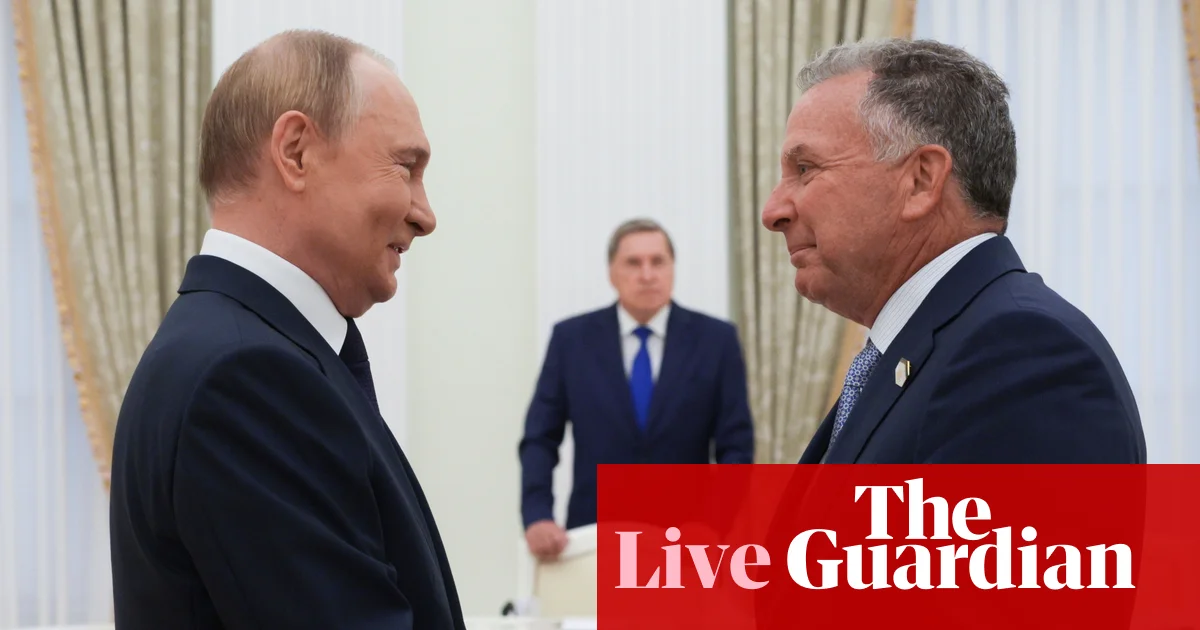
Ukraine War Update: Trump Ally Witkoff to Meet Putin in Moscow as US Pushes for Peace

Rising Tensions and Fragile Diplomacy: The Geopolitical Aftermath of the Ukraine Conflict

The ongoing conflict in Ukraine continues to shape the geopolitical landscape of Eastern Europe and beyond. As Vladimir Putin consolidates control over strategic territories such as Pokrovsk and Vovchansk—key towns believed to have fallen into Russian hands—international observers like NATO and the European Union watch with mounting concern. Despite the Kremlin refusing to confirm these reports, Moscow heralds these advances as successes, while Kyiv insists it remains in full territorial control. This ambiguity underscores the dangerous fluidity of the frontlines as Russia claims to have captured over 19% of Ukrainian territory—a stark increase since 2023—highlighting the persistent threat of a broader regional destabilization.

Amid these developments, Ukrainian President Volodymyr Zelenskyy remains resilient, asserting that Russia “must not be rewarded” for its invasion. His diplomatic efforts frenquently involve engaging with European leaders such as Emmanuel Macron and Friedrich Merz, seeking tangible security guarantees and reaffirmation of sovereignty. However, skepticism shadows these talks. Critics from the EU warn that the recent Putin-Witkoff negotiations risk pressuring Ukraine into concessions that could compromise its sovereignty or territorial integrity, casting a shadow over the fragile prospects for peace.

In this tense climate, Steve Witkoff, an envoy linked to Donald Trump‘s inner circle, plays a pivotal role. His recent meetings with Vladimir Putin in Moscow have reignited debates about the nature of American diplomacy. Analysts like Julian Borger note Witkoff’s controversial approach—advising Kremlin officials that land swaps and territorial concessions might be necessary. This approach has sparked fierce criticism, especially regarding the controversial 28-point peace proposal that seems to favor Moscow’s maximalist demands. The profound influence of such diplomatic maneuvering underscores how outside actors, including the United States, continue to shape the conflict, often blurring the lines between peace efforts and power plays.

The geopolitical implications of these negotiations are profound. As historians and international organizations warn, the consequences extend far beyond Ukraine’s borders. An escalation or miscalculation could ignite a broader conflict, dragging NATO allies into a wider confrontation. Meanwhile, Russia’s military advances have accelerated since 2022, with the fastest territorial gains recorded in recent months. The strategic importance of Pokrovsk as the gateway to Donetsk places immense pressure on Ukrainian forces, which refuse to acknowledge Russian territorial gains and remain committed to defending their sovereignty.

Apart from military conflicts, internal crises burden Kyiv’s efforts. Recent scandals involving corruption within Zelenskyy’s government threaten to undermine diplomatic and military strategies just as negotiations intensify. The recent missile attack by Russia in Dnipro, killing several civilians, reminds the world that the war’s human toll remains devastating. As the crisis unfolds, the balance of power, diplomacy, and internal resilience will determine whether Ukraine will triumph, concede, or endure a protracted stalemate— a chapter of history yet unwritten, teetering on the edge of transformation.

As history watches, the choices made in Moscow, Kyiv, and Western capitals hold the potential to redefine sovereignty and influence for generations. Will diplomacy prevail amid the chaos, or will the specter of escalation forever alter the course of modern geopolitics? One thing remains certain—this is a pivotal moment in the 21st century’s global struggle, with each decision echoing across a battlefield where the true winners and losers are yet to be determined. The unfolding chapter of this conflict reminds us all: the weight of history continues to hang in the balance.

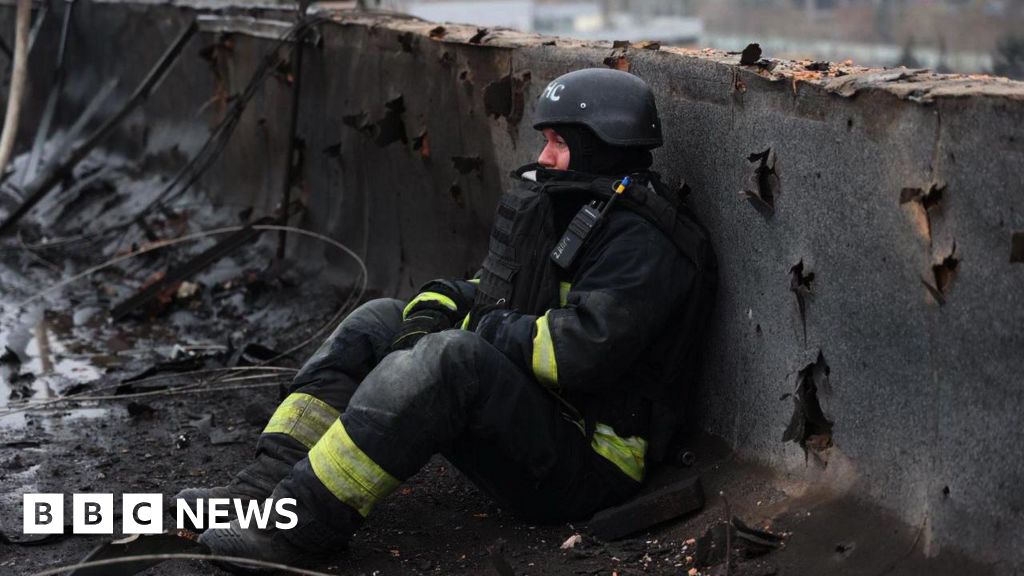
Four lives lost in Russian strike amid ongoing diplomacy to end the war

The ongoing conflict in Ukraine remains a flashpoint of international instability, with recent events underscoring the profound geopolitical impact of Moscow’s relentless military campaign. A Russian missile attack on the eastern Ukrainian city of Dnipro—resulting in four deaths and dozens of injuries—serves as a grim reminder that the war, now stretching into its second year, continues to exact a heavy toll on both civilians and military personnel. While unconfirmed reports suggest a ballistic missile was used, the attack exemplifies how Russia’s inability to fully impose its will has led to increasingly indiscriminate strikes, escalating tensions regionally and drawing international concern.

Significantly, these hostilities unfold amidst a complex web of diplomatic maneuvering. On the eve of structured peace talks, U.S. special envoy Steve Witkoff was scheduled to meet with Vladimir Putin in Moscow—an encounter that highlights Washington’s strategic involvement. Despite repeated visits by U.S. officials to Moscow, the reluctance to engage directly with Kyiv exposes the deep fractures in diplomatic consensus. Meanwhile, Kyiv’s leadership, represented by President Volodymyr Zelensky, has described recent negotiations as “very constructive” but admits there are still “tough issues” to resolve. This diplomatic dance underscores the tense and uncertain how decisions will shape future security—not only for Ukraine but for the entire European continent.

The opposing positions remain entrenched. Russia, under Vladimir Putin, insists on Ukrainian retreat from the Donbas, threatening an escalation by force if necessary, as Putin’s words indicate a readiness for prolonged conflict. Conversely, Kyiv, supported by its European partners and seeking NATO membership, argues that security guarantees are non-negotiable. The debate over Ukraine’s path forward—whether it should join a military alliance or receive other security assurances—illustrates the fundamental divide: Russia’s desire to prevent Ukraine from integrating with Western institutions at all costs, versus Kyiv’s aspiration for legitimate security protections deemed vital for sovereignty. Figures such as Donald Trump have explicitly opposed Ukraine’s NATO accession, further complicating an already fragile diplomatic landscape.

In parallel, political turbulence within Ukraine adds layers of complexity. President Zelensky has recently faced internal setbacks, including the resignation of his chief of staff, Andriy Yermak, amid a corruption scandal. These developments have fueled concerns that the Ukrainian government’s internal stability is being tested at a critical juncture. Meanwhile, Zelensky continues to rally support internationally, visiting France and planning trips to Ireland, seeking to boost morale and secure aid amid ongoing hardships. Such efforts are vital, as analysts warn that external and internal vulnerabilities may be exploited by Moscow to push for concessions, a tactic that critics argue favors Russian interests over Ukrainian sovereignty.

As the conflict enters its second year, the death toll exceeds tens of thousands, with millions displaced and the resilience of Ukrainian society under relentless strain. Many historians and international observers view this war as a pivotal moment in modern history—one that will determine whether the principles of sovereignty and regional stability can withstand the pressures of aggressive expansionism. The shadows of 2014 and the annexation of Crimea linger ominously, serving as a stark reminder that the choices made today will resonate for generations. With each missile fired and diplomatic effort launched, the world stands on the cusp of a historical turning point—where the clash of interests and ideologies could redefine the geopolitical landscape for decades to come, leaving an indelible mark on the pages of history.

West Overlooking Key Sanctions That Could Hit Russia’s War Effort

In the ongoing geopolitical struggle surrounding Russia‘s invasion of Ukraine, Western powers continue to adapt their strategies to weaken Moscow’s military and economic capabilities. A recent report by the civil society group Dekleptocracy reveals a series of obscure but potentially devastating vulnerabilities within Russia’s war economy, which could be exploited to further diminish its capacity to sustain the conflict. While previous sanctions targeted Russia’s oil industry, banking sector, and military supply chains, these new findings identify critical chemical dependencies that threaten to disrupt key elements of Russia’s military infrastructure. The analysis underscores how geopolitical decisions impact not just power balances but the very fabric of society within Russia, as shortages in specialized chemicals could lead to logistics failures, reducing its operational effectiveness.

The report emphasizes that the supply chain for specialized chemicals used in manufacturing military-grade tyres and mechanical lubricants remains vulnerable. Despite Russia’s economic resilience, it lacks robust domestic production of these lesser-known yet vital chemicals. For instance, Chinese firm Xinxiang Richful, which supplies up to eight million kilograms of lubricant additives annually, has recently established operations in Virginia, risking U.S. sanctions that could choke off its supply. Experts warn that constraining such suppliers would create immediate mechanical shortages among the Russian military and civilian sectors, ultimately impairing logistical operations. In the words of Tom Keatinge, director at the Royal United Services Institute, “as long as Russia continues procuring essential components for its military, sanctions must evolve and tighten to remain effective.”

However, the challenge extends beyond targeting supplier entities; enforcement of secondary sanctions remains a critical concern. While recent measures have hit major oil producers like Rosneft and Lukoil, gaps in enforcement allow Russia to circumvent restrictions through third-party intermediaries. Keatinge notes that “a successful sanctions regime relies not only on the identification of targets but also on diligent enforcement”—a point that underscores the importance of international cooperation. These measures aim to deny Russia the means to sustain its war effort, but without persistent vigilance, the regime risks unraveling as black markets and illicit procurement networks flourish.

This layered approach to sanctions reflects a broader understanding of Russia’s economic vulnerabilities, which extend into chemical production and other critical sectors. Historians and analysts agree that leveraging these weaknesses could tilt the scales of the conflict. As DeKleptocracy collaborates with agencies like the Biden administration and Ukrainian groups, the strategic goal becomes clear: identify and exploit every fissure within Russia’s supply chain that could hamper its military machine. While Russia boasts a formidable oil industry, the nation’s inability to produce many of the specialized chemicals domestically exposes a chokepoint—a vulnerability that could have long-term consequences for its warfighting capabilities.

Ultimately, these efforts highlight a fundamental truth of modern warfare: victory is increasingly shaped in the shadows of global trade and economic policy. As the weight of history continues to build and shift—every decision to impose, enforce, or relax sanctions—the fate of nations remains intertwined with unseen technical vulnerabilities and strategic oversight. With each targeted disruption, the world edges closer to a new chapter in the ongoing cold confrontation, a chapter written not just in the language of tanks and missiles but in the delicate chemistry of global supply chains. The question remains whether the West’s relentless pressure will succeed in trimming the roots of Russia’s war machine before it’s too late—an epic struggle where every chemical molecule, every sanction, and every policy decision shapes the course of history.

U.S. Moves to End War in Ukraine Draw Careful Concerns from Allies

International Powers Confront The Future of Ukraine Amid Controversial Peace Plan

The unfolding saga of Ukraine‘s quest for sovereignty and security continues to shape the geopolitical landscape in profound ways. Recent developments have seen U.S. efforts to forge a peace plan amid fierce resistance from Kyiv and its allies, casting a long shadow over the stability of Eastern Europe. The controversial 28-point blueprint, leaked and scrutinized from multiple angles, envisions territorial concessions from Ukraine, including the possible ceding of critical regions like Donetsk, Luhansk, and Crimea—a move that has ignited fierce debate over border legitimacy and national sovereignty.

European nations and Japan, unified in their concern, have issued a joint statement underscoring that the draft peace plan will require additional diplomatic work. They emphasize the principle that borders must not be changed by force, while voicing apprehensions over limitations on Ukraine’s military capabilities—restrictions that could leave Kyiv vulnerable to future aggression. In Geneva, security officials from the UK, France, Germany, the US, and Ukraine are scheduled for critical discussions, recognizing the stakes are high. Historians warn that such concessions could set a dangerous precedent, emboldening authoritarian regimes and undermining international norms on territorial integrity, emphasizing the importance of safeguarding Ukraine’s sovereignty as a matter of global security.

Meanwhile, President Zelensky has issued a stark warning, framing the moment as “one of the most difficult in our history”—highlighting the immense pressure Ukraine faces from Washington and Western allies to accept terms perceived as detrimental by Kyiv. Despite Zelensky’s declaration to pursue “constructive” negotiations, the key question remains: how will Ukraine balance the imperative of national dignity with the harsh realities of geopolitics? The leaked US draft proposes Ukraine’s military withdrawal from key territories and potentially limiting its armed forces to 600,000 personnel, while offering “reliable security guarantees” and promising reintegration of Russia into the global economy—an offer Moscow might interpret as a capitulation or a means to reassert its influence. Such proposals not only threaten Ukraine’s territorial integrity but also risk destabilizing the entire European security order, especially as the EU and NATO await consent on military and diplomatic implementations.

The regional balance of power hangs in the balance, with Vladimir Putin signaling that the draft could serve as a “basis” for settlement, but also remaining uncompromising in his rhetoric. Moscow’s willingness to show “flexibility” is paired with preparations for ongoing conflict, as Russian forces continue slow advances in Ukraine’s southeastern regions. Military analysts warn that concessions could be exploited by Moscow, paving the way for a prolonged proxy conflict, risking regional destabilization and global economic repercussions. The current situation has precipitated a dynamic contest of wills among world powers, with the outcome poised to redefine the 21st-century balance of authority. The weight of history presses heavily upon the unfolding negotiations, and as global leaders navigate treacherous diplomatic waters, the fate of Ukraine remains a poignant symbol of resistance, sovereignty, and the enduring quest for international stability. History will record whether the choices made today can forge a path toward lasting peace or herald a new era of geopolitical division.

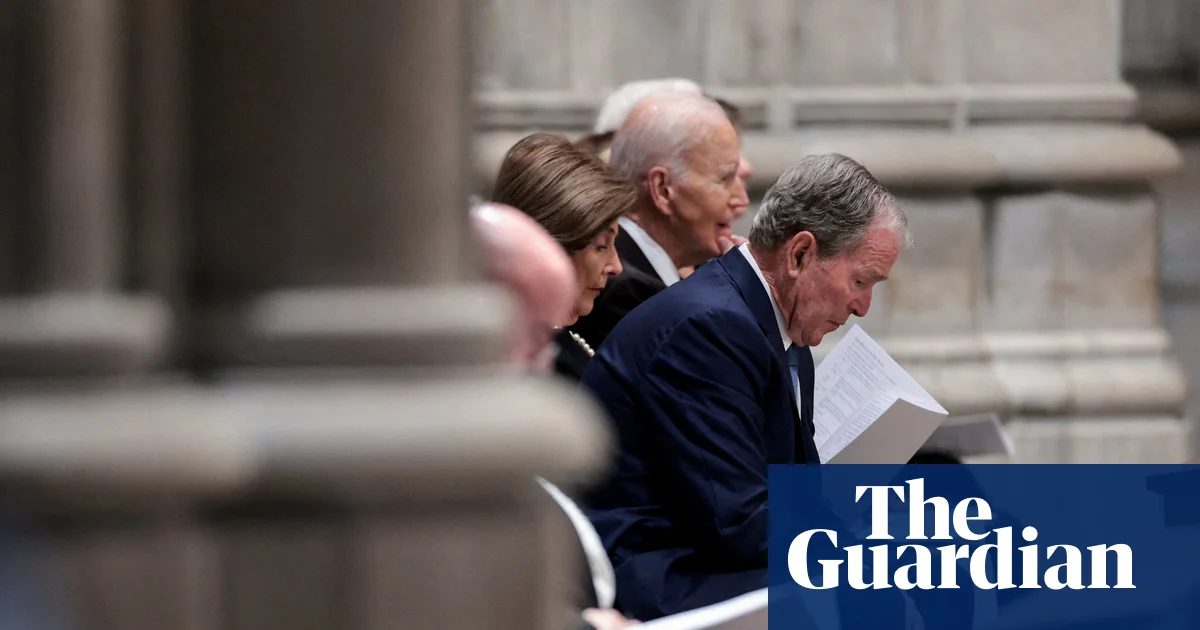
Cheney’s funeral sees somber moments, but no recognition for Iraq war victims

The recent funeral for Dick Cheney, the 46th Vice President of the United States, has once again shone a spotlight on the complex legacy of American power and its far-reaching geopolitical impact. Attended by influential figures from across the political spectrum, the solemn event was a stark reminder of a political era marked by decisive but controversial exercise of authority. Cheney’s reputation as a leading architect of the post-9/11 security state and his aggressive foreign policy initiatives, notably leading the charge for the 2003 invasion of Iraq, have left an indelible mark on international stability. Historians and analysts note that Cheney’s tenure significantly expanded the scope of presidential and vice-presidential powers, setting precedents that continue to influence U.S. global strategy today.

  • Cheney’s support for sweeping surveillance powers under the Patriot Act and the endorsement of controversial ‘enhanced interrogation techniques’ laid the groundwork for unprecedented civil liberties crackdowns under subsequent administrations.
  • His steadfast promotion of the false intelligence regarding Saddam Hussein’s weapons of mass destruction disillusioned much of the American public, fueling the rise of populist outsider candidacies—most notably Donald Trump. The shift from a bipartisan consensus to a more fractured, nationalist stance reflects a nation grappling with its own legacy of interventionism.
  • Amidst the reverent proceedings, George W. Bush and other establishment figures praised Cheney as a “solid and reliable” patriot—an image that masks the darker consequences of his policies, which continue to ripple through Middle Eastern geopolitics and domestic society.

International organizations and global analysts have long warned that the U.S. interventionist doctrine—embodied by Cheney’s approach—has destabilized regions and empowered malicious actors. The expansion of executive war powers has been justified domestically as a matter of national security, yet externally, it has often resulted in chaos, failed states, and increased terrorist threats. Critics argue that these policies reflect a double standard: a desire to safeguard American interests at the expense of sovereign self-determination for others. Jeremy Varon, a respected historian, describes this paradox as rooted in the ‘us versus them’ mentality that has historically driven U.S. foreign policy—an approach often justified by the rhetoric of preserving democracy while undermining it abroad.

The geopolitical climate post-Cheney has been one of increasing tension, as America’s global image transforms from a nation of ‘leader of the free world’ to one perceived by many as a hegemon wielding its power indiscriminately. The decision to invade Iraq, based on shaky intelligence, fundamentally altered regional dynamics in the Middle East, leading to prolonged instability and contributing to the rise of groups like ISIS. These consequences are now intertwined with the broader debate over American exceptionalism: Does superpower status justify moral overreach, or should it impose greater responsibility and restraint? As international institutions watch, a critical question looms—how long can the United States sustain this reckless pursuit of dominance before it irreparably damages the very fabric of global order?

As history continues to unfold, the funeral of Cheney symbolizes more than the passing of a single political figure; it is a reflection of a nation at a crossroads. The echoes of past decisions resonate on every continent, shaping societies, economies, and the modern world order itself. Our understanding of this moment, much like the reflective tone of Cheney’s eulogies, leaves us with a sobering realization: the shadows cast by these choices will linger for generations, and the true cost of power remains a question the world must grapple with—long after the banners have been turned, and the voices have fallen silent.

Reform’s Benefit Cuts Could Spark Trade War with EU, Labour Warns

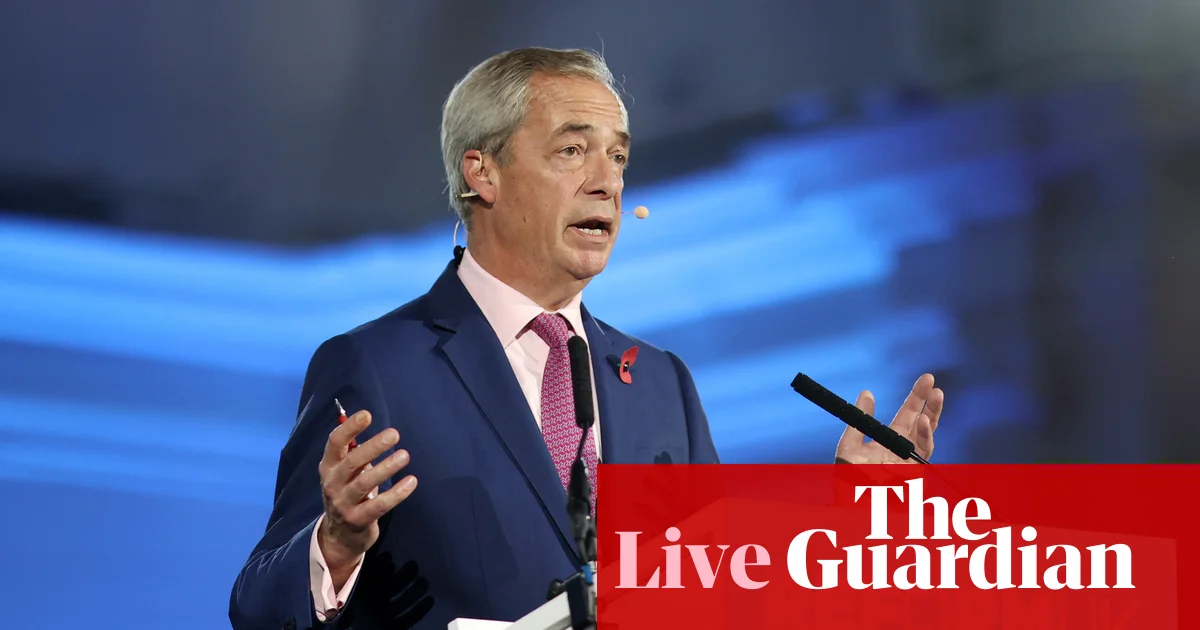
As the world continues to grapple with the aftermath of widespread political shifts and economic realignments, recent developments underscore a powerful surge of nationalist sentiments and protectionist policies that threaten the stability of traditional international alliances. The United Kingdom, for instance, stands at a nexus of these forces. The recent proposal by Nigel Farage, leader of Reform UK, to implement sweeping immigration and benefits reforms highlights this trend. These policies aim at removing the rights of EU nationals to claim benefits and increasing NHS surcharges, all purportedly to balance the nation’s finances. However, analysts warn that such measures could ignite a trade war with Europe, reminiscent of the Brexit dynamics that radically reshaped Britain’s relationship with its continental neighbors.

  • Farage’s proposals to slash benefits for EU nationals and hike visa costs are driven by a calculated desire to appeal to populist voters but raise significant geopolitical consequences. The potential breach of post-Brexit trade agreements, as indicated by Labour critics, could provoke retaliatory tariffs and other trade barriers, destabilizing the UK’s vital economic ties with the EU. Historian Dr. Mark Stevenson notes that “such unilateral moves, couched in nationalist rhetoric, risk unraveling decades of integration and economic cooperation.”
  • This wave of protectionism aligns with rising nationalist policies across Europe, exemplified by France’s far-right National Rally backing a wealth tax on the very rich—an approach Farage staunchly opposes, citing fears of high earners fleeing Britain. Nonetheless, polls demonstrate that a majority of Reform UK voters support a one-off wealth tax, revealing a societal undercurrent favoring redistribution measures that challenge free-market principles.

Meanwhile, the UK’s internal debates mirror these international tensions. Labour leaders, such as Steve Reed, have unequivocally stated that the proposed reforms would breach international trade commitments and could precipitate a trade conflict with Europe. The risks are exacerbated by the recent disclosure of rising net migration figures, which, despite declining estimates, factor heavily into the political calculus. The International Organization for Migration’s recent reports emphasize that such figures influence national policies, often stoking fears of cultural dilution—a narrative exploited by parties advocating strict border controls.

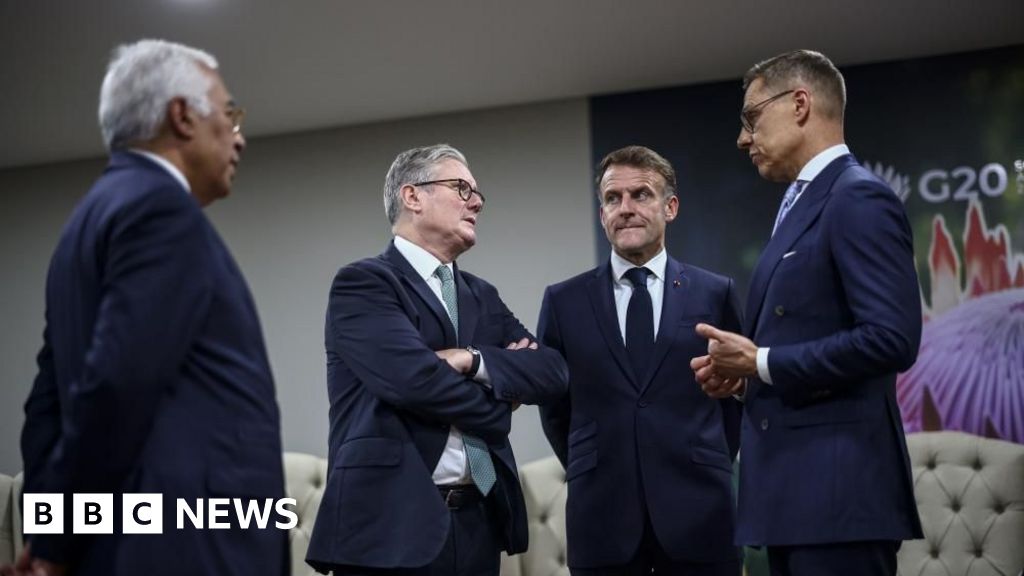
As Keir Starmer and other international leaders convene in European capitals, the emerging geopolitical landscape is fraught with uncertainties. The return of protectionist ideologies signifies a decisive shift away from multilateralism, threatening a new era of economic nationalism that could define the 21st century. This unfolding chapter underscores a critical point: decisions made in the corridors of power today will either forge a path toward renewed cooperation or plunge nations into prolonged confrontation. The weight of history presses heavily on this moment—each policy, each alliance, each confrontation writing a new narrative of global power and societal resilience.

Remembering Kenya’s Unsung World War Heroes

A Historic Reckoning: Revisiting Africa’s Unsung Battlefronts

In a profound reminder that history’s shadows often conceal stories of sacrifice beyond privileged nations, recent revelations have cast a long-overdue spotlight on Kenya and the wider African continent. For decades, the role of African soldiers in the >international conflicts of the 20th century remained marginalized, their sacrifices buried in obscurity. Now, a groundbreaking initiative led by the Commonwealth War Graves Commission (CWGC) has begun unearthing military records that paint a fuller, more truthful picture. Yale-Historian and analysts emphasize that these discoveries challenge prevalent narratives, showing that **the fabric of world history is woven with the threads of African service**, often dismissed or forgotten in mainstream memory.

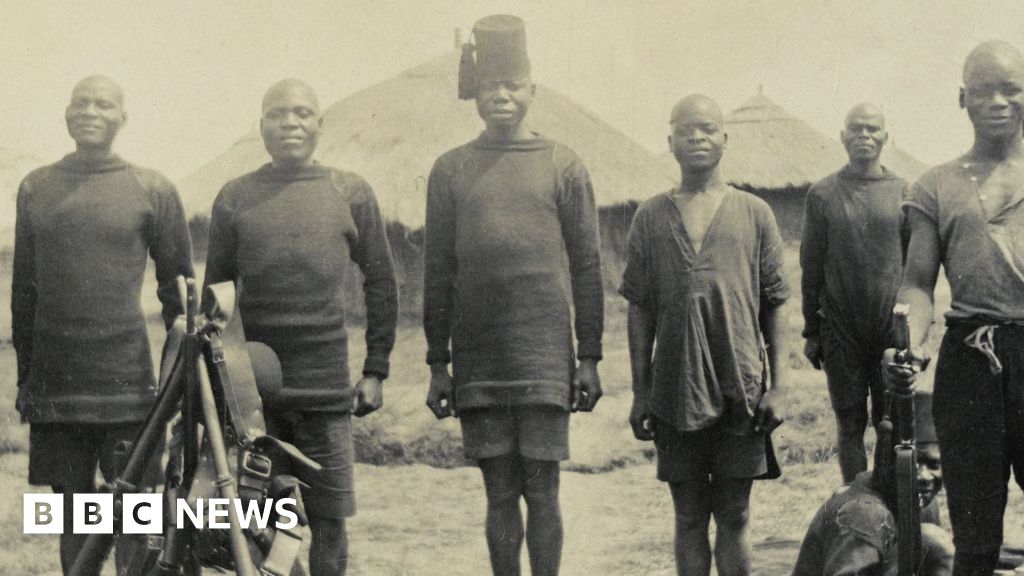
One poignant story disrupted the silence. Mutuku Ing’ati, a Kenyan man whose identity was lost to history for nearly 85 years, has recently been traced through colonial military archives. His family, from the Akamba ethnic group, had long mourned his mysterious disappearance, unaware of how far his service extended. In 1943, Ing’ati left his remote village of Syamatani, traveled hundreds of kilometers to Nairobi, and signed up as a private with the East African Scouts regiment. His death in action, verified by newly uncovered documents, underscores the silent sacrifices of thousands like him — men who responded to imperial calls and paid the ultimate price, often with no recognition or closure for their families.

Geopolitical Impact and Societal Consequences

This revelation allows us to reevaluate the geopolitical impact. The King’s African Rifles and other colonial units not only fought in key theaters in Tanzania and Mozambique during World War I, but also played roles in wider conflicts, including World War II. These African soldiers weren’t mere extras in a European or Asian war narrative — their efforts helped to shape global outcomes and challenged colonial borders and ideologies. As historian Patrick Abungu highlights, these stories are “not just dusty files,” but vibrant human experiences that have long been neglected in the West’s historical canon.

The recent recovery and preservation of thousands of colonial military records have underscored this point. They reveal a history where thousands of Africans enlisted, fought, and died, often without acknowledgment. The **CWGC’s** initiative to locate and commemorate these soldiers aims to give voice to their forgotten sacrifices. Such endeavors are vital because they challenge colonial-era narratives, fostering a sense of pride and identity among African nations. Moreover, how nations remember their history influences societal values and national unity. Reclaiming this past not only rectifies historical injustices but also empowers present-day youth with a sense of historical agency and resilience.

How Contemporary Decisions Reshape Future Legacies

As the CWGC and Kenya’s Defense Forces work tirelessly to trace these lost stories, their efforts have implications beyond memorials. They are laying the groundwork for a new, empowered narrative where African agency in global conflicts is recognized and celebrated. Education policies on the continent are beginning to integrate these revelations, ensuring future generations comprehend the __outsized contribution__ their ancestors made to world history. Such recognition could bolster a new pan-African identity rooted in sacrifice and resilience, redefining how Africa perceives itself on the international stage.

As one historian observed, “These records are not static; they are alive, telling stories that breathe anew relevance and purpose.” The ongoing process of remembrance, for many, is a confrontation with the past—one that refuses to let these stories fade away, no matter how many decades have passed. Nevertheless, the battle for historical truth continues, reminding us that the choices of yesterday ripple into the geopolitics of tomorrow, shaping societies and identities in ways we are only beginning to understand. This unfolding chapter in global history leaves us standing at a crossroads, where remembering the sacrifices of the past must propel us toward a more inclusive, truthful future—before these stories are lost to the inexorable tide of time, and history’s pen is permanently still.

Senate to vote on stopping illegal war against Venezuela — US politics update

As the world watches in increasing concern, the geopolitical landscape in the Western Hemisphere is rapidly transforming into a theater of heightened conflict and strategic maneuvering. At the forefront is the United States, embroiled in a complex web of military posturing, congressional power struggles, and economic warfare, all with profound implications for regional stability and global diplomacy.

Recent developments reveal a concerted effort by the Trump administration to leverage military force, particularly in Venezuela. Reports indicate that discussions within the US government are gravitating toward authorizing land strikes—a move that would sharply escalate the ongoing covert and overt conflicts in the region. The Senate is now poised to vote on bipartisan legislation aimed at barring President Trump from initiating unauthorized military actions against Venezuela, a clear sign of growing congressional concern over unchecked executive power. Such legislation from Senators like Tim Kaine and Adam Schiff, along with Rand Paul’s support, underscores the deep bipartisan unease about the administration’s push for military intervention. Meanwhile, reports of aggressive US military deployments—including an aircraft carrier heading to South American waters and deadly strikes on alleged drug vessels—point to a hardening US posture that many analysts see as a replay of past interventions like Panama in 1989. The echoes of Operation Just Cause are unmistakable as the US seems determined to destabilize the Maduro regime, a move critics argue is driven more by strategic interests than genuine concern for regional sovereignty.

This militarization coincides with an aggressive economic stance. The US Supreme Court recently questioned the legality of Donald Trump’s tariffs imposed under the International Emergency Economic Powers Act (IEEPA). Even the high court’s conservative supermajority appeared skeptical about the president’s authority to levy duties not explicitly authorized by Congress, raising questions about the legality of economic sanctions that have far-reaching effects. Analysts warn that, regardless of the court’s ultimate ruling, these unilateral measures weaken international economic stability and further erode the balance of powers between branches of government. Simultaneously, the ongoing government shutdown threatens to disrupt vital infrastructure, with potential cuts to flights and public services that directly impact both domestic and international mobility, economic stability, and regional security.

On the diplomatic front, Trump’s engagement with China took a notable turn as he reportedly appealed to Xi Jinping to intervene in the case of jailed Hong Kong media tycoon Jimmy Lai. This move signals a broader strategy to simultaneously project US influence and influence global perceptions of China’s internal governance. Meanwhile, the internal chaos within the US government—marked by protests from furloughed workers and legal challenges over detention conditions—exposes a nation divided against itself, with its institutions strained by persistent partisan battles. Historians and international bodies warn that such internal disarray complicates the US’s ability to project power and uphold international commitments, risking a decline in global influence and credibility.

As the chaos unfolds, so too does history a new chapter—one where America’s future remains uncertain, its choices echoing through the corridors of power and the streets of Venezuela, Panama, and beyond. The decisions made today are not just about policy—they are the shaping of a new geopolitical reality, whose true impact will be measured by the stones we cast into the waters of history. In this unfolding drama, the specter of conflict and the struggle for influence loom large, with each gamble drawing the world closer to a precipice. The weight of history presses heavily upon the present—what legacy will today’s leaders leave in the sands of tomorrow?

Trump questions chances of U.S. going to war with Venezuela

America’s Geopolitical Push in Latin America: A New Chapter Unfolds

In an era defined by shifting alliances and renewed military posturing, the United States under President Donald Trump reasserts its influence over Latin America with a series of provocative moves centered on Venezuela. From cautious diplomacy to overt military displays, Washington’s actions are stirring a hornet’s nest, with profound geopolitical impact that could reshuffle the regional balance of power and challenge long-standing norms of sovereignty.

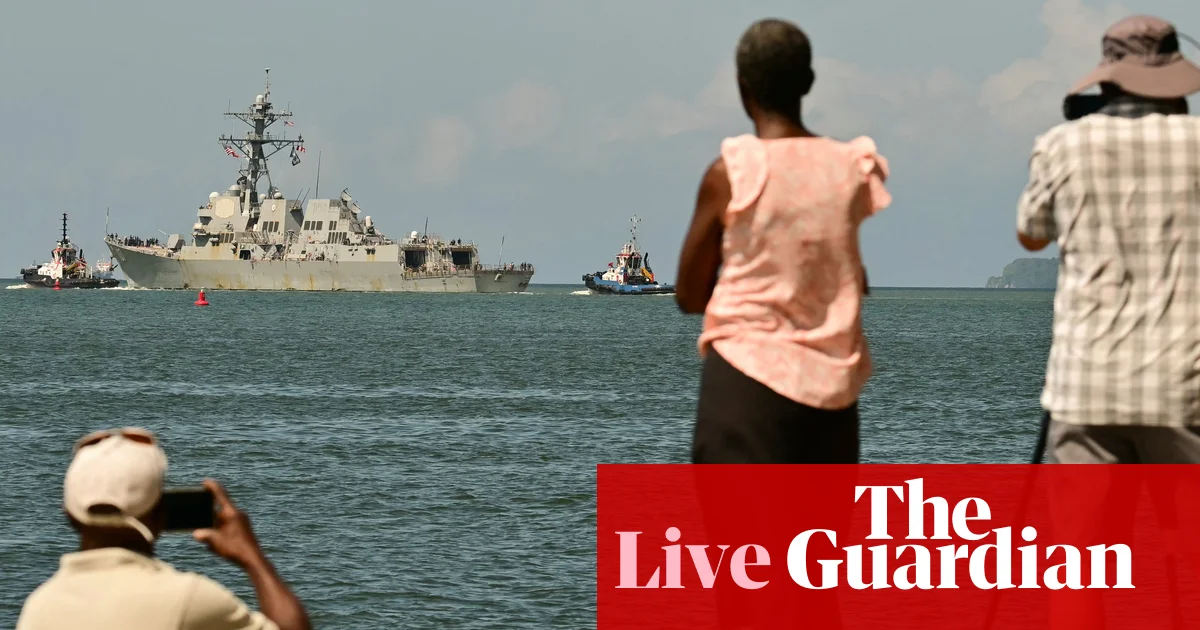
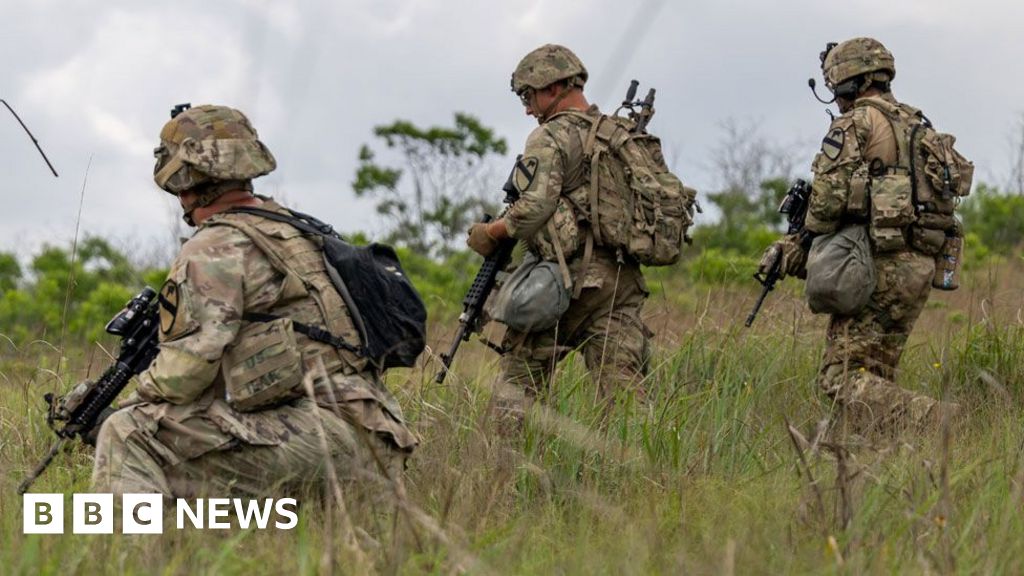
For months, the US has been amassing a formidable military presence in the Caribbean Sea, deploying warships, fighter jets, bombers like the B-52, and even contemplating nuclear testing—an escalation that analysts warn could destabilize the entire hemisphere. While the White House publicly denies plans for an invasion, President Trump’s rhetoric suggests a readiness for wider confrontation, with hints at possible “strikes on land” and the deployment of the world’s largest aircraft carrier. Such signals are loud and clear, with many experts, including international security analysts, warning that these actions are less about narcotics enforcement and more about regime change aimed at ousting Maduro.

This aggressive stance is perceived by many as an attempt to dominate Latin America’s political landscape—an initiative criticized by regional leaders like Colombian Gustavo Petro, who accuses Washington of “fabricating a new war.” Meanwhile, Venezuela’s government, led by Maduro, vehemently opposes what it calls a “US-led conspiracy,” framing recent US military demonstrations as an effort to destabilize and exert dominance over the struggling nation and its resource-rich territory. This scenario echoes the historical interventions that have marked the US’s approach to the Americas—decisions which, according to many historians, have often left scars of division and chaos.

Diplomatic Dilemmas and Rising Tensions

President Trump’s remarks during interviews with CBS revealed an unpredictable calculus—suggesting the US might pursue further aggressive actions yet also emphasizing ambiguity. While he dismissed persistent suggestions of a direct war, the deployment of long-range bombers and the authorization of the CIA presence signal a readiness to escalate. Such moves risk igniting regional conflict and draw international criticism rooted in the principles of sovereignty and peace. Scholars like Dr. Emma Johnson, a geopolitical analyst at the International Crisis Group, warn that this renewed brinkmanship threatens to undermine stability, pushing Latin America into a new “Cold War”-like environment where superpowers compete for influence on a new, dangerous frontier.

However, this escalation occurs against the backdrop of a broader global picture—rising tensions with Russia and China, both of whom are seeking to expand their own spheres of influence and challenge US dominance. For these nations, Latin America has become a strategic chessboard, and the US’s assertive posture may provoke responses that further complicate international relations. The potential for miscalculation increases as regional actors navigate between resisting external pressure and maintaining their sovereignty.

Decisive Moments and the Weight of History

As President Trump hints at resuming nuclear testing—an act that would defy decades of arms control agreements—the international community faces a sobering reminder of how quickly the balance of power can shift, with history often repeating itself in cycles of confrontation and reconciliation. The upcoming weeks may prove pivotal as diplomatic negotiations falter and military assets remain on high alert. The decisions made today will echo through the corridors of history, shaping the fate of nations and societies that have long stood on the edge of a new confrontation.

In this turbulent chapter of geopolitics, the global stage is set for a confrontation whose consequences could redefine the boundaries of international peace and power for generations. As the world watches nervously, the unfolding story leaves one inescapable conclusion: history is once again being written in a language of tension, tests of will, and the enduring quest for dominance. The question remains—will this chapter end in chaos or in a new understanding of power, diplomacy, and regional independence?

Social Media Auto Publish Powered By : XYZScripts.com