Matox News

Truth Over Trends, always!

Trump urges China to step up and help end Russia’s war

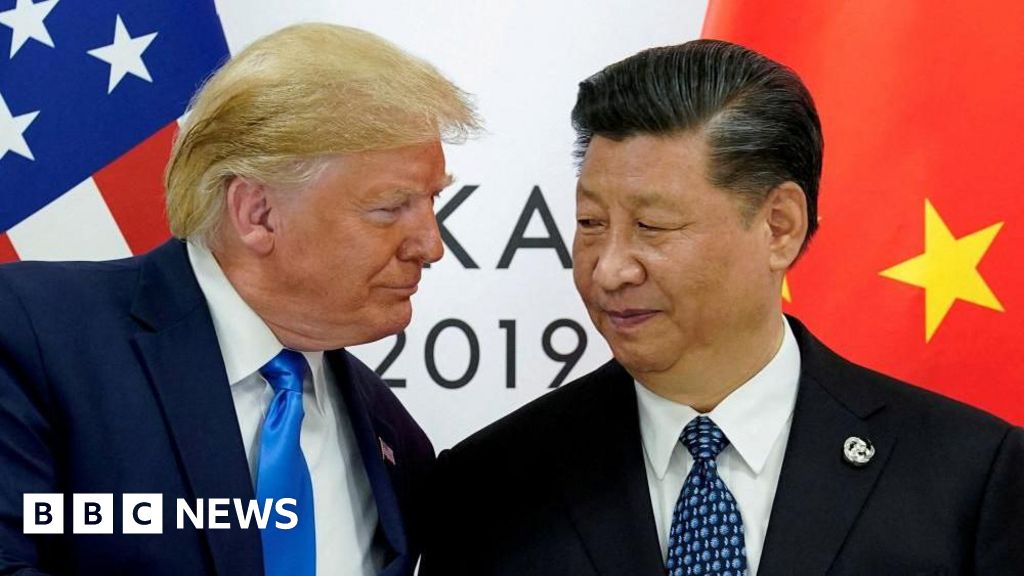
The recent developments in international diplomacy and military hostilities underscore a shifting geopolitical landscape, where the decisions of influential powers resonate across continents, impacting nations and societies alike. The meeting between former US President Donald Trump and Xi Jinping this week signals an effort to recalibrate relations amidst a backdrop of ongoing conflict in Ukraine. Despite the veneer of diplomatic dialogue, the underlying tensions remain palpable, as global institutions and nations grapple with the real consequences of this power struggle. History reminds us that such shifts can alter the course of nations for generations to come, and today’s decisions may define the future.

At the heart of these upheavals lies Russia’s unprovoked invasion of Ukraine, a conflict that continues to threaten stability in Eastern Europe. Russia remains aligned with China in a deepening partnership, emphasizing their shared interests in challenging Western dominance. Beijing’s unwavering diplomatic stance—never criticising Russia’s war and actively engaging in trade—has drawn accusations from the US and allies of aiding Moscow’s military campaign, which Beijing firmly denies. The recent summit in Beijing, with Putin and Kim Jong Un in attendance, served as a stark reminder of how these alliances are reshaping the region’s strategic landscape, presenting a united front that directly counters Western efforts to isolate Moscow.

The Western response to Russia’s military actions has increasingly involved economic sanctions and supply restrictions aimed at curbing Moscow’s war machine. Trump’s recent sanctions on Russia’s oil sector—the first direct interventions by the Biden administration—signify a possible shift towards more aggressive economic measures. Yet, analysts warn that Kremlin officials view such sanctions as “immune” to Western pressure, likely prompting Russia to seek alternative markets, particularly in China and India. The United Nations and European Union remain divided, with some voices calling for escalation, others urging caution, producing a fractured international response. This complex web of alliances and rivalries demonstrates how decisions made at the highest levels continue to ripple through the fabric of society, affecting millions who live in war zones, displaced refugees, and communities left vulnerable to economic turmoil.

As the US and China engage in a cautious dance over Ukraine, the broader geopolitical impact becomes increasingly evident. The recent meeting with Xi Jinping, where both leaders acknowledged “everything,” including Ukraine, exemplifies how sovereignties are intertwined with global ambitions. Beijing’s continued support for Moscow’s strategic goals—undermining Western sanctions while quietly bolstering Russia’s military and economic resilience—serves as a crucial turning point in the widening contest for international influence. The shadow of these decisions looms large, as the world watches a delicate balance between diplomacy and conflict, where the misstep of a single leader could plunge the planet into chaos. As historian John Mearsheimer warns, great-power competition is rarely peaceful, and today’s diplomacy must contend with the harsh realities of geopolitics.

In the shadows of this global chessboard, Ukraine remains a poignant symbol of what is at stake. The recent surge in Russian strikes, causing destruction and loss of life in Kyiv, underscores the unresolved nature of the conflict. Ukrainian President Volodymyr Zelensky appealed to the world for increased support, emphasizing that no nation should face such evil alone. Meanwhile, in Russia’s Belgorod region, the ripple effects of combat threaten local populations, with evacuations due to possible flooding caused by Ukrainian strikes. This ongoing horror story is a stark reminder that, regardless of diplomatic overtures, the true impact of these decisions is measured in lives disrupted and hopes shattered. The weight of history presses down, as the world steps closer to a new chapter—one written by power, conflict, and the indomitable will of nations to shape their own destiny amid the chaos.
El-Fasher faces crisis amid war crimes and looming food shortages

International Spotlight on Sudan’s Devastating Civil Conflict

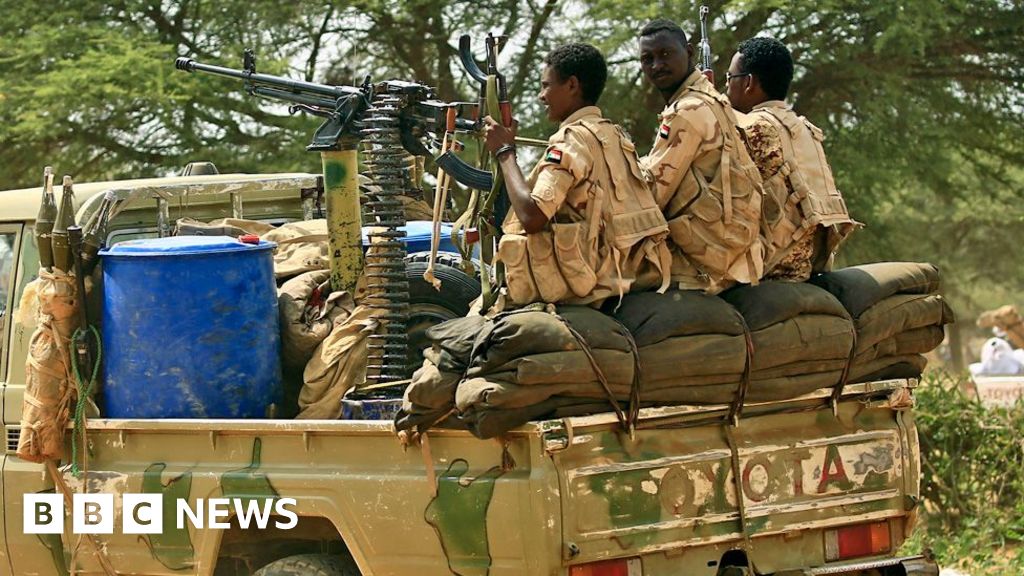
The recent escalation of conflict in Sudan has plunged the nation into its most severe crisis since the civil war erupted in April 2023. Satellite imagery and independent investigations reveal a disturbing pattern of war crimes committed by the Rapid Support Forces (RSF), a paramilitary faction with roots in the notorious Janjaweed militia. According to a research team from Yale University, the RSF has deliberately targeted civilians in the city of el-Fasher, an act against international humanitarian law that merits designation as war crimes. The city’s strategic position—surrounded by a 57-kilometer earthen wall completed by the RSF—has effectively cut off aid and escape routes, trapping an estimated 300,000 residents in what is fast becoming a death trap.

The international community’s response has been largely muted, with many analysts lamenting the absence of decisive action. Satellite images from Maxar Technologies depict the horrifying scale of civilian casualties, with over 60 new burial mounds established in the Daraja Oula neighborhood just within two weeks, signaling mass killing and unrelenting violence. The foundations of the conflict extend beyond mere civil unrest, revealing an evolving pattern of atrocities that threaten to constitute crimes against humanity. Historians and human rights experts warn that these acts of indiscriminate bombardment—targeting mosques, markets, hospitals, and shelters—are not only morally deplorable but also mark a dangerous slide towards lawlessness and chaos.

How Geopolitical Impact Shapes the Future of Africa and Global Stability

The geopolitical impact of this conflict reaches far beyond Sudan’s borders. The current chaos threatens regional stability, especially as it intersects with longstanding ethnic tensions and the lingering shadows of colonialism. Countries such as Egypt and Chad have vested interests in Sudan’s future, while the unrest fuels destabilization that could spill over into neighboring nations. The U.N. and African Union face mounting pressure to intervene, yet international efforts have been hampered by a lack of unified action and persistent diplomatic paralysis.

Globally, the crisis underscores the dangerous consequences of failing to address internal conflicts early. The tide of violence can easily morph into a regional proxy battleground, especially if external powers pursue conflicting interests. Analysts from organizations like the International Crisis Group warn that unless urgent diplomatic measures are enacted—such as ceasefire negotiations and humanitarian corridors—the violence could escalate toward a chaotic deconstruction of Sudanese society. The ongoing destruction of infrastructure and mass casualties threaten to undo decades of fragile regional stability, casting a long shadow over future peace and security in the Horn of Africa.

Humanitarian Catastrophe and the Lessons of History

As the conflict intensifies, humanitarian organizations report that aid efforts are virtually nonexistent. The survivors, confined to shrinking zones of last refuge—mosques, hospitals, and markets—are suffering from severe shortages of food, water, and medical supplies. Satellite imagery depicts horrific destruction, with “burn scars” on key buildings and evidence that civilians inside targeted structures have been burned alive. The research from Yale highlights that more than 174 people have been killed in recent attacks, with many more wounded in what experts label as acts that rise to the level of war crimes.

This unfolding tragedy echoes the darkest chapters of 20th-century conflicts where international inaction allowed atrocities to flourish unchecked. The failure of global powers to intervene decisively now risks permanently damaging Sudan’s social fabric and heritage. The warning signs are clear: without immediate intervention, this conflict could mark the beginning of a new era of regional destabilization and human suffering, leaving a scar on history that will be remembered as a preventable catastrophe.

As the world watches, the weight of history presses heavily upon the conscience of nations. The question remains—will this be a turning point toward justice and reconciliation, or another stark reminder of humanity’s failure to prevent genocide in the modern age? The answer lies in the decisions made today, decisions that will either condemn a nation to oblivion or forge its path toward a fragile peace, amidst the shadows of a conflict that still rages, unseen and unrelenting. Time is running out, and the pages of history are waiting to record whether this crisis will be a testament to collective failure or the catalyst for renewed resolve.

Trump declares 'war is over' in Gaza as he heads to Israel for hostage release
Trump declares ‘war is over’ in Gaza as he heads to Israel for hostage release

Global Power Dynamics Shift as Gaza Ceasefire and International Summit Unfold

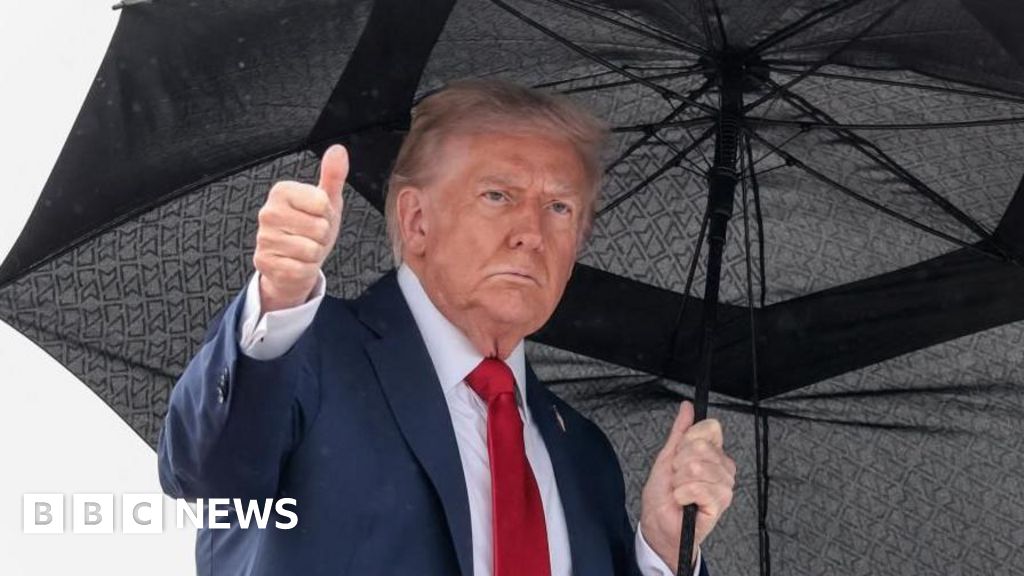
The recent ceasefire agreement in Gaza, brokered through a 20-point peace plan spearheaded by former US President Donald Trump, marks a significant juncture in the ongoing Middle East crisis. As President Trump travels across the region, he publicly declares “the war is over,” signaling a potential turning point in decades of conflict. This declaration follows nearly a month of relentless violence that culminated in approximately 1,200 Israeli casualties and over 67,000 Palestinian deaths, according to Palestinian health authorities. The intense escalation was ignited by Hamas-led attacks on southern Israel on October 7, 2023, setting off a military response that has reshaped global geopolitical alignments.

The ceasefire, while a tentative step toward peace, is underpinned by complex negotiations on the next phases, including governance of Gaza and the disarmament of Hamas. Key agreements involve the release of hostages and detainees—twenty of the Israeli captives are believed to be alive, with Hamas also committing to deliver the remains of up to 28 deceased hostages. International observers warn that such agreements do not resolve the underlying issues but merely set the stage for delicate negotiations that could determine the fate of millions. Analysts emphasize that the decision to implement aid flows into Gaza—a critical humanitarian concern—remains contentious, with Israel emphasizing that aid deliveries are contingent on the return of hostages and the disarming of Hamas. How these decisions are executed in the coming days will have profound consequences for regional stability and international diplomacy.

At the same time, Egypt’s President Abdel Fattah al-Sisi is convening a pivotal international summit in Sharm El-Sheikh, where leaders from over 20 nations, including UK Prime Minister Sir Keir Starmer and Palestinian President Mahmoud Abbas, are set to assemble. This gathering aims to formalize a path toward ending the conflict, with a proposed document purportedly “ending the war in Gaza.” Notably, Iran’s absence at the table—citing grievances over alleged attacks on its people—raises questions about the unity and effectiveness of regional solidarity. Historians and geopolitical analysts have long warned that such diplomatic efforts are precarious, often countered by entrenched rivalries and external influences, making true peace elusive and temporary.

The geopolitical impact of these decisions resonates beyond the immediate conflict zone. Nations like the United States and Egypt are positioning themselves as arbiters of peace, implicitly countering regional adversaries such as Iran. Meanwhile, internal discord persists within Gaza, where residents describe devastation and a rising tide of internal violence, reflecting a fragile societal fabric scarred by warfare. Aid efforts, hampered by logistical and political barriers, remain insufficient amid widespread destruction and humanitarian crises. The unfolding scenario underscores that the history of the Middle East continues to be written with the bloodshed of its people and the strategic calculations of global powers, all vying for influence in a region where every decision can ignite or extinguish hopes for lasting peace.

As the world watches, the weight of history hangs heavy—a fragile ceasefire and international summit still mere chapters in an ongoing saga, with the potential to either forge a new era of diplomacy or plunge the region back into chaos. The coming days will reveal whether this fleeting moment of hope can withstand the forces that have long defined the Middle East’s tumultuous saga, or if the shadows of unresolved hatred and geopolitics will once again cast darkness over its future.

Sudan militia leader found guilty of Darfur war crimes—justice for victims begins

Legacy of Justice and Shadows of Conflict in Sudan

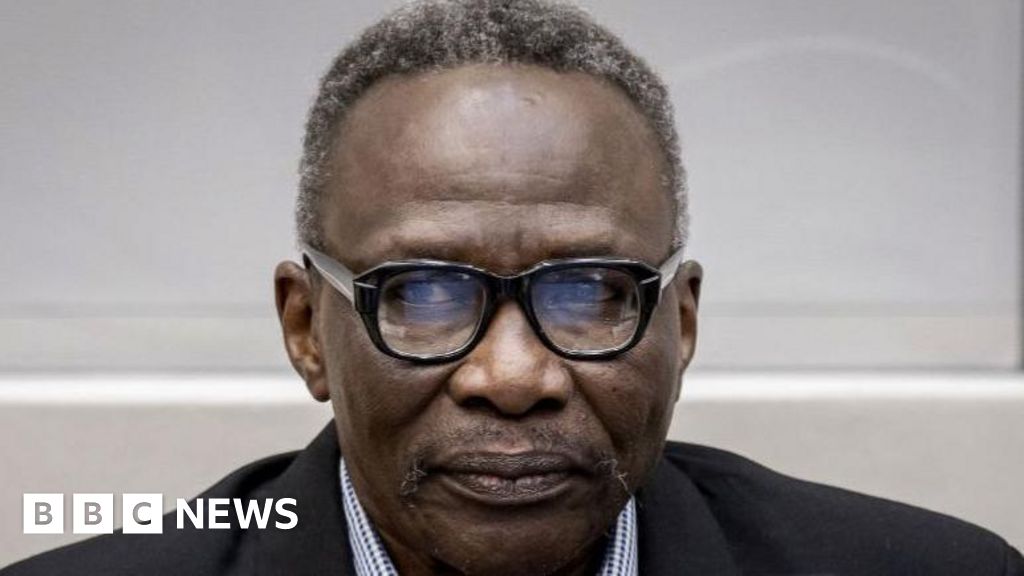
The recent conviction of Ali Muhammad Ali Abd-Al-Rahman, commonly known as Ali Kushayb, by the International Criminal Court (ICC) marks a significant milestone in the ongoing quest for accountability amidst Darfur‘s tumultuous history. As the first individual tried by the ICC for atrocities committed during the 2003-2020 conflict, Kushayb’s guilty verdict on 27 counts underscores the global community’s recognition of the scale of violence inflicted upon non-Arabic populations during those dark years. Historians and analysts agree that this verdict serves as a pivotal acknowledgment of the systemic atrocities committed by the Janjaweed— a militia backed by the Sudanese government— which systematically targeted ethnic minorities with genocidal intent. The case emphasizes the enduring importance of international justice in addressing war crimes, even decades after the initial violence.

However, the shadows of Darfur extend beyond the courtroom, casting an ominous pall over present-day Sudan. The region is once again embroiled in conflict, this time unfolding between the nation’s military and the paramilitary Rapid Support Forces (RSF). The RSF’s origins lie in the Janjaweed, and recent years have seen their transformation into a formidable fighting force accused of ethnic cleansing against non-Arab communities—carrying the same lethal ideology that fueled past atrocities. Inspired by the same patterns of ethnic violence, the current civil war threatens to undo fragile efforts at stability, leaving many displaced and vulnerable. International organizations, including the U N, have condemned the RSF’s actions, which mirror the tactics of terror and systematic destruction witnessed during the Darfur crisis. This continuity highlights how ideological and military institutions ingrained in Sudan’s history continue to threaten regional stability.

Prominent voices such as Dr. Matthew Benson-Strohmayer from the London School of Economics warn that the current conflict is a “war of terror,” characterized by sexual violence, starvation, and wholesale destruction—paralleling the worst aspects of Darfur’s past. Despite the symbolic significance of Kushayb’s conviction, many remain skeptical about its immediate impact on ending the violence. The international community’s efforts to hold Sudanese officials accountable, including warrants against former President Omar al-Bashir, have yet to bring comprehensive justice or peace. This ongoing impunity allows the cycle of violence and ethnic cleansing to persist, undermining the rule of law and global efforts aimed at fostering reconciliation. As history lingers, it becomes increasingly clear that international justice alone cannot dismantle the deeply rooted factions fueling the conflict.

As the dust settles over The Hague, and the verdict stands as a stark reminder of past horrors, the fate of Sudan hangs in the balance. The recent events serve as a powerful warning: successful justice might offer a moment of moral victory, but without comprehensive political resolution and local reconciliation, the specter of war continues to cast its shadow over generations. History’s pen is still writing Sudan’s story, a tale of trauma intertwined with resilience, unresolved conflicts, and the relentless pursuit of justice—leaving the world to wonder whether this verdict will be a turning point or merely a pause before the next chapter of chaos unfolds in the heart of Africa.

Social Media Auto Publish Powered By : XYZScripts.com