Matox News

Truth Over Trends, always!

Councils warn: Support for special needs in England heading for total collapse

The Crisis in England’s Special Educational Needs System: A Society on the Brink

Across the heart of England’s communities, the story of children with special educational needs and disabilities (SEND) is increasingly one of despair and frustration. As the demand for tailored support skyrockets, a growing chorus of local councils warns that the current education system risks imploding under its own weight. The County Councils Network (CCN) recent findings reveal a financial crisis looming on the horizon, with deficits estimated to reach a staggering £4.4 billion by 2029. Despite this, government reforms have been delayed, leaving families caught in a web of bureaucracy, budget cuts, and social neglect. In communities where families are fighting tooth and nail for essential services, the question remains: who is willing to prioritize the future of our most vulnerable children?

Recent statistics paint a troubling picture: the number of Education, Health, and Care Plans (EHCPs)—which legally entitle children to specialized support—increased by over 10% in just one year, reaching nearly 640,000. This is an indicator of both rising demand for services and a system stretched thin. The escalation is not solely driven by need but also by an over-reliance on costly placements in specialist schools, which now serve an estimated 194,000 pupils—almost double the number from a decade ago. These numbers reveal a societal shift: an acceleration of social exclusion where families are pushed into financial and emotional crises as they struggle to access or even prove the support their children require. Sociologists like Michael Young have long argued that education systems reflect broader social inequalities—today, those inequalities threaten to deepen, casting a shadow over the very foundation of fair opportunity.

The experiences of parents encapsulate these growing struggles. Amanda Quick, whose 12-year-old Ezra has autism and ADHD, describes her battles with local authorities as “a long and exhausting fight.” She admits to the toll it took on her mental health, requiring the assistance of an expensive solicitor simply to secure the bare essentials. Meanwhile, Claire Naylor, owner of a café designed for parents of children with special needs, speaks of the “year-long legal battle” and the financial sacrifices involved. Such stories are emblematic of a wider societal failure: supporting families is no longer a right but a privilege. These individuals are left navigating a system that, in its current state, disproportionately favors those with resources over those with urgent needs. This divide underscores a societal challenge described by social commentators as the erosion of social solidarity, where the community’s moral duty to protect its most vulnerable is compromised by bureaucratic indifference.

Politicians and Social Divides: The Struggle for Reform

Despite widespread concern, the government’s approach to reform is fraught with political tension. The delay in publishing a promised white paper demonstrates a hesitance to confront the core issues: funding shortfalls, legal protections, and systemic inefficiencies. Critics, including Labour MPs and campaigners, warn that watering down legal protections like EHCPs could exacerbate the societal divide, leaving families even more marginalized. The debate extends beyond mere budget figures; it is a question of moral responsibility. If families feel dismissed, and children without legal entitlement risk being excluded from vital support, society’s core is at risk of fracturing further. Experts such as sociologist Richard Sennett have emphasized that societal cohesion depends on equitable access to essential services—without it, social trust erodes, and communities fragment.

As politicians wrestle with limited resources, the policy discourse now increasingly revolves around *earlier intervention, mainstream inclusion,* and *reducing reliance on private placements*. But these aspirations require substantial investment—a challenge in an era of tight public finances. The question remains: will political will translate into meaningful action, or are these promises destined to remain unfulfilled, trapping families in cycles of despair? Society’s moral fabric is being tested, forcing us to ask whether we are prepared to stand by those most in need, or turn a blind eye in our pursuit of fiscal austerity.

In this landscape of hardship and hope, a fleeting realization emerges—that society’s true strength lies in its ability to nurture its most fragile members. The societal challenge is nowhere more evident than in homes like those of Ezra and MJ, where the fight is not just for support, but for the acknowledgment of worth and dignity. As history has shown, meaningful reform begins when communities refuse to accept injustice as inevitable. With concerted effort, genuine investment, and a renewed moral purpose, society can transcend its current crisis. For in the end, it is not merely the support for individual children that defines us, but how we choose to reimagine our collective future—a society where every young life, regardless of circumstance, has the opportunity to flourish amid adversity, illuminating a path back from fragmentation to unity.

Russia hits Kyiv with deadly strikes in new wave, officials warn

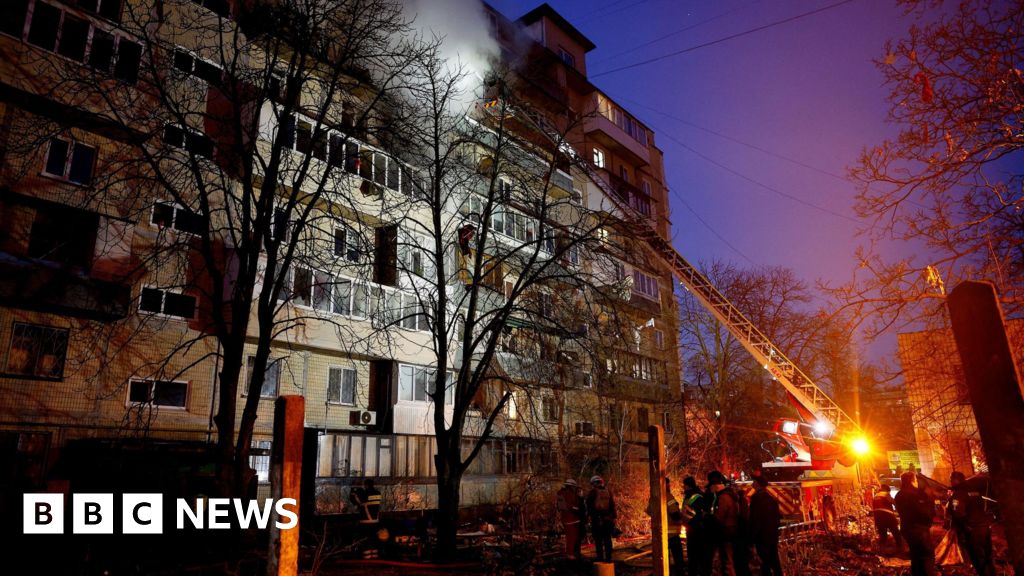
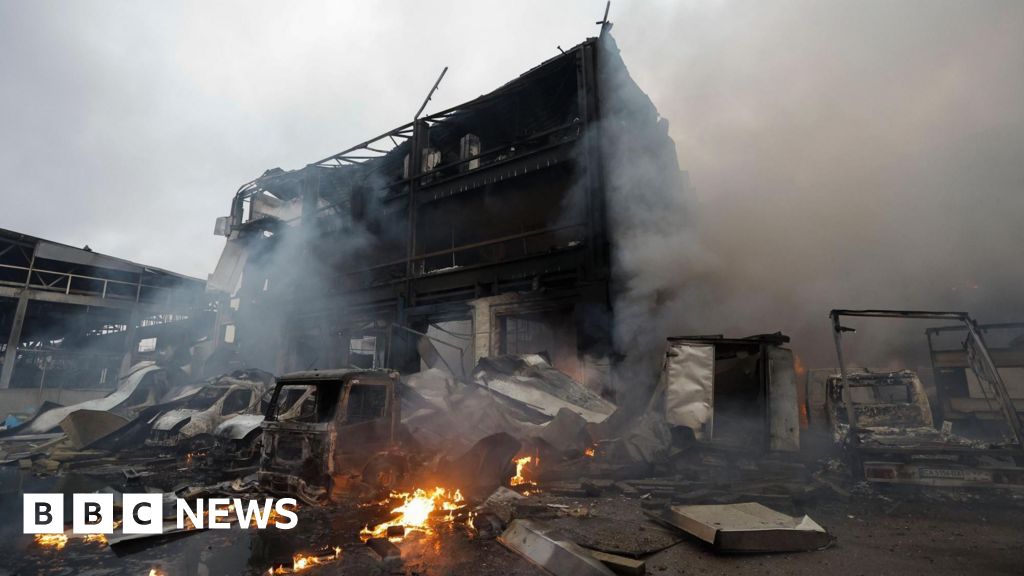
In a devastating escalation of the ongoing conflict in Ukraine, Kyiv has been battered by a wave of Russian drone and missile strikes, resulting in the deaths of three civilians and the injury of over 26 others. Kyiv’s mayor, Vitaliy Klitschko, described the attacks as “massive,” highlighting how residential neighborhoods, hospitals, and critical infrastructure have come under relentless assault. As explosions shook the city’s core, Kyiv’s energy infrastructure suffered severe damage, leaving parts of the city without heat—a bleak reminder of how war inflicts suffering beyond the battlefield. Emergency responders rescued dozens, including victims trapped beneath rubble, emphasizing the human toll of what Moscow claims are targeted military operations, but which Ukrainians see as deliberate acts of terror aimed at civilian populations.

While Russia asserts that its attacks aim to cripple Ukrainian military capabilities, Western analysts remain skeptical. The international community widely views this surge in airstrikes as a deliberate effort to destabilize Ukraine’s resilience—particularly by targeting energy networks that sustain civilian life and undermine morale. Ukrainian President Volodymyr Zelensky responded by demanding “no exceptions” to Western sanctions on Russian energy exports—an urgent call to weaken Russia’s economic backbone. This comes amidst a broader pattern of Moscow’s strategy: deploying drones and guided bombs to weaken Ukraine’s infrastructure, disrupt daily life, and garner pressure for negotiations on Moscow’s terms. Such tactics are reminiscent of a war of attrition where civilian suffering potentially serves as leverage, raising alarms about the broader geopolitical impact on regional stability.

The North Atlantic Treaty Organization (NATO), along with the United States, continues to monitor developments closely. NATO officials have condemned the recent strikes, emphasizing their support for Ukraine’s sovereignty and condemning Russia’s apparent escalation. The turning point came when the U.S., under President Donald Trump’s administration, initially imposed sanctions targeting Russian energy—yet, recent exemptions granted to Hungary reveal a nuanced and evolving geopolitical calculus. Analysts warn that Russia’s repeated targeting of energy infrastructure signifies an attempt to exhaust Ukraine’s civilian resilience and complicate Western efforts to sustain robust support. Additionally, Russia’s claims that these strikes are aimed at “military” targets are increasingly viewed as disingenuous, especially as civilians suffer the consequences.

Historically, conflicts of this nature have underscored a broader strategic contest—one where energy politics, alliances, and military might intersect with societal resilience. As the United Nations and international watchdogs issue warnings about escalating violence, the narrative is shifting toward a larger, more ominous story: a geopolitical chessboard where each strike and diplomatic move could have far-reaching consequences. The future of Ukraine, and indeed the stability of Europe, hangs in the balance, with each side trying to shape the narrative—while the echoes of destruction reverberate through history’s unfolding pages. As Kyiv’s skies burn and civilans endure, the world watches a relentless drama of power, endurance, and the high stakes of a war that threatens to redefine the global order—if not for today, then for generations to come.

MPs warn: Kids Overwhelmed and Sedated by Algorithm-Driven YouTube Content

In an era dominated by social media giants and algorithm-driven content, the fabric of childhood and community coherence is fraying. Many social commentators and industry veterans have raised alarms about the pervasive influence of platforms like YouTube, which now capture over 60% of under-16 viewing, eclipsing traditional broadcast television. With children’s programming becoming increasingly fragmented and curated by algorithms, concerns grow that today’s youth are deprived of the shared cultural experiences that once unified society. As sociologists warn, this shift threatens to erode the national identity and communal bonds that historically served as the backbone of societal resilience.

The consequences for families and education are profound. Children today are often bombarded with an unending stream of information that lacks the moral and developmental nourishment characteristic of the past. As Frank Cottrell-Boyce, the UK children’s laureate, pointed out during a recent parliamentary hearing, “repetition and slowness—key elements in traditional children’s TV—help build familiarity and navigability in young minds”. Without this, there’s a burgeoning epidemic of anxiety among youth, reflecting societal stress transmitted through digital channels.

  • Increased anxiety levels among children
  • The loss of a shared, national cultural canon
  • Reduced nurturing environments within digital media

These issues threaten to compromise the moral fabric of families, as parents struggle to guide digital consumption amid algorithms designed more for engagement than educational value.

Furthermore, the children’s media industry faces existential challenges. Industry experts like Greg Childs, OBE, have characterized the state of children’s TV as “broken”, with UK production companies struggling to stay afloat. Despite the significant revenue generated by targeted advertising—estimated at £700 million annually—children’s content producers see a drastically reduced share of this pie, receiving 80-90% less revenue than their counterparts. This economic disparity hampers the creation of high-quality, educational programming, and highlights the critical need for government intervention. Child advocates are calling for a renewal of funding mechanisms like the “young audiences fund” to restore and innovate in children’s media, proposing that a streamers’ levy could generate substantial resources. As social commentators have observed, fostering a curated media environment that prioritizes public service content could serve as a vital corrective to algorithmic pitfalls, helping children engage with learning rather than mere entertainment.

Ultimately, the societal challenge lies in balancing technological innovation with moral responsibility. As platforms harness AI to personalize content and parents seek safer digital spaces, the call for collaborative solutions grows urgent. Platforms must step beyond profit motives and partner with educational and cultural institutions, creating a digital landscape where shared values, community identity, and moral nourishment are valued alongside technological progress. In the words of social analyst David Kelleher, society must “transform the digital wilderness into a cultivated garden”—a space where children can grow, learn, and forge their identities grounded in shared history and community. Only by preserving these bonds can society hope to navigate the complexities of digital modernity, ensuring that the next generation inherits not a fractured society, but one united by purpose and hope.

Advisers Warn Ministers: Banning Palestine Action Might Backfire Among Youth

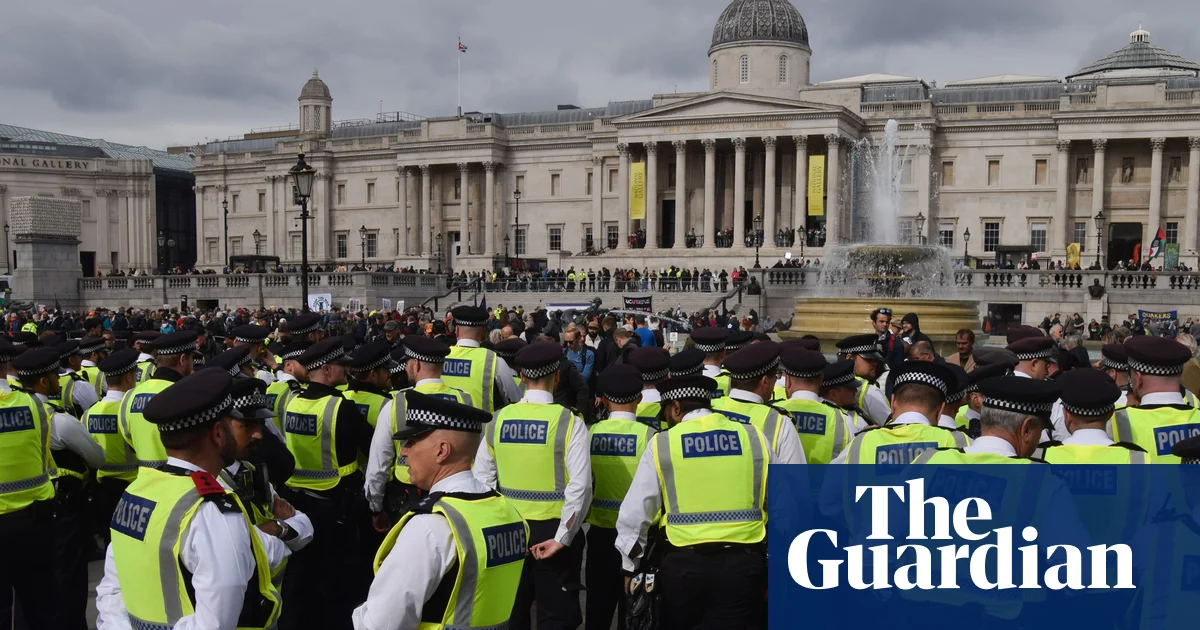
In recent weeks, the United Kingdom has taken a contentious step by banning Palestine Action, a grassroots organization dedicated to confronting the UK’s arms trade with Israel. Despite advice from officials warning that such a prohibition could inadvertently elevate the group’s profile, policymakers proceeded with proscription under terrorism laws. This decision marks a significant chapter in the ongoing global debate over civil liberties versus national security, illustrating the complex interplay between domestic policy and international tensions, especially in Britain’s role in the Israeli-Palestinian conflict.

The decision was underpinned by a secretive community impact assessment, revealing internal debates about the potential repercussions of a ban. Officials cautioned that proscription might exacerbate Muslim-Jewish tensions within Britain, deepen societal divisions, and be perceived as government bias favoring Israel. Moreover, polling data indicated that a significant portion of the British public supported bans on arms shipments to Israel, reflecting a growing frustration with the military actions in Gaza. Nonetheless, the advisors warned that such a move could “become a flashpoint for controversy and criticism,” highlighting the perilous balancing act that policymakers face—demanding security while avoiding alienating critical segments of society.

Critics argue that the government’s crackdown on Palestine Action has backfired, boosting the organization’s visibility and support rather than diminishing it. Huda Ammori, co-founder of Palestine Action, expressed that “awareness of the issues and the group’s popularity has grown exponentially,” indicating that the ban has inadvertently strengthened their stature. This outcome underscores how decisions rooted in security fears and political expediency can often generate unintended consequences, further entrenching the divisions they seek to quell.

The policy shift also sheds light on the geopolitical impact of Britain’s internal security measures. Proscription under terrorism laws frames the conflict in moral and legal terms but also risks alienating Muslim communities and fueling anti-government sentiments. This, in turn, influences Britain’s international standing, complicating diplomatic relations with Middle Eastern nations and global organizations advocating for Palestinian rights. As analysts point out, the UK’s overt involvement in Israel’s defense industry—an issue that the government actively suppresses—has become a source of tension with other Western nations that are questioning the equity of their support for Israel.

In the broader context, Britain’s internal conflict over Palestine reflects a wider geopolitical contest. How Western democracies choose to engage—whether through silence, activism, or suppression—shapes the global narrative surrounding the Israeli-Palestinian dispute. The recent ban represents a symbolic battleground for values—security versus civil liberties, activism versus state control—marking a decisive moment where internal policy decisions echo into the larger arena of international diplomacy. The unfolding saga leaves history’s watchful eyes pondering: will this be a turning point towards greater governmental control, or a catalyst that emboldens those fighting for justice? The answer remains shrouded in the shadow of history, as the world watches, and the story continues to unfold.

Labour MPs warn Starmer cutting disease aid would be a moral mistake

UK Aid Funding Crisis Unfolds: A Battle of Morality and Geopolitical Strategy

In a remarkable display of internal dissent, seven Labour MPs who previously served as ministers under Keir Starmer have penned a private letter warning that a proposed 20% cut in UK aid funding for the Global Fund to Fight AIDS, Tuberculosis and Malaria would constitute not just a moral failure, but a strategic setback with far-reaching global consequences. As the UK government prepares to finalize its contribution to this vital multilateral initiative amidst mounting pressure, the debate underscores how national decisions are increasingly intertwined with geopolitical impact and the future stability of vulnerable societies.

Analysts and international organizations closely monitor this unfolding controversy, recognizing that the UK’s role in global health is emblematic of broader post-pandemic international strategy. The proposed decrease—potentially slashing the UK’s pledge from £1 billion to £800 million—comes amidst wider austerity measures that have already diminished Britain’s foreign aid budget to historically low levels, cutting its percentage of national income dedicated to aid from 0.7% to 0.3% by 2027. Critics argue such reductions threaten to derail advances made over decades, risking the lives of millions in the world’s poorest nations. According to reports from aid groups, a cut of this magnitude could result in up to 340,000 preventable deaths, undermining the incredible progress that has saved 70 million lives since 2002.

These developments occur at a time when international institutions such as the United Nations and the World Health Organization advocate for sustained multilateral cooperation, asserting that the relentless fight against preventable diseases is intertwined with global stability and security. Historians like Dr. Alan Turing have highlighted how health crises can foster instability, displacement, and conflict—emphasizing that investment in health infrastructure abroad is, in essence, an investment in national security. The UK’s apparent retreat from this strategy, especially after already withdrawing support from the Global Vaccine Alliance (Gavi), signals a troubling shift away from global engagement, risking the collapse of years of progress in fighting HIV/AIDS, TB, and malaria—diseases that know no borders.

Despite government claims of continued commitment, the political reality appears to be one of retreat and strategic retraction, with critics warning that such decisions weaken Britain’s standing in international affairs. The Foreign Office asserts that UK aid contributions have contributed to saving 70 million lives and a 63% reduction in death rates from HIV, TB, and malaria. Yet, with other nations decreasing their aid contributions—particularly the collapse of US aid funding—the global fight for these diseases is entering a perilous new era. As political scientists and international observers note, jeopardizing aid efforts at this crossroads risks reversing decades of momentum. In this context, the UK’s choice reflects more than a moral stance; it embodies a geopolitical gamble that could influence the shifting balance of power and the stability of developing societies for generations to come.

As history watches anxiously from the sidelines, the weight of this decision remains hung in the balance—an echo of Britain’s enduring role on the world stage and a test of its commitment to the principles of international cooperation. The coming days will reveal whether this battle is merely a policy debate or the beginning of a geopolitical realignment that challenges the very fabric of the global order—decisions that will echo through history, shaping destinies in the shadow of choices made today.

Kyiv Hit by Russian Strikes, 3 Dead—Ukrainian Officials Warn of Escalating Threat

The ongoing conflict between Russia and Ukraine continues to ripple across the geopolitical landscape, with recent events underscoring the profound shifts in international stability and security. In Kyiv, the city lies haunted by the echoes of war, as Russian air strikes have claimed lives and damaged vital infrastructure. The Kyiv mayor Vitali Klitschko confirmed that three civilians fell victim to a Russian drone attack, destroying residential buildings and injuring dozens, including children. These strikes serve as a stark reminder of how the conflict is increasingly targeting civilian populations and urban centers, escalating fears of a protracted and devastating struggle.

Meanwhile, tensions are flaring beyond Ukraine’s borders, as Moscow reports intercepting drones en route to its capital — an ominous sign of the conflict’s expanding theatre. Russian authorities claim to have destroyed two drones over Moscow, amid an intensified wave of drone and missile assaults targeting civilian infrastructure. This strategic escalation appears designed to threaten the heart of Russia’s own cities and demonstrate its resolve in confronting Western-backed Ukraine. Notably, Moscow has ramped up attacks on critical energy infrastructure and civilian targets, forewarning of a harsh winter where power shortages could deepen societal fractures within Russia, enflaming domestic unrest and challenging Putin’s grip on power.

What is particularly alarming is the evolving nuclear dimension in Moscow’s military posturing. Russia announced a test of an experimental nuclear-powered missile capable of potentially evading missile defenses, fueling fears of a new arms race and ushering in an era where nuclear threats are being openly tested as a geopolitical tool. Such developments have prompted international analysts, including the Stockholm-based Stockholm International Peace Research Institute, to warn of an erosion of strategic stability, with some experts speculating that a new Cold War dynamic might be emerging. Simultaneously, Russia’s test appears to be a calculated message to both NATO and Western powers: it signifies that Moscow remains committed to escalating its military capabilities despite mounting international isolation.

Diplomatic efforts, meanwhile, seem caught in a muddle, with President Zelensky willing to consider a **ceasefire** that stops short of Ukrainian territorial withdrawal, a move seen as a *possible step* toward negotiations by some analysts, but dismissed by many Russian officials as insufficient. Recent meetings in Washington and Brussels have seen Western leaders pledge increased sanctions and military aid, yet tangible progress towards peace remains elusive amid Russia’s relentless aggression. The Ukrainian conflict thus stands at a crossroads: a war of attrition where each side’s strategic ambitions threaten to redraw the map of security in Europe and beyond. History, as some experts remind us, will not be kind to those who fail to grasp the gravity of this moment, for a world on the brink of escalation now bears witness to tumult that could very well shape the next century.

Supermarkets warn Reeves' tax hikes will hit young shoppers with higher food prices
Supermarkets warn Reeves’ tax hikes will hit young shoppers with higher food prices

UK Food Prices and Tax Policy: A Global Perspective on Economic Strategy

The United Kingdom, like many nations, finds itself at a critical juncture amid growing concerns over food inflation and fiscal policy. Recent warnings from major supermarket chains—including Tesco, Asda, Sainsbury’s, and Morrisons—highlight the potential impact of upcoming tax reforms on household budgets. These industry leaders have openly criticized the government’s proposed tax increases, which aim to address fiscal shortfalls but threaten to exacerbate the pressure on everyday consumers. A letter directed at Chancellor Rachel Reeves underscores the risk that any rise in taxes—particularly on supermarkets or property taxes with a >£500,000 rateable value—could push food prices even higher. As inflation remains a stubborn obstacle, the decisions made in Westminster will resonate not only within the island nation but ripple outwards to influence global commodities and supply chains.

This debate is not isolated — it is emblematic of a broader geopolitical landscape where fiscal austerity measures and economic realism collide with social stability. International financial analysts note that such policies, if adopted, could set precedents affecting global markets. Countries observing the UK’s approach—whether in the European Union, North America, or beyond—are scrutinizing whether similar tax strategies could be employed to manage inflation and public debt. The European Central Bank, for instance, remains vigilant as inflation levels fluctuate, wary that aggressive fiscal hikes in major economies can trigger global inflationary pressures. Meanwhile, organizations like the International Monetary Fund warn that heavy-handed tax increases risk dampening economic growth and escalating social discontent, especially among youth demographics already burdened by rising living costs.

Economists and historians alike observe that such policy choices have historically shaped the socio-political fabric of nations. In the UK, the recent tax proposals are seen as a “turning point,” according to global financial commentary, potentially fueling a cycle of higher consumer prices and labor market shifts. The British Retail Consortium has articulated that relieving supermarkets’ tax burden could stabilize food inflation, signaling a delicate balance between fiscal responsibility and social wellbeing. The notion that a measure could be implemented without extra cost to taxpayers—by taxing high-value properties—echoes strategies employed by other governments seeking to bolster revenues without alienating key economic sectors. Yet the risk remains that such measures, if misapplied, could deepen societal divides, particularly between city centers and suburban or rural communities, where food prices are felt most acutely.

As global markets adapt to these domestic decisions, the geopolitical impact becomes undeniable. Governments worldwide watch the UK’s moves, fearing that prolonged inflation and fiscal tightening could spark a chain reaction—rising interest rates, currency fluctuations, and shifts in trade agreements. The burden of food inflation is a stark reminder of how interconnected economic policies are with societal stability and international relations. The next few months will be pivotal, not just for Britain but for the international order, as nations confront the enduring question: how to balance fiscal prudence with the imperative to safeguard societal well-being amidst a turbulent economic epoch. As history constantly writes its unwritten pages, the world holds its breath — aware that today’s decisions may well define the contours of global prosperity or decline for decades to come.

Former Officials Warn: US Headed Toward Authoritarianism Under Trump Era

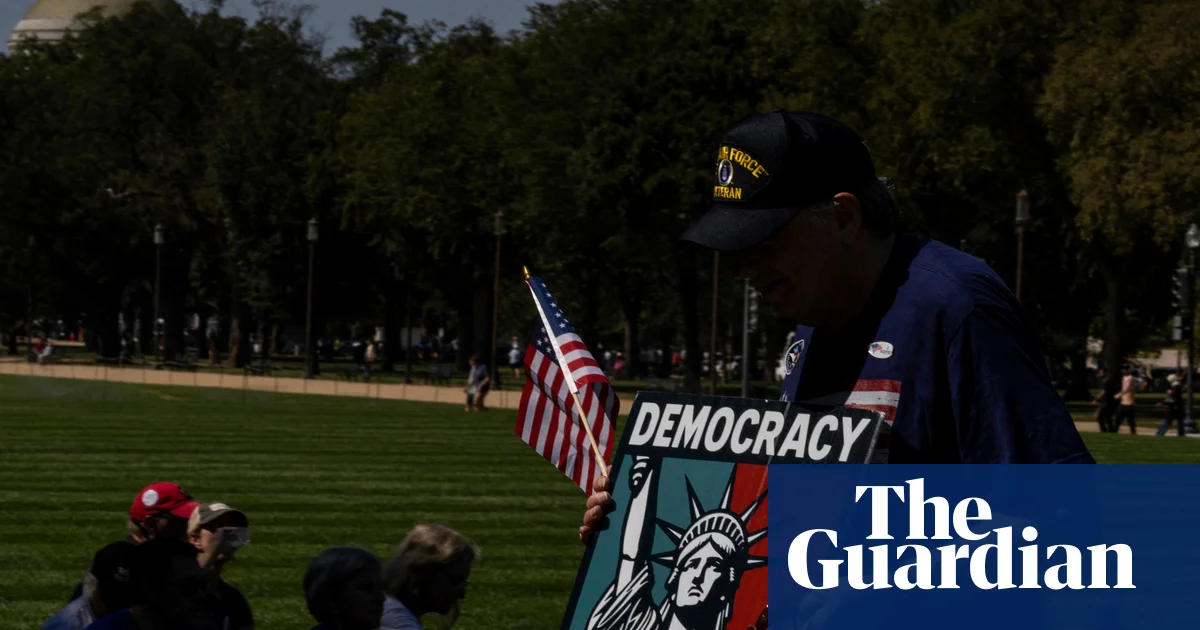
The United States, long heralded as the beacon of democracy, now faces sobering internal challenges that threaten to reshape its constitutional fabric. A recent assessment by a coalition of former US intelligence and national security officials paints a stark picture: the country is “on a trajectory” toward authoritarianism. Drawing from the methods once used to evaluate foreign democracies, the report titled “Accelerating Authoritarian Dynamics” warns that democratization in the US is now in jeopardy. Despite the outward appearance of electoral processes and judicial institutions, the assessment concludes that systematic manipulation—fueled by unchecked executive power—threatens the core principles of checks and balances that have long defined the nation’s political identity.

This internal crisis echoes historical patterns observed during periods of upheaval worldwide. Analysts warn that what is unfolding in the US resembles what scholars call “competitive authoritarianism”, where elections continue but are marred by tactics designed to weaken opposition and control institutions. The current trajectory, accelerated under Donald Trump’s administration, has seen clear strategies to ensure loyalty within federal agencies, influence the judiciary, and undermine independent watchdogs. The assessment highlights how figures within the White House have consistently tested legal and constitutional boundaries—from deploying federal troops in cities to aggressive purging of officials deemed disloyal. Such moves recall authoritarian playbooks designed to concentrate power and erode civil liberties from within.

Global observers and democracy scholars worldwide are watching with concern. International organizations have issued warnings that the US‘s democratic backslide could have ripple effects across democracies everywhere, especially as other nations face rising populism and executive overreach. The European Union and OECD, for instance, are scrutinizing America’s internal shifts, emphasizing that how decisions are made at home influences global stability and societal trust. Historians caution that if these trends continue unchecked, the US could be headed toward a period of political instability reminiscent of years marked by civil unrest and institutional decay. Meanwhile, the implications for the world stage are profound: a weakened democratic superpower may embolden autocratic regimes elsewhere to tighten their grip on power, undermining international stability.

As the report underscores, the fundamental question remains: how can America reverse its decline? With a society polarized and institutions under assault, the international community faces a defining moment. Will internal resistance to authoritarian drift — from grassroots movements, civic society, and political leaders dedicated to preserving democratic values — rise to challenge this ominous trend? Or will recent actions, like politically motivated indictments and executive overreach, entrench a new normal where liberty is sacrificed on the altar of power? History’s pen is poised, history is still unwritten, and the weight of the future rests on whether the US can reclaim its democratic destiny before it is lost forever.

Ministers gear up for China visits amid spying trial backlash, Labour critics warn

The United Kingdom is charting a precarious course in its renewed engagement with China amidst the turbulence of global power shifts and internal controversy. Despite simmering tensions sparked by the recent abandonment of espionage charges against two individuals accused of spying for Beijing, UK ministers have signaled a strategic intention to resume high-level talks before the year’s end. This includes plans for Jonathan Powell, the national security adviser, to visit Beijing in November—an effort aimed at fostering a “long-term and strategic” relationship, as emphasized by government officials. Such moves are not merely diplomatic gestures but carry profound geopolitical impact, signaling the UK’s attempt to balance economic interests with national security concerns amid China’s global rise.

This renewed diplomatic pursuit comes at a critical juncture. While official statements insist that engagement is rooted in “UK interests,” critics argue that this signals a recalibration—possibly a capitulation—to Beijing’s influence. Notably, the recent controversy involving the dismantling of charges against individuals linked to espionage suggests a possible diplomatic *trade-off*. Leaders like Keir Starmer are navigating a complex landscape, balancing the desire to reopen channels with fears of China’s expansionist reach and surveillance overtures. Many analysts, including security experts and historians, warn that this strategy risks emboldening Beijing at a time when U.S.-China tensions are intensifying. Global institutions such as the IMF and diplomatic commentators have voiced concerns that the UK’s embrace could undermine the collective effort to contain China’s geopolitical ambitions, thereby threatening regional stability.

Furthermore, these diplomatic overtures extend beyond government talks. Key figures like Rachel Reeves and Oliver Robbins have undertaken visits to China, promoting economic investment and revitalizing bilateral ties. Reeves’s recent involvement in unveiling £600 million of Chinese-backed investments underscores Britain’s attempt to capitalize on economic opportunities—yet such moves are fraught with risks. Chinese officials have openly communicated their displeasure over UK restrictions targeting their security apparatus, warning of potential retaliation that could destabilize diplomatic efforts. As international organizations track this evolving saga, they emphasize that decisions made today will shape the future of global power dynamics, with the UK caught squarely in the crossfire of a new Cold War landscape.

The unfolding developments evoke reflections from foreign policy analysts and historians who see this as a defining moment in 21st-century geopolitics. The last British Prime Minister to visit ChinaTheresa May in 2018—once spoke optimistically about a “golden era,” yet recent events reveal how swiftly that narrative has unraveled. The proximity of Kemi Badenoch and other senior officials to the Chinese government indicates a profound shift, perhaps towards a pragmatic yet perilous engagement policy. As Starmer’s alleged plans for a bilateral visit in February and Trump’s own sudden interest in China demonstrate, the global chessboard is realigning rapidly, with the UK positioning itself delicately amidst the rising tide of Chinese influence.

In the shadow of these high-stakes negotiations, history warns that such pivotal moments are often fraught with unforeseen consequences. The decisions taken in Parliament’s chambers and diplomatic suites will resonate through decades, shaping the balance of power in the Indo-Pacific and beyond. As the world watches, the UK’s future hinges on whether these diplomatic gambits will uphold sovereignty and security or succumb to the seductive allure of economic gains at a perilous geopolitical cost. The pages of history are turning once more, and the weight of global destiny hangs in the balance—an intricate dance of strategy, influence, and power, with the world on the edge of a new epoch.”

Scores feared dead as school building collapses, authorities warn

The recent tragedy in Indonesia, where a collapsed Islamic boarding school has left at least five students dead and over 100 injured, underscores a critical moment in the nation’s ongoing safety and governance struggles. The incident, centered in the town of Sidoarjo, reveals the dangerous consequences of unchecked construction practices and regulatory failures. The building’s collapse, caused by the addition of two unsafe floors to an under-constructed foundation, highlights the larger issues Indonesia faces in terms of infrastructure development and regulatory oversight, issues that resonate across many developing nations in Southeast Asia.

Despite the international outcry and efforts of rescue teams using thermal drones and heavy machinery, the possibility of finding survivors has diminished. The disaster management agency (BNBP) announced that *no signs of life* were detected in the debris, a heartbreaking entry point into the larger conversation about safety standards and government accountability. Experts and analysts warn that such tragedies reflect deeper systemic flaws—poor enforcement of building codes, corruption, and the prioritization of economic gains over safety—threatening societal stability and the legacy of governance in the region. The incident also serves as a stark reminder of the. *fragility of human life* amidst rapid urban proliferation and construction without appropriate oversight.

On a broader geopolitical level, the incident in Indonesia acts as a clarion call to regional institutions and international partners. While those involved are primarily concerned with immediate rescue operations, critical analysis from organizations like the World Bank and international human rights groups emphasize that long-term safety reforms are necessary for social progress. Such disasters threaten to undermine the legitimacy of local authorities and fuel public distrust in state institutions, which are often seen as ineffective or corrupt. These events have repercussions beyond national borders; they feed into regional narratives about governance, sovereignty, and the need for vigilant oversight as urban populations swell. How nations respond—by tightening regulations, improving safety standards, and ensuring transparency—will determine their standing on the global stage.

Historian and policy analysts stress that this incident is no isolated event but part of a broader pattern affecting many countries committed to rapid development amid legacy issues of governance and accountability. The tragic collapse in Indonesia symbolizes a moment where history is still being written—where the choices to reform or ignore safety standards could have lasting consequences. As rescue teams turn their tools towards removing debris, the world watches and waits, acutely aware that the true test lies ahead: whether this tragedy will catalyze meaningful change or become yet another chapter of neglect in the overarching narrative of progress and safety. In this unfolding history, every decision, every policy, and every effort to secure the safety of the vulnerable will leave an indelible mark on the fabric of society.

Social Media Auto Publish Powered By : XYZScripts.com