Matox News

Truth Over Trends, always!

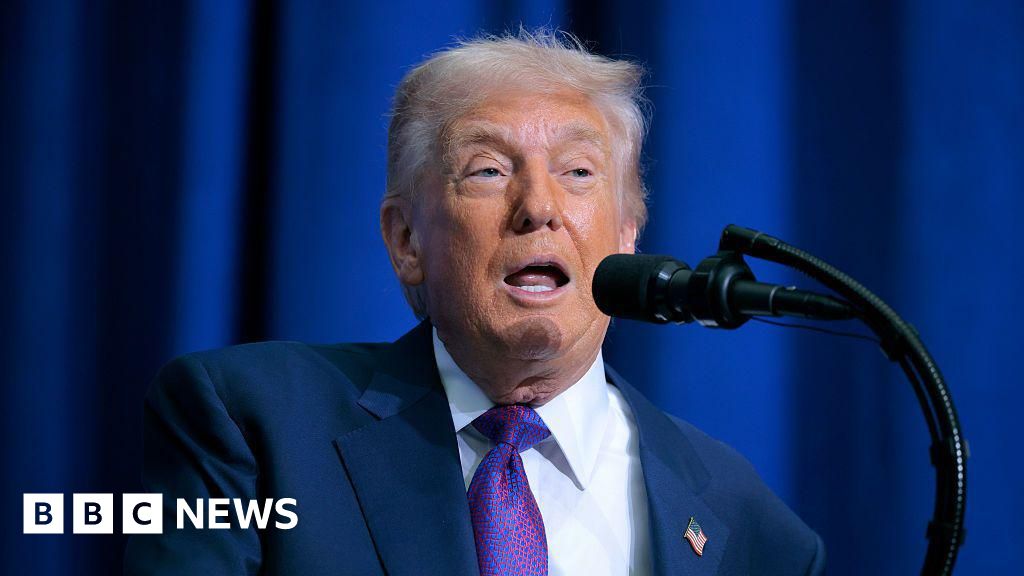
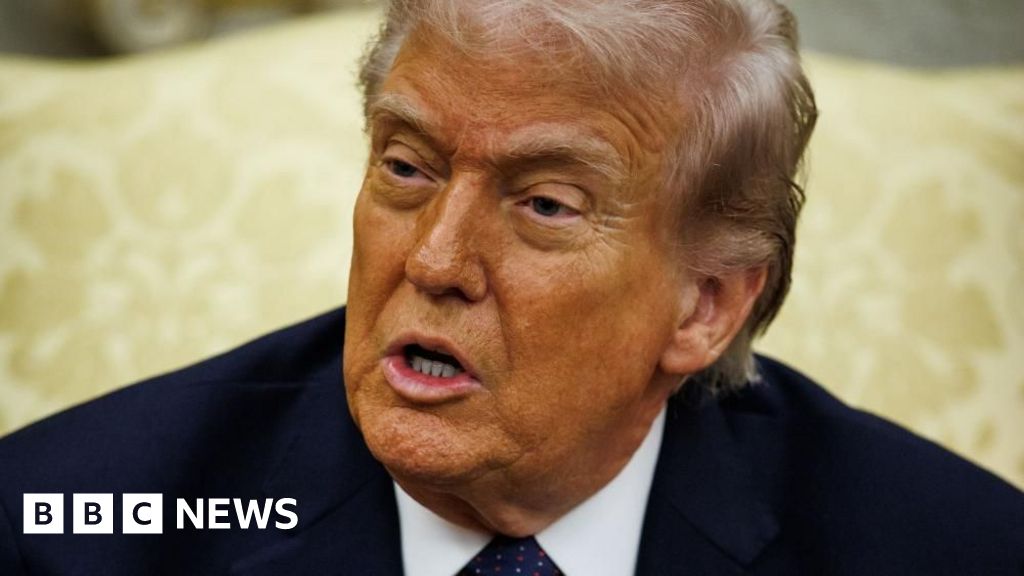
Trump warns Spain: No trade without military base access

The recent decision by Spain to prevent United States military forces from utilizing its bases for strikes against Iran marks a significant turning point in international geopolitics. This move, announced amid escalating tensions in the Middle East, underscores a broader realignment of global alliances and sovereignty issues that are shaping the modern era of international security. It signals a departure from the longstanding implicit cooperation that has characterized U.S. military strategies in Europe, and highlights the growing assertiveness of nations seeking to carve out independent foreign policy paths.

Following Spain’s decision, former U.S. President Donald Trump sharply condemned the move, arguing that it jeopardizes American national security interests and undermines the necessary, swift military responses to regional threats. His rhetoric reflected a broader concern among U.S. policymakers who view bases across Europe and the Mediterranean as critical assets in maintaining strategic dominance. The implications extend far beyond Spain itself; analysts suggest this could embolden other host nations to scrutinize or restrict U.S. military operations, thereby complicating America’s ability to respond effectively in a volatile Middle East. According to international security analysts, maintaining unimpeded access to bases is often seen as vital to U.S. strategic flexibility, especially in a region where rapid action can determine outcomes in conflict or diplomatic stalemates.

This development comes against the backdrop of a shifting geopolitical landscape where global influence is increasingly contested. Spain, which historically maintained a policy of strategic neutrality, appears to be asserting a more independent foreign stance amidst rising nationalistic sentiments and economic pressures. Meanwhile, Iran continues to challenge Western influence, with mounting concerns over nuclear proliferation and regional influence. The decision by Spain is being viewed by many experts as a reflection of a broader desire among Western nations to reassert sovereignty and diversify their security partnerships. American and European diplomats are now faced with the daunting task of recalibrating their military and diplomatic strategies to adapt to this new reality.

International organizations such as the North Atlantic Treaty Organization (NATO) have historically provided a framework for collective defense, but recent events underscore fundamental shifts. As historian Dr. Peter Roberts notes, “The era of unquestioned U.S. military supremacy in Europe is receding. States are increasingly willing to challenge the old order, asserting their independence in the face of global uncertainty.” The consequences of Spain’s move could intensify regional instability, change the balance of power in the Mediterranean, and influence future treaties related to military cooperation and sovereignty. This rising assertiveness not only reshapes alliances but also profoundly impacts societies that depend on stability, security, and the delicate balance of diplomacy and deterrence.

As history continues to unfold in the shadows of historic conflicts and Cold War rivalries, the question remains: how will global powers adapt to a world where the old paradigms of dominance are challenged from within and beyond? The weight of this moment is a stark reminder of the fragility of peace and the relentless push for national sovereignty. In the theater of international relations, where decisions are often made in quiet backrooms, the risk of miscalculation looms large. And so, the trajectory of this new chapter in the geopolitics of the 21st century hangs in delicate balance, its outcome capable of reshaping the world order itself—destined to be remembered as a defining moment in the ongoing saga of history’s fierce conflicts and fragile alliances.
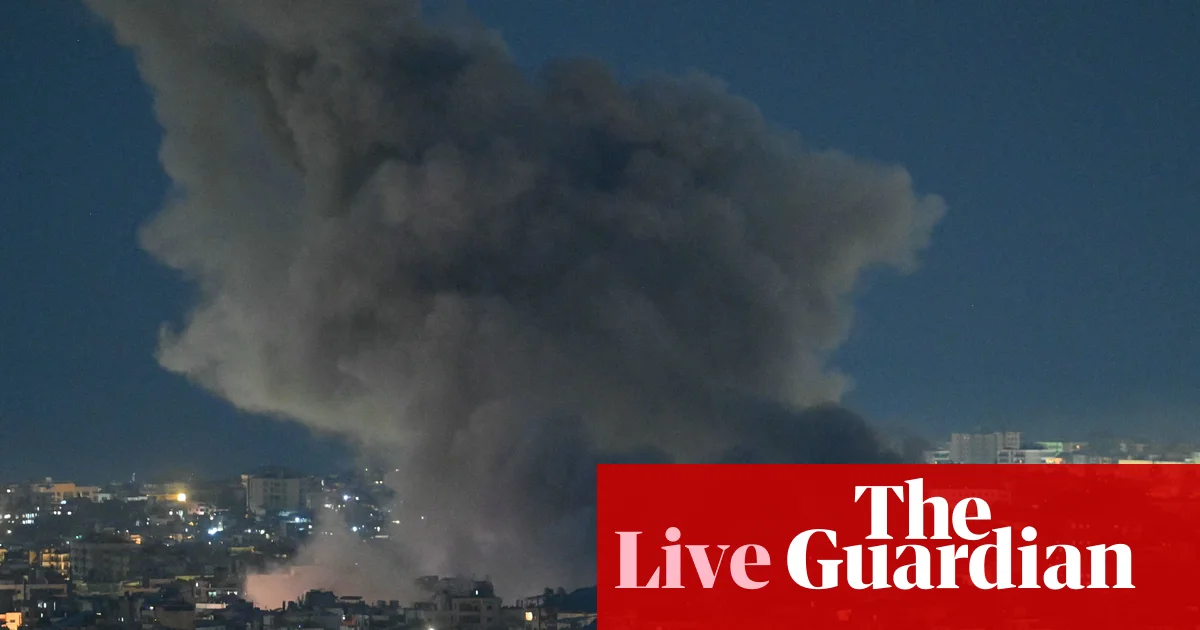

US-Israel Tensions with Iran: Netanyahu Predicts Long Conflict as IDF Warns Lebanese Civilians

Global Tensions Escalate in Middle East Conflict Amid US, Israeli, and Iranian Actions

The recent surge in military activity across the Middle East signifies a critical turning point in international relations, with USA forces claiming to have destroyed key Iranian Revolutionary Guards command facilities, missile launch sites, and air defense capabilities. This development marks a significant escalation in the ongoing US-led campaign against Iran, directly targeting its military infrastructure in what officials describe as “decisive action” against an “imminent threat.” According to US Central Command, these operations are part of a sustained effort to dismantle Iran’s ability to arms terrorist networks outside its borders and prevent further regional destabilization.

In parallel, the Israeli military has engaged in extensive strikes against Tehran and Beirut, while issuing evacuation orders for strategic locations in Lebanon amidst fears of imminent hostilities. This coordinated campaign underscores a broader geopolitical shift, intensifying the confrontation and risking broader regional chaos. Israeli Prime Minister Benjamin Netanyahu has publicly stated that this war may take “some time,” but assured it won’t be an “endless conflict,” emphasizing a desire for swift, decisive victory. Analysts, including those at the Council on Foreign Relations, warn that these aggressive postures threaten to ignite a broader war involving multiple state and non-state actors.

Strategic Ramifications and International Response

Amid the mounting military engagements, the region has plunged into disarray. The US has ordered all citizens to evacuate over a dozen Middle Eastern countries, including Saudi Arabia and the United Arab Emirates, citing rising risks of further attacks and diplomatic instability. The Saudi embassy in Riyadh was reportedly struck by drones early Tuesday, causing a fire and leading to a temporary diplomatic closure—a stark reminder of how quickly regional security can unravel.

Further complicating the situation, Iran’s Revolutionary Guards claimed a drone and missile attack on a US air base in Bahrain, asserting that they destroyed the base’s main command headquarters—a move likely to provoke retaliatory strikes. International organizations such as the UN have expressed concern, urging de-escalation, but their calls seem overshadowed by hardened rhetoric and ongoing hostilities. Meanwhile, the strategic choke point of the Strait of Hormuz, vital for oil and gas shipments, hangs in the balance after threats from Iran to close navigation, risking a potential global energy crisis. The U.S. military remains cautiously optimistic, asserting the Strait remains open, but the threat of escalation looms large.

Projection of War and the Shift in Global Power Dynamics

As the conflict continues to spiral, former Secretary of State Marco Rubio stated that the “hardest hits” are yet to come, hinting at a prolonged and punishing campaign against Iran. Meanwhile, President Donald Trump has laid out broad objectives, including dismantling Iran’s missile capabilities, naval forces, and nuclear ambitions—all with an eye toward curbing Iran’s regional influence.

Historian Samuel Huntington and geostrategic analysts warn that this conflict risks reshaping the global power balance. Worst-case scenarios include a broader regional war, economic turmoil, and centering the Gulf’s geopolitical importance in American and allied foreign policy for decades to come. How nations respond in these critical moments will determine the nature of international stability in the years ahead, with the weight of history pressing heavily upon these decisions. As the echoes of drone strikes, evacuations, and military escalations reverberate across capitals, the world stands at a precipice. The unfolding story of the Middle East’s chaos may well forge a new era—one defined by confrontation, resilience, and the relentless pursuit of national interests amid the uncertainty of a world still on the edge of war.

This Week in Review: Think the dangers are behind us? Think again — Emma Brockes warns it’s serious now

International Landscape Shaped by Local Crises and Power Plays

In a world increasingly defined by internationally significant environmental breaches and political scandal, the global community faces critical crossroads. The recent exposé on United Kingdom’s privatized water sector reveals a troubling abdication of environmental stewardship, with illegal effluent dumping into rivers and seas continuing unabated. Despite the alarming nature of these revelations, governmental agencies like the Environment Agency have been criticized for their failure to prosecute such practices, highlighting a disturbing gap between policy enforcement and ecological responsibility. This scandal underscores a broader question of governance—should essential services be driven by profit motives at the expense of public health and environmental integrity? The implications extend beyond Britain, serving as a warning to other nations with similar privatization models, especially in the face of mounting environmental crises and shifting political will. As experienced analysts warn, neglecting environmental safeguards could compound the effects of climate change, threaten biodiversity, and ultimately destabilize societies dependent on clean waterways and resilient ecosystems.

Simultaneously, the international stage remains volatile with prominent figures embroiled in just as much controversy. The case involving Russell Brand at Southwark Crown Court epitomizes the troubling intertwining of celebrity, justice, and societal values. Brand’s charge of rape and sexual assault, juxtaposed with his flamboyant wardrobe and continued defiance, exemplifies a wider cultural tension: how do societies reconcile individual accountability with charismatic personalities who challenge social norms? Critics argue that such cases reveal deeper societal issues regarding power dynamics, gender relations, and the often-blind celebrity culture. Meanwhile, high-profile personalities like Princess Anne continue to navigate their roles amid public scrutiny, exemplifying how individual actions and perceptions shape national narratives. As observers debate the emotional and political fallout, the implications for societal morals and justice systems worldwide grow more profound.

Historically Charged Narratives and Shifting Alliances

Across the Atlantic, tales from Hollywood add another layer to the complex mosaic of personal struggles and cultural shifts. The revelations from a memoir excerpt about Musical artist Minnelli recount fierce battles with her ex-husband, painting a vivid picture of tumult and resilience. These stories offer a stark reminder that behind public facades are intricate, often turbulent human stories—stories that resonate deeply with society’s longstanding grappling with identity, fame, and morality. Meanwhile, political discourse remains heated, with shifts in international alliances and regional dynamics drawing global attention. The current geopolitical landscape is marked by intense debates over sovereignty, economic sanctions, and military posturing, particularly as superpowers like Russia and China pursue strategic objectives that threaten the fragile balance of global stability.

In these turbulent times, historians and analysts argue that the decisions made today will echo through generations, shaping the global order’s future. International organizations and sovereign nations alike are tasked with navigating these perilous waters, balancing national interests with collective security. As Washington, Brussels, and Beijing maneuver, the echoes of history warn of the potential for miscalculation—an all-consuming conflict or a drawn-out diplomatic stalemate. How these unfolding stories resolve will determine the legacy left to future generations: a world on the brink or one striving towards stability, driven by the lessons of the past and the choices of the present.

As history continues to unfold in real-time, the weight of future judgment remains. Will humanity learn to forge a sustainable coexistence, or will it be swept into chaos by its own hubris and short-sightedness? The struggle for justice, environmental integrity, and international harmony is ongoing—a relentless battle beneath the banner of progress. The pages of history are still being written, and the narrative’s final chapter remains uncertain, yet unmistakably vital—forever shaped by the actions of those who dare to lead and challenge in these tumultuous times.

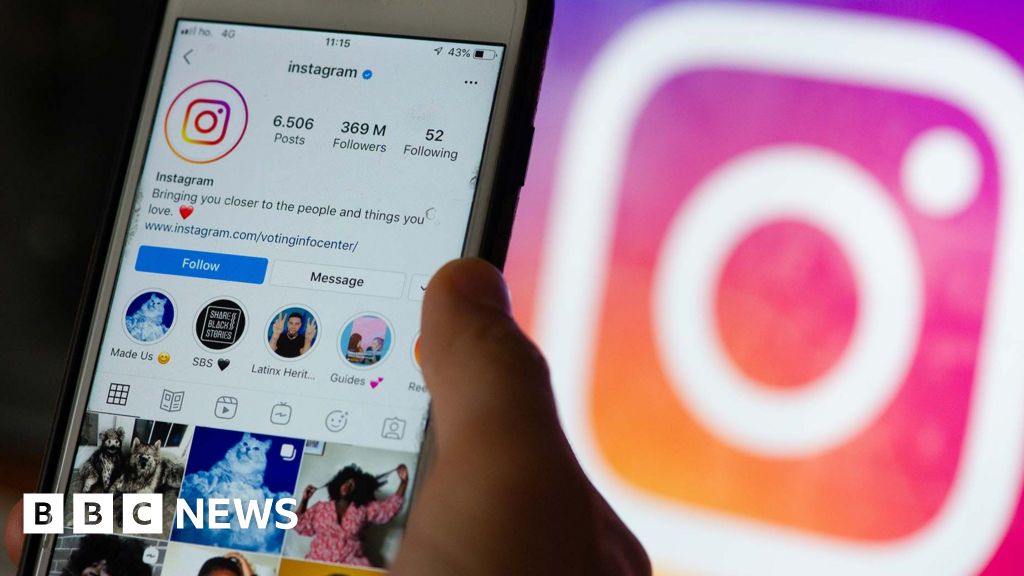
Instagram Now Warns Parents When Teens Search for Self-Harm Content

Social Media’s Hidden Toll: A Growing Crisis for Youth and Society

The digital age has transformed the way communities, families, and institutions interact with the youngest members of society. While social media platforms like Instagram offer unprecedented opportunities for connection, they also pose profound risks that are increasingly difficult to ignore. According to Ged Flynn, chief executive of the charity Papyrus Prevention of Young Suicide, despite recent statements by Meta praising their efforts to address harmful content, the core issue remains unaddressed: young people are continuously drawn into a dark and potentially destructive online environment. This concern strikes at the heart of our society, highlighting the pressing need for a critical reevaluation of how digital spaces influence mental health, social cohesion, and educational development.

At the intersection of social issues and technological advancement, our families and communities find themselves navigating a complex landscape. Sociologists have long debated the impact of digital culture on interpersonal relationships. Today, an increasing body of evidence suggests that the unregulated exposure to harmful online content can deepen feelings of isolation, depression, and anxiety among youth. This phenomenon strains families by complicating their roles as moral guides and emotional anchors, especially when children encounter damaging influences beyond parental oversight. Schools and educators, meanwhile, are grappling with a new reality in which students are affected by social media-driven pressures—ranging from cyberbullying to distorted standards of beauty and success—corroding the foundational values of self-worth and resilience.

Historians and social commentators have observed that society’s cultural shifts—particularly the erosion of local community bonds and shared moral frameworks—have created a fertile ground for the proliferation of online dangers. As social cohesion weakens, digital platforms often serve as both refuge and threat, complicating the social fabric that binds generations. According to social critic Douglas Murray, the unchecked dominance of these platforms is fostering a culture of superficiality and detachment, which hampers community-building efforts and perpetuates social fragmentation. These issues extend into our institutions, where mental health services are overwhelmed and resources are stretched thin, leaving vulnerable youth without adequate support in times of crisis.

  • Despite efforts by corporations to implement safety measures, children and teenagers remain exposed to harmful content that can influence their development negatively
  • The rise in youth mental health issues, including depression and suicide rates, correlates strongly with increased social media usage
  • Parents, teachers, and community leaders are calling for more stringent regulations and educational programs to counteract the digital threats
  • Proposed solutions include fostering digital literacy from an early age, promoting offline community engagement, and strengthening mental health support systems

The challenge today lies in balancing technological innovation with ethical responsibility. It is undeniable that social platforms have the power to build communities and spread knowledge; however, as Flynn indicates, they also neglect the deeper societal issues—namely, how their unchecked growth is contributing to a crisis of mental health among our youth. To restore stability and hope within families and communities, a societal shift is required—one that emphasizes personal responsibility, moral education, and robust community networks. Education systems must adapt to teach young people resilience and discernment in the digital age, while families need practical support to nurture healthy online habits.

Looking toward the future, society faces a critical juncture. Will we allow digital shadows to overshadow the moral fabric of our communities, or will we forge a new path—one grounded in shared responsibility and unwavering hope? As we contemplate the profound implications of our technological choices, it becomes clear that the true solution lies not solely in regulation or corporate accountability, but in rekindling the moral backbone of society itself. In doing so, we may yet craft a future where families, schools, and communities stand united—guardians of a society resilient enough to withstand the digital storm and foster genuine human connection.

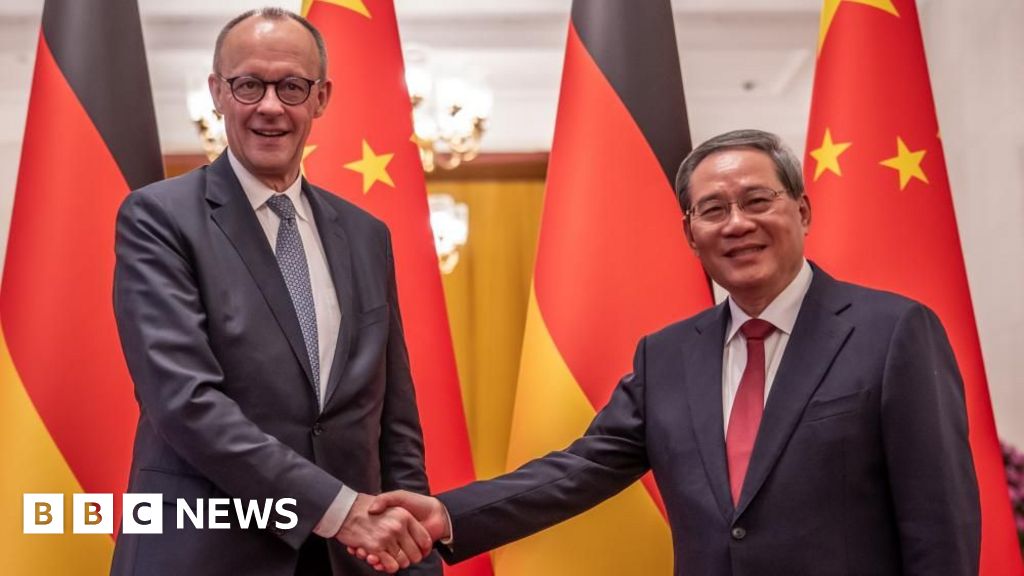
German Chancellor warns of growing trade gap with China on first Beijing visit

In a significant development amid shifting international trade dynamics, German business groups have issued a pointed appeal to Friedrich Merz, demanding a clear and decisive stance towards China’s economic practices. This move underscores growing concerns within Europe about the strategic risks posed by China’s expanding influence in global markets and the need for coherent policies to safeguard national interests. As tensions over trade competition, export controls, and technological sovereignty escalate, the call from industry leaders signals a potential turning point in Europe’s approach to balancing economic relations with China.

Under Germany’s increasingly complex geopolitical landscape, business sectors are warning that ambiguous or lenient policies could underminet the competitive edge of European firms, particularly in key sectors such as technology, manufacturing, and telecommunications. Analysts suggest that the European Union’s future approach may be pivotal in shaping global power dynamics. The pressure on Merz, the leader of the opposition, reflects broader debates within Germany—Europe’s economic powerhouse—about how to maintain a strategic and independent stance amidst rising U.S.-China tensions. Moreover, this call aligns with European efforts to reinforce export controls, safeguard technology, and counteract economic coercion, which many see as essential in preventing China’s market dominance from eroding Europe’s technological sovereignty.

Historically, decisions on trade and diplomacy have an enduring impact on national security, societal stability, and international rankings. The stance taken by Germany’s politische and business elites will likely influence the broader European Union’s foreign policy direction. Recent reports from international organizations, including the World Trade Organization, suggest that such moves could provoke retaliatory measures from Beijing, adding risk to European export-dependent economies. Meanwhile, U.S. policymakers, keen on coalition-building with European allies, are watching these developments with a mix of interest and apprehension, recognizing that the collective stance will shape how the Western bloc resists China’s strategic ambitions.

As critics warn of the potential for economic decoupling and diplomatic rupture, the words of historians and analysts carry increasing weight. Many caution that reckoning with China’s rise involves more than tariffs and export controls; it requires a deliberate, principled strategy that considers the societal and geopolitical repercussions for generations to come. The decisions made today could determine whether Europe remains a unified, resilient power or whether it succumbs to fragmentation and dependency. With Merkel’s legacy fading and a new chapter in global diplomacy emerging, the weight of history presses upon leaders to act decisively. In this unfolding saga of power, influence, and sovereignty, the future hangs in the balance—a testament to the enduring importance of strategic foresight in a rapidly changing world.

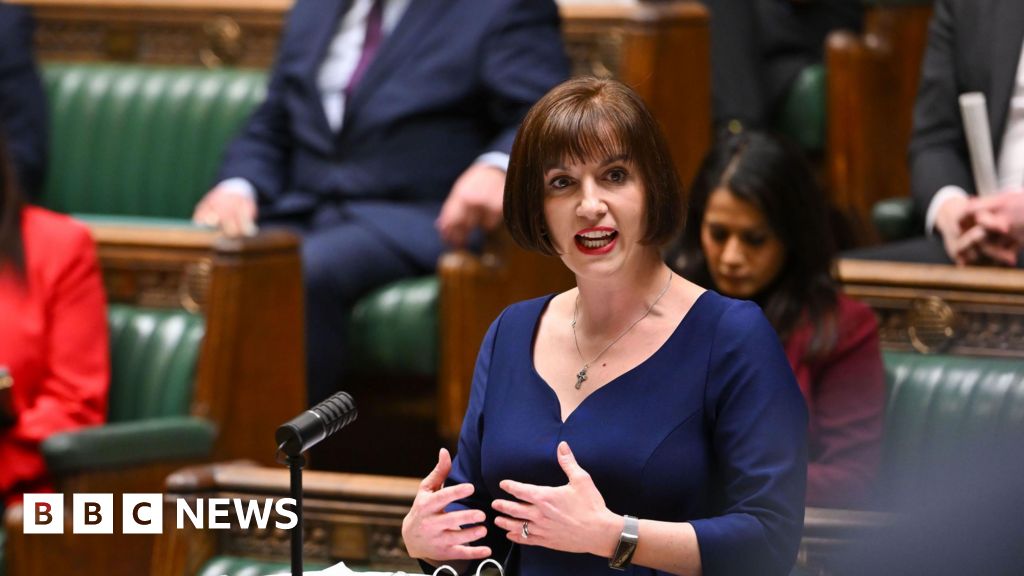
Phillipson sticks up for student loan shake-up, warns average repayments to jump by £8 a month

Societal Strain as Graduates in England Reduce Work Hours to Manage Student Debt

Across England, a growing concern is emerging within families and communities regarding the financial pressures faced by young graduates. Recent reports reveal that some students, now transitioning into the workforce, are resorting to cutting their hours at work due to what they describe as “punishing” student loan repayment schemes. This shift not only impacts individual career trajectories but also ripples into broader social and economic spheres, raising questions about the sustainability of current higher education financing models.

Students and educators alike have long debated the balance between the pursuit of higher education and its cost. Sociologists such as Dr. Emily Carter have documented that the escalating burden of student debt creates a barrier to meaningful employment and socioeconomic mobility for younger generations. The immediate consequence, highlighted by recent testimonies, is that graduates are forced to reduce their working hours—often at times when they need income most—to avoid falling behind on loan repayments. The challenge compels many to choose between earning a living and managing debt, a dilemma that risks undermining the **future stability** of families and eroding the **financial independence** that higher education was supposed to promote.

This phenomenon also impacts educational institutions and employers. Universities, historically viewed as gateways to opportunity, now face scrutiny for their role in fostering a financial climate that strains students’ mental health and limits career development. As historian Dr. Mark Hughes argues, “the modern student debt crisis signifies a societal shift where higher education no longer guarantees economic uplift but becomes a debt trap,” illustrated by patterns of graduates reducing their work commitments to contain repayment burdens. Employers are witnessing staffing reductions and decreased productivity as young workers juggle their academic debts with professional ambitions, thereby influencing community stability and local economies.

  • Financial insecurities stemming from student debt threaten the social contract—the belief that education equates to upward mobility.
  • Children grow up witnessing parental sacrifices, which fosters a cycle of financial anxiety and altered family dynamics.
  • The erosion of youth independence hampers community engagement and volunteerism, essential elements of societal cohesion.
  • The need for policy reform grows urgent, aiming to reduce repayment burdens and restore economic inclusivity.

As social commentators emphasize, the current landscape reflects not just an economic challenge but a moral crisis. Our society’s foundation—families, education, and communities—face mounting pressures that threaten to fracture social fabric if unchecked. Recognizing that social issues are interconnected, policymakers and civic leaders must work toward sustainable solutions: reforming student loan schemes, expanding support for young families, and fostering a culture that values financial literacy and equity in educational access. The future of society hinges on whether we can address these challenges with unwavering resolve, transforming financial hardship into a catalyst for renewed social cohesion and shared prosperity.

In this dance of societal change, hope remains resilient. Society’s greatest strength lies in its capacity for reflection and transformation. As future generations face the ripple effects of today’s policies, there exists a profound opportunity—an enduring call—to rebuild a society where families thrive, education empowers, and communities unite. Only through collective effort can we turn disruption into a catalyst for a society where every young person, burdened no longer by crushing debt, can dream anew and work towards a brighter tomorrow.

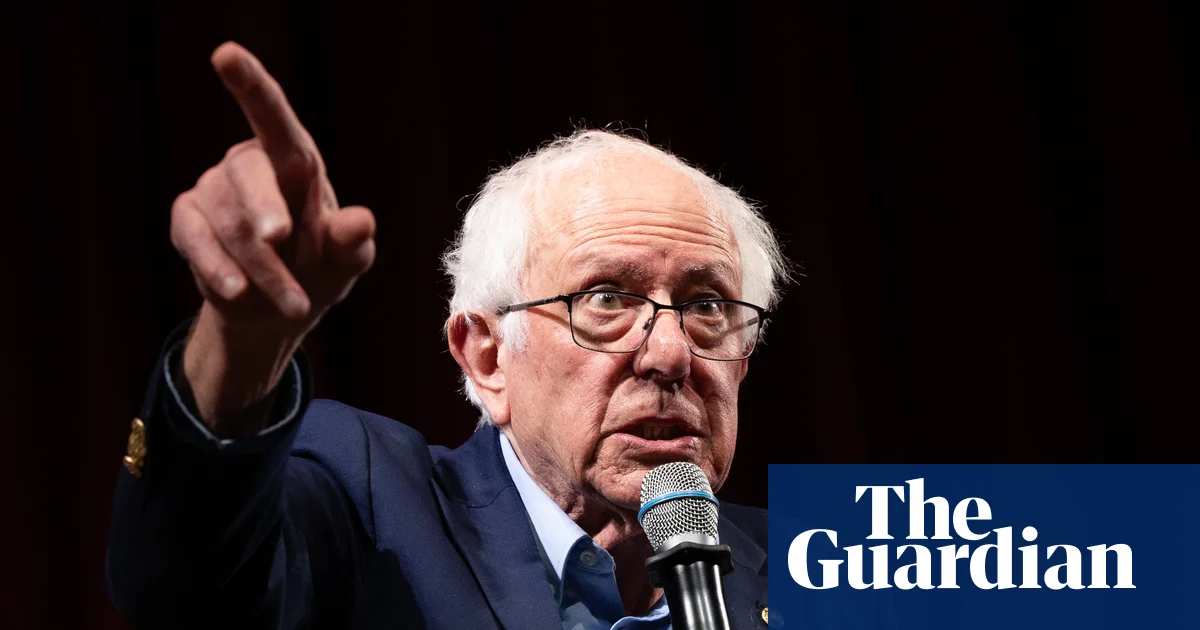
Sanders warns: US clueless on AI's rapid rise—slowing down is urgent
Sanders warns: US clueless on AI’s rapid rise—slowing down is urgent

Global Impacts of AI Revolution: A Wake-Up Call for Nations

As technology advances at breakneck speed, warning signs from influential voices across political and economic spheres are intensifying. Senator Bernie Sanders recently spotlighted the looming AI revolution at Stanford University, warning that the American public and Congress remain dangerously unprepared. His stark assessment underscores a broader warning that the rapid development of artificial intelligence threatens to reshape societal fabric, employment structures, and international relations in unpredictable ways. This emerging crisis transcends national borders, risking a geopolitical upheaval that could redefine the global order.

Sanders’ call for action coincides with a growing chorus of international voices raising alarms over the unchecked growth of AI systems. While American policymakers grapple with legislative inertia, China, the European Union, and other major actors are making calculated moves to assert control over this disruptive technology. China has accelerated its AI development, emphasizing state-led initiatives aimed at outperforming western counterparts, while the EU pushes for regulatory frameworks intended to safeguard privacy and human rights. In this landscape, the United States faces a critical crossroads: continue rushing forward, risking societal chaos, or adopt a cautious approach that could reshape global technological dominance.

Throughout the debate, figures like analysts and historians warn that the inability to regulate AI’s growth might lead to profound economic consequences. Projections suggest that millions of jobs—ranging from trucking to white-collar sectors—could be lost within the next decade. The International Monetary Fund (IMF) and World Economic Forum have issued warnings about the potential for growing inequality and oligarchic concentration of wealth. These developments threaten to destabilize societies by exacerbating disparities, fueling social unrest, and challenging the legitimacy of democratic institutions. The recent push by Sanders and Khanna for a global rethink — championing measures like a moratorium or strict regulations — signals an urgent effort to alter this trajectory before it is too late.

As nations forge their responses to AI’s uncharted territory, the stakes are unmistakably high; the decisions made today could either pave the way for a future where technology elevates humanity or one where it consolidates power in the hands of a few. The tectonic shifts occurring in politics, economy, and social norms offer a vivid tableau of history in the making. Will nations act decisively to establish rules of engagement that serve the common good, or will they capitulate to the allure of unchecked technological dominance? The world watches, standing at the precipice of a new era — an era that will forever leave its mark on history, if only we have the courage to shape it.

Trump threatens strikes, demands Iran’s deal within 15 days — US warns Tehran

Rising Tensions and Strategic Movements: US Preparedness in the Middle East

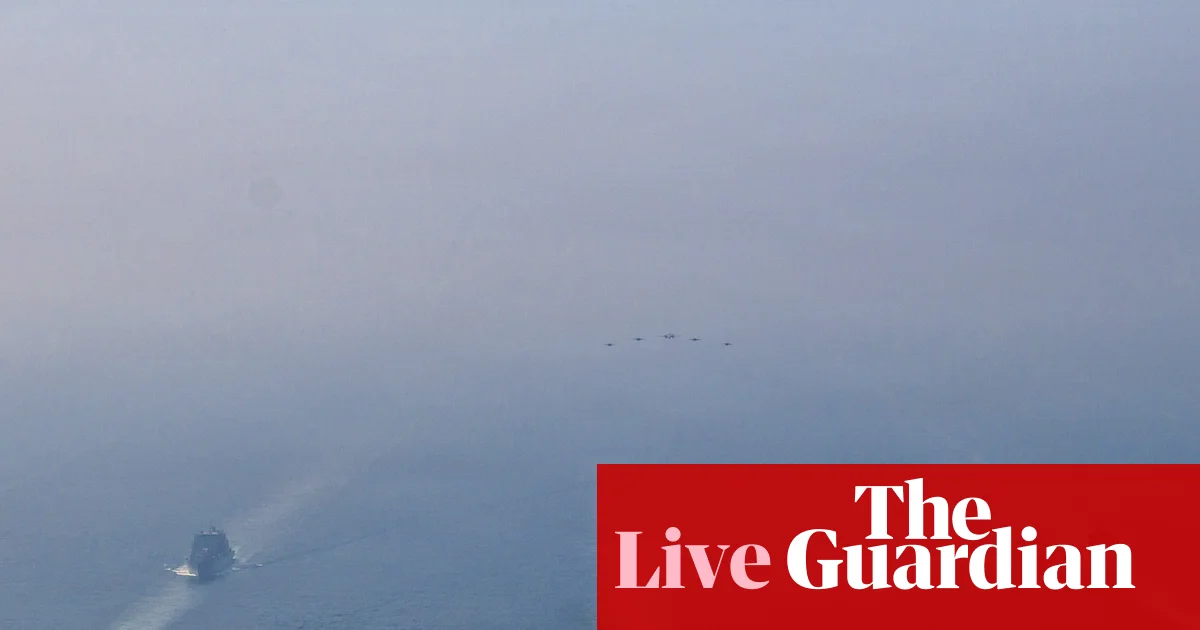
In a clear demonstration of shifting geopolitical tides, the United States has amassed an unprecedented military presence in the Middle East. The deployment of the USS Abraham Lincoln aircraft carrier, along with an entire strike group equipped with F-35 Lightning IIs and F/A-18 Super Hornets, signals a readiness to escalate military options against Iran. For nearly a month, these naval forces have operated in the Arabian Sea, indicating a deliberate strategic posture aimed, analysts suggest, at exerting maximum pressure on Iran. Complementing this buildup, a second carrier, the USS Gerald R Ford, has been positioned in the Atlantic near Morocco, scheduled to traverse the Strait of Gibraltar en route to the eastern Mediterranean—a move that signals a potential for sustained air campaigns against key targets.

This military reinforcement coincides with recent comments by Donald Trump, publicly asserting a two-week ultimatum for Iran to negotiate on its nuclear program. Sources reveal that high-level discussions in Washington have circled around not only limited strikes targeting military or governmental sites but also the possibility of larger-scale operations aimed at dismantling Iran’s nuclear capabilities or even precipitating regime change. Military strategists within the Pentagon have emphasized that these carrier strike groups could generate “several hundred strike sorties a day for weeks,” exceeding even the intensity seen during the brief 12-days war in the Gulf. The precise intentions remain under wraps, yet the message to Tehran is unmistakable: the U.S. is prepared for a decisive escalation if diplomatic efforts falter.

Global Repercussions and the Balance of Power

The geopolitical impact of this military posturing extends far beyond regional borders. Historically, the presence of such formidable naval forces signifies more than mere deterrence; it signals America’s unwavering commitment to safeguarding its strategic interests and allies, particularly Israel. According to analysts from institutions like the Institute for the Study of War and the American Enterprise Institute, the deployment of forces—combined with intelligence movements such as the transfer of six E-3 Sentry Awacs aircraft to Prince Sultan Airbase in Saudi Arabia—indicates a readiness to launch an extensive aerial campaign. This potential for rapid escalation could destabilize the region further, risking wider conflict or drawing previously uninvolved nations into the swirl of wartime politics.

Notably, some military experts warn that the mere show of force might inflame tensions rather than resolve underlying issues. Several senior analysts contend that, given Iran’s robust underground facilities and asymmetric warfare strategies, conventional bombing could prove less effective and more destructive of regional stability. Yet, the Biden administration’s continued military buildup, reminiscent of the post-Iraq invasion surge, hints at an underlying resolve to influence Iran’s nuclear trajectory through maximum pressure. The broader geopolitical ripple effect will likely be felt across energy markets, NATO alliances, and the global balance of power, as nations recommit to the narrative of American dominance and interventionism.

Historical Warnings and the Fragile Path Forward

According to historians and diplomatic experts, the prolonged cycle of threats and military movements carries profound warnings. Since the 2003 Iraq conflict, the Middle East has been a theater where power decisions ripple into prolonged instability—consequences that nations and societies continue to grapple with. The current show of force, framed by some as a “prelude to conflict,” echoes Cold War dynamics and raises questions about the efficacy of military solutions in a complex geopolitical landscape. International organizations have urged restraint, concerned that an ill-judged attack could unleash chaos, destabilize nuclear negotiations, and threaten global energy supplies.

As the world watches the unfolding drama, the weight of history remains heavy on the horizon. Whether diplomatic negotiations will succeed or whether the specter of war will deepen, the decisions made today could define an era. With each carrier deployment and political declaration, a new chapter in the ongoing contest for influence is written—one where the boldest actions might yet carve a scar on history’s fabric, a reminder that in international politics, peace is often a fragile vessel, easily shattered by the weight of impending war.

Trump warns Iran: 10 days to seal deal or face serious consequences

The United States has recently initiated a significant military deployment to the Middle East, signaling a shift in both regional security dynamics and global strategic calculations. This move comes amidst high-stakes negotiations with the Islamic Republic of Iran over its contentious nuclear program. As diplomatic channels strain under the weight of decades-long mistrust, this military reinforcement underscores a broader narrative: the contest for influence and control in an already volatile region is intensifying, with worldwide implications.

The decision by Washington to escalate military presence is viewed by many analysts as a response to recent advancements in Iran’s nuclear capabilities, despite ongoing negotiations seeking a diplomatic resolution. According to experts such as Dr. James Steele, a senior analyst at the International Security Institute, “This surge of forces signals America’s readiness to project power and deter Iran from progressing further towards nuclear armament, which could destabilize entire regions.” The move also aims to reassure regional allies like Israel and Saudi Arabia, which have long expressed concerns about Iran’s regional expansionism and nuclear ambitions. The renewed military presence in key strategic locations around the Persian Gulf has consequently sent ripples through international markets, affecting oil prices and geopolitical alignments.

Historically, such troop movements often serve as a precursor to broader conflict or a reaffirmation of strategic commitments. In this instance, the decision comes at a critical juncture—as diplomacy remains fragile and trust diminishes. The United States is not acting in isolation: its allies in NATO and the Gulf Cooperation Council are watching closely, hinting at a potential escalation in regional security dilemmas. Meanwhile, Iran condemns these actions as provocative, warning that any aggression could be met with decisive responses, heightening fears of a wider confrontational spiral. The actions of Washington and Iran, therefore, underscore the delicate balance—where diplomatic efforts hang by a thread, and the possibility of conflict looms larger than ever.

International institutions and analysts recognize this moment as a turning point—one that could redefine the geopolitical landscape for decades to come. The United Nations and other global bodies have called for restraint, emphasizing that only through diplomatic engagement can peace be restored. Yet, history warns that such calls often go unheeded when national interests clash with the desire for regional dominance. The US and Iran now find themselves at a crossroads, where their choices will have profound implications for the future of international stability, regional sovereignty, and the global order. As the world watches with bated breath, the weight of history presses heavily on this moment—one that could either mark the beginning of a new era of diplomacy or plunge the Middle East into renewed chaos, forever shaping the course of the 21st century.

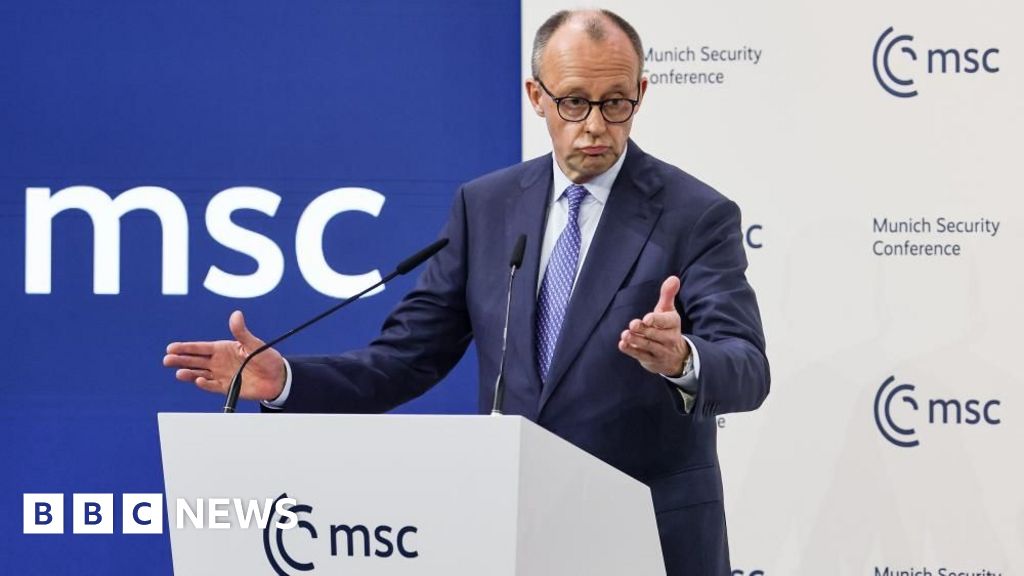
Germany’s Merz warns: Global rules-based system falling apart

In an era marked by shifting alliances and emerging superpower rivalries, the words of German Chancellor Olaf Scholz at the Munich Security Conference resonated with a sobering gravity. Addressing a gathering of global leaders and defense officials, he asserted, “Our freedom is not guaranteed”, underscoring the fragile balance that underpins international stability in the 21st century. This declaration underscores a wider recognition among seasoned analysts and policymakers that conventional notions of security, sovereignty, and diplomatic immunity are being challenged by an evolving landscape dominated by great power competition.

The geopolitical impact of Scholz’s statement hinges on the stark realities of recent events. The resurgence of Russia in its aggressions towards Ukraine, combined with the unpredictable ambitions of China in the Indo-Pacific, have reshaped the global order. International organizations like the United Nations and NATO find themselves navigating a new terrain where traditional alliances are strained, and the risk of escalation grows daily. For many Western nations, the assurances of peace that followed the Cold War are increasingly seen as ephemeral, and the necessity of military readiness and strategic deterrence has returned to the forefront of national security agendas.

Experts such as geopolitical analysts at the International Crisis Group warn that these developments could catalyze a new era of instability, where the battle for influence and resources could ignite conflicts with devastating consequences. Historians of peace and war caution that history often repeats itself when leaders underestimate the fragility of diplomacy, and the current global climate bears chilling similarities to pre-World War times. The decisions made today by governments, from troop deployments to diplomatic negotiations, bear the weight of history. For nations like the United States, the European Union, and Asian regional powers, the challenge lies in maintaining a balance—resisting the urge to retreat into isolationism and instead reinforcing frameworks that can sustain a fragile peace.

As the conference closed with renewed pledges of defense cooperation, the underlying message was clear: freedom is a hard-won commodity in an era where powerful actors seek to reshape the rules in their favor. The path ahead is fraught with peril, yet also brimming with the potential for decisive action that could either preserve the stability of our societies or propel them into chaos. History’s pages continue to turn, and as the world watches, each decision echoes through the corridors of history, reminding us that the struggle for liberty and sovereignty is an ongoing battle, one fought not only with weapons but with resolve and vigilance.”

Social Media Auto Publish Powered By : XYZScripts.com