Matox News

Truth Over Trends, always!

Middle East Tensions: Tehran Warns Trump on Hormuz, Israel’s Role in US Crew Rescue Unveiled

Turning Points Amidst Escalation in the Middle East

The Middle East is once again becoming the epicenter of international tension, with recent events signaling a dangerous escalation that holds profound geopolitical implications for nations worldwide. From Iran’s vengeful strikes to US and Israeli military actions, the entire landscape of regional security is shifting dramatically. The decisions and actions of global powers continue to ripple across societies and economies, making this an epochal moment in modern history.

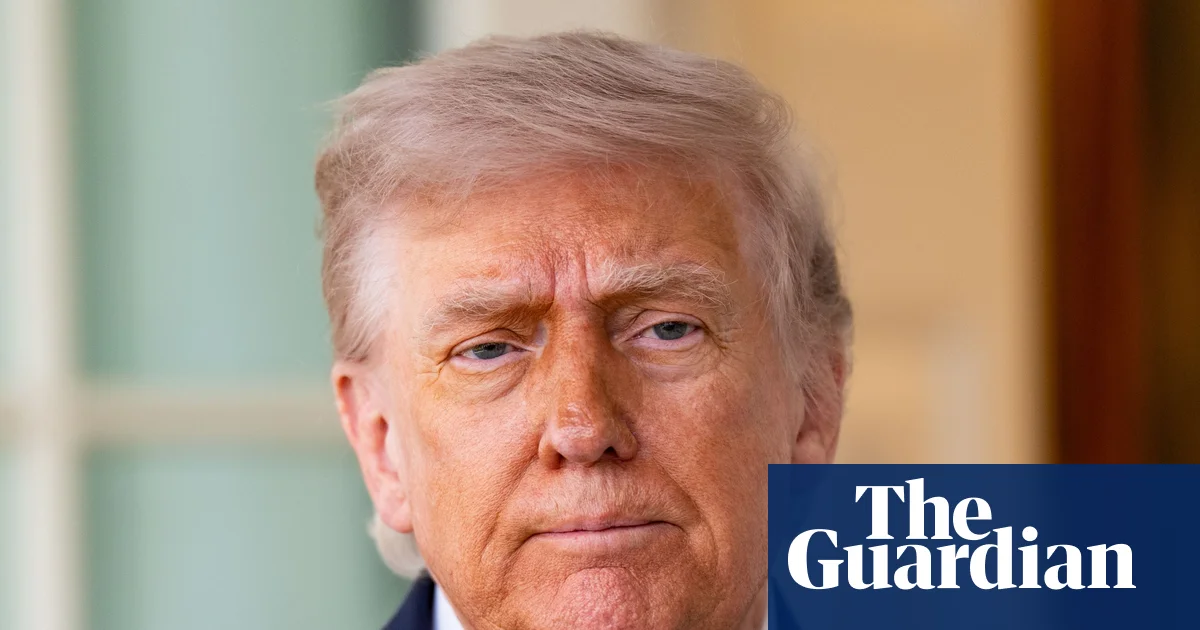
Iran’s parliamentary speaker Mohammad Baqer Qalibaf sharply condemned Donald Trump’s threats targeting regional energy and transport infrastructure, asserting that the US is being misled by Benjamin Netanyahu. As tensions mount, Iran’s defense posture has become increasingly aggressive, warning of “much more devastating” retaliation if the US proceeds to attack civilian targets. These warnings underscore the delicate balance of power in the Gulf, where any miscalculation could escalate into broader conflict. International analysts argue that Iran’s recent missile attacks on petrochemical facilities across Kuwait, Bahrain, and the United Arab Emirates are a stark signal that their capacity for damage remains potent, complicating diplomatic efforts.

The United States, under the provocations of President Trump’s incendiary comments, has doubled down on threats to intervene directly in Iran’s waterway, especially the strategic Strait of Hormuz. Trump’s coarse language on social media, calling for the Strait to be opened or risking “living in Hell,” reveals a reckless posture that global leaders and institutions have condemned. The International Maritime Organization has warned of the potential for catastrophe if the Strait remains closed, endangering global oil supplies and economic stability. Meanwhile, Iran’s response has been escalatory, with drone and missile strikes extending to key Gulf nations and an Iranian vessel at Dubai’s Jebel Ali port targeted by revolutionary guards. Such actions threaten to disrupt global energy markets, with crude oil prices opening higher in response, signaling investor fears about an impending conflict that could destabilize global markets for years to come.

Regional Conflagration: Israel’s Military Operations and Political Ramifications

Israel’s military has reported intercepting missiles launched from Iran, with alerts prompting civilians across southern regions to seek shelter. The recent strike on a residential building in Haifa resulted in fatalities and injuries, a stark reminder that the confrontation is painfully personal for Israeli citizens. Israeli Prime Minister Benjamin Netanyahu has publicly boasted of his country’s cooperation in rescuing American personnel, highlighting the covert alliances that are shaping this crisis. Israeli forces have also carried out extensive strikes against “regime targets” in Tehran, aiming to weaken Iran’s military infrastructure. This tit-for-tat escalation risks unleashing unpredictable consequences, with specialists warning that a broader regional war may now be unavoidable.

The involvement of Lebanon’s Hezbollah and Iran’s support for militant activities continue to deepen the crisis. Israeli strikes in southern Lebanon have killed at least 15 civilians, intensifying regional hostilities. Meanwhile, Iran’s threats of “devastating and widespread” offensive actions serve as a grim warning that the conflict could spiral into a full-scale regional war with devastating humanitarian consequences. As histories have demonstrated, such escalations threaten not only regional stability but also the global geopolitical order. The voices of cautious diplomacy seem drowned out amidst the smoke and chaos of war, leaving the world watching as history’s next chapter is written.

The Future Unfolding on the Tomb of Uncertainty

As international organizations and independent analysts weigh in, the question remains: will cooler heads prevail, or are we witnessing the first sparks of a new Middle Eastern epoch that could reshape the 21st century? The choices made in the coming days will determine whether this crisis will subside into open conflict or accelerate into a domino effect of violence that could threaten to engulf multiple nations. The echoes of history remind us: the ink of diplomacy must not be overshadowed by the flames of war, yet the current path seems increasingly lined with the smoke of destruction. In this unfolding saga, the world stands at a crossroads—where the weight of history reminds us that each decision holds the power to forge a new chapter or ignite irreversible chaos.

Teachers’ union warns of rising masculinity issues threatening our schools

Addressing the Rising Tide of Misogyny in Schools: A Society at a Crossroads

The recent warning from NASUWT’s national leader about a “ticking time bomb” underscores the urgent need to confront rising misogyny among male pupils within educational environments. As schools serve as the foundational institutions shaping future citizens, the emergence of gender-based hostility not only threatens individual development but also fractures the social fabric that holds communities together. Such issues challenge the resilience of families, educators, and local communities, demanding a comprehensive response that prioritizes moral cultivation alongside academic achievement.

Historically, schools have been regarded as microcosms of societal values, tasked with fostering respect, empathy, and understanding among diverse student populations. Sociologists like Ann Swidler argue that the socialization process within educational settings can either reinforce harmful stereotypes or promote healthy, respectful relationships. However, the proliferation of misogynistic attitudes, often fueled by online anonymity and media influences, is now threatening this ideal.

  • Research indicates that attitudes toward gender roles are increasingly embedded in youth culture, often exacerbated by digital platforms which can normalize hostility towards women.
  • Educational environments are struggling to keep pace with these changes, leaving some students vulnerable to developing skewed perceptions of gender and respect.
  • Moreover, the lack of targeted intervention programs leaves teachers ill-equipped to address these behavioral shifts effectively.

The societal impact is tangible — families are witnessing discord and confusion as their children grapple with conflicting messages about gender norms. For parents, this often translates into feelings of frustration and helplessness as cultural shifts challenge long-held values. From an ethical standpoint, educators and social policymakers are challenged to develop strategies that foster resilience against misogyny without alienating students or stigmatizing dialogues. As historian Christina Wolbrecht notes, understanding how gender norms evolve is essential to restoring societal balance and fostering respectful interactions. Schools must become spaces where critical reflection on cultural shifts is integrated with active campaigns that champion respect and equality.

Addressing this complex issue necessitates broad societal engagement—policies that involve not only educators but also families and community leaders. Proposed solutions emphasize comprehensive sex and relationship education, as well as mentoring programs that reinforce positive masculinity. Recognizing that transformation begins with fostering moral clarity in youth, experts advocate for school curricula that critique harmful stereotypes while promoting empathy.

  • Implementing training programs for teachers to detect and challenge misogynistic behavior early.
  • Involving community organizations to support youth in understanding gender respect.
  • Encouraging family involvement in fostering respectful relationships outside the classroom.

As society stands at this crossroads, the challenge lies not only in curbing misogynistic attitudes but also in nurturing a collective hope—a belief that the next generation can chart a more equitable course. The social tensions that threaten cohesion offer a somber reminder of the work ahead, yet within this struggle lies an opportunity for renewal. If communities come together with firm moral resolve and an unwavering commitment to uplifting human dignity, a society rooted in genuine respect and understanding can prevail—transforming echoes of discord into a chorus of harmony for generations to come.

BBC warns of rising tensions near Strait of Hormuz

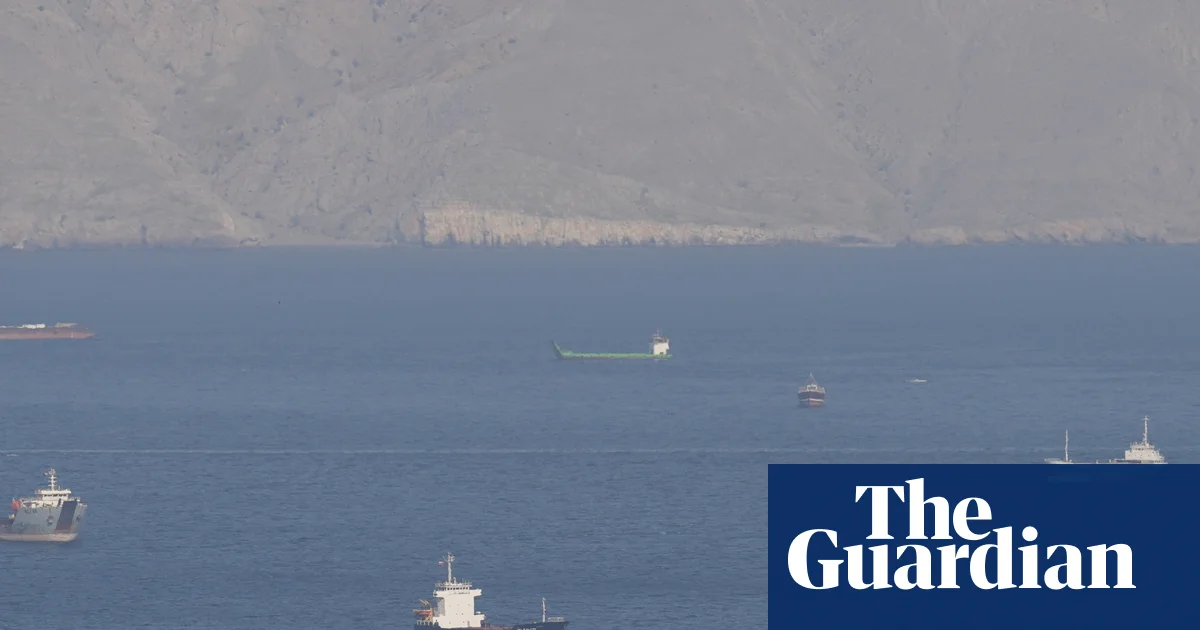
In an alarming development that underscores the fragile state of international energy security, Iran has extended its maritime restrictions at the Strait of Hormuz, a vital global conduit for nearly 20% of the world’s oil and liquefied natural gas. Senior correspondents, including Orla Guerin of the BBC, have reported from the strategic waters near Oman that Iran’s actions have effectively placed a stranglehold on maritime traffic—stranding ships and choking off a critical artery of the global economy. This move is not merely a show of regional power but a calculated step with seismic geopolitical implications.

By deploying tactics such as leaving commercial ships halted in these narrow waters, Iran’s leadership is intentionally constricting an essential supply chain, triggering a ripple effect across international markets. Energy analysts warn that such disruptions are unlikely to be temporary, with prices already seeing upward pressure and uncertainties mounting for energy consumers worldwide. Historians and geopolitical experts note that the escalation at the Strait of Hormuz represents a shift that could destabilize the global energy balance for years to come, forcing nations into difficult choices regarding alliances, military presence, and diplomatic strategies.

  • International institutions like the United Nations have expressed concern over the escalation, urging restraint and dialogue to prevent further conflict.
  • Countries heavily dependent on Persian Gulf energy supplies—such as China, India, and Japan—are watching anxiously, pondering the risks of supply interruptions that could cripple economies.
  • Meanwhile, United States and allied nations have increased naval patrols in the region, signaling a readiness to defend maritime freedoms while attempting to de-escalate tensions through diplomatic channels.

International analysts warn that persistent disruptions at the Strait of Hormuz could catalyze a broader confrontation—whether through economic sanctions, military posturing, or renewed regional conflicts. As the world’s largest oil producers and global leaders navigate this perilous crisis, the lessons of history weigh heavily. The Cold War, the Gulf conflicts, and decades of diplomatic pressure serve as stark reminders that in such geopolitically sensitive zones, the stakes extend far beyond the immediate to shape the global order itself. The outcome remains uncertain, but the leadership decisions made today will echo through history, determining who wields influence and who bears the consequences.

As the sun sets over the Strait, shadows of uncertainty lengthen over the international stage. The geopolitical impact of Iran’s strategic moves at the Strait of Hormuz is a stark reminder that in a world increasingly driven by energy dependencies and regional rivalries, the fabric of peace is thin and fragile. History is watching, and the coming days may well write new chapters of conflict, diplomacy, or both—drawing us closer to a pivotal moment in global affairs where one decision can alter the course of nations and societies for generations to come.

Mother warns: Cutting home education risks hurting our kids' future
Mother warns: Cutting home education risks hurting our kids’ future

The recent announcement by Barnsley Council to reduce the number of children receiving home education by 30% has ignited a fierce debate on the state of educational choice and parental rights within the community. Campaigners and legal experts contend that such a target is not only misguided but also “unlawful,” raising serious questions about the council’s approach to individual freedoms, community wellbeing, and the role of local authorities in safeguarding vulnerable children. This controversy underscores enduring tensions between government oversight and personal liberty, with profound implications for families and social cohesion.

The push to curtail home education reflects broader concerns about safeguarding and social integration. Advocates argue that increased oversight could address potential neglect or exploitation, citing instances where home-educated children might lack access to essential resources or socialization opportunities. However, critics, including legal scholars and social commentators, point out that the government’s role should be to support and empower parental choices rather than to impose sweeping reductions. Such measures risk stigmatizing families who opt for alternative forms of learning, often rooted in cultural or moral values, and may lead to unintended marginalization of communities that value independence and bespoke education approaches.

Research from sociologists like Michael Young and James Coleman highlights that education is not solely a tool for academic achievement but a vital component of social fabric. When families face state-imposed restrictions, the ripple effects extend beyond individual children, impacting families, local communities, and the future of society itself. The community’s stability depends on fostering an environment where diverse educational choices are respected, rather than undermined by bureaucratic targets. Moreover, recent social studies emphasize that community cohesion is strengthened when families feel that their cultural and educational values are validated and protected—something that arbitrary reductions threaten to diminish.

The legal assertion that Barnsley’s target is “unlawful” emphasizes the importance of adhering to principles of parental rights and individual freedoms. As public policy increasingly intersects with personal moral judgments, the challenge lies in balancing protection with respect for personal agency. From a societal perspective, fostering an environment that supports diverse upbringing methods—be they religious, philosophical, or cultural—bolsters social resilience and promotes a multipolar society. Leaders and educators alike must consider that the strength of a society is measured not solely by its adherence to uniform standards but by its capacity to accommodate different visions of the good life.

As communities grapple with these issues, the ultimate question remains: how can society uphold safety and inclusivity without silencing the voices of families who seek to shape their children’s education beyond the conventional systems? History teaches us that transformations often begin in moments of controversy, where societal values are challenged and redefined. In this ongoing socio-educational dialogue, there lies the hope of nurturing a society that respects both individual autonomy and collective responsibility—recognizing that, beneath all policies, it is the human element—the children, the families, and the communities—that holds society’s true strength and potential. As we reflect on these struggles, we are reminded that the journey toward a more just and compassionate society is continuous, requiring vigilance, empathy, and steadfast commitment to preserving the dignity of every voice in the mosaic of our shared future.

Zimbabwe Warns: 15 Youths Lured to Fight for Russia End Up Dead

In an assertive move highlighting ongoing diplomatic negotiations, Zimbabwe has announced that it is engaging the Russian government to facilitate the repatriation of its citizens, both those who have fallen in foreign lands and the living members still residing abroad. This initiative underscores the complex and often contentious relationship between African nations and global powers, especially amidst shifting geopolitical landscapes that threaten to redefine the influence and sovereignty of nations.

According to official statements, Harare is actively working to repatriate bodies of Zimbabweans who have died abroad, while also seeking to bring back individuals who have remained outside the country’s borders due to various circumstances. The details of these negotiations remain opaque, but reports indicate that the move is motivated by concerns over the safety, welfare, and national cohesion of Zimbabweans living overseas. Analysts suggest that this diplomatic effort is part of a broader strategy by Zimbabwe’s leadership to reinforce sovereignty and assert national identity in an increasingly interconnected yet divided world.

International organizations and historians have weighed in on such developments, highlighting how global alliances and conflicts deeply impact local nations and their societies. Experts in geopolitics argue that Zimbabwe’s engagement with Russia is emblematic of a larger trend—small and medium-sized countries leveraging international diplomacy to protect their citizens and interests amid a landscape fraught with tension and uncertainty. The repatriation efforts reflect not only a humanitarian concern but also a strategic move to cement relations with powerful nations like Russia, sparking questions about alignment and influence in the global arena.

These diplomatic efforts unfold against the backdrop of a world where traditional alliances are shifting. Some analysts see Zimbabwe’s outreach to Russia as a pragmatic step, navigating the complex web of international diplomacy in the wake of economic sanctions, regional conflicts, and evolving power dynamics. As history continues to unfold, the fate of Zimbabwe’s repatriation endeavor may serve as a barometer for how small nations maneuver within the great chessboard of global geopolitics—bold, cautious, and increasingly dependent on mighty powers for their survival. The world watches as the narrative of sovereignty, influence, and human security takes another dramatic turn—its outcome yet unwritten, yet undeniably impactful on the tapestry of history.

Next warns Middle East turmoil could add £15m to costs, driving prices higher

Global Turmoil in the Middle East Sends Ripples Through International Markets and Societies

As the conflict in the Middle East intensifies, international corporations and economies brace themselves for the profound geopolitical impact of ongoing hostilities. The latest figures from UK-based retailer Next reveal an expected £15 million increase in costs over the next three months, a direct consequence of the region’s instability. This increase, primarily attributed to surging fuel and air freight expenses, underscores how conflicts far from home can disrupt global supply chains and threaten economic stability. Analysts warn that if the conflict persists beyond the projected timeframe, inflationary pressures could deepen, affecting markets worldwide.

Despite these immediate challenges, Next remains optimistic about its financial performance, having already reported a 14.5% rise in pre-tax profits to £1.16 billion and an 11% increase in sales to £7 billion in the past fiscal year. This resilience, according to economic observers, is partly driven by robust overseas sales and strategic acquisitions, such as Cath Kidston. However, the company’s forward guidance openly acknowledges uncertain medium-term prospects due to the conflict’s potential to impair supply chain resilience, elevate freight costs, and dampen consumer demand in key markets, particularly in the Middle East where the company’s revenue accounts for approximately 6% of its group turnover. In this environment, corporate strategies now increasingly involve stockpiling and leveraging artificial intelligence to mitigate disruptions and optimize operations, reflecting a broader shift toward technological adaptation amid geopolitical chaos.

Meanwhile, global institutions and geopolitical analysts are warning that the conflict’s escalation could trigger a cascade of economic repercussions. The United Nations and World Bank have expressed concern over the destabilization of regional energy infrastructures, which could lead to sustained increases in oil and gas prices and intensify inflationary trends worldwide. Historically, similar conflicts have demonstrated how regional upheavals can morph into global crises, with supply chain bottlenecks and resource wars exacerbating inequalities and threatening social stability across continents. As tensions escalate and the conflict drags on, the world stands on the precipice of an unpredictable economic and geopolitical shift.

In reflection of this volatile landscape, some nations are reevaluating their strategic dependencies, emphasizing energy independence and technological sovereignty. For many, the recent surge in military conflicts points to a broader pattern of entrenching global conflicts that threaten international order. As history attests, the aftermath of such upheavals often leaves an indelible mark on societies, prompting major shifts in geopolitical alliances and economic paradigms. The unfolding pages of history continue to write a story of chaos and resilience, where the choices of leaders and nations today will determine the trajectory of global stability for generations to come. And as the global community watches with bated breath, one truth remains clear: the weight of history is still unfolding, and the future remains uncertain.

BlackRock warns $150 oil could spark global recession—youth watchdogs should pay attention

Recent remarks by Larry Fink, CEO of BlackRock, serve as a stark reminder of the fragile equilibrium shaping the world economy. Fink warns that if oil prices remain elevated over an extended period, the economic landscape could face profound repercussions. In an era where energy costs are intertwined with geopolitical stability, this statement underscores the precarious balance between resource scarcity, global inflation, and economic growth. As nations grapple with the aftermath of recent conflicts and geopolitical shifts, the potential for prolonged high oil prices threatens to exacerbate inflationary pressures and undermine recovery efforts worldwide.

High oil prices are not merely a matter of consumer inconvenience but hold significant geopolitical implications. Historically, sustained energy price surges have fueled inflation in advanced economies while destabilizing emerging markets. Analysts from the International Monetary Fund and World Bank have warned that escalated energy costs can lead to increased social unrest, currency devaluations, and economic contractions—especially in nations heavily dependent on energy imports. Meanwhile, OPEC and other oil-producing coalitions continue to balance between maintaining control over supply and responding to global calls for increased production, often leading to unpredictable market volatility.

The geopolitical impact extends beyond economic spheres; it influences diplomatic relations and regional security. Recent moves by major producers and consumers indicate a shifting landscape, where access to reliable energy sources becomes synonymous with national security. Expert analysts emphasize that decisions made today regarding energy policies could set the tone for decades to come, determining which nations emerge resilient and which face profound instability. For instance, nations pursuing aggressive diversification strategies might forge new alliances and invest heavily in alternative energy, whereas others may double down on traditional oil dependencies, risking further geopolitical rifts. This tug-of-war underscores the critical importance of mindful policymaking amid international tensions.

The potential consequences of prolonged high oil prices are not confined to economic metrics alone. Historically, energy price shocks have led to social upheaval, with protests and unrest erupting in vulnerable societies. International organizations, such as the United Nations and regional security alliances, are closely watching these developments, aware that economic hardship often fuels extremism and instability. As nations navigate these turbulent waters, they face the urgent task of balancing energy needs with strategic resilience. The decisions made in the coming months will determine whether societies can endure or succumb to the mounting pressures—restoring stability or plunging into unforeseen chaos.

As the global powers converge and diverge on energy policies, the weight of history presses down with relentless force. The corridors of power are watching, awaiting the next move that will shape the course of nations. The dramatic unfolding of events reminds us that in the theater of geopolitics, energy is more than just fuel—it’s a key to survival, influence, and the future itself. The world stands at a pivotal juncture, where yesterday’s choices become today’s consequences, and the outcome remains uncertain, yet undeniably critical, in the grand narrative of history.

UK security warns: Hostile state threats up 50%—police chief issues urgent call to youth

In recent months, the UK has experienced a surge in national security threats, reflecting a broader shift in the geopolitical landscape and raising profound concerns within communities about safety and stability. According to authorities, there has been a 50% increase in investigations into foreign state activities—particularly from nations like Iran, Russia, and China. Such developments are not merely political headlines but deeply influence families and local communities, instilling a climate of uncertainty that jeopardizes the social fabric that holds society together. Social commentators and sociologists warn that these threats could catalyze divisions, especially when intertwined with domestic tensions that threaten the cohesion of multicultural communities.

One of the most disturbing manifestations of growing social tension surfaces in antagonism against the Jewish community. A recent attack in Golders Green, North London, saw four ambulances belonging to the Jewish charity Hatzola firebombed amid reports that the group claimed responsibility. Though the incident is officially treated as antisemitic rather than terrorism, it underscores the fragility of community safety in a society grappling with cultural shifts and demographic tensions. The Metropolitan Police have responded by deploying additional officers, firearms units, and drones to protect Jewish neighborhoods during Passover, revealing a reactive measure to a social fracture that runs deep. The attack not only endangers families’ sense of security but also fuels fears of further escalation in societal discord.

At the political level, figures like Kemi Badenoch argue that tougher immigration policies are necessary to combat antisemitism and social division. Her stance, emphasizing a departure from the European Convention on Human Rights (ECHR), reflects a broader conservative ideology that seeks to address root causes of societal friction. However, critics warn such policies risk alienating vulnerable migrant communities and hampering efforts toward social integration. The debate embodies the broader societal challenge of reconciling national security concerns with upholdings of inclusivity and human rights. As history repeatedly shows, the fragile balance between openness and security can either be a catalyst for societal harmony or a source of division—challenging families, educators, and community leaders alike.

Adding to this complex picture, prestigious institutions such as King Charles have begun to visibly support efforts to combat antisemitism, with the monarch accepting a role as patron of a charity working in this realm. The Community Security Trust (CST) sees this as a sign of societal commitment to preservation and protection, yet such gestures alone are insufficient without concrete action on societal and policy levels. As social historians suggest, the innate human desire for safety and belonging often clashes with the relentless tide of change and division. The real question becomes whether society can harness *hope* to rebuild trust, educate youth about tolerance, and foster community resilience—especially when faced with insecurities that threaten to dismantle the societal kinship that families, schools, and local communities strive to nurture amid adversity.

Ultimately, society stands at a crossroads, with the burden of safeguarding democratic values and social harmony placed upon both policy and moral responsibility. Social challenges—be it foreign interference, cultural tensions, or domestic extremism—are not inevitable but require proactive, collective effort. The hope of society’s future hinges on our capacity for moral reflection, community engagement, and shared resilience. As the shadows of discord lengthen, society must look inward and forward, contemplating whether, through courage and compassion, it can forge a society where every family can live free from fear and division, and where hope quietly stirs within the hardest of times—reminding all that even amidst darkness, society has the power to transform itself into a beacon of unity and moral strength.

UN warns: El Niño threat raises climate alert for the youth

The Earth’s climate system has reached a critical juncture, according to recent reports from the United Nations’ World Meteorological Organization (WMO). For the first time in recorded history, climate data indicates that our planet is fundamentally out of balance, with temperature anomalies, unpredictable weather patterns, and rising sea levels threatening both natural ecosystems and human societies worldwide. This stark reality underscores a turning point that could redefine geopolitical stability for decades to come.

Global leaders and environmental experts are sounding urgent alarms over the accelerating pace of climate change. The WMO’s data reveals that anthropogenic factors—particularly the relentless burning of fossil fuels, deforestation, and industrial emissions—have pushed the Earth’s climate well beyond historical variability. These shifts stimulate a cascade of consequences: increased frequency and severity of natural disasters, widespread displacement, and economic destabilization. Analysts warn that ignoring these warning signs risks unleashing a cycle of instability that could ripple across continents, threatening international peace and security. The United Nations continues to call for urgent multilateral action, but critics argue that existing commitments fall markedly short of the scale and urgency needed to mitigate the crisis.

Among the most alarming repercussions are the geopolitical impacts stemming from climate-induced upheaval. Displaced communities and resource shortages are fueling conflicts in vulnerable regions, further emphasizing the intersection of environmental and international security. In Africa and parts of Southeast Asia, already fragile states face the compounded stress of climate-related migration and economic disruption. Meanwhile, powerful nations—such as the United States, China, and Russia—are under increasing pressure to balance their own economic ambitions with the moral imperatives of climate stewardship. Many international organizations emphasize that leadership in this crisis will influence how history judges the global response or complacency, with some analysts predicting a possible realignment of global alliances based on climate resilience and resource control.

Historian and geopolitical analysts point out that history has often identified major environmental shifts as catalysts for large-scale change—sometimes violent, other times transformative. The Strategic Foresight Group warns that if current trends persist, nations may soon find themselves in a state of hyper-competition over dwindling resources, with the potential for conflict escalating amid scarcity. The international community faces the difficult dilemma of reconciling economic growth with ecological sustainability—an endeavor complicated by national interests, ideological divides, and economic dependencies. As climate negotiations continue to falter, the collective question persists: will humanity heed the warnings before the window for effective action closes completely?

In the grand scope of history, this pivotal moment carries a weight that cannot be overstated. As global leaders gather once more to discuss climate policies amid a backdrop of increasing chaos, the world may be approaching an inflection point—where decisions made today will either forge a path toward sustainability and resilience or plunge future generations into chaos. The narrative of this century is being written with each policy, each treaty, and each act of defiance or compliance. The question remains: will this be remembered as humanity’s finest hour of collective action, or as a grave warning ignored until it was too late?

Hawaii Warns Residents: Evacuate Now Amid Devastating Flood Crisis

In a stark reminder of the escalating climate crisis, Hawaii is currently experiencing its most devastating flooding in over two decades. The recent deluge has left infrastructure in ruins and thousands displaced, highlighting the tangible impacts of climate change intensified by human activity. As heavy rains accumulated on already saturated soil—triggered by the persistent “Kona lows,” winter storm systems characterized by moisture-laden southerly winds—local officials issued urgent evacuation orders, urging residents to “leave immediately” from the most hazardous zones. This climate-driven disaster underscores not only the fragility of Hawaii’s environment but also the broader geopolitical implications, as the U.S. contends with increasing natural catastrophes that threaten its states’ stability and security.

The flooding has wreaked havoc across Oahu and Maui, causing extensive damage to homes, roads, and critical infrastructure. Officials estimate the financial toll may surpass $1 billion, impacting airports, hospitals, and local communities. The damage assessment remains incomplete, but what is clear is that the human and economic costs are mounting at an alarming rate. The distressing situation on Oahu’s North Shore—as residents watched muddy waters swallow once-pristine landscapes and livestock vulnerable in floodwaters—serves as a stark warning of the environmental tipping points being reached. Experts, including renowned climate analysts, argue that the increased frequency and severity of such events are irrefutable signs of global warming’s tangible impact, compelling nations to reassess their resilience strategies and international commitments.

This crisis also exposes the fragility of vulnerable infrastructure, such as the 120-year-old dam on Oahu which was flagged as being at imminent risk of failure. Emergency alerts warned of potential dam breaches, emphasizing how decades of neglect combined with extreme weather can rapidly turn into disasters. While the immediate focus is on rescue operations—more than 200 people rescued from rising waters—there is a deeper geopolitical storyline unfolding. The White House has announced federal support, but critics question whether U.S. authorities are adequately investing in climate resilience, especially in vulnerable regions like Hawaii. As the island state grapples with this natural catastrophe, it echoes a global warning: the increasing frequency of climate-induced disasters demands coordinated international action and robust infrastructure improvements. The aftermath will undoubtedly shape policy debates, pushing governments worldwide to confront the intertwined crises of climate, security, and economic stability.

History has shown that such natural disasters often precede geopolitical shifts—highlighting the importance of strategic foresight as nations watch climate chaos threaten their sovereignty and societal cohesion. As Hawaii’s landscape battles the fury of nature, the world is left to forge a new understanding of vulnerability and resilience—an urgent chapter in mankind’s ongoing struggle to adapt to a rapidly changing planet. With each rising tide and rushing flood, the weight of history presses down, reminding humanity that in the face of nature’s wrath, the choices made today will determine the legacy of future generations. The unfolding narrative will test the resolve of governments, societies, and individuals alike—an enduring testament to the profound influence of climate on the course of civilization.

Social Media Auto Publish Powered By : XYZScripts.com